Blog

  • Asus MAXIMUS III FORMULA Motherboard

    Designed for enthusiasts by enthusiasts, ASUS Maximus III Formula, designed for the new Intel® Core™ i7 and Core i5 processors in the LGA1156 socket. The revolutionary two-chip layout enables lower power consumption and more advanced performance tuning for a smoother, more realistic experience. Asus has raised the standard DDR3 memory specification, hitting speeds of 2133 MHz. Ten SATA deliver greater flexibility. With incredible support for up to eight threads of raw processing power & dual-channel DDR3 memory the ASUS Maximus III Formula brings the best weapons to any application or game. Todays extreme gaming, digital photography, and video editing demand breakthrough technology. The ASUS Maximus III Formula supports the latest processors, and Intels cutting-edge technology delivers even greater performance and power efficiency.
    Video Rating: 4 / 5

  • Panning in der Landschaftsfotografie

    Bildkomposition in der LandschaftsfotografieDies ist ein Gastartikel von Sven Seebeck. Sven lebt in Finland und fotografiert überwiegend die Landschaften im Norden Skandinaviens. Seine Arbeiten könnt Ihr auf seiner Webseite svenseebeck.com finden. Auf Twitter findet Ihr ihn unter @svenseebeck.

    Heute möchte ich Euch eine Technik vorstellen, die mich nunmehr schon eine ganze Weile begleitet und auf die ich immer wieder gerne mal in der Landschaftsfotografie zurückgreife: die Panning Technik.

    Diese Technik wird für gewöhnlich bei bewegten Objekten angewendet mit dem Ziel, das Objekt relativ scharf vor einem verwischten Hintergrund abzulichten. Eine schnelle Suche auf Flickr bringt entsprechende Beispiele. Auf die Idee, diese Technik allerdings in der Landschaftsfotografie anzuwenden, bin ich jedoch durch einen Artikel über den englischen Fotografen Ted Leeming in dem Magazin Outdoor Photography aufmerksam geworden.

    Ein Teil seiner Arbeit zeichnet sich durch die Verwendung eben dieser Panning Technik in der Landschaftsfotografie aus. Da in dem Artikel nicht beschrieben war, wie er seine Fotografien erstellt, musste ich es eben selbst heraus finden.
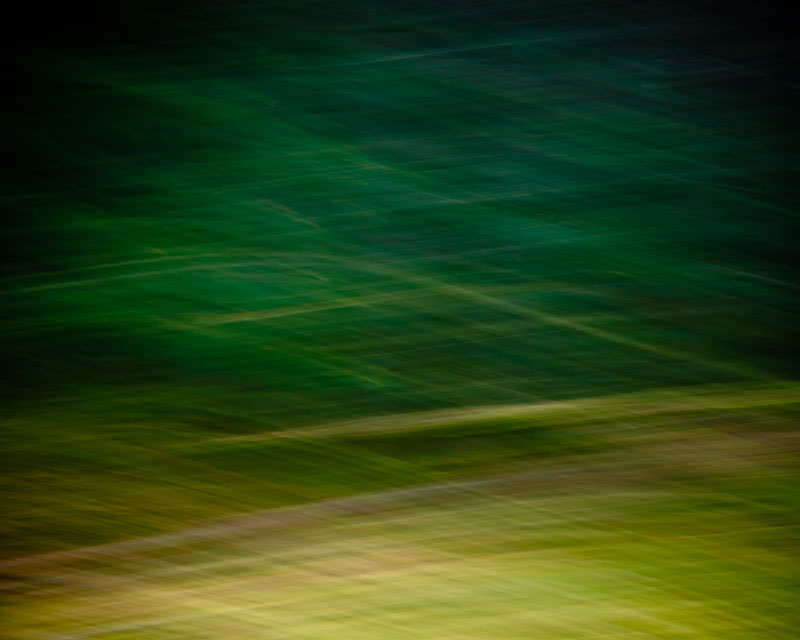
    Panning in der Landschaftsfotografie

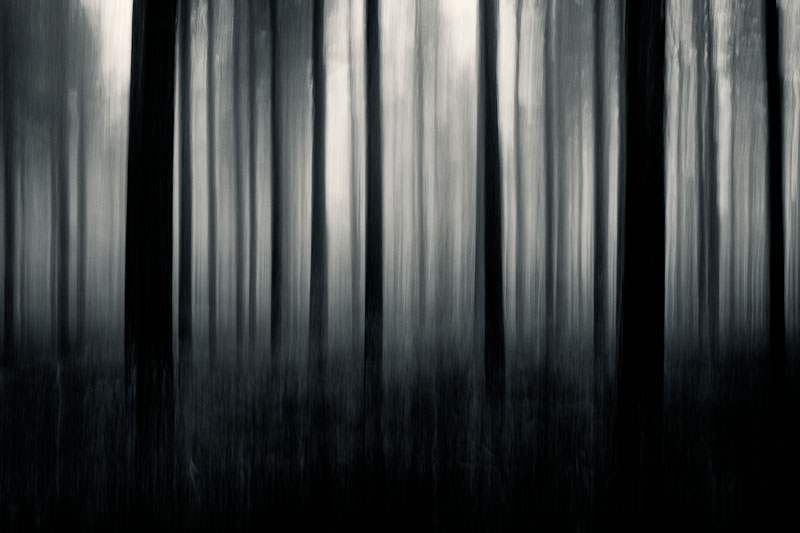
    Im Grunde genommen handelt es sich hierbei lediglich um eine Langzeitbelichtung, bei der man während der Belichtung gewissermassen durch das Motiv die Kamera zieht (oder dreht), um den Effekt des Verwischens zu erreichen. Hier sind der Kreativität keinerlei Grenzen gesetzt. Man kann die Kamera von oben nach unten, oder umgekehrt, von links nach rechts ziehen oder einfach kreisen usw. Auf dem Display kann man schnell das Resultat sehen.

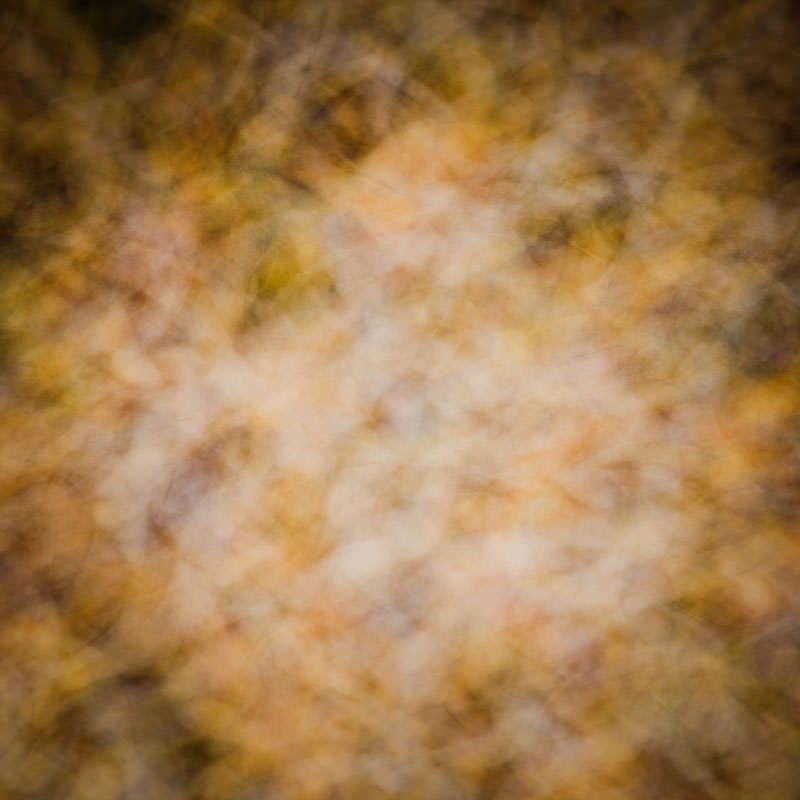
    Ich will hier keine Regeln aufstellen, aber ich habe gute Erfahrungen damit gemacht, die Kamera entsprechend dem Motiv zu Bewegen. Zum Beispiel bei Bäumen vertikale Bewegungen und bei Szenen mit einer klaren Linie am Horizont, horizontale Bewegungen. Laub auf dem Boden macht in einer rotierenden Bewegung eine gute Figur.
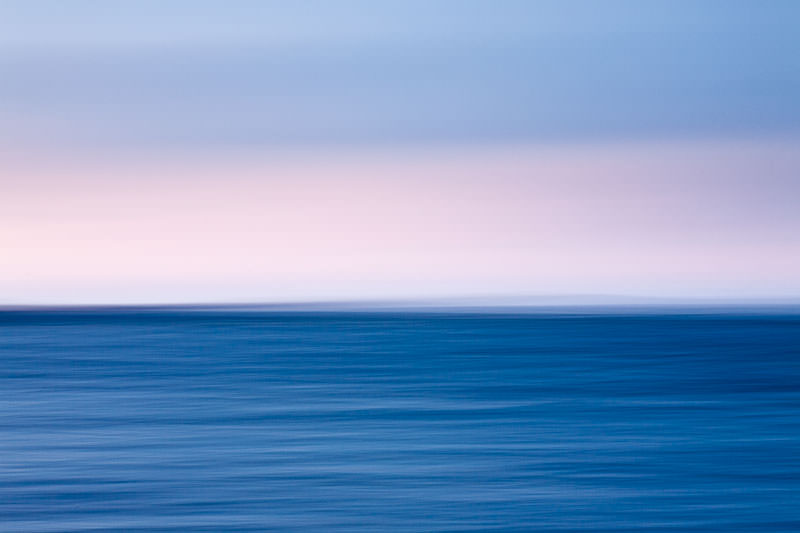
    Panning in der Landschaftsfotografie

    Hier alles erlaubt was gefällt und man muss viel experimentieren. Wichtig ist jedoch, das die Belichtungszeit ausreichend lang ist, obwohl dies natürlich auch von der Geschwindigkeit der Bewegung abhängig ist. Ist die Belichtungszeit zu Kurz, wirkt das Bild schlicht, nur unscharf und nicht gewollt verwischt.

    Belichtungszeiten von 0,5 Sekunden sind in der Regel schon ausreichend und ich fand den Effekt am Besten, wenn man die Kamera während der Bewegung auslöst und nicht schon vorher.

    Um entsprechende Belichtungszeiten auch bei Tageslicht zu erreichen, sollte man auf jeden Fall die niedrigste ISO verwenden, die die Kamera hergibt. In den meisten Fällen wäre dies wohl ISO 100 oder wie bei einigen Modellen (z.B. Canon’s 5d’s) ISO 50 im erweiterten Modus. Auch einige Point’n Shoot Kameras haben diese Funktion. Gelegentlich nennt es sich dann ND Filter.
    Panning in der Landschaftsfotografie

    Hat man die niedrigste ISO ausgewählt, ist es am einfachsten, im TV Modus (Zeitmodus) zu arbeiten und die gewünschte Belichtungszeit einzustellen. Die Kamera übernimmt dann die Auswahl der entsprechenden Blendenöffnung. Meist wird dies eine recht kleine Öffnung sein, wahrscheinlich f/11 oder kleiner, wenngleich dies selbstverständlich aber auch von den Lichtverhältnissen abhängig ist. Aus reiner Gewohnheit arbeite ich allerdings im AV- oder Manuellen Modus und stelle ich Kamera entsprechend selbst ein. Schärfentiefe ist bei dieser Technik kein Problem – etwaige Verzerrungen durch eine extrem kleine Blende (z.B f/32) fallen hier nicht ins Gewicht.
    Panning in der Landschaftsfotografie

    Reizvoll finde ich diese Technik, da man durch sie nicht unbedingt von besonders spektakulären Szenen und besonderes fotogenem Wetter abhängig ist. Mit dieser Technik kann man auch schon im eigenen Garten/Hinterhof gute Ergebnisse erzielen. Langweiliges, graues Wetter ist auch hilfreich, um entsprechende Belichtungszeiten bei Tage zu bekommen.

    Falls Euch diese Technik gefällt und Ihr selber damit experimentiert, verlinkt doch einfach zu Euren Ergebnissen in den Kommentaren. Danke!

    ***
    Werbepause: Buchtipp – Vom Alltäglichen zum Besonderen!


    KWERFELDEIN | Digitale Fotografie

  • Little gull on an old berg


    Little gull on an old berg, originally uploaded by – drsteve -.

    Catchy Colors Photoblog

  • Creating Multi-Layered Photographs

    As photographers we’re responsible for telling the story of a moment or series of events in a single image. It allows the viewer to take a mental trip through our photographs. No matter what your focus is in photography, being able to convey a story will help add impact to your images. One of the ways to do that is through creating multi-dimensional or multi-layered images.

    I’m not referring to any fancy Photoshop move so back away from adding yet another background layer in post. No, the layers I’m referring to are points of interest throughout a photograph. They can either be a different and fully complete second focal point to your image, or an action/object/idea just hinted at. Either way, they can lend a sense of place or of action yet to happen or already occurred.

    Think of your entire frame

    The first step in creating multi-layered images is to be aware of what’s in your entire frame. Every part of your photograph can and does tell a story or impact how a viewer connects with an image. Do you focus on every layer of your photographs?

    A great landscape photograph could be completely destroyed by a big piece of trash in a corner of one of the frames. On the opposite note, that piece of trash could be a very big statement to the image. It’s all in knowing what you’re trying to say and being able to frame your image or place items in it that evoke your vision.

    Concepts trump “single” photos

    A key tenet in advertising and editorial photography is to create images that tell a story around a specific concept. An entire idea or series of photos need to be compressed into one single image. It’s how an ad in a magazine for a resort or hotel makes you say, “Man, I’d really like to go there.”  It’s the emotions and feelings that one photo draws out.

    It’s possible to do that by creating layers in a photo. For example, a resort photo might show a woman getting a stone massage under a tropical leaf hut and in the background windsurfers are cruising the waves on the clear blue ocean. That image creates a feeling of relaxation and adventure all in one, and a greater appeal to viewers who might value different activities in a vacation. It can be subtle things like in the photo to the left where the model is holding a new iPhone and in the background is an old rotary phone, conveying the classic feel of your old phone in this new wonder of technology.

    Motion is yet another way to create a multi-dimensional image. It can lend the sense of an impending action. Whether you freeze a single moment, say a group of friends jumping off a rock into the water, or create some blur as a cyclist streaks by on an adventure, both make you wonder what’s next.

    Plan and scout

    If you’re photographing for journalistic purposes, you won’t be able to plan ahead or arrange any of the elements in your image. However, what makes a great news-telling image is the ability to convey a story through noticing even the tiniest details.

    If you’re shooting commercially you’ll have the advantage to fully plan out your photo shoot. Try to scout the location to determine the best time to shoot, write down shot ideas and plan different layers of your image. How can you help tell a complete story using all the layers of a photograph?

    Start thinking beyond the primary subject of your photograph. When you do, you’ll be on your way to creating richer, story-telling images.

    Post from: Digital Photography School


    Digital Photography School

  • Flickr Launches Suggested Users Page and Facebook Friend Finder

    Flickr Suggested Users

    Flickr today released a new suggested users list. You can go here and Flickr will show you some people it feels like randomly that have common contacts with you. They show you 8 names and then you can click to “refresh your recommendations,” to get some more.

    I tried the page myself and clicked on refresh your recommendations several times but didn’t find anyone especially relevant that I felt I needed to add. Most of the suggested user pages that I’ve tried on other pages usually don’t feel very accurate either — with the exception of Twitter, which I find regularly suggests very relevant tweeters to me.

    The above screenshot shows what the new feature looks like.

    Flickr Suggested Users2

    As part of this new suggested users feature, Flickr also launched the ability to check which of your Facebook friends are on Flickr that you currently are not following. I tried this feature out several times as well but it seems to be borked (see above). I’ll try it again later.

    Some have suggested that there may be privacy concerns with opening up your Flickr accounts to all of your facebook friends without authorization by default. If you are concerned about this privacy issue there is a method to opt out of this service and hide your flickr account from facebook here.

    I think a suggested users feature is a good thing for Flickr. I do worry Flickr could be blacklisting certain members from being recommended (like they do with their Explore). The randomness of the presentation makes it difficult at this point to determine just how or why they might/could be blacklisting certain members for suggestion.

    There is a feedback post in the Flickr Help Forum (where I’m still permanently banned) here — Flickr blog post on the new feature here.

    Thomas Hawk Digital Connection

  • Photoshop: Old Photos!

    Turning new photos old! For more tutorials, head to: www.tutcast.com Visit www.PhotoshopTalent.com for more tutorials, contests and more!
    Video Rating: 4 / 5

  • Godsmack – Spiral

    nasa 3d space and planetary animation with “Spiral”(Acoustic) a song by Godsmack.
    Video Rating: 4 / 5

  • Capture That Flag 3D

    Cross your eyes! Once you get the left and right images to overlap, you’ll see the splendor that is 3-D. A lonely Blue soldier takes it upon himself to capture the Red’s flag. When team morale is on the line, this soldier will stop at NOTHING to be the hero. Capture that flag! WARNING: Contains explicit lyrics. Parental discretion advised. Rated M for mature. SONG: “Hero” featuring Keri Hilson by Nas on his album, NAS. GAME: www.bungie.net
    Video Rating: 4 / 5

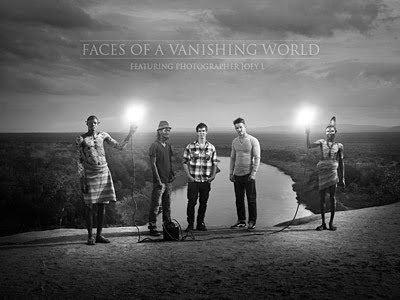
  • JoeyL is on Ovation TV Tonight

    UPDATE: The doc has aired, and Joey has posted a ton of pictures and background info on his blog. Neat stuff, and definitely worth a look.
    __________


    Just a quick heads-up to make sure to catch JoeyL’s documentary tonight at 10pm on Ovation TV. I saw an early version, and it is definitely worth your time.

    It’s easy to want to poke fun at someone who is so successful at such a young age. And between you and me I try to every chance I get. But if you watch this thing tonight I think you will come away with a good impression of who he really is and what is motivating him to do such amazing stuff.

    If you do not get Ovation TV, he has arranged for a DVD pressing and will have them available via his blog. No idea on pricing, etc. (And w/Joey, you really never know…)

    But if you have access to Ovation TV, don’t miss it. I am very much looking forward to it tonight.

    -30-


    Strobist