Blog

  • World’s Longest Tunnel Slide Opening at Sculptural London Monument

    [ By Steph in Destinations & Sights & Travel. ]

    arcelormittal slide main

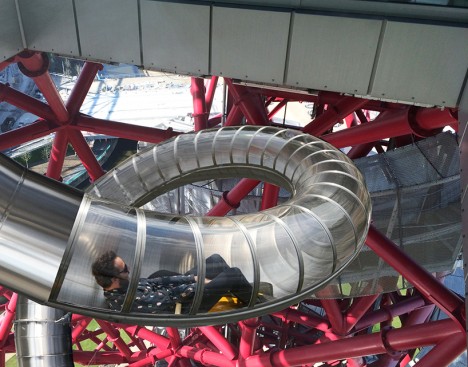
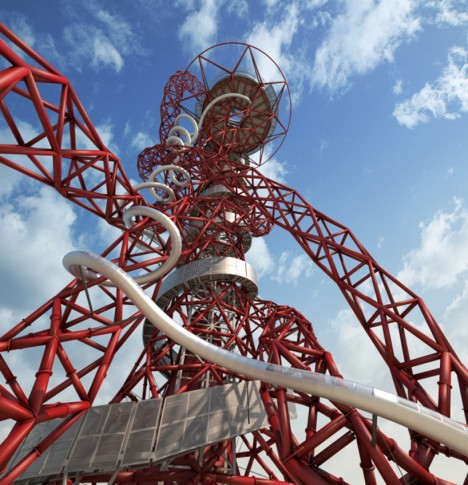
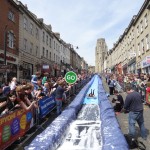
    Experience monumental sculpture like you never have before with a new 15-story tunnel slide that spirals around London’s ArcelorMittal Orbit monument, set to be the world’s longest. The UK is really pushing its public art to the next level by adding a record breaker to a record breaker, as the sculpture already holds the title of tallest in the nation. The slide wraps around the sculpture 12 times, and it takes forty seconds to get from the very top to the bottom in a trip through the tube.

    world's longest tunnel slide 2

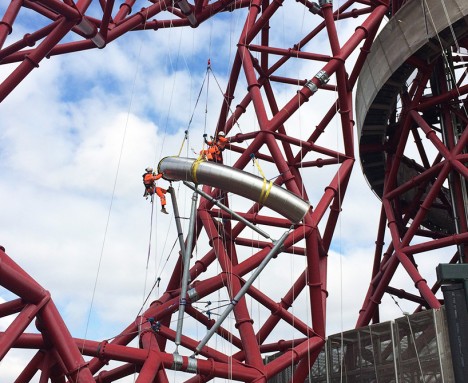
    Opening to the public on June 24th, 2016, the Carsten Höller-designed slide features both opaque and transparent sections so riders get brief glimpses of the London skyline before plunging back into darkness. A tight corkscrew section snakes its way around the red geometric structure, ending in a straight run to the ground. The slide’s total length is 584 feet.

    world's longest tunnel slide 3

    world's longest tunnel slide 4

    world's longest tunnel slide 5

    London erected the strange and rather controversial ArcelorMittal for the 2012 Summer Olympics, offering panoramic views of the city from its location in Queen Elizabeth Olympic Park. Tickets for the attraction are already on sale for £15 ($ 22), with a limited number available each day, and you can book more than one ride at a time.

    Share on Facebook


    [ By Steph in Destinations & Sights & Travel. ]

    [ WebUrbanist | Archives | Galleries | Privacy | TOS ]


    WebUrbanist

  • Sony patents contact lens camera with blink-triggered shutter

    Sony has patented a contact lens that comes with an integrated miniature camera module and all its components, such as image sensor, lens, processor, storage and even a wireless module to transfer images to a smartphone or other connected device. Read more

    Articles: Digital Photography Review (dpreview.com)

  • Getty accuses Google of anti-competition practices, files complaint in EU

    Ian Walton / Getty Images

    Getty Images, one of the largest photo agencies in the world, has filed a complaint with the European Union’s Competition Commission because Google won’t budge on making high resolution photographs freely available from its Images search engine. Getty says that as users can see images in high resolution via the results window in Google Images there is no incentive for searchers to click through to the owner’s website. Getty maintains that the practice of showing searched images at high resolution deprives websites of traffic, while also making it easier for Google users to download and use images without paying a license fee to the copyright owner.

    In an open letter posted on the Getty Image’s website, the companys General Counsel, Yoko Miyashita, says ‘Our complaint focuses specifically on changes made to Google Images in 2013, which have impacted the competitiveness of our business by siphoning off traffic and promoting piracy – to the detriment of the 200,000 contributors who rely on us to earn a living. On a broader scale, this has impacted the interests of content creators around the world, allowing Google not only to profit from their work, but also to reinforce its role as the internet’s dominant search engine and thus maintain its monopoly power.’

    The changes Miyashita mentions, that were made in January 2013, are those which saw Google shift from serving searchers a thumbnail sized image to allowing users to see and download full-sized images. The service even allows users to specify the size of image they want to see. Getty argues ‘Once an image is displayed in high-resolution, large format, it is immediately consumed – there’s very little reason to go see it somewhere else. This format change immediately diverted traffic away from Getty Images, and from the websites of Getty Images’ customers and those of other image creators, deterring users from leaving Google’s platform to engage with content through legitimate sources. This, in turn, negatively impacts content creators’ ability to monetize users’ interest through licensing and advertising, and reduces the level of reinvestment available for the creation of new content.’

    Getty says it has been in talks with Google for three years, but that Google’s attitude has been that image creators should either accept the search engine’s terms or opt-out of image search. Getty says it is fighting to protect its interests and those of its contributors, but also to protect the entire image-making industry.

    Getty’s complaint is part of a wider investigation of Google by the European Competition Commission in which the search giant faces questions about restrictive practices in the way it serves search results as well as the compulsory apps that come with devices using the Android operating system.

    For more information, and to read Yoko Miyashita’s open letter, see the Advocacy page on the Getty Images website. 


    Press release:

    Getty Images to file competition law complaint against Google

    Getty Images, a world leader in visual communications, will today file a competition law complaint against Google Inc. with the European Commission. The complaint follows on from Getty Images’ submission in June 2015, when it joined as an interested third party in support of the European Commission’s existing investigation into Google’s anti-competitive business practices. 

    The Commission’s current proceedings against Google are wide-reaching, with Google accused of distorting search results in favour of its own services. This affects a myriad of industries, from media companies like Getty Images, to comparison shopping and travel websites. Just last week, a further set of proceedings were issued against the search engine, to address Google’s business practices around its Android mobile operating system.

    Getty Images’ complaint focuses specifically on changes made in 2013 to Google Images, the image search functionality of Google, which has not only impacted Getty Images’ image licensing business, but content creators around the world, by creating captivating galleries of high-resolution, copyrighted content. Because image consumption is immediate, once an image is displayed in high-resolution, large format, there is little impetus to view the image on the original source site. These changes have allowed Google to reinforce its role as the internet’s dominant search engine, maintaining monopoly over site traffic, engagement data and advertising spend. This has also promoted piracy, resulting in widespread copyright infringement, turning users into accidental pirates.

    Getty Images’ General Counsel, Yoko Miyashita says: ‘Getty Images represents over 200,000 photojournalists, content creators and artists around the world who rely on us to protect their ability to be compensated for their work. Google’s behavior is adversely affecting not only our contributors, but the lives and livelihoods of artists around the word – present and future. By standing in the way of a fair marketplace for images, Google is threatening innovation, and jeopardizing artists’ ability to fund the creation of important future works. Artists need to earn a living in order to sustain creativity and licensing is paramount to this; however, this cannot happen if Google is siphoning traffic and creating an environment where it can claim the profits from individuals’ creations as its own.’

    Miyashita continues: ‘Getty Images believes that images have the power to move the world by spurring action and driving change. It is key that these issues with Google are addressed and that the dominant search engine in Europe leads users to legitimate sources for imagery, rather than creating an environment that benefits Google alone. A fair marketplace will allow photographers to continue to capture the ground-breaking imagery that informs and impacts the world every day.’

    Getty Images firmly supports a more image-rich, digital world, but one that recognizes and remunerates the content creators who create this imagery. In 2014, Getty Images launched its embed tool, which revolutionized the visual content industry by making imagery available for easy, legal sharing at no cost for non-commercial use. This embed functionality provides consumers with an easy, legal alternative to the ‘right click,’ an alternative that ensures the content creator is appropriately credited for their work and that the image is clearly traceable to Getty Images in the event that a user wishes to license the image for a commercial purpose.

    Visit Where We Stand  to learn more about how Getty Images is working with policy makers and industry groups to defend intellectual property and ensure a fair marketplace for content creators.

    Articles: Digital Photography Review (dpreview.com)

  • MacPhun launches Filters for Photos free app for Mac users

    Software developer MacPhun has announced a new app for Mac OSX users that comes with 30 photo filter effects, and which is being offered as a free download. The Filters for Photos application can be downloaded as an extension to Apple’s own Photos program or as a standalone product. It provides one-click effects in a similar way to Instagram, and comes with sketch, oil painting, color tones, black and white, and grain styles – among others. Once applied the filters can be down-played and adjusted according the characteristics of that effect, and users can apply multiple filters to a single image.

    When finished, filtered images can be exported directly to social media or other MacPhun and Adobe software programs, or they can be saved to the hard drive.

    Filters for Photos can be downloaded from: macphun.com/filtersforphotos.


    Press release:

    Macphun’s new extension for Photos makes Photos for Mac more creative and fun

    Filters for Photos adds 30 creative photo filters, and is available for free

    Macphun, a leading photography software developer has today launched a new free app, Filters for Photos. The new software works as a Photos for Mac extension, as well as standalone software? it gives users the ability to add sketch, analog, vintage, and many other filters to their photos in a single click.

    The software is the next step in Macphun’s continued support for Photos for Mac. Macphun was the first software developer to launch the Photos extensions in September, 2015. And now all the bestselling Macphun apps work as extensions (Aurora HDR, Intensify, Tonality, Snapheal, Noiseless).

    About Filters for Photos
    Filters for Photos is available as a free download exclusively from the Macphun Store. It introduces 30 creative filters to suit every hobby photographers’ style? from sketch to oil painting, vintage to rainbow palette. Users can adjust and tweak every filter, plus apply the filters to a certain part of the photo, quickly export their creations to other photo editors, or share via the social media and email.

    Apple Photos for Mac is the default photoediting software for every Mac user, and Macphun aim to accelerate the user experience with this exciting new extension. There are 8 default filters in Photos for OS X with limited styles. Filters for Photos by Macphun is changing that.

    In addition to 30 new filters, users will be able to:

    • Selectively apply filters with the custom brush
    • Preview all the changes in real time
    • Adjust and tune filters
    • Mix filters, creating new creative styles
    • Export to social media
    • Export to other photo software by Adobe, Apple and Macphun

    Why Filters For Photos?
    Macphun have introduced Filters For Photos in response to the popularity of oneclick presets and filters in Macphun’s other software. FX Photo Studio by Macphun (available for both iOS and Mac OS) features over 170 different filters? it has over 2 million monthly active users, and a total of over 25 million downloads. Over 65% of people, who use Aurora HDR, Intensify and Tonality, use oneclick presets to give their photos the necessary look in no time. So there’s definitely a high demand for editing tools that allow a quick change of the look of the photo.

    Filters for Photos integrates with the Photos for Mac user experience, and helps more people be creative with their photography, without spending anything. Filters for Photos is available as a free download from macphun.com/filtersforphotos

    Articles: Digital Photography Review (dpreview.com)

  • Weekly Photography Challenge – Urban Decay

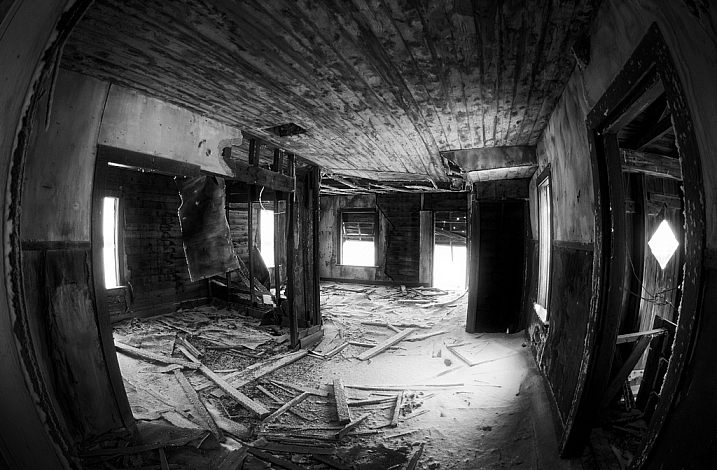
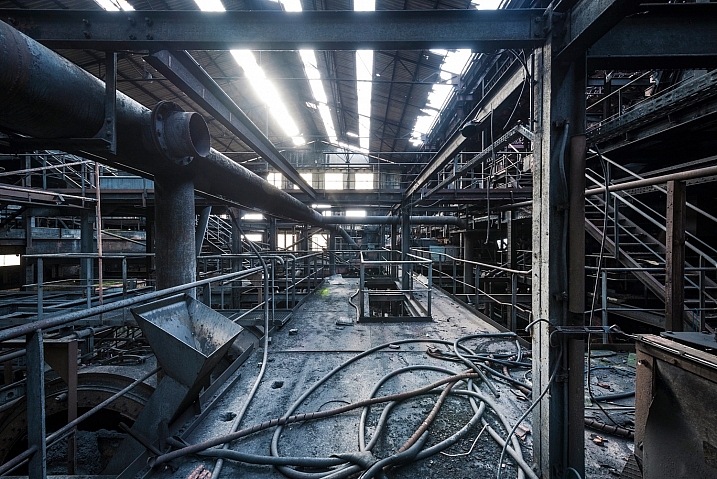
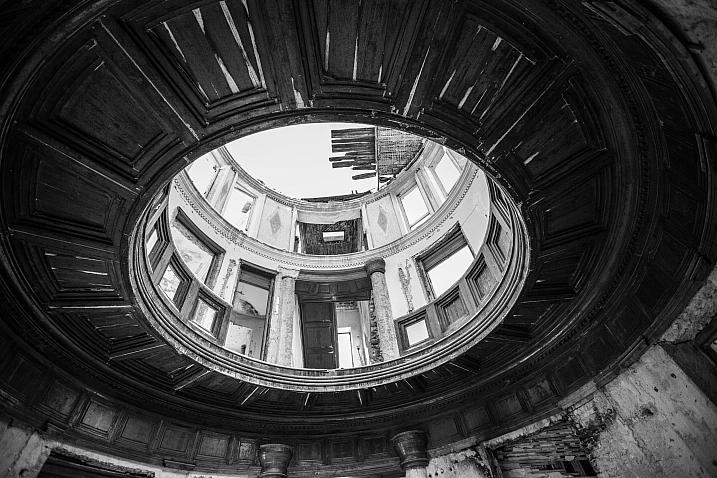
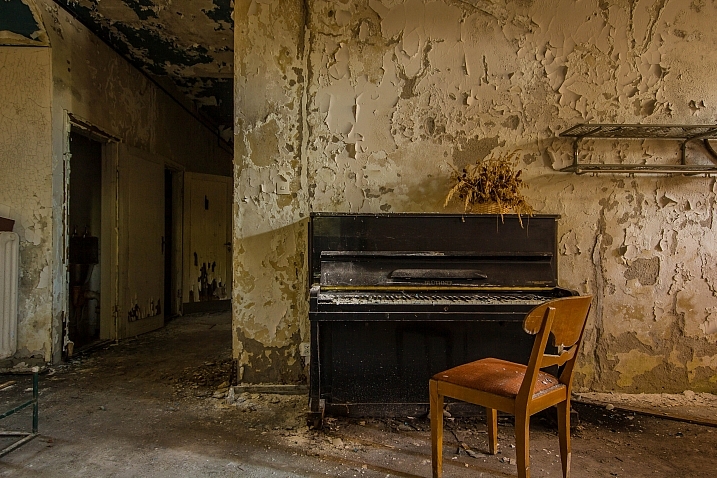
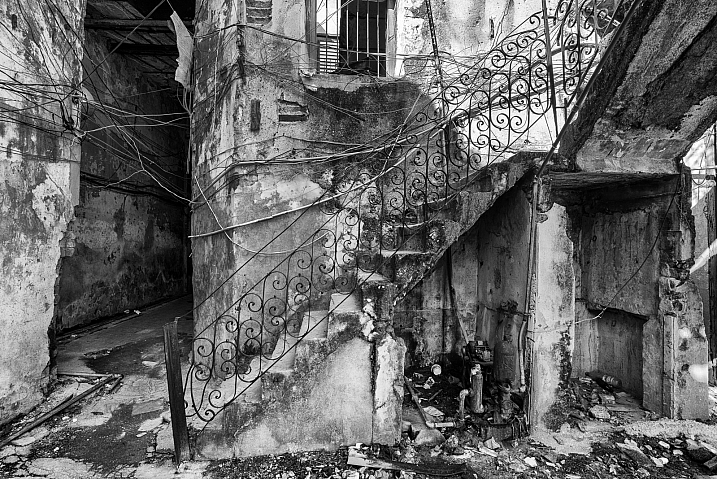
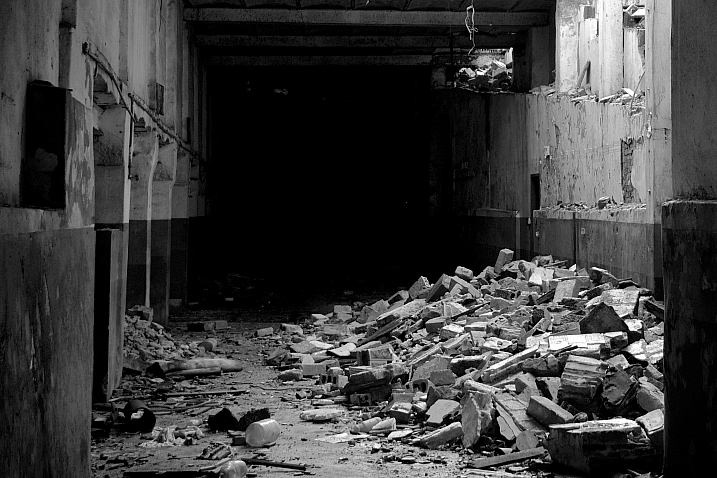
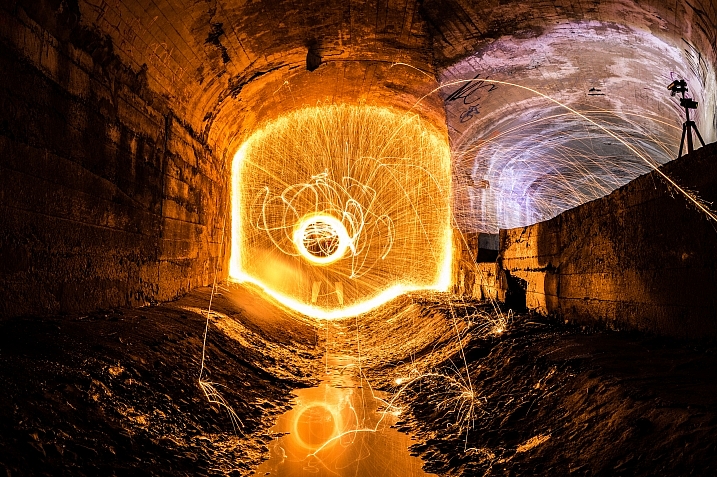
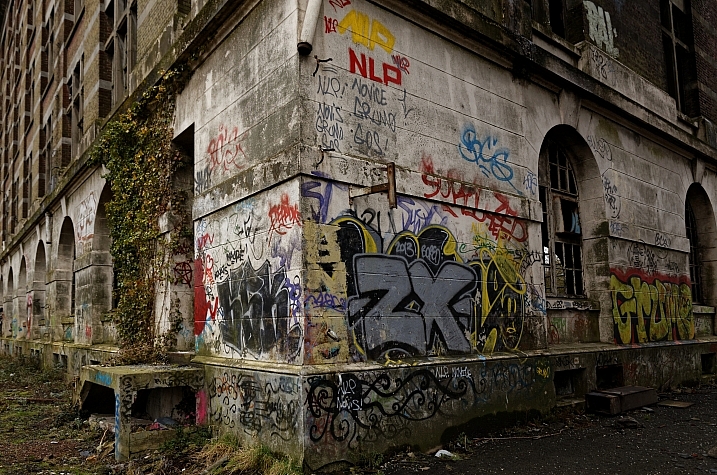
    If you live in a city now is your chance to get out and hunt for some run down, dilapidated, crumbling buildings that say urban decay to you.

    Thomas Hawk

    By Thomas Hawk

    Weekly Photography Challenge – Urban Decay

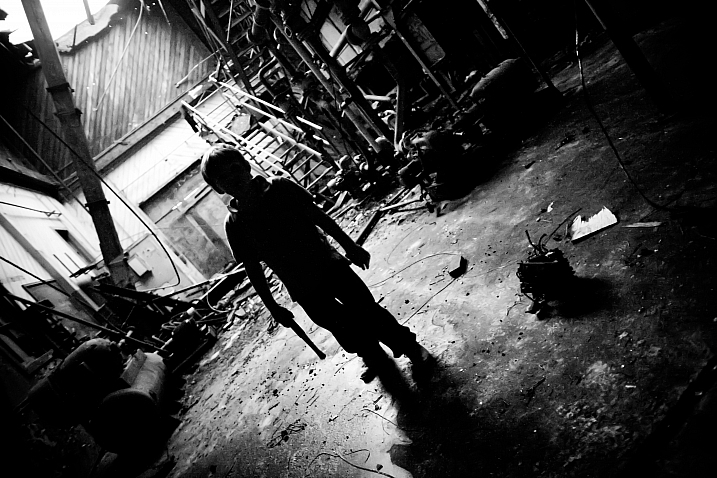
    You can handle this challenge and subject however you wish to approach it. Shoot or convert to black and white, try some HDR, how about doing some light painting at night? The choice is yours. Go find a good subject, take a friend along too, and shoot away!

    NOTE: As always though – please put your safety and taking the proper precautions to ensure you aren’t trespassing on private property or endangering yourself or anyone else in the process of getting your photos. Safety and getting proper permissions come first!

    Pelle Sten

    By Pelle Sten

    Louis Du Mont

    By Louis du Mont

    Babak Fakhamzadeh

    By Babak Fakhamzadeh

    Toby Bradbury

    By Toby Bradbury

    Neal Wellons

    By Neal Wellons

    David Barnas

    By David Barnas

    Share your images below:

    Simply upload your shot into the comment field (look for the little camera icon in the Disqus comments section) and they’ll get embedded for us all to see or if you’d prefer upload them to your favourite photo sharing site and leave the link to them. Show me your best images in this week’s challenge. Sometimes it takes a while for an image to appear so be patient and try not to post the same image twice.

    Julian Lennon

    By Julian Lennon

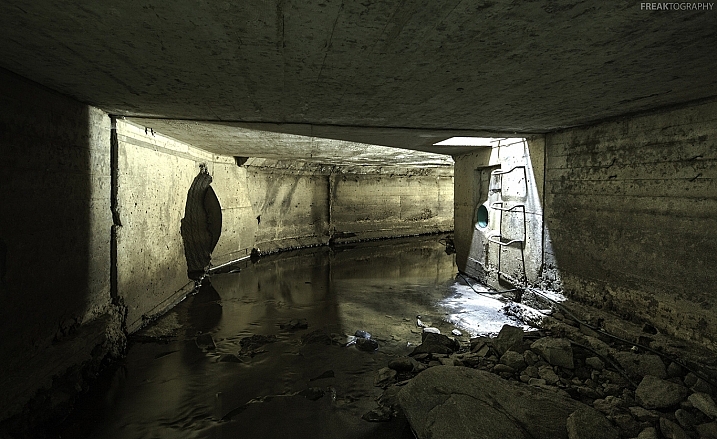
    Freaktography

    By Freaktography

    David Barnas

    By David Barnas

    Darkday

    By darkday

    googletag.cmd.push(function() {
    tablet_slots.push( googletag.defineSlot( “/1005424/_dPSv4_tab-all-article-bottom_(300×250)”, [300, 250], “pb-ad-78623” ).addService( googletag.pubads() ) ); } );

    googletag.cmd.push(function() {
    mobile_slots.push( googletag.defineSlot( “/1005424/_dPSv4_mob-all-article-bottom_(300×250)”, [300, 250], “pb-ad-78158” ).addService( googletag.pubads() ) ); } );

    The post Weekly Photography Challenge – Urban Decay by Darlene Hildebrandt appeared first on Digital Photography School.


    Digital Photography School

  • 25 Dilapidated Images of Urban Decay and Grunge

    Many photographers are fascinated with old things, the more decayed and falling apart the better. Urban decay and grunge is a popular subject for photographers in cities. Some go out of their way to find abandoned buildings and little known spots.

    Perhaps like these images:

    Wayne Stadler

    By Wayne Stadler

    Vincent Ferron

    By Vincent Ferron

    RAFFI YOUREDJIAN

    By RAFFI YOUREDJIAN

    Ghalam_DAR

    By ghalam_DAR

    Anna S.

    By Anna S.

    Claudia M Eastman

    By Claudia M Eastman

    Nano Anderson

    By Nano Anderson

    Simon Samuelsson

    By Simon Samuelsson

    OlavXO

    By olavXO

    Howard Ignatius

    By Howard Ignatius

    Freaktography

    By Freaktography

    Freaktography

    By Freaktography

    Andre Valente

    By Andre Valente

    Freaktography

    By Freaktography

    Pietromassimo Pasqui

    By Pietromassimo Pasqui

    Maurizio

    By Maurizio

    Oreste Messina

    By Oreste Messina

    Maurizio

    By Maurizio

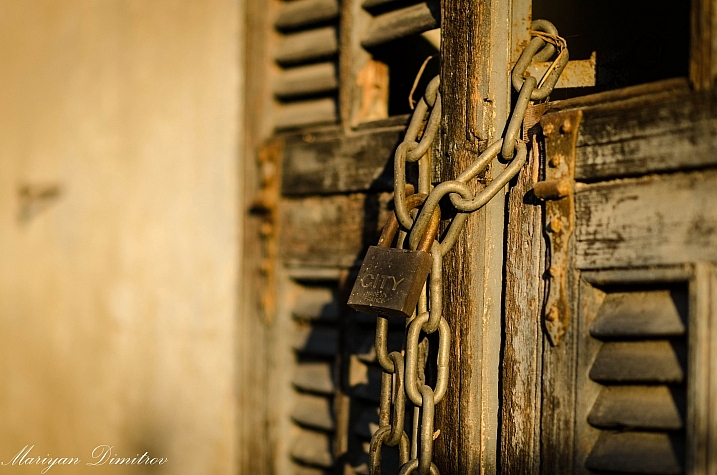
    Mariyan Dimitrov

    By Mariyan Dimitrov

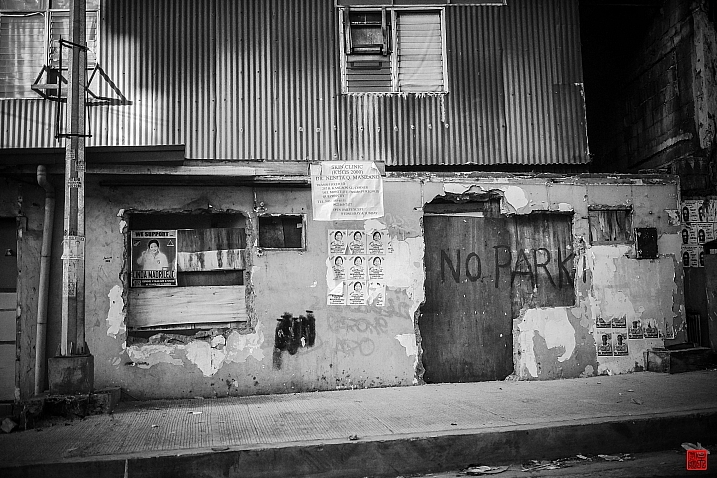
    Daniel Go

    By Daniel Go

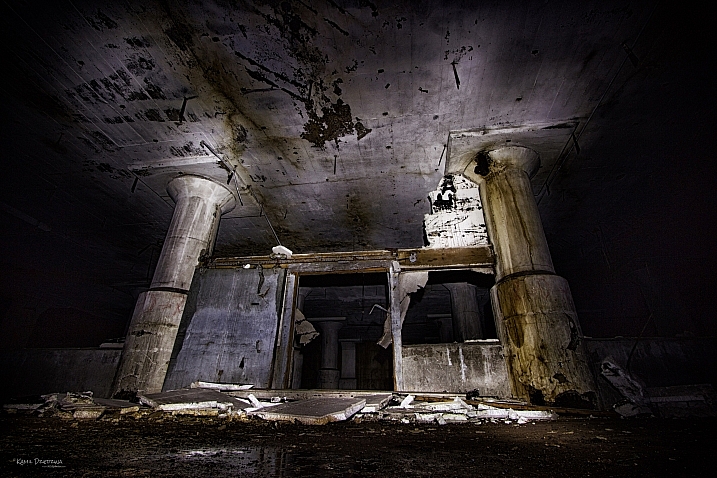
    Kamil Dziedzina

    By Kamil Dziedzina

    Darkday

    By darkday

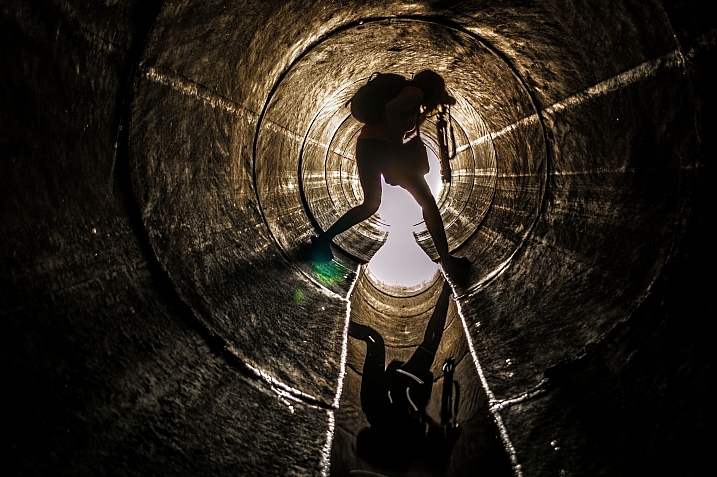
    Darkday

    By darkday

    Guillaume DELEBARRE (Guigui-Lille)

    By Guillaume DELEBARRE (Guigui-Lille)

    Thomas Hawk

    By Thomas Hawk


    googletag.cmd.push(function() {
    tablet_slots.push( googletag.defineSlot( “/1005424/_dPSv4_tab-all-article-bottom_(300×250)”, [300, 250], “pb-ad-78623” ).addService( googletag.pubads() ) ); } );

    googletag.cmd.push(function() {
    mobile_slots.push( googletag.defineSlot( “/1005424/_dPSv4_mob-all-article-bottom_(300×250)”, [300, 250], “pb-ad-78158” ).addService( googletag.pubads() ) ); } );

    The post 25 Dilapidated Images of Urban Decay and Grunge by Darlene Hildebrandt appeared first on Digital Photography School.


    Digital Photography School

  • 2016 Roundup: Compact Enthusiast Zoom Cameras

    The enthusiast compact market has exploded over the last couple of years, with almost every manufacturer offering a product with a 1″-type sensors. Most of those cameras are small (and sometimes pocketable) and feature fast (but short) lenses. They also vary in terms of design, control points, video specs and whether they have an EVF, so you’ll have some decisions to make. In this roundup, we’ll try to help.

    Here are the cameras that we’ll be covering in this article:

    • Canon PowerShot G1 X Mark II
    • Canon PowerShot G5 X
    • Canon PowerShot G7 X
    • Canon PowerShot G9 X
    • Fujifilm X30
    • Fujifilm XQ2
    • Panasonic Lumix DMC-LX100
    • Panasonic Lumix DMC-ZS100/TZ100
    • Sony Cyber-shot RX100
    • Sony Cyber-shot RX100 II
    • Sony Cyber-shot RX100 III
    • Sony Cyber-shot RX100 IV

    As mentioned above, the majority of offerings in this category utilize 1″-type sensor, however two cameras offer even larger sensors. The Canon PowerShot G1 X Mark II is built around the largest sensor of the bunch at 1.5″, while the Panasonic Lumix DMC-LX100 uses a slightly smaller Micro Four Thirds chip.

    On the opposite end of the spectrum, the two Fujifilm options use significantly smaller 2/3″ sensors, which is important, because sensor size can be a major indicator of potential – particularly lowlight – image quality. Also, cameras with larger sensors will generally allow for much more control over depth of field.

    To further help you pick the right camera in this class, we’ve also created the chart below, which breaks down the equivalent aperture for each camera, as you work your way through the zoom range. Our article here explains the concept of equivalence, but at a high level all you need to know is that the lower the line is on the graph below, the blurrier the backgrounds you’ll be able to get and typically, though not always, the better the overall low-light performance.

    This graph plots equivalent focal length against equivalent aperture – with both axes taking sensor size into account so that they can be compared on a common basis. Equivalent focal lengths offer the same field-of-view and equivalent apertures give the same depth-of-field and similar total light capture. For more information, click here.

    On the following pages, you’ll find what we liked and didn’t like about each camera, links to our test scenes for image quality comparisons, and real-world galleries to give you a sense of how each performs outside the lab.

    Articles: Digital Photography Review (dpreview.com)

  • Top 6 Best Cameras Under $1000

    If you are interested in taking up photography as a hobby or just love snapping pictures of family and friends, you are probably well aware of how expensive most high-end digital cameras can be. The really great cameras all seem to be well outside your budget. In fact, if you happen to run across a great camera for around $ 3000, Continue Reading

    The post Top 6 Best Cameras Under $ 1000 appeared first on Photodoto.


    Photodoto

  • How to Take Better Wildlife Photos: Be a Naturalist First

    I love birds. In fact, I’ve dedicated much of my adult life to the study of birds. In college, I spent days exploring the beaches, forests, and wetlands surrounding southern Puget Sound, strictly in the interest of finding and watching birds. Birds lured me north to current home in Alaska, when I took a job banding songbirds in Denali National Park. My interest in migrant birds carried me into graduate school where I spent several years studying the spring migration in the Sierra de Los Tuxtlas of eastern Mexico. After grad school, I took a job as a Research Biologist here in Fairbanks, where I looked into all kinds of questions about breeding and migrating birds around the state.

    Now, though I no longer work as a full-time research biologist (writing, photography, and guiding now rule my life), my passion for feathered creatures is no less strong.
    AK-FAI-CreamersField-Migration-Aug2009-39

    I give you these biographical tidbits, because I want you to understand something about me: I care about, and understand birds. Knowledge and passion are the two most important tools I know of for better wildlife photography.

    Ask someone what a wildlife photographer needs and the first thing you are likely to hear is a big lens. That helps, make no doubt, but it’s hardly the most important. No, the most important thing is an understanding of the critters you want to photograph. It doesn’t matter if your lens is as long as your leg, if you can’t find the animal you’re after.
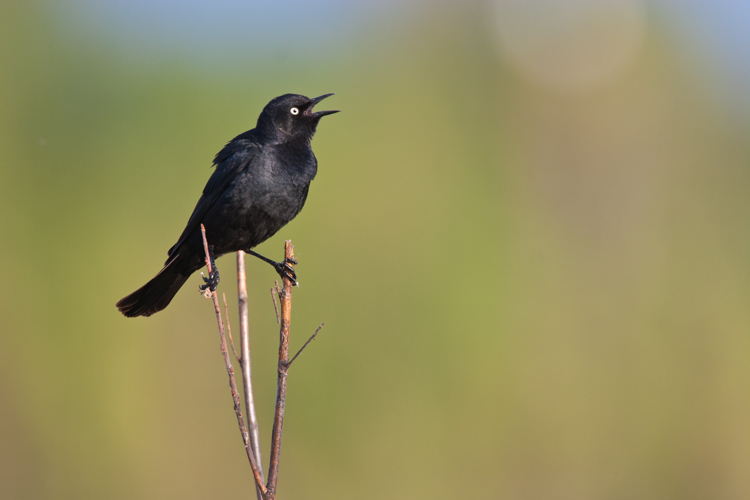
    AK-FAI-RUBL-17

    An example: During my years as a Research Biologist, I spent several seasons studying an imperiled species of songbird that breeds in the wetlands of the Boreal Forest, the Rusty Blackbird. This species has been declining in abundance across its range for the past 50 to 100 years, and no one really knows why. In the winter, they are easier to find, when they mix with flocks of other blackbirds in the south-central United States, or forage in small groups in the wetlands of the southern Mississippi basin.

    In summer, however, when the males are attired in their crisp, shiny, black plumage, they are very difficult to find. Rusty Blackbirds nest in some pretty unpleasant places: thick, mosquito-infested swamps in the northern forest of Alaska, Canada, and the northeastern states.
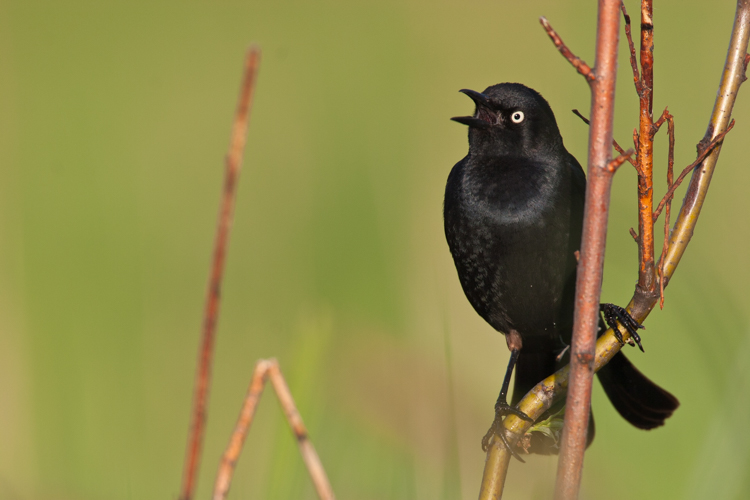
    AK-FAI-RUBL-44
    Having studied them for years, I had a distinct advantage when I set out to photograph this species. I knew where to find them, right down to a specific pair of birds, and I knew where to position myself for the best chance of getting foraging birds to appear within the range of my camera.
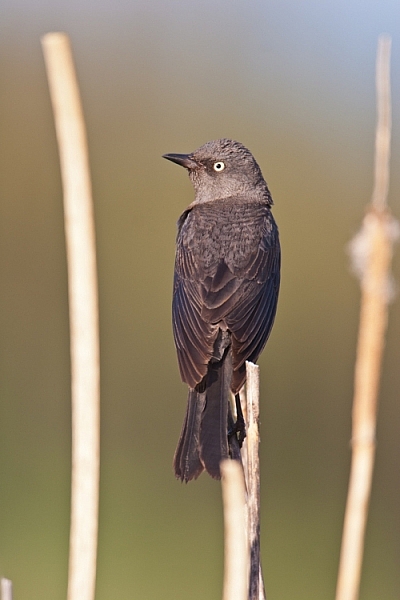
    AK-FAI-RUBL-48

    Thanks to that personal knowledge, I got some great photos of both males and females in breeding plumage, and the rarity of these images has made them some of my most published wildlife photos.

    Though it helps, you don’t need the extensive personal knowledge that I was lucky to have of Rusty Blackbirds. You do, however, need a basic understanding of your quarry.

    Some things to consider:

    Seasonality

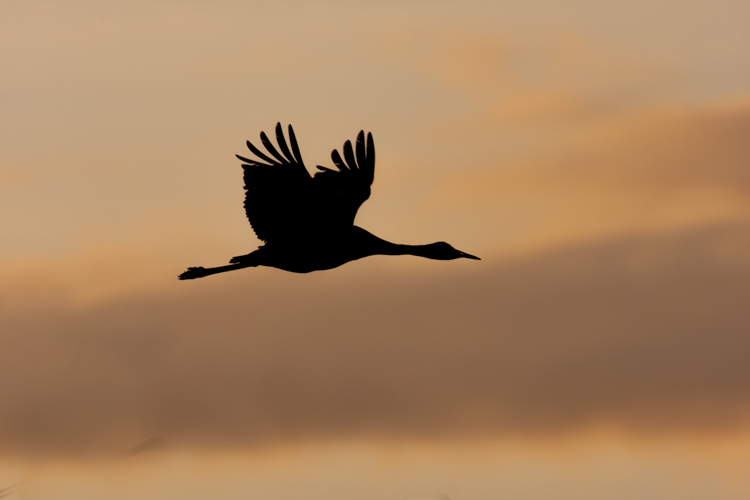
    Many species migrate, or are difficult (or easy) to find during certain times of year. Birds are an obvious example. If you want to photograph congregations of migrating Sandhill Cranes and waterfowl, then you need to know when the birds are going to be present. A hint: It isn’t during the summer.
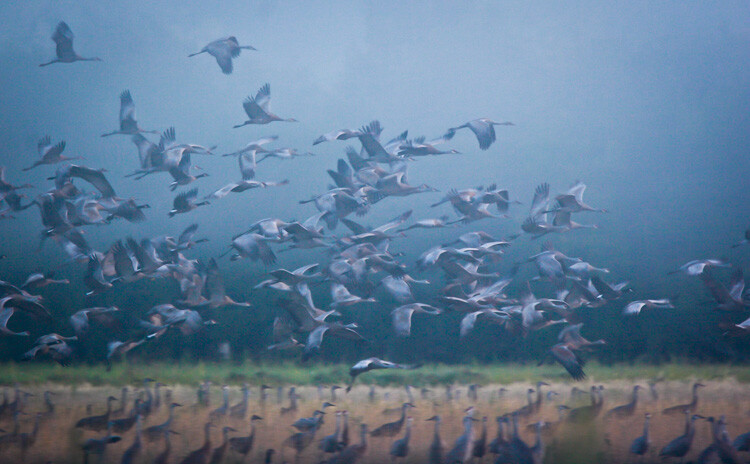
    A flock of Sandhill Cranes during migration. You only get a few weeks each years to catch big flocks of this species, so you need to be ready.

    A flock of Sandhill Cranes during migration. You only get a few weeks each years to catch big flocks of this species, so you need to be ready.

    Seasonality isn’t limited to birds, many mammal species may only be available during a narrow time window. The Brooks River in Katmai National Park, Alaska is a famous spot to photograph bears. Though bruins are present in the area just about anytime from May to early October, if you want to photograph them catching salmon at the falls, you are likely to be disappointed if you schedule your trip in any month but July.
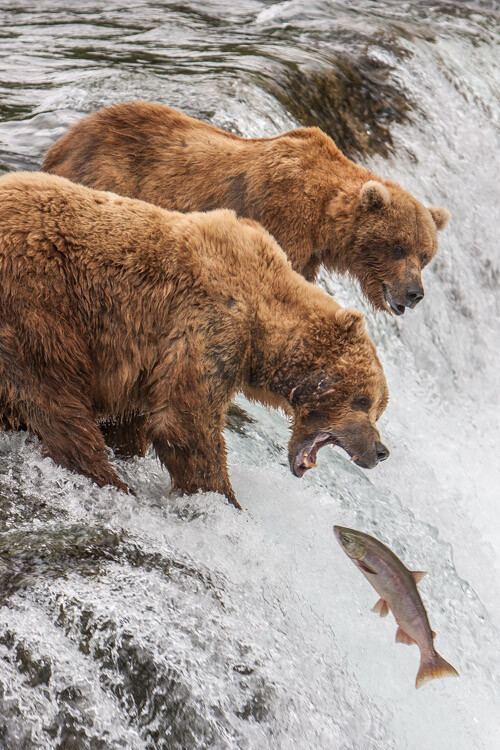
    Red Salmon, which run up the Brooks River and leap the falls, are most abundant in July. If you don't catch the run, you won't see the bears trying to catch them at the falls.

    Red Salmon, which run up the Brooks River and leap the falls, are most abundant in July. If you don’t catch the run, you won’t see the bears trying to catch them like this.
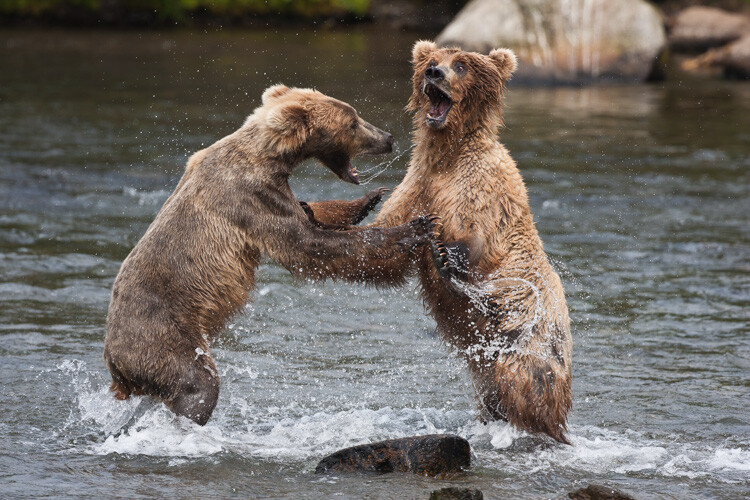
    During the salmon run, the bears get close together and juveniles like these, are forced to bicker for a good fishing spot.

    During the salmon run, the bears get close together, and juveniles like these are forced to bicker for a good fishing spot.

    Range and habitat

    Some species have a continent-wide distribution, others may be extremely limited. Almost all wildlife has preferred habitat that will dictate where, within their larger range, they are likely to be found. The range of Pronghorn includes the better part of the American west, but their habitat, intact grass and sagebrush prairie, is much less abundant. Pronghorn habitat also changes with the season, so you can see how range, habitat, and seasonality, all interact to guide you to the best place at the best time.
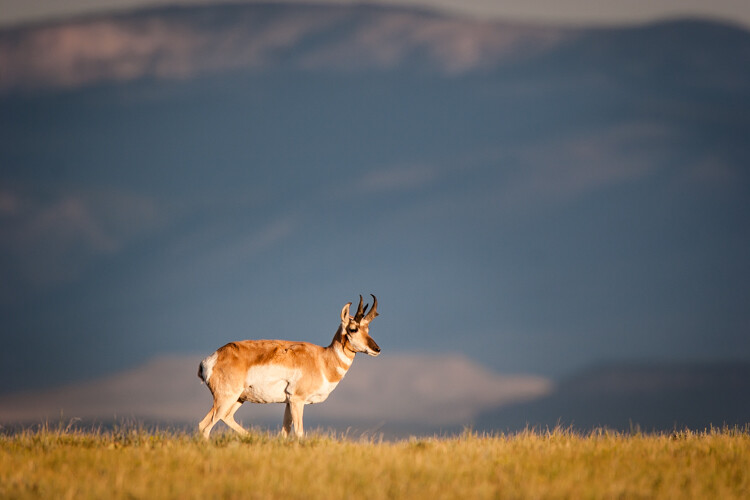
    A Pronghorn in southern Wyoming, first light.

    A Pronghorn in southern Wyoming, first light.

    Behavior

    You may have particular behavior that you’d like to observe or photograph. Many bird species look their best, and are most active during the breeding season, but for some species, that season can be very, very short. Where I live in the interior of Alaska, the courtship period is extremely short, lasting only a few days to a couple of weeks depending on the species. Birds like the Horned Grebe are commonly found on small boreal forest ponds near my home, but they are most easily photographed during a couple of weeks in late May, when the males are setting up territories.
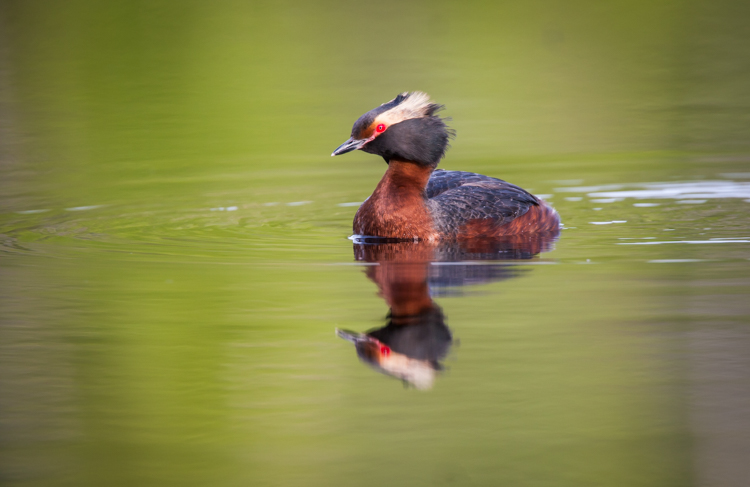
    AK-FAI-HOGR-10

    Resources

    Thanks to the internet, most of the information you need to explore your target species is available right at your finger tips. In fact, they are so numerous, that there isn’t nearly enough space here to list them all, but I do want to make not of a few of my favorites:

    • eBird:  This site, run by the Cornell Lab of Ornithology is a citizen science site where you can document your sightings of birds. While great for birders, it is also a useful tool for photographers. You can explore data here submitted by birders from across the country and world. The mapping function allows you to look, in very close detail, about where different species are found during the year.
    • iNaturalist:  Though put together in a similar way to eBird, iNaturalist is not limited to birds. Here you can find sighting and identification information on plants, mammals, insects, birds and just about everything else.
    • Field Guides:  Classic paper, or digital field guides are still one of the best sources of information on distribution and behavior of wildlife. I’ve got dozens in my collection, and I use them all.
    • Experts:  You can outsource your research by hiring an expert guide to get you where you need to go. If you want to photograph bears or caribou in Alaska, or the wildebeest migration in Africa, there are people who can help you decide on the best time to do it, get you where you need to go, and even point your camera in the right direction for you. Local expertise is very valuable, and though it saves time, it costs money, and may not be as rewarding as learning about, then finding and photographing your target species on your own.
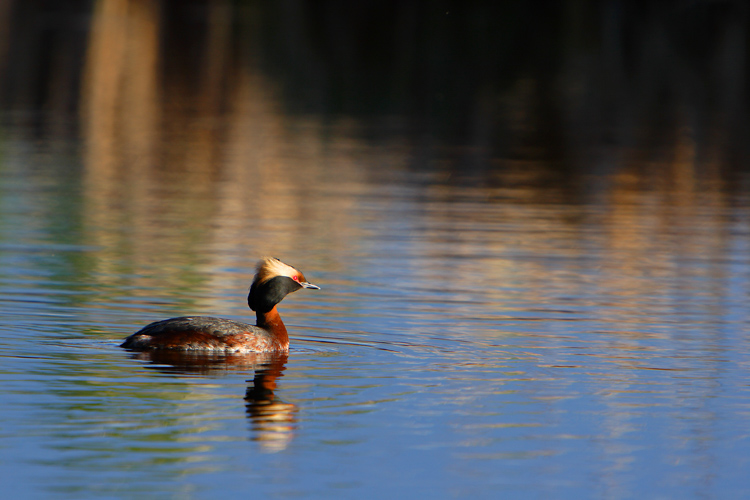
    AK-Tflats-HOGR-02

    Ethics

    Though a discussion of ethics in wildlife photography warrants a post of its own, I want to emphasize the importance of being respectful of the animals you are trying to photograph and the people with whom you share the view. Don’t disturb the animal, if it moves away, bolts, or flushes, you have gotten too close. Such impacts, when they occur again and again, can cause stress, low reproductive success, nest abandonment, or any number of other problems for wildlife. The animal’s welfare matters more than your image, so please, please, please be careful and respectful.

    Conclusion

    I take great pleasure in being a naturalist. I’d say I’m a naturalist first and foremost, and a photographer second. That might sound strange, but for me, the two go hand in hand. I find a greater understanding of the creatures I photograph leads to better images, and just as importantly a much more rewarding experience. To be a better wildlife photographer, put down the camera, and pick up a book.

    googletag.cmd.push(function() {
    tablet_slots.push( googletag.defineSlot( “/1005424/_dPSv4_tab-all-article-bottom_(300×250)”, [300, 250], “pb-ad-78623” ).addService( googletag.pubads() ) ); } );

    googletag.cmd.push(function() {
    mobile_slots.push( googletag.defineSlot( “/1005424/_dPSv4_mob-all-article-bottom_(300×250)”, [300, 250], “pb-ad-78158” ).addService( googletag.pubads() ) ); } );

    The post How to Take Better Wildlife Photos: Be a Naturalist First by David Shaw appeared first on Digital Photography School.


    Digital Photography School

  • ON1 Photo RAW, a new non-destructive Raw processor, launches this fall
    ON1, an Oregon-based photography software developer, has announced a combination non-destructive photo editor and Raw processor: ON1 Photo RAW. The application has been built from the ground up to work with modern computers and high-resolution camera systems. The software can open 50MP images ‘in a fraction of a second on a standard PC or Mac’ according to its maker and performs edits without lag.

    ON1 has been developing Photo RAW for the past several years, doing so around its ON1 Browse photo browser to eliminate the need for cataloging and importing photos. Along with lag-free processing, it offers features like tagging, rating, adjustments and photo effects. The photo editor includes integrated masking tools, layers, and brushes; effects and adjustments are applied in a non-destructive manner, says ON1. 

    Several usage options are available with ON1 — it can be used as a plugin for Adobe Photoshop and Lightroom, Corel, as a host app for Google Nik Collection, and as an extension for Apple Photos. ON1 says Photo RAW will support PSD, PSB, PND, DNG, TIF, and JPEG file formats.

    ON1 Photo RAW is available to pre-order now for ON1 Plus Pro Members; a membership costs $ 149.99/year, and provides a perpetual license for ON1 applications. Members will receive ON1 Photo RAW first when it launches this fall. A non-membership ON1 Photo RAW purchase option will also be available.

    Source: ON1


    Press release:

    Announcing the First New RAW Processor in Years, ON1 Photo RAW

    The Future of RAW Photo Editing – Coming this fall – Includes support for over 800 cameras

    Portland, OR – April 26, 2016 – ON1, Inc. today announced ON1 Photo RAW, the first all-new RAW processor and non-destructive photo editor to be released in more than a decade. With modern code optimized for today’s super-megapixel cameras and high-performance computer graphics systems, Photo RAW will be the world’s fastest, most flexible, and easiest-to-use RAW processor and photo editor on the market when it is released this fall.

    The current class of RAW-based photo editors all have their heritage from the early days of digital photography, when most digital cameras had less than 10 megapixels, and computer processing power was a fraction of that found in modern PCs. When used with today’s popular 42- and 50-megapixel cameras, existing programs can often take seconds to render small portions of a RAW image and perform adjustments. Several years in the making, Photo RAW, with its modern RAW processing engine, is tuned for today’s sensors and graphics chips. It will open 50-megapixel images in a fraction of a second on a standard PC or Mac, and perform edits in real-time, without slider lag or frustrating waits for redraw.

    Developed over the last several years, ON1 Photo RAW is built around ON1 Browse, the company’s lightning-fast photo browser, and will not require photographers to import and catalog their photos; an often painful and time-consuming process required before editing can begin. ON1 Browse is an integral part of Photo RAW, offering quick and easy ways to tag, rate, make color and tone adjustments, or add effects to their photos. Without catalogs, professionals will be able to make adjustments to photos and fellow colleagues can access and edit where they left off. This combination of a fast photo browser with instantaneous RAW processing will deliver a fluid, streamlined workflow to process any amount of photos all at once. Select one or 101 photos, make a few develop adjustments and all of the photos update automatically in real time.

    ON1 Photo RAW’s instruction-based, non-destructive workflow will also surpass today’s RAW processors in other key ways. In addition to customary re-editable adjustments such as exposure, contrast, color, shadows and highlights, Photo RAW will also offer non-destructive effects and portrait retouching, something not present in any photo editor on the market. The complex filters found in ON1 Effects and ON1 Portrait—including Lens Blur, Skin Retouching, Dynamic Contrast, HDR Look and many more—are all available in Photo RAW’s non-destructive workflow. The controls found throughout ON1 Photo RAW will also respond in real-time by leveraging modern video cards, using the latest versions of OpenGL and OpenCL.

    ON1 Photo RAW will include built-in layers, brushes, and advanced masking tools, making it a full RAW processor and complete photo editor in a single app. And, unlike any other photo app, Photo RAW will work the way you want, and where you want. For photographers with established workflows, Photo RAW will work seamlessly as a plug-in for Adobe Lightroom®, Photoshop®, and Corel®; a standalone host app for Google® Nik Collection and other photo editors; or as an extension to Apple® Photos. Common file formats—including JPEG, TIF, PSD, PSB, PND, and DNG—will be supported and will benefit from the speed and performance of the app.

    Price and Availability

    ON1 Photo RAW will be available this fall. You can pre-order ON1 Photo RAW today by becoming an ON1 Plus Pro Member at $ 149.99/yr. Plus Pro members receive a perpetual license for all ON1 apps (not a subscription) and will be the first to receive the app once it becomes available. If you want to purchase ON1 Photo RAW without becoming an ON1 Plus Pro Member, you can submit your email address on the ON1 Photo RAW web page to get the latest news, videos, beta, and pre-order announcements.

    Owners of previous versions of ON1 Photo will have the option to upgrade to ON1 Photo RAW. The upgrade price will be determined at a later date. There will be special pricing for Photo 10 purchasers. Customers will be notified over the course of the next several months providing their upgrade information.

    Articles: Digital Photography Review (dpreview.com)