Blog

  • Meike iPhone lens adapter case takes ring light and Sony QX1

    $ (document).ready(function() { SampleGalleryV2({“containerId”:”embeddedSampleGallery_5756523953″,”galleryId”:”5756523953″,”isEmbeddedWidget”:true,”standalone”:false,”selectedImageIndex”:0,”startInCommentsView”:false,”isMobile”:false}) });

    Hong Kong accessory manufacturer Meike has introduced a new case for the Apple iPhone 6/6s that accepts three accessory lenses and offers a mount for a ring light and Sony’s ILCE-QX1 E-mount ‘lens-style camera’. The MK-H6S PRO comes with a hand grip that has a Bluetooth-enabled shutter release button to deliver a more camera-like experience for mobile phone photographers.

    The kit includes three lenses – a 0.65x wide-angle adapter, a 180° fisheye and a 2.5x macro lens – that screw into a mount over the device’s built-in camera. A larger mounting ring in the middle of the case accepts an optional ring light with built-in mirror for selfies. The same ring is also compatible with Sony’s 20MP APS-C QX1 adapter so users will be able to fit Sony E lenses to the device, preview the image on the phone’s screen and control capture via the grip’s shutter release.

    The Meike MK-H6S PRO will cost £45/$ 65. For more information visit the Meike website.

    Articles: Digital Photography Review (dpreview.com)

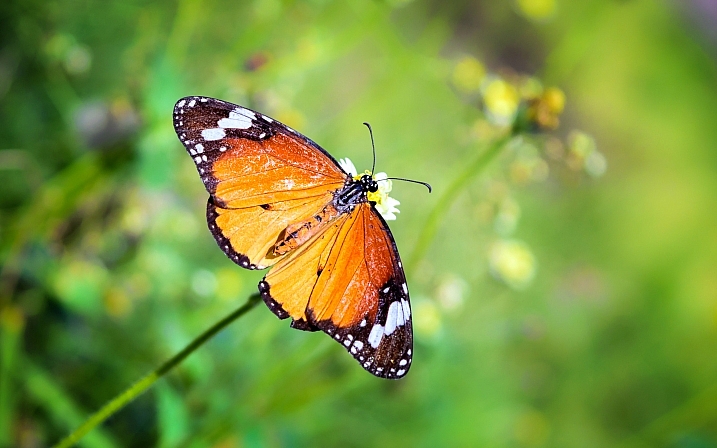
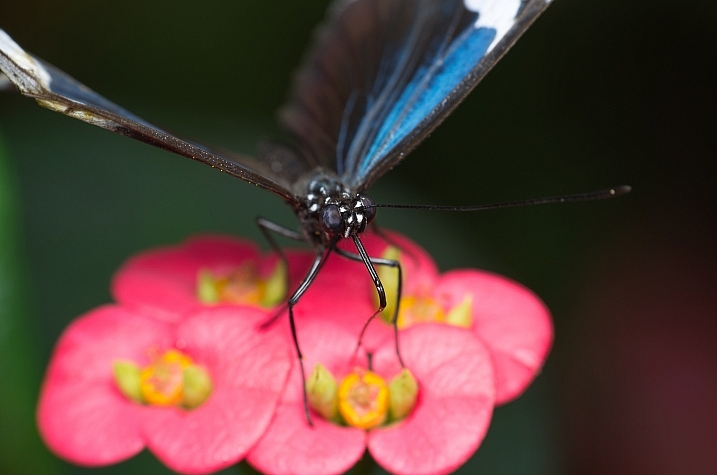
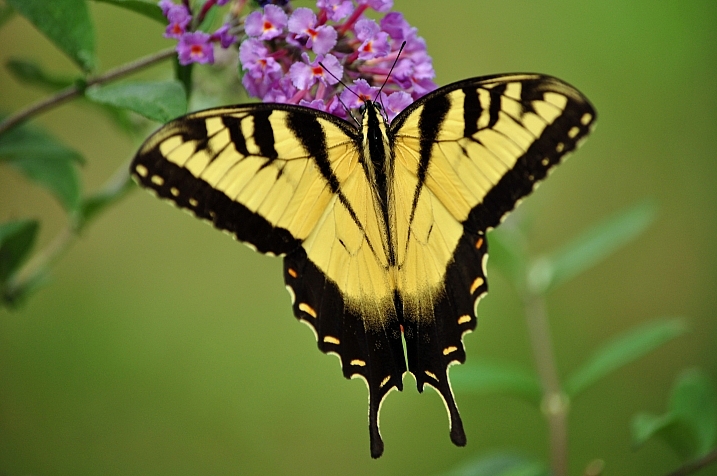
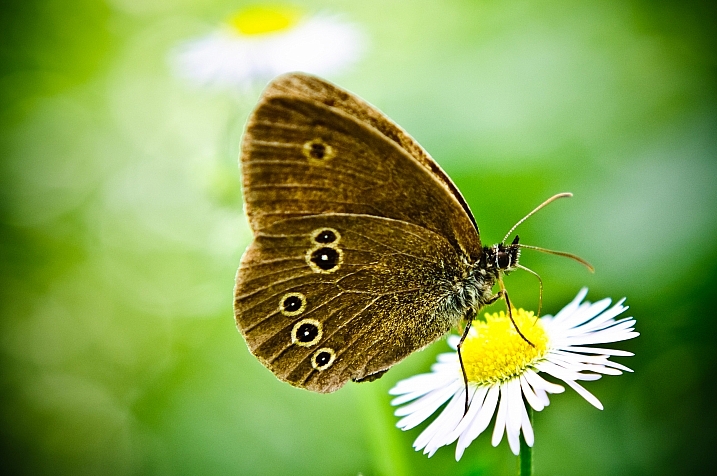
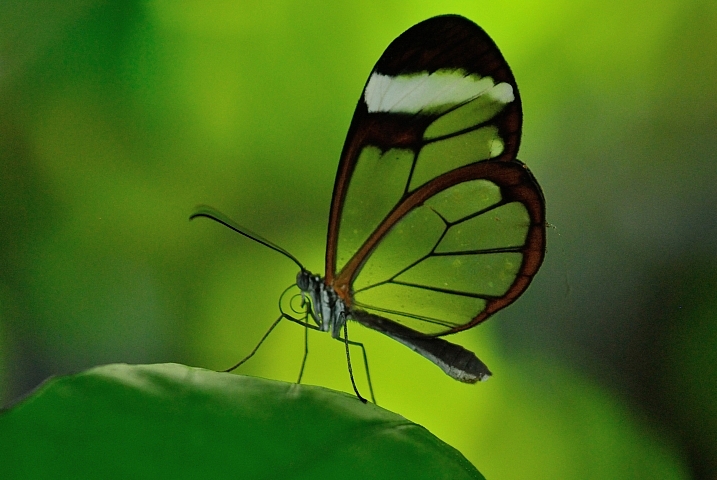
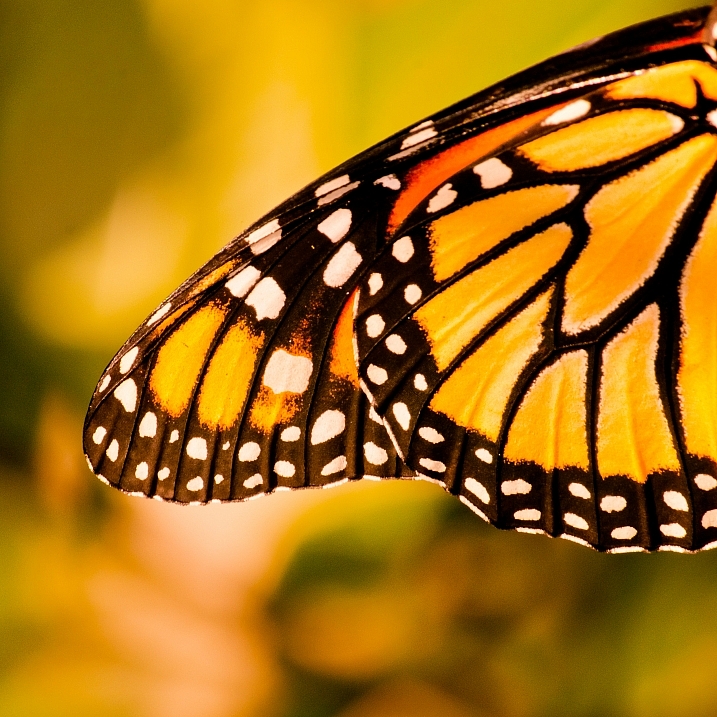
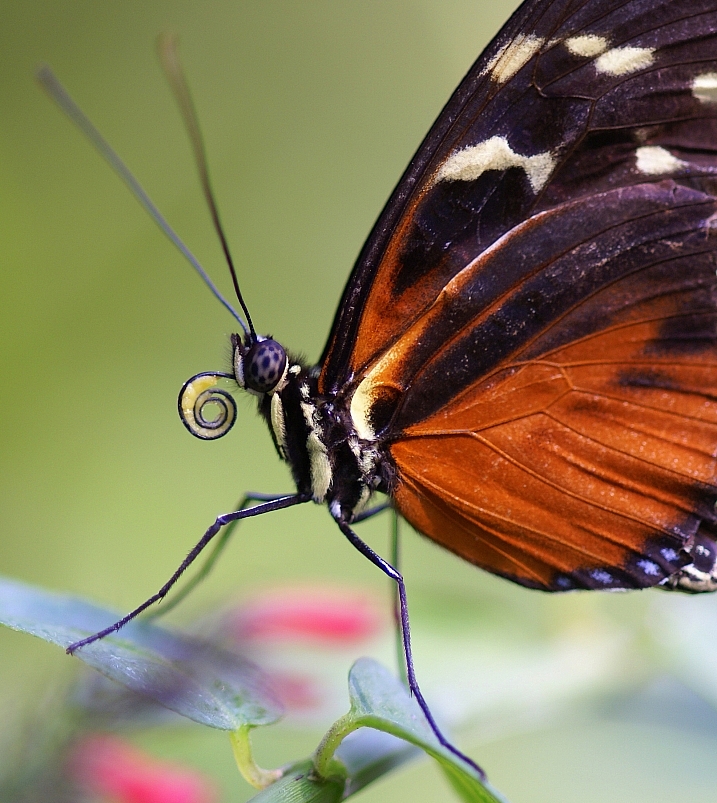
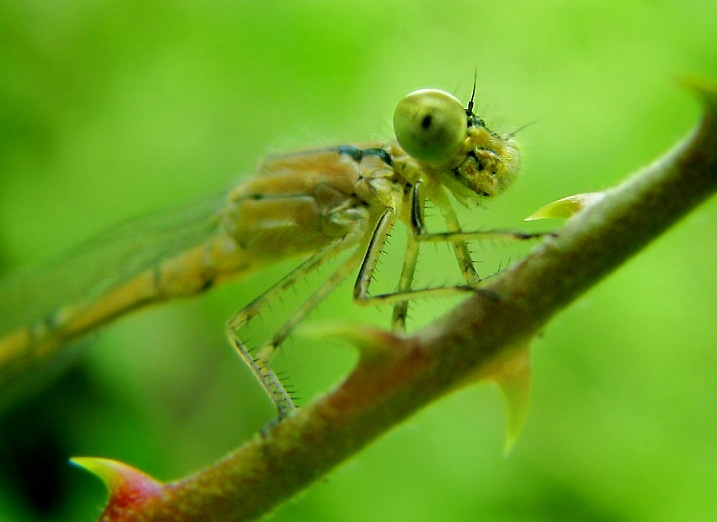
  • Weekly Photography Challenge – Butterflies and Bugs

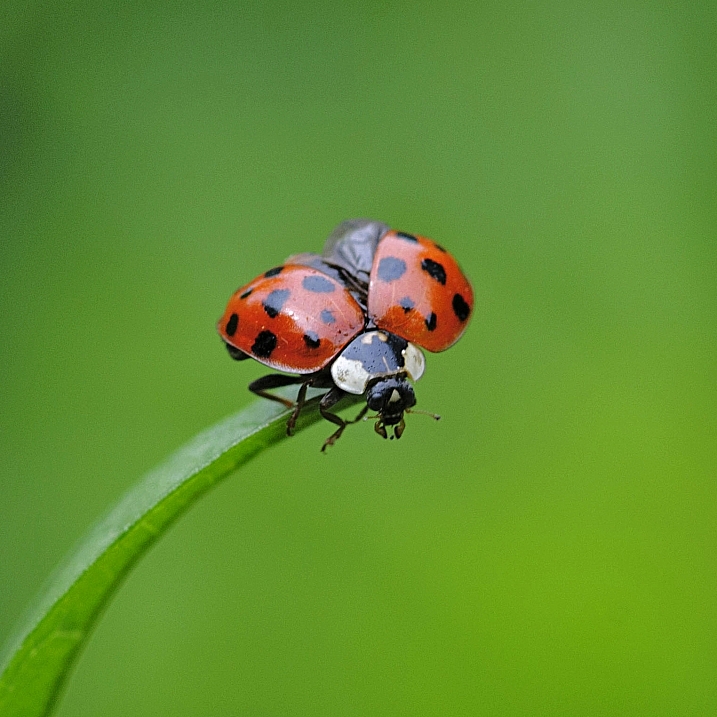
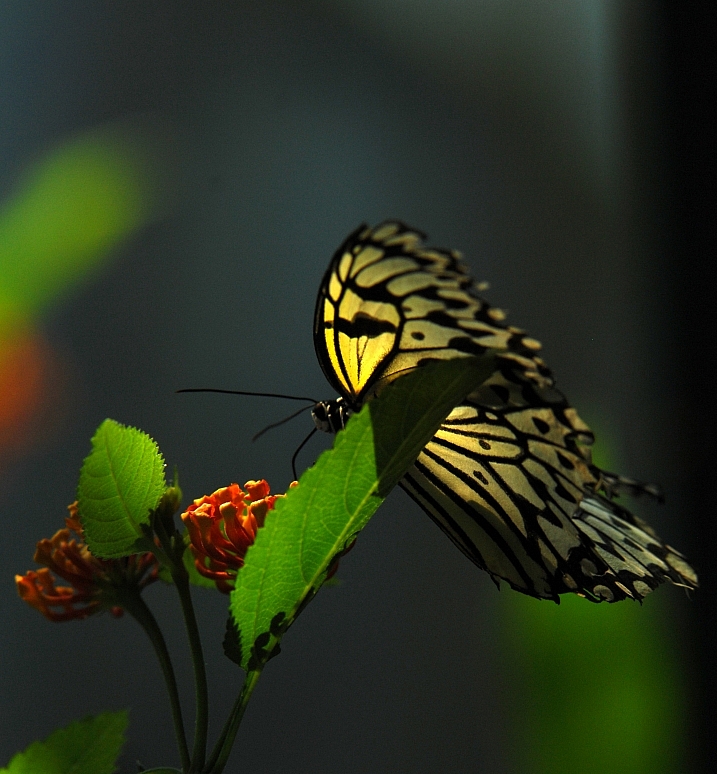
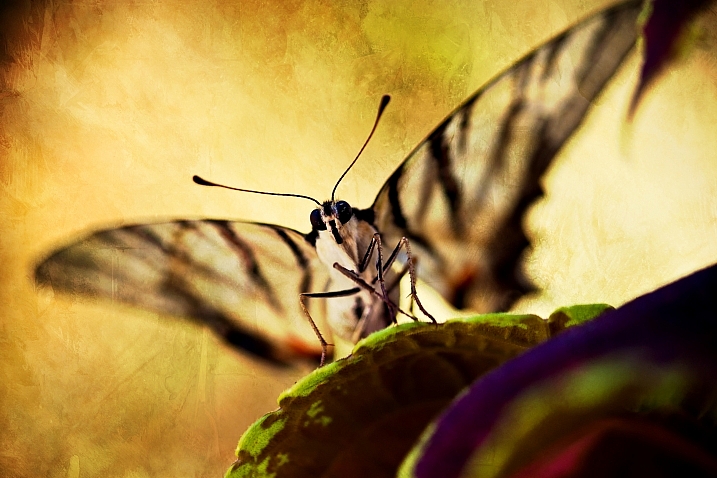
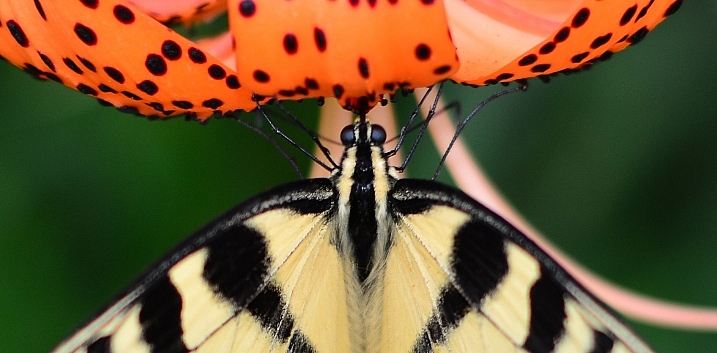
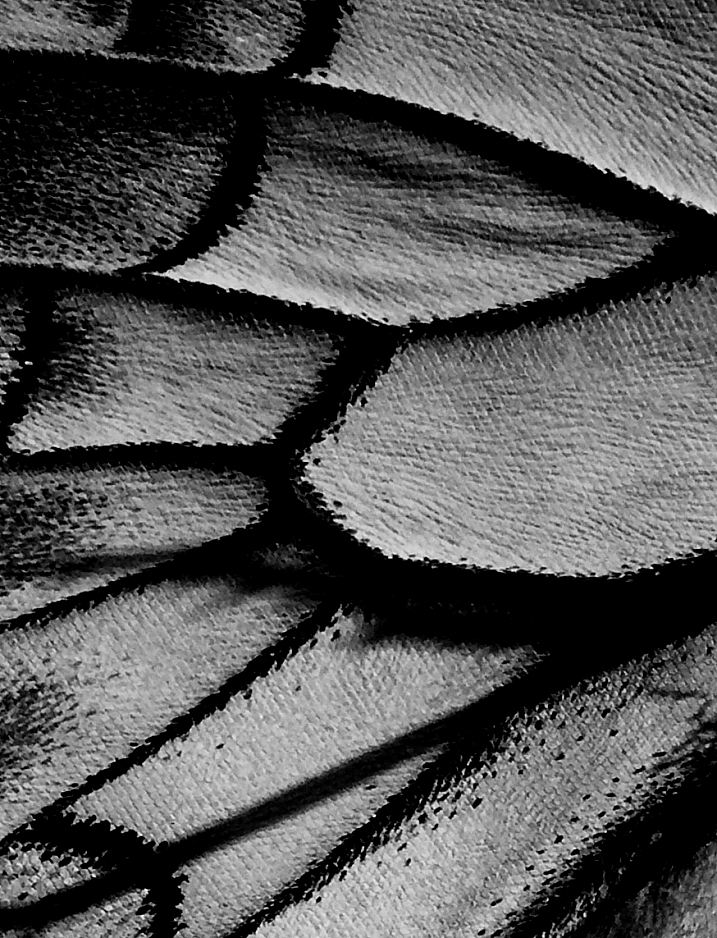
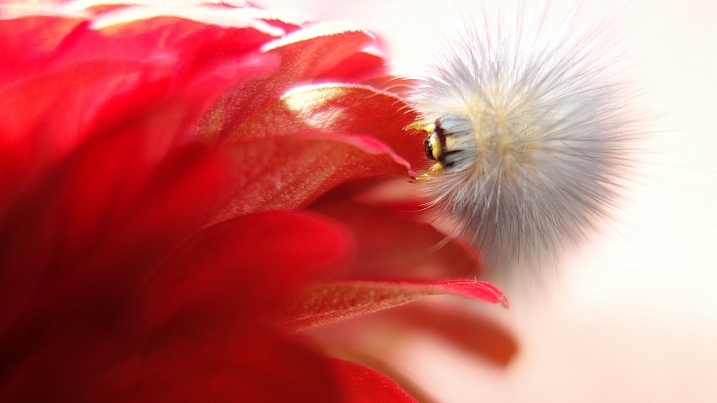
    Photographing bugs and the tiny critters takes patience, and a macro lens may come in handy as well.

    William Warby

    By William Warby

    Weekly Photography Challenge – Butterflies and Bugs

    For this week’s challenge if you need some tips, try reading these dPS articles:

    • 4 Tips for Photographing Bugs and Insects
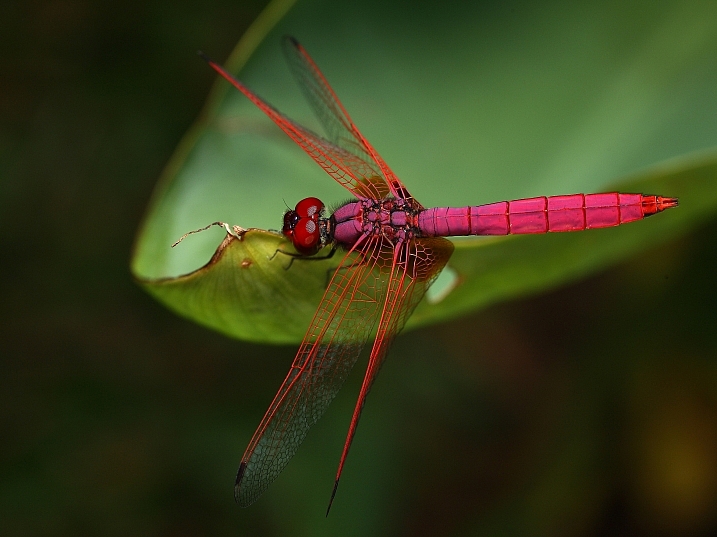
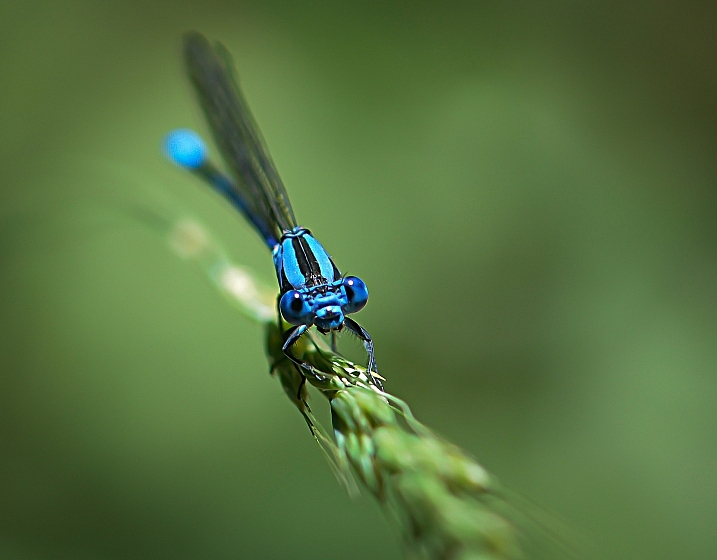
    • 10 Tips for Photographing Dragonflies
    • Backyard Macro Photography Safari
    • Lighting for Macro Photography
    • Tips for Photographing Butterflies
    • 8 Tips for Photographing Butterflies
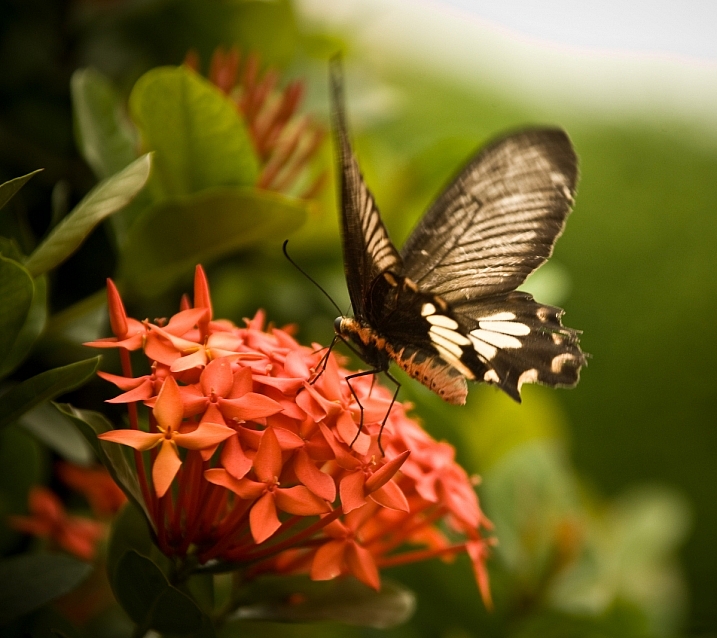
    Naathas

    By naathas

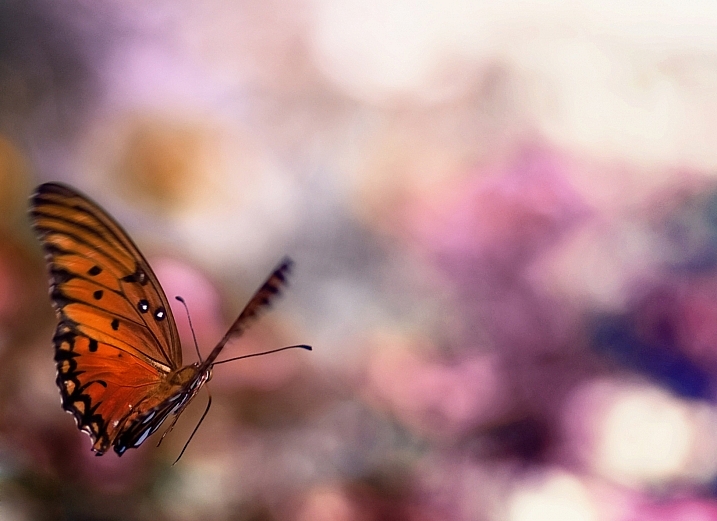
    Abdullah Girach

    By abdullah girach

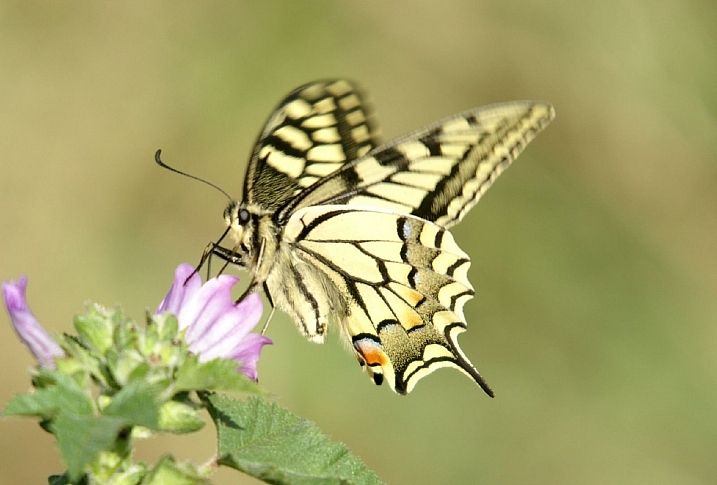
    Lida

    By Lida

    Share your images below:

    Simply upload your shot into the comment field (look for the little camera icon in the Disqus comments section) and they’ll get embedded for us all to see or if you’d prefer upload them to your favourite photo sharing site and leave the link to them. Show me your best images in this week’s challenge. Sometimes it takes a while for an image to appear so be patient and try not to post the same image twice.

    Markus Trienke

    By Markus Trienke

    Delyth Angharad

    By Delyth Angharad

    Mike Keeling

    By Mike Keeling

    Pontla

    By pontla

    googletag.cmd.push(function() {
    tablet_slots.push( googletag.defineSlot( “/1005424/_dPSv4_tab-all-article-bottom_(300×250)”, [300, 250], “pb-ad-78623” ).addService( googletag.pubads() ) ); } );

    googletag.cmd.push(function() {
    mobile_slots.push( googletag.defineSlot( “/1005424/_dPSv4_mob-all-article-bottom_(300×250)”, [300, 250], “pb-ad-78158” ).addService( googletag.pubads() ) ); } );

    The post Weekly Photography Challenge – Butterflies and Bugs by Darlene Hildebrandt appeared first on Digital Photography School.


    Digital Photography School

  • Patents hint at camera on future Apple Watch

    A patent filed by Apple suggests it could include a camera on a future version of the Apple Watch. Patent application number 14774642, filed in 2013, covers a range of ideas, including a camera for selfies or scanning QR codes, and the possibility of fixed focal length and zoom lenses.

    The key phrase to note in the patent is: ‘Zero, one, or more cameras can be provided, depending on implementation,’ making clear that the company is casting its net as widely as possible, to allow it to include all, some or none of these ideas in future watches.

    The block diagram from the patent clearly shows that Apple has considered including a camera as part of the watch’s user interface. The patent suggests cameras could be included along the sides or on the front of the watch’s face.

    The patent covers the idea of a camera mounted on the side or top edge of the device for taking photographs or scanning QR codes. Another implementation suggests a camera that faces towards the user, allowing the shooting of selfies (or, though it’s not mentioned, streaming video for Facetime communication).

    The patent is careful to include both the idea of having a fixed focal length lens and of including a zoom lens with autofocus. As always with patents, none of this means Apple will include a camera in the next or future generations of watches, just that they want to protect the idea of doing so and want to protect all the possible implementations it has thought of.

    Articles: Digital Photography Review (dpreview.com)

  • Hasselblad to announce ‘game changer’ next week

    Hasselblad is on the verge of announcing a new camera that it claims will be a ‘game changer in the world of photography.’ Details are vague but the teaser image, showing a low viewfinder hump supports the rumors of a high-end mirrorless model aimed at the enthusiast and semi-pro camera market.

    The camera will be the first expansion of the Swedish company’s product line since it abandoned its much-ridiculed attempt to sell ‘luxury’ versions of Sony-derived models. In an interview with DPReview earlier this year, CEO Perry Oosting suggested the company had learned from the experience and would offer products that build on, and are more consistent with, the brand’s heritage as it sought to expand into different markets. 

    The launch will be broadcast live June 22nd at 5:00AM (PST) via the company’s YouTube channel. 

    Articles: Digital Photography Review (dpreview.com)

  • Urban Fairytales: Hyperrealistic Paintings of Kids Exploring the City

    [ By SA Rogers in Art & Drawing & Digital. ]

    urban fairytales main

    Modern-day children move through a decidedly un-fairytale-like world with unlikely gangs of friendly wild animals to protect them in this series of paintings so realistic, it takes a moment to realize they’re not photographs. Artist Kevin Peterson creates these incredible scenes in oil paint on panel, highlighting the inner strength it can take to survive in places beset with violence and poverty.

    urban fairytales 5

    urban fairytales 2

    urban fairytales 3

    Princesses regally make their way through rubble in abandoned industrial districts with crowned polar bears at their heels, point the way for the fierce lions acting as their champions and saunter down sidewalks with raccoons and foxes. The contrast of wild creatures and worn, neglected urban environments is a startlingly effective one most often utilized for post-apocalyptic scenes, but the addition of the little girls suggests a hope of human resilience.

    urban fairytales 6

    urban fairytales 7

    urban fairytales 9

    “My work is about the varied journeys we take through life,” says Peterson in his artist statement. “It’s about growing up and living in a world that is broken. These paintings are about trauma, fear and loneliness and the strength that it takes to survive and thrive. They each contain the contrast of the untainted, young and innocent against a backdrop of a worn, ragged, and defiled world. Support versus restraint, bondage versus freedom, and tension versus slack are all themes that I often visit.”

    urban fairytales 8

    urban fairytales 10

    urban fairytales 1

    A look through Peterson’s history of work reveals an interesting progression from fairly straightforward (albeit stunningly realistic) portraits of women and little girls in urban environments to these fairytale scenes. Some of these paintings are also going large-scale as public murals. Check out details and stay on top of Peterson’s current work on Instagram.

    Share on Facebook


    [ By SA Rogers in Art & Drawing & Digital. ]

    [ WebUrbanist | Archives | Galleries | Privacy | TOS ]


    WebUrbanist

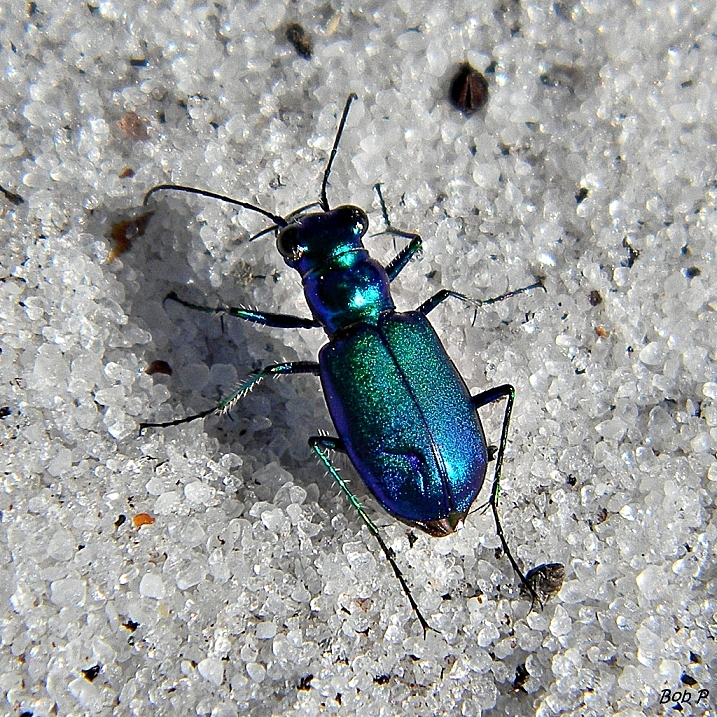
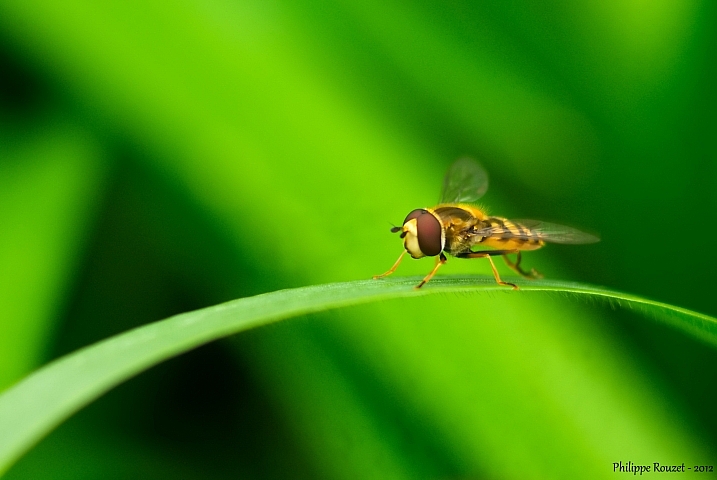
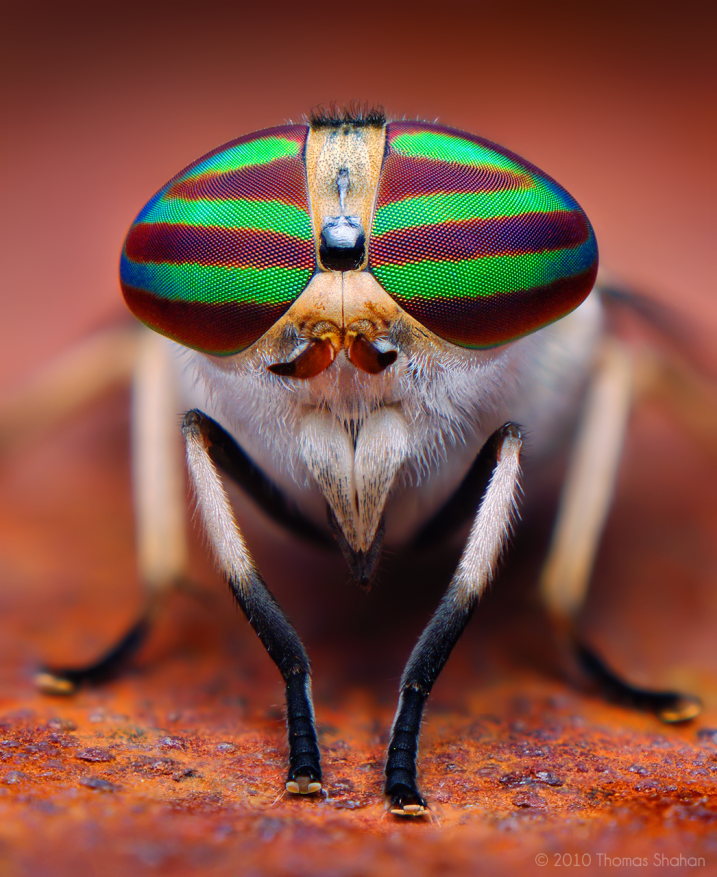
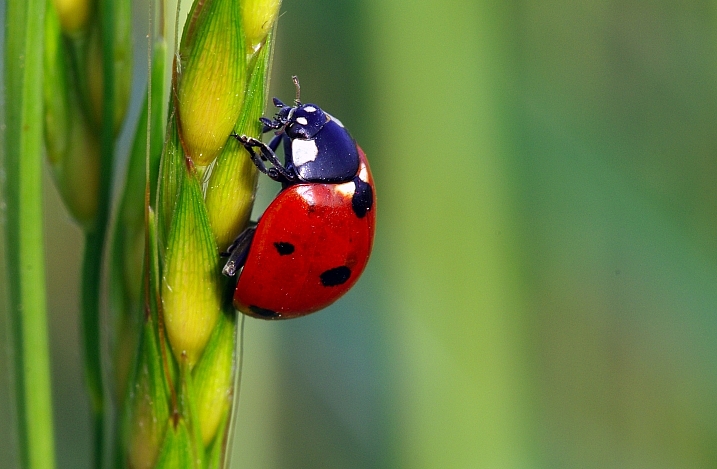
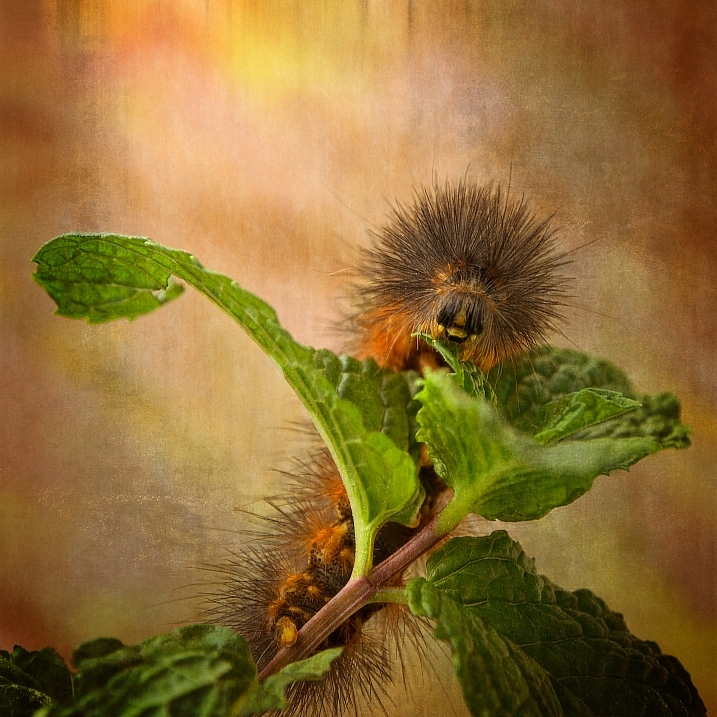
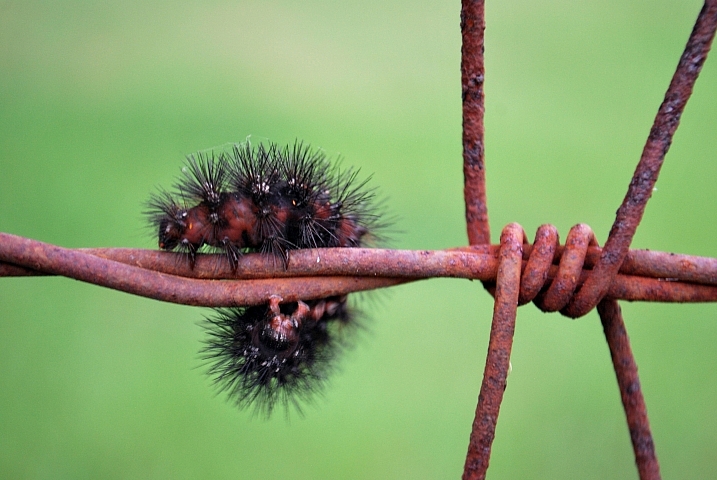
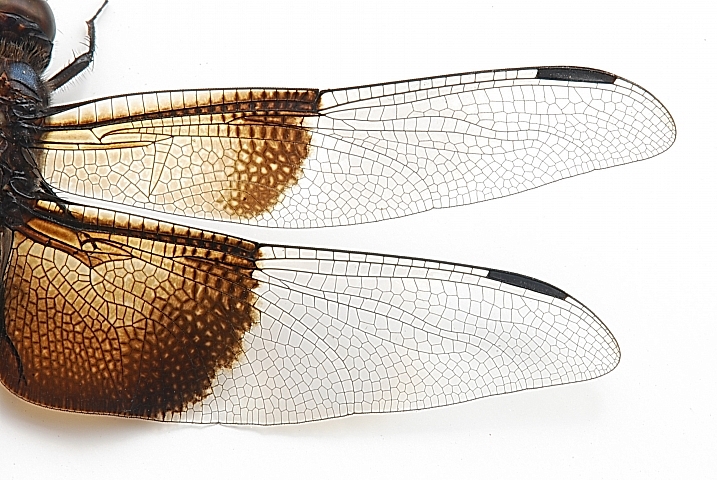
  • 27 Beautiful Images of Butterflies and Bugs

    Spring has sprung in the northern part of the world and the creep crawly things are out and about. But they aren’t all bad or ugly. Many of the world’s smallest creatures are quite attractive – beautiful even.

    So here is how some photographers chose to capture them in butterflies and bugs:

    Bob Peterson

    By Bob Peterson

    Philippe Rouzet

    By Philippe Rouzet

    Thomas Shahan

    By Thomas Shahan

    Ziva

    By Ziva & Amir

    Bernie  Lampert

    By Bernie Lampert

    Darlene Hildebrandt

    By Darlene Hildebrandt

    Joel Olives

    By Joel Olives

    Ferran Pestaña

    By Ferran Pestaña

    Sunny_mjx

    By Sunny_mjx

    Salvatore D'Oro

    By Salvatore D’Oro

    Peter Miller

    By Peter Miller

    Sergiu Bacioiu

    By Sergiu Bacioiu

    Photosbyflick

    By photosbyflick

    Theophilos Papadopoulos

    By Theophilos Papadopoulos

    Peter Miller

    By Peter Miller

    Sinead Fenton

    By Sinead Fenton

    M.shattock

    By m.shattock

    Christina  VanMeter

    By Christina VanMeter

    MrClean1982

    By MrClean1982

    LHG Creative Photography

    By LHG Creative Photography

    Anne Worner

    By Anne Worner

    AmberBrooke.

    By AmberBrooke.

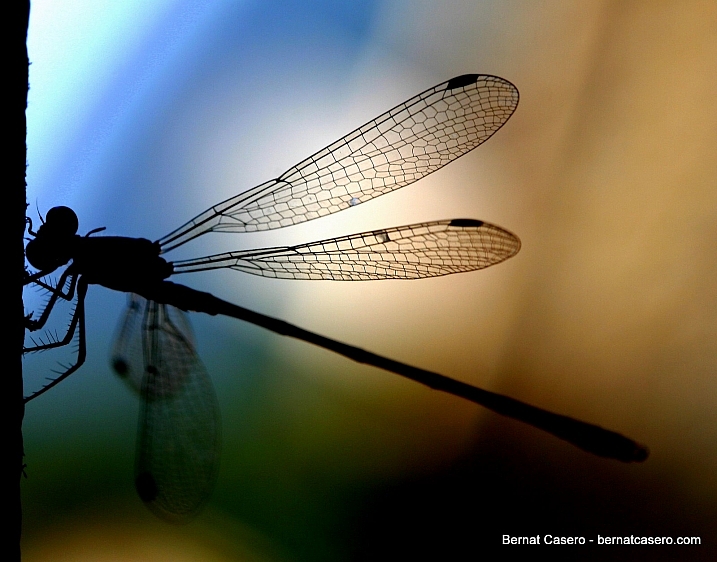
    Bernat Casero

    By Bernat Casero

    Mike Keeling

    By Mike Keeling

    Josef Wells

    By Josef Wells

    Thomas

    By Thomas

    Karen McQuilkin

    By Karen McQuilkin

    googletag.cmd.push(function() {
    tablet_slots.push( googletag.defineSlot( “/1005424/_dPSv4_tab-all-article-bottom_(300×250)”, [300, 250], “pb-ad-78623” ).addService( googletag.pubads() ) ); } );

    googletag.cmd.push(function() {
    mobile_slots.push( googletag.defineSlot( “/1005424/_dPSv4_mob-all-article-bottom_(300×250)”, [300, 250], “pb-ad-78158” ).addService( googletag.pubads() ) ); } );

    The post 27 Beautiful Images of Butterflies and Bugs by Darlene Hildebrandt appeared first on Digital Photography School.


    Digital Photography School

  • Serious spec: HTC 10 camera review

    $ (document).ready(function() { SampleGalleryV2({“containerId”:”embeddedSampleGallery_0316148631″,”galleryId”:”0316148631″,”isEmbeddedWidget”:true,”standalone”:false,”selectedImageIndex”:0,”startInCommentsView”:false,”isMobile”:false}) });

    DPReview smartphone reviews are written with the needs of photographers in mind. We focus on camera features, performance, and image quality.

    The 10 is HTC’s latest flagship model, and while its predecessors that we tested were frankly disappointing in the camera department, the new model’s imaging specs show the 10 has potential to turn things around for the Taiwanese manufacturer.

    The main camera specification is centered around the same 1/2.3-inch 12MP sensor that we have seen on several recent top-end smartphones. Light is captured through a very fast F1.8 aperture and an optical image stabilization system keeps things steady in low light. The AF uses both contrast detection and a laser that measures the distance to the subject and for those who like optimizing images in post production the camera offers a 12-bit Raw mode. In video mode footage can be recorded in 4K resolution and the front camera is the first of its kind to come with optical image stabilization. At 1.34µm it also offers unusually large pixels and again a fast F1.8 aperture. 

    All other specifications, including the 5.2-inch Quad-HD display and Snapdragon 820 chipset are in line with the current crop of flagship devices, making the HTC 10 a possible mobile photography alternative to devices like the Samsung Galaxy S7 or LG G5. Read the full review to find out how it performed in our test.  

    Key Photographic / Video Specifications

    • 12MP 1/2.3-inch sensor with 1.55µm pixels
    • F1.8 aperture
    • OIS
    • 12-bit Raw
    • 4K video
    • 720p, 120fps slow-motion video
    • 5MP front camera with OIS, F1.8 aperture and 1.34µm pixel size

    Other Specifications

    • 5.2-inch QHD screen
    • Qualcomm Snapdragon 820 chipset
    • 4GB RAM
    • 32 or 64GB storage
    • microSD slot
    • 3,000mAh battery with Quick Charge 3.0
    • Hi-Res audio

    Articles: Digital Photography Review (dpreview.com)

  • OnePlus 3 announced with 16MP stabilized camera

    $ (document).ready(function() { SampleGalleryV2({“containerId”:”embeddedSampleGallery_3587897861″,”galleryId”:”3587897861″,”isEmbeddedWidget”:true,”standalone”:false,”selectedImageIndex”:0,”startInCommentsView”:false,”isMobile”:false}) });

    Chinese startup OnePlus has announced its latest high-end device, the OnePlus 3. Like previous models the 3 offers flagship-level specifications and features at a mid-range price point. It is also the first OnePlus device that doesn’t require an invitation to purchase. It can be ordered now on the OnePlus website for $ 399.

    The main camera module is centered around a Sony IMX298 16MP sensor with on-sensor phase detection. The chip comes in the 1/2.8″ format and has a pixel size of 1.12-micron. The lens has a fast F2.0 aperture and optical image stabilization. The system is capable of recording Raw image data, 4K video and 720p slow-motion footage. At the front an 8MP Sony IMX179 sensor with 1.4-micron pixel size and F2.0 aperture is capable of recording digitally stabilized 1080p Full-HD video in addition to self-portraits.

    The rest of the specification reads very nicely as well, especially considering the 3’s price point. Images can be viewed and composed on a 5.5″ 1080p AMOLED display that is protected by Gorilla Glass 4. Android 6 is powered by a Qualcomm Snapdragon 820 chipset and a generous 6GB of RAM. There are 64GB of internal storage which unfortunately is not expandable. A fingerprint reader, dual-SIM connectivity and NFC are on board as well. The 3,000 mAh battery supports quick charging and all the technology is wrapped up in an anodized aluminum body that is available in Graphite and Soft Gold colors.

    Articles: Digital Photography Review (dpreview.com)

  • Rare 1964 NASA 1000mm F4.5 super telephoto lens to be auctioned

    A one-of-a-kind Birns and Sawyer Omnitar 1000mm f/4.5 lens commissioned by NASA in 1964 will soon be available to purchase through RR Auction. The lens is owned by Jim Headley, who introduced it to the public via Shutterbug. According to Headley, the lens weighs 70lbs / 32kg and measures 4ft / 1.2m in length by 10in / 25cm in diameter.

    The super telephoto lens was built by Astra in Germany, and was acquired by Headley through a close friend after that friend closed down his camera store. Headly says on his website that he adapted the lens to work with a Canon EOS 40D, ‘effectively making this a 1600mm f:4.5 lens with the digital crop.’ The lens still features a pair of NASA identification tags, as well as a ‘trash can-sized’ lens shade. 

    Headley plans to part with the giant lens, telling Shutterbug that it will be sold through an auction this fall by RR Auction in New Hampshire. Interested potential buyers can contact Jonathan Siefken at (603) 732-4280 for additional details.

    Articles: Digital Photography Review (dpreview.com)

  • 5 Tricks from Professionals to Help You Do Better Wildlife Photography

    Whether professional or an amateur, most photographers who enjoy wildlife photography do it because we love being outside in nature, and we love to share our experiences of the world’s wild creatures. Carrying our cameras, and making images along the way, helps us to truly see and appreciate what nature has to offer.
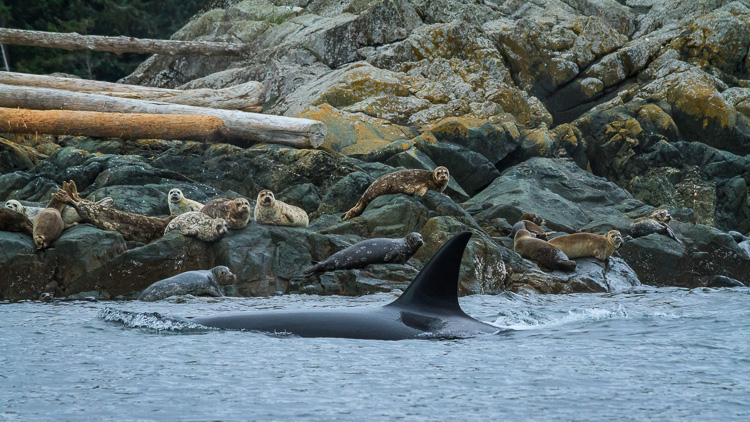
    Orca, also known as killer whales, hunting seals by Anne McKinnell

    But there’s more to making a captivating wildlife photograph than simply having an animal in the frame. If you just snap a shot when an animal is in front of you, you may find that your photograph lacks the impact you were after.

    Next time you are out in the wild, try out these five tricks that professional wildlife photographers use to capture the world’s wild creatures at their best.

    1. Watch and Learn

    Every one of the world’s many species of animals are different. You cannot photograph them all the same way. But, if you spend some time observing your creature’s behaviour, you’ll be better equipped to click the shutter at exactly the right moment.
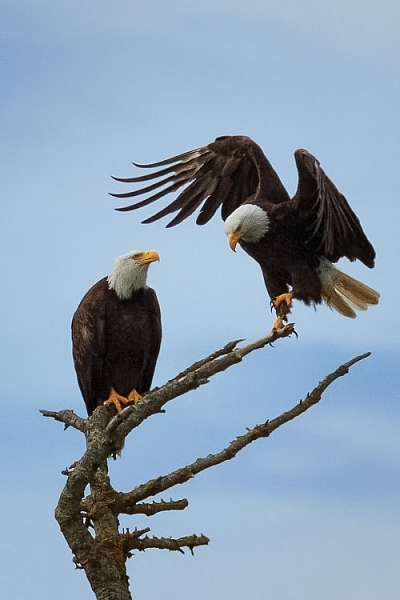
    Two bald eagles by Anne McKinnell

    It’s all about that special moment when the animal is doing something – whether it’s flying, walking, making eye contact, or interacting with another animal. Like spending time with friends, you come to know when they are going to do a particular thing and what triggers a reaction. Once you observe and understand their behaviour, be patient, be quiet, and wait for the right moment.

    We often think of wildlife photography as being exciting, but more often than not, better images are made when it is a quiet, contemplative experience.

    2. Use Faster Shutter Speeds

    Many a great wildlife photograph has been ruined when an animal moves faster than the photographer anticipated, resulting in a slightly blurry image. It has happened to us all. Try not to let that happen by increasing your camera’s ISO, which will allow you faster shutter speeds.

    Pacific White Sided Dolphins by Anne McKinnell

    Even when your subject is absolutely still, you never know when they’ll decide to move, and that could be the magic moment you’ve been waiting for. Be ready by using a shutter speed of at least 1/500th of a second.

    3. Carry Two Camera Bodies

    The most important thing is to capture that special moment, so don’t miss it by changing lenses. It’s better to pick two lenses to work with, and have each mounted on its own camera body. Then, when you need to switch, you simply put down one camera, pick up the other, and you’ll be ready to shoot in less than one second. I usually use one camera with a 70-300mm lens, and the other with a 400mm lens.
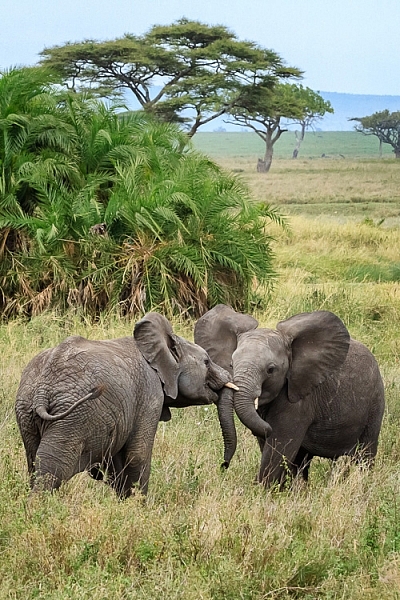
    Two elephants playing in Serengeti National Park, Tanzania by Anne McKinnell

    4. Don’t Get Rusty

    You don’t have to wait until you have an exotic animal to work with! Keep your skills sharp by practicing with whatever animals are nearby. You might surprise yourself and come up with some of your favourite shots. Practicing with seagulls and geese, will ultimately improve your photos of cranes and spoonbills when you have the opportunity to shoot them.
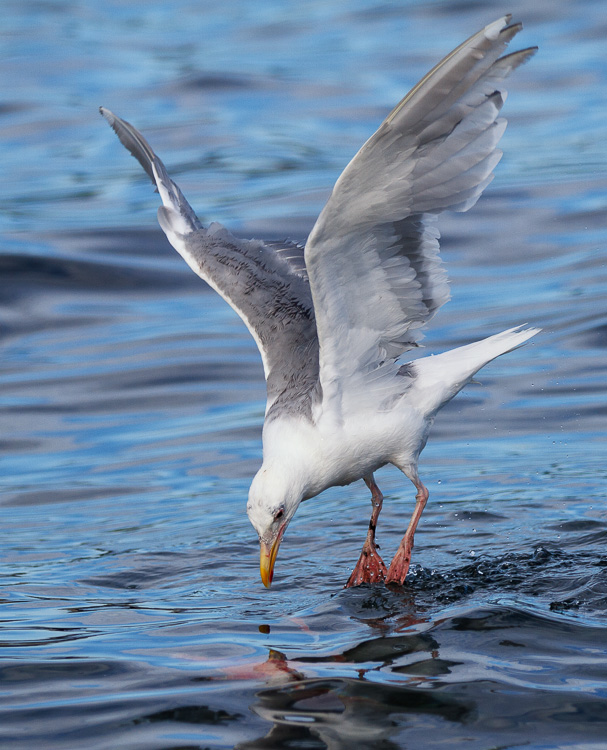
    Seagull looking at underwater sockeye salmon by Anne McKinnell

    Try setting up a bird feeder outside your window and you can practice on the birds that come right to you.

    5. Vary Your Compositions

    Usually when we photograph wildlife, we want the animal to fill as much of the frame as possible. But once you get that shot, don’t keep making the same shot over and over. Try some different compositions, such as getting super close to just part of the animal. You can shoot just the eye, or zoom in on an interesting detail.
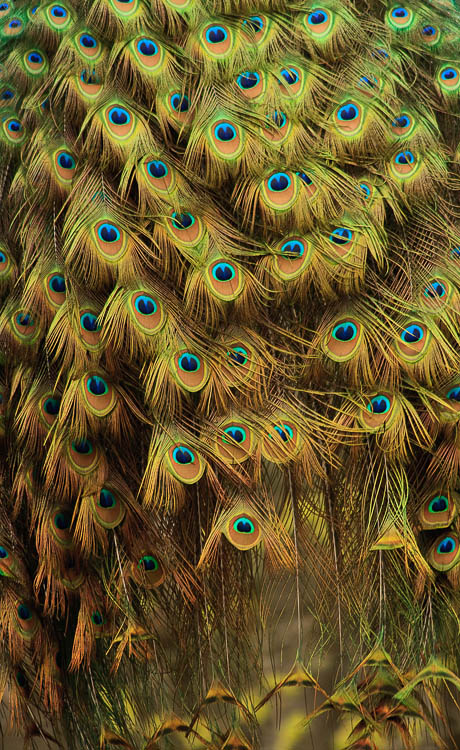
    The tail feathers of a peacock by Anne McKinnell

    Then try zooming out and photographing the animal and its environment. Also try to change your perspective. Get on eye level with your subject or try making an image from a lower angle.

    By understanding your subject, having good techniques under your belt, and lots of practice, you’ll be well on your way to making more captivating wildlife photographs. If you have any other tips of tricks for wildlife photography please share them, and your images in the comments below.

    googletag.cmd.push(function() {
    tablet_slots.push( googletag.defineSlot( “/1005424/_dPSv4_tab-all-article-bottom_(300×250)”, [300, 250], “pb-ad-78623” ).addService( googletag.pubads() ) ); } );

    googletag.cmd.push(function() {
    mobile_slots.push( googletag.defineSlot( “/1005424/_dPSv4_mob-all-article-bottom_(300×250)”, [300, 250], “pb-ad-78158” ).addService( googletag.pubads() ) ); } );

    The post 5 Tricks from Professionals to Help You Do Better Wildlife Photography by Anne McKinnell appeared first on Digital Photography School.


    Digital Photography School