Blog

  • Living Light: Human Figures Dance Inside 3D-Printed Zoetrope

    [ By SA Rogers in Drawing & Digital. ]

    zoetrope gif main

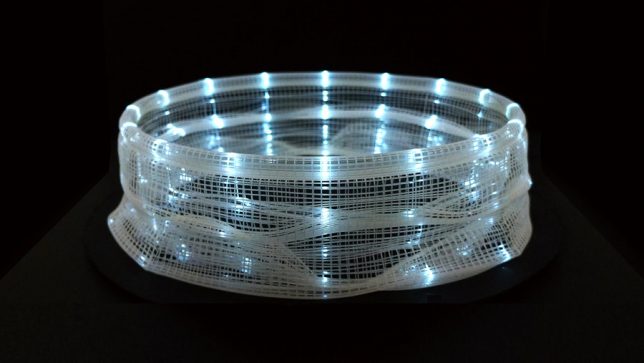
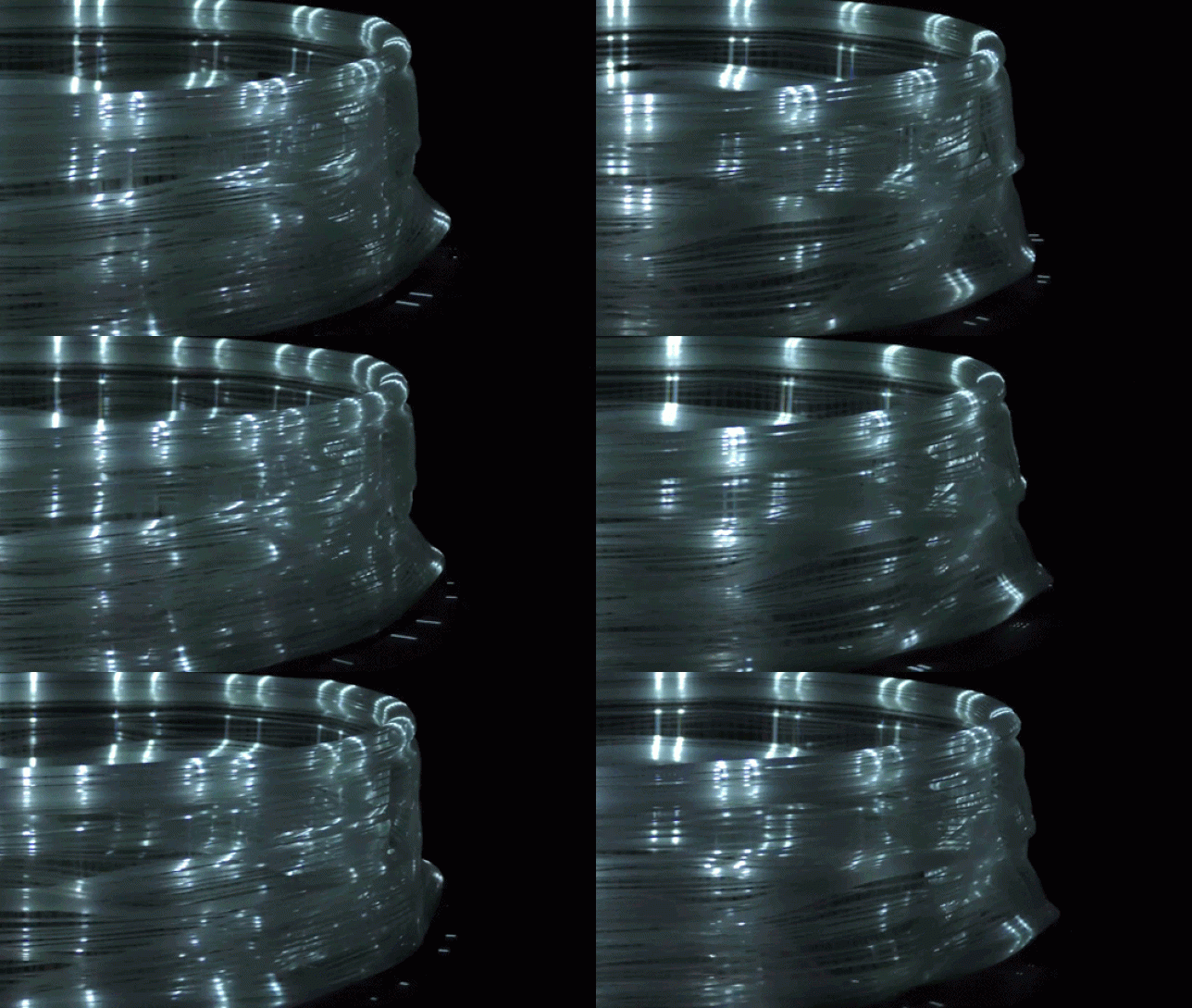
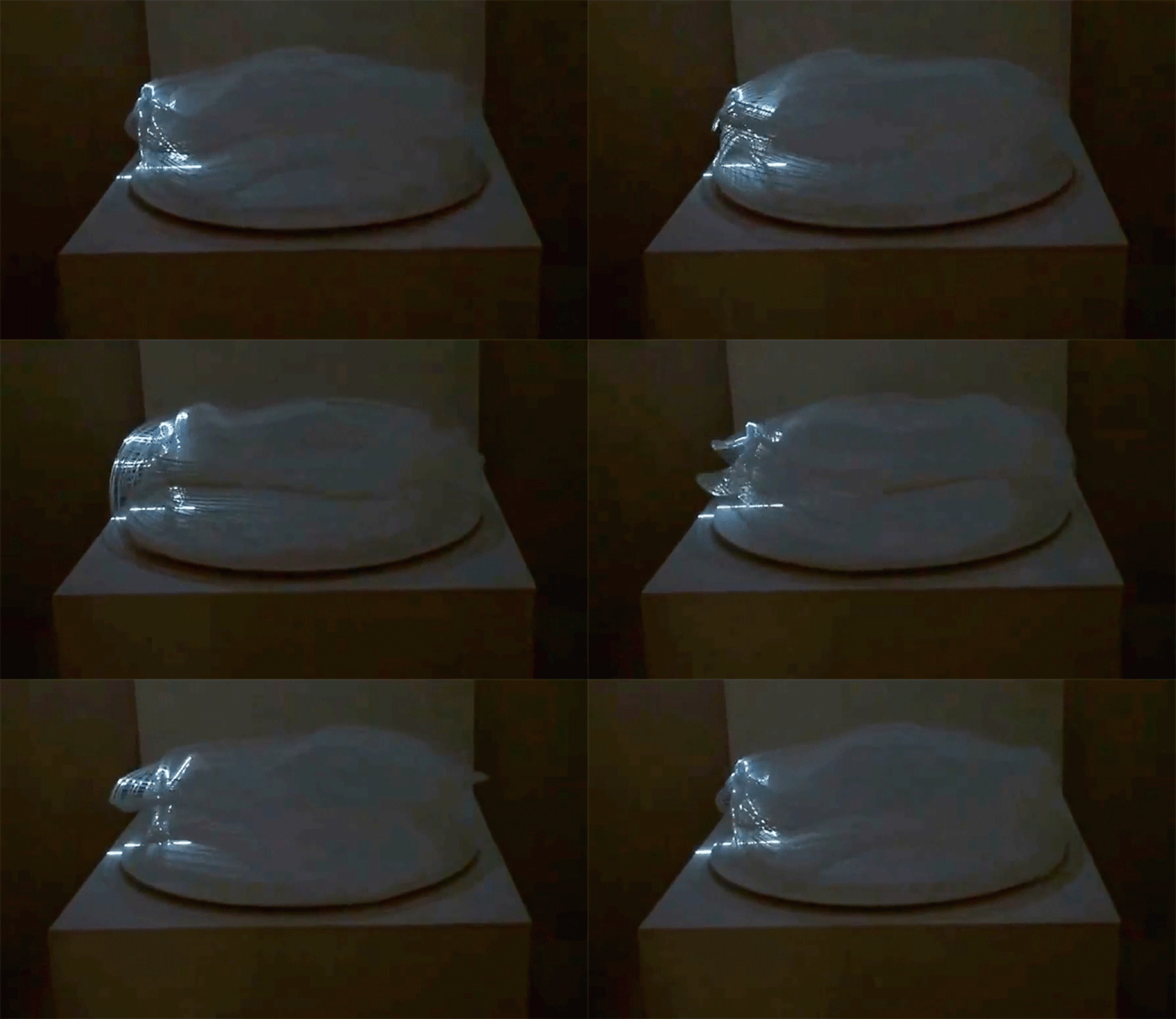
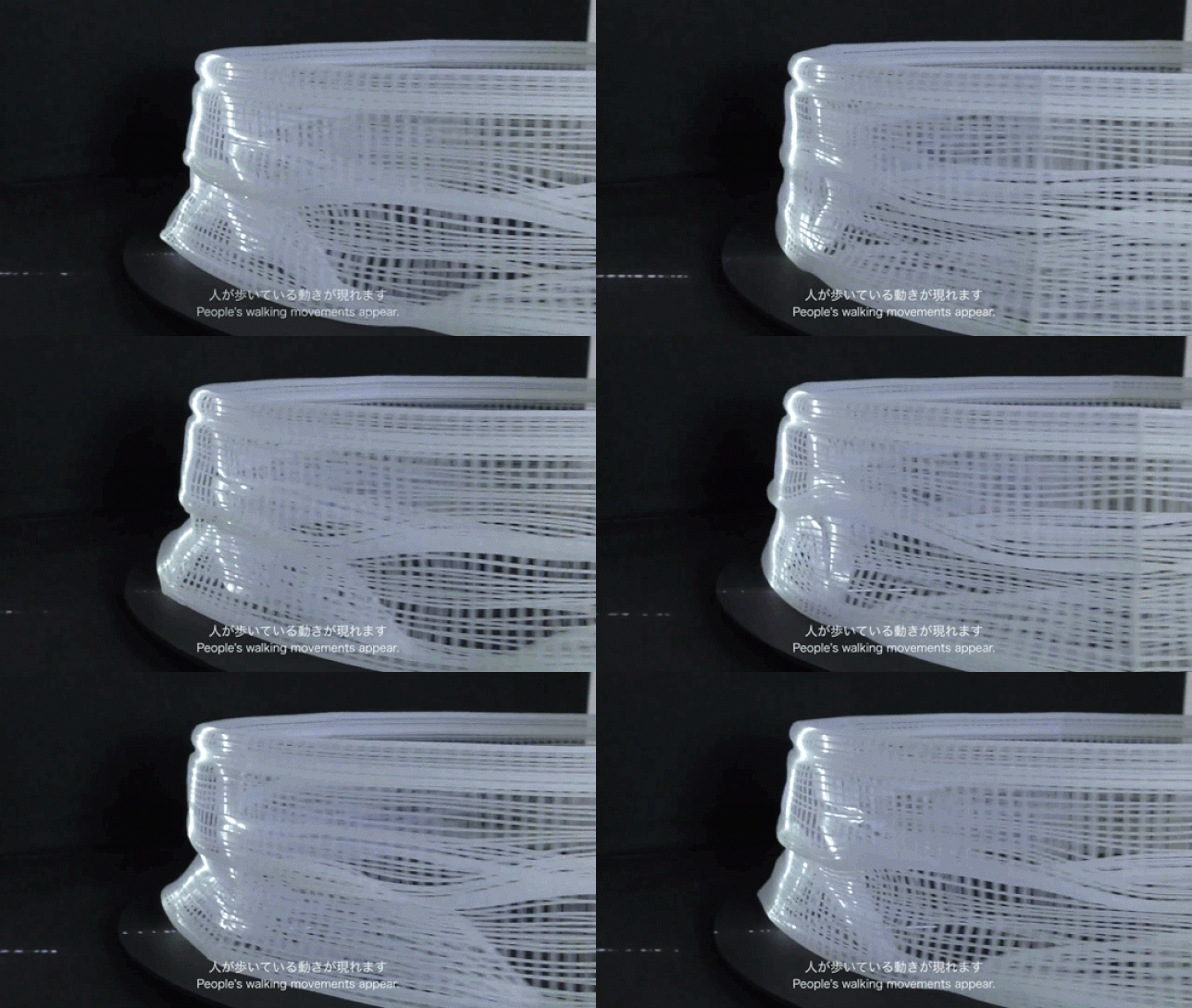
    All it takes are a few highly focused beams of light and a spinning zoetrope to make a human figure spring to life, walking or even dancing in a barely-visible translucent circle. ‘Process and WALK’ explores the relationship between time and movement, taking a two-dimensional image of a person and applying it to a three-dimensional object. In effect, the person’s movements are stretched out to take up the entire circle, each fraction of an inch containing its own particular shifts of the arms and legs.

    zoetrope gif 2

    zoetrope light 2

    Artist Akinori Goto lays out the whole process in the video above, showing how he transforms a animation of a person walking into a 3D axis that can then be translated into data for a 3D printer. The result looks like no more than a warped piece of plastic mesh, with no discernible shapes embedded within it. Place it on a turntable and it still won’t look like much – until beams of light highlight just one segment of the edge.

    zoetrop gif 1

    Once that happens, the walking figure appears. Every few seconds, the illuminated figure seems to multiply, sending additional figures to other points along the zoetrope. It’s simple and complex at the same time, pairing a pre-film animation device that’s been in use for centuries with cutting-edge small-scale manufacturing technology

    Share on Facebook


    [ By SA Rogers in Drawing & Digital. ]

    [ WebUrbanist | Archives | Galleries | Privacy | TOS ]


    WebUrbanist

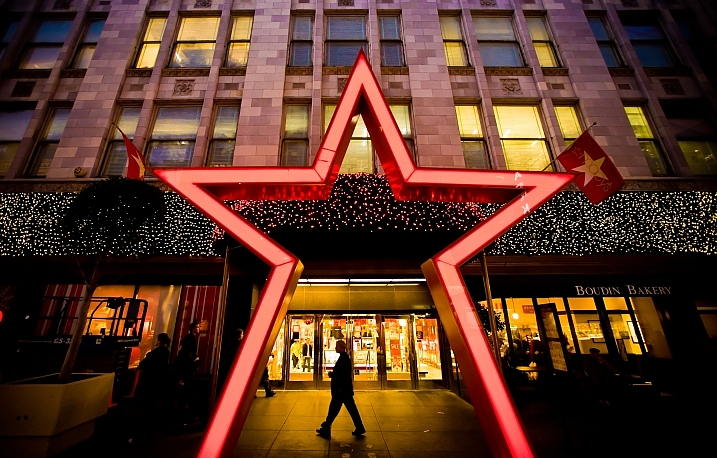
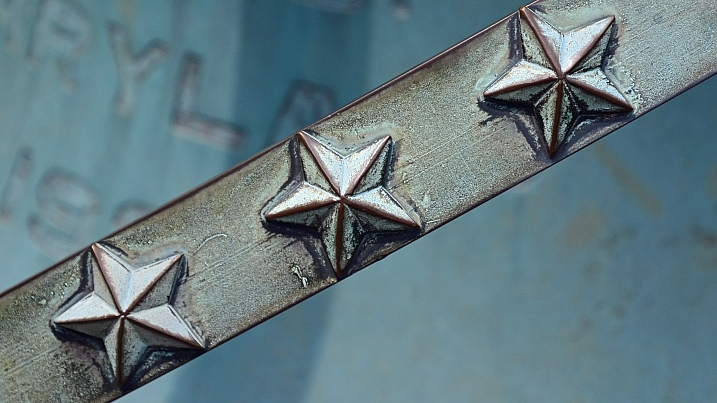
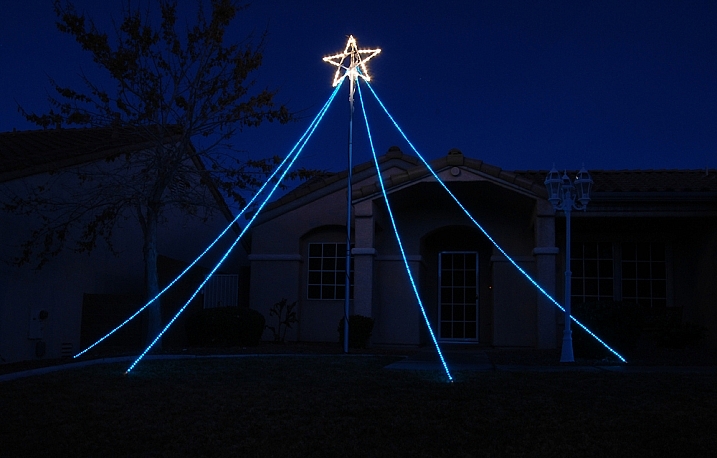
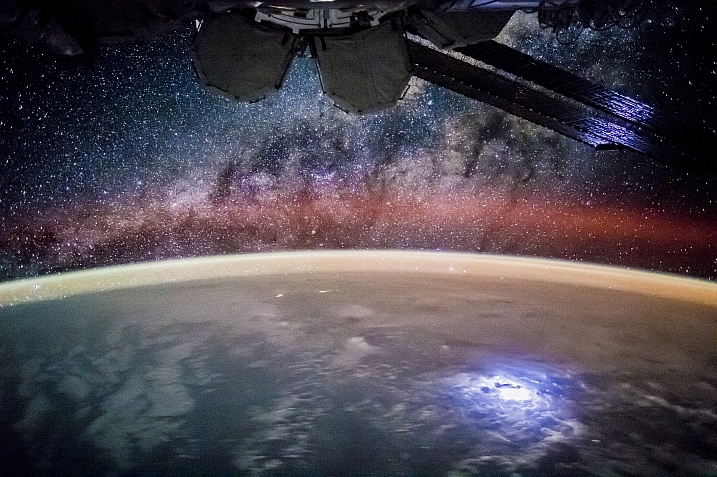
  • 23 Star Struck Images of Celestial Subjects

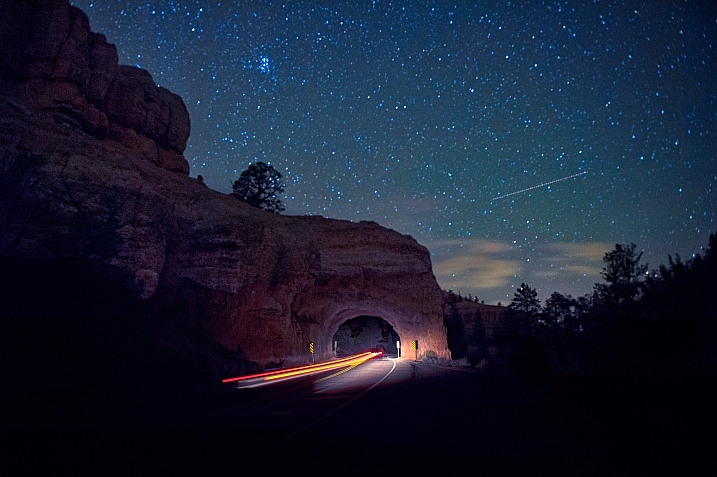
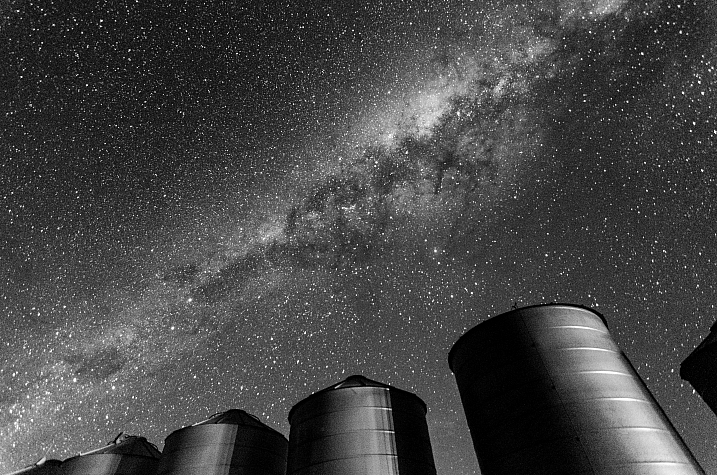
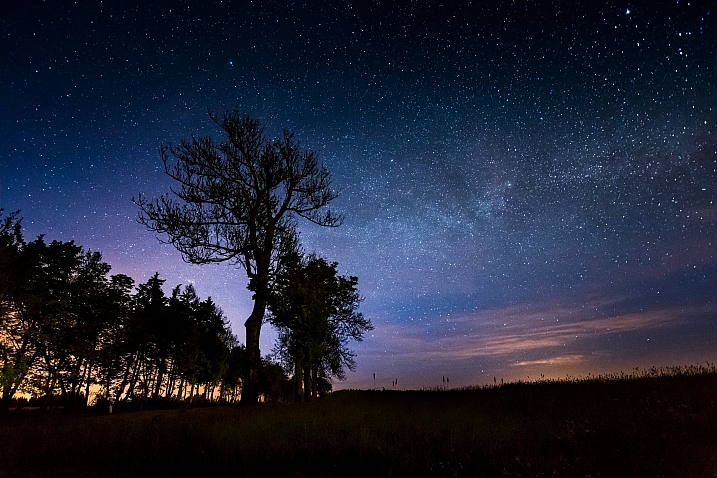
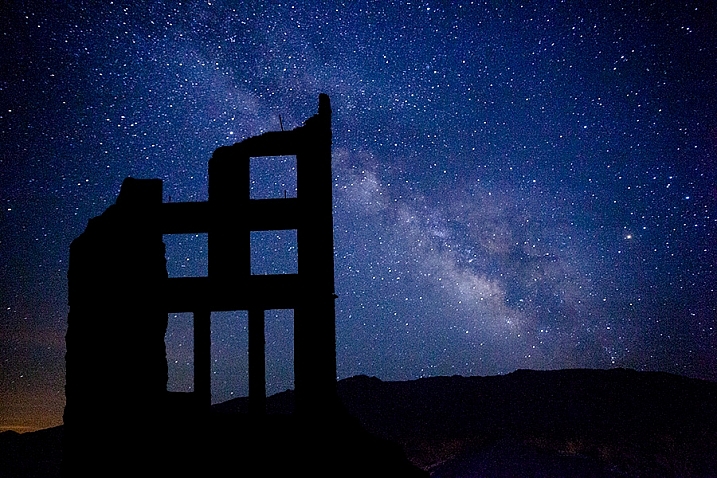
    We can be star struck in more than one way. Celebrity sightings of famous Hollywood stars is one way, the other is by the celestial stars themselves – literally!

    Let’s look at a few images of celestial subjects and see how they can be captured in photographs:

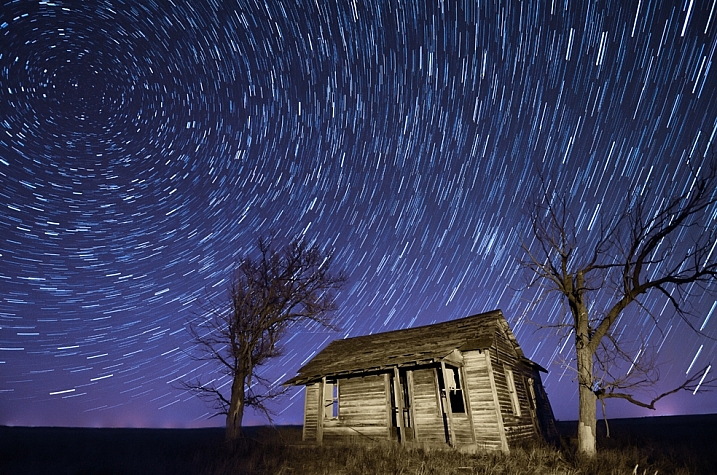
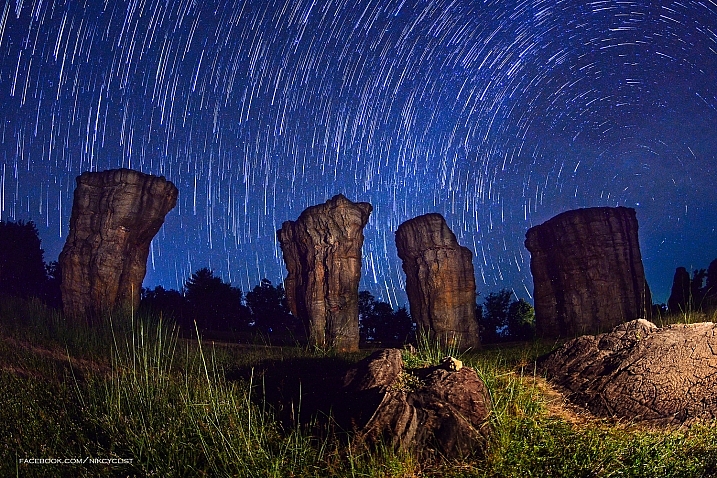
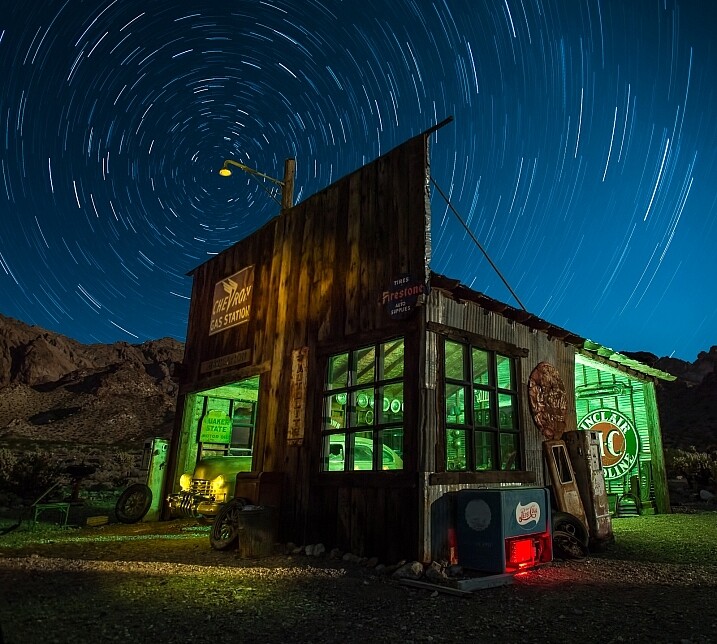
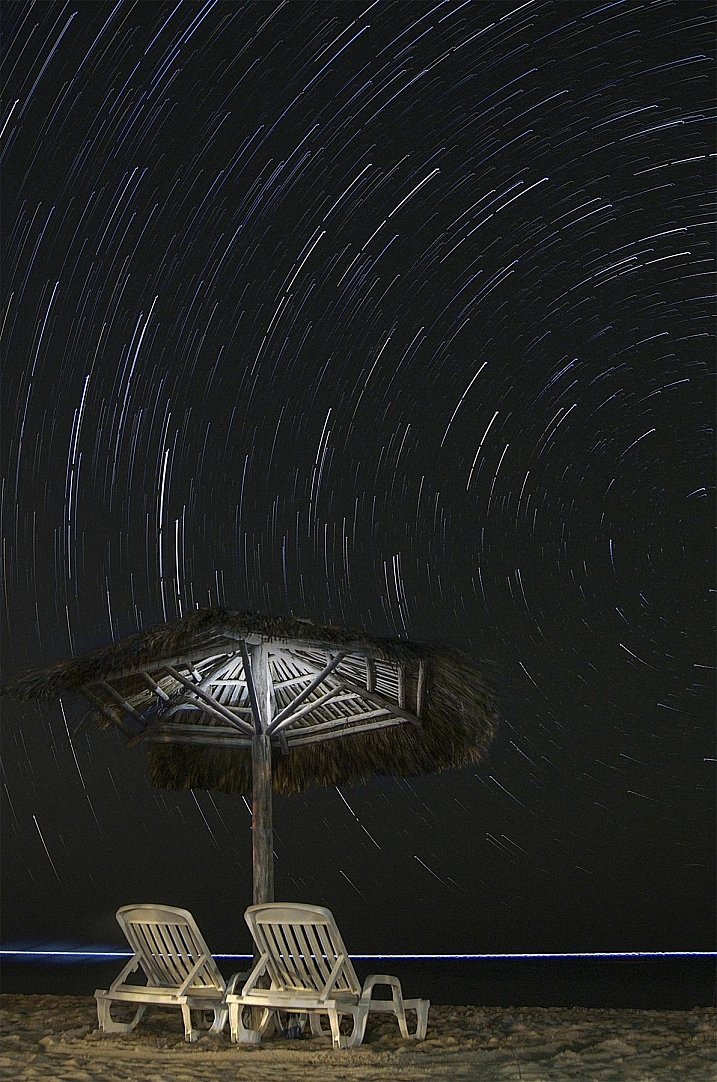
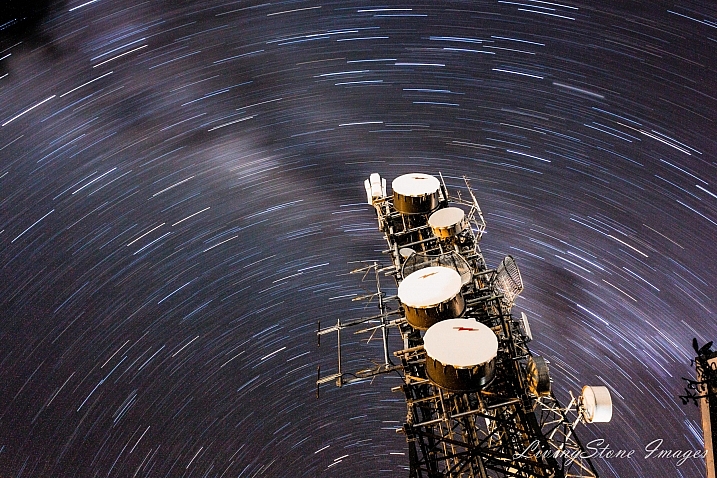
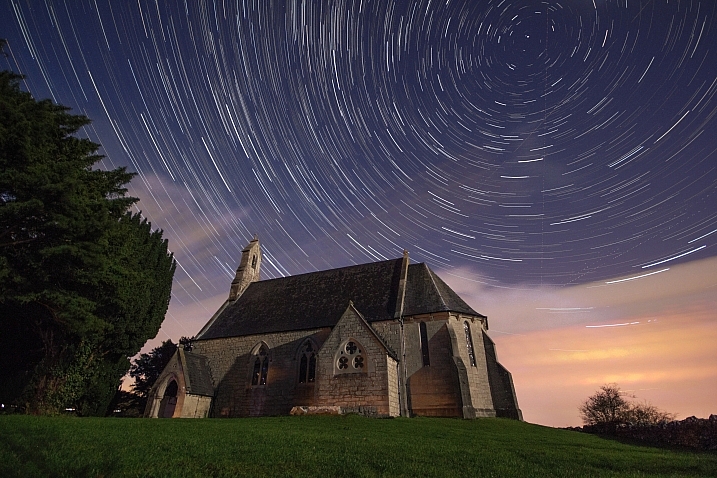
    Star trails

    Shannon Dizmang

    By Shannon Dizmang

    Prachanart Viriyaraks

    By Prachanart Viriyaraks

    Howard Ignatius

    By Howard Ignatius

    Howard Ignatius

    By Howard Ignatius

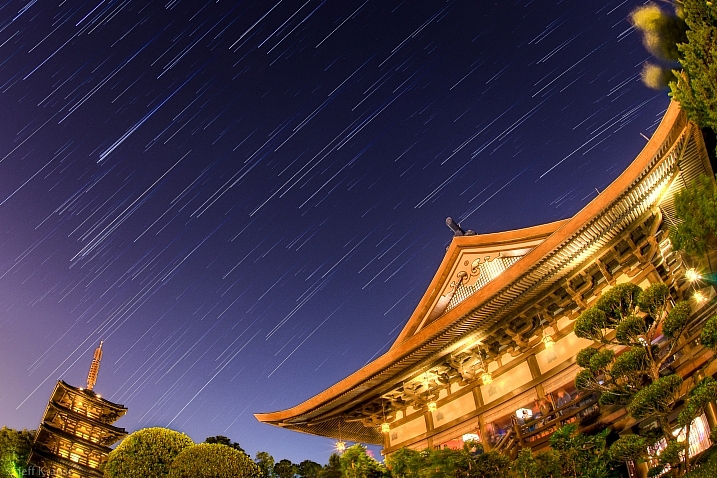
    Jeff Krause

    By Jeff Krause

    Rodger Evans

    By Rodger Evans

    Andrew

    By Andrew

    Aaron

    By Aaron

    Starry skies

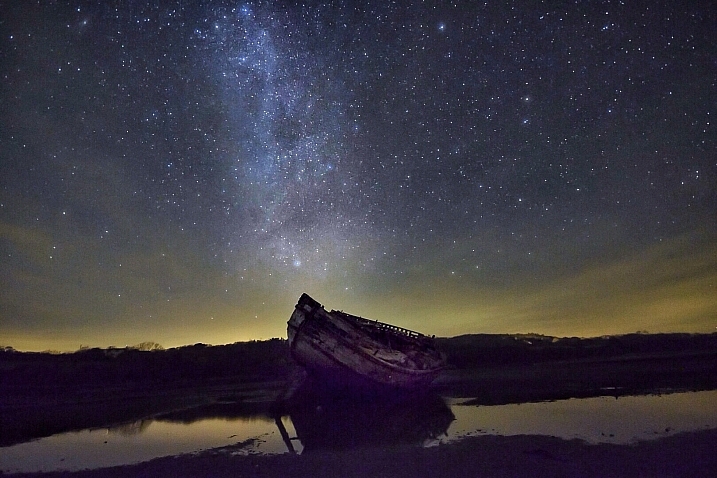
    Sian Monument

    By sian monument

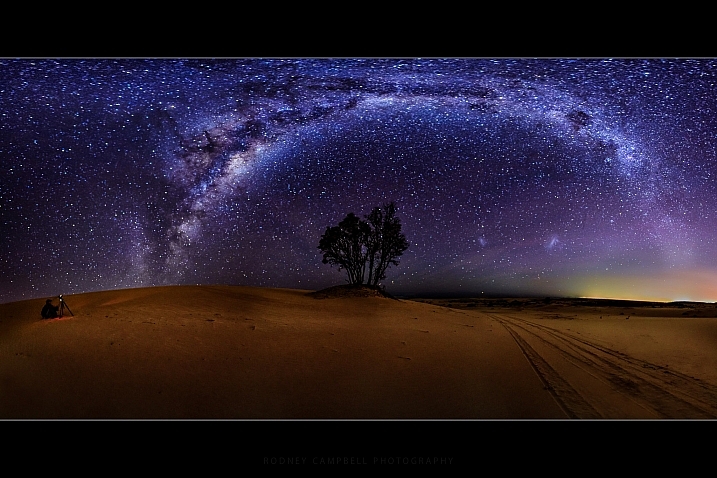
    Rodney Campbell

    By Rodney Campbell

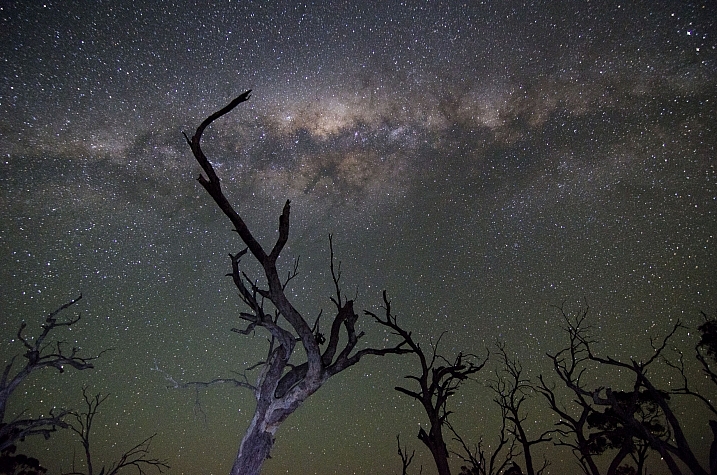
    Indigo Skies Photography

    By Indigo Skies Photography

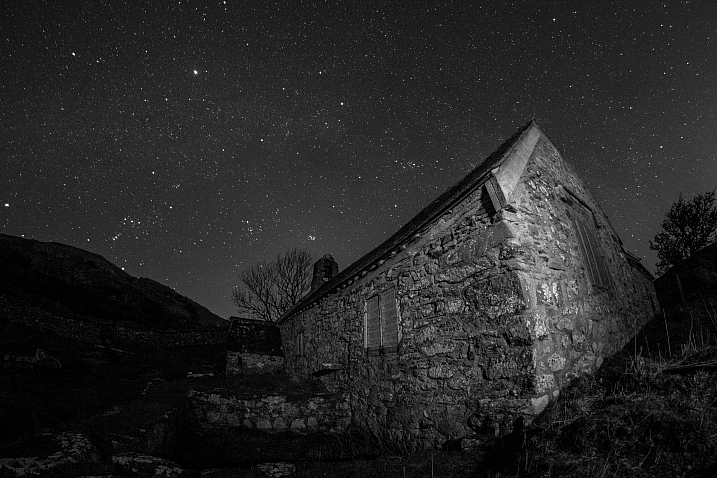
    Aaron

    By Aaron

    Diana Robinson

    By Diana Robinson

    Indigo Skies Photography

    By Indigo Skies Photography

    Olli Henze

    By Olli Henze

    Dennis Behm

    By Dennis Behm

    Other kinds of stars

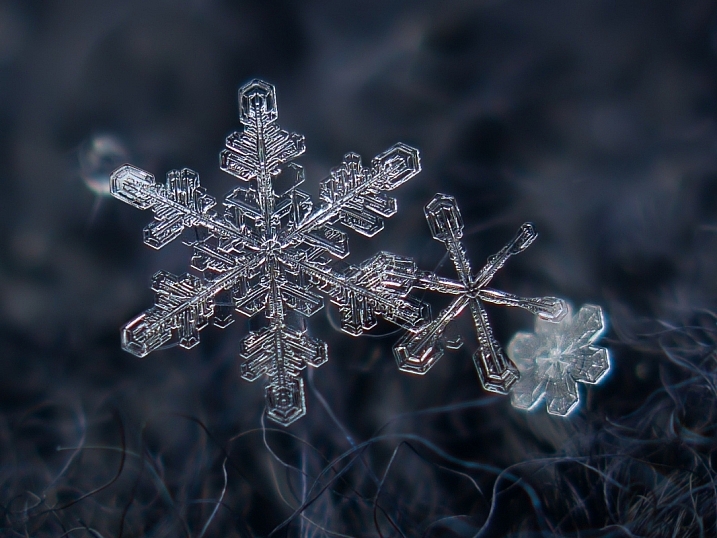
    Alexey Kljatov

    By Alexey Kljatov

    Neal Fowler

    By Neal Fowler

    Nanabcn19

    By nanabcn19

    Ra1000

    By ra1000

    Thomas Hawk

    By Thomas Hawk

    Peter Miller

    By Peter Miller

    Roadsidepictures

    By Roadsidepictures

    Bonus – some from NASA

    NASA's Marshall Space Flight Center

    By NASA’s Marshall Space Flight Center

    NASA's Marshall Space Flight Center

    By NASA’s Marshall Space Flight Center

    NASA's Marshall Space Flight Center

    By NASA’s Marshall Space Flight Center

    NASA's Marshall Space Flight Center

    By NASA’s Marshall Space Flight Center

    googletag.cmd.push(function() {
    tablet_slots.push( googletag.defineSlot( “/1005424/_dPSv4_tab-all-article-bottom_(300×250)”, [300, 250], “pb-ad-78623” ).addService( googletag.pubads() ) ); } );

    googletag.cmd.push(function() {
    mobile_slots.push( googletag.defineSlot( “/1005424/_dPSv4_mob-all-article-bottom_(300×250)”, [300, 250], “pb-ad-78158” ).addService( googletag.pubads() ) ); } );

    The post 23 Star Struck Images of Celestial Subjects by Darlene Hildebrandt appeared first on Digital Photography School.


    Digital Photography School

  • SanDisk says its two new microSD cards are the world’s fastest

    SanDisk has announced a pair of new 256GB microSD cards: the SanDisk Extreme microSDXC UHS-I card and the Ultra microSDXC UHS-I Premium Edition card. These are the fastest microSD cards in the world, according to SanDisk, with the Premium Edition also ‘optimized for mainstream consumers.’ The cards are intended for action cameras, drones, smartphones and other gadgets with demanding storage needs.

    The 256GB Extreme card is the fastest of the two, offering transfer speeds up to 100MB/s (compared the Ultra’s 95MB/s max transfer speed) and write speeds up to 90MB/s. SanDisk presents the Extreme model as being ideal for UHD video recording, saying the card can hold up to 14 hours of 4K video. The Ultra version, meanwhile, is better suited to lower resolutions, and can store more than 24 hours of Full HD video.

    In addition, both microSDXC cards can withstand extreme temperatures and are waterproof, shock-proof, and x-ray-proof. Both are compatible with SanDisk’s Memory Zone Android app. The company will launch the Ultra Premium Edition card globally in August for $ 149.99, and the Extreme card globally in the fourth quarter of this year for $ 199.99.

    Via: SanDisk 

    Articles: Digital Photography Review (dpreview.com)

  • Meyer-Optik Goerlitz launches 3-element 95mm F2.6

    German lens manufacturer Meyer-Optik Goerlitz has announced a portrait lens that it claims has unique coatings to reduce flare. The Trimagon f2.6/95 is the latest in a line of lenses that the company has produced that use only three elements in the design. While the 100mm and 50mm Trioplan lenses were produced for their distinctive retro bubble-effect bokeh this Trimogan is ‘a dynamic modern lens’ according to the company. Meyer-Optik says a unique coating has been used to reduce flare and the glass used for the three elements is from the German company Schott and Japan’s Ohara.

    The company claims the resolution of the lens makes it suitable for use on cameras with 60MP or more. The optical design is based around full-frame sensors, but versions with mounts for smaller formats are listed as being available.

    Like all Meyer-Optik lenses, the Trimagon offers manual focus only, and its ‘distinctive’ bokeh and rounded out-of-focus highlights are helped by the use of a 15-bladed iris.

    The lens is available now as it has already been on sale in Germany, and it is offered with mounts for Canon, Nikon, Fuji X, Sony E, Micro Four Thirds and Leica M. It costs $ 1699/€1699. For more information see the Meyer-Optik Goerlitz website.

    Press release:

    Unique Coating and Design of Glass Lenses Provide Professional Photographers Sharp Artistic Portraits

    Atlanta, GA – June 30, 2016 — Meyer-Optik Goerlitz announced today the availability of its new portrait lens, the Trimagon f2.6/95, in the United States and worldwide. Aimed at professional photographers, the Trimagon 95 uses a unique coating and design that delivers sharp images with minimal reflections to preserve skin tone. The triplet architecture 15-blade design adds Meyer Optik’s trademark artistic bokeh to Trimagon 95 images. ‘While the Trioplan 100 restored Meyer-Optik’s long lens to the artistic photography market, the Trimagon 95 provides professionals a dynamic modern lens that delivers extraordinary portraits and natural-looking photographs,’ said Dr. Stefan Immes, CEO, Meyer-Optik Goerlitz. ‘The remarkable nature of the lens is its rendering of secondary light, specifically providing realistic reflections of the finest structures.’

    A unique coating on the Trimagon f2.6/95 reduces unnecessary light flares and overexposed reflections. The Trimagon f2.6/95 features high-index glass from Schott or O’Hara, providing excellent sharpness. The new portrait lens is suitable for resolutions from 60 million pixels and even more.

    As with all Meyer-Optik lenses, the Trimagon f2.6/95 is 100% handmade in Germany. All Trimagon f2.6/95 lenses feature the best components and manufacturing processes, and undergo a rigorous inspection process with strict tolerance limits. The end result is a superior high-end lens for discerning photographers.

    ‘The bokeh is exquisite and gives images a distinctive look,’ said professional photographer and author Alexander Henry. ‘The sharpness is impressive and the lens significantly reduces the amount of post-production required.’

    The technical specifications of the Meyer-Optik Trioplan f2.6/95 include:

    • Light intensity and focal length: f2.6-22; 95mm
    • Optical design: 3 elements in 3 assembly units
    • Angle of view: 25°
    • Filter diameter: 52mm

    Specifications:

    • Optical assembly as a classic triplet | 3 lenses/3 units
    • Iris diaphragm with 15 uniquely calculated steel aperture blades with special anti-reflection coating

    Compatible with:

    • Canon
    • Nikon
    • Fuji X
    • Sony-E
    • MFT
    • Leica M* 

    The Trimagon f2.6/95 is available for purchase at USD$ 1,699. Orders are currently being taken on the Meyer-Optik website. The lens was initially released only in Germany.

    * Rangefinder not supported.

    Articles: Digital Photography Review (dpreview.com)

  • Apple patents system for disabling cameras in no-photography areas

    Apple has been awarded a patent that describes a mobile camera technology that can interpret infrared signals, which could then be used to disable the camera from recording at events like concerts, among other things.

    An infrared transmitter would send encoded data to the device, which would be processed by the phone. Depending on the application, the device may temporarily disable its built-in camera in locations where photography and video capture are forbidden, for example music venues, classified company areas or museums. With the system activated a ‘RECORDING DISABLED’ message would pop up on the smartphone screen when the user tries to take a photo or video. The patent even mentions the ability to add a watermark to any images or video captured when certain infrared signals are detected. 

    The patent also describes use of this technology to provide additional information or visuals in a different scenario: for example, an art gallery. Pointing a smartphone camera at an IR transmitter positioned next to a painting could provide more information on the device’s screen about the artwork. The patent also mentions applications in retail environments.

    There is understandably some concern about how and where such systems would be implemented. Arguably, most people would be fine with concert venues protecting the intellectual property of their acts or companies preventing industrial espionage, but there are concerns that the technology could also be used to undermine the freedom of the press. As usual, the existence of a patent does not necessarily mean we’ll ever see the final product, but in this case it might be worth at least keeping an eye on how the idea is being developed further. You can read the full patent document on the USPTO website.

    Articles: Digital Photography Review (dpreview.com)

  • Calligraffiti: Fresh Artistic Perspective on Cairo’s ‘Garbage City’

    [ By WebUrbanist in Art & Street Art & Graffiti. ]

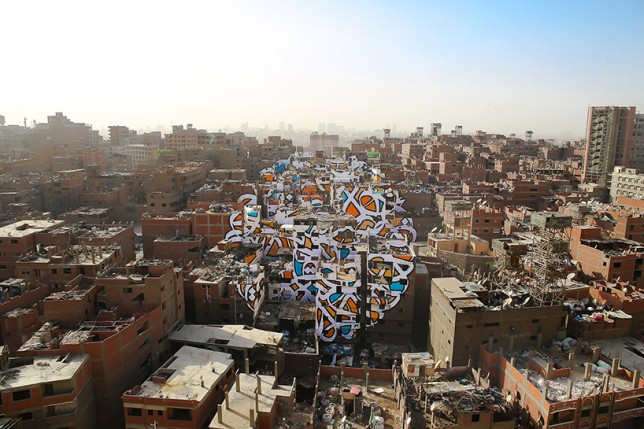
    giant mural cairo

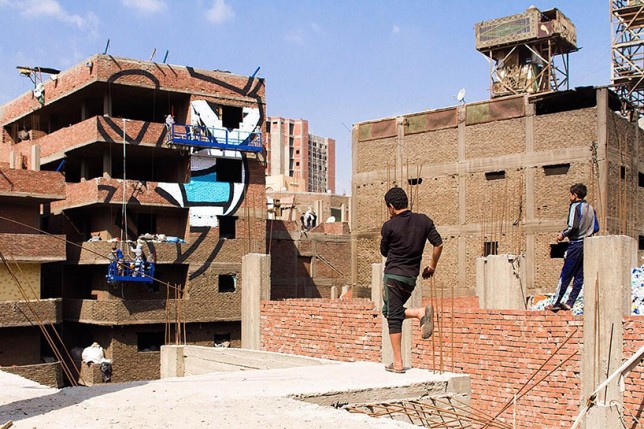
    On the outskirts of Cairo, Egypt, lies the community of Manshiyat Naser, famous for providing informal trash and recycling services for the city, but also notorious for the mess and smell that go with that role.

    garbage city mural

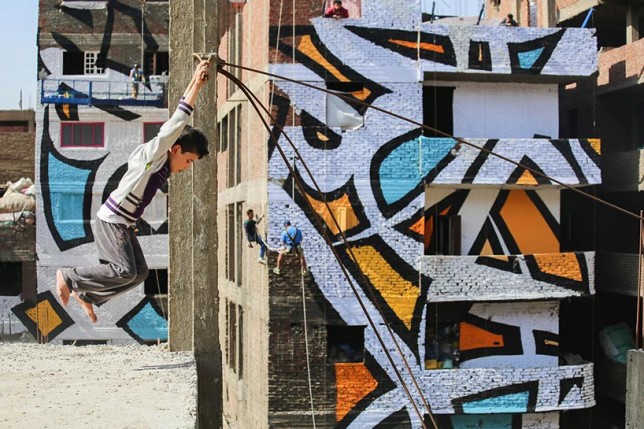
    ‘Calligraffiti’ artist el Seed worked with the ward to develop an incredible mural spanning 50 buildings, aiming to change perceptions and raise awareness about the community.

    garbage city calligraffiti

    Marginalized and belittled, the residents are incredibly industrious, sorting out garbage from recyclables by district within the community, literally turning Cairo’s trash into lucrative treasure.

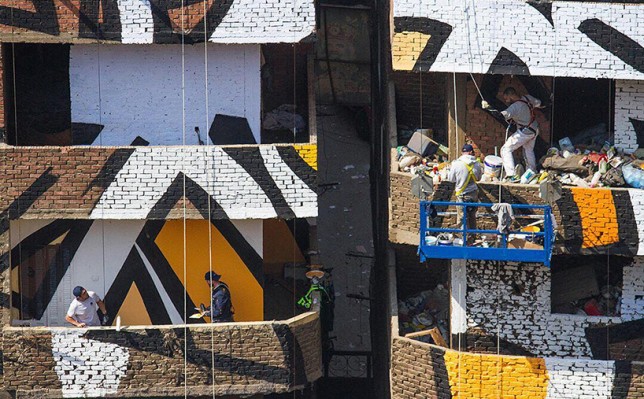
    graffiti on walls

    hanging to paint

    The mural blends aspects of Arabic calligraphy with contemporary graffiti, all while highlighting the architecture of the area. The entire work is only visible from the nearby Mokattam Mountain.

    graffiti progress

    The piece spells out the words of Saint Athanasius of Alexandria, a Coptic bishop from the 3rd Century, who said: “anyone who wants to see the sunlight clearly needs to wipe his eye first.”

    graffit art close up

    “The zaraeeb community welcomed my team and I as if we were family,” said the artist. “It was one of the most amazing human experiences I have ever had. they are generous, honest and strong people. They have been given the name of Zabaleen (the Garbage People), but this is not how they call themselves. They don’t live in the garbage but from the garbage; and not their garbage, but the garbage of the whole city. they are the ones who clean the city of Cairo.”

    Share on Facebook


    [ By WebUrbanist in Art & Street Art & Graffiti. ]

    [ WebUrbanist | Archives | Galleries | Privacy | TOS ]


    WebUrbanist

  • How to Use a Travel Photography Shot List to Come Home with Better Photos

    Checking off your travel photo listWant to bring back travel photos that your friends actually enjoy viewing on Facebook? Want to make sure you don’t miss anything when visiting a new culture? Then it’s time to make a list!

    We all have our easy ruts we fall into when photographing, but travel, for me, is about expanding my view. That’s why I take a travel shot list and try my darnedest to get at least one of each shot when visiting a new location.

    What’s on my list?

    Here are some tips for you to help make a travel photography shot list for your next trip. Feel free to use my list and add to it with your own ideas.

    1 – People – old, young, and in-between

    Spread out your people photos between age ranges. I’ve seen a bazillion images of old ladies from Cuba, while often missing are people like me; middle aged and fairly normal, even a bit boring. Round out your people photos with more variety, is all I am saying.
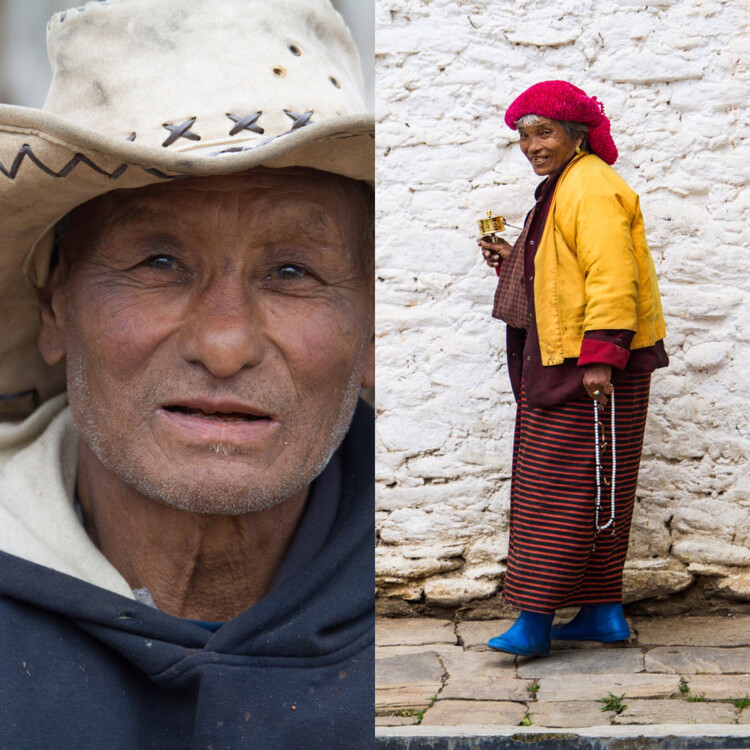
    Portraits in Bhutan

    What’s not to love about those shoes and that smile?

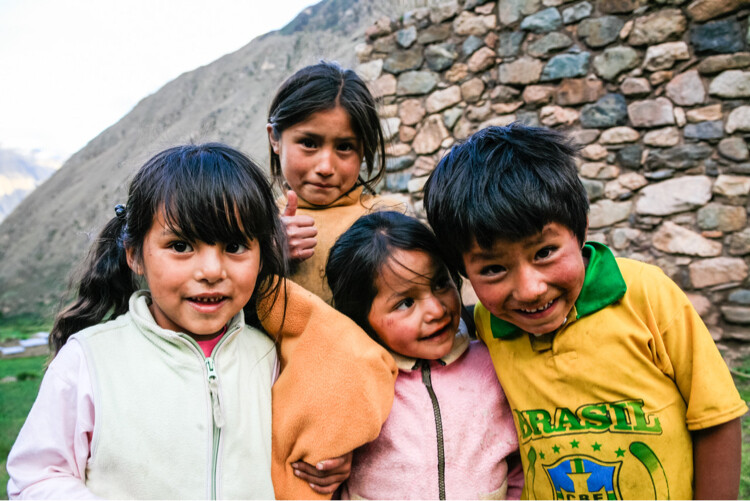
    Kids are an easy target as they often love having their picture taken. You will need to be aware, though, that not all parents wish for their children to be photographed. That’s the crux of it; parents worry how the images this stranger just took will be used. Sometimes all it takes is a simple “Hello” first to the parents to gauge if taking photos is okay. If language is a barrier, you can also point to your camera, then to the children with an inquisitive look on your face. Either way, no matter the answer, respect the parent’s choice.
    Peruvian kids

    Kids playing in Inca ruins, Peru

    Delhi street market scene

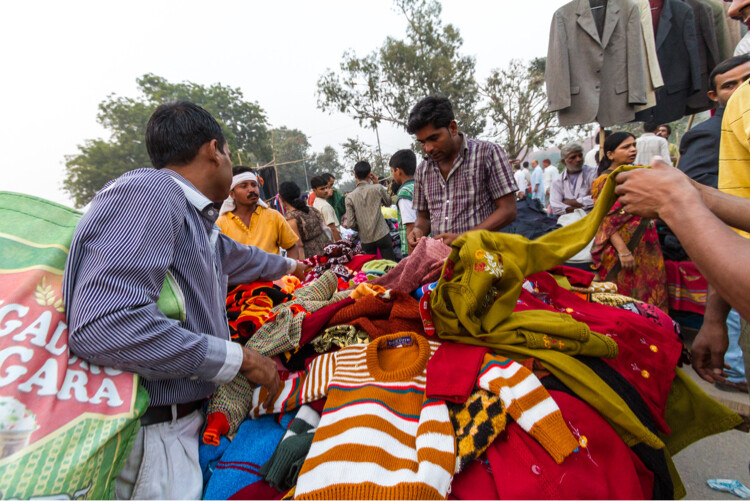
    Street scene in Delhi, India with people my age.
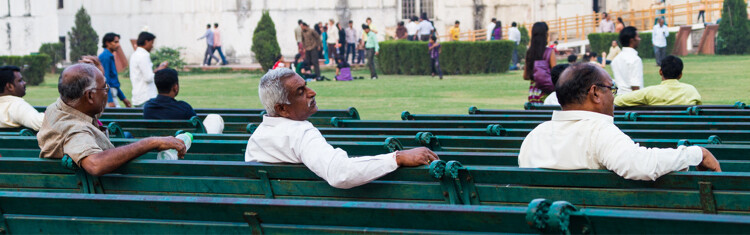
    Men at Red Fort, Delhi, India

    People watching at the Red Fort, Delhi, India

    2 – Food – preperation, presentation, social aspect

    Food brings us together. It’s a basic need we can all relate to, even if we don’t know exactly what we are about to eat.
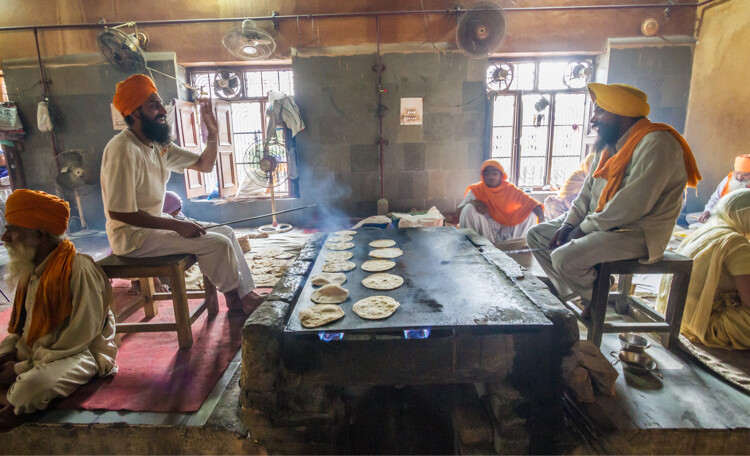
    Cooking at a Sikh Temple

    Inside the commercial sized kitchen at the Golden Temple in Amritsar, India

    Don’t just shoot the Instagram-worthy image of a plate of the amazing new delicacy you are experiencing, find a way to shoot the preparation of food. Get behind the counter (where it’s allowed) to see how it’s cooked, and where it comes from. As you plan to share these photos (why else are you taking them?), you may find that a large, and often hidden, swath of your friends and followers have a strong interest in food prep.
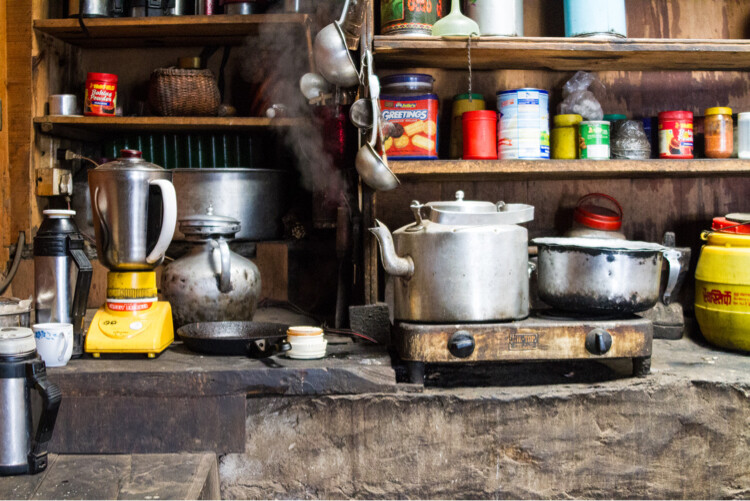
    Buddhist monastery kitchen in Nepal

    The full kitchen at a monastery, high in the Himalayas of Nepal

    3 – Architecture – old, new, juxtaposed

    In some locations the old and the new architecture matches, Bhutan comes to mind. I watched artisans paint a brand new home with traditional patterns and motifs from the nearby 400 year old monastery. Everything there fit a certain style.

    Buddhist Temple in Punakha, Bhutan

    Looking up at the Punakha Temple, Bhutan

    Then we have countries making vast changes from the old style to what constantly evolves as modern – think of Tokyo or Dubai. Look for the differences even where you think there is just one style.

    4 – Water – how is it used?

    While food brings us together, water is even more vital to our lives. In California we are familiar with our current drought, but forget that not every place has this problem. Some places are quite extravagant with their use of water, while it is a scarcity in others.
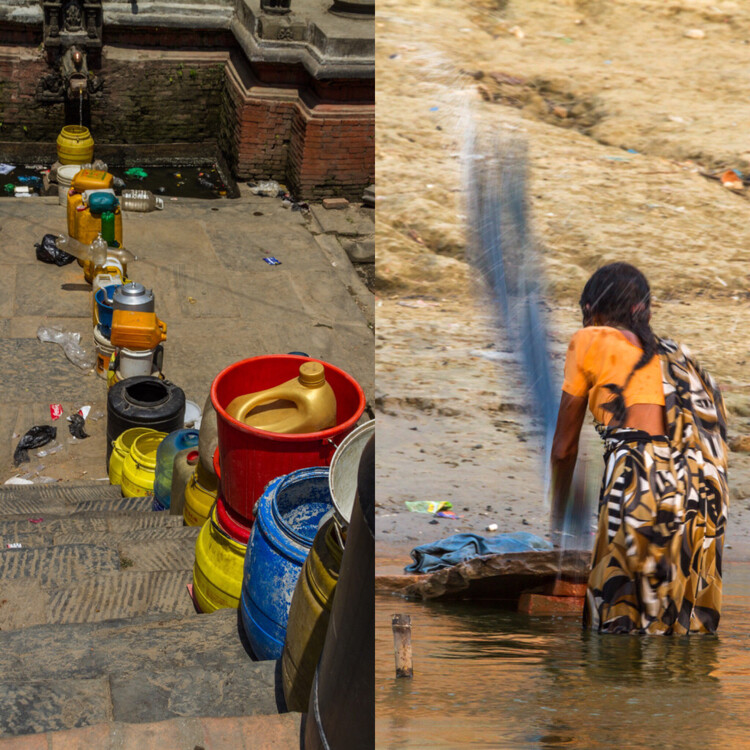
    Water in use in Nepal and India

    Scarcity of water in Kathmandu means water lines, while a woman in Varanasi, India, washes her clothes in the river.

    How do the locals use water? Do they wash their laundry in the rivers? Are there fountains everywhere? Are their cities built along waterways, or with vast ports?
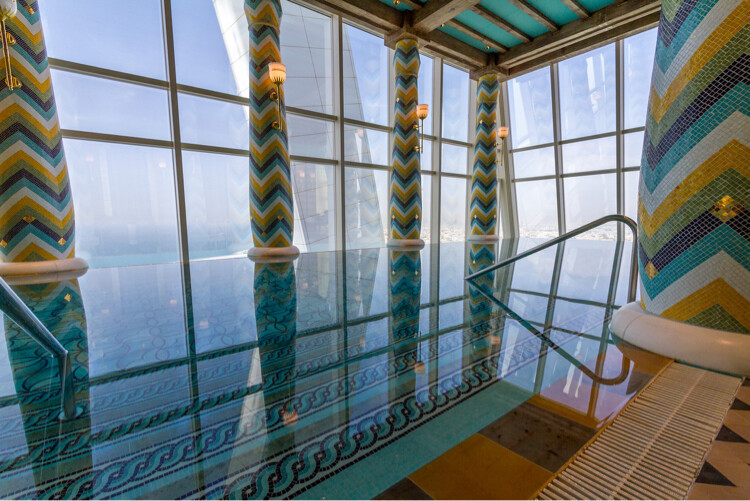
    Infinity pool and Dubai

    An infinity pool 23 stories up in the Burj al-Arab, Dubai, UAE

    Old water storage tank overflowing and leaking

    In the woods of Oregon, there is often way too much water.

    5 – Transportation – private and public

    How do people get around? At home we have our patterns, and often don’t see the other forms of transport we might use. But when you travel, it will hopefully be obvious how the people there transport themselves.
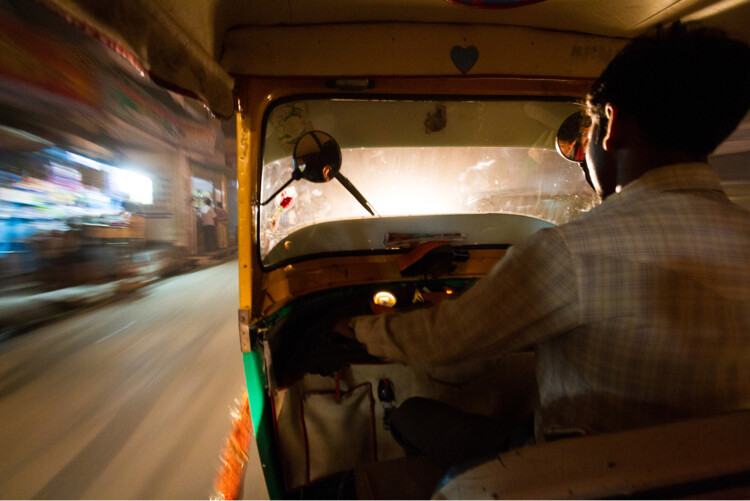
    Tuk-tuk ride at night

    Tuk-tuks in Amritsar, India, are the easiest way to get around town.

    It might a passel of buses, camels, rickshaws, taxis, or Maseratis.

    Also, how are goods moved? Does your location have shipping traffic and a lot of cargo? From continent to continent, the methods for moving goods from here to there can be vastly different.
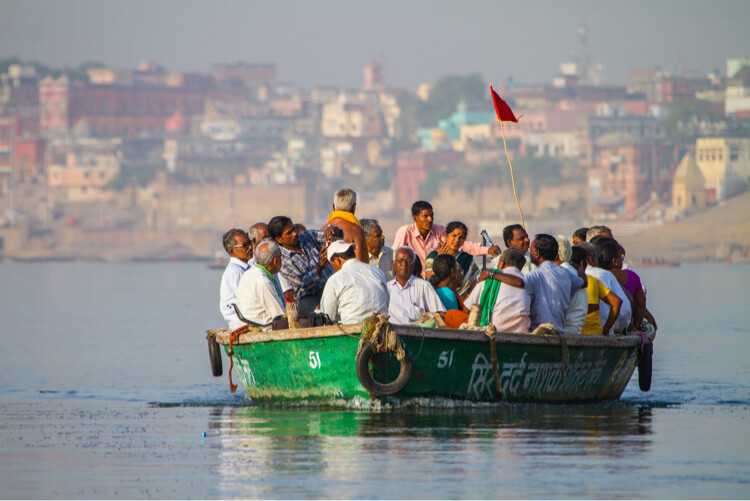
    Boating on the Ghanges River

    Boating along the Ghanges River in Varanasi, India

    6 – Commerce – macro and micro

    When I think of macro-commerce I think of things like whole industries like: agriculture, tourism, and banking.

    With micro- commerce, I think of markets and vendors, where money actually changes hands. Who’s selling what, and who is buying? Is there a special technique to transactions?
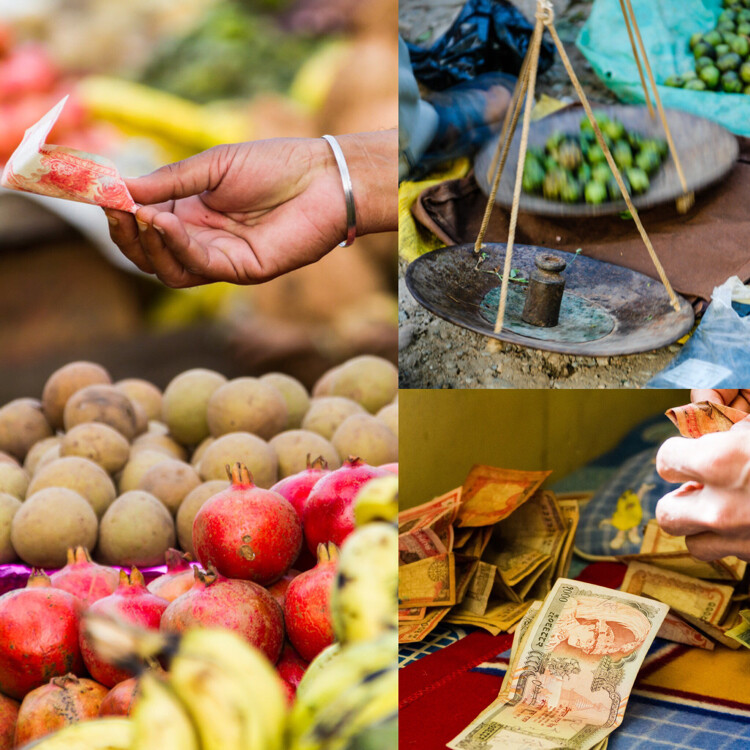
    image

    Try to capture both the large scale, and intimacy of commerce, and show how things may be very similar, or very different from what you are used to back home.

    7 – Nighttime

    When the sun goes down, don’t stop shooting! Learn to find light, and exploit its unique qualities during the night. Maybe you have some moonlight or some neon in your location. No matter the source, there is still light at night.
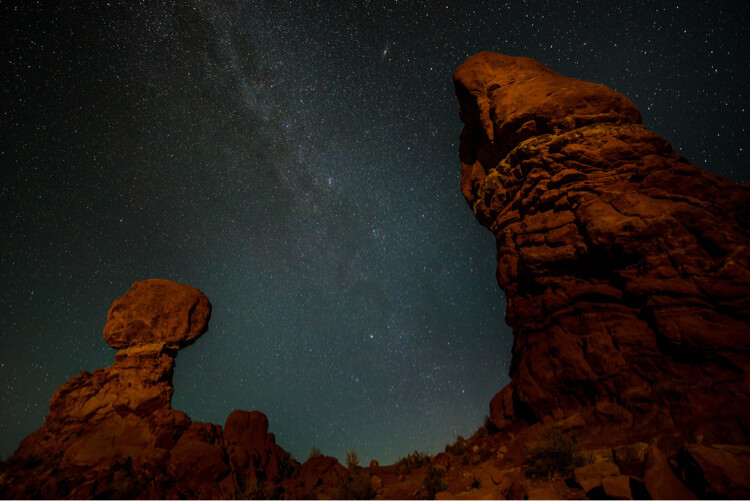
    Balanced Rock, Arches National Park, at Night

    Balanced Rock in Arches National Park, Utah, USA takes on a new look at night.

    Does your location shut down when the sun hits the horizon? Or does it rally for an all-night bender?

    I found the markets in Aqaba, Jordan come to life once the heat of the day was done. I also found that the town had way more neon signs than I ever expected, but hadn’t bothered to notice while touring in the daylight. Get out at night and explore.

    Noel in Aqaba, Jordan

    Neon in Aqaba, Jorda

    image

    8 – Religion

    How different parts of the world practice religion has always fascinated me. There isn’t a single part of this globe, that does not have some nod to the local religion, in some aspect of their lives.
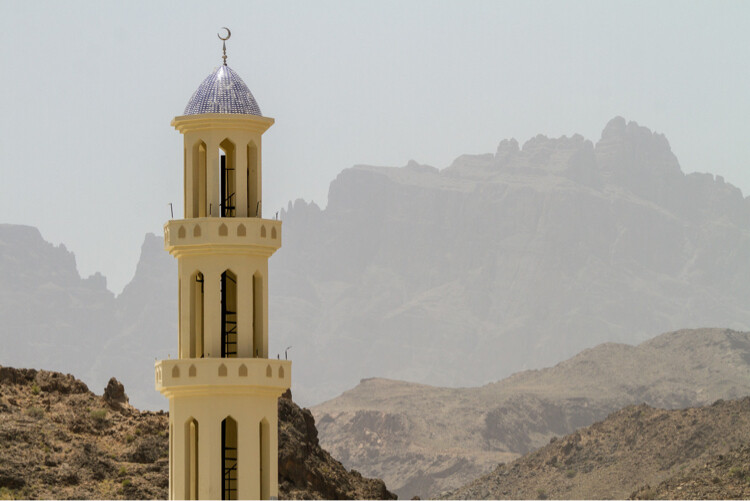
    Minaret of a mosque in Oman

    Colorful minaret in Jebel Shams area of Oman

    It may be subtle, such as a small altar to burn incense, or it could be the overt repetition of churches across a city. Travel is a time to break out of your routine and try new things. Stick your head (respectfully) inside a temple. Tour a mosque. Visit a cemetery to see the influence of religion on those in the past.
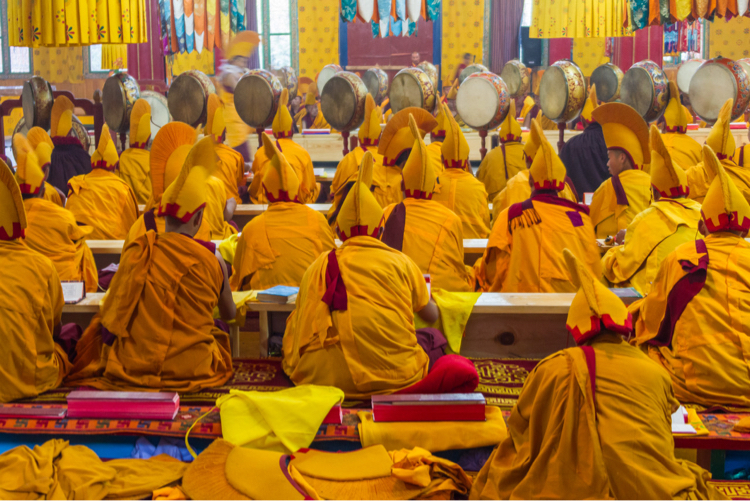
    Buddhist monks in ceremony, Bhutan

    Photography inside many Buddhist temples in Bhutan is banned, but on the night of this retreat for monks from all around the valley, I was allowed to shoot the ceremony.
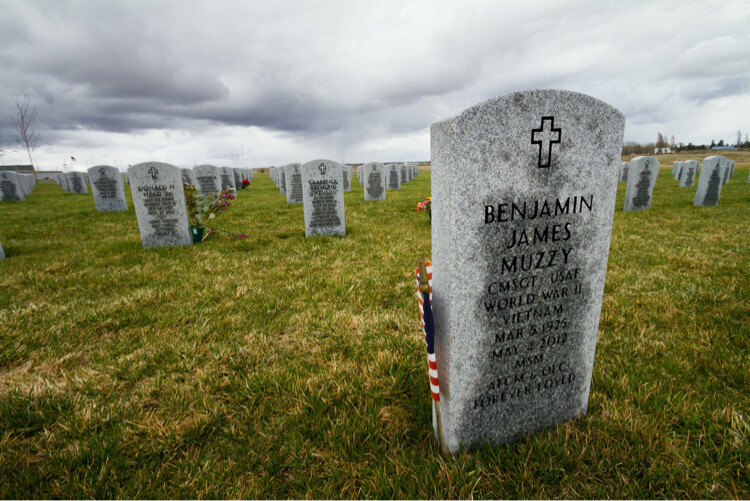
    Military tombstones and flags located in Eastern Washington, USA

    Military tombstones and flags located in Eastern Washington, USA

    9 – Landscapes – natural and manmade

    I love landscapes, so they come easy to me. But, I have not always been a fan of cities and people. So, it takes me some effort to really appreciate the organization and layout of a nice cityscape. But it’s always worth it to bring back a mix of both in your images.
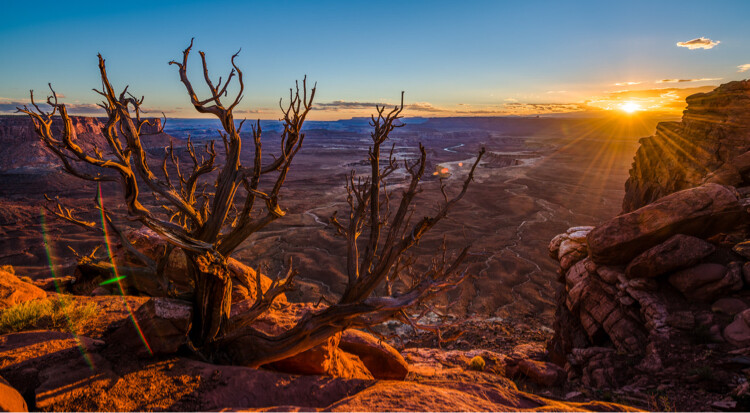
    View of Canyonlands National Park at sunset

    No people to see. Canyonlands National Park, Utah, USA.
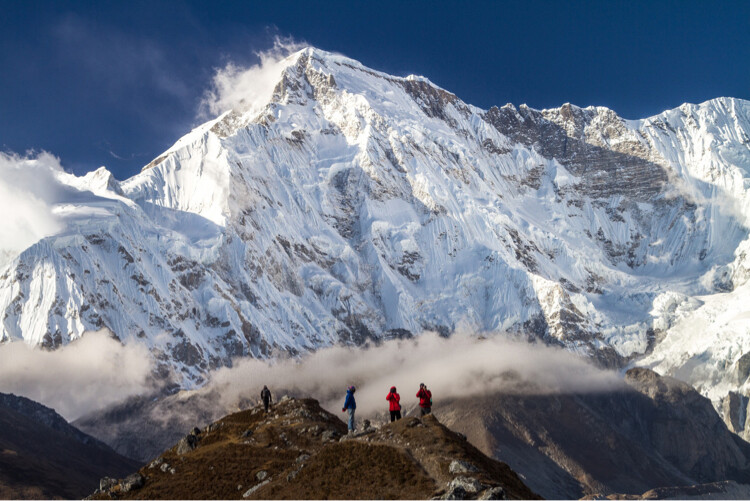
    Photographers and Cho Oyu, Nepal

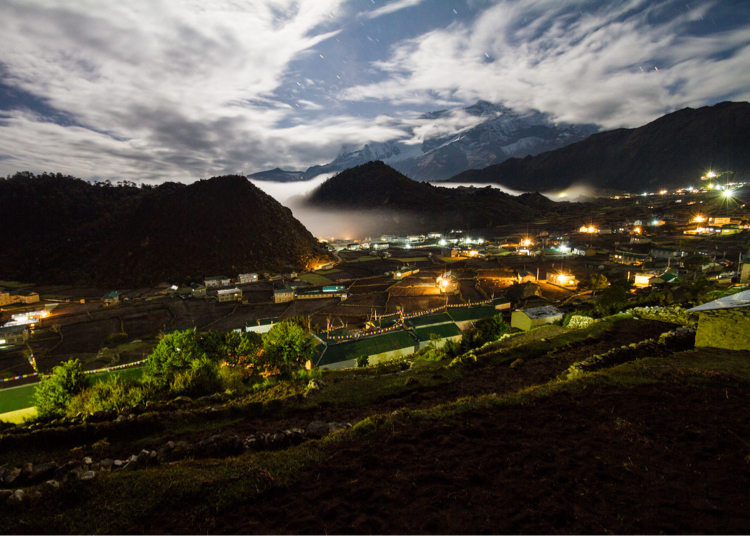
    A few people give a sense of scale to Cho Oyu, the 6th highest mountain in the world, Gokyo, Nepal.
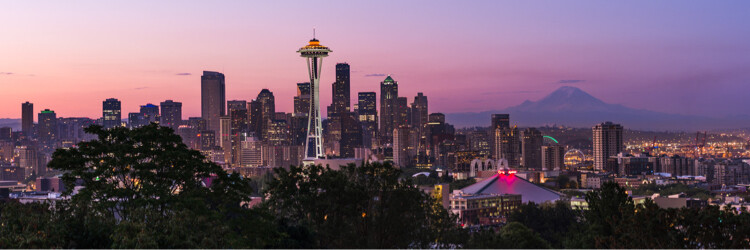
    Sunrise view of Seattle, Washington and Mount Rainier

    Here there are a lot more people in Seattle, Washington, USA

    I am reminded of the craze for photos of Iceland. I’ve seen my fill, and rarely was a single cityscape in the mix. Black sand beaches with ice, waterfalls, all that stuff shows up – but most photographers have left out the manmade landscape. Include it! At least once.

    10 – Icons – clichés big and small

    I know people who refuse to shoot iconic locations. “They’ve been over shot and I wouldn’t be caught dead shooting them,” is a common refrain. Ignore those people.
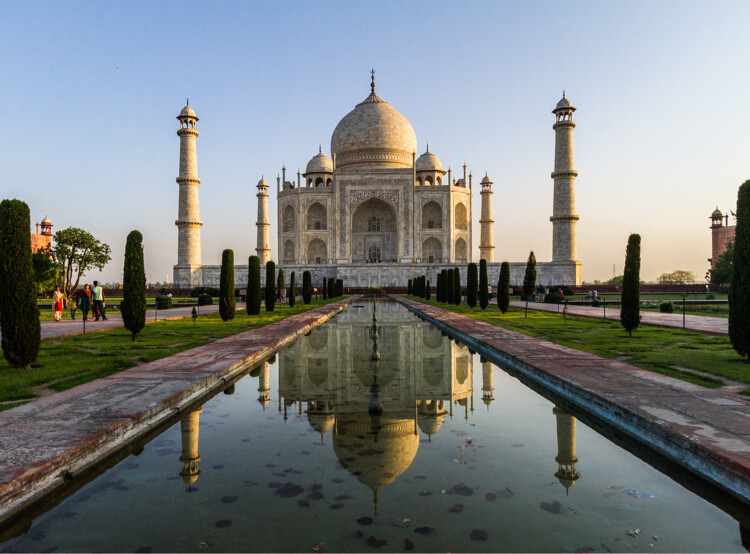
    Taj Mahal and reflection

    The classic Taj Mahal view.

    You’re traveling, so have fun. Shoot the Eiffel Tower if you’re in Paris. Hit up Mesa Arch in Canyonlands National Park, and why not get a reflecting pool image of the Taj Mahal, or a cigar smoking lady in Havana? Do it. Get a posed photo of Masai Mara villagers, a llama in front of Machu Picchu, pretend to push over the Tower of Pisa.

    Heck, even get a photo of that same waterfall everyone else visiting Iceland has shot.

    That being said, you probably shouldn’t share only the cliché shots. Unless you’re on assignment to shoot something highly unique, go ahead and hit the clichés, then move on to the rest of the list. Better yet, look around your cliché location for something new to bring back and share.
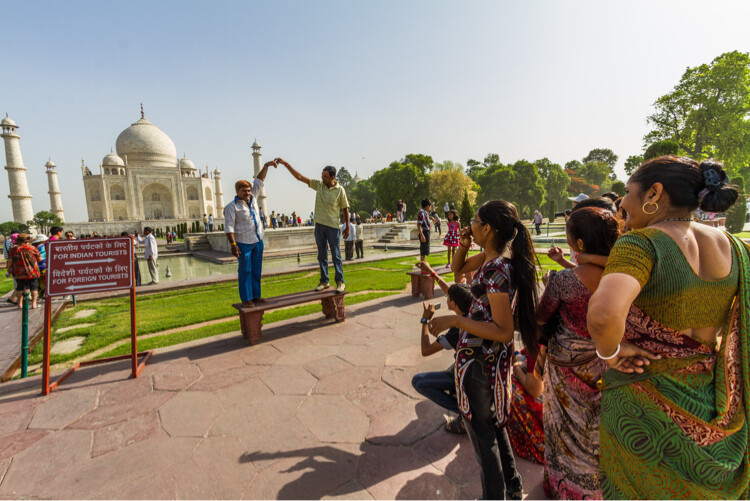
    Tourists at teh Taj Mahal

    The not-so-classic view of the Taj Mahal, but a lot more fun.

    11 – Wildlife – domestic and truly wild

    My daughter’s obsession with taking photos of cats in Morocco sticks with me as a reminder to not ignore the domestic animals, along with the wild. I’ve photographed big cats in India and Africa, tarantulas in Peru and breaching whales in Alaska. But, I’d be remiss if I didn’t convey the fact that the town of Essouira, Morocco, with its fresh fish markets, is a haven for cats of all kinds.
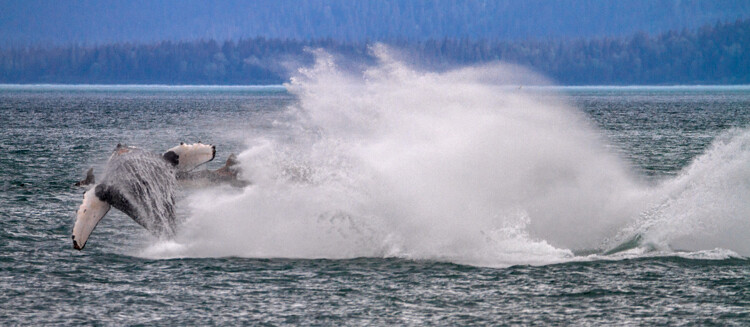
    Breaching humpback whales, Alaska, USA

    Humpback whales in Alaska, USA

    FIghting Hippos, Serengeti National Park, Tanzania

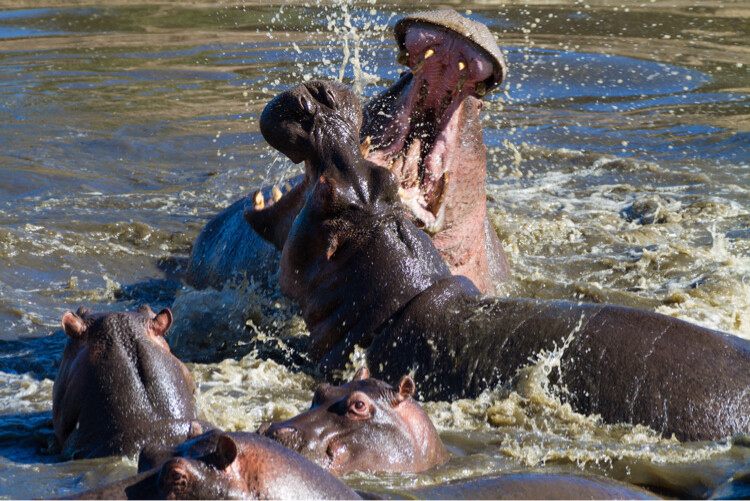
    Fighting hippos in the Serengeti National Park, Tanzania

    What about the beasts of burden? The donkeys, llamas, horses and camels? Put those on your list as well.
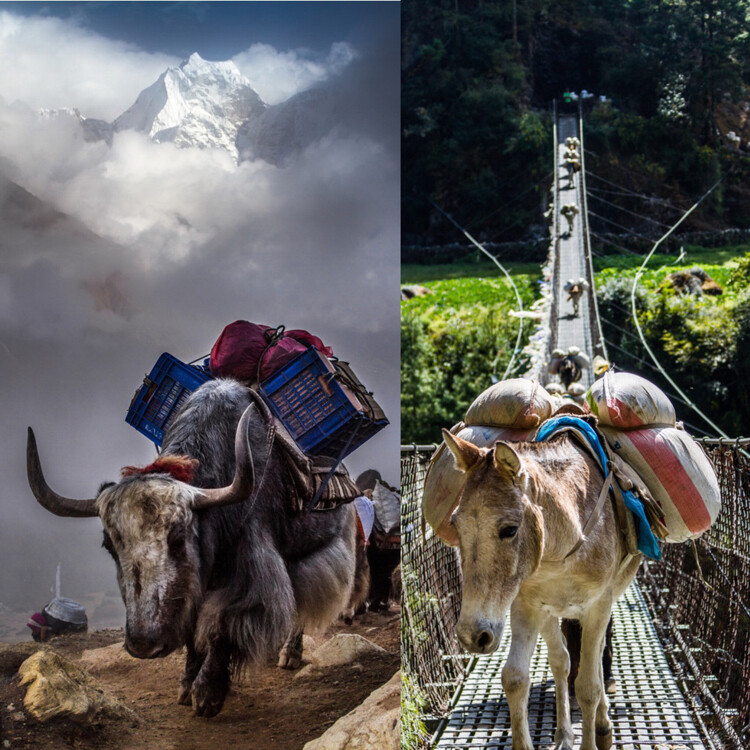
    image

    12 – All the pretty plants and flowers

    Some of us just don’t care that much about plants. A green thing giving off oxygen at home is the same as a green thing giving off oxygen halfway across the world.
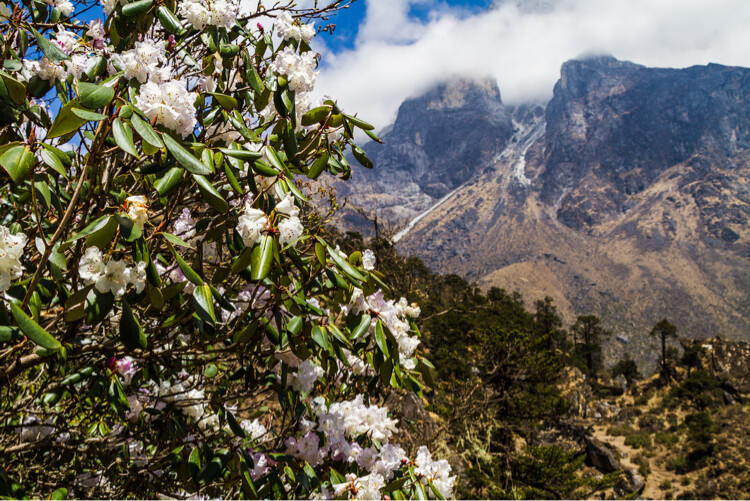
    Rhododendrons in the Himalayas, Nepal

    Rhododendrons at 14,000′ up in the Himalayas

    But, I had no clue there were rhododendrons in the Himalayas of Nepal, much the same (but smaller), as both the ornamental and wild versions, I knew in Washington state growing up. When you get down to the tropics, the plants certainly get exotic, don’t they? Grab their wonderful colors and adaptations to share with friends back home.

    Conclusion

    This list can be just a start for your own customized version. Take it, shape it, make it your own. Put your favorite things on the list, but also keep those that don’t interest you. Growth as a photographer comes from trying new things and shooting new subjects.

    Lastly, when it’s time to share your trip photos, I would suggest using 2-4 images from each category when making an online album. This will force you to pick only the best and it will give your viewers a good cross section of what you saw on your travels.

    googletag.cmd.push(function() {
    tablet_slots.push( googletag.defineSlot( “/1005424/_dPSv4_tab-all-article-bottom_(300×250)”, [300, 250], “pb-ad-78623” ).addService( googletag.pubads() ) ); } );

    googletag.cmd.push(function() {
    mobile_slots.push( googletag.defineSlot( “/1005424/_dPSv4_mob-all-article-bottom_(300×250)”, [300, 250], “pb-ad-78158” ).addService( googletag.pubads() ) ); } );

    The post How to Use a Travel Photography Shot List to Come Home with Better Photos by Peter West Carey appeared first on Digital Photography School.


    Digital Photography School
  • Eye-Fi to cease support for Pro X2 and earlier generation cards

    Eye-Fi will soon end support for its X2 and older wireless memory cards, services and apps, according to a notice sent to customers today. Citing security concerns, the company will complete the ‘end of life’ stage on September 16, 2015 by ending server support. The cards will still function at that point, and certain wireless transfer modes may still work, but their associated apps and services won’t offer full functionality. Eye-Fi is offering to move customer data to its newer Cloud service, and will sell affected customers new cards at a discount. Mobi, Mobi Pro and EyeFi Cloud are all unaffected.

    Eye-Fi mentions that some functions that don’t require contact with its servers may still work after September 16, but their function is by no means guaranteed. The company states that Direct Mode for transfer directly to a computer or mobile device may keep working, as well as Selective Transfer, in which the user chooses images for transfer by designating them as ‘locked’ or ‘protected’ on the camera. Eye-Fi warns that if customers want to try and keep using these modes, they should make sure they’re configured prior to September 16.

    Eye-Fi Premium customers will be able to migrate to an Eye-Fi Cloud account, and owners of legacy cards can buy a limited number of Mobi cards at a discount to replace them. Below is a list of affected products which Eye-Fi will no longer support.

    • All original pre-X2 products (Original, Home, Share, Explore, Video Share, Video Explore, Pro)
    • 4GB Geo X2
    • 4GB Connect X2
    • 8GB Explore X2
    • 8GB Mobile X2
    • 8GB Pro X2
    • 16GB Pro X2
    • Visioneer X2
    • Sandisk X2
    • Eye-Fi Windows desktop software (Eye-Fi Center)
    • Eye-Fi Mac desktop software (Eye-Fi Center)
    • Eye-Fi app for iOS
    • Eye-Fi app for Android
    • Eye-Fi Center web app (center.eye.fi)

    Eye-Fi began the process of retiring its older products in March 2015, citing vulnerable security mechanisms and technological obsolescence. Visit Eye-Fi’s website for an FAQ and more information about the end of life products.

    June 30, 2016

    To Our Eye-Fi X2 and Earlier Generation Product Customers:

    This message is for customers that purchased an Eye-Fi Pro X2 or earlier generation products prior to March 2015. Effective today, June 30th 2016, we will no longer be offering support for our legacy product lines, a complete list of which appears below. This notice formally begins the final stage of the “end-of-life” (EOL) process started in mid-2015 for the affected products. It’s very important that customers cease using these products no later than September 16, 2016 as some key services these products rely on will be shut down at that time. All customers who have a Mobi or Mobi Pro products purchased since 2013 are not affected by this announcement.

    We began EOL on these product lines in 2015 largely driven by technological obsolescence of some of the key technologies included in these products. The primary technologies relate to Internet security and authentication mechanisms that were state-of-the-art in 2007 when we built them into our products but have since proven to be vulnerable. Since mid-2015 we have been offering migration services free of charge for Customers who have paid Eyefi Premium accounts. We will continue to offer this service migrating your Eyefi View data to Eyefi Cloud. You can request a migration here. For those customers that wish to use an Eyefi Mobi Pro card in place of their earlier generation products, we have also made a limited quantity available at a deep discount, see details here if you wish to take advantage of this offer.

    Please note that we will maintain our customer service Web site and content for all customers. The support site includes detailed explanations for how to accomplish migration to Eyefi Mobi/Mobi Pro and Eyefi Cloud services. We are grateful to all the customers around the world that used Eye-Fi products in the past as well as for our newest customers. The EOL of a product line is always difficult and we have made every effort to minimize the impact of this change on our customers. Thanks for your loyalty and understanding.

    LISTING OF IMPACTED PRODUCTS

    Customers with Eye-Fi 1.0 product line and Eye-Fi Premium subscriptions will be impacted by this EOL process. Effective September 16, 2016 the following products may no longer operate:

    Eye-Fi 1.0 Products:

    All original pre-X2 products (Original, Home, Share, Explore, Video Share, Video Explore, Pro)
    4GB Geo X2
    4GB Connect X2
    8GB Explore X2
    8GB Mobile X2
    8GB Pro X2
    16GB Pro X2
    Visioneer X2
    Sandisk X2
    Eye-Fi Windows desktop software (Eye-Fi Center)
    Eye-Fi Mac desktop software (Eye-Fi Center)
    Eye-Fi app for iOS
    Eye-Fi app for Android
    Eye-Fi Center web app (center.eye.fi)
    The Mobi, Mobi Pro and Eyefi Cloud products and applications are unaffected and will remain operational with continued future developments.

    Articles: Digital Photography Review (dpreview.com)

  • 3 Ways to Simplify and Learn Photography Faster

    It’s not always easy to be a photographer, seeing all of the great photo opportunities around us, and wanting to capture them all. Recently, I was working with a student of mine, and she wanted to know how to handle changing settings quickly from one situation to another.  Her example was trying to go from photographing landscapes, to trying to focus on a bird or other wildlife that may quickly enter the scene. While some seasoned photographers may be ready for a situation such as this, it’s certainly not easy, and for someone just learning, I would argue that it shouldn’t be attempted at all.

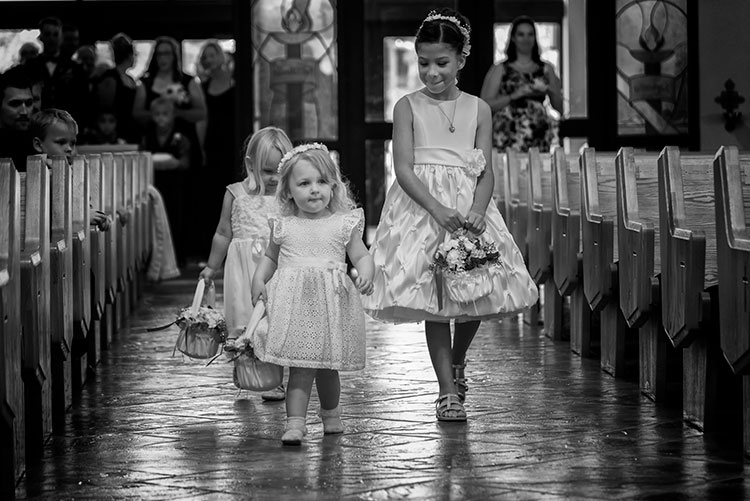
    24-120mm. Shot at 120mm, 1/160, f/4, ISO 1400. Knowing how the lens behaves at both ends of the zoom, I knew I could use this lens for wide angle shots in close, but zoom in as the flower girl was coming down the aisle and still get an interesting shot.

    24-120mm, shot at 120mm, 1/160, f/4, ISO 1400. Knowing how the lens behaves at both ends of the zoom, I knew I could use this lens for wide angle shots in close, but zoom in as the flower girl was coming down the aisle and still get an interesting shot.

    While many of the camera manufacturers want to make photography sound easy (anyone remember “So advanced, it’s simple”?), the fact is, photography is a craft, that despite the advances in technology, takes some time to master. Different photographic situations call for different settings, different lenses, or even a completely different approach to the subject matter. If you’re a hobbyist with only one camera, it can be impossible to be ready for all of the possibilities as they happen.

    So here are three ways to keep it simple while you’re learning photography, and stop the overwhelm.

    #1 – Focus on one subject at a time

    I’m a strong advocate for keeping things simple. First off, if you’re planning to photograph landscapes, wildlife, or portraits, stick with that one goal.  It is easy to get distracted by other subjects that come along. Those opportunities can seem like gold when they pop up, and they can be, but if you’re already set up to shoot a landscape photo at ISO 100, f/16 aperture, and 1/20th shutter speed, quickly switching to settings suitable for capturing a bird in flight is not an easy process. It will likely end in you being frustrated, capturing photos that don’t quite meet your expectations, or worse, don’t come out at all.

    Even now, 20-plus years after beginning my photography career, I try not to do too much at once with a camera. I focus on what my goal was when I first decided to pick up the camera and head out. If I’m planning on photographing a landscape at sunset, that’s what I do. The only time I will try to be ready for two separate subjects, is when I have two cameras. For instance, if I’m photographing a landscape, but there are waterfowl nearby and I want to be ready for that, I have a second camera set up with a telephoto lens, so I can grab it and try and get the shot. Even this requires me to at least temporarily put my initial subject, the landscape, aside for a bit.

    Wildlife image taken using a fast shutter speed and a telephoto lens.

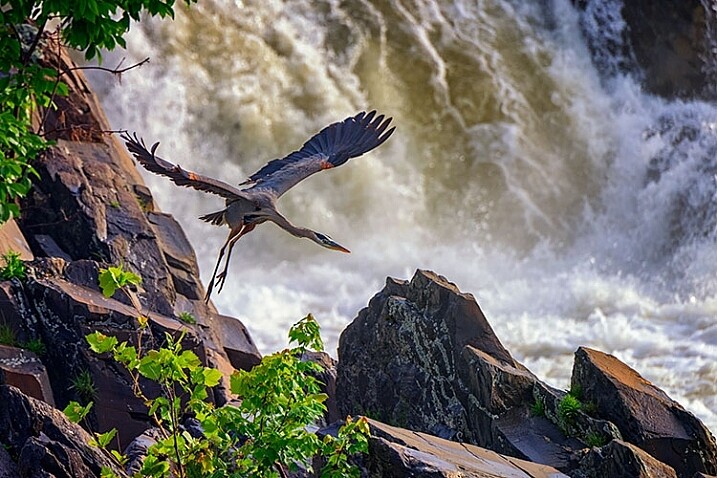
    This shot of the blue heron was taken with a 400mm lens, using continuous AF, and 1/1250 shutter speed.

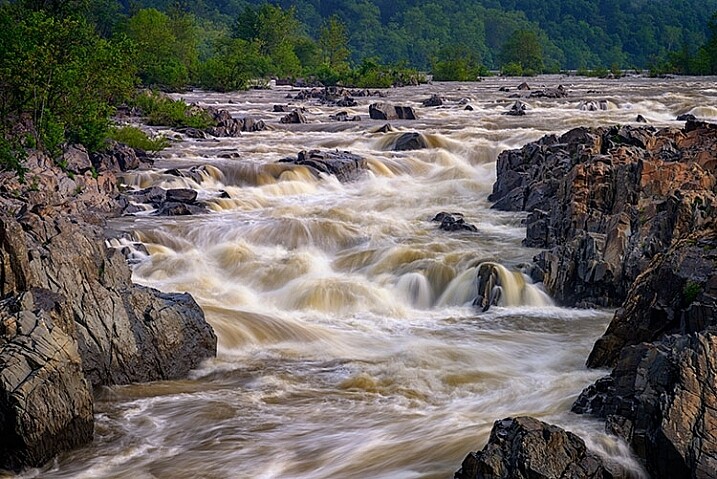
    The image of the waterfall (below), and the image of the great blue heron (above), were both taken at the same location.  However, for the shot of the waterfall, I needed to use a neutral density filter to slow down the exposure. There is no way I’d have been able to remove the filter, and be ready to photograph the heron, even if both shots could have been captured with the same lens. Not only would my shutter speed have needed to be drastically faster to stop the flight of the heron, I would also have needed to use continuous AF to capture its flight sharply, while I always use one-shot AF when photographing landscapes.

    Knowing there may be wildlife nearby, I mounted a Nikon 80-400mm lens on one camera (on a strap on my shoulder), while I had a second camera with a shorter lens, set up on a tripod to capture the waterfalls. If I only had one camera, I would have needed to choose between one subject or the other, and then move on. Rare is the occasion when you can jump so quickly from one subject to a completely different one using only one camera.

    Landscape image using a slow shutter speed and wide angle lens.

    This shot was taken with a 16mm lens, using one-shot AF, and a 0.6 second shutter speed.

    If you’re working with only one camera, don’t try to do too much.  Pick one subject and work that until you feel you’ve accomplished what you wanted, then move on to another subject. Yes, it’s difficult to be set up to catch a sunset and watch a beautiful snowy egret land nearby and start fishing, leaving you itching to try and catch it, but chances are it will fly away again while you’re still fiddling with your settings. Meanwhile, the sun is still setting, the color is fading, and you’ve likely missed a shot or two there as well.

    #2 – Use only one lens

    Back when I took my first photo course in college, my professor was adamant that each student use only a 50mm lens. I didn’t understand why at the time, but I do now. It’s important to understand how your lenses behave, so you’ll know which one is right for the job. As photographers, many of us become gear collectors, always wanting another lens, to allow us to photograph the way we saw another photographer do it. But before you start collecting lenses, it’s important to recognize what each lens can do for you, and to truly understand that, you’ve got to use each lens extensively.

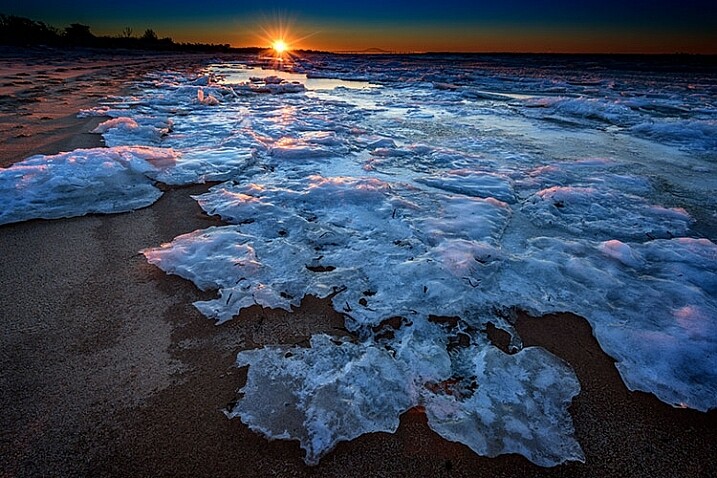
    Wide angle lenses expand perspective.

    Using a wide angle lens, I was able to emphasize the ice in the foreground, while pushing the bridge to the background at the top center of the frame.

    I currently have seven camera lenses in my kit right now. At any given time, there may be four or five in my camera bag when I’m out photographing, depending on what my planned subject is, or what contingencies I want to be ready for. But, as usually happens, it’s rare that most of those lenses will see the outside of my bag once I get where I’m going. While each situation is different, I often find that one lens will usually handle what I want to do when I get to a location. So unless it’s one of those rare times when a situation calls for both a telephoto and a wide angle look, usually only one of those lenses gets mounted on the camera. While in the above example I broke this rule and used two cameras with two different lenses, that is not usually the norm for me.

    When you pull your camera out of the bag next time and select lens to use, stick with that one lens. Really get to know it. If it’s a zoom, shoot at only one end of it. The next time you use it, use the other end. Learn how to make that lens really sing. Find out what it’s really good for, and what it’s not good at. Do this with every lens you own, if you own more than one. When it comes time to purchase new glass, you’ll have a much better understanding of where your kit comes up short, and what you need to buy. In addition, you’ll also be building on my first point, focusing on one subject. Too often, new photographers miss opportunities because they are busy changing lenses because they think they need one over another. If changing lenses is not an option, you won’t waste time with it, and can focus on making great photos with whichever lens you find on your camera.

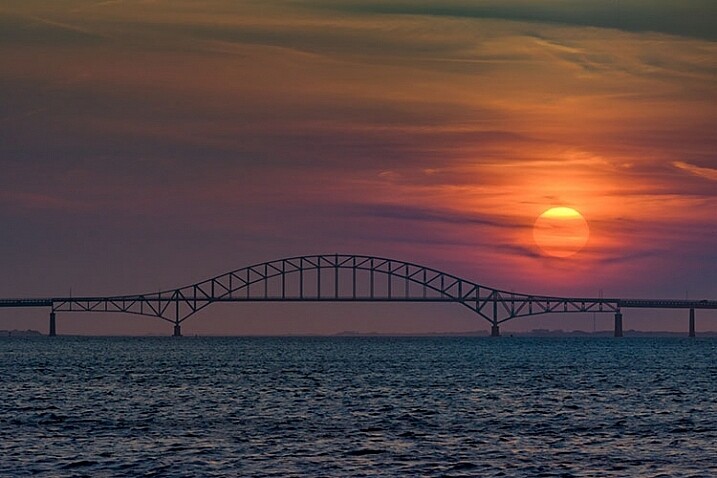
    Telephoto lenses compress perspective.

    Telephoto lenses compress perspective. Want to make the sun or moon look really big in relation to a building or structure? Back away from your subject a bit and use a telephoto lens to compress the perspective and distort the size relationship.

    In the two images shown above, the same bridge can be found in both, and both shots were taken from roughly the same spot. One was taken with a 16mm lens, and the other, with a telephoto lens at 290mm. Wide angle lenses expand perspective, emphasizing the foreground and pushing background objects back, while telephoto lenses minimize foreground and tend to flatten perspective. Using only one focal length will also help you to compose more effective images. Zooms can at times make you lazy. Zooming from a wide angle to a telephoto lens changes the image profoundly, and it’s important to understand what effect that can have on your image.

    Telephoto lenses compress perspective, while wide angle lenses enhance it, and each perspective communicates something different to the viewer. There are reasons to use both wide and telephoto lenses, but only working with them extensively will help you recognize the situations where each is most effective.

    #3 – Don’t accessorize

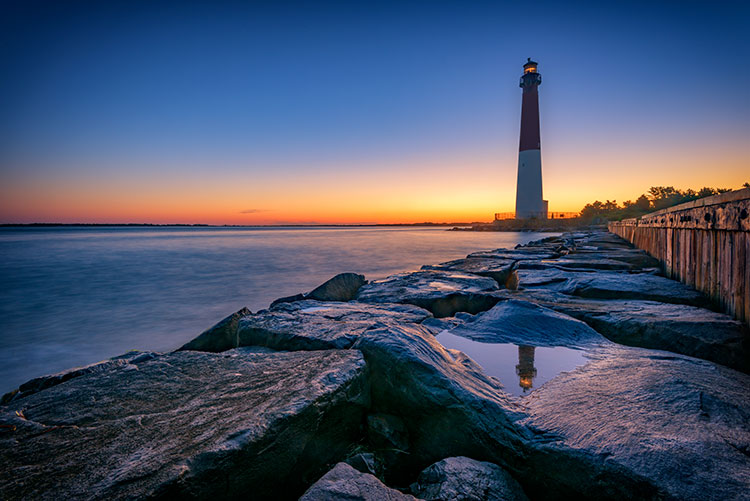
    For the lighthouse image- Shot at 16mm, f/16, 15 seconds, ISO 64. I simplified my composition down to two elements, the reflection in the foreground, and the lighthouse in the background. Knowing the lighthouse would be there regardless of where I stood or how I zoomed, I focused on getting the reflection right, and letting the rest of the composition fall into place.

    Shot at 16mm, f/16, 15 seconds, ISO 64. I simplified my composition down to two elements, the reflection in the foreground, and the lighthouse in the background. Knowing the lighthouse would be there regardless of where I stood or how I zoomed, I focused on getting the reflection right, and letting the rest of the composition fall into place.

    One of the great things about digital photography, and today’s technology, is the many cool new tools available to help with your picture-taking endeavors. It’s great to be able to connect to a camera from your smartphone, and do things such as time lapse or long exposures, but often times, these accessories are one more thing that can go wrong, or distract you from actually taking photos.

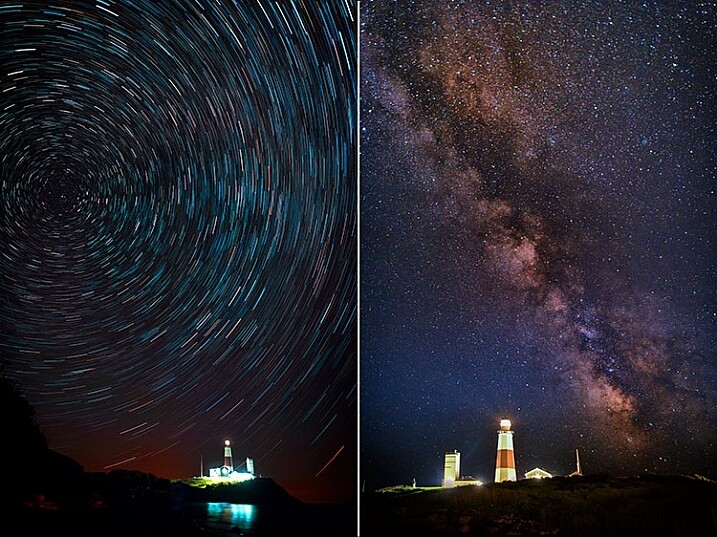
    There are only three accessories that I use regularly. One is a time controller that plugs into my camera directly, second is a tripod, and finally, a set of neutral density and graduated neutral density filters, used to help control exposure. I didn’t even begin using the filters until a few years ago, more than 15 years into my photography career. Both images below used nothing more than a remote shutter release. In the case of the Milky Way image, on the right, I set my camera to manual for a 15 second exposure and used the remote release as I would the shutter button, simply to avoid touching the camera. For the image on the left of the star trails, while that becomes a bit more complicated in processing, in reality, it’s just a lot of 30-second exposures. I simply set my camera to continuous drive, and locked the shutter button on the remote down. Simple.

    Minimize accessories

    Even for images such as these, the only accessory I used was a time controller, with only the shutter button locked down.

    It’s important, when learning photography, to focus on the basics – aperture, shutter speed, and ISO, and understand how they affect your images. It’s too easy to get caught up in all the bells and whistles and how cool they are, and forget that the end result is what matters. In my mind, if the accessory isn’t contributing in a way that affects the final image, then I don’t need to use it. I’m not saying that accessories are bad, or even unnecessary, but if you aren’t sure how to achieve a proper exposure yet, put off purchasing that shiny new toy, and really learn your camera.

    I would even advise you to stay away from the special modes on your camera, such as HDR, or star trails mode (I do that manually in post-production), or multiple exposure mode. Yes, they can look cool, and do great things, but again, understanding the basics of exposure is paramount. If you don’t understand basic exposure, using the bells and whistles won’t help you make music.

    I find that simplifying the process as much as possible helps me come away with the best images possible. What do you do to help simplify your photographic process?

    googletag.cmd.push(function() {
    tablet_slots.push( googletag.defineSlot( “/1005424/_dPSv4_tab-all-article-bottom_(300×250)”, [300, 250], “pb-ad-78623” ).addService( googletag.pubads() ) ); } );

    googletag.cmd.push(function() {
    mobile_slots.push( googletag.defineSlot( “/1005424/_dPSv4_mob-all-article-bottom_(300×250)”, [300, 250], “pb-ad-78158” ).addService( googletag.pubads() ) ); } );

    The post 3 Ways to Simplify and Learn Photography Faster by Rick Berk appeared first on Digital Photography School.


    Digital Photography School
  • Wildfire picture wins £3000 international Environmental Photographer of the Year Award

    $ (document).ready(function() { SampleGalleryV2({“containerId”:”embeddedSampleGallery_1827965088″,”galleryId”:”1827965088″,”isEmbeddedWidget”:true,”standalone”:false,”selectedImageIndex”:0,”startInCommentsView”:false,”isMobile”:false}) });

    The Chartered Institution of Water and Environmental Management (CIWEM) has announced the winners of its Environmental Photographer of the Year awards and given out £6000 (approx. $ 8000) in prizes as well as a job. The winner of the £3000 overall award is Swedish photographer Sara Lindstrom for a picture of a forest fire taken in Alberta, Canada.

    Luke Massey took the £1000 Young Environmental Photographer of the Year award for pictures of a peregrine on a balcony in Chicago, and the Environmental Film of the Year, and £500, went to Sergiu Jiduc for a film called ‘The Karkoram Anomaly Project, Pakistan’ about dramatic climatic conditions that effect the Balti people in Pakistan.

    SL Kumar Shanth from India won the Atkins Built Environment award that includes a year-long position of Photographer in Residence with design and engineering firm Atkins, while the Changing Climate award and £500 went to Sandra Hoyn and the People, Nature and Economy Award and £1000 went to Pedram Yazdani.

    The winning images will be included in a 60-picture exhibition that will be held at the Royal Geographic Society in London from 29th June to 19 August 2016. The exhibition will then tour to Grizedale Forest, supported by Forestry Commission England, from 3 September 2016 until 1 January 2017. For more information on the exhibition and the awards visit the Environmental Photographer of the Year website.

    Articles: Digital Photography Review (dpreview.com)