Month: December 2013

  • Im Gespräch mit Resa Rot

    Ein Beitrag von: Resa Rot

    Hallo Resa. Danke, dass Du Dir die Zeit für ein Interview mit uns nimmst. Erzähl doch erst einmal ein bisschen was über Dich: Wer bist Du, was machst Du?

    Der Klassiker, der so schwer zu beantworten ist, da etwas von sich zu erzählen ganze Bücher füllen könnte, fänge man es ernsthaft an. Nun aber in kurz, mit den Eckdaten: Resa Rot, 34 Jahre alt, aus Leipzig, Fotografin, Mensch, Frau.

    Die Fotografie war eigentlich nie ein großes Thema für mich, denn ich habe immer Musik gemacht (Violine und Gesang) und das war mir das Wichtigste. Erst im Frühjahr 2011 begann ich mit der Menschenfotografie.
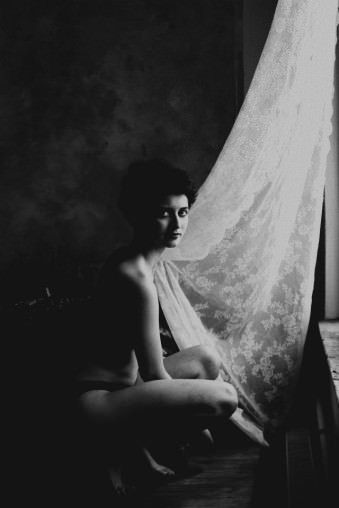
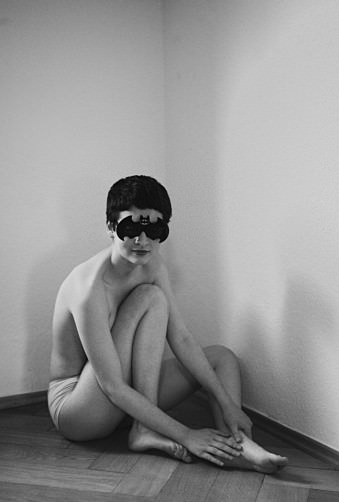
    © Resa Rot© Resa Rot

    Wie kam’s dazu? Gab’s ein besonderes Erlebnis oder wie bist Du zur Fotografie gekommen?

    Die Fotografie hat mich nur am Rand begleitet. Ich hatte eine analoge Spiegelreflexkamera und habe damit ab und zu fotografiert, aber ohne Thema und ohne eine Motivation, die über das bloße Dokumentieren meines aktuellen Lebens hinausgegangen wäre. Warum sich das dann so massiv geändert hat, liegt wohl an mir selbst und einem Entschluss, den ich 2011 fasste.

    Ich war in den Jahren zuvor immer mehr zur Einzelgängerin mutiert, soziale Kontakte fielen mir schwer und ich mied sie, wo ich nur konnte. Die Fotografie war da eine Art Selbsttherapie, die ich mir verordnete und so ist es noch heute. Sich mit Menschen verabreden, die man in den meisten Fällen vorher noch nie gesehen hat und mit ihnen etwas zu kreieren, war und ist eine große Herausforderung.

    Anfangs hatte ich vor jedem Termin Bauchschmerzen und das wortwörtlich. Und ich fragte mich mehr als einmal, ob das wirklich sein muss. Ob es nicht andere Wege gibt, wieder zu lernen, menschliche Kontakte auszuhalten. Aber dann hat mich die Leidenschaft für die Fotografie gepackt und nicht mehr losgelassen.
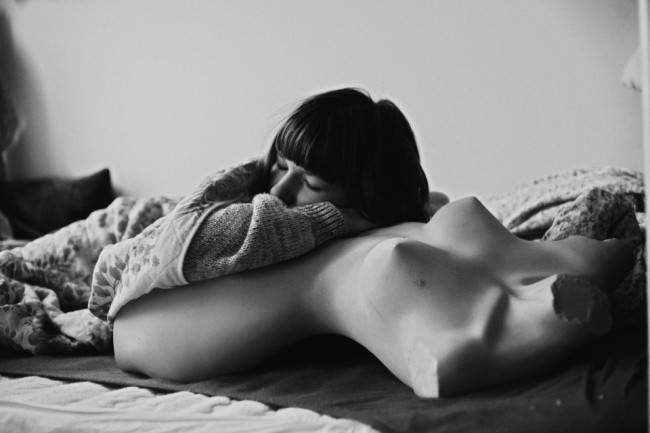
    © Resa Rot

    Wie bist Du auf die Idee gekommen, gerade mit der Fotografie und gerade mit Shootingverabredungen in dieser Form Deine Selbsttherapie anzugehen?

    Ich hatte wie gesagt eine ganze Zeit lang immer Musik gemacht und zuletzt mein ganzes Herzblut in ein Singer-Songwriter-Projekt gesteckt. Bis zu dem Tag, an dem mein musikalischer Partner mir mitteilte, dass er in Kopenhagen leben und studieren würde. Ich fiel in ein ziemliches Loch. Es fehlte mir, meine Gefühle kreativ zu verarbeiten.

    Dann las ich von einem Portraitworkshop, der demnächst beginnen würde – und auch bezahlbar wäre. Ich bin dann quasi einfach ins kalte Wasser gesprungen, dachte, dass man sich das ja mal anschauen könne, ganz ohne Verpflichtungen. Dieser Workshop lief über acht Wochen mit je einem Treffen pro Woche und wir waren angehalten, zu jedem Termin neue Bilder mitzubringen.

    Da es sich um Portraits handelte, fragte ich erst Freunde, dann schrieb ich mein erstes Modell an. (Wie es der Zufall wollte, ein Nujolie-Modell und seit Kurzem bin ich im Fotografenteam von Nujolie.)

    Was mir sehr entgegenkommt, sind die festgelegten Termine: Ich gehe meist zu den Modellen nach Hause und kann dadurch also auch jederzeit wieder gehen. Das war für mich besonders anfangs sehr wichtig, da es mir manchmal schnell zu viel wurde. Schritt für Schritt habe ich menschliche Kontakte wieder „üben“ können.
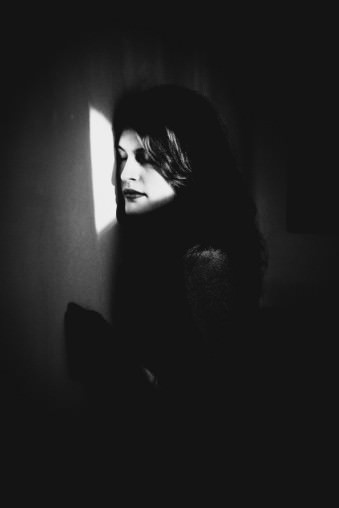
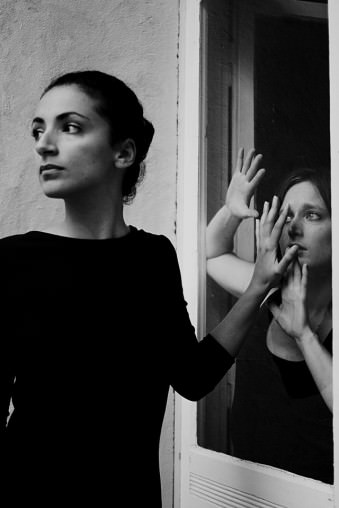
    © Resa Rot© Resa Rot

    Welche Themen beschäftigen Dich in Deinen Fotos jetzt besonders? Du machst ja nicht nur 0815 Portraits.

    Mich interessiert die ganze Bandbreite menschlicher Gefühle. Ihre Abgründe, ihre Verwirrung, ihr Glück, ihre Sehnsüchte. Und natürlich nutze ich die Menschen, die ich fotografiere auch als Projektionsfläche. Ich verarbeite in meinen fotografierten Geschichten Erlebnisse und Erfahrungen, Dinge, die mich berühren oder verstören. Zu einem gewissen Teil sind die Fotos also auch Selbstportraits, auch wenn das so sicher merkwürdig klingt.

    Wie gehst Du an einen neuen Menschen, mit dem Du Dich zum Fotosmachen verabredest, heran? Wie wird aus einem Fremden eine Projektionsfläche Deiner eigenen, sicher sehr persönlichen, Gefühle?

    Meist treffe ich mich mit den Menschen in ihrem Zuhause. Das schafft eine persönliche Atmosphäre, eine Sicherheit. Wir trinken Kaffee und unterhalten uns, ich bekomme Stück für Stück ein Gefühl für mein Gegenüber und für die Dinge, die ihn oder sie beschäftigen und spüre auch, was möglich ist und was nicht.

    Ja, ich denke, vieles läuft bei mir instinktiv ab. Auch das Bildermachen selbst bleibt dann ein Dialog, ein stetiges Abgleichen. Ich öffne mich in dem Maße, in dem sich auch mein Gegenüber öffnet und umgekehrt. Im besten Fall nähern wir uns gemeinsam unseren inneren Dämonen und machen sie sichtbar.
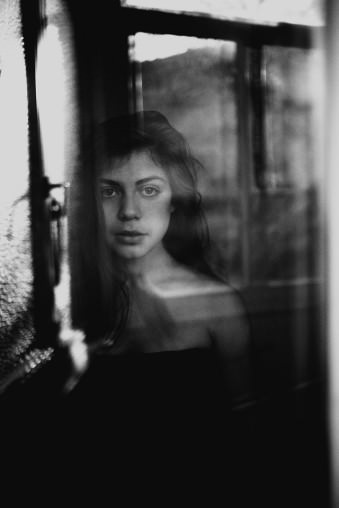
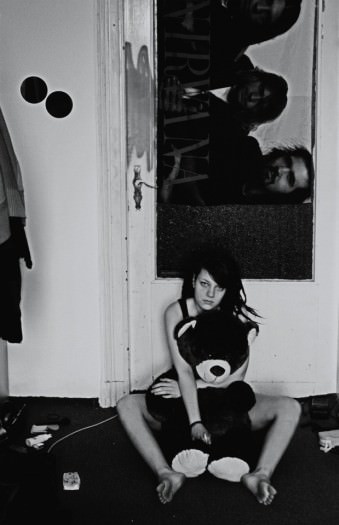
    © Resa Rot© Resa Rot

    Hast Du bestimmte Vorlieben beim Fotografieren entwickelt?

    Ich fotografiere zur zeit ausschließlich digital und für meine persönlichen Projekte fast nur in schwarzweiß. In der Nachbearbeitung spiele ich meist ein wenig mit den Kontrasten, mache Schwarzes schwärzer und so weiter, aber das ist im Grunde auch schon alles.

    Deine Schwarzweiß-Bearbeitung ist mir auch schon besonders aufgefallen. Warum schwarzweiß?

    Eine schwierige Frage. Ich denke, die Welt mit ihrer Flut an Sinneseindrücken überfordert mich so manches Mal. Vielleicht liebe ich deshalb das Reduzierte der Schwarzweiß-Fotografie, die es mir erlaubt, mich auf das Wesentliche zu konzentrieren – das Sichtbarmachen von Gefühlen.

    Das Schwarzweiße in meinen Fotografien nutze ich tatsächlich, um den Fokus auf die person und ihre Emotionen zu lenken. Wie gesagt ist diese Welt voll von Sinneseindrücken, besonders für jemanden, der in einer größeren Stadt lebt. Und manchmal belastet mich diese schier endlose Vielfalt der Farben, Formen und Geräusche, die für mich viel zu oft im Chaos mündet.

    Das ist übrigens auch etwas, was ich an den Bauhaus-Künstlern liebe: Das Puristische. Die geometrischen Formen in der Malerei eines Moholy-Nagy zu beispiel. (Auch, wenn er natürlich – außer in seiner Fotografie – Farben nutzt und das meisterhaft!)
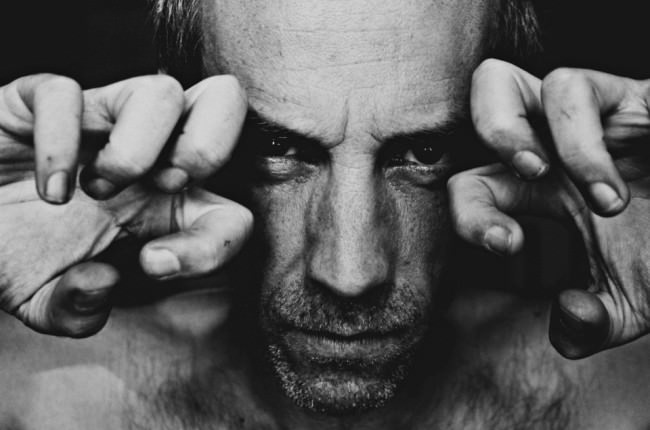
    © Resa Rot

    © Resa Rot

    Hast Du fotografische oder künstlerische Vorbilder?

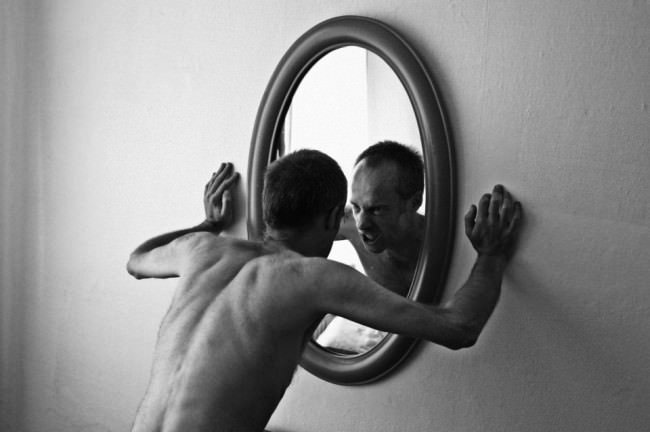
    Ich habe viel über Deine Frage nachgedacht. Saul Leiter zum Beispiel benutzt in seinen Fotografien oft Fenster oder Spiegel. Auch ich tue das und mag die Symbolwirkung. Fenster können auch als eine Öffnung zu weiteren Räumen gesehen werden, nicht nur nach außen, zu Straßen und der Natur, sondern auch zum Inneren des Menschen.

    Spiegel wiederum werfen ein Bild zurück. Manchmal eines, das wir nicht sehen wollen, das uns weh tut, manchmal eines davon, wie wir gern wären, eine Illusion, in der wir sein können, was wir wollen.

    Wenn ich in einen Spiegel oder ein Fenster hineinfotografiere, werde zwangsläufig auch ich zu sehen sein, manchmal gewollt und buchstäblich, was ich aber zu vermeiden versuche, denn es soll der Mensch, den ich portraitiere im Mittelpunkt stehen, aber immer für mich selbst sichtbar.
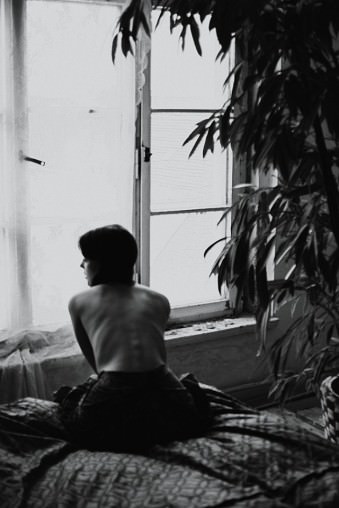
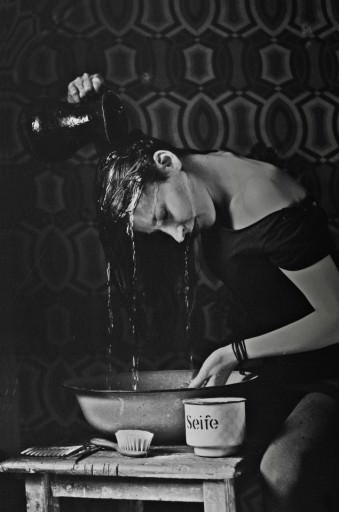
    © Resa Rot© Resa Rot

    Wie möchtest Du Deinen Stil weiterentwickeln? Gibt es etwas, was Du machen möchtest, Dich bisher aber nicht getraut hast oder was noch nicht gelingt?

    Ich arbeite bis jetzt ausschließlich mit natürlichem Licht, würde aber in der Zukunft gern mehr mit Kunstlicht experimentieren – gerade in der dunklen Jahreszeit ist man doch sonst sehr eingeschränkt. Zudem würde ich gern öfter mit Menschen arbeiten, die nicht den gängigen Schönheitsidealen entsprechen. Das ist jedoch gar nicht so einfach, da viele wenig Mut haben, sich fotografieren zu lassen, wenn sie ein paar Kilo zuviel haben oder keine 20 mehr sind.
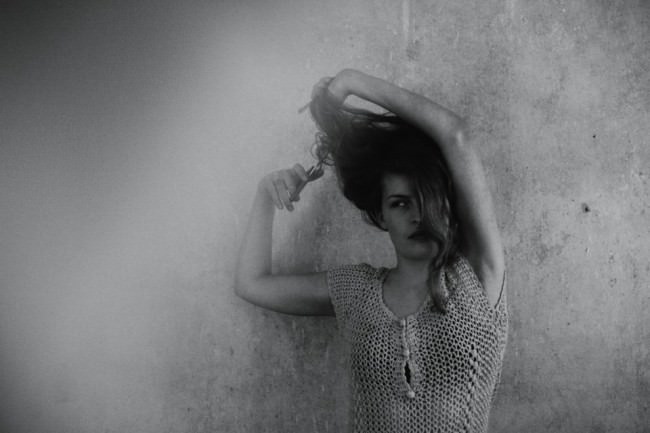
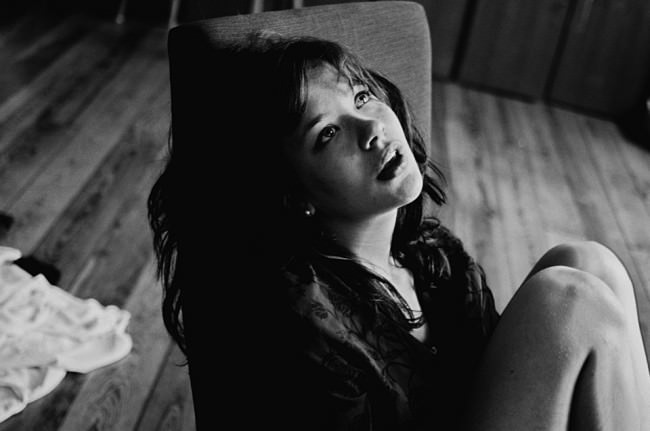
    © Resa Rot

    © Resa Rot

    Hast Du konkrete Pläne für die nahe bzw. große Träume für die ferne Zukunft?

    Ich habe in diesem Jahr einige sehr interessante Aufträge machen dürfen. Es waren Anfragen von Menschen dabei, die besondere persönliche Schicksale oder Probleme verarbeiten wollten und mit denen ich ein Konzept erarbeiten durfte, das dies fotografisch behandelte und aufarbeitete.

    Das hatte ich so nie geplant. Umso mehr hat es mich berührt und mir gezeigt, das Fotografie sogar ein Mittel sein kann, um in einem gewissen kleinen Rahmen therapeutisch zu wirken. Wenn ich mir also etwas wünschen dürfte für die Zukunft, dann wäre es, noch weitere solcher Projekte zu realisieren.

    Vielen Dank für diesen Einblick in Deine Arbeit, Resa!

    kwerfeldein – Fotografie Magazin

  • 5 Good Photography Habits to Start Today

    Last week I talked about Five Bad Photography Habits to Quit! Today, I want to talk about five good photography habits you want to start today.

    1. Shoot every day

    gracie-may-photography-18

    Those 365 projects are magical. They encourage participators to take at least one shot every single day. Shooting every day is a really great habit for all photographers. Here are some of the benefits of this habit:

    • You will excel in your capabilities
    • You will start to see the world photographically and frame scenes with your mind’s eye
    • You will be recording your life. This doesn’t always seem important at the time, but later on, you’ll look at those shots and be like “hey, I forgot about that!”

    Those are just a few reasons that shooting every day is a great habit to get into. Further reading: Consider starting into a Photography Project 365 this New Year

    2. Leave your camera at home

    It seems kind of contradictory to habit #1, but leaving your camera at home can be a great habit to get into, especially for parents. I knew I’d overstepped my boundaries when my kids started saying, “Mom, you’re not bringing you camera are you?” I learned to harness the power of my phone’s camera to record memories without intruding on those moments with my massive SLR. Additionally, SLRs can be really impractical, and dangerous. I’m surprised my kids haven’t had concussions from some of the times I’ve bent over and hit them in the head with my camera!

    Learning to harness the power of your device camera can be really liberating. Further reading: iPhone Photography

    3. Keep notes

    By Geek Calendar

    Start keeping notes with your ideas, inspirations, color schemes…anything! I keep so many notes in my phone with ideas and inspirations. There are a few different ways to do this.

    • You can make a physical notebook with written notes and images torn out of magazines
    • Pinterest is an amazing (and addictive) resource for compiling photography ideas. Props, poses, locations, etc.
    • I personally love the app Evernote for keeping my notes easily accessible across all my computers and devices

    This can be a great habit to keep you inspired or give you somewhere to start when you find yourself with time on your hands but nothing in your head.

    In addition to keeping notes for inspiration, keeping records from shoots is a great habit that will really pay off. This can mean many things like:

    • Keeping detailed records of shoots with location information, info about the time of day, season, camera settings used, lighting set up, tips to remember for next time (like ‘the parking wasn’t free’)
    • Keeping records while editing is one thing that I’ve regretted not doing many times. When you’ve nailed an edit, keep a record of the steps you took or the resource you used (Photoshop actions, Lightroom presets, etc) so you have something to refer to next time you edit or if someone asks, you how you did it. When working with actions in Photoshop, I often leave an unflattened version saved as a Photoshop file (.PSD) to refer to later.

    4. Backing up

    By Jeremy Derr

    One of the best possible habits you can start – like yesterday – is backing up your computer religiously. Many  photographers have had their entire history lost because they didn’t back up their hard drives. A few ways you can do this:

    • Back up to physical hard drives using a disk cloning program or an automated system you don’t need to think about. However, this doesn’t protect against theft, destruction (water spill!) or other disasters. You also need to backup in a way that keeps your files away from your computer or even your home/office.
    • You can use a wireless hard drive like Apple’s TimeMachine to zoom your files to an area in your home that isn’t attached directly to your computer.
    • You can backup using online cloud storage. This can be as simple as utilizing Dropbox to drop your files off for safekeeping. But two words of caution: 1.) If you have an absolutely huge amount of files (as in terabytes) DropBox won’t be enough unless you want to pay. However, any service that allows you this much storage will charge you. 2.) If your internet service has an upload limit, be careful. When you do your first big file dump (like a wedding or shooting for a whole day) you may hit your limit and get penalties. These days, most internet providers no longer have these restrictions, but some (like mine) still do so it’s worth checking.
    • You can backup to disks. I’ve burned most of my older files to BluRay as a third mechanism for protecting my files.

    In short, find whatever ways you can to keep your files completely safe. You’ll be thankful you did if something happens.

    5. Look at photography

    I’m amazed about how many photographers can’t name photographers they love most or photographers who have inspired their work. This begs me to ask…are you looking at photography? Do you think any musicians draw a blank when asked what music they draw their influences from? Or painters? Or writers? What goes in, comes out. You must must must get into the habit of soaking up imagery on a regular basis. Become a fan of photography – not just making it, but enjoying it. Visit exhibits. Read books. Scan the web. Some tips for viewing photography:

    • Don’t only view the genre(s) that you like to make. Just because you like taking portraits, that doesn’t mean you can’t become a fan of a great landscape photographer.
    • Don’t be afraid to copy. Photography stands alone in so many ways but it doesn’t have to. One way is that we’re afraid to admit what photographers inspire our work because we think that in saying this, we’re saying that we think we’re like them. This isn’t true in photography any more than in the music industry or any other art form. Another way we stand alone is that we’re afraid to copy. Because of the internet and the pervasiveness of intellectual theft, we’re afraid to experiment with copying. Now, I’m not talking about plaigarism or peddling someone else’s ideas as your own. Further reading: 15 tips for copycatting your way to success.
    • Learn to read images. When you view a piece, stop for a moment and really soak it in. This can be hard these days when we’re chasing content faster than ever before. But stop, breathe and enjoy. Further reading: how to read a photograph

    Also, viewing photography can be a great substitute when you’re not in a position to get out and shoot or when in a rut.

    These have only been five habits and I’m sure there are many more! What helpful habits do you have?

    Post originally from: Digital Photography Tips.

    Check out our more Photography Tips at Photography Tips for Beginners, Portrait Photography Tips and Wedding Photography Tips.

    5 Good Photography Habits to Start Today

    The post 5 Good Photography Habits to Start Today by Elizabeth Halford appeared first on Digital Photography School.


    Digital Photography School

  • Apostrophe-Shaped Bridge Doubles as a Ride for Pedestrians

    [ By Steph in Architecture & Public & Institutional. ]

    Scale Lane Pedestrian Bridge 1

    Shaped like an apostrophe and bearing a shark-inspired fin, the Scale Lane Bridge in Hull, England allows pedestrians to go along for the ride when it swings open to allow ships passage. Made of black steel in a curving form, it resembles a ship when tucked up against the riverbank and viewed from afar.

    Scale Lane Pedestrian Bridge 2

    The Scale Lane Bridge is believed to be the world’s first functioning bridge that enables pedestrians to stay on it while it opens and closes. Spanning the River Hull, the bridge cantilevers 35 meters (about 115 feet) to the east from its perch on the west bank.

    Scale Lane Pedestrian Bridge 3

    Scale Lane Pedestrian Bridge 4

    The bridge provides a walkable route from a new public square and the Museums Quarter on the west bank to ‘The Deep,’ an aquarium that’s one of East Yorkshire’s biggest attractions. The spine of the bridge allows enough room for smaller boats to pass beneath it.

    Scale Lane Pedestrian Bridge 5

    A viewing deck and seamless steel balustrade makes pedestrians feel like they’re on board a docked ocean liner, and offers a variety of seating areas. When the bridge opens, it activates a sequence of rhythmic bells combined with pulsing light to alert pedestrians to the imminent rotation and make the ride more exciting.

    Share on Facebook


    [ By Steph in Architecture & Public & Institutional. ]

    [ WebUrbanist | Archives | Galleries | Privacy | TOS ]


    WebUrbanist

  • Nikon Df real-world samples gallery

    DSC_0945_bb.jpg

    As we work on our full review of the Nikon Df, we’ve been shooting with it extensively and have put together a gallery of real-world samples. We’ve tried to use a selection of lenses, including older Nikon glass as well as the recently-launched AF-S Nikkor 58mm f/1.8 G. We’re hoping to add the Nikon D4 to our test scene in the next few days but for now there are 40 images, shot at a range of ISOs to show how the camera performs. Click through for more detail.

    News: Digital Photography Review (dpreview.com)

  • Nikon Df real-world samples gallery

    DSC_0945_bb.jpg

    As we work on our full review of the Nikon Df, we’ve been shooting with it extensively and have put together a gallery of real-world samples. We’ve tried to use a selection of lenses, including older Nikon glass as well as the recently-launched AF-S Nikkor 58mm f/1.8 G. We’re hoping to add the Nikon D4 to our test scene in the next few days but for now there are 40 images, shot at a range of ISOs to show how the camera performs. Click through for more detail.

    News: Digital Photography Review (dpreview.com)

  • Free Coupons for All!Plus, Gift Ideas For Your Camera

    We’re giving away $ 2, $ 5, $ 7 and $ 10 coupons all day long!

    Simply follow us on Twitter (we’re @Photojojo), give us a RT and visit the Shop to collect your coupon.

    Not sure what to spend your free Photojojo bux on? We’ve talked to your camera and have its wishlist right here.

    Check out our gifts for DSLRs, Androids, iPads and more …

    Snack Cap Lens Caps

    Your camera looks hungry. Give it a tasty (protective) treat. → More

    Gorillapod for SLRs

    This bendable tripod will hold your DSLR to any surface. → More

    The Triggertrap

    Turn your phone or tablet into a remote for your DSLR. → More

    Give ANY DSLR Wi-FI!

    Send photos from your DSLR to phone or laptop as you shoot! → More

    iPad Telephoto Lens

    See 10 to 12 times farther, with adjustable focus. → More

    Sony Wireless Lens

    Give your iPad a massive sensor and professional optics. → More

    A charger + built-in battery

    The Bolt Charger doesn’t need an outlet to charge you up! → More

    Wireless Shutter Remote

    Take photos from 30 feet away. Perfect for photobooths! → More

    The Instax 90 Instant Cam

    The newest from Instax w/ double exposure and bulb modes. → More

    Print straight from your cam!

    The Polaroid 2300 takes digital photos and prints on the go. → More

    Rare Film Pack

    Three rolls of rare, imported, or discontinued 35mm film. → More

    Mini Instagram Projector

    Project a slide wheel of your IG photos anywhere. → More

    Polarizing Smartphone Lens

    Cut down on glare to up contrast and color saturation. → More

    Instagram #Necklaces

    Sport your very own #nofilter, #selfie or IG Like symbol. → More

    Instant Camera iPhone Decal

    A tribute to an old fave, for your phone. → More

    Olloclip 4-in-1 iPhone Lens

    A fisheye, telephoto, wide angle and macro lens, all in one. → More

    Super Fisheye Phone Lens

    The widest angle lens in the shop! For fishey phone photos. → More

    Phoneography Starter Kit

    Everything a new phoneographer needs in a giftable case. → More

    Smartphone Spy Lens

    See the world from a whole new angle (on the sly). → More

    The USB Chargecard

    A charging cable that fits in your wallet. → More


    Glif+ Phone Stand

    $ 20

    $ 25 BUY!


    Egg Carton Film Case

    $ 20

    $ 15 BUY!


    Memory Card Speed Reader

    $ 45

    $ 35 BUY!


    Instax Mini 50s Camera

    $ 125

    $ 110 BUY!


    Handy Dandy Hand Strap

    $ 40

    $ 35 BUY!


    The iPhone SLR Mount

    $ 249

    $ 180 BUY!


    © laurel for Photojojo, 2013. |
    Permalink |
    No comment |
    Add to
    Plus, Gift Ideas For Your Camera”>del.icio.us

    Post tags:


    Photojojo

  • Nikon firmware update breaks support for third-party batteries

    shared:NikonLogo.png

    Owners of some of Nikon’s entry and mid-range DSLRs are reporting that a recent firmware update broke support for their third-party batteries. The firmware update for the Nikon D3200, D3100, D5100, D5200 and CoolPix P7700 cameras claimed to report remaining charge more accurately for the EN-EL14a lithium-ion battery. However, on installing the update, some owners found their third-party batteries suddenly incompatible.

    News: Digital Photography Review (dpreview.com)

  • How to Make a Portrait of a Stranger in 8 Easy Steps

    While you may be at ease shooting candid street photography, you may not feel quite as comfortable doing street portraits… Making a portrait of a stranger, is a very different approach which requires an interaction with your subject.

    If you are a very social person who talks to strangers anywhere you go, like I do, taking the next step should not be too much of an issue. If, on the other hand, the thought of approaching a stranger terrifies you, keep reading.

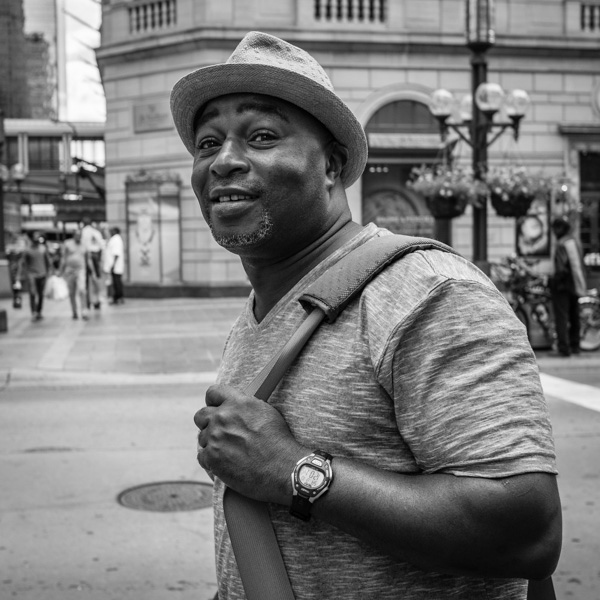
    Meet Steve ~ While waiting for the light to cross the street, I made a comment on his cool hat. We talked for 10 minutes! ©Valérie Jardin

    Meet Steve ~ While waiting for the light to cross the street, I made a comment on his cool hat. We talked for 10 minutes! ©Valérie Jardin

    Step 1 – practice without a camera

    Make it a goal to talk with strangers everyday for a few days. They can be waiting in line at the coffee shop with you or on the subway. Make small talk about the weather, comment on the new coffee flavor, just about anything that comes to mind as long as it’s not weird. You may find it terrifying at first but I can assure you that it will become easier everyday and you will soon look forward to your next encounter.  Granted, there is a big leap between approaching a stranger to comment on their cool hat ,or funky sun glasses, and asking them to make a portrait.

    Yet, if you are shy, the first step will help you get to the second.

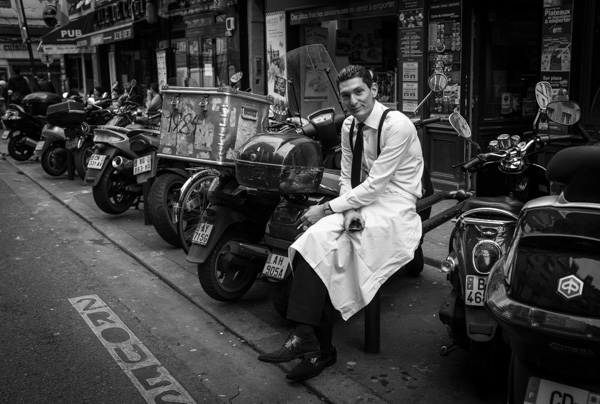
    Once there is eye contact, just tell your subject why you want to take a picture. Here I saw a timeless black and white image and I had to ask! ©Valérie Jardin

    Once there is eye contact, just tell your subject why you want to take a picture. Here I saw a timeless black and white image and I had to ask! ©Valérie Jardin

    Step 2 – photograph a street performer

    Another way to ease into it is by photographing street performers. They are there to be seen and they are easy subjects. Purists will tell you that they don’t count because they are too easy. As far as I know there is no authority or rules for street portraiture or street photography in general, so go ahead! Photograph a street performer and remember to leave a tip.

    Step 3 – go with a friend

    Having another person at your side will embolden you, and you will find it easier to approach a stranger if you’re not alone. The friend doesn’t even have to be a photographer.

    Step 4 – don’t hide behind a long lens

    Just like with candid street photography, the closer the better! Also, a smaller camera will be less intimidating for your subject.

    Step 5 – be confident

    Introduce yourself and tell them why you want to make a portrait of them. You’re not doing anything wrong, so don’t take the shot and run! If they ask you why you want to take their picture, simply explain that you are photographing strangers for a personal project and you found them quite interesting. Most people will be flattered.

    Most people are flattered that you want to make a portrait of them. ©Valérie Jardin

    Most people are flattered that you want to make a portrait of them. ©Valérie Jardin

    Step 6 – take your time

    You asked for their permission to take the picture, so now it’s your responsibility to do a good job. The background may be distracting, or they may be squinting from the sun in their eyes. Ask them to move or even cross the street if the light is better. Take two or three shots until you are satisfied with the result. Make sure you thank them for their time before you part ways.

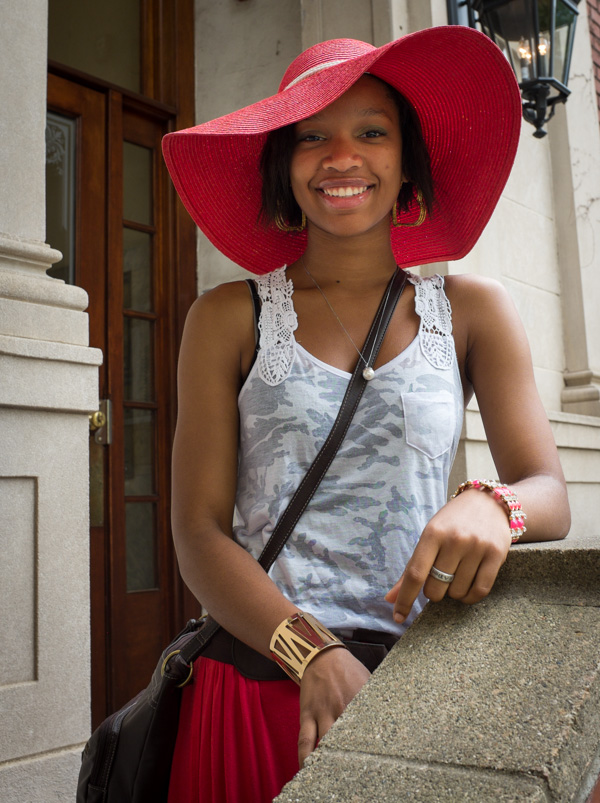
    Once you have the permission to do a portrait, it's okay to ask your subject to move to a more pleasing background. This young woman was part of my ongoing 'Beautiful Smiles' blog series. ©Valérie Jardin

    Once you have the permission to do a portrait, it’s okay to ask your subject to move to a more pleasing background. This young woman was part of my ongoing ‘Beautiful Smiles’ blog series. ©Valérie Jardin

    Step 7 – enjoy the experience

    Ask for their name, maybe you’ll even engage them in a conversation and find out some interesting things about their lives. Show them the picture on the back of the camera. Share email addresses and send them the best picture if they ask.

    Step 8 – share your work

    Those portraits are useless if they stay on your hard drive. Share them on a blog or social media network. The more you share, the better you will feel about your project and the more you’ll want to go out and shoot.

    If you’ve never done this, why not make it a photographic goal for 2014? Good luck!

    Next step . . .

    Please share your experience with the dPS community. How did you start interacting with strangers to photograph them? Do you find it as addictive as candid street photography?

    There are smiles that are irresistible! ©Valérie Jardin

    There are smiles that are irresistible! ©Valérie Jardin

    Post originally from: Digital Photography Tips.

    Check out our more Photography Tips at Photography Tips for Beginners, Portrait Photography Tips and Wedding Photography Tips.

    How to Make a Portrait of a Stranger in 8 Easy Steps

    The post How to Make a Portrait of a Stranger in 8 Easy Steps by Valerie Jardin appeared first on Digital Photography School.


    Digital Photography School

  • Bizarre Burial: 20 of the World’s Weirdest Coffins

    [ By Steph in Art & Sculpture & Craft. ]

    Crazy Coffins Main

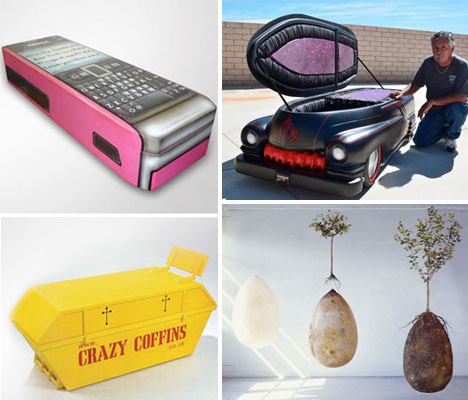
    Our modern culture has made the physical process of burial little more than an afterthought, leaving us to numbly choose from a small assortment of wooden boxes in a showroom or catalog in the aftermath of a loved one’s death. But some casket designers literally think outside the box with colorful, celebratory or just plain bizarre creations ranging from coffins shaped like beer bottles and cars to those equipped with warning signals in case you’re buried alive.

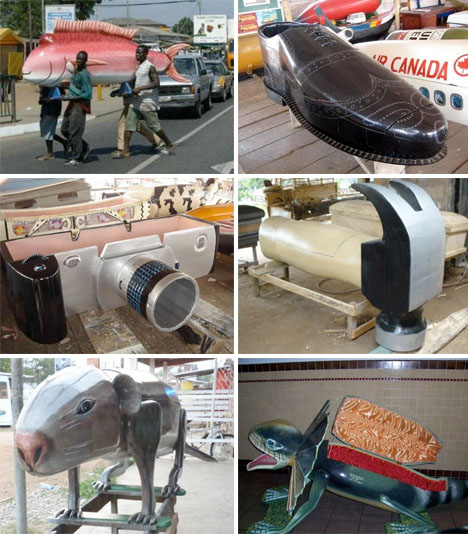
    6 Amazingly Weird Coffins by Kane Kwei Carpentry in Ghana

    Crazy Coffins Ghana

    In Ghana, the Ga tradition of carpentry includes a fun and colorful array of fantasy coffins unlike anything you’ll see anywhere else in the world. Drawing from local culture and the personalities of those for whom the individual coffins are commissioned, the designs flout worldwide customs of somber funerals. The first one, a pink fish, was made for a fisherman from Accra in the 1950s, and from there the trend took off. Some might represent careers, others vices – you could be buried in a bottle of beer, for example.

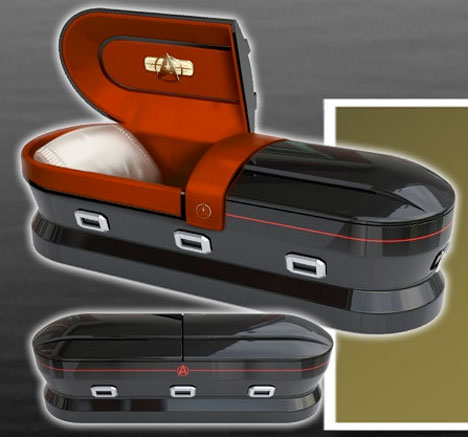
    Star-Trek Themed Casket

    Crazy Coffins Star Trek

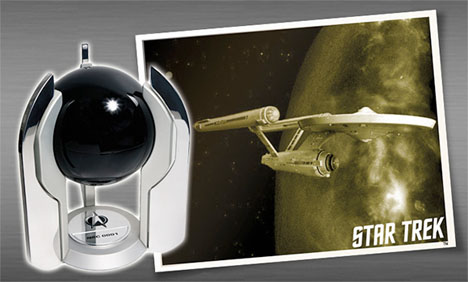
    Crazy Coffins Star Trek Urn

    If you’re enough of a Star Trek fan to learn how to speak Klingon, perhaps you’re enough of a fan to be buried in this Star Trek-themed casket inspired by the ‘Photon Torpedo’ design seen in Star Trek II: The Wrath of Khan. Or, if you’re partial to cremation, there’s always the Star Trek urn.

    Coffins with Bells and Whistles – For Indicating That You’re Not Dead

    Crazy Coffins Bells and Whistles 1

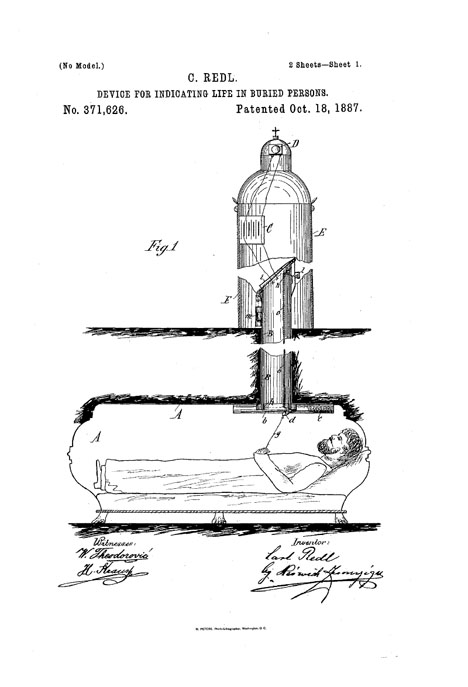
    Crazy Coffins Buried Alive

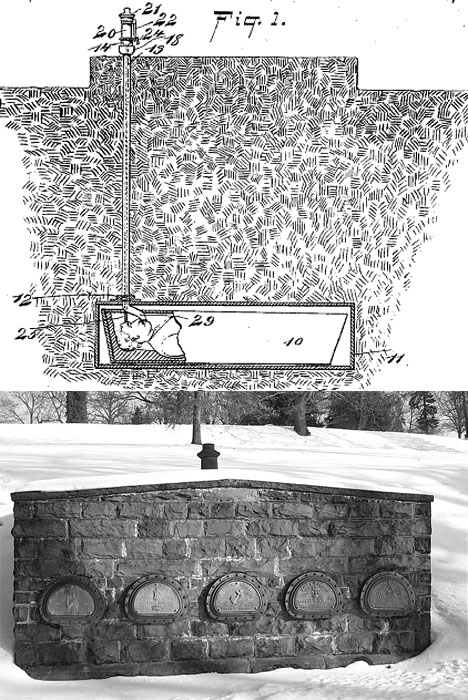
    In the centuries before modern medicine made a pronunciation of death much more reliable, people had justifiable fears of being buried alive (which got even worse after Edgar Allan Poe’s ‘The Premature Burial.’) Hence the many designs for ‘safety coffins,’ which literally included bells and whistles so if you happened to wake up in the midst of your own burial, you had a chance of getting out alive. Some have handles or strings that can be pulled to activate a signal, while others were mouth-operated. One terrifying spring-loaded ejector coffin will launch you out of the ground (to the heart-stopping terror of anyone who happens to be nearby.) Some cemeteries, like the Williamsport Wildwood, even have escape hatches on the vaults.

    Cruisin’ Caskets

    Crazy Coffins Cruisin Cars

    Take a stylish ride to your eternal resting place in a ‘Cruisin Casket,’ a car-shaped coffin with functioning wheels that can actually roll down the street. This company will make a custom casket shaped like any model car. It seems like a shame to bury something like this, but if you want to enjoy it for a while before you croak, you can get a cooler insert and use it to keep your drinks on ice.

    Next Page – Click Below to Read More:
    Bizarre Burial 20 Of The Worlds Weirdest Coffins

    Share on Facebook


    [ By Steph in Art & Sculpture & Craft. ]

    [ WebUrbanist | Archives | Galleries | Privacy | TOS ]


    WebUrbanist

  • DPReview is hiring! Senior UX Designer wanted!

    DPRlogo.png

    DPReview is hiring! We’re looking for a Senior UX designer to shape the next generation of content and community tools for our large and passionate audience of photographers and camera enthusiasts. Candidates will have the rare ability to influence the product at all levels and to create a new user experience for a top 1000 website. Click through for more details. 

    News: Digital Photography Review (dpreview.com)