It seems to me that the fixed lens, compact camera game has spawned two sub species: ultra long zoom models and those with ultra fast lenses … to some they’re called ‘bright’.
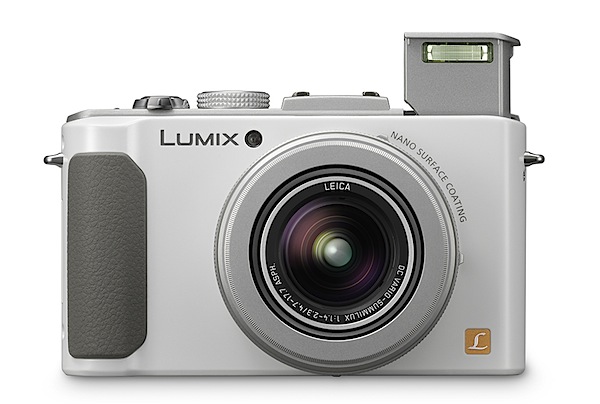
The Panasonic Lumix DMC-LX7 belongs in the latter category and a dazzling model it is too: compact, light in weight and full of power.
The Leica Vario Summilux lens has a maximum aperture of f1.4, stopping down to only f2.3 when the 3.8x zoom is extended from its wide 24mm to the tele end of 90mm (35 SLR equivalent).
Panasonic Lumix DMC-LX7 Features
The 10.1 megapixel MOS sensor captures a maximum 3968×2736 pixel image: 34x23cm as a print.
Video? Full HD 1920×1080 pixel resolution, saved in either AVCHD or MPEG4. No, you cannot shoot stills while recording video.
One oddity: although the camera has 70MB of internal memory, in addition that provided by any loaded SD card, it will record video only in VGA (640×480) format to that internal memory.
In typical fashion I kicked on the power before reading the manual, selected Program as my exposure mode, then spent some time scratching my head as to how to alter the lens aperture. Voila! Twirl the lens ring! With the LX7 you get direct access to the f numbers. Simply ‘mazing!
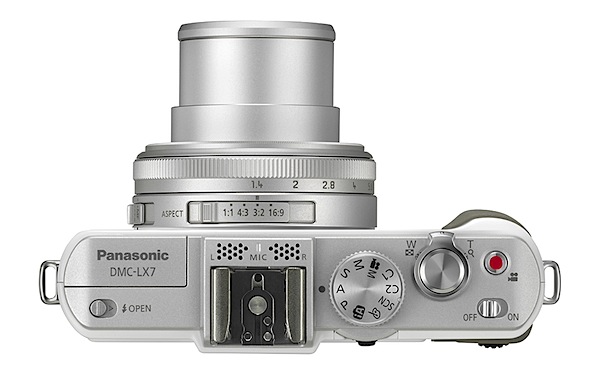
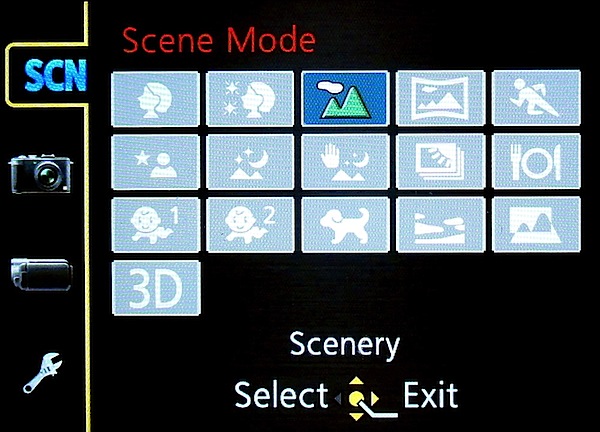
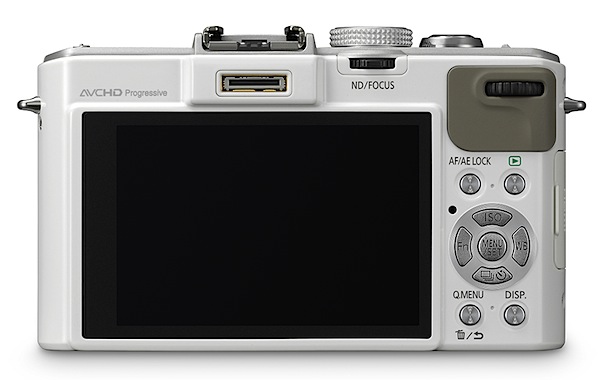
The camera’s top deck contains the mode dial (auto, Program, aperture and shutter priority, manual exposure, 15 scene modes (plus 3D), two custom modes and a creative video mode that offers manual control of shutter speed and lens aperture. Beside the mode dial are the shutter button and zoom lever, on/off switch, video record and flash button.
Rear: a button for exposure lock, menu, display and replay. The four way jog dial offers access to ISO settings, a Function button, single or continuous shooting and white balance. But note: these tiny buttons have incised text on a silver background that is almost illegible in most ambient situations. Black mark!
The side of the lens barrel has three settings: manual and two for auto focus (normal range and macro). Interestingly, to the rear of the lens is a direct control switch for the image aspect ratio (1:1 to 16:9).
More: there is an internal neutral density filter equivalent to three f stops that allows you to reduce the incoming light and use a larger aperture for special effects. This is selectable via a tiny button behind the mode dial. The same button has a dual purpose: it can also control manual focus. Brilliant!
Framing decisions are helped by the ever-increasingly seen level gauge. I hope this trend continues.
There are 16 Creative Control filters that include settings to capture images with an expressive look, high and low key, cross processing, sepia and others.
Other inclusions:
Time lapse, in which you can preset the camera to begin taking pictures at constant intervals for landscape scenes etc.
Photo Style gives you the ability to maximise the image quality to higher contrast, give a mono look, use a scenery setting and a ‘look’ for portraits etc.
The accessory shoe extends the LX7′s talents considerably. You can attach a live viewfinder, an optical finder and auxiliary flash.
Distortion
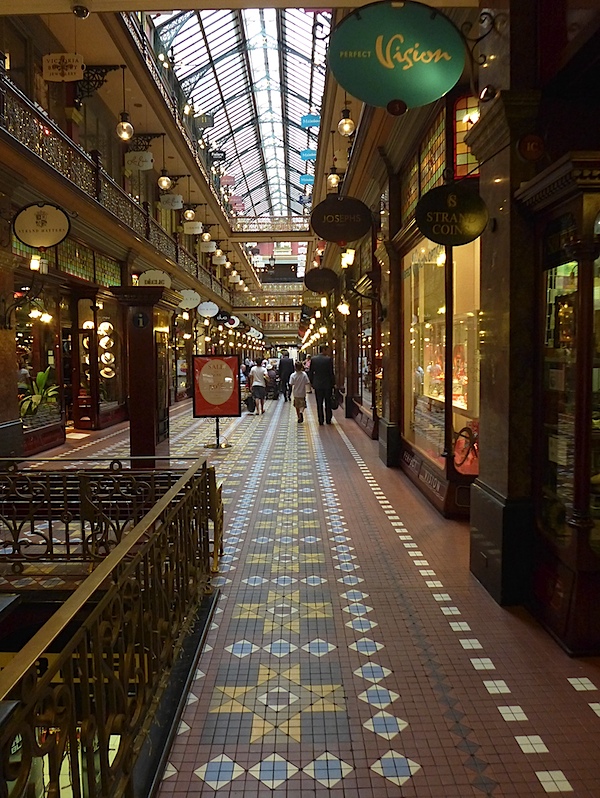
None at either end of the zoom. Excellent!
Start Up
Two seconds from power in to first shot; follow-ons as fast I could hit the shutter button.
Panasonic Lumix DMC-LX7 ISO Tests
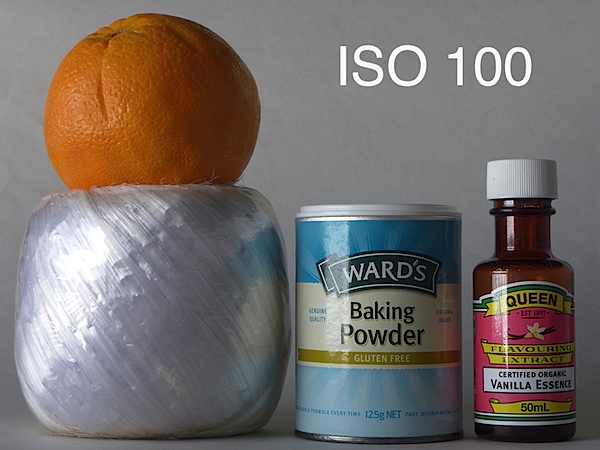
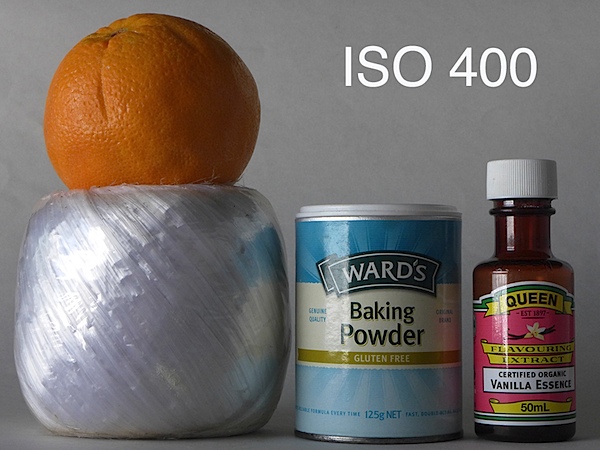
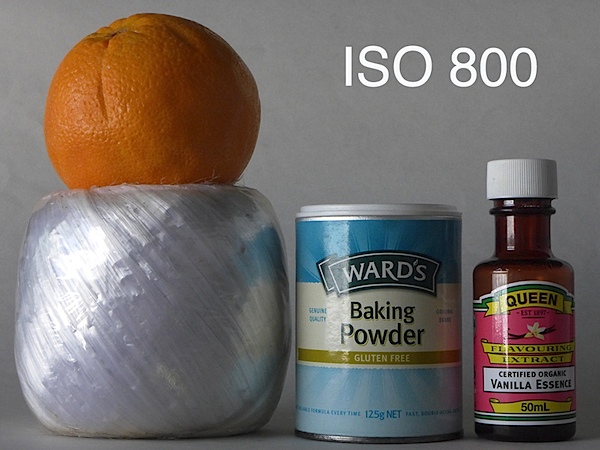
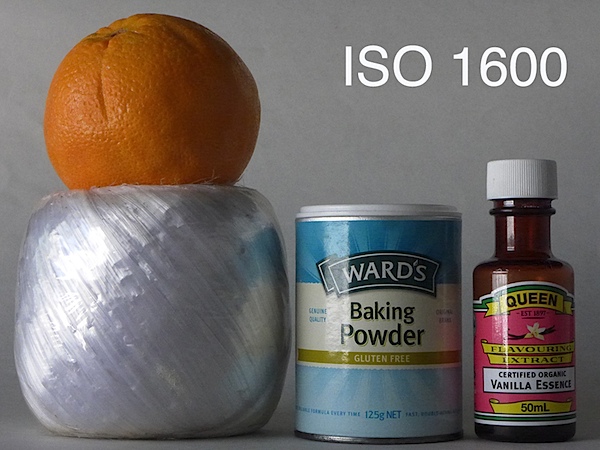
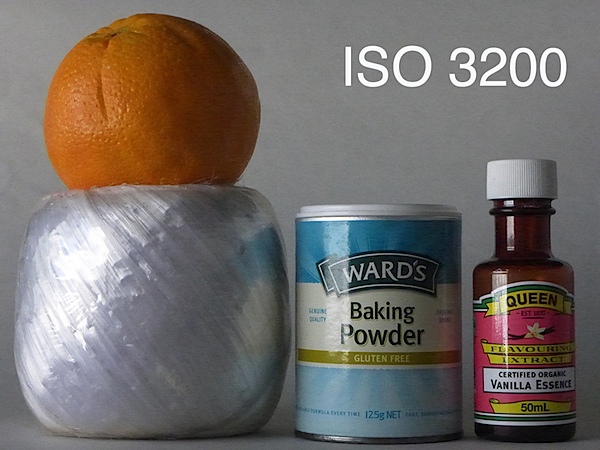
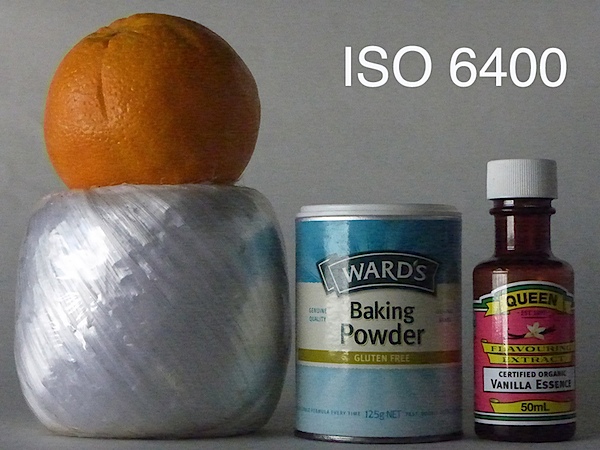
The level of noise only became evident at ISO 3200. Even more so at ISO 6400.
Panasonic Lumix DMC-LX7 Review Verdict
Quality: Excellent, especially at larger apertures.
Why you’d buy the Panasonic Lumix DMC-LX7: small, powerful camera.
Why you wouldn’t: no reason.
While this camera could easily serve as day-to-day snapshot camera, it would be wasted. It would be ideal as a companion shooter to a DSLR. IMHO it would not be ideal as a travel companion due to its limited zoom range.
Panasonic Lumix DMC-LX7 Specifications
Image Sensor: 10.1 million effective pixels. Metering: multi zone, centre-weighted, spot. Lens: Leica DC Vario-Summilux f1.4-2.3/4.7-14.7mm (24-90mm as 35 SLR equivalent). Exposure Modes: Auto, Program AE, shutter and aperture priority, manual. Sensor Size: 15mm MOS. Shutter Speed (stills): 60 to 1/4000 second. Continuous Shooting: up to 11 fps. Memory: SD/SDHC/SDXC plus 70MB internal memory. Image Sizes (pixels): Stills: 3968×2736 to 480×480. Movies: 1920×1080, 1280×720, 1440×1080 and 640×480. Viewfinder: 7.6cm LCD screen (920,000 pixels). File Formats: JPEG, RAW, JPEG+RAW, MPO (3D), AVCHD, MPEG4. Colour Space: sRGB, Adobe RGB. ISO Sensitivity: Auto, 80 to 12800 (with boost). Interface: USB 2.0, HDMI mini. Power: Rechargeable lithium ion battery, DC input. Dimensions: 111x68x46 WHDmm. Weight: 298 g (inc battery). Price: get a price on the Panasonic LUMIX DMC-LX7 at Amazon.
Post originally from: Digital Photography Tips.
Check out our more Photography Tips at Photography Tips for Beginners, Portrait Photography Tips and Wedding Photography Tips.
Welcome back to the Retouching with Cloning Tools series! In Part 1, you learned about how cloning tools are used to retouch and remove imperfections from images. In this part of the series, you will learn more about the specific differences between each cloning tool, what kind of jobs they work best for, and how to use them. By the end Continue Reading
The post Retouching with Cloning Tools: Part 2 appeared first on Photodoto.
In this post Gina Milicia – author of our brand new eBook “Portraits: Making the Shot” shares 10 tips on directing a portrait shoot like a Pro.
When I was starting out as a portrait photographer, I began creating a visual diary and mimicking the images I loved. Some people will tell you that it’s wrong to copy but for centuries, every generation of artist has imitated the masters before them. Once they’ve mastered the technique they move on to develop their own style.
Photography is no different.
You don’t have to come up with a thousand new ways to pose someone. Use the ways that work for you and your model.
Here are 5 of my “go to” poses
1. The Controposto (or S) pose
This is one of my go-to poses. It’s a great starting point for both men and women because it’s flattering for almost any body shape and doesn’t require any special props or locations.
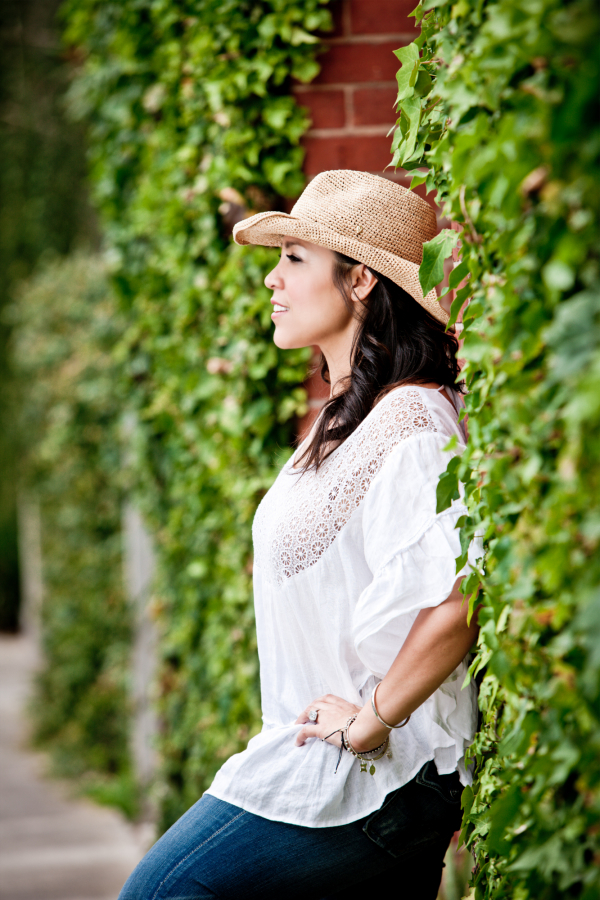
2. Lean on me (or working the wall)
This is a particularly good pose for people who are really awkward. Some people have a real awareness of their body and they will always look comfortable, but it’s not as easy as that for others. Simply giving your model something to do, like leaning against the wall, can be enough to relax them.
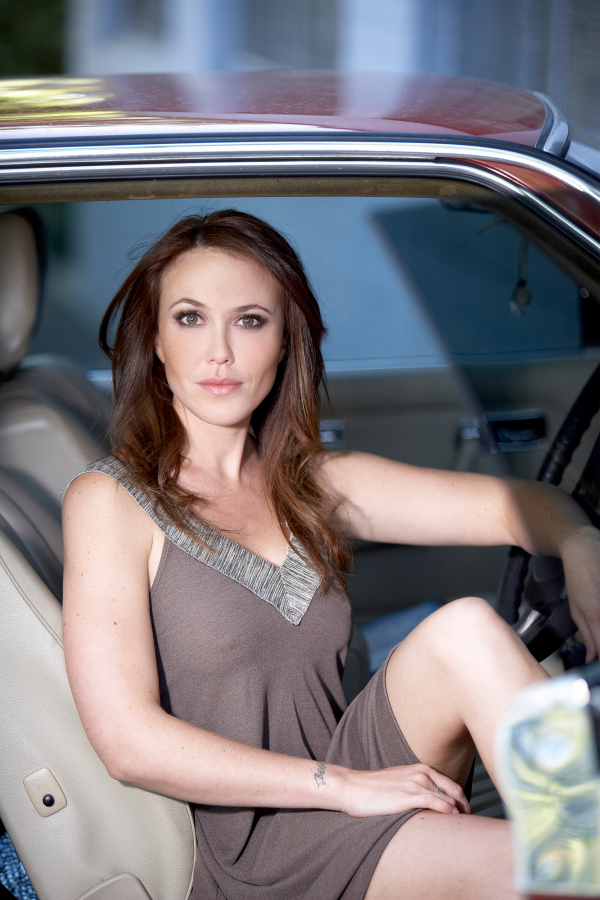
3. Jump in my Car
A car is another great prop. On a bright sunny day, the shade of a car will give you great light and again, your model will have something to do to help them relax.
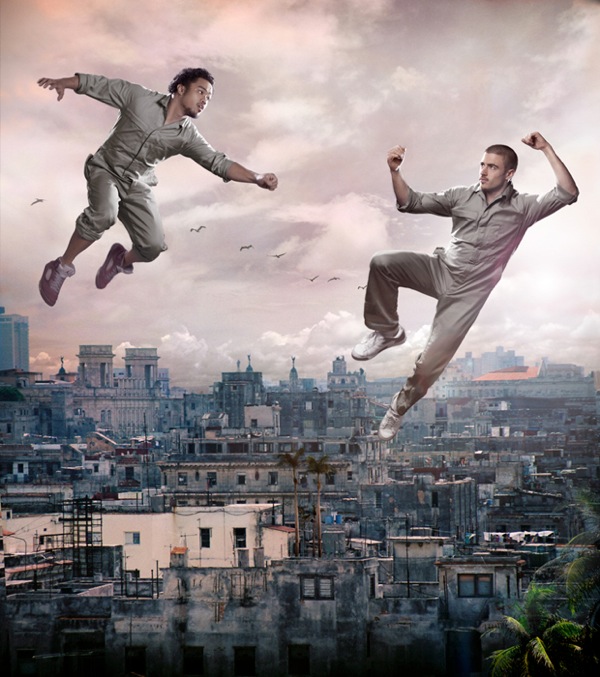
4. A leap of Faith
As with many of the other poses mentioned, if someone is awkward simply standing, giving them something to do can really bring the photo to life.
It’s not always easy but you can introduce some life and movement into the person and their clothes by getting them to jump or leap.
5. Walk the line
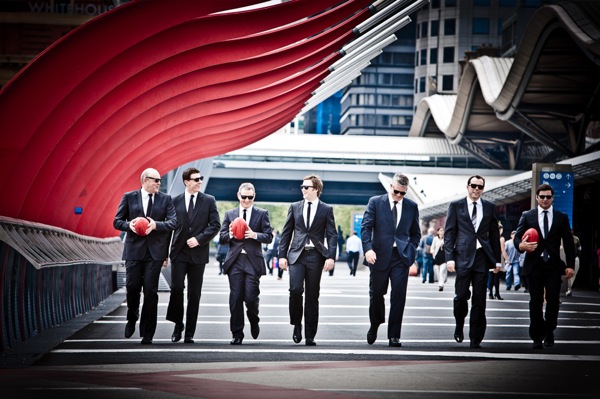
The walking shot is great if you want to capture groups, couples and singles.
I like to shoot from a low angle with a fast shutter speed to freeze motion.
Enjoy this post? Check out more of Gina’s advice in her new eBook – Portraits: Making the Shot (and get a bonus one free for the next few days only).
Post originally from: Digital Photography Tips.
Check out our more Photography Tips at Photography Tips for Beginners, Portrait Photography Tips and Wedding Photography Tips.
Earlier in the week we featured an image set that contained 25 images that all had ‘snow’ as a feature. So today we thought it might be fun to do a ‘weather’ challenge as our weekly theme.
Your challenge is to take and share an image on the theme of weather.
As we have a global audience this should produce images with a real variety of types of weather. Aussie – we want you to show the world what summer is like for you right now. North Americans and Europeans – show us how winter is going?
We want to see rain, hail, snow, sun, storms, wind… you name it – we’d love to see some images that attempt to capture it. Feel free to tackle the topic with what ever type of shot you like, landscape, portrait, colour, black and white… anything you like – be creative!
Looking for inspiration – in addition to the Snow image collection we also have a Rain image collection.
Once you’ve taken and selected your best WEATHER shot upload it to your favourite photo sharing site and either share a link to it or – embed it in the comments using the our new tool to do so.
If you tag your photos on Flickr, Instagram, Twitter or other sites with Tagging tag them as #DPSCUTE to help others find them. Linking back to this page might also help others know what you’re doing so that they can share in the fun.
Also – don’t forget to check out some of the great shots posted in our last challenge – Cute challenge where there were some beautiful shots submitted.
Post originally from: Digital Photography Tips.
Check out our more Photography Tips at Photography Tips for Beginners, Portrait Photography Tips and Wedding Photography Tips.
As an Aussie it seems a little strange to be posting this post right now because we’re experiencing a lot of sun right now – but based upon the people we follow on the dPS Twitter account it seems that the many of our readers are (and have been for a while) snowed in right now.
So in tribute to our northern hemisphere readers – we decided to put together a series of images that feature the humble ‘snow flake’. Yes – all these shots capture snow falling in the hope of inspiring those of you whose cameras have been put away for the winter to get out and shoot!
Post originally from: Digital Photography Tips.
Check out our more Photography Tips at Photography Tips for Beginners, Portrait Photography Tips and Wedding Photography Tips.
After unpacking this long-awaited camera my first impression of the Pentax X-5 was that it looked startlingly like a DSLR! Prominent speed grip, big lens, eyepiece, same feel.
But it is of course a bridge camera, with a magnificent 26x zoom lens reach, operable from the top zoom lever.
Pentax X-5 Features
Those who prefer external controls will be in delight: the top deck houses the zoom lever and shutter button, on/off switch, exposure correction button and mode dial. The latter provides access to the various exposure modes (auto, manual), a user setting, movie, special subjects (such as night snap, sports, landscapes, portrait), scene modes (15 in all).
The rear surface has a button to switch screen to turret finder viewing, display options, an e-dial (to change exposure values, shutter speed and aperture), video record, replay, the four way jog dial to access flash, still/continuous shooting, mode and macro options.
The menu system is minimal and the text used is chunky, tho’ highly readable.
To my delight I found the LCD screen to be of the vari-angle variety, tiltable 60 degrees downwards or raisable 90 degrees upwards, although in the latter position the turret finder fouls part of the view. On a camera at this price peg it was a surprise!
The maximum image size is a surprisingly large 4608×3456 pixels, sufficient to make a 39x28cm print.
Video is recorded at Full HD 1920×1080 pixels resolution in MPEG4. You can’t capture stills while shooting video.
There is a dual shake-reduction system; be careful with this as it combines a sensor-shift type mechanism along with digital correction. You can choose the sensor-shift, a combination of sensor-shift and electronic — or elect to go with neither. My advice: choose the sensor-shift mode as your images may suffer degradation with electronic processing.
The power supply is four AA batteries (alkaline, NiMh, lithium). The penalty of using such an approach is a larger camera body, while the benefits are easy availability of batteries while you’re travelling. I have one comment about the battery/card hatch: it was notorious difficult to open and close, possibly the result of mis-treatment by previous reviewers but more likely an indicator of how the cover will wear in the long term.
An interesting feature for the dabblers is a series of digital filters which you can apply to a stored image; in this approach you can create a sepia image, apply a retro look, make it look like a fish eye lens shot and others.
Startup Time
From a cold start it was only two seconds to being able to fire the first shot from power on; follow-ons came in as fast as I could hit the button.
Distortion
No problems at the wide end but there was very slight pincushion distortion at the tele end.
Pentax X-5 ISO Tests
Noise begins to appear at ISO 1600, then gradually worsens until it become near-unacceptable at ISO 6400.
Pentax X-5 Review Verdict
Quality: average, although you may find atmospheric haze at at long tele settings.
Why you’d buy the Pentax X-5: nice long 26x zoom range; 16 megapixels capture.
Why you wouldn’t: not pocketable.
This is an interesting camera not least because of its long zoom range, other features — and all in one well-priced package.
Pentax X-5 Specifications
Image Sensor: 16 million effective pixels. Sensor: 11mm CMOS. Lens: f3.1-5.9/40-104mm (22.3-580mm as 35c SLR equivalent). Metering: Multi segment, centre-weighted, spot. Exposure Modes: Auto, Program AE, shutter and aperture priority, manual. Shutter Speed: 4 to 1/1500 second. Continuous Shooting: up to 10 fps. Memory: SD/SDHC/SDXC/Eye-Fi plus 75.3MB internal memory. Image Sizes (pixels): Stills: 4608×3456 to 640×480. Movies: 1920×1080, 1280×720, 640×480. Viewfinder: Turret (230,000) 7.6cm LCD screen (460,000). File Formats: JPEG, MPEG4. ISO Sensitivity: Auto, 100 to 6400. Interface: USB 2.0, HDMI mini, AV, Eye-fi, DC input. Power: 4AA batteries. Dimensions: 119x86x107 WHDmm. Weight: 595 g (inc batteries). Price: Get a price on the Pentax X-5 at Amazon.
Post originally from: Digital Photography Tips.
Check out our more Photography Tips at Photography Tips for Beginners, Portrait Photography Tips and Wedding Photography Tips.
Holistic Photography is a way to develop an artist’s appreciation for the visual world. This is achieved by interaction with challenging ideas and technical mastery of the photographic craft.
Photographers, in my experience as a photography coach, tend to gravitate toward two extremes;
1. Science
I’m misusing ‘science’ to mean technical expertise and measurable results. Craft is closer, but popular usage muddies the meaning.
Photographers attracted by this sphere tend to be focussed on the intricate details of their equipment, photographic rules, precise exposure values and accurate colour balancing. They are very protective of the highlights in the photographs and either use HDR and Photoshop extensively, or take up a ‘no manipulation’ stance (and occasionally use film). Digital noise is the enemy and sharpness is of paramount importance; though lenses with apertures as wide as f0.95 are often favoured.
Typical questions include;
‘How many megapixels does your camera have?’
‘What aperture value should I be using?
‘Which equipment did you use to take this photo?’
‘How do I get sharper photographs?’
‘Is Adobe RGB better than ProPhoto RGB for landscapes?’
2. Art
Photographers, often buoyed up by Instagram fame and Facebook ‘likes’, believe that the camera doesn’t matter and that one prime lens or super-zoom is enough. They tend to use obvious Photoshop ‘art’ filters and composite images. They may have an artistic background and believe strongly in the importance of a good ‘eye’. Their photos tend to have higher contrast and more saturation.
They ask fewer questions;
‘How can I capture the beauty of this scene?’
‘What’s the coolest colour for light painting?’
‘How do I get a blurry background?’
Therefore, it is either the camera drawing the photographer’s attention, or the subject; seldom both. Holistic Photography aims to correct this imbalance by providing a structure, the Quartet.
1. The Idea:
Photographs without a thought or feeling behind them rarely command attention. Holistic Photography separates this crucial aspect into two parts;
– Preservation:
The camera is a marvellous tool for accurate reproduction of the visual world. It allows us as photographers to capture an impression of a scene or subject, then carry it through time and transmit it across the world. This is the realm of mimesis; show, don’t tell. The subject is enough and there is little creative input from the photographer; although often tremendous skill with the craft is required.
A lot of art used to exist solely to create displayable simulacrum of a patron’s possessions; including people and animals. Now commercial photos normally exist to identify, preserve and sell. There are still some people alive who think that preservation is all photography is, or can be (and maybe even should be?).
Examples;
Passport photography
Product photography for catalogues
A lot of landscape photography
Much architectural photography
Much school and event photography
Much studio, sports, pet and ‘family’ photography
– Expression:
Some paintings can be photo-realistic and say nothing while others can be deeply moving; we’ll call them Art. Photography can also be an excellent medium creating for Art with a capital ‘A’.
Expression in Holistic Photography is about the transmission of a thought, idea or feeling. First and foremost are those photographs about the Holistic Photographer’s inner life and perspective of the world.
Often the subject is used as a symbol or part of a palette; the photograph isn’t just about the objects depicted. What we know and believe physically effects what we see, so Holistic Photography includes ways of developing the elusive ‘artistic eye’.
Also important are those commercial photographs that go beyond the rational depiction and into emotional content. A portrait says more about a sitter’s character than just what they look like. A car advertisement sells a vision of another life.
Examples;
Fine Art photography
Conceptual photography
Abstract photography
Some advertising photography
Some landscape photography
Some portrait photography
Some documentary and editorial photography
Some wedding photography
2. The Light:
Light is crucial for everyone, and especially for photographers. Light is pretty predictable and this section is dealt with by introducing key principles which allow the Holistic Photographer to identify or create the ‘right’ light for their intended photograph in many different situations. The process of looking at Light is divided into three parts;
– Observe: Our primary light source is normally the sun or an artificial flash. This is the Key light. The other light sources, and light reflected by objects in the scene provide Fill light.
We can identify many factors such as the colour content, intensity, duration, character and direction of the lights incident upon our scene and subject.
By understanding the fundamental principles, we can understand how to analyse light and optimise our subject’s positioning to make the most of it. The question is always, ‘Where are my light sources?’
– Control: If we were content with what the world presented us with, we would still be living in caves. It follows that taking control of the lighting in your scene is desirable.
We can do this by adjusting and refining the light sources already present, or by adding more; usually artificial flashes. Reflectors serve to bounce light. Silks can soften it. Gelled lighting can colour it. If the budget is big enough, there are few effects that the photographer can’t achieve.
– Capture: This sub-section normally provides the majority of material for a ‘complete’ photography syllabus. It covers how the camera reacts to light, including aperture, shutter speed and ISO sensitivity. Understanding the creative application of these three variables plus filter-use is emphasised.
Exposure modes and compensation are taught here along with modifying the camera’s response to colour using the White balance. Techniques such as HDR imaging and in-camera effects fit within this area.
3. The Composition:
Photography is a two dimensional medium which represents the three dimensional visual world. Therefore, we need to rely upon tricks to create the illusion of depth and perspective. We also need to compose the elements in our photographs to ensure that our subject is clear and our intended meaning is apparent.
Fortunately Aesthetics, which aims to achieve this, is well-established, and there are plenty of principles we can learn from and apply. Composition is divided into two parts;
– Command: A camera captures a more objective impression of the world than our subjective experience. Therefore, to make photographs that move our audience, we must take advantage of certain effects created by the camera.
For example, we can control perspective using the Pyramid Technique which covers camera positioning and choice of focal length. Beyond such in-camera techniques as optimising depth of field to communicate our message, we may also be able to direct our subject within the scene.
– Significance: Light is energy and colour is our reaction to predominant wavelengths. Scientific evidence has shown that colour has a physiological and psychological effect on people. Understanding colour psychology is covered in the section on Light, but the composition of colours within the frame also affects their significance.
Understanding symbols, either cultural or instinctual, gives the Holistic Photographer the necessary fluency in the visual language to create metaphors and narratives.
4. The Timing:
The world is apparently 4.54 billion years old. The average photograph is made in about 1/250th of a second. Why choose a particular moment in time to capture the arrangement of things?
Mountains grow up and erode over millennia while a world-title winning jab may last for milliseconds. Movement can be captured at different moments to create opposite meanings.
The duration of the exposure also affects how movement is shown, and can even be adjusted to de-familiarise time itself. Lighting also changes with time, so an understanding of light requires attention to time. Timing is divided into two parts;
– Moment: Cartier-Bresson the Surrealist street photographer thought that each scene had a ‘decisive moment’ when all of the elements of the picture came momentarily together to tell the story of the whole scene. Different photographers will see different moments because their interpretation of the scene is unique.
However, there are some useful concepts to know. For example, research into micro-expressions says that people’s true emotions show momentarily on the face. High speed film cameras such as those made by RED can capture these. Timing is also linked to composition; a person seems different if they are photographed at different moments when they’re walking. If their legs are shown together they seem like they’re dawdling, and if they’re caught mid-stride they look purposeful.
– Duration: How long is a moment? We are really capturing a length of time. The duration we choose affects how the photograph appears; and therefore its potential meaning. Pictures of bullets in flight use high-speed bursts of flash-light to freeze motion otherwise invisible to the naked eye. Conversely the Ultra Deep Field photograph of galaxies required the Hubble telescope use a shutter speed of ten days.
These are extremes; in this photograph the duration that the photograph was taken for was sufficient to blur the movement of the blacksmith’s arm; but fast enough that the rest of the photograph appears sharp.
The INs and OUTs:
Separate from the quartet but still important, these two categories look at the equipment required to create the photograph. Inputs include the camera, lenses, tripods, lighting equipment, filters and so on. Outputs include printing options, framing, digital displays, computers, image editing software and those fridge magnets with the holiday snaps on.
So the Quartet – the Idea, the Light, the Composition and the Timing – provides the structure for Holistic Photography and the Ins & Outs take us from capture to display. You can check out the Holistic Photography Quartet video
My experience of learning photography was like a Seurat painting or a Rolf Harris drawing; slowly building up the bigger picture from specific ideas and techniques. Holistic Photography helps accelerate and deepen learning by beginning with the complete outline first, then providing the material for the individual to build his own unique skill and vision and connect previously learned material.
Photography has given me a deep appreciation for the world that I couldn’t even imagine when I started. As well as a way to preserve, it has become a way to see, understand and express; which continues to develop. This is why I created Holistic Photography – to help my own progress and share the process with others. I hope that it is useful.
Ben Evans gives Holistic Photography coaching internationally. Check out his Barcelona photography courses and his £0.99 ebook, Photography: The Few Things You Need To Know.
Post originally from: Digital Photography Tips.
Check out our more Photography Tips at Photography Tips for Beginners, Portrait Photography Tips and Wedding Photography Tips.
For part two of his four-part BTS series for Profoto, photographer Gregory Heisler walks us through his Time cover of former PLO Chairman Yasser Arafat.
I really enjoyed this video. Not so much for the lighting tidbits, as it is a pretty straightforward photo in that regard. But rather because it exactly captures the vibe of photographers sitting around a table swapping stories. The interesting stuff is rarely about f/stops and shutter speeds, etc. It's more about what has to happen before you are in a position to make the photo at all. So, enjoy.
Oh, and Heisler has a book coming out, too. Read more » Strobist
You’ve been reading their articles for months or years, have you ever wondered “Who are the photographers who write for dPS”? Today meet UK photographer Elliot Hook.
1. How long have you been shooting?
I’ve always taken pictures but it wasn’t until 2009 that I bought my first DSLR and started to seriously learn about photography.
2. Do you have a full time job or are you a full time photographer?
I have a full time job in research science meaning that photography is an ‘all-other-time’ consuming hobby currently. It is unfortunate that work stops me from getting out with my camera as much as I would like, but I am fortunate in that I enjoy my job, and can use photography as a way to unwind at the end of a week.
3. If you had to limit yourself to one genre of photography, what would it be and why?
I would have to say ‘outdoor’ photography as it allows me to cover both landscape and wildlife photography in one genre. I seem to alternate between the two in terms of which one I put all of my effort into, though really they are quite similar in terms of my approach – being up and out early for sunrise, trying to make sure I am in the right place at the right time and having patience to wait for the perfect moment. Trying to shoot landscapes or wildlife can be very frustrating as you are at nature’s whim, however, that just makes it all the more rewarding when you do capture that great shot!
4. When did you start writing for dPS and why?
I started writing for dPS in October 2012. It is a blog that has helped to inspire and teach me ever since I bought my first DSLR, so when I saw a post from Darren saying that dPS was looking to recruit new writers, I just had to apply. I really enjoy sharing images, knowledge and tips with others so I’m very happy that I am able to share what I have learned and help people avoid making the same mistakes that I’ve made.
5. What do you shoot with and what is your favorite lens?
I shoot with an Olympus E-3 and two lenses: Olympus Zuiko 12-60 mm f/2.8-4.0 SWD and the Olympus Zuiko 50-200 mm f/2.8-3.5 SWD. I’m not sure that I could pick a favourite of the two as they are each perfect for their intended use. The 12-60 mm gives me a great 24-120 mm effective focal length, perfect for landscaping and as a walk around lens. The 50-200 mm, when coupled with a teleconverter, gives me up to 560 mm effective focal length, perfect for capturing wildlife. Both give amazingly quick autofocus performance and both are fully weather sealed; I couldn’t ask for much more.
6. What would be your number one tip to any new photographer?
Don’t obsess about having the latest and greatest kit; it isn’t the camera or lens that defines the photographer or photograph they can produce. I see far too many folk out and about using top of the range cameras that they have no idea how to operate. My advice would be to just get out there and learn how to use your camera. The more comfortable you are with your camera, with its strengths and flaws, the more likely you will be to capture that special moment.
Oh, and get out before sunrise. The world is a completely different place before everyone else wakes up!
7. What’s your next big project?
There are so many things I want to try and get stuck into in 2013 that I don’t quite know where to begin. I don’t have any projects defined currently, but I have just booked my first trip to the Isle of Skye in Scotland for early in the year. It looks to be a landscape photographer’s dream, so I really can’t wait to go.
8. Where can people go to find out more about you and your work?
More of my photography can be found on my website at , or on my 500px or Flickr pages. I’m also on twitter.
Post originally from: Digital Photography Tips.
Check out our more Photography Tips at Photography Tips for Beginners, Portrait Photography Tips and Wedding Photography Tips.
Meet The Photographers Who Write For Digital Photography School ~ Elliot Hook
All you need is love. But a little chocolate now and then doesn’t hurt. Charles M. Schulz Valentine’s Day is a great reason to take a set of fantastic “love story” photos. Also, it could be a gift for the occasion. Your sweetheart took part in this session and the gift would not be a surprise. However, these photos will Continue Reading
The post 101 Romantic Photos to Set Your Valentine’s Day Mood appeared first on Photodoto.



 Earlier in the week we featured an image set that contained 25 images that all had ‘snow’ as a feature. So today we thought it might be fun to do a ‘weather’ challenge as our weekly theme.