Category: Photography

  • 5 Goal Setting Strategies for Photographers

    We all have goals to achieve. But why are some people successful at achieving their goals while others only add new items to their to-do list day by day and year by year? In this post I collected some goal setting strategies to help you get your photography career and business on a fast track. A goal is not always Continue Reading

    The post 5 Goal Setting Strategies for Photographers appeared first on Photodoto.


    Photodoto

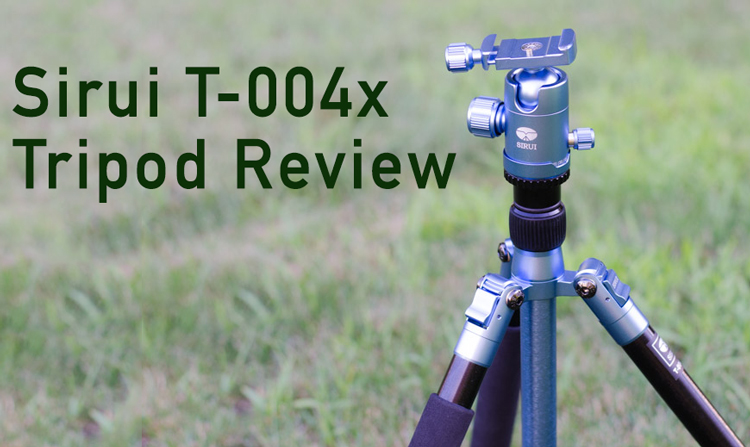
  • Sirui T-004X Aluminum Tripod Review

    Tripods may not be the most exciting of gadgets in the photographer’s arsenal, but they are one of the more important. While the new Sirui T-004x tripod doesn’t exactly revolutionize the industry, if you are a travel or hiking enthusiast, you might want to give it a look.

    SiruiTripodReview

    Introduction – The Basics

    The Sirui T-004x is one of the best light-weight aluminum tripods I’ve had the opportunity to test. When I first opened the package I questioned whether this little tripod would hold a point a shoot steady, let alone my Nikon D7000. But, after a couple solid days of testing, I can safely say that Sirui has a great combination of strength and portability in their T-004x offering.

    In my testing the Sirui was able to hold the D7000, paired with either the Nikon 55-300mm f/4.5-5.6 or the Tokina 11-16 f/2.8 wide angle lens without a problem. Unfortunately, I didn’t have anything larger to try, but T-004x is rated at 13.2 lbs (5.9 kg) which should be enough for most midsize DSLRs and smaller.

    The Good

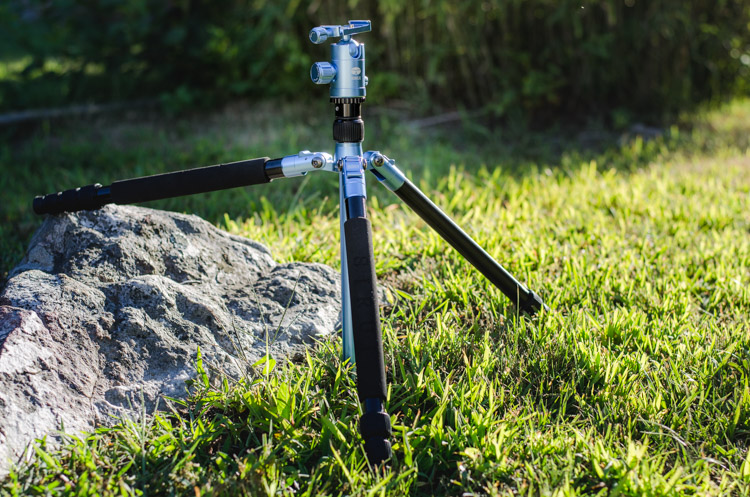
    The standout feature of the Sirui T-004x has got to be its weight and folded size – this thing is tiny! When fully folded it becomes super portable at 15.7 inches (39.9 cm) long and weighs in at just 2.0 lbs. (0.9 kg).

    SiruiTripodReview2

    It comes with all the basics that you’d expect of today’s tripods. The four section legs can adjust to three different angles, independently of one another for photographing on tough terrain. The twist locks on each section are quick and easy to use – they also held tight throughout my testing. There’s a reversible center column so that you can set up for close macro photographs. Sirui also includes a shorter center column, which allows you to get even closer to the ground, should you want to take a super low camera angle perspective.

    The Basic Specs

    • Load Capacity: 13.2 lbs (5.99 kg)
    • Max Height: 58″ (147.32 cm)
    • Min Height: 4.9″ (12.45 cm)
    • Folded Length: 15.7″ (39.88 cm)
    • Weight: 3.7 lbs (1.68 kg)
    • Leg Sections: 4

    The Not so Good

    When reviewing this tripod within the mindset of what it is supposed to be (a light weight travel tripod) it’s hard to find a lot of bad.

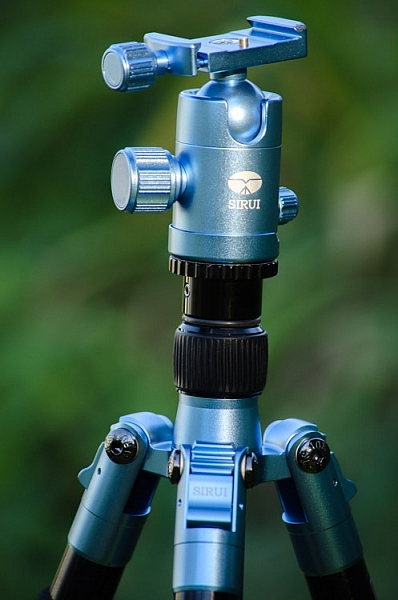
    I will say that I am not a huge fan of the ball head that came with the Sirui as the twist knobs are a bit slow compared to the flip lever action I’m used to on my Manfrotto. This was especially noticeable with the quick release plate where it requires a few good twists of the release knob to remove the camera from the tripod. Of course, these are minor inconveniences, and if it bothers you enough you could replace the head with something more suited to your liking.

    SiruiTripodReview1

    Due to the compromises that had to be made in order to make this as light and as portable as possible, the overall ruggedness of the tripod is questionable. Now, I didn’t put it through anything too serious in my testing, but I’d imagine that a tumble down a rocky hill, or dropping it a off a ledge might result in some damage. Being as light as it is I’d also expect it to be quite susceptible to wind – though there is a bag hook on the center column that you could use for added weight if needed.

    So Who’s the Sirui T-004x for?

    The ideal photographer for the Sirui T-004x would be someone who needs a lightweight travel tripod. Whether you’re a frequent flyer, or a frequent hiker, the Sirui would be a good option for you. If you’re looking for something to take a bit of abuse, or will be using it during weddings, portrait sessions, or other situations where a bit more stability and heft are required this probably isn’t want you’re looking for.

    What tripod do you currently use? Leave a comment below!

    googletag.cmd.push(function() {
    tablet_slots.push( googletag.defineSlot( “/1005424/_dPSv4_tab-all-article-bottom_(300×250)”, [300, 250], “pb-ad-78623” ).addService( googletag.pubads() ) ); } );

    googletag.cmd.push(function() {
    mobile_slots.push( googletag.defineSlot( “/1005424/_dPSv4_mob-all-article-bottom_(300×250)”, [300, 250], “pb-ad-78158” ).addService( googletag.pubads() ) ); } );

    The post Sirui T-004X Aluminum Tripod Review by John Davenport appeared first on Digital Photography School.


    Digital Photography School

  • How to Process a Landscape Photo in 5 Minutes Using Photoshop

    2-for-1 special

    As part of Landscape Photography Week here on dPS, we’re offering TWO for the price of ONE on our best-selling Living & Loving Landscape Photography ebooks!

    Click here to take advantage of this offer.


    In this ultra fast video tutorial photographer Joshua Cripps walks your through how to process a landscape photo using Photoshop in under five minutes. He talks really fast and works quickly so if you miss anything just watch the video again (he even says that at the end) or pause it so you can follow along.

    How did you make out with your own landscape image, could you do it in five minutes? If it takes you a little longer that’s just fine, especially if you’re just learning Photoshop.

    Note: everything he does in the video can also be done in Lightroom using the basic sliders, adjustment brush, and graduated filter.


    Here on dPS this is landscape week – here is list of what we’ve covered so far. Watch for a new article (or two) on landscape photography daily for the next couple days.

    • 6 Tips for Better Low-Light Landscape Photography
    • Landscape Photography and the Human Element
    • 5 Ways a Telephoto Lens Can Improve Your Landscape Photography
    • Landscape Photography from the Side of the Road
    • 32 Majestic Landscape Photos to Inspire Your Wanderlust
    • Weekly Photography Challenge – Landscape
    • Landscape Photography – Shooting the Same Location Through the Seasons

    googletag.cmd.push(function() {
    tablet_slots.push( googletag.defineSlot( “/1005424/_dPSv4_tab-all-article-bottom_(300×250)”, [300, 250], “pb-ad-78623” ).addService( googletag.pubads() ) ); } );

    googletag.cmd.push(function() {
    mobile_slots.push( googletag.defineSlot( “/1005424/_dPSv4_mob-all-article-bottom_(300×250)”, [300, 250], “pb-ad-78158” ).addService( googletag.pubads() ) ); } );

    The post How to Process a Landscape Photo in 5 Minutes Using Photoshop by Darlene Hildebrandt appeared first on Digital Photography School.


    Digital Photography School

  • How to Solve 5 Composition Conundrums Faced by Landscape Photographers

    2-for-1 special

    As part of Landscape Photography Week here on dPS, we’re offering TWO for the price of ONE on our best-selling Living & Loving Landscape Photography ebooks!

    Click here to take advantage of this offer.


    Do you ever get frustrated when reviewing your landscape shots? In the field you thought you’d nailed the scene, but back at your computer you now see that things don’t look so great. I know sometimes my frustration seems endless after a landscape shoot. There are just so many questions about how to shoot and compose breathtaking landscapes.
    DSC01032edit

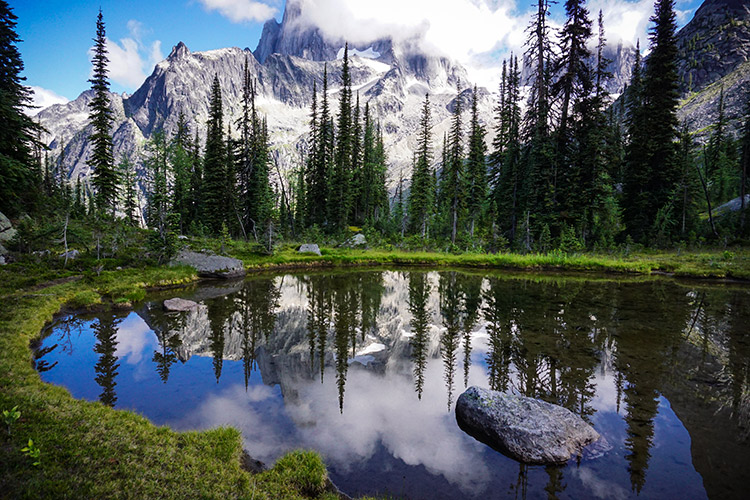
    Landscapes are both one of the easiest things to photograph, and the most difficult. Easy – because landscapes are everywhere, and they don’t really move, so no expensive technical equipment is needed. Often novice photographers mistake this ease of access with easy photography. Landscapes are difficult to photograph well because, like most other subject matter, the devil is in the details, and there are a myriad of details to pay attention to in landscape photography.

    It is these details that create conundrums for photographers, especially when it comes to composing a great landscape shot.

    When I’m out with a photography class, students seem to have several common dilemmas they want solved. So in this article we’ll explore these compositional conundrums and try to get you some solutions.

    1) How do I choose my point of interest?

    Most photography guides say that a great image must have a strong point of interest. In an expansive vista it’s often difficult to decide on just one central point. In fact, you may often feel like the entire scene is THE point of interest. But try thinking about the scene this way – why are you attracted to this scene? What is it that make it so stunning?

    It might be the light at sunrise or sunset, or a confluence of streams, or maybe the patterns of wildflowers.  Take a moment to think about why you want to photograph this landscape. In a few moments a story will start to evolve in your mind.

    If your story is about the light, where in the scene is the light most spectacular? In the clouds? Reflecting off water? Lighting up a mountain peak? You’ll soon find your answer, and will have solved conundrum #1. You now have a solid point of interest.
    DSC01032editsymmetry

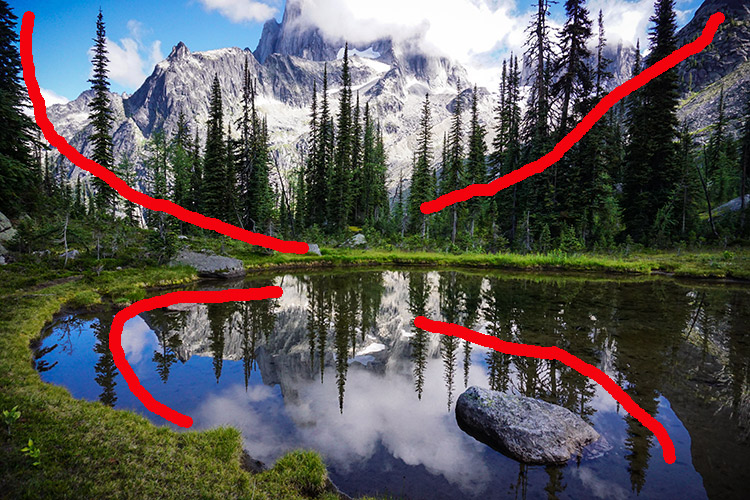
    All roads lead to Rome – or in photography, to your center of interest. The symmetry of the scene is mirrored in both the reflection and the composition.

    2) What should I include and exclude in the frame?

    This is a big compositional conundrum for most photographers. Sometimes you may want to create a frame for your scene with something from the surrounding environment – tree branches are a common framing device. But will they be distracting? Will they prevent your viewer’s eye from traveling INTO your image, to land softly on the great point of interest you carefully identified above? Sometimes the scene itself will have framing elements in it. Should you use these?

    If you decide to use this type of compositional device to frame your subject, should it be on the right? On the left? On the top, or all three sides?
    _2DS2439before

    BEFORE: The half tree on the left does nothing to move the viewer to the center of interest. Let’s remove it.
    _-2DS2439after

    AFTER: Using the framing technique AFTER removing distracting elements.

    There are really only two considerations with objects at the edges of your viewfinder frame.

    The first is to make sure that your leading lines are not broken by the object. So, if there is a nice big tree on the left of your composition, make sure to position yourself in such a way that the tree helps guide the viewer towards your centre of interest. If it is just a big dark shape on the left of your scene it may not add to the composition, and in fact may be detrimental. Large vertical objects on the left, or in the centre of the frame, tend to arrest the viewer’s gaze, and make for a weak composition.

    Second, if you are going to use objects around the edges as a framing technique, be bold, and do it with purpose. Make sure your viewer doesn’t think it was a mistake, or something you didn’t notice. Bits of branches or clouds that seem to poke into the frame are more like intruders than active participants in your image. Move around a bit more to make sure there are no interlopers jutting in, or remove them in post-production.
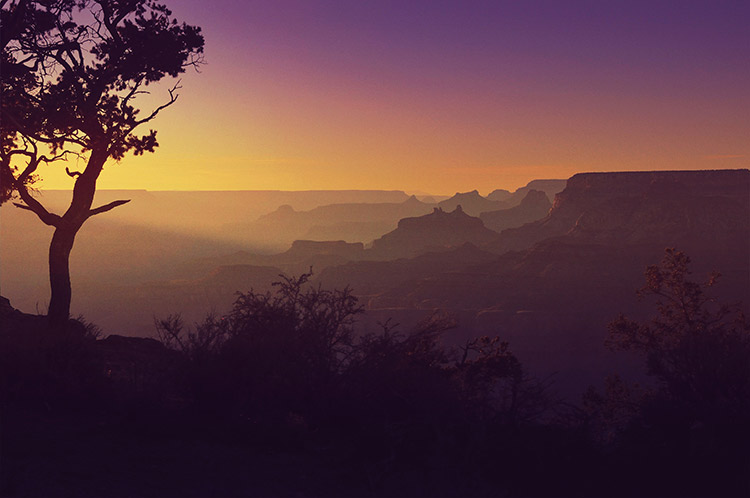
    2015-03-25-23.35

    Be bold – add it like you mean it – include elements with purpose. This tree is here on purpose and its branch leads to the sun ray that takes you right into the center of interest, the glowing layers of the landscape, framed by the dark shrubs in the foreground.

    If you’re using a wide angle lens, you know to include lots of the foreground to guide the viewer into the frame. But often students ask me what makes a good foreground? They walk around a bit, point to various items, and ask, “Would this be good? How about this? Or this?”

    Because of the way the wide angle lens exaggerates perspective, you should take advantage of that by choosing a foreground subject that can create leading lines into your image. If there’s a big boulder in your scene, how does it look close-up through the wide angle lens? Does it create a pointer, or a set of lines that lead to your main point of interest? That will make a good foreground.

    If the objects closest to the camera consist of mainly horizontal lines, running left to right in the frame, they may not be a great foreground to include, unless you can shoot at an angle so they become leading lines into your image. You may need to walk around the scene a bit more to see if this will work with the overall view. If not, choose another foreground, or if there is nothing that works, you can always select another lens – a 50mm is often a great choice for landscape photography.

    Which brings us to the next conundrum – focal length, your lens.

    3) What focal length is best for landscapes?

    I think this is always the first question I get asked when shooting landscapes with a group, “What lens are you using?”

    But the real question is what is your artistic intention for your image? If you want to get that awe inspired feeling you have as you view the scene into your image, why not try 50mm. This lens on a full frame sensor approximates what your eye sees in terms of angle of view. So it could be the best choice if what you want to convey is that awesomeness of the view that you are seeing with your eyes. Lately I have been using a 50mm (full frame) lens for landscapes almost exclusively.
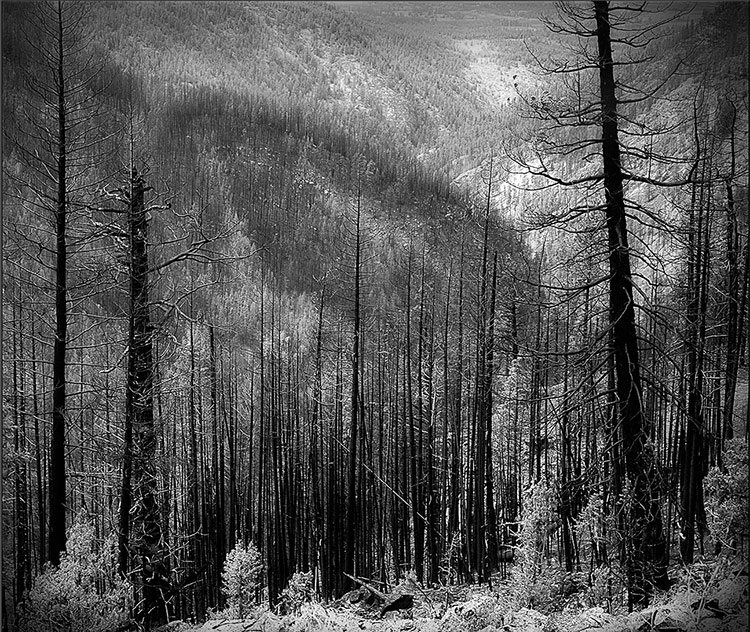
    4-whither-the-phoenix

    The big picture, wide angle lens, and 50mm works well too.

    Remember too, that the longer the focal length, the more compressed the image gets, and the closer the background becomes. It’s not just a matter of getting nearer or getting more in the frame, the entire look of your image will be very different depending on the lens. This is a definite conundrum for landscape photographers, because the choice is usually very subjective. If, as I mentioned above, you have nothing suitable for a creative foreground, try your 50 mm to get the big picture but without the perceptive grabbing view of the wide angles. If your intention is to get a more intimate view of the place, then a longer lens would be a better choice.
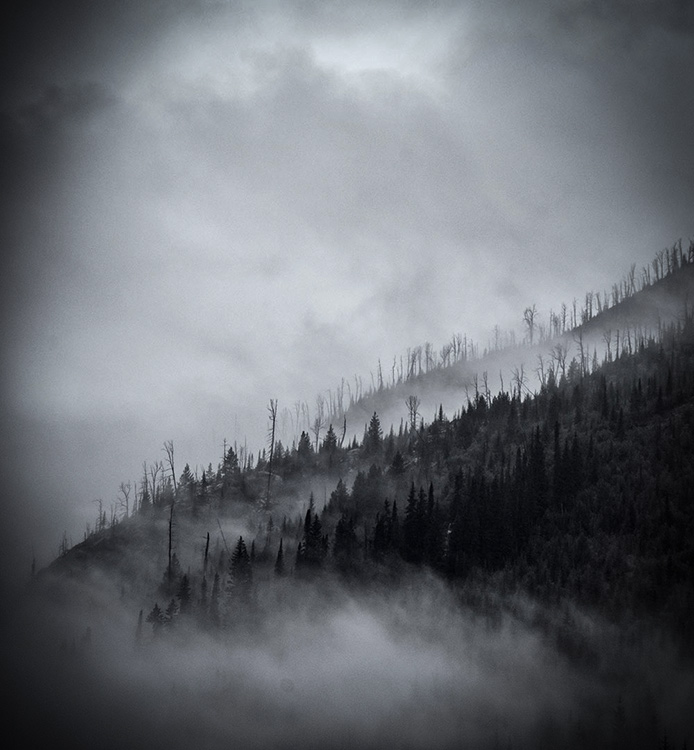
    2_DSC6358W

    A more intimate look at patterns, textures, and shapes with a 200 mm lens.

    So your choice of lens has a few considerations, but a quick check of your intention, and the surrounding space you are standing on, will help you solve this one.

    4) Should I Shoot Vertical or Horizontal?

    This is another common landscape photographer conundrum, and one that I often have myself. Fortunately this one is very easy to solve. My way of dealing with this is to shoot the scene both ways, then do an honest critique once I am back at a computer to view the full images. But given the traditional style of landscape photography, most often the horizontal or (curiously!) named “landscape” orientation will serve you best.

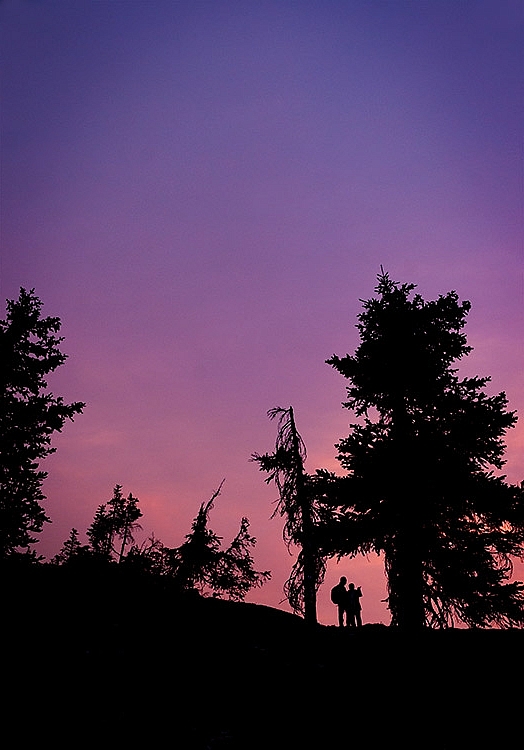
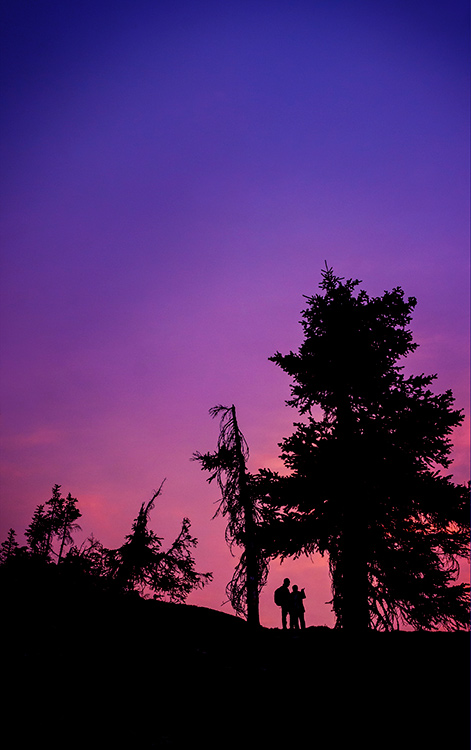
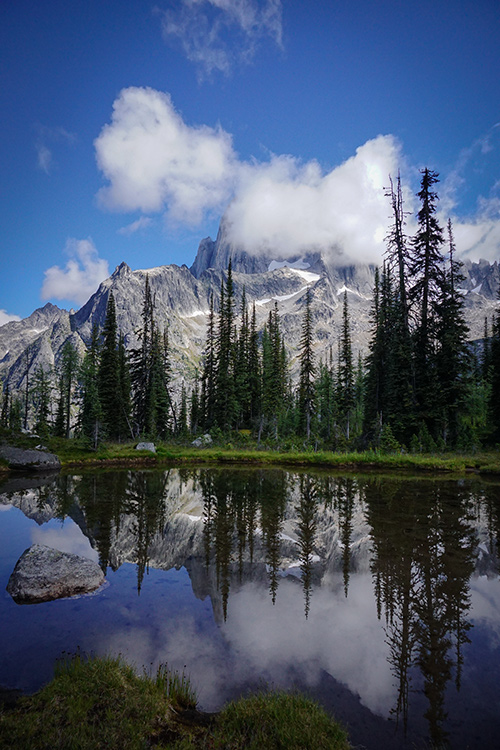
    However, some things may be more suitable for the vertical (portrait) camera orientation: scenes with reflections in lakes, scenes with dramatic skies where the sky has a dominant role in your story, scenes that include the moon, or a dramatic afternoon sun with some lens flare shining through trees or objects, and scenes that include people beside tall objects or monuments so you can capture the sense of scale.

    When in doubt, shoot both ways. It’s easier than having to go shoot the place again, if that is even possible. So conundrum #4: solved!
    DSC01030W

    _DSC1467

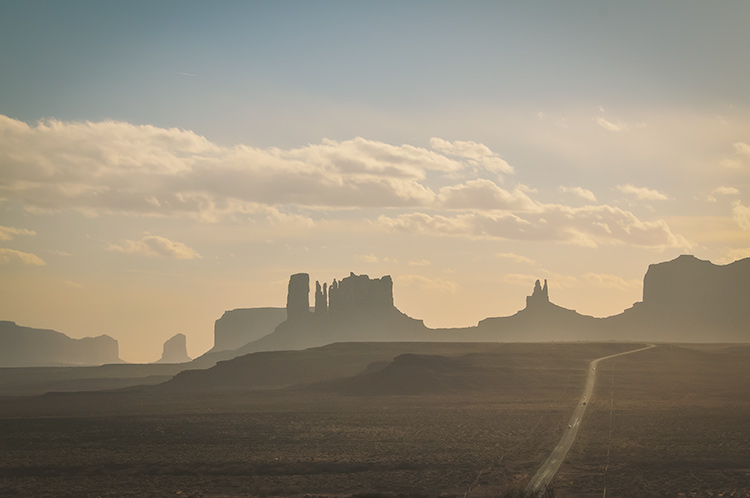
    Horizontal or landscape orientation – the scene has a certain mood and story.

    This image tells a very different story and has a different mood.
    _DSC1451W-

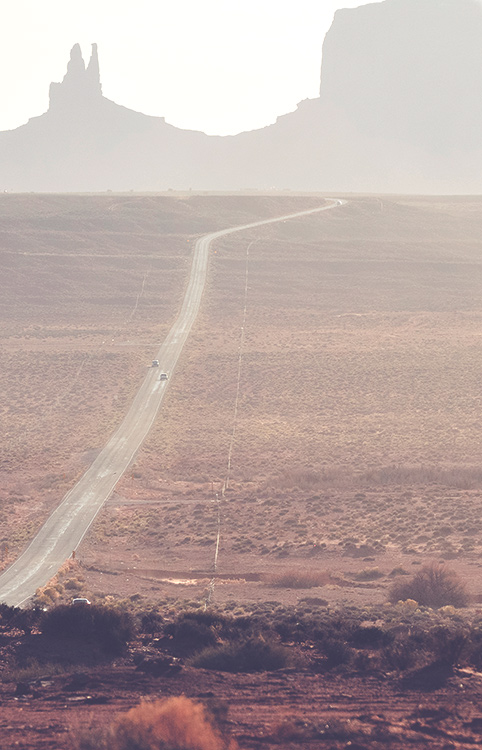
    Vertical shot, with a telephoto lens. Depth is compressed and the background is much closer in the frame.

    5) Is this scene photo-worthy?

    As unfortunate as it is, not every grand landscape is suitable for making a great photo. It may be that the light is not right, that there is just no place for the eye to rest, or that your point of view is not providing  a clear enough vantage point. There may be too many distracting items poking into your frame that would be too hard to remove in post-processing. There are numerous reasons that a landscape might not make a good photo. But consider this a challenge – capture it anyway, see if you can make something of it. Try different lenses, camera orientations, walk around a bit more. Get down like a worm and see if there is any vantage point that will give you a creative point of view.

    Practice every chance you get, and know that the conundrums will present themselves in every landscape, but hopefully now you have them solved!
    DSC00826W

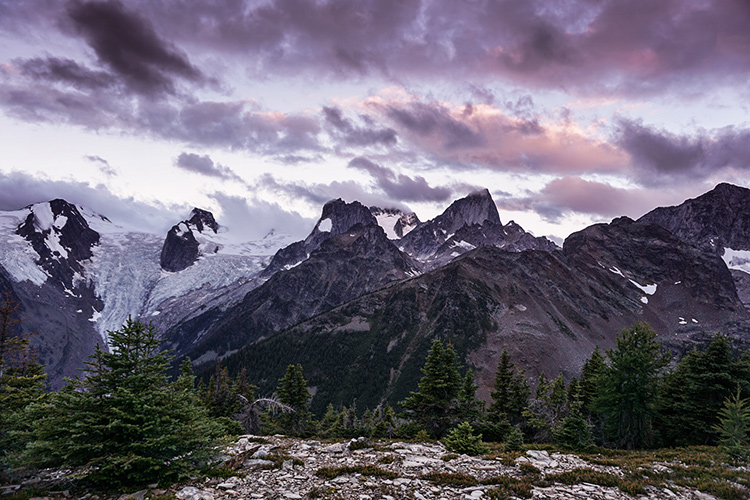
    A pretty scene, but not such a great photo. Not every landscape will make a killer photograph. Do you know how to tell if it will or not?

    Have you ever struggled with any of these conundrums? What are some of your landscape photography struggles?

    Have you solved them? How did you decide what to do?


    Here on dPS this is landscape week – here is list of what we’ve covered so far. Watch for a new article (or two) on landscape photography daily for the next couple days.

    • 6 Tips for Better Low-Light Landscape Photography
    • Landscape Photography and the Human Element
    • 5 Ways a Telephoto Lens Can Improve Your Landscape Photography
    • Landscape Photography from the Side of the Road
    • 32 Majestic Landscape Photos to Inspire Your Wanderlust
    • Weekly Photography Challenge – Landscape
    • Landscape Photography – Shooting the Same Location Through the Seasons

    googletag.cmd.push(function() {
    tablet_slots.push( googletag.defineSlot( “/1005424/_dPSv4_tab-all-article-bottom_(300×250)”, [300, 250], “pb-ad-78623” ).addService( googletag.pubads() ) ); } );

    googletag.cmd.push(function() {
    mobile_slots.push( googletag.defineSlot( “/1005424/_dPSv4_mob-all-article-bottom_(300×250)”, [300, 250], “pb-ad-78158” ).addService( googletag.pubads() ) ); } );

    The post How to Solve 5 Composition Conundrums Faced by Landscape Photographers by Alex Morrison appeared first on Digital Photography School.


    Digital Photography School
  • Landscape Photography – Shooting the Same Location Through the Seasons

    2-for-1 special

    As part of Landscape Photography Week here on dPS, we’re offering TWO for the price of ONE on our best-selling Living & Loving Landscape Photography ebooks!

    Click here to take advantage of this offer.


    Put up your hand if you like shooting landscape photography, and are always looking for new places – but only photograph them once, maybe twice, and then think you are done with that area.

    I am guilty of the same thing. I go looking for places to photograph, take photos of them, and think I will go back but never do. Perhaps this is something we need to rethink.

    Consider how the seasons affect landscapes and what changes happen throughout the year. In Australia the traditional owners of the land, or the indigenous people, have different seasons to the European ones, there are six of them. They are very descriptive of what happens, though the usual seasons of autumn, winter, spring, and summer can still provide lots of differences to give the same place different aspects.

    Autumn

    Put up your hand if you like shooting landscapes, are always looking for new places, but only photograph them once, maybe twice, and then think you are done with that area.  I am guilty of the same thing. I go looking for places to photograph, take photos of them, and think I will go back but never do. Perhaps this is something we need to rethink.  Consider how the seasons affect landscapes and what changes happen throughout the year. In Australia the traditional owners of the land, or the indigenous people, have different seasons to the European ones and there are six of them. They are very descriptive of what happens. Though the usual seasons of autumn, winter, spring and summer can still provide lots of differences to give the same place different aspects.  Autumn  The most obvious thing about autumn is the changing of the leaves. In some parts of the world, this happens a lot more and nearly all trees lose their leaves. In Australia it doesn’t happen so much and many of the native trees are evergreen and retain their leaves all year round. Having said that, there are also many introduced species that do, and in towns and some areas in the country you can find trees that have those beautiful, golden colors associated with autumn.  The changing of the leaves isn’t the only thing to look for. On billabongs, swamps and dams, you will often find low level mist creating wonderful moods. If you go out early in the morning, wait for the sun to rise and you can get some great effects from the sun rays as they hit the water.  There, sunrises are more interesting and sometimes there is a golden light that is associated with that time of morning that you can only see at that time of year. The golden hour that is normally associated with sunsets is there to give your landscape that rich color. It isn’t too cold in the mornings, but the weather is changing as winter approaches.  Before you go to bed check what the forecast will be the following day. What you are looking for is the weather to get worse, such as rain being forecast. In the morning before the sunrise take a look outside at the sky. If the sky is clear and there are no clouds, you won’t get that beautiful color that you get when the sun reflects off the clouds. If the sky is very grey, go back to bed, the change has already happened.  Winter  In winter the sun doesn’t go so high, so you can get long shadows all day. The shadows are softer and have a moist feel to them, especially in the morning when there is dew all over the ground. You can take photos at any time of the day and it is the best time of the year to photograph.  Frosts and fogs can give the landscape a completely different look, and heading out on a foggy morning can be well worth it. It is cold, but the images will make you glad you went. If you know it is going to be foggy or frosty in the morning you need to just head out, as you may not get many mornings with either of these. If you stay out long enough you might also be rewarded with an amazing sunny afternoon.  Stormy skies and rain can give another dimension to your images. Large storm clouds or grey skies can give a landscape a completely different look to when there are blue skies. Look for cloudy skies and breaks in the sun to give the scene in front of you a great effect.  Winter often means bare trees. Once the leaves have been stripped from them there are branches that can give your images interesting shapes and shadows. If you like photos with lots of mood, it is a perfect time to get it, especially if you get a great fog to go with them.  There is an array of colors that you don’t see at other times of the year. The dew in the early mornings makes everything wet which can bring out the colors and give you wonderful naturally saturated images.  Some of the most beautiful landscapes I have ever seen were taken when there is a blanket of snow. Unfortunately, in most places here, it never snows. If you live somewhere where it does, you should use it, brave the cold and just get out there and make the most of it.  Spring  The most obvious aspect of spring is flowers. It might be flowers in the garden, or wildflowers growing in their natural environment. Having them blooming in the landscape leaves no doubt that it is spring.  It is beginning to warm up as summer approaches, and, while the weather is getting better, there is also going to be lots of rain and more stormy skies as spring is often the wettest time of the year. You could try taking photos of your landscapes in the rain, it will give them a different look.  Spring is also the time that many baby animals are born, so you can see new life everywhere you look.  Waterfalls, creeks and rivers run faster and have more water in them as the snow melts. Go to your favorite waterfalls and see how the extra water adds more volume. You will get something quite different than you would if you photographing them at the end or the height of summer.  Summer  This can be the harshest season in Australia. It is dry and hot. Most of the grasses in the landscape die off, leaving brown grass everywhere. There is an absence of color and the landscape is very different to what you find in winter. The hot sun will also leach out all the color in what you see. A beautiful landscape that you get in other times of the year will look desaturated.  The light is harsh and hard. The sun is higher in the sky and the shadows are shorter. Going out to get nice pictures in the middle of the day is too hard, and often too hot. Though it shouldn’t stop you from trying. See what you can get and see if you can show that heat in the images. If you get those extreme days where the temperature is above 100°F then it won’t matter when you go, it will be horrible.  On a positive note, if you know the next day is going to be a scorcher, check for clouds and head out somewhere great for a landscape as you can be fairly certain that you will get the most magnificent sunset. You need clouds to get a great one and the more the better, but you don’t want overcast or you won’t see the setting sun. Don’t forget to hang around for an hour afterwards to get the best of it. Summer is the best time for those amazing sunsets, and over water means you get double.  In Australia it is very hot at that time of the year, but usually after a few days of intense heat it gets broken by a big thunder storm. You can head out, somewhere where you will be protected, and take some photos of the lightning and thunder clouds as they approach.  Using the Seasons for Your Photography  Think of your favorite places that are nearby, places you can get to easily. What are they like at different times of the year? How can you show those differences? It could give your photography a new focus, give it a try. I’ve been doing it for the last couple of years and it is amazing how you can get very different images from the same location.  If you have an area that you love photographing but feel as though you have exhausted it, consider documenting the change throughout the seasons with your camera.

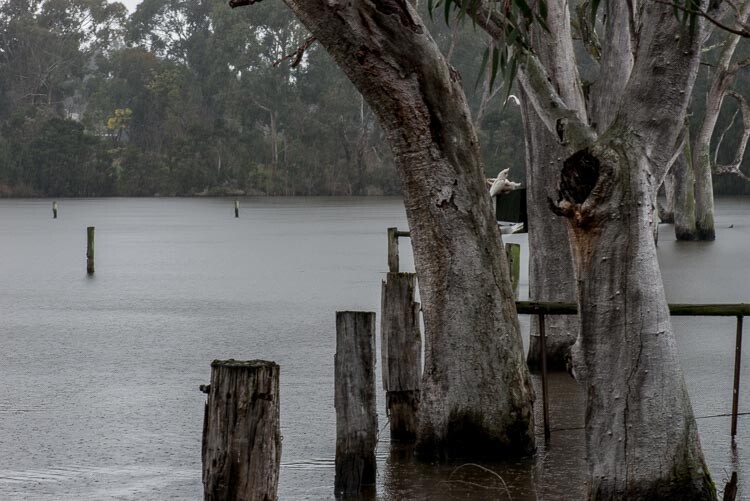
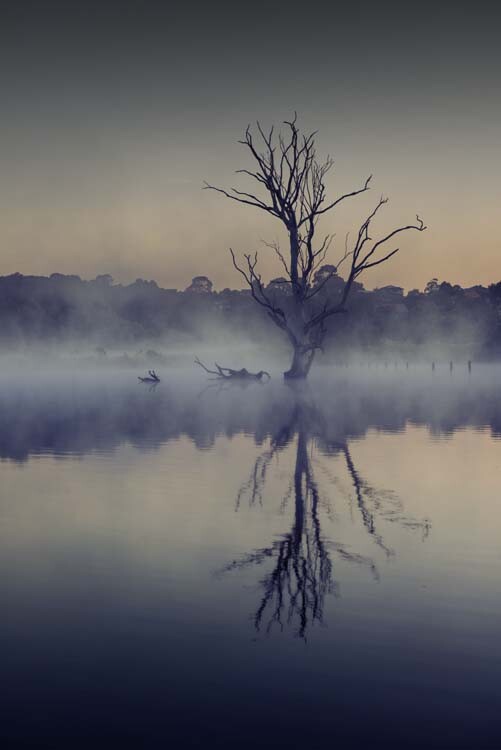
    Autumn brings low mist over the water in Banyule Flats.

    The most obvious thing about autumn is the changing of the leaves. In some parts of the world, this happens a lot more and nearly all trees lose their leaves. In Australia it doesn’t happen as much, and many of the native trees are evergreen which retain their leaves year round. Having said that, there are also many introduced species that do have color changing leaves, and in some towns and areas in the country you can find trees that have those beautiful, golden colors often associated with autumn.

    The changing of the leaves isn’t the only thing to look for. On billabongs, swamps and dams, you will often find low level mist creating wonderful moods. If you go out early in the morning, and wait for the sun to rise, you can get some great effects from the sun rays as they hit the water.

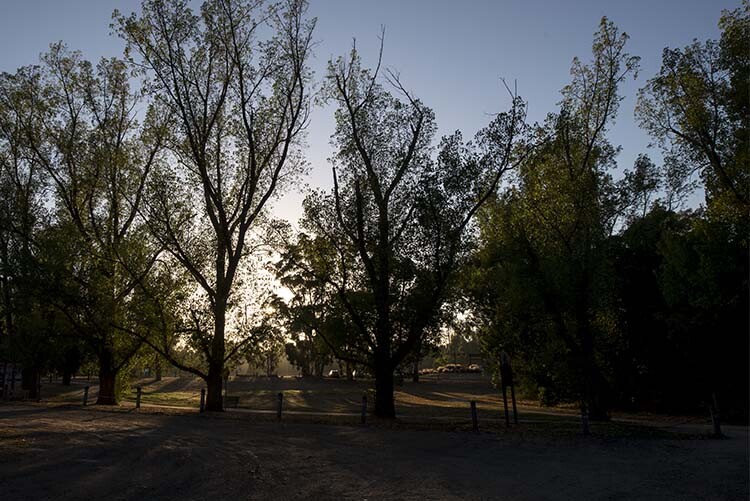
    In those types of locations, sunrises are more interesting and sometimes there is a golden light associated with that time of morning, that you can only see at that time of year. The golden hour that is normally associated with sunsets is there to give your landscape that rich color. It isn’t too cold in the mornings, but the weather is changing as winter approaches.

    cole-landscape-photography-seasons-0009

    Autumn’s early morning golden glow through some trees.

    Before you go to bed at night, check what the forecast will be the following day. What you are looking for is the weather to get worse, such as rain in the forecast. In the morning before the sunrise take a look outside at the sky. If the sky is clear and there are no clouds, you won’t get that beautiful color that only happens when the sun reflects off clouds. If the sky is very grey, go back to bed, the change has already happened.

    Winter

    cole-landscape-photography-seasons-0012

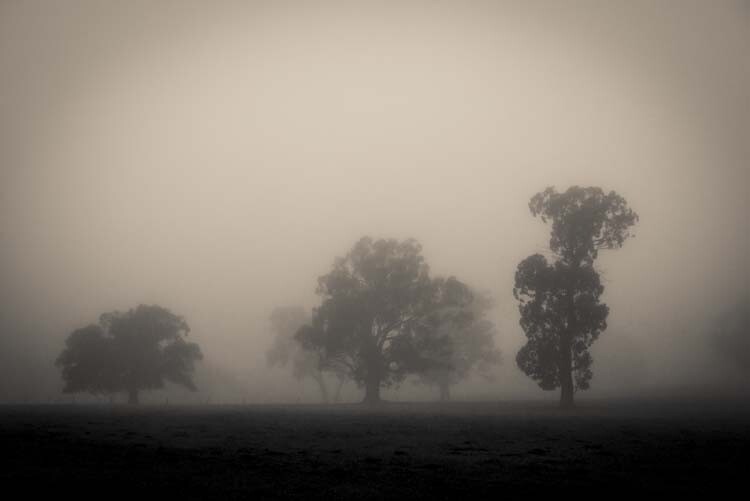
    Thick fog in the countryside, in the middle of winter.

    In winter the sun doesn’t get as high in the sky, so you can get long shadows all day. The shadows are softer and have a moist feel to them, especially in the morning when there is dew all over the ground. You can take photos at any time of the day, it is the best time of the year to photograph.

    Frosts and fogs can give the landscape a completely different look, and heading out on a foggy morning can be well worth it. It is cold, but the images will make you glad you went. If you know it is going to be foggy or frosty in the morning you need to just head out, as you may not get many mornings with either of those conditions. If you stay out long enough you might also be rewarded with an amazing sunny afternoon.

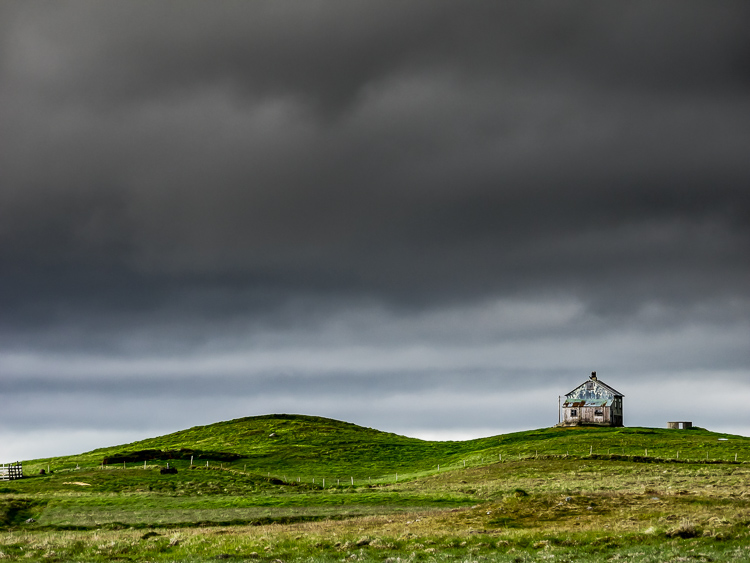
    Stormy skies and rain can give another dimension to your images. Large storm clouds or grey skies can give a landscape a completely different look compared to those with blue skies. Look for cloudy skies, and breaks in the sun, to give the scene in front of you a great effect.

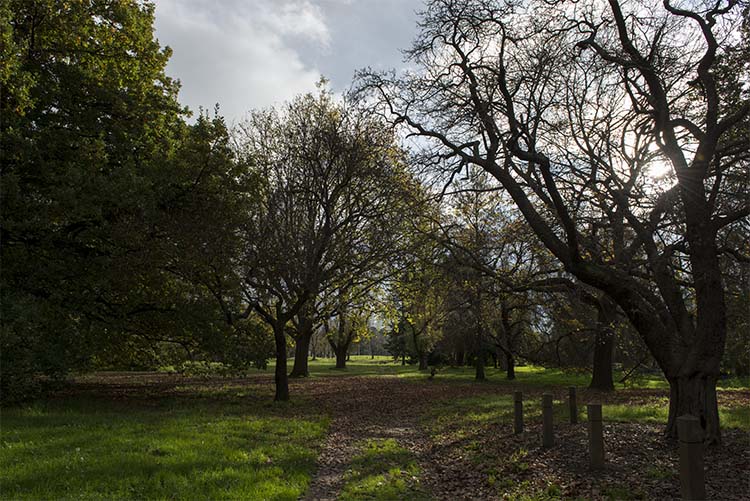
    Winter often means bare trees. Once the leaves have been stripped from them, there are branches that can give your images interesting shapes and shadows. If you like photos with lots of mood, it is a perfect time to get that, especially if you get a great fog to go with the bare trees.

    cole-landscape-photography-seasons-0010

    A typical Australian winter with some bare trees, long shadows and saturated colors.

    There is an array of colors that you don’t see at other times of the year. The dew in the early mornings makes everything wet which can bring out the colors and give you wonderful naturally saturated images.

    Some of the most beautiful landscapes I have ever seen were taken when there is a blanket of snow. Unfortunately, in most places here, it never snows. If you live somewhere where that it does, use it. Brave the cold and just get out there and make the most of it.

    Spring

    cole-landscape-photography-seasons-0014

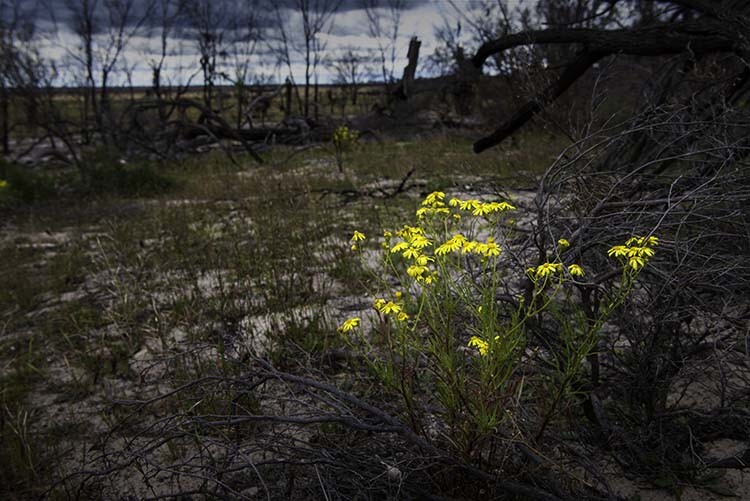
    Wildflowers add some color during spring.

    The most obvious aspect of spring is flowers. It might be flowers in the garden, or wildflowers growing in their natural environment. Having them blooming in the landscape leaves no doubt that it is spring.

    It is beginning to warm up as summer approaches, and, while the weather is getting better, there is also going to be lots of rain and more stormy skies, as spring is often the wettest time of the year. You could try taking photos of your landscapes in the rain, it will give them a different look.

    cole-landscape-photography-seasons-0015

    A spring rain on Banyule Flats.

    Spring is also the time that many baby animals are born, so you can see new life everywhere you look.

    Waterfalls, creeks, and rivers run faster, and have more water in them as the snow melts. Go to your favorite waterfall and see how the extra water adds more volume. You will get images that are quite different than you would if you photograph there at the end, or the height, of summer.

    Summer

    cole-landscape-photography-seasons-0008

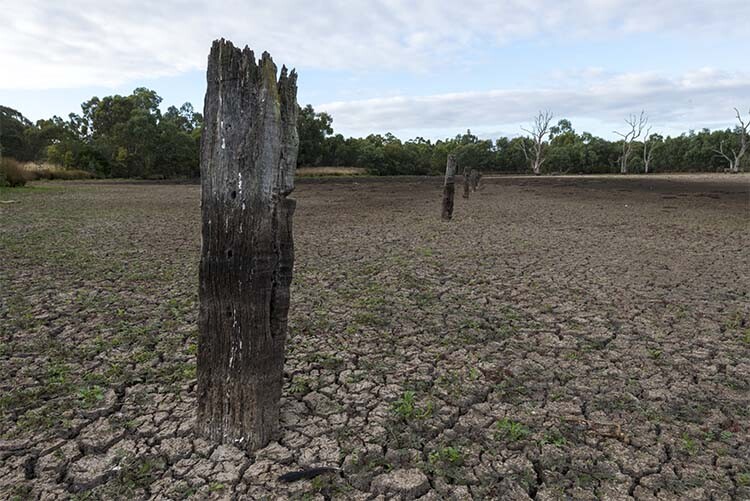
    Summer often dries out the swamp in Banyule Flats

    This can be the harshest season in Australia. It is dry and hot. Most of the grasses in the landscape die off, leaving brown grass everywhere. There is an absence of color and the landscape is very different to what you find in the winter. The hot sun will also leach out all the color in what you see. A beautiful landscape that you get at other times of the year, will look desaturated.

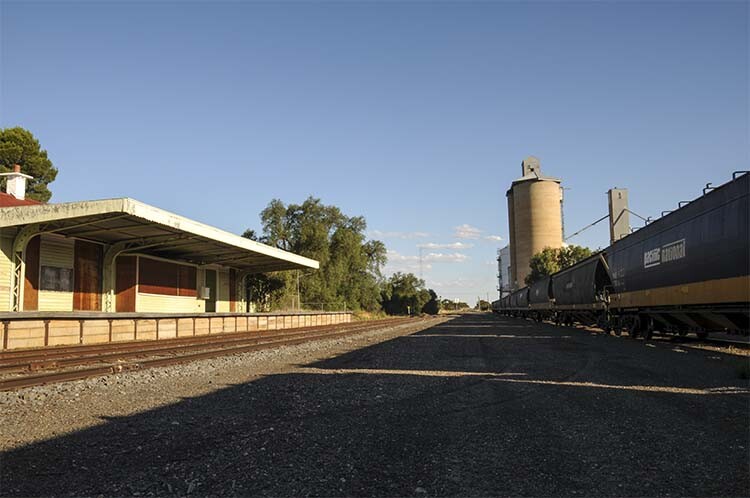
    The light is harsh and hard. The sun is higher in the sky and the shadows are shorter. Going out to get nice pictures in the middle of the day is too hard, and often too hot – though it shouldn’t stop you from trying. See what you can get and if you can show that heat in the images. If you have extreme days where the temperature is above 100°F (37.8°C) then it won’t matter when you go, it will be horrible.

    cole-landscape-photography-seasons-0013

    On a very hot summer day in the early evening, the sun is still very strong, and the shadows still harsh.

    On a positive note, if you know the next day is going to be a scorcher, check for clouds and head out to a great landscape photography location, as you can be fairly certain that you will get the most magnificent sunset. You need clouds to get a great one and the more the better, but you don’t want overcast or you won’t see the setting sun. Don’t forget to hang around for an hour afterwards to get the best of it. Summer is the best time for amazing sunsets, and over water means you get double.

    In Australia it is very hot at that time of the year, but usually after a few days of intense heat it gets broken by a big thunder storm. You can head out, somewhere where you will be protected, and take some photos of the lightning and thunder clouds as they approach.

    Using the seasons for your photography

    Think of your favorite places that are nearby, places you can get to easily. What are they like at different times of the year? How can you show those differences? It might your photography a new focus, give it a try. I’ve been doing it for the last couple of years and it’s amazing how you can get very different images from the same location.

    If you have an area that you love photographing but feel as though you have exhausted it, consider documenting the change throughout the seasons with your camera.


    Here on dPS this is landscape week – here is list of what we’ve covered so far. Watch for a new article (or two) on landscape photography daily for the next few days.

    • 6 Tips for Better Low-Light Landscape Photography
    • Landscape Photography and the Human Element
    • 5 Ways a Telephoto Lens Can Improve Your Landscape Photography
    • Landscape Photography from the Side of the Road
    • 32 Majestic Landscape Photos to Inspire Your Wanderlust
    • Weekly Photography Challenge – Landscape

    googletag.cmd.push(function() {
    tablet_slots.push( googletag.defineSlot( “/1005424/_dPSv4_tab-all-article-bottom_(300×250)”, [300, 250], “pb-ad-78623” ).addService( googletag.pubads() ) ); } );

    googletag.cmd.push(function() {
    mobile_slots.push( googletag.defineSlot( “/1005424/_dPSv4_mob-all-article-bottom_(300×250)”, [300, 250], “pb-ad-78158” ).addService( googletag.pubads() ) ); } );

    The post Landscape Photography – Shooting the Same Location Through the Seasons by Leanne Cole appeared first on Digital Photography School.


    Digital Photography School
  • QA: Cylindrical Aquarium Umbrella Reflections

    Photo ©Alison Carlino

    Reader Alison Carlino asks, via Twitter:

    "How could I light posed formals in front of tank w/no umbrella reflection showing?"
    __________

    Welp, there's good news and bad news.

    The bad news is there is no way to effectively stop those reflections from happening. I mean, it's a CYLINDER for Pete's sake, right?

    Fortunately, there is also good news. And it'll probably result in a forehead-smack moment for you.

    Read more »
    Strobist

  • 32 Majestic Landscape Photos to Inspire Your Wanderlust

    2-for-1 special

    As part of Landscape Photography Week here on dPS, we’re offering TWO for the price of ONE on our best-selling Living & Loving Landscape Photography ebooks!

    Click here to take advantage of this offer.


    This week is a deep dive into landscape photography here on dPS. Continuing on that theme I’ve selected a set of images that I hope will inspire you to get out into nature and do your own photography.

    If you can’t travel far, you may want to consider a cow safari closer to home for a fun afternoon. Enjoy!

    Photograph Stora Graenafjall by Xavier Jamonet on 500px

    Stora Graenafjall by Xavier Jamonet on 500px

    Photograph The Tower by Fra Trevi on 500px The Tower by Fra Trevi on 500px

    Photograph Golden Hour by Bobby Bong on 500px

    Golden Hour by Bobby Bong on 500px

    Photograph Autumn Dreams by Robin Halioua on 500px Autumn Dreams by Robin Halioua on 500px

    Photograph A long way by abdulla almajed on 500px

    A long way by abdulla almajed on 500px

    Photograph X light by Sebleu  on 500px X light by Sebleu on 500px

    Photograph Jet Airway by Miles Morgan on 500px

    Jet Airway by Miles Morgan on 500px

    Photograph Hump Rock by Miles Morgan on 500px Hump Rock by Miles Morgan on 500px

    Photograph B side by Dylan Toh  & Marianne Lim on 500px

    B side by Dylan Toh & Marianne Lim on 500px

    Photograph Moraine Lake by Aman Anuraj on 500px Moraine Lake by Aman Anuraj on 500px

    Photograph Iconify by Dylan Toh  & Marianne Lim on 500px

    Iconify by Dylan Toh & Marianne Lim on 500px

    Photograph Phantasm by Daniel Greenwood on 500px Phantasm by Daniel Greenwood on 500px

    Photograph Moravian landscape by Radek Severa on 500px

    Moravian landscape by Radek Severa on 500px

    Photograph Japanese Tranquility by Natasha Pnini on 500px Japanese Tranquility by Natasha Pnini on 500px

    Photograph The Last Ride by Rob Dweck on 500px

    The Last Ride by Rob Dweck on 500px

    Photograph Bold by Arthur Hoffmann on 500px Bold by Arthur Hoffmann on 500px

    Photograph Norway , Trollstigen by pascal Kiszon on 500px

    Norway , Trollstigen by pascal Kiszon on 500px

    Photograph Stacked Plates by Brandon Goforth on 500px Stacked Plates by Brandon Goforth on 500px

    Photograph Magic Dreams by Aitor Acedo on 500px

    Magic Dreams by Aitor Acedo on 500px

    Photograph Midnight sunset by Beboy Photographies on 500px Midnight sunset by Beboy Photographies on 500px

    Photograph Tree & Clouds by Carsten Meyerdierks on 500px

    Tree & Clouds by Carsten Meyerdierks on 500px

    Photograph Way to Paradise by Kilian Schönberger on 500px Way to Paradise by Kilian Schönberger on 500px

    Photograph Descent to Rivendell by Enrico Fossati on 500px

    Descent to Rivendell by Enrico Fossati on 500px

    Photograph Dream of Sunset by husham alasadi on 500px Dream of Sunset by husham alasadi on 500px

    Photograph Endor Redwoods by TJ "TJ Thorne" Thorne on 500px

    Endor Redwoods by TJ “TJ Thorne” Thorne on 500px

    Photograph Untitled by Luis Beltrán on 500px Untitled by Luis Beltrán on 500px

    Photograph A Portrait of a Landscape Photographer by Nagesh Mahadev on 500px

    A Portrait of a Landscape Photographer by Nagesh Mahadev on 500px

    Photograph Heaven by Miguel Angel Martín Campos on 500px Heaven by Miguel Angel Martín Campos on 500px

    Photograph You may say I'm a dreamer by Karen Plimmer on 500px

    You may say I’m a dreamer by Karen Plimmer on 500px

    Photograph Milford Wild Sunset by Soniel Dalumpines on 500px Milford Wild Sunset by Soniel Dalumpines on 500px

    Photograph Spring impression by Stefan Andronache on 500px

    Spring impression by Stefan Andronache on 500px

    Photograph BUTTER MERE TREE. by Neil Hulme on 500px BUTTER MERE TREE. by Neil Hulme on 500px


    Here on dPS it is landscape week. You can see the previous ones listed below. Watch for a new article (or two) on landscape photography daily for the next week.

    • 6 Tips for Better Low-Light Landscape Photography
    • Landscape Photography and the Human Element
    • 5 Ways a Telephoto Lens Can Improve Your Landscape Photography
    • Landscape Photography from the Side of the Road

    googletag.cmd.push(function() {
    tablet_slots.push( googletag.defineSlot( “/1005424/_dPSv4_tab-all-article-bottom_(300×250)”, [300, 250], “pb-ad-78623” ).addService( googletag.pubads() ) ); } );

    googletag.cmd.push(function() {
    mobile_slots.push( googletag.defineSlot( “/1005424/_dPSv4_mob-all-article-bottom_(300×250)”, [300, 250], “pb-ad-78158” ).addService( googletag.pubads() ) ); } );

    The post 32 Majestic Landscape Photos to Inspire Your Wanderlust by Darlene Hildebrandt appeared first on Digital Photography School.


    Digital Photography School
  • Weekly Photography Challenge – Landscape

    2-for-1 special

    As part of Landscape Photography Week here on dPS, we’re offering TWO for the price of ONE on our best-selling Living & Loving Landscape Photography ebooks!

    Click here to take advantage of this offer.


    Landscape photography is one of the most popular genres of the art form. There are many amazing places and just as amazing images of them.

    Photograph Someone New. by Rousz  Custman on 500px

    Someone New. by Rousz Custman on 500px

    Weekly Photography Challenge – Landscape

    Your job this week is to get out and shoot the landscape. Big or small, near or far, wide or close-up shot, b/w or color – just go do it. Here on dPS this is landscape week – so here are a few articles and tips to get you started. Watch for a new article (or two) on landscape photography daily for the next few days.

    • 6 Tips for Better Low-Light Landscape Photography
    • Landscape Photography and the Human Element
    • 5 Ways a Telephoto Lens Can Improve Your Landscape Photography
    • Landscape Photography from the Side of the Road
    • 32 Majestic Landscape Photos to Inspire Your Wanderlust
    Photograph in line by troy 16 on 500px in line by troy 16 on 500px

    Photograph Divine light by Edin Dzeko on 500px
    Divine light by Edin Dzeko on 500px

    Photograph Balance of Nature by Eric Daryl Giganto on 500px Balance of Nature by Eric Daryl Giganto on 500px

    Share your images below:

    Simply upload your shot into the comment field (look for the little camera icon in the Disqus comments section) and they’ll get embedded for us all to see or if you’d prefer upload them to your favourite photo sharing site and leave the link to them. Show me your best images in this week’s challenge. Sometimes it takes a while for an image to appear so be patient and try not to post the same image twice.

    googletag.cmd.push(function() {
    tablet_slots.push( googletag.defineSlot( “/1005424/_dPSv4_tab-all-article-bottom_(300×250)”, [300, 250], “pb-ad-78623” ).addService( googletag.pubads() ) ); } );

    googletag.cmd.push(function() {
    mobile_slots.push( googletag.defineSlot( “/1005424/_dPSv4_mob-all-article-bottom_(300×250)”, [300, 250], “pb-ad-78158” ).addService( googletag.pubads() ) ); } );

    The post Weekly Photography Challenge – Landscape by Darlene Hildebrandt appeared first on Digital Photography School.


    Digital Photography School
  • Reading List: 7 Great Photography Books for Beginners

    We like to think of ourselves here at Photodoto as a resource that beginning photographers can utilize to help them improve their photography and find new, interesting sources of inspiration. We even have our handy-dandy 7-day email course, which you can receive for free by entering your email in the box just to the right of this paragraph. But sometimes, Continue Reading

    The post Reading List: 7 Great Photography Books for Beginners appeared first on Photodoto.


    Photodoto

  • 5 Ways a Telephoto Lens Can Improve Your Landscape Photography

    2-for-1 special

    As part of Landscape Photography Week here on dPS, we’re offering TWO for the price of ONE on our best-selling Living & Loving Landscape Photography ebooks!

    Click here to take advantage of this offer.


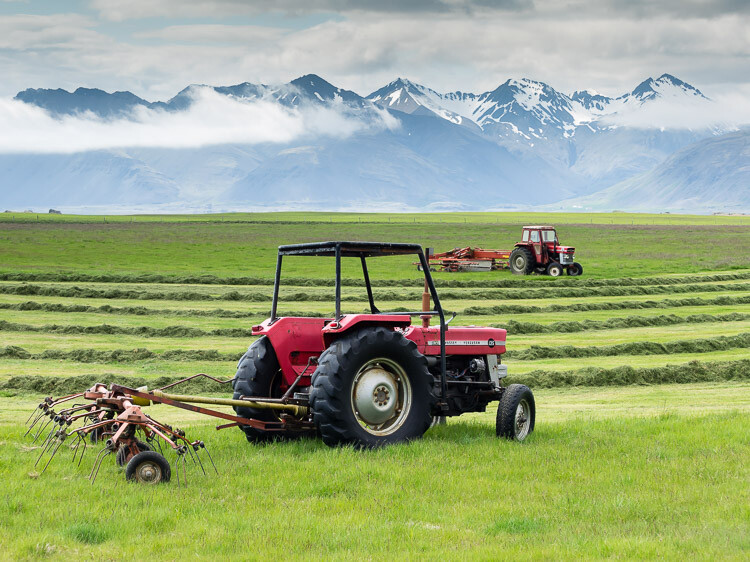
    While it may seem counter-intuitive at first, the most sophisticated compositions are often the simplest. For this reason, ultra wide angle lenses are not typically the ideal choice for outdoor images. By including too much information, you risk losing the subject to visual clutter. This creates a unique challenge for landscape photography. While it’s tempting to include the vast expanse of a splendid horizon, a stronger image may only contain a small portion of it. This is where a telephoto lens becomes an invaluable part of your kit.

    Here are five ways using a telephoto lens can help you do better landscape photography:

    1) Eliminate Clutter

    It’s rare to come upon a landscape that doesn’t require decluttering. Common sights include power wires, fences, trail head signs, unsightly dirt patches, and dumpsters. You can try to compose with your feet at first, but what about those situations when you can’t go any further?

    Where a wide angle lens falls short, a telephoto in the 70-300mm range, will be very useful. With such a lens, you can pick the precise area where all of the essential elements come together, and work to eliminate everything else.

    2) Isolate Your Main Subject

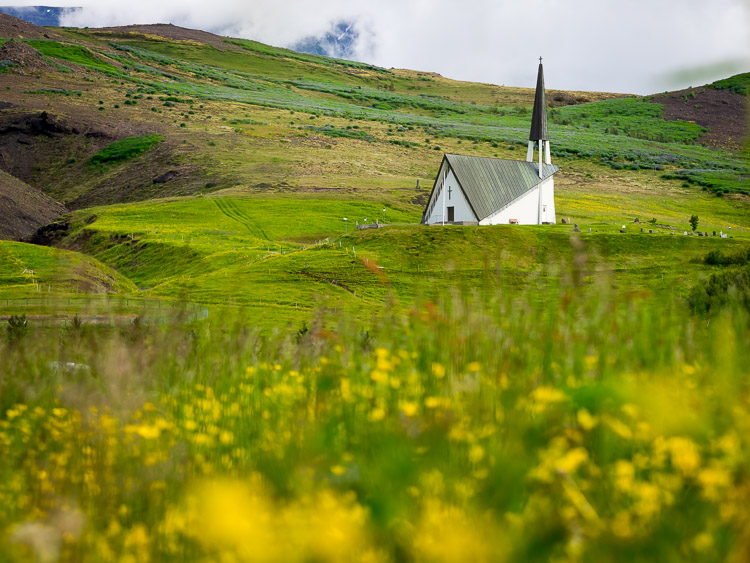
    A telephoto lens gives you the ability to pick a single part of a larger landscape and bring attention to it. Of course the increased reach isn’t the only part of the equation. You’ll still need to consider various methods of composition, like the rule of thirds and a strong foreground element. Try shooting from a low vantage point, through flowers or grass for added depth. At wide apertures foreground elements will become a nice wash of color that lead the eye to the subject.

    3) Expand Your Horizons

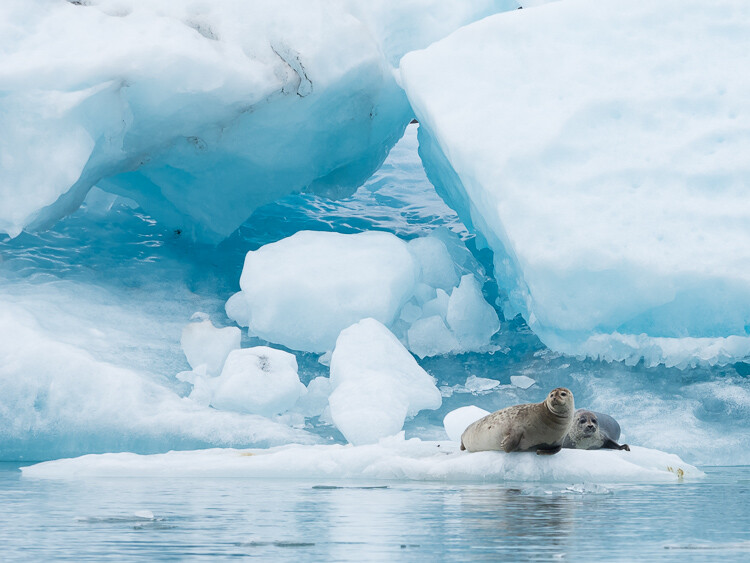
    The potential for subject matter multiples with a longer focal range. For instance, wildlife that would appear very small at 55mm, become much more prominent at 420mm. No longer are you just shooting landscapes, but possibly wildlife as well. Just remember that good technique is essential for sharp telephoto images. Even the slightest bit of camera shake will be magnified if your shutter speed is too slow. When shooting hand-held, try to set an exposure no slower than 1/500th of a second. Image stabilized lenses and camera bodies absolutely offer some flexibility here, but it’s best to err on the side of caution if your goal is to make tack sharp enlargements.

    4) A Different Perspective

    If you look at the front cover of many photo magazines, they often encourage the use of ultra wide angle lenses for landscapes. While it’s true that certain scenes come to life at 16mm, it’s the exception rather than the rule. If you’re looking to create a unique representation of a scene, a greater focal range can help you find it. At a time when it seems just about everyone has a camera, going beyond the reach of a normal kit lens can lead to extraordinary results.

    5) Finding Patterns

    By searching for organized patterns and repetition with a long lens, you can bring order to the world around you. This method of seeing will help to further develop your eye and strengthen your compositions. Rather than looking at the bigger picture, you’re choosing to focus on the smaller details.

    While this particular strategy of composition doesn’t require any overly technical methods, it does require a different approach. The trick is to zoom in and carefully scan the landscape through your viewfinder. Patterns don’t always reveal themselves right away, so take your time and compose carefully. You may be surprised at where you’ll find these unique photo opportunities as they can appear just about anywhere.

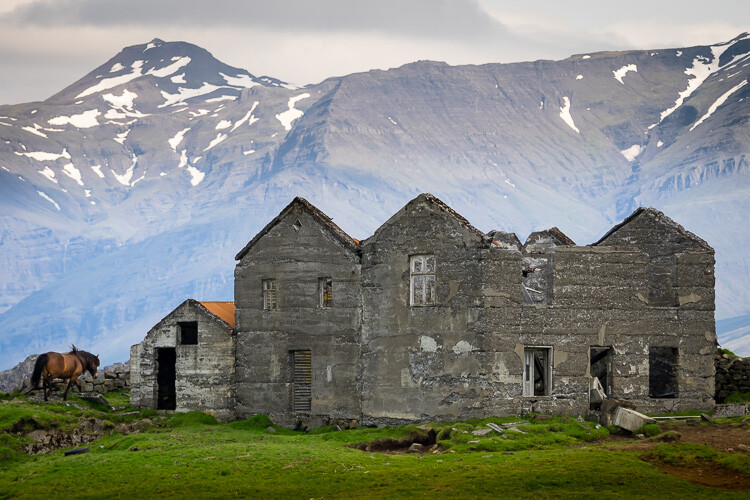
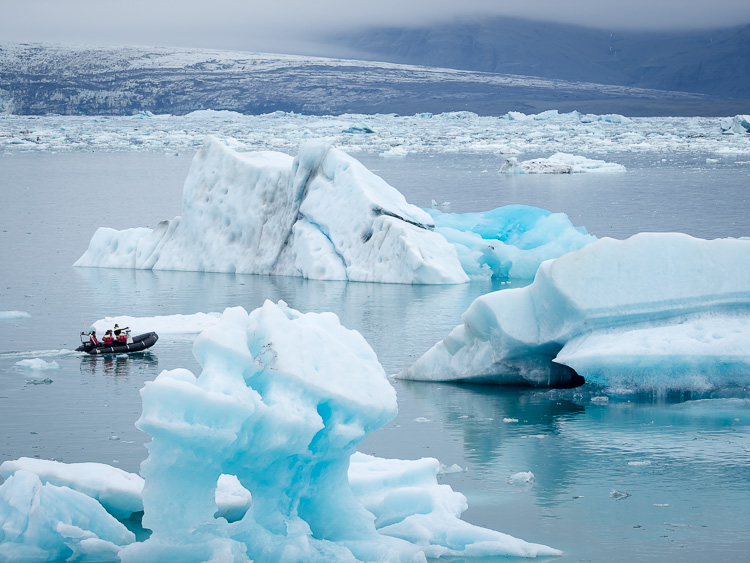
    All of these images were captured in Iceland where landscapes often have an abundance of empty space. There were definitely times when the wide angle came in handy, in tight quarters for example, or at the base of a waterfall. For just about everything else, a 40-150mm (Olympus OMD EM1 with the 40-150mm f/2.8, effective 80-300mm) proved more effective. In fact, many of my favorites were shot at the long end of the lens’ range. The next time you head out to photograph scenery, think long, and make a telephoto lens your first option.


    Here on dPS it is landscape week. You can see the previous ones listed below. Watch for a new article (or two) on landscape photography daily for the next week.

    • 6 Tips for Better Low-Light Landscape Photography
    • Landscape Photography and the Human Element

    googletag.cmd.push(function() {
    tablet_slots.push( googletag.defineSlot( “/1005424/_dPSv4_tab-all-article-bottom_(300×250)”, [300, 250], “pb-ad-78623” ).addService( googletag.pubads() ) ); } );

    googletag.cmd.push(function() {
    mobile_slots.push( googletag.defineSlot( “/1005424/_dPSv4_mob-all-article-bottom_(300×250)”, [300, 250], “pb-ad-78158” ).addService( googletag.pubads() ) ); } );

    The post 5 Ways a Telephoto Lens Can Improve Your Landscape Photography by Chris Corradino appeared first on Digital Photography School.


    Digital Photography School