Blog

  • Tips for Pre-Planning City Photography When Travelling

    You have finally arrived. After all the planning and decisions you are in one of the most beautiful places in the world. You have rested, and now you’re ready to go out to see what you can photograph.

    You look around and realize you’re overwhelmed, and you’re experiencing sensory overload. You can’t figure out what to photograph, as there are too many options, and you don’t know what will make a good image.
    leannecole-city-manhattan-skyline

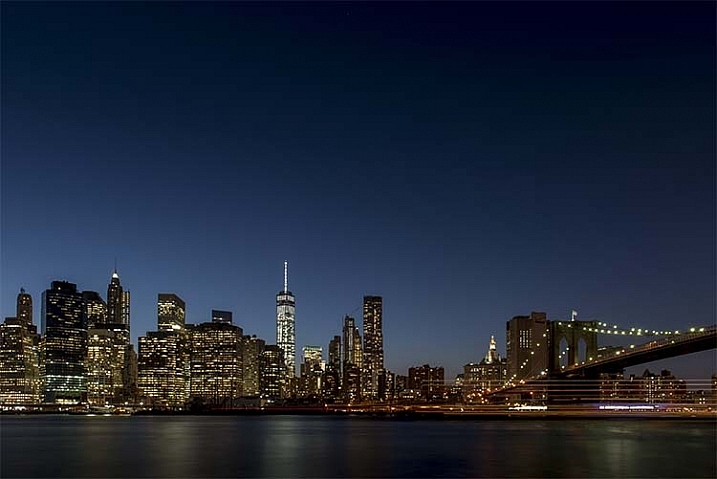
    Manhattan at dusk from Brooklyn Park

    This is a common problem when you find yourself somewhere that has so many amazing places to look at, and to photograph. It happened recently in New York to someone I was travelling with. She couldn’t work out what to do and how to approach where she was. She felt lost in a world of so many beautiful things to take photos of.

    If you find yourself in a similar situation, here are some tips to help you get past that.

    Figure out what you want to see

    Think about why you have travelled to this destination. There have to be reasons why you wanted to go there. It might be a good idea to do some research and get an idea of what you would like to see ahead of time.

    Make a list

    Once you have that, the next thing to do is to make a list of the places you want to visit. For example let’s say you are in New York City. Some examples of places to visit and things to do include:

    • Empire State Building
    • The Flatiron Building
    • Walk over the Brooklyn Bridge
    • Times Square
    • Take a ride on the subway
    • Explore Central Park
    • Pay your respects at the 9/11 Memorial

    Of course a city like New York is full of amazing places to go and photograph, these are just a few.

    Work out on a map, or, if you have internet access, Google Maps, where they all are and how many of them are near one another. You don’t want to see them all on the same day, so divide them up over a few days.

    What is the best time of day to shoot your chosen locations?
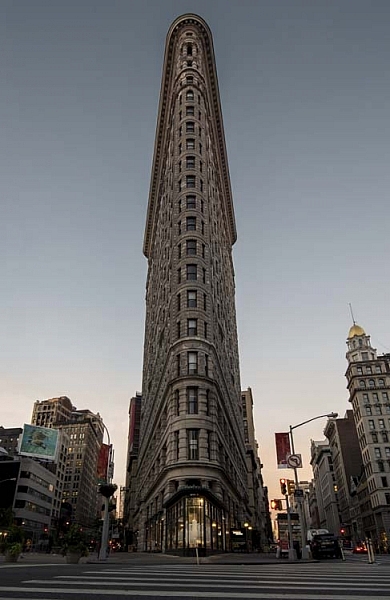
    leannecole-newyork-flatiron-whole

    The Flatiron Building in New York just after sunrise.

    It’s good to see where they are on the map as well for orientation. Can you see where they will be according the position of the sun each day? Take the Flatiron Building for example, would it be better to photograph it in the early morning, or in the late afternoon. Early morning during the sunrise could give you a lovely colour in the sky, but it will also mean that there will be less people around. If you are anything like me and don’t like people in your photos, then early morning can be the best time to see and photograph places.

    Then again, if you want to photograph Manhattan after walking over the Brooklyn Bridge then late afternoon is going to be a better time. You get the sunset and then the lights coming on in the city.

    The number of people at these places is also something to consider. New York is full of tourists, though many popular cities around the world are the same, so you need to think about whether or not you want them in your images. You can get photos without them, but that can take patience.

    How are you going to photograph your chosen spots?

    This is the part that can baffle a lot of people. Once you have narrowed down what you want to take photos, next you have to decide how to do it. There are several options, these might help you decide.

    It is very easy to walk up to a building, hold the camera up to your face, click, and then you’re done. That is often what you see tourists doing, the “I’ve been here and done that” type of image, but as photographers we usually want more than that. You can get a lot more from a location- here are some tips to help you get better images:

    1 – Photograph everything
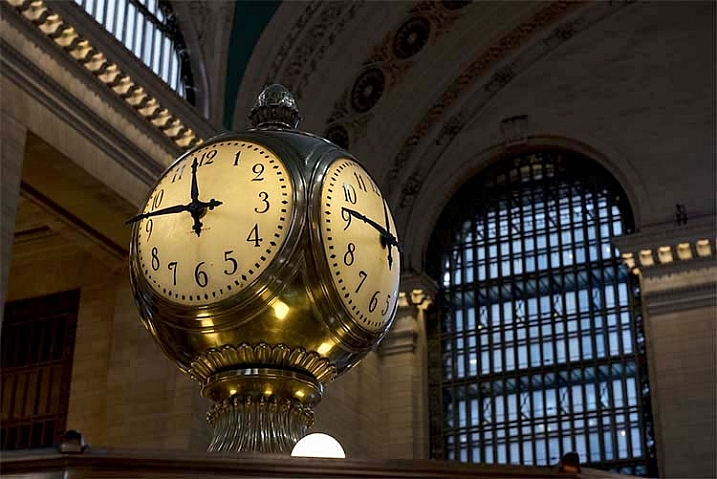
    leannecole-city-grand-central-station

    A close-up of the clock at Grand Central Station or Terminal

    With the age of digital, not having to worry about how much film is going to cost to buy or process, you really can photograph everything. If something catches your eye, then take a photo of it.

    Don’t analyze why, just do it. You can think about things too much, but keep in mind that you are there to take photos and it doesn’t matter, just snap away.

    2 – Focus on the details
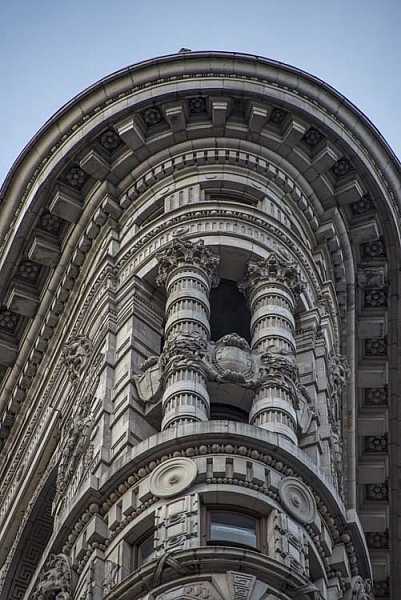
    leannecole-newyork-flatiron-detail

    Detail of the Flatiron Building in New York.

    Sometimes if you just look for the little things, the shape of a door, or some ornate decoration above a window, it can make a big difference.

    Old buildings are great for giving you lots of details. They were often built using heaps of ornamental decorations around doors or windows. Besides taking photos of the whole building or location, think about smaller things, and how a close-up of a certain aspect can help give more of an idea of what it looks like.

    If you look at the Flatiron Building, first you see the oddity of its shape, how it is placed within its environment, and then you start to see the stonemason’s work on the sides. It is covered in lacework and small sculptures.

    New buildings don’t have the type of stonework as the older ones, but you can still get some interesting images. Often instead of small things, the buildings themselves are one large shape. It can be good to find that shape and the best way to take an image of it.

    Take the new World Trade Centre, or, as it is commonly called, the Freedom Tower. It is an incredible shape which stands out all over the city. There is no denying it when you see it. Look at its form, and see if there is anything unique about it.

    3 – Consider its position in the environment
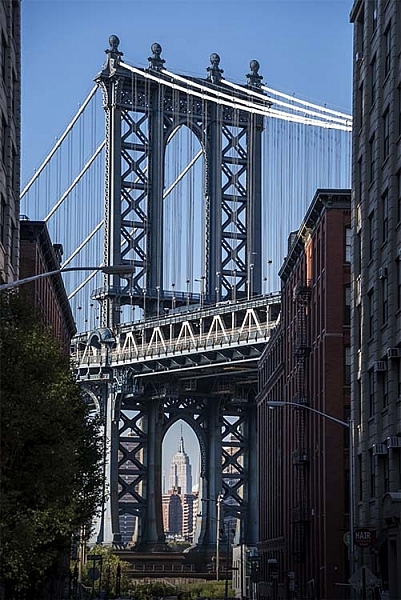
    leannecole-manhattan-bridge-empire-state

    Looking through Manhattan Bridge to the Empire State Building.

    The situation of the object you are photographing can help tell the story of it. Look around and see what else is there. Is it a busy street? Do people use it a lot? Is there a strange juxtaposition of what it is and where it is located?

    Central Park is so big, yet it seems almost a contradiction to see it inside a city of steel and glass. It can be seen as an escape, yet in certain places you can see the city above the line of trees.

    4- Look inside
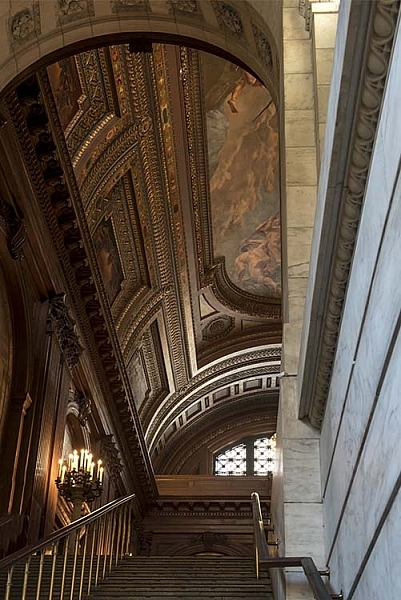
    leannecole-city-newyork-public-library

    The staircase and ceiling in the New York Public Library.

    There are many buildings that you can also photograph inside. Just make sure you have permission to do so first.

    Once inside don’t use the flash on your camera, it will give your a strange look and, if it is a big room, will have little affect. Most public buildings frown on the use of flash as well.

    Once you go into a building you will need to make your ISO higher, so don’t forget to raise it when you go inside.

    Staircases are wonderful to photograph in both directions. Old buildings often have wonderful light fittings and very ornate ceilings, try to capture those.
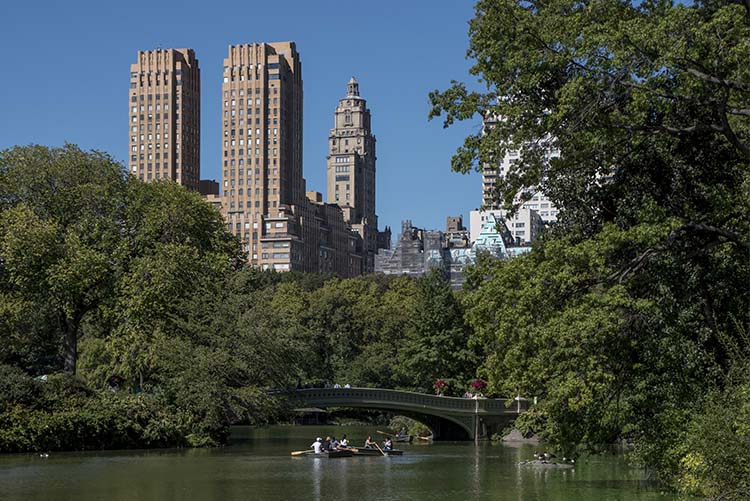
    leannecole-city-central-park

    New York appearing above the trees in Central Park and the Bow Bridge.

    Before you head out the door

    Remember what you want to do when you are out taking photos. If you make a list of what you want to photograph, or a summary of this list, then you will get what you want.

    If you are going to the Flatiron Building your list might look like this:

    • From across the street and straight on
    • From the left looking down the side street
    • Do the same on the right
    • Stand at the bottom and look straight up
    • Zoom-in on some of the different details on the building
    • Move to one side and have the building on the left or right and then show the street it is on

    This can be a good way to get the shots you want. You don’t want to get back home and wish you had done something else.

    If you think about all of these aspects of travel photography then it should help you to get over your feelings of being overwhelmed. It will help you focus on what you want to photograph, and how you want to see the city through your camera.

    googletag.cmd.push(function() {
    tablet_slots.push( googletag.defineSlot( “/1005424/_dPSv4_tab-all-article-bottom_(300×250)”, [300, 250], “pb-ad-78623” ).addService( googletag.pubads() ) ); } );

    googletag.cmd.push(function() {
    mobile_slots.push( googletag.defineSlot( “/1005424/_dPSv4_mob-all-article-bottom_(300×250)”, [300, 250], “pb-ad-78158” ).addService( googletag.pubads() ) ); } );

    The post Tips for Pre-Planning City Photography When Travelling by Leanne Cole appeared first on Digital Photography School.
    Digital Photography School

  • Audiovisual Trikes: Portable Projections Animate City Streets

    [ By WebUrbanist in Art & Installation & Sound. ]

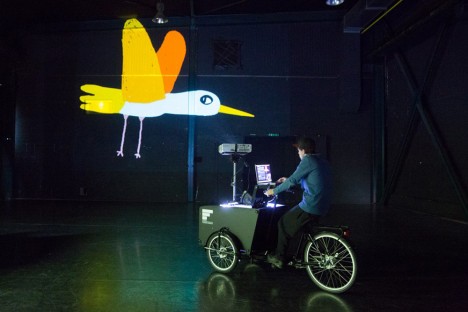
    audiovisual tricycle performance art

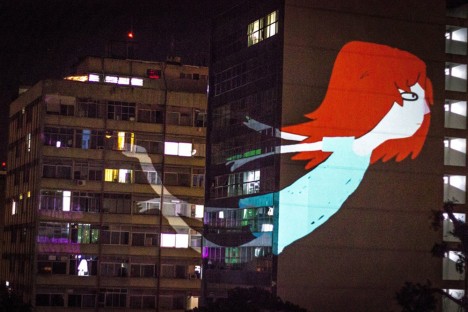
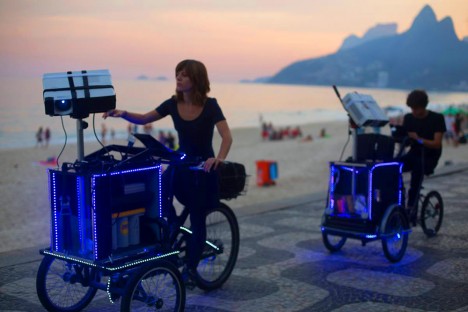
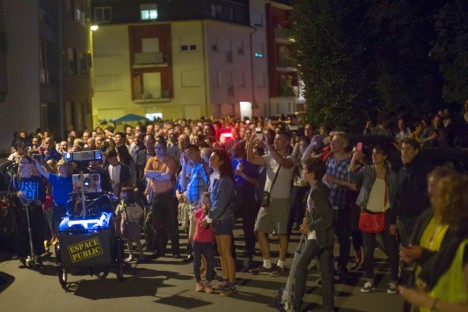
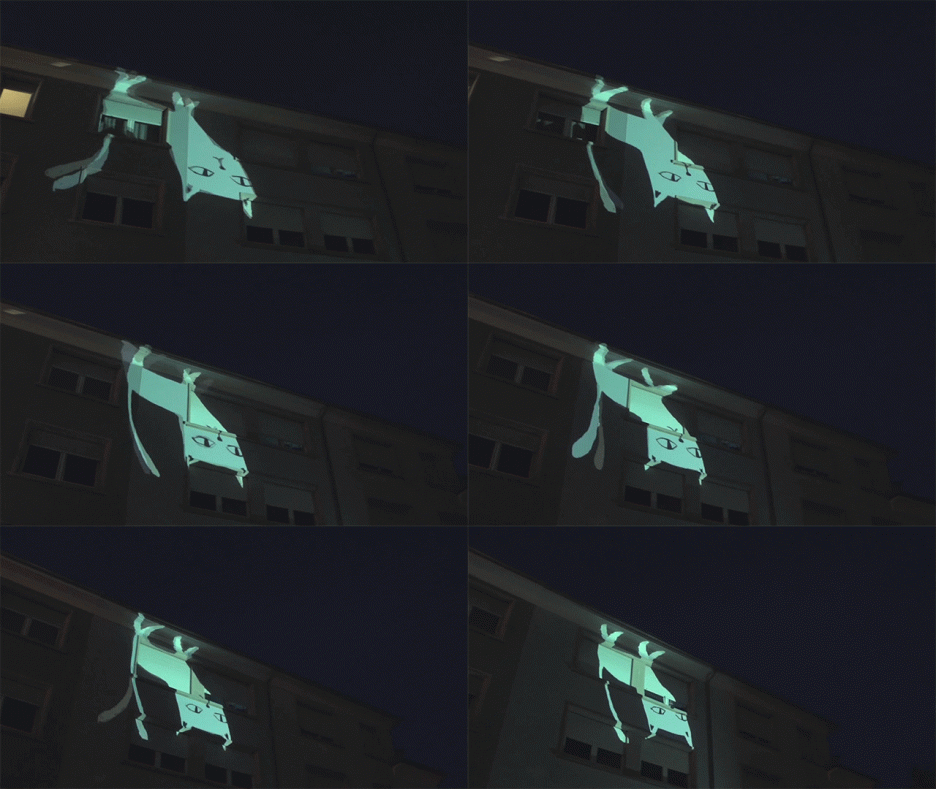
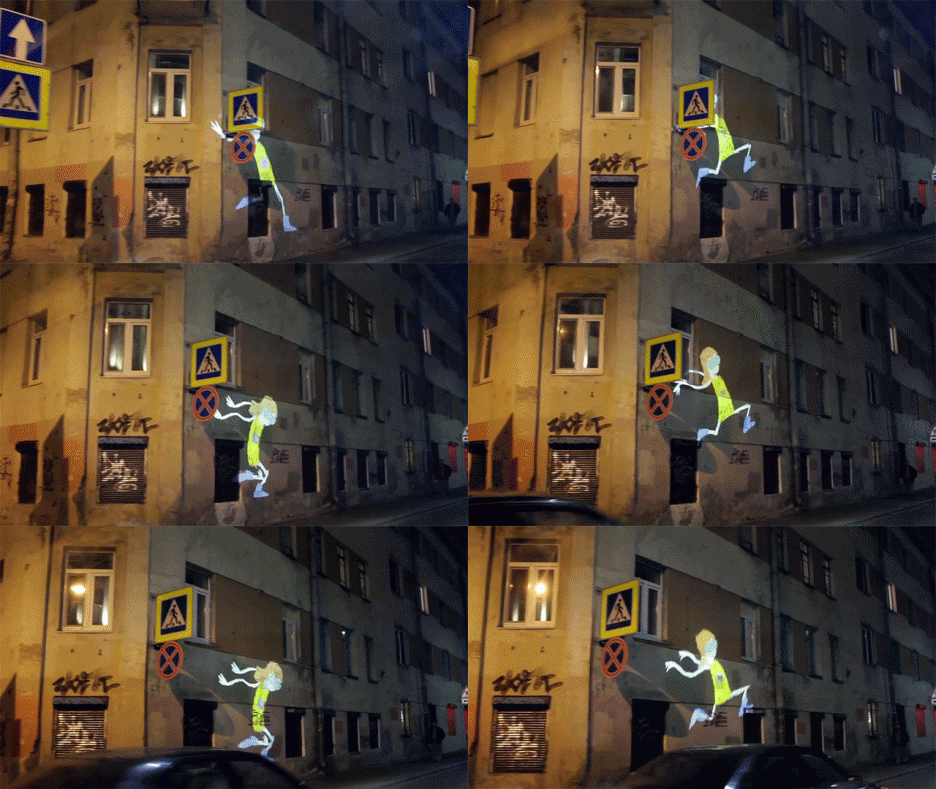
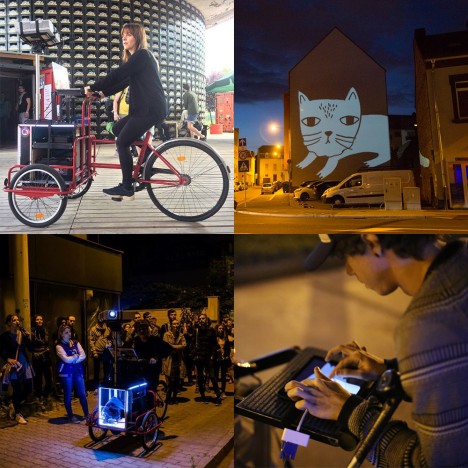
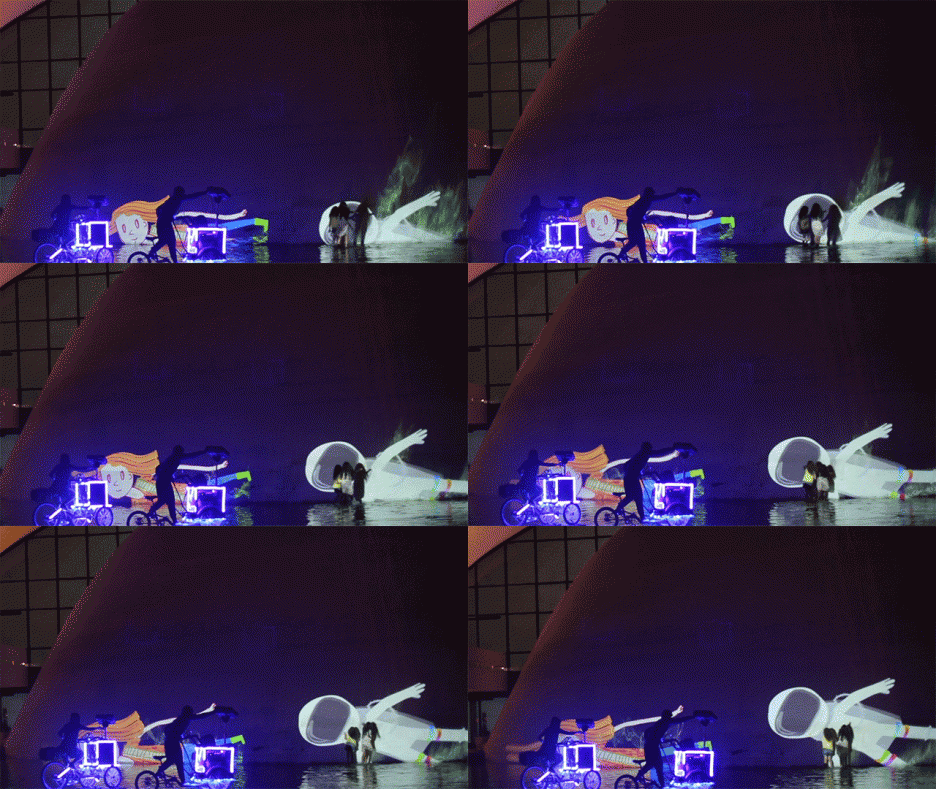
    Lighting up streets and sidewalks of Rio de Janeiro, these mobile animation units utilize the movement of tricycles and available city surfaces to create amazing and interactive works of art.

    interactive wall installation projection

    The so-called Suaveciclos were designed by artists Ygor Marotta and Ceci Soloaga of VJ Suave from São Paulo, combining batteries, laptops, projectors and speakers to create a multimedia experience.

    portable programmable light art

    portable projection wall art

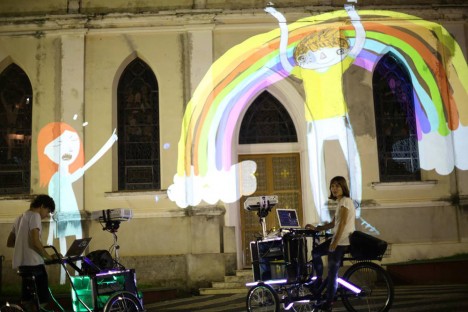
    While some of the works are projected up high, those aimed at human-accessible surfaces (roads, sidewalks or low walls) are remarkably engaging, sparking children to start playing with the live projections.

    portable light art demo

    portable swimming mermaid wall

    The versatility of these stop-and-go projection systems (tweakable to context) make it easy for the artists to react to crowds, stopping where popular or pressing on when their work at one site has run its course. They have pedaled their act in cities in Russia, Luxembourg, Slovakia Germany and Switzerland as well.

    portable vj sound and light

    portable speakers projectors

    portable public art

    From the artists: “small narratives with characters and poetry can travel open spaces, lighting walls on a large scale. The projections illuminate walls, trees, lakes, sidewalks and propose a playful interactivity with the public. With the video manipulated in real time, Suaveciclos bring art to all audiences and create unique moments between the city and the viewer.
    In their playful universe, vjsuave deals with current themes with ambient sound accompanying the performance” (h/t Colossal and  Prosthetic Knowledge).


    Share on Facebook


    [ By WebUrbanist in Art & Installation & Sound. ]

    [ WebUrbanist | Archives | Galleries | Privacy | TOS ]


    WebUrbanist

  • Erez Marom: On the importance of naming images

    Landscape and nature photographer Erez Marom has a lot of experience getting images in tough locations all over the world. Getting great shots takes a lot of work, but how many of us spend any time considering how to name our images? In this article, Erez takes us through his thought-process when titling his images, and explains why he thinks it’s so important. Click through to read the full article

    Articles: Digital Photography Review (dpreview.com)

  • Baker’s Doesn’t: 13 Sweet Abandoned Donut Shops

    [ By Steve in Abandoned Places & Architecture. ]

    abandoned-mister-donut-mug-centralia
    Sorry Homer (and countless men in blue), these closed and abandoned donut shops have served their last sprinkled, frosted and/or creme-filled delicacy. DOH!

    abandoned-dunkin-donuts-shop-2

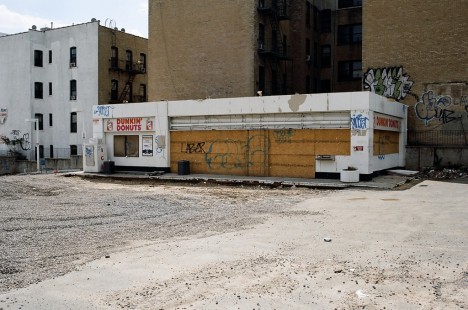
    An abandoned donut shop in Crown Heights? That ain’t kosher… and maybe that was the problem. Flickr user Anthony Fine (pop archaeologist) snapped the sad state of this boarded-up former Dunkin Donuts store on May 19th, 2014. At least a tree grows in Brooklyn; donut shops, not so much.

    Panned Out

    abandoned-donut-shop-peter-pan-1a

    abandoned-donut-shop-peter-pan-1c

    abandoned-donut-shop-peter-pan-1b

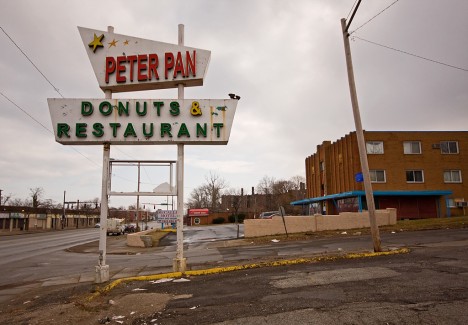
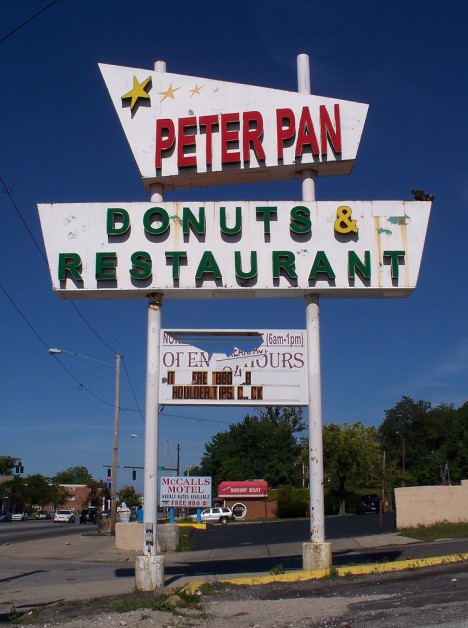
    How good was the food at Peter Pan Donuts & Restaurant? Since the owners put “Donuts” before “Restaurant” on their sign, you can probably draw your own conclusions. We’re sure Spinal Tap felt the same way after getting second-billing to a Puppet Show. Nice sign, though. Flickr users Randy Fox (congoeels) and Scott (scottamus) captured the abandoned and deteriorating Cleveland, Ohio “landmark” on various occasions between 2009 and 2013.

    The King Is Dead

    abandoned-donut-king-4

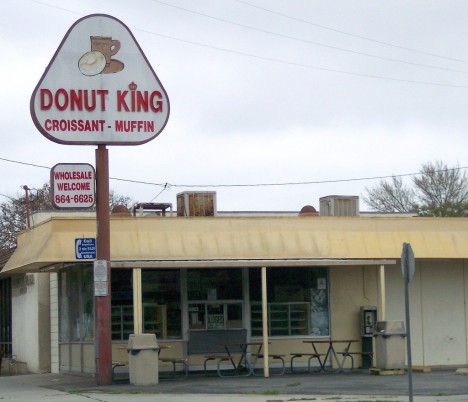
    Winchell’s Donuts couldn’t make a go of it at this Norwalk, CA location so “Donut King Croissant – Muffin” took a stab at it… and saw history repeat. Don’t people learn from the mistakes of others? Mind you, offering the “wholesale” option was a stroke of genius. Mmmm, wholesale donuts. Flickr user ozfan22 snapped the deposed Donut King on March 29th of 2009.

    Unhappy

    abandoned-happy-donuts-11

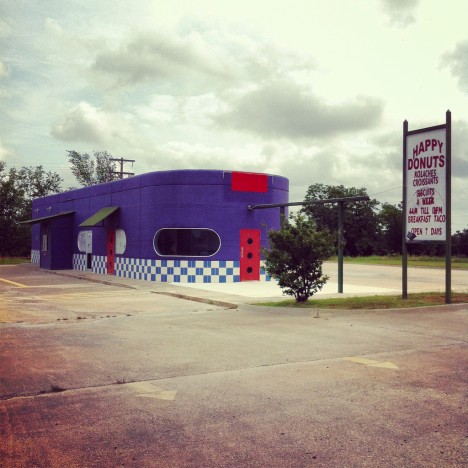
    Flickr user Lindsay Blair Brown Instagram captured Happy Donuts in all its abandoned glory on May 6th, 2012. She didn’t say where the colorful shop was but maybe sharp-eyed readers can make an educated guess based on its offerings: kolaches, croissants, biscuits, and breakfast tacos. Serving up these delicacies 7 days a week, how could this place ever close?

    Next Page – Click Below to Read More:
    Bakers Doesnt 13 Sweet Abandoned Donut Shops

    Share on Facebook


    [ By Steve in Abandoned Places & Architecture. ]

    [ WebUrbanist | Archives | Galleries | Privacy | TOS ]


    WebUrbanist

  • Toshiba to sell sensor business to Sony for $165 million

    Toshiba is finalizing plans to sell its image sensor business to Sony for an estimated $ 165 million (¥20 billion) in a bid to raise cash after a $ 1.3 billion accounting scandal. Toshiba has been unloading assets as part of its restructuring plan. Sony currently has 40% of the growing image sensor market, and is quadrupling spending to keep up with demand.

    Articles: Digital Photography Review (dpreview.com)

  • 25. Oktober 2015

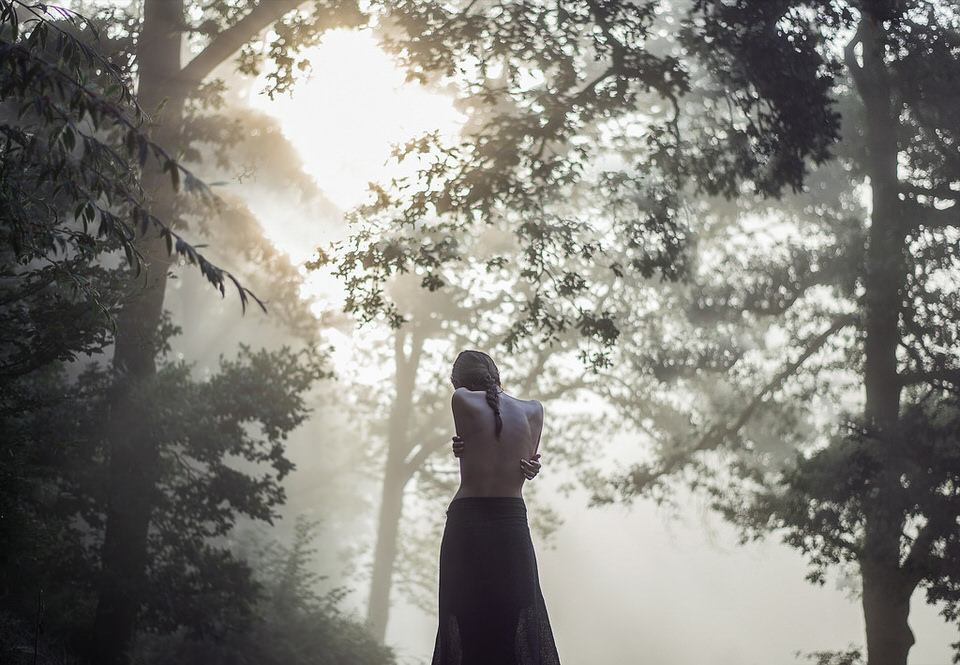
    Das Bild des Tages von: Catalina Koe

    Rückenbild mit Nebel

    Im Ausblick wird es heute wunderbar herbstlich.
    kwerfeldein – Fotografie Magazin | Fotocommunity

  • Die 5 Videos des Monats

    Urban Media Festival © Aileen Wessely

    Hurrah, der Herbst ist da! Während in der Natur die Farben verrückt spielen und unzählige Fotomotive plötzlich aus dem Nichts auftauchen, werden gleichzeitig leider auch die Tage kürzer und dunkler. Für die Abendstunden haben wir uns daher nicht lumpen lassen und extra für Euch wieder die besten Videos aus dem Großbereich Fotografie aus dem Internet zusammengekramt. Viel Spaß!
    kwerfeldein – Fotografie Magazin | Fotocommunity

  • In pictures: PhotoPlus Expo 2015

    There’s really no event on the photo industry’s yearly calendar like PhotoPlus Expo. Occupying the Javits Center in Manhattan, it’s an opportunity for us to get our hands on new gear and talk with manufacturers about what’s coming next. There’s nothing like a show in the Big Apple – see for yourself. Read more

    Articles: Digital Photography Review (dpreview.com)

  • Five Techniques for Creating Impressionist or Abstract Photography

    Whether you are new to photography, or have been photographing for a while, I’m sure you’ve gone through times when the ideas weren’t flowing, and inspiration was nowhere to be found. This happens to all of us. So how do you find ways to stay inspired and get the creative juices flowing again? Try abstract or impressionist photography. Finding inspiration isn’t about stepping outside of your box, it’s about stretching your limits, and abstract photography is the best way to learn to see things in a completely new and different way.

    1 Look for shapes Irys by Eva Polak

    Abstract and impressionist photography leave things to the imagination and help you concentrate on texture, form, and colour. Instead of making everything look real, I invite you to use bold colours, shapes, and lines to make exciting images.

    So let’s start exploring the creative process of abstract photography. Here are five easy techniques that will help you to learn new skills and get your creative juices flowing.

    1. Look for shapes, patterns and textures

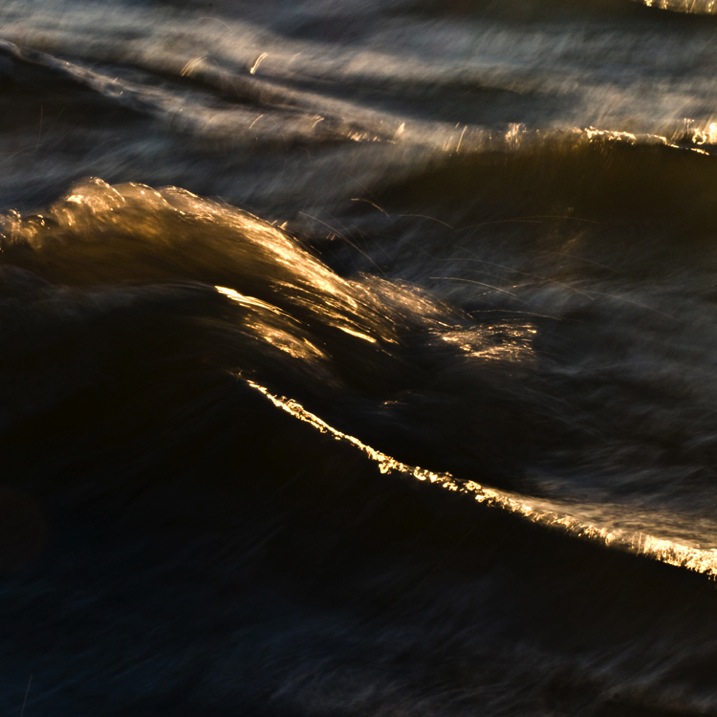
    As you go about your daily activities, notice the shapes around you. Your house is full of interesting shapes, patterns and textures that can be used to make abstract photos. Look closely at different objects around you and consider whether there are any reoccurring shapes or themes within the object – then use them to your advantage. Lines can be used very effectively in a photograph, as the eye will tend to follow a line through a shot. Look at the undulating pattern the wave makes (see below), as it breaks into shore. In the city, look for patterns formed by the buildings. Discover different textures in flowers arrangements in the park (see photo above).

    1 Look for shapes Waves by Eva Polak

    2. Look for reflections

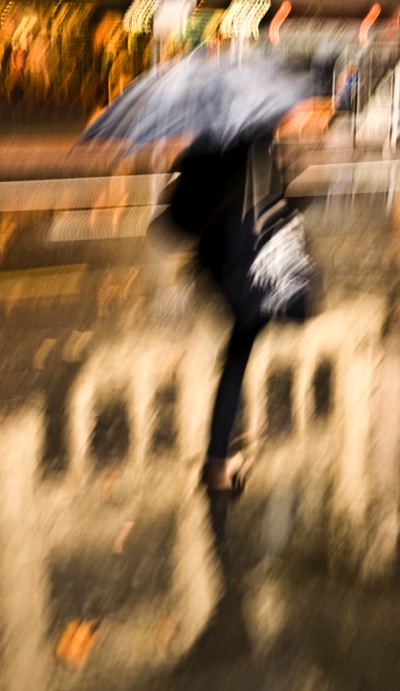
    Reflections are one of the best ways to create abstract and impressionist photography. If you look carefully, you’ll see they are everywhere. As you walk around, look for smooth surfaces. Think about how you can use reflections to capture a viewpoint that you simply couldn’t have shot otherwise. Pay attention for colourful reflections in rain-soaked streets, they will create shimmering images with an impressionistic quality. Also, still lakes and rivers can create some wonderful reflective surfaces. When a surface is textured or shaped, unusual and interesting reflections can appear.

    2 Reflection Seagull by Eva Polak

    2 Reflections Rainy streets by Eva Polak

    3. Defocus

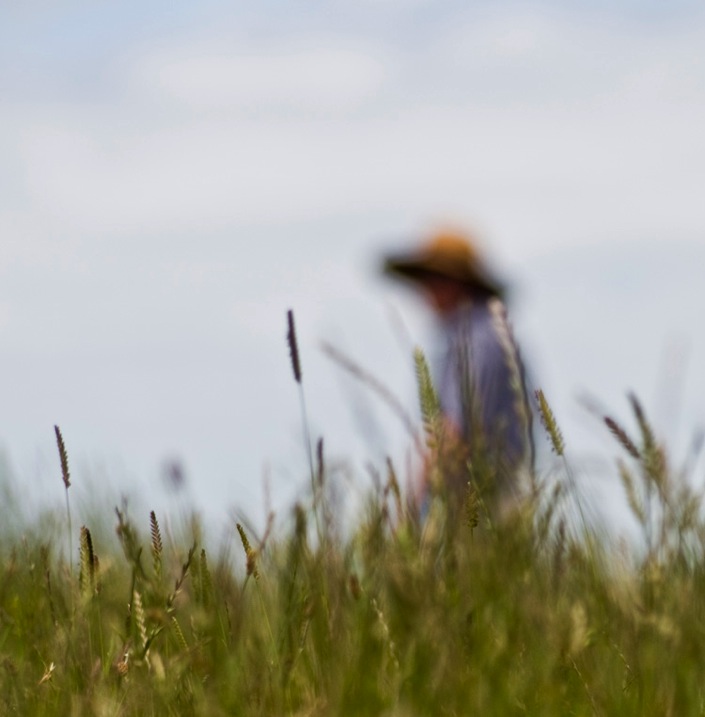
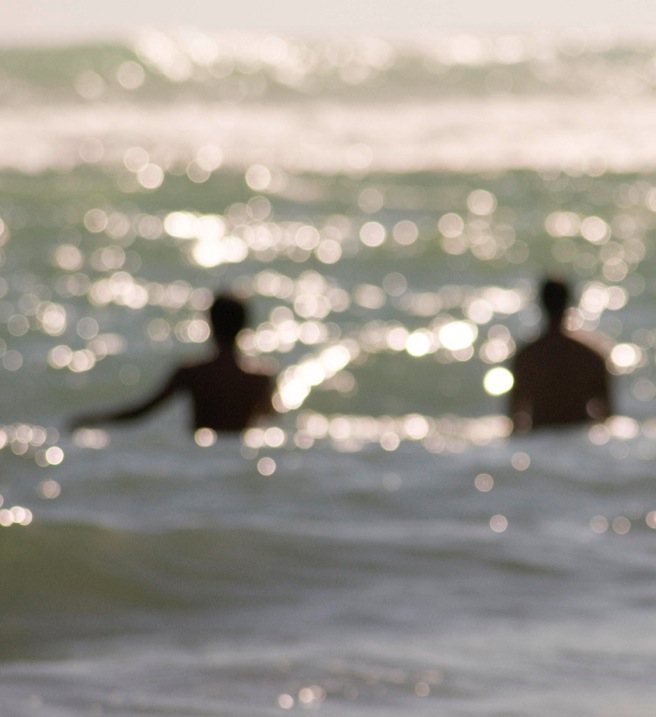
    Pulling the lens out of focus is a quick way to give a scene an impressionistic look. Use Aperture Priority mode that allows you to set your lens to the widest aperture (small numbers such as f/2.4 or f/4). This is critical because you want a very shallow depth of field. Switch your lens to manual focus and start looking at things through the camera. Turn the focus ring until everything is blurry. Try varying the focus on the same scene to find out how much blur suits your subject best.

    3 Defocus Lonly  by Eva Polak

    3 Defocus Swimmers by Eva Polak

    4. Pan your camera

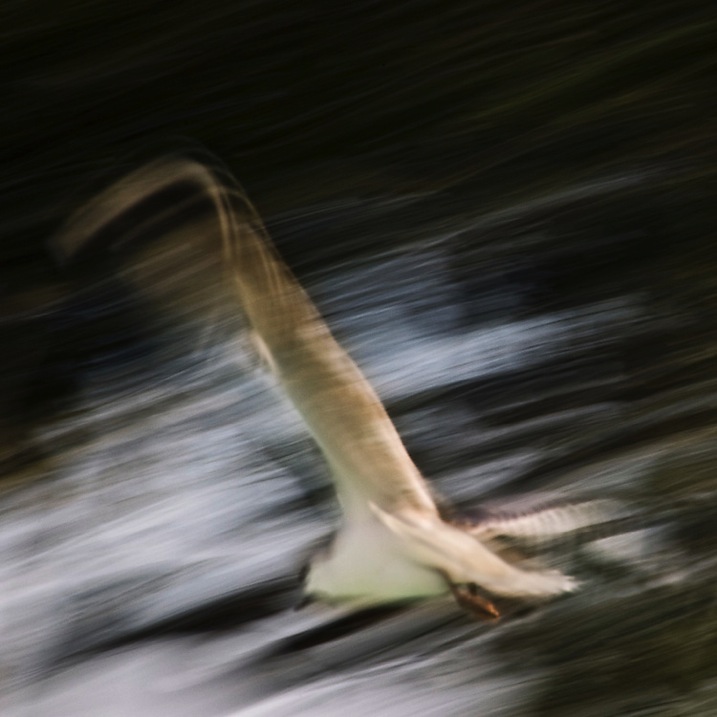
    Panning is a fun technique to learn, and although it takes some practice, it is relatively easy to get started. You can pan running people, bicycles, cars, or just about anything that is moving. Once you have your subject, set the camera to shutter priority with the shutter speed between 1/10th and 1/60th of a second. As your subject approaches, focus on it and start tracking with your camera until you are confident that you are moving in sync with the subject.

    4 Pan your camera Flight by Eva Polak

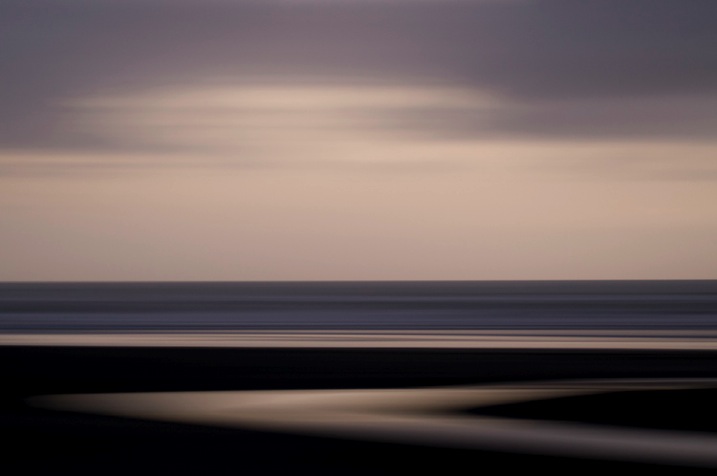
    The trick to a successful camera-panning image is in finding a suitable subject. Strong vibrant colours are ideal, and lines through the frame will keep the colours distinct and separated. Apart from panning moving subjects you can use this technique to create beautiful seascapes and landscapes. The subject distortion will emphasize horizontal lines when panning horizontally, and vertical lines when panning vertically.

    4 Pan you Camera  Wattle Bay  Eva Polak

    5. Zoom

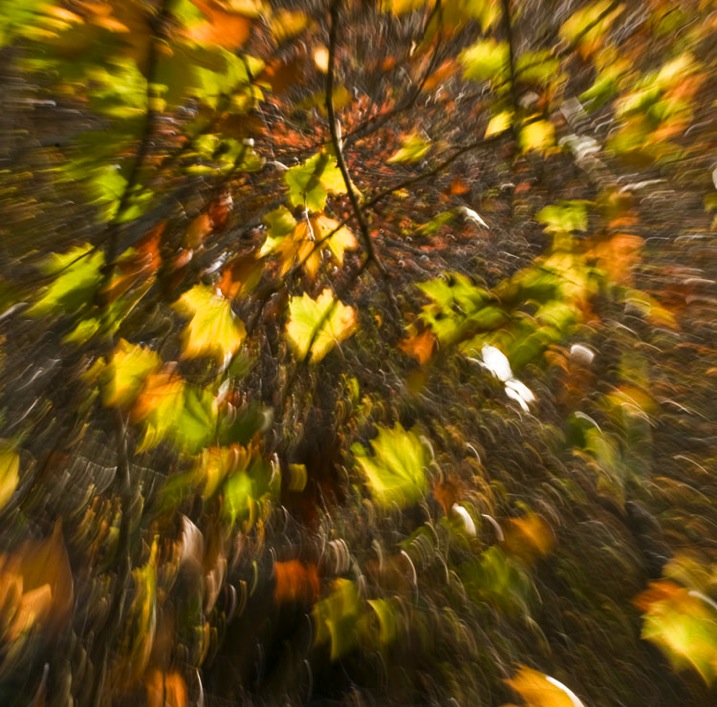
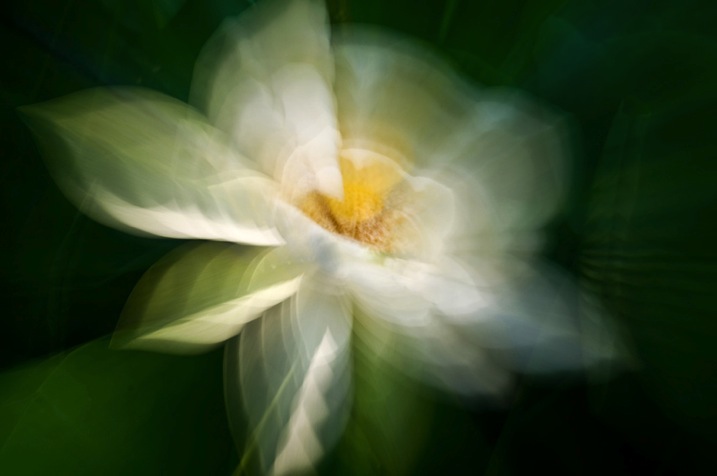
    A zoom burst, or zoom blur, is another technique which is simple, fun, and easy to achieve. It involves changing the focal length of your lens (zooming in or out) while you take a photo, causing the shot to blur from the centre outwards, as if the scene is bursting towards you.

    5 Zoom Water lily by Eva polak

    To use this technique you’ll need a DSLR (or mirrorless camera) with a zoom lens. Set your camera to Shutter Priority. A shutter speed of 1/10th of a second is a good starting point. Compose your photo as you normally would, then just zoom the lens as you press the shutter. The key to success with this technique is to get the amount of zoom burst right. Experiment with zooming speed and direction.

    5 Zoom Autumn Leaves by Eva Polak

    Spend some time with each technique to discover its full potential. Photograph a lot and often. Don’t judge what you do. Analyze your images and try to improve upon them. But, most of all, have fun!

    Tips to remember:

    • Keep an open mind; abstract photography is about seeing the potential in things that other people miss.
    • Spend time exploring everyday subjects and scenes; it’s surprising how many interesting abstracts you will find.
    • Look at familiar things from unfamiliar angles, and you will see them in a completely different light.
    • Forget about what something really is and concentrate on its shape and colour.

    googletag.cmd.push(function() {
    tablet_slots.push( googletag.defineSlot( “/1005424/_dPSv4_tab-all-article-bottom_(300×250)”, [300, 250], “pb-ad-78623” ).addService( googletag.pubads() ) ); } );

    googletag.cmd.push(function() {
    mobile_slots.push( googletag.defineSlot( “/1005424/_dPSv4_mob-all-article-bottom_(300×250)”, [300, 250], “pb-ad-78158” ).addService( googletag.pubads() ) ); } );

    The post Five Techniques for Creating Impressionist or Abstract Photography by Eva Polak appeared first on Digital Photography School.

    Digital Photography School

  • Space Architecture: Astronomers Sight Alien ‘Megastructures’

    [ By WebUrbanist in Conceptual & Futuristic & Technology. ]
    space observatory seti

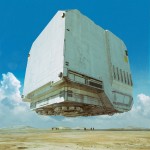
    Scientists and alien life seekers alike are all looking to solve the mystery of a distant star, activity around which, according to astronomers including Jason Wright of Penn State University, suggests a “swarm of megastructures” (images via SETI).

    allan telescope array

    While no one has sighted little green men, the phenomenon is perplexing. “Aliens should always be the very last hypothesis you consider, but this looked like something you would expect an alien civilisation to build,” says Wright. The puzzle centers around a series of dimming events around a star to which no conventional scientific explanation (such as dust clouds or passing planets) seems to apply. The star is in the wrong stage of maturity to be flickering as it appears to be without some external factor yet to be discovered.

    seti superearth

    Wright is not alone, and we may not be either. The anomaly was first spotted by citizen volunteers (Planet Hunters) drafted to look for planets around stars through the Kepler Space Telescope, then subsequently confirmed by observing scientists. “We are looking at [KIC 8462852,  near the Milky Way] with the Allen Telescope Array,” said Seth Shostak, a senior astronomer at the SETI (Search for Extraterrestrial Intelligence) Institute in Mountain View, California. “We’d never seen anything like this star,” says Tabetha Boyajian, a postdoc at Yale. “It was really weird. We thought it might be bad data or movement on the spacecraft, but everything checked out.”

    One of the most fascinating things about this find is that this is all so difficult to visualize. We have no high-resolution imagery that would making the determination of ‘natural’ versus ‘artificial’ easy to make or the problem simpler to understand. Instead, we are left with theories and interpretations of data, which so far imply a non-natural space project that could be anything from an orbital solar array to a space colony under construction or even an outright attempt to reflect light in patterns in order to contact other civilizations. And while there are other possibilities, none of the current nature-centric suggestions hold up to scrutiny as yet. Given the history of such finds, one should expect to be disappointed, but for now the mystery remains a source of excitement for scientists and civilians alike.

    Share on Facebook


    [ By WebUrbanist in Conceptual & Futuristic & Technology. ]

    [ WebUrbanist | Archives | Galleries | Privacy | TOS ]


    WebUrbanist