Blog

  • Scan to CAD: Software Turns Volumetric Snapshots into Usable 3D Models

    [ By WebUrbanist in Gaming & Computing & Technology. ]

    scan

    Bringing a critical gap between 3D scanning technology and functional outputs for architects, designers and homeowners, Canvas can scan a room in minutes then generate useful CAD software files.

    Raw scans of spaces can be helpful in terms of generating rough measurements and usable as a baseline for a more rigorous three-dimensional model, but it takes time and energy to translate between the two. So while they are great for point-to-point measurements and as-built drawings, such scans are limited in terms of letting someone rework or envision changes to a structure.

    3d-sensor-technology

    Occipital, the startup behind Structure Sensor, wants to make that transition smooth, painless and effectively automatic. After a users scans a room (or a whole house) with their iPad, they can send away for CAD files that will be returned in two business days. They can then plug those files into software of choice, like Sketchup, and begin remodeling their space.

    3d-design-capture

    The company calls their vision “augmented home” and pictures their software and hardware getting increasingly refined over time to the point where on-the-spot shots can be immediately transformed into precise and full-color 3D files.

    3d-space-model

    “I think we’ll probably look back at today as a time, just like the 1830s, when we just started to have photographs,” says Adam Rodnitzky, the company’s VP of marketing. “We’re now entering the era when we’re going to start having a 3D record of the world around us.”

    Share on Facebook


    [ By WebUrbanist in Gaming & Computing & Technology. ]

    [ WebUrbanist | Archives | Galleries | Privacy | TOS ]


    WebUrbanist

  • Picture of school boy in uniform wins Swiss photographer £15,000 Taylor Wessing prize

    $ (document).ready(function() { SampleGalleryV2({“containerId”:”embeddedSampleGallery_4662939106″,”galleryId”:”4662939106″,”isEmbeddedWidget”:true,”standalone”:false,”selectedImageIndex”:0,”startInCommentsView”:false,”isMobile”:false}) });

    London’s National Portrait Gallery has announced the winner of its annual Taylor Wessing Photographic Portrait Prize, with Swiss photographer Claudio Rasano scooping the top award of £15,000. The winning image, of a school boy from South Africa, was part of a series studying how people can remain individuals while wearing the same uniforms. Rasano has featured in the short list for the prize in two previous years, but this is the first time he has won.

    Second prize went to Joni Sternback for a tintype portrait of a pair of surfers which won him £3000, while the £2000 third prize went to Kovi Konowiecki for a picture of a pair of Jewish girls. Both photographers are from America.

    The competition also provides an additional £5000 prize for a photographer under the age of 35, which was won by the UK’s Josh Redman. His John Kobal New Work Award grants him a commission to photograph someone from the UK film industry for the gallery’s collection.

    The winning images, along with over fifty other entries, can be seen at the National Portrait Gallery in London until the 26th February. Entrance is £6. For more information visit the National Portrait Gallery website.

    Press release

    CLAUDIO RASANO WINS TAYLOR WESSING PHOTOGRAPHIC PORTRAIT PRIZE 2016 FOR HIS PHOTOGRAPH OF A JOHANNESBURG SCHOOLBOY

    Claudio Rasano won the Taylor Wessing Photographic Portrait Prize 2016 for his portrait of a Johannesburg schoolboy, the National Portrait Gallery has announced. The prestigious £15,000 award was presented to the Swiss-Italian photographer at an awards ceremony last night (Tuesday, 15 November 2016).

    The winning portrait, part of Rasano’s series Similar Uniforms: We Refuse to Compare, was taken in February 2016, in Johannesburg, South Africa and focuses on issues of preserving individuality in the context of school uniforms. The photograph was shot in daylight, outdoors and in front of a plain white paper background. The sitter for this particular inkjet print is eighteen-year-old Katlehong Matsenen.

    Rasano explains: “Children themselves have been known to rebel against uniforms, especially as they approach the awkward age characterised by the need to fit in and the desire to stand out, all at the same time. Some experts too have spoken against school uniforms on the grounds that they suppress individuality and diversity.”

    Claudio Rasano was born in 1970 in Basel, Switzerland. His work has been included in numerous international exhibitions and previously featured in the Taylor Wessing Photographic Portrait Prize in 2011 and 2013. Rasano’s awards include the Shortlist for the Athens Photo Festival, 2016; Bieler Fototage 2015; Leica Oskar Branack Prize 2015 and a finalist in the Photography Masters Cup 2015.

    Second prize has been awarded to Joni Sternbach’s large-format tintype portrait of surfers Thea Adler and Maxwell Schultz and third prize has gone to Kovi Konowiecki for his photographs Shimi Beitar Illit and Tilly and Itty Beitar Illit part of a series of inkjet prints that portray Orthodox Jews from around the world. The John Kobal New Work Award, worth £5,000, was won by Josh Redman for his portrait, Frances.

    The winning portraits will be on display as part of the Taylor Wessing Photographic Portrait Prize 2016 exhibition from 17 November 2016 to 26 February 2017. The annual exhibition is one of the most prestigious photography awards in the world and showcases new work that has been submitted by some of the most exciting contemporary photographers. Since the international competition began in 1993, it has remained a hugely important platform for portrait photographers and offers an unparalleled opportunity for celebrated professionals, emerging artists and amateurs alike.

    The competition judges had no knowledge of the identity of the entrants, and the diversity of styles in the exhibition reflects the international mix of entries as well as photographers’ individual and varied approaches to the genre of portraiture. For the second time, photographers were encouraged to submit works as a series in addition to stand-alone portraits, and there was no minimum size requirement for prints. This year, for the first time, the rules also allowed photographers to submit photographs on different supports to the competition – to encourage the demonstration of a range of different photographic processes.

    The prize-winning photographs and those selected for inclusion in the exhibition were chosen from 4303 submissions entered by 1842 photographers from 61 countries.

    Dr Nicholas Cullinan, Director, National Portrait Gallery, says ‘My congratulations to Claudio Rasano for his winning portrait of schoolboy Katlehong Matsenen taken in Johannesburg earlier this year. The quality and diversity of both this year’s shortlist and exhibition are a testament to the engaging work being produced by international photographers. Each and every photographer who entered has contributed their part to the debate and evolution of contemporary portrait photography.’

    Tim Eyles, Managing Partner, Taylor Wessing LLP, says: ‘One of the great joys and honours of sponsoring the Taylor Wessing Photographic Portrait Prize for the past nine years- and being part of the judging panel- is having the rare opportunity to catch an intimate glimpse into the lives of people from around the world. Each winning portrait tells a different, unique story and builds a genuine connection between the viewer, the subject and the photographer. I hope that you will share our enjoyment of the photographs in this year’s exhibition, and join me in congratulating the photographers whose portraits are featured.’

    American artist Joni Sternbach was born in the Bronx, New York and is a Visiting Artist at Cooper Union School of Art, faculty member at the International Centre of Photography and The Penumbra Foundation in New York, where she teaches wet plate collodion. Sternbach uses early photographic processes to create contemporary landscapes and environmental portraits, centring on man’s relationship to water. Her series Surfland, features large-format tintype portraits of surfers. Her prize-winning portrait was taken in February 2016 at Davenport Landing, Santa Cruz, California, USA. Sternbach says: ‘For me, this photograph represents many of the challenging aspects of creating a portrait. I was in an entirely new location and faced with people I’d never met before. In this spectacular environment, I aimed to create a dynamic complexity within the picture that was both unique to that person and also understandable to others.’

    American artist Kovi Konowiecki was born and raised in Long Beach, California. After pursuing a professional career in football, Konowiecki is in the final stages of an MA in photography at the University of the Arts, London. His work lies between documentary and fine art, often focusing on portraiture and telling stories that also reveal his identity, and his experiences of growing up in Long Beach. Shimi Beitar Illit and Tilly and Itty Beitar Illit are part of a series of inkjet prints that portray Orthodox Jews from around the world. The colours and floral background create a painting-like quality, highlighting the mysticism of the subjects and their association with a history that many may find unfamiliar.

    Konowiecki explains: ‘When I set out to photograph the faces of Orthodox Jews around the world, it was an attempt to both strengthen my ties to my family’s history and shed light on the traditions of a people that seem strange to modern society. The project started by contacting members of the Jewish community from where I grew up, and evolved into travels across the world to capture Orthodox Jews who, although they live thousands of miles apart, are bound together by history, tradition and a set of values that serve as the cornerstone of the lives of many who live in today’s society.’

    £5,000 John Kobal New Work Award: Josh Redman for Frances

    The £5,000 John Kobal New Work Award has been awarded to Josh Redman for his photograph Frances, from an on-going series of pared down studio portraits. Redman says, ‘This was Frances’s first serious photo shoot, and it’s an honour to have been part of her initiation into modelling at age 83. During the 3-hour sitting we chatted over pastries about her late husband, the War, her lifelong job as a typist and her daughter Tineka.’ Born in the UK in 1984, Redman was a sculptor and potter until 2012 when he decided to sell his kiln, buy a camera and move to London. Since then he has worked as a freelance photographer, winning the AOP Assistant Award in 2014 and has been commissioned by Adidas, SKY TV and The British Museum amongst others.

    The John Kobal New Work Award is given to a photographer under thirty-five whose work has been selected for the Taylor Wessing Photographic Portrait Prize exhibition. The winner receives a cash prize of £5,000 to include undertaking a commission to photograph a sitter connected with the UK film industry for the Gallery’s Collection.

    The competition was judged from original prints by Dr Nicholas Cullinan, Director, National Portrait Gallery; Dr Phillip Prodger, Head of Photographs, National Portrait Gallery; Carole Sandrin, Curator, Musée de l’Elysée, Lausanne; Christiane Monarchi, Editor Photomonitor; Nadav Kander, Photographer and Tim Eyles, Managing Partner, Taylor Wessing LLP.

    The exhibition also features an In Focus display of previously unseen prints from a new body of work by the award-winning Spanish photographer, Cristina de Middel. The photographs, making their international debut in the exhibition, are part of the series ‘Gentleman’s Club’, taken of prostitutes’ clients in brothels in Rio de Janeiro, Brazil. By recruiting her sitters through a newspaper advert, she inverted the normal roles of the business by placing herself in a position of power. Sitters were asked about their experience, personal history and motivations. In Focus is an annual showcase for new work by an internationally-renowned photographer, which is exhibited alongside the images selected for the Taylor Wessing Photographic Portrait Prize 2016. De Middel is the second In Focus artist, selected by the Gallery’s curators, following last year’s inaugural display which featured the work of Pieter Hugo.

    TAYLOR WESSING PHOTOGRAPHIC PORTRAIT PRIZE 2016
    17 November 2016 – 26 February 2017
    Tickets with donation: Full price £6, concessions £5 / Tickets without donation: Full price £5, concessions £4 (Free for Members and Patrons) Supported by Taylor Wessing npg.org.uk/photoprize #photoprize

    PUBLICATION
    A fully illustrated paperback catalogue including all photographs from this year’s exhibition features an interview with the In Focus photographer Cristina de Middel and interviews with the prize-winners by Richard McClure. RRP £15 with a special price of £9.99 when purchased directly from the National Portrait Gallery shops.

    Prizes: First prize is £15,000, second prize is £3,000, and third prize is £2,000. The winner of the John Kobal New Work Award receives £5,000.

    Tour: The exhibition will tour to Sunderland Museum and Winter Gardens from 18 March – 4 June 2017 and The Beaney House of Art and Knowledge, Canterbury from 8 July – 29 October 2017.

    Articles: Digital Photography Review (dpreview.com)

  • Fashionable Facades: 15 Buildings That Put On An Artistic Face

    [ By SA Rogers in Architecture & Cities & Urbanism. ]

    artistic-facade

    Instead of wearing the architectural equivalent of jeans and a t-shirt, these buildings treat their facades like high fashion to stand out from the crowd and make a visual statement. Artistic exterior treatments can give structures a bold makeover, offer multiple functions like built-in courtyards and benches, and engage with the city in ways that ordinary buildings simply don’t.

    Mercado de Getafe by A-cero, Madrid, Spain

    facades-acero-1

    facades-acero-2

    facades-acero-3

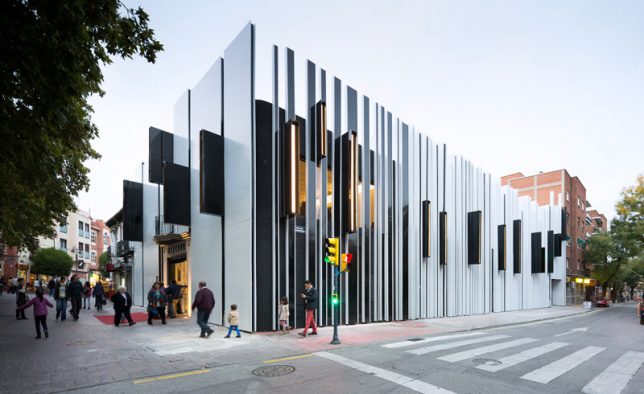
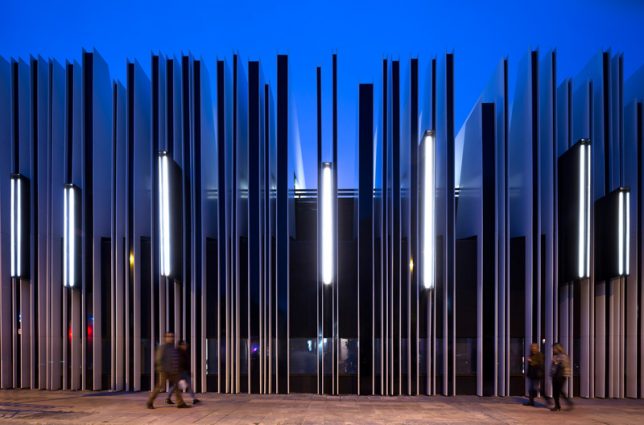
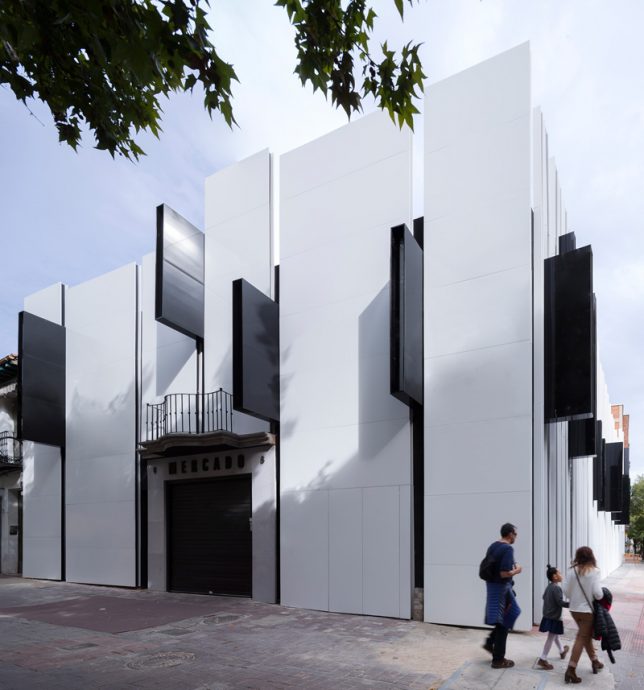
    An ordinary brick building suddenly becomes extraordinary with the addition of a wrap-around facade by A-cero. The architects created a black envelope for the structure and added aluminum ribs and oversized lighting that protrudes to stick out over the sidewalk.

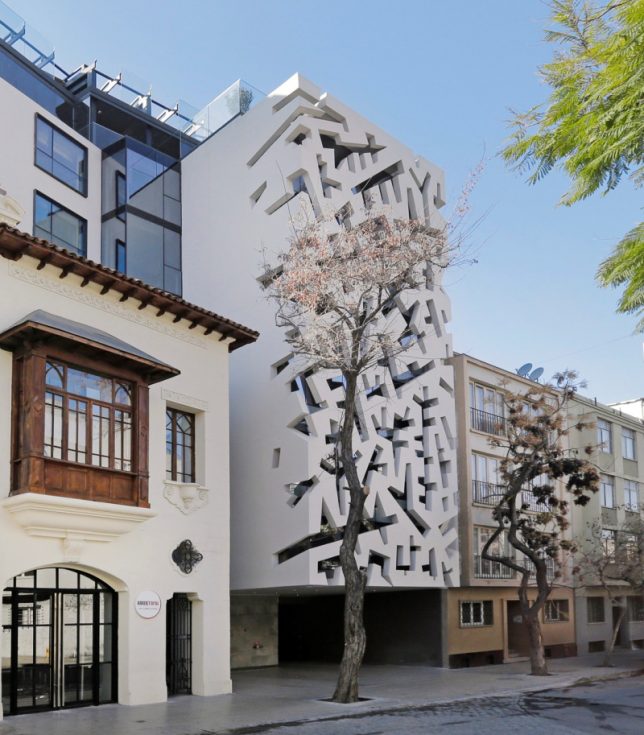
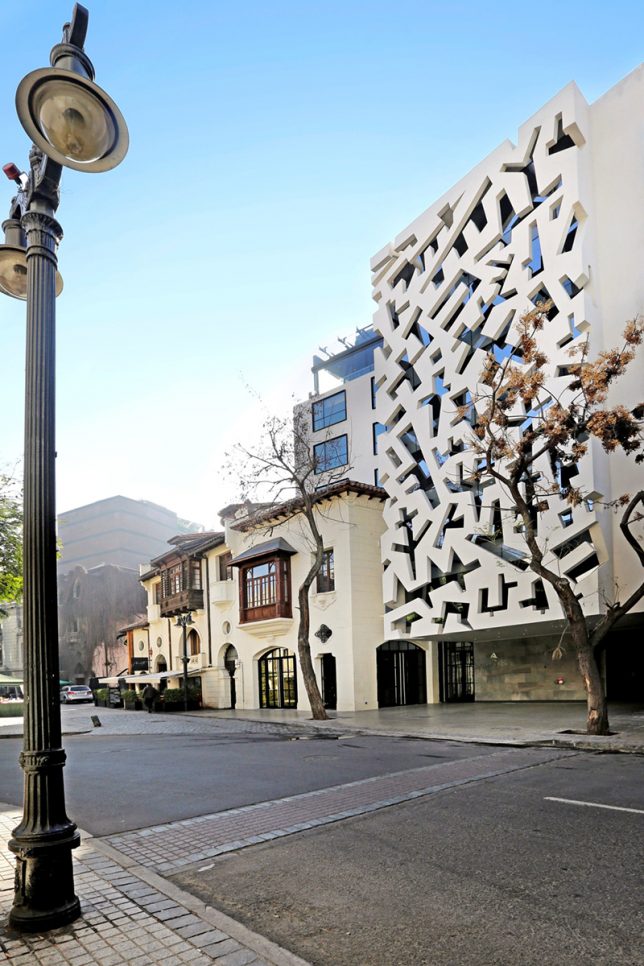
    Hotel Cumbres Lastarria by Rodrigo Errazuriz, Santiago, Chile

    facades-cumbres-1

    facades-cumbres-2

    The white facade of this hotel by Rodrigo Errazuriz wraps around the glazed front of the building, turning rectilinear windows into a pattern of abstract shapes.

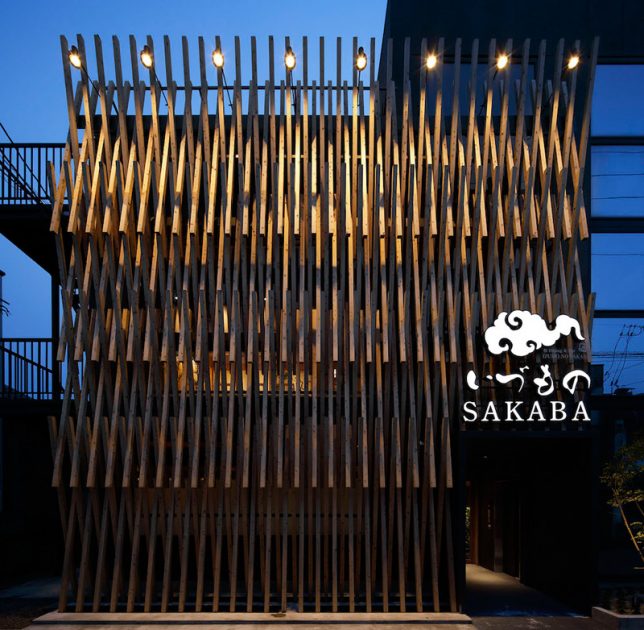
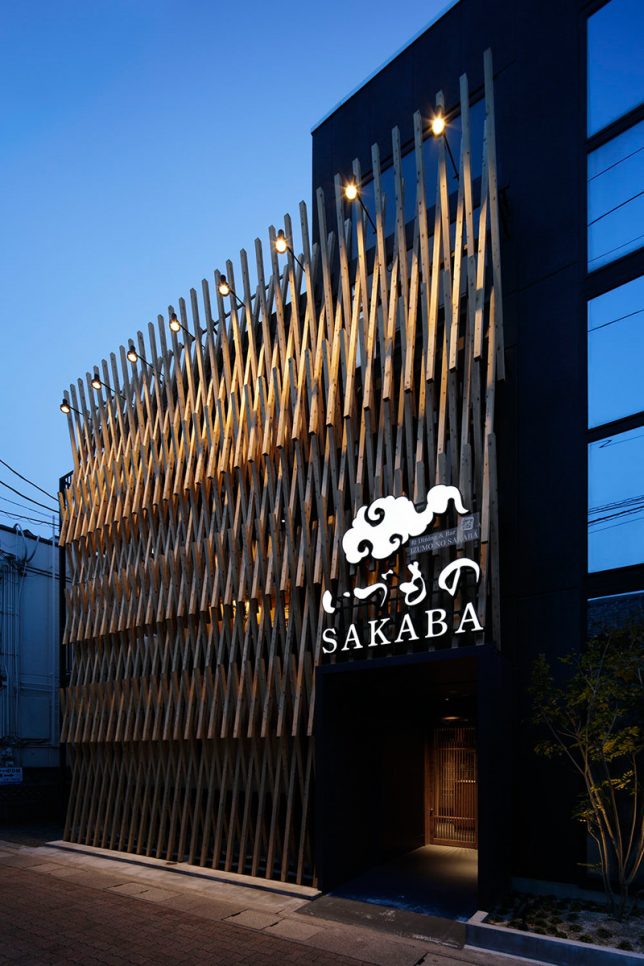
    Izumono Sakaba by Area Connection, Izumo City, Japan

    facades-sakaba-1

    facades-sakaba-2

    Architecture firm Area Connection took inspiration from the traditional details on the Izumo Taisha Shrine for this wooden latticework affixed to the facade of a nearby restaurant.

    Frankfurter Kunstverein by Joko Avian, Germany

    facades-frankfurter-1

    facades-frankfurter-3

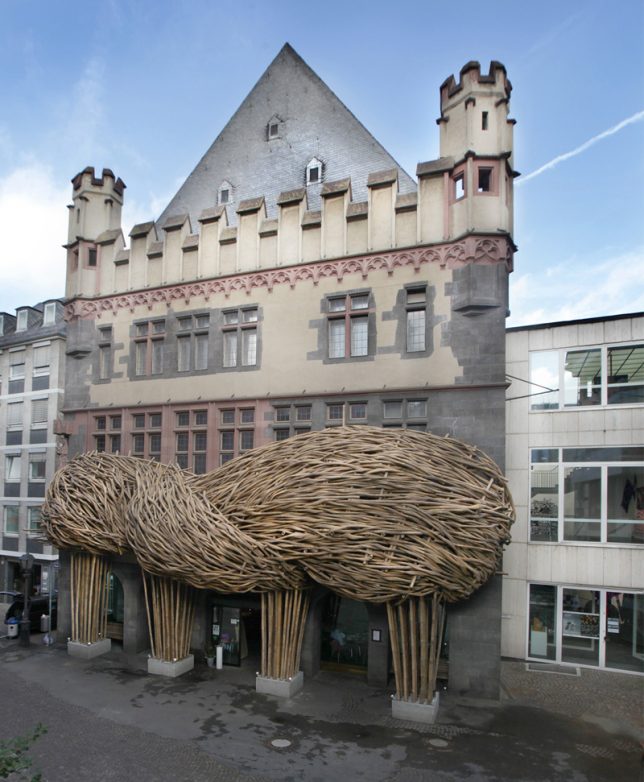
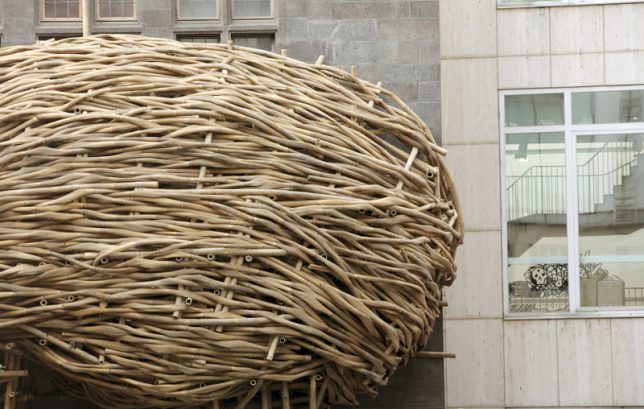
    It’s too bad this cloud-shaped woven bamboo facade installation by artist Joko Avianto was only temporary, as it adds a beautiful new dimension to the exterior of the Frankfurter Kunstverein art museum.

    Hotel WZ Jardins by Estudio Guto Requena, Sao Paulo, Brazil

    facades-jardins-1

    facades-jardins-2

    facades-jardin-3

    facades-jardin-5

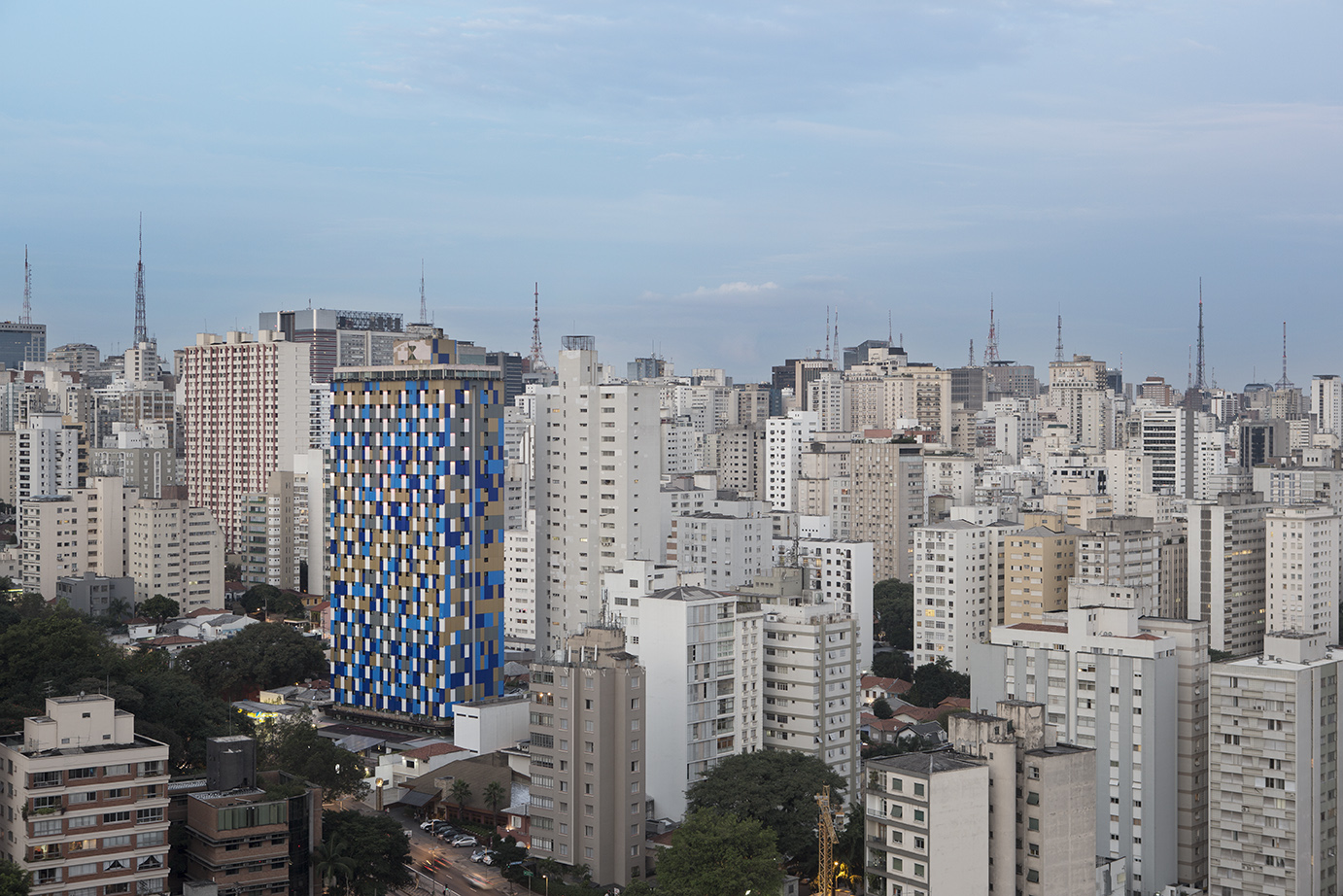
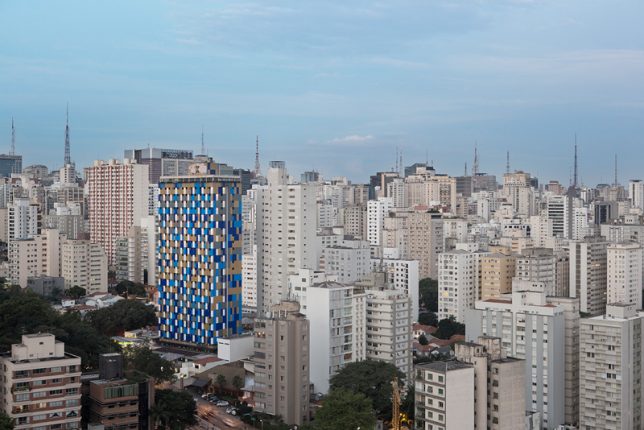
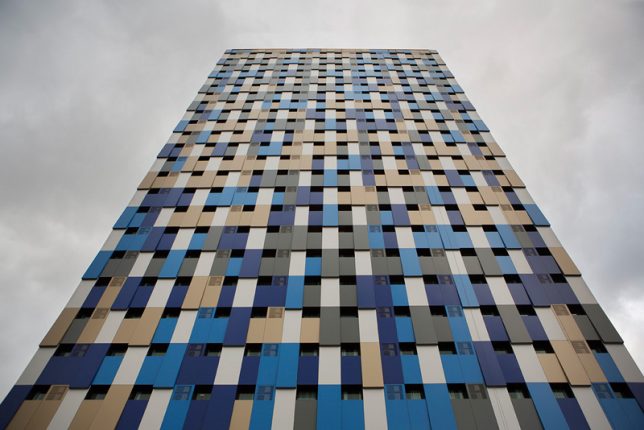
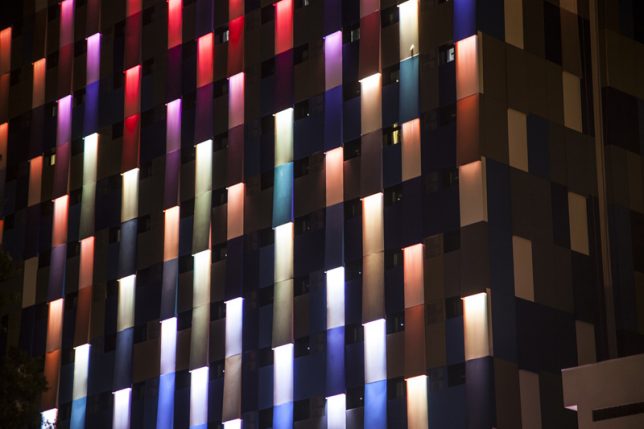
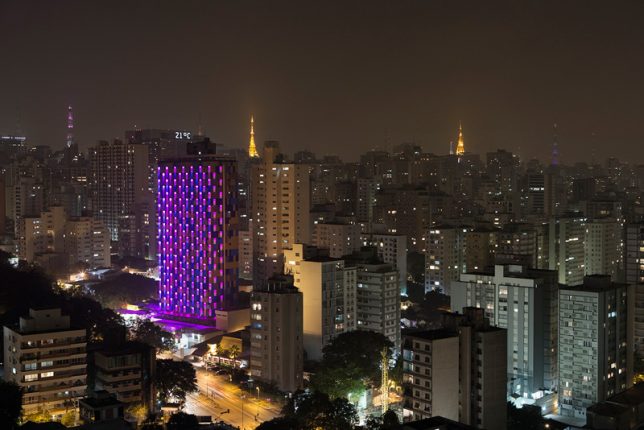
    Exploring the concept of a ‘hacked city,’ the new facade of the Hotel WZ Jardins by Studio Guto Requena is covered in an ‘urban camouflage’ metal skin that lights up at night in interactive patterns, reacting in real time from sensors on the building that collect data on air quality. Passersby can also influence its patterns by logging onto a mobile app and using finger taps or voice commands.

    Next Page – Click Below to Read More:
    Fashionable Facades 15 Buildings That Put On An Artistic Face

    Share on Facebook


    [ By SA Rogers in Architecture & Cities & Urbanism. ]

    [ WebUrbanist | Archives | Galleries | Privacy | TOS ]


    WebUrbanist

  • 27 Structurally Sound Photos of Architecture

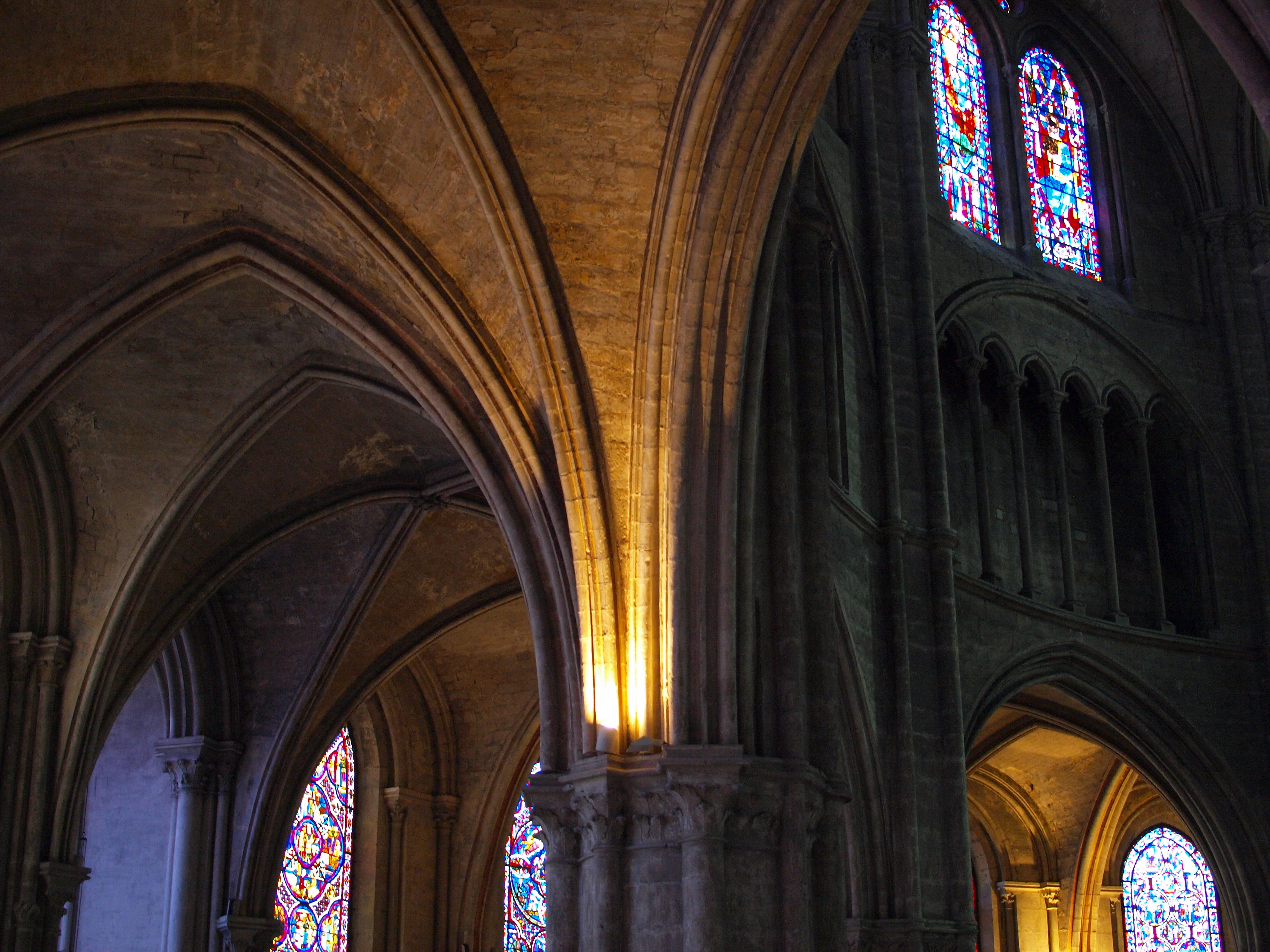
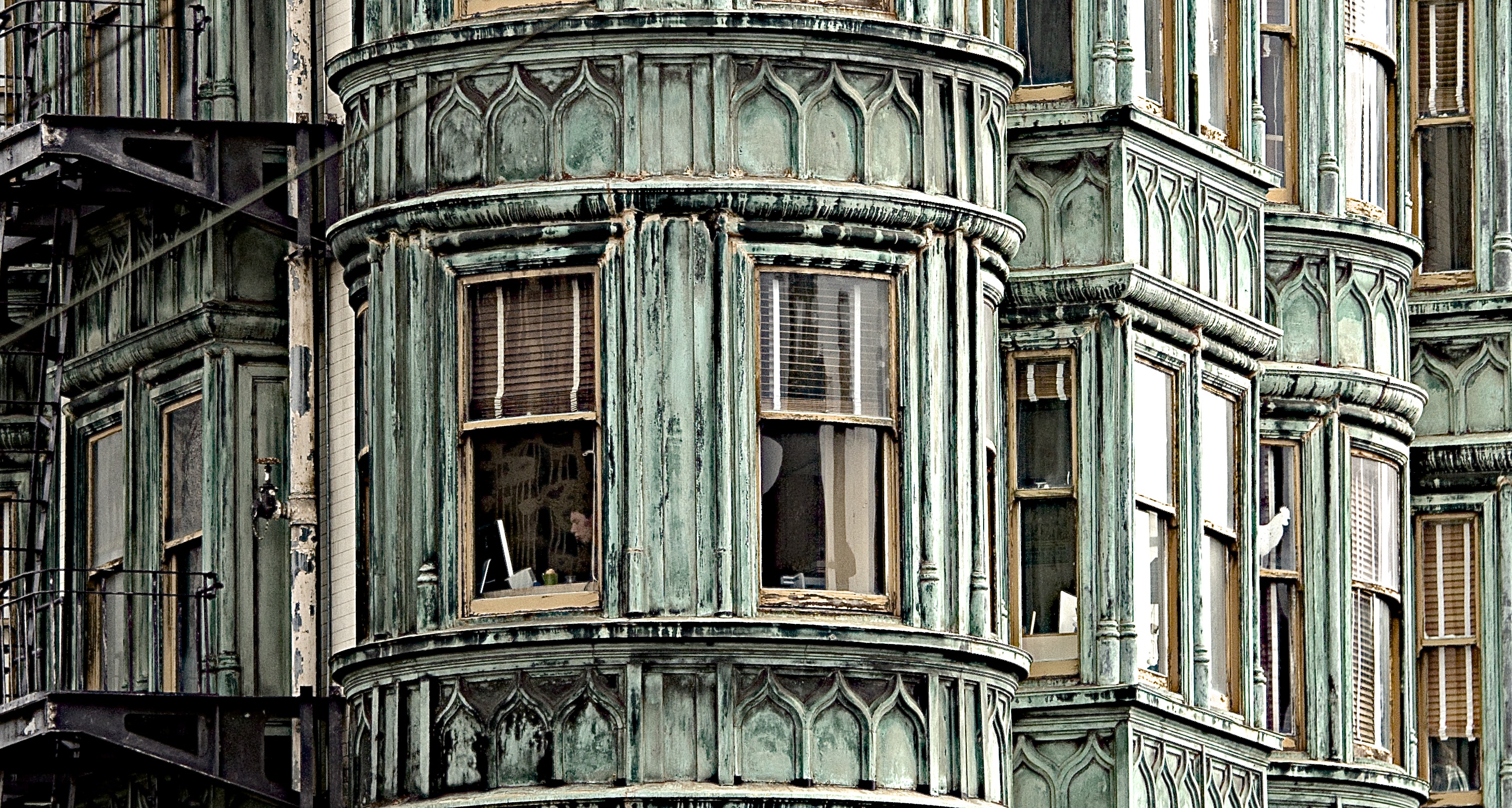
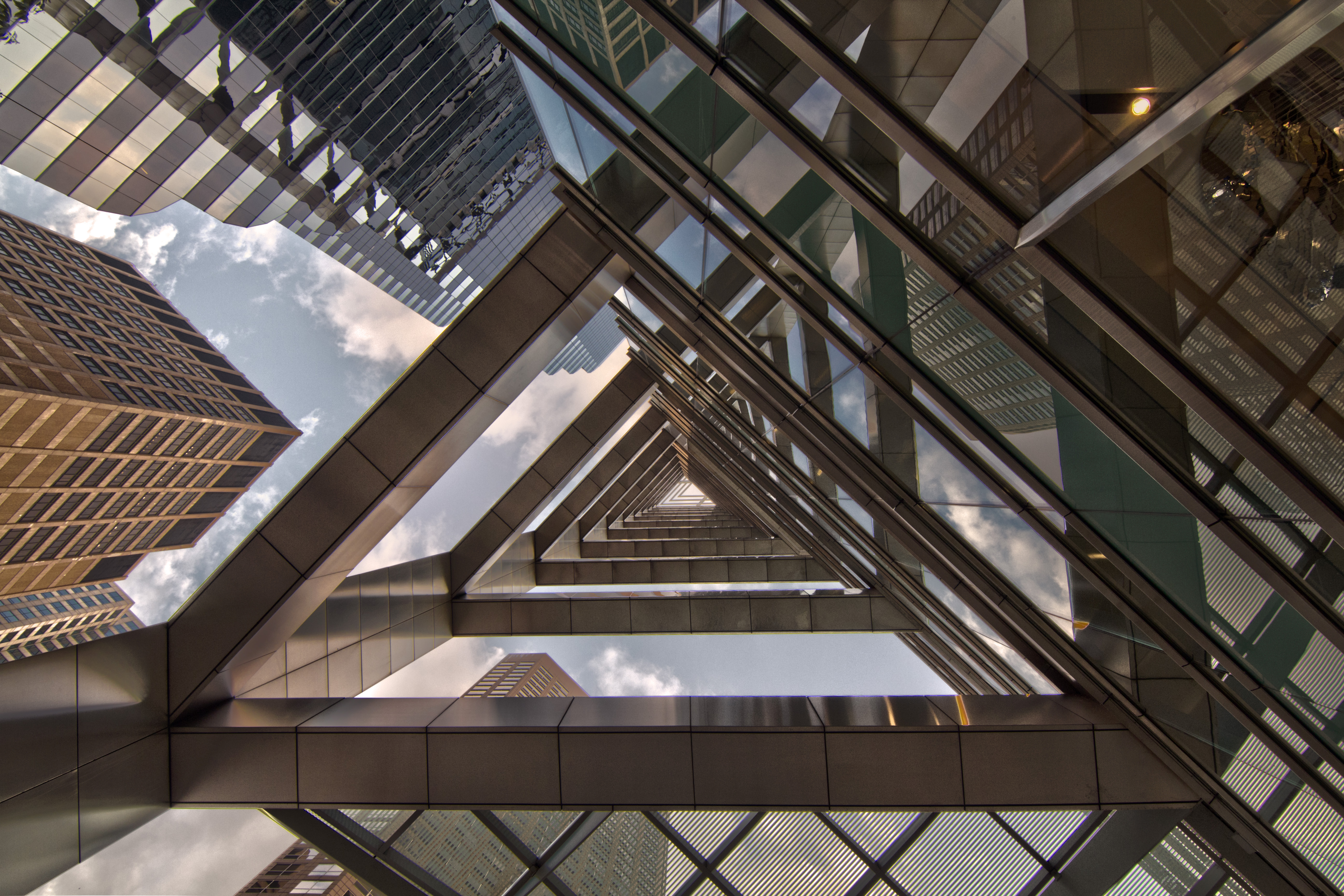
    Buildings and architecture can tell you a lot about a location. Whether it’s urban or rural, an ancient city, or modern metropolis, and a lot more. It can be full of clean elegant flowing lines, or intricate details.

    How you capture architecture in your photography depends on your style and likes. Let’s see how these 27 photographers chose to capture it in their images.

    Alexcoitus

    By alexcoitus

    Pablo Fernández

    By Pablo Fernández

    Billy Wilson

    By Billy Wilson

    David McKelvey

    By David McKelvey

    Premnath Thirumalaisamy

    By Premnath Thirumalaisamy

    Perceptions (off)

    By perceptions (off)

    Perceptions (off)

    By perceptions (off)

    Dave Graham

    By dave graham

    Perceptions (off)

    By perceptions (off)

    Jovan J

    By Jovan J

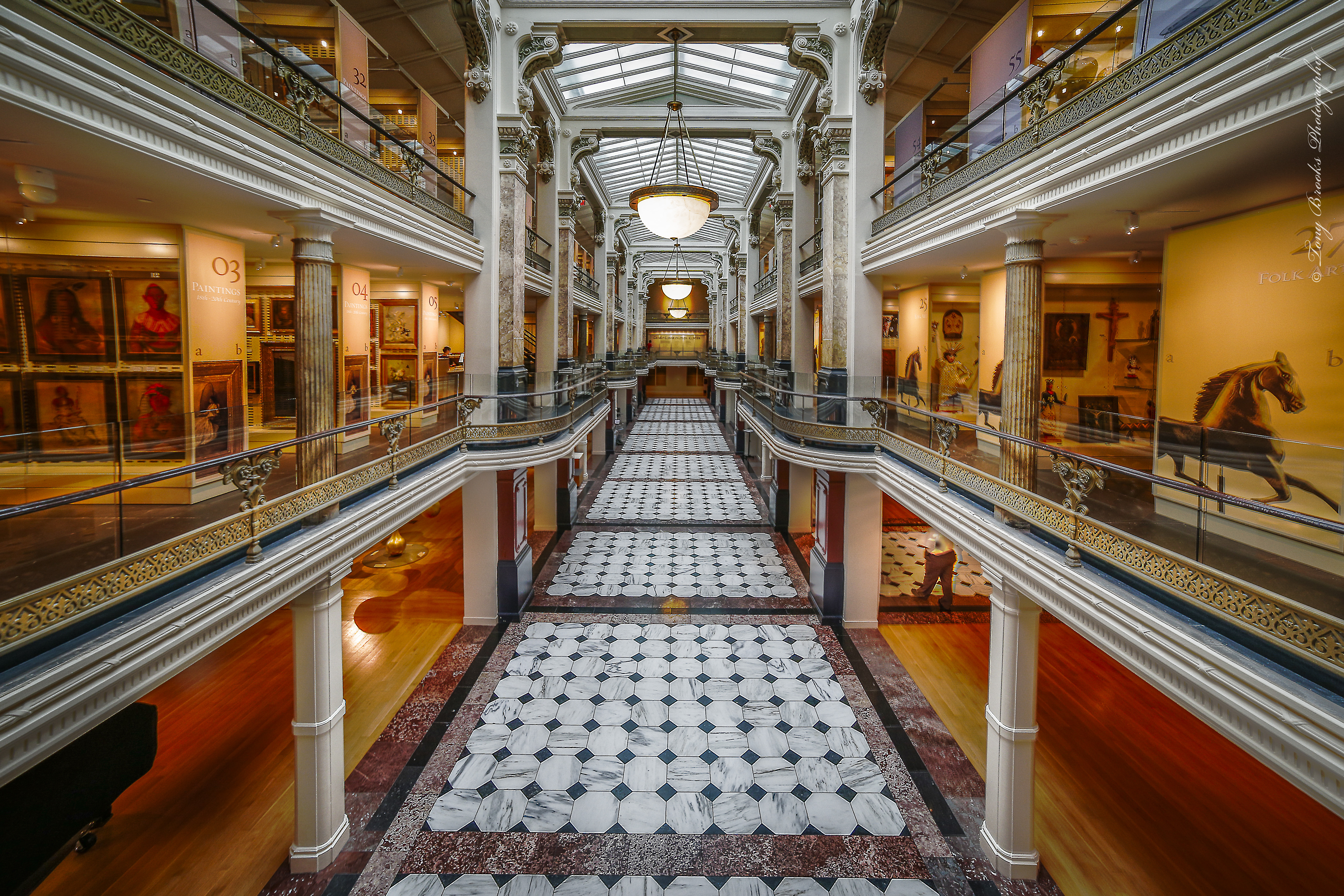
    Tony Brooks

    By Tony Brooks

    GorVlad

    By GorVlad

    Karol Franks

    By Karol Franks

    Daryl Sawatzky

    By Daryl Sawatzky

    Jonathan Gill

    By Jonathan Gill

    Mark Weston

    By Mark Weston

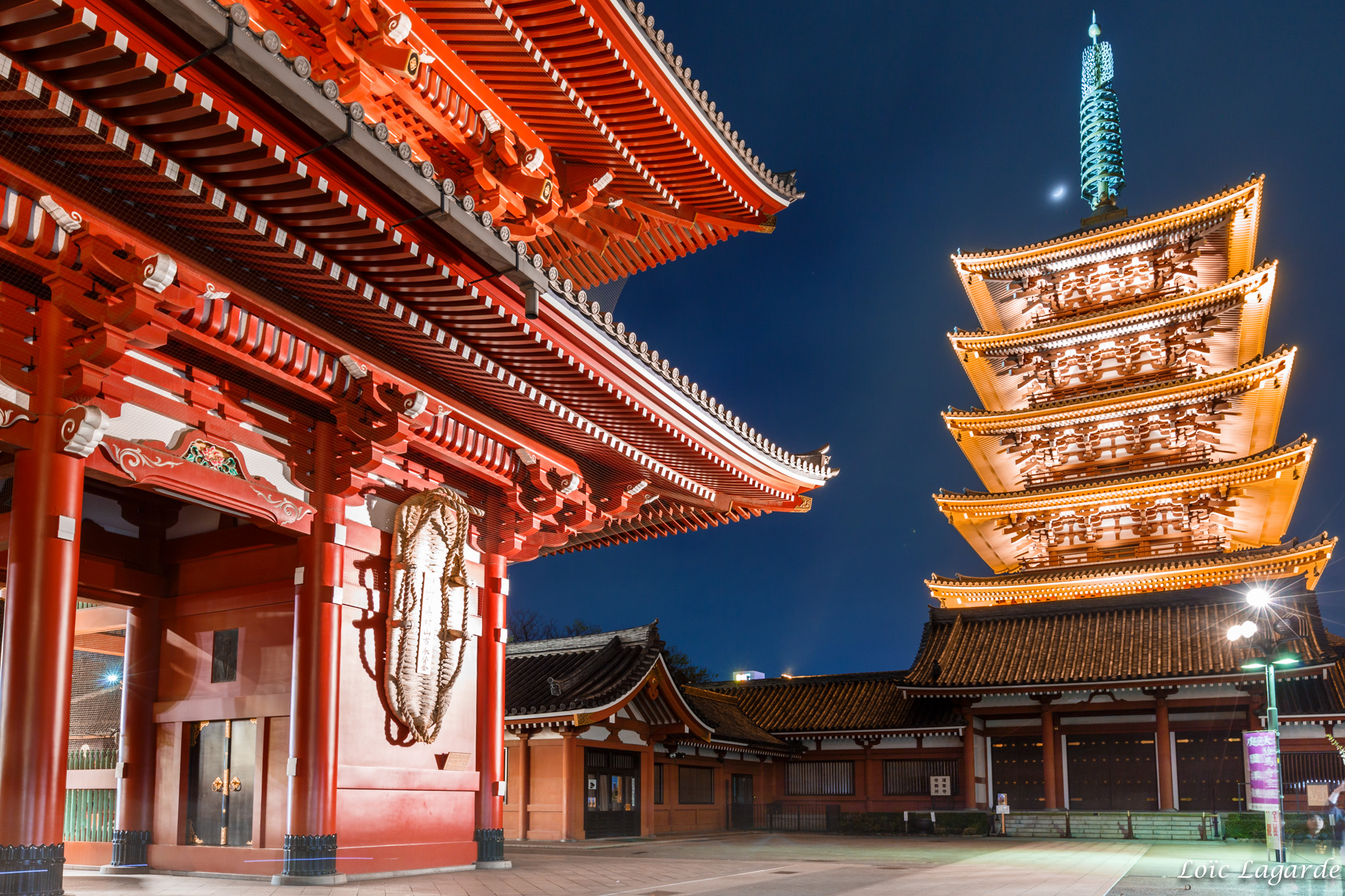
    Loïc Lagarde

    By Loïc Lagarde

    Henrik Johansson

    By Henrik Johansson

    Perceptions (off)

    By perceptions (off)

    Mike

    By Mike

    Thomas Hawk

    By Thomas Hawk

    Daniel Mennerich

    By Daniel Mennerich

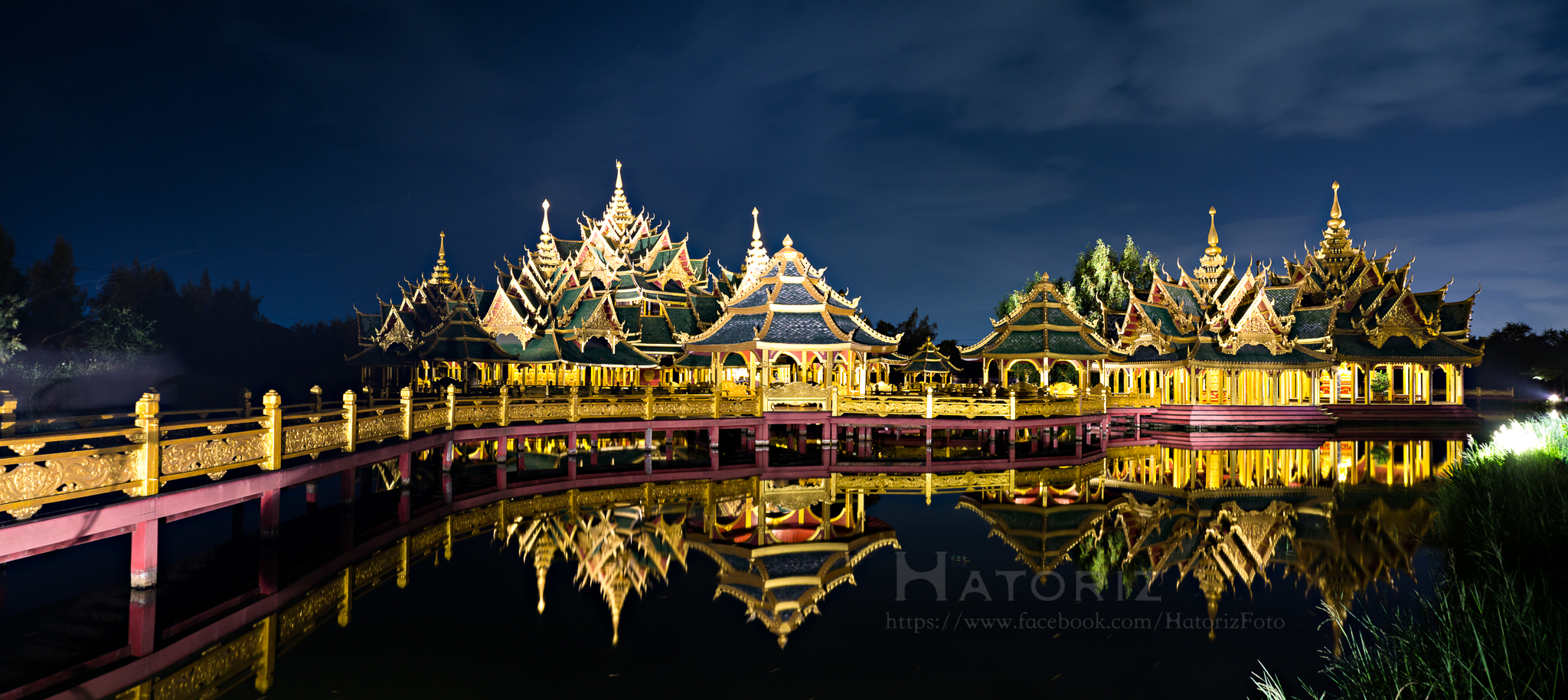
    Hatoriz Kwansiripat

    By Hatoriz Kwansiripat

    Martin Wölfle

    By Martin Wölfle

    Sswj

    By sswj

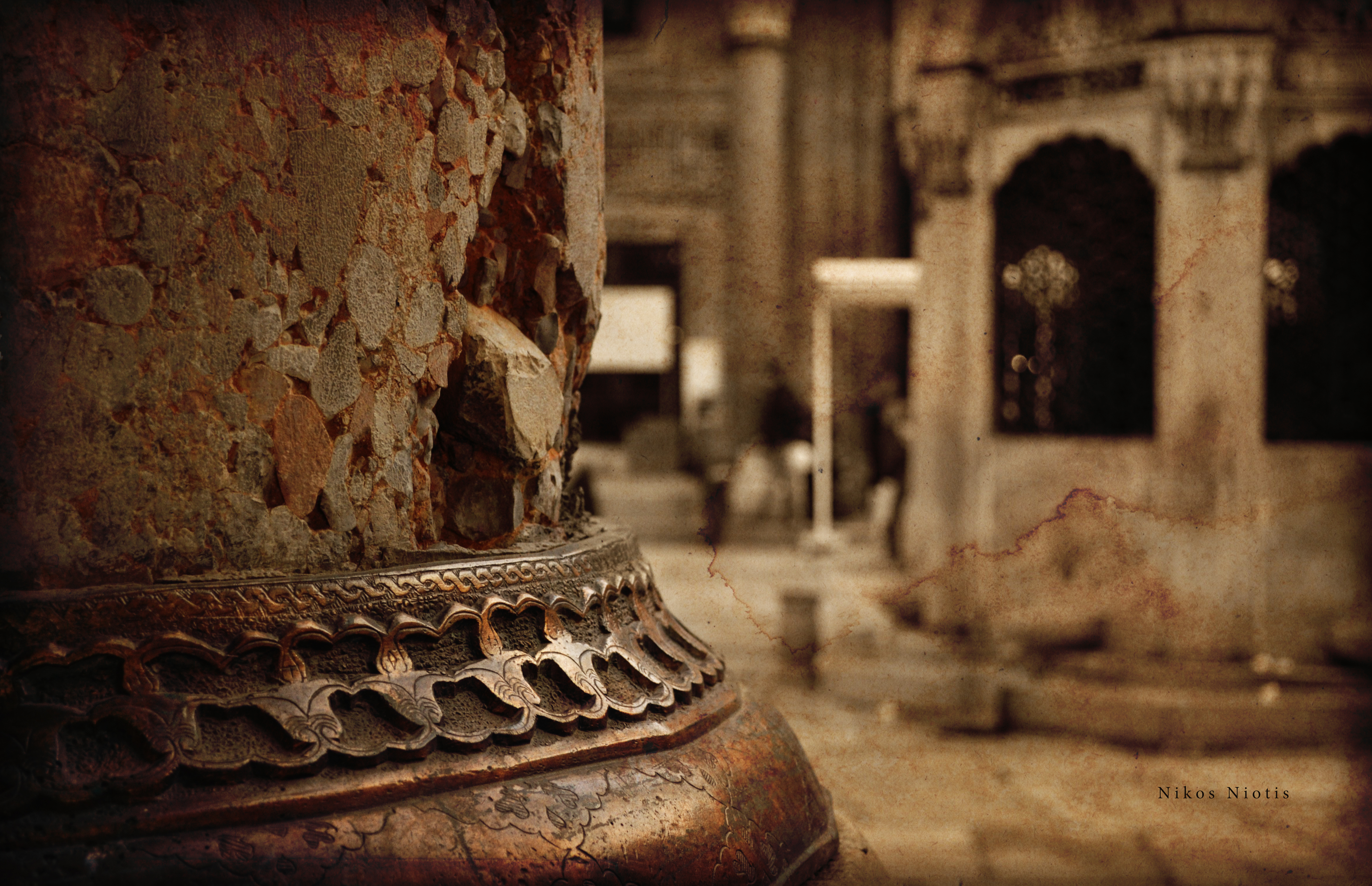
    Nikos Niotis

    By Nikos Niotis

    Andrew Moore

    By Andrew Moore

    googletag.cmd.push(function() {
    tablet_slots.push( googletag.defineSlot( “/1005424/_dPSv4_tab-all-article-bottom_(300×250)”, [300, 250], “pb-ad-78623” ).addService( googletag.pubads() ) ); } );

    googletag.cmd.push(function() {
    mobile_slots.push( googletag.defineSlot( “/1005424/_dPSv4_mob-all-article-bottom_(300×250)”, [300, 250], “pb-ad-78158” ).addService( googletag.pubads() ) ); } );

    The post 27 Structurally Sound Photos of Architecture by Darlene Hildebrandt appeared first on Digital Photography School.


    Digital Photography School

  • Vimble S is an intelligent smartphone gimbal with physical camera controls

    A Kickstarter project that just launched is aiming to raise funding for production and distribution of the Vimble S smartphone gimbal. The Vimble S is a three-axis motorized image stabilizer that is compatible with a large range of smartphones, including Apple’s iPhone models, the Huawei P9, Google Pixel, Samsung Galaxy and other devices with similar dimensions. The gimbal communicates with the phone via a Bluetooth connection and folds down to about 11.2 inches when not in use.

    A range of physical controls on the handle allow you to adjust the smartphone camera’s exposure, zoom, focus, and white balance and trigger the shutter. The gimbal’s motor keeps the camera steady, allowing for the recording of smooth video and still image shooting at slow shutter speeds. However, it also gives the Vimble S a number of intelligent functions, which are controlled via a dedicated app. Those include the ability to track faces, allowing for video-selfies, shoot panorama images with automated panning and record time-lapses.

    The engineers behind the project say the Vimble S has a battery life of 8 hours and a very quiet motor. The handle is designed to also function as a monopod. With 29 days to go currently, the campaign is a good way to reaching its funding goal. If the feature set sounds like what you have been waiting for, you can secure a Vimble S by pledging $ 179 or more on the Vimble S Kickstarter page. Shipping is planned for January 2017.
    Press Release:

    Vimble S, the gimbal stabilizer for smartphones, allows everyone to capture professional-quality video

    Never capture shaky video again, available on Kickstarter from US$ 179

    November 15, 2016 (Hong Kong) – Today Vimble S, a 3-axis gimbal stabilizer specifically engineered for smartphones, launches on Kickstarter. The intelligent monopod ensures, no matter what, that your smartphone stays stable while filming, producing silky smooth video and sharp photos. It’s also accompanied by a feature-packed app, ViCam, allowing users to create stunning time-lapses, track selected faces for perfect selfies and snap effortless 180° panoramic vistas. 
    https://www.kickstarter.com/projects/368303780/653404756?token=44cc14d5

    Aiming to provide everyone with a professional yet affordable way to shoot high-quality video and images, Vimble S has been expertly designed to produce fantastic content in every situation.

    Vimble S perfectly balances smartphones to cancel out unwanted movement in a 3-axis space, counteracting any jarring wobbles or shakes. Its motors are silent too, so not to disturb the footage audio. The handle embraces ergonomic design, with the integrated control panel easily accessible with just one hand, allowing users to easily operate every aspect of the gimbal’s movement and camera settings. 

    Vimble S also comes with a companion app, ViCam, specifically developed to control each of the smart shooting features available. Create beautiful montages of passing time with a few simple clicks. Automatically centre on your subject with ViCam’s face tracking tool, recording their every movement even if they move out of the camera’s range. Capture the entire scene with the spectacular 180° panoramic mode, smoothly rotating while staying completely level. Users can edit and share photos directly from the app, while keen developers can tinker with the provided SDK to customise features and unlock hidden capabilities. ViCam will be available for iOS and Android. 

    Rian Cheng, Founder and CEO at DelTron Technology, comments: “Our dream is to bring professional videography into everybody’s daily lives. Sharing our experiences of the world through pictures and video is now second nature, with over 1.8 billion digital images uploaded everyday. Whether posting on Instagram, Facebook or another social channel, we love to share what we see. Vimble S puts the power in your hand to create beautiful visual memories with complete ease.” 

    Manufactured using high-grade materials, Vimble S is a sturdy and reliable travel companion. The premium device is prepared for rigorous use that any practical camera stabilizer has to go through. Small enough to be tucked away in your bag, it also has a long-lasting battery life of up to 8 hours, besting their closest competitors. Whether filming a trekking tour through a national park, catching that awesome skateboard trick, or gaining self-shooting experience as a videographer, Vimble S allows you to take on the director role with everything you create. The gimbal also opens up a wide range of angles including landscape, portrait and underslung to add variety to your shooting style.

    “This isn’t just some fancy selfie stick, the technology we’ve implemented into the Vimble S sets your photo and video content apart from the mundane. Vloggers, extreme sports enthusiasts, travellers or anybody else can use features such as our intelligent face tracking to breathe new life to their videos. It does, of course, take incredible selfies too.” adds Peter Zeng, Co-Founder and CTO at DelTron Technology. 

    Vimble S is available to back on Kickstarter now from US$ 179 and will ship to backers worldwide in January 2017 – https://www.kickstarter.com/projects/368303780/653404756?token=44cc14d5 

    Vimble S Tech Specs: 

    Gimbal

    • Angular vibration range : ±0.03°
    • Max Controllable speed: 200°/s
    • Axis freedom:
      • Tilt: 320°, Roll: 320°, Pan: 360° – Slip ring design for limitless rotation

    Mount

    • Supports phones of various sizes – the iPhone series, Huawei P9 and P9 plus, Samsung Galaxy S7/edge, and other smartphones with similar dimensions
    • Standard quarter inch nut on bottom, thus Vimble can be mounted on tripod

    Battery

    • Battery life: 8 hour maximum; 6 hour under heavy usage condition. also varies by temperature
    • Battery capacity: 3000mAh
    • Charging: Micro USB port

    Wireless

    • Model: Bluetooth 4.0

    Weight & dimensions

    • 486g, including built-in battery
    • 285mm x 113mm x 60mm 

    ViCam app

    • Automatic panorama
    • Face tracking
    • Night photo enhancement
    • Exposure/ Focus/ White Balance and Zoom can be easily adjusted by the control panel
    • Shooting parameter adjustable. Up to 4k/ 30fps or 720p/ 240fps
    • Upgrade firmware wirelessly
    • Motion time-lapse
    • Remote control of rotation of Vimble S

    Articles: Digital Photography Review (dpreview.com)

  • DPReview Asks: Who would you want to shoot your portrait?

    We sat down with ten well-known photographers and asked a simple question: “Who would you want to shoot your portrait?” Some of the answers may surprise you.

    So what do you think – if you had your pick, who would shoot your portrait? Tell us in the comments!

    Articles: Digital Photography Review (dpreview.com)

  • Weekly Photography Challenge – Architecture

    Earlier I shared 27 images of architecture. Check them out and then get ready to find some of your own to shoot.

    Farrukh

    By Farrukh

    Weekly Photography Challenge – Architecture

    If you need some tips for shooting architecture, check out these articles:

    • Tips for Different Approaches to Architecture Photography
    • How to Create Stunning Architecture Photography by Painting with Light
    • 8 Quick Tips to Improve Your Photos of Architectural Details
    • The Most Under-Valued Editing Tool for Architectural Photos
    • 6 Tips to Take Your Architecture Photography to the Next Level
    Frank Friedrichs

    By Frank Friedrichs

    * Polly *

    By * Polly *

    Miroslav Petrasko

    By Miroslav Petrasko

    Share your images below:

    Simply upload your shot into the comment field (look for the little camera icon in the Disqus comments section) and they’ll get embedded for us all to see or if you’d prefer, upload them to your favorite photo-sharing site and leave the link to them. Show me your best images in this week’s challenge. Sometimes it takes a while for an image to appear so be patient and try not to post the same image twice.

    Share in the dPS Facebook Group

    You can also share your images on the dPS Facebook group as the challenge is posted there each week as well.

    Jean-François Gornet

    By Jean-François Gornet

    Marc Cornelis

    By marc cornelis

    Never House

    By Never House

    googletag.cmd.push(function() {
    tablet_slots.push( googletag.defineSlot( “/1005424/_dPSv4_tab-all-article-bottom_(300×250)”, [300, 250], “pb-ad-78623” ).addService( googletag.pubads() ) ); } );

    googletag.cmd.push(function() {
    mobile_slots.push( googletag.defineSlot( “/1005424/_dPSv4_mob-all-article-bottom_(300×250)”, [300, 250], “pb-ad-78158” ).addService( googletag.pubads() ) ); } );

    The post Weekly Photography Challenge – Architecture by Darlene Hildebrandt appeared first on Digital Photography School.


    Digital Photography School

  • How to Use DNG Files on Your iPhone With Lightroom Mobile, RAW or ProCam 4

    The recent release of iOS 10 saw an important update to the iPhone’s operating system for photographers. If you own an iPhone with a 12-megapixel camera (that is an iPhone 6S/Plus, iPhone 7/Plus, iPhone SE or even an iPad Pro 9.7) the operating system now allows third party camera apps to save photos in the DNG format. That’s excellent news for iPhone photographers as it means that you can now realize the potential of your phone’s camera.

    iPhone DNG file

    Image quality improvements

    The advantage of using DNG (rather than JPEG) as the file format is that you can process the DNG files in Lightroom (or your software of choice). This gives you much greater control over noise reduction and sharpening, as well as color and tonal adjustments. Photos processed by the iPhone and saved in JPEG format often suffer from smearing caused by noise reduction, especially if taken in low light. Using DNG lets you avoid that.

    This photo was taken at ISO 125 (fairly high for an iPhone, whose lowest ISO setting is 25) using the JPEG format (all other photos in this article are from DNG files).

    iPhone DNG file

    This 100% magnification from part of the image shows the smearing caused by the iPhone’s processing. To me, it looks like someone has applied a filter in Photoshop that is meant to make the photo look like a painting.

    iPhone DNG file

    This photo was taken at ISO 250 using the DNG format. A smartphone camera is not the best tool for shooting in low light, but I wanted to test the camera under these conditions.

    iPhone DNG file

    This is a 100% magnification. I processed the photo using Lightroom’s default noise reduction settings. There is plenty of noise (exaggerated by the increased Clarity needed to get the best out of iPhone files) but no smearing.

    iPhone DNG file

    DNG files are also much better for converting to black and white than JPEG files. Black and white shooters will appreciate the ability to process their own Raw files and not rely on the camera’s software to do it.

    Here’s a black and white version of the opening photo that I made using Lightroom for conversion.

    iPhone DNG file

    What you need to know

    The important thing you need to know is that, at the time of writing, the iPhone’s native Camera app doesn’t have the ability to save your photos in the Raw format. You need a third-party one. Let’s take a look at some of the choices available.

    Lightroom mobile

    Lightroom mobile lets you take, save, and process DNG files on your iPhone. This is brilliant if you’re a Lightroom CC subscriber as it lets you take full advantage of all of Lightroom mobile’s features.

    The only disadvantage of using Lightroom mobile is that the photos you take are stored within the Lightroom mobile app and not in the Camera Roll. That means you can’t download your DNG files by connecting your iPhone to your computer using the lightning cable.

    Please note: If you’re not a Lightroom CC subscriber, you can still download Lightroom mobile for your iPhone and use it to take Raw photos. However – and this is very important – there is no way to save the Raw files to your Camera Roll or get at them without a CC subscription. I understand that Adobe software engineers are working on a solution to this, and hopefully, it will be implemented in a future version of Lightroom mobile.

    iPhone DNG file

    How it works

    Lightroom mobile uploads photos taken with the camera, to Adobe’s servers. These are then downloaded by Lightroom desktop or Lightroom mobile on another device such as a tablet. You can set Lightroom mobile to sync only over wi-fi networks, so you don’t have to worry about using up data. But, given that DNG files are larger than JPEG files, it does mean that if you take photos in any volume it’s going to take a while for them to synchronize across devices.

    Lightroom mobile’s camera app is a little more sophisticated than the iPhone’s camera app and lets you set white balance and exposure compensation.

    As we’ve seen, Lightroom mobile works well under the right circumstances. But if you’re not a CC subscriber or you don’t have fast wi-fi, then you may want to look elsewhere for an app that lets you save photo files in the DNG format.

    iPhone DNG file

    RAW

    500px have released a free camera app called RAW that lets you capture DNG files and edit them on your phone. The RAW app lets you create model releases, upload and license your photos on the 500px website, and use filters created by other RAW app users to process your photos.

    The app also lets you save DNG files to the Camera Roll. So that you can download them by connecting your iPhone to your computer without having to rely on a wi-fi connection. You can only do this one at a time, though. So it’s a time-consuming process if you shoot a lot of photos. The camera in the app itself is also quite limited – you can tap on the screen to select the focus point but that’s the only control you have over the camera.

    iPhone DNG file

    VSCO Cam

    The VSCO Cam app (also free, AND available for Android users too!) doesn’t support DNG yet but according to a recent press release DNG support is coming in a future update (date unspecified).

    I’m looking forward to this, because the VSCO Cam camera app is quite clever and lets you adjust the exposure, white balance, and flash settings, as well as display a grid and a spirit level on the screen. You can download free presets to process your images (or buy others). But the big advantage is that it saves photos automatically to the Camera Roll, so you can download your DNG files directly from your iPhone if you want, without having to rely on a wi-fi connection.

    iPhone DNG file

    ProCam 4

    If you’re looking for a sophisticated iPhone camera app that supports Raw, saves your DNG files to the Camera Roll, and gives you full manual control over the camera, then I recommend the ProCam 4 app.

    It costs a few dollars to buy ($ 4.99) but is well worth the expenditure. This app lets you adjust ISO, shutter speed and white balance. It also lets you save the same photo in both JPEG and DNG formats in the Camera Roll.

    If you take photos in any volume, then the ProCam 4 app is the best one that I’ve used for the iPhone. All you have to do to transfer your DNG files to your computer is connect the iPhone with the lightning cable and import the files using Lightroom (or the computer’s own software). It’s much quicker and easier than waiting for Lightroom mobile to synchronize files, or using the RAW app and saving your photos to the Camera Roll one by one.

    iphone-dng-8

    Disadvantages of DNG

    Are there any disadvantages to using Raw on an iPhone? The only one that I can think of is that DNG files are larger than JPEGs and require more storage space. If you have an iPhone with 64GB or more storage space I don’t think this will be a problem. But if you have 32GB or less, then space management may become an issue if you have lots of DNGs.

    More to come in the future

    Before we finish I think that it’s important to note that the ability to save DNG files on an iPhone is such a new feature that developers are still rushing to take advantage of it. Expect the apps mentioned in this article to be updated and improved, and for more apps to take advantage of this new feature in the future.

    All photos in this article were taken with an iPhone SE and processed in Lightroom.

    Do you have an iPhone that lets you use the DNG format? Which apps do you use to take DNG photos? Let us know in the comments.

    Editor’s note: There are several Android phones which can shoot RAW files in the DNG format as well. If you have an Android do a google search to find options for your brand and model.


    If you’d like to learn more about processing photos in Lightroom then please check out my Mastering Lightroom ebooks.

    googletag.cmd.push(function() {
    tablet_slots.push( googletag.defineSlot( “/1005424/_dPSv4_tab-all-article-bottom_(300×250)”, [300, 250], “pb-ad-78623” ).addService( googletag.pubads() ) ); } );

    googletag.cmd.push(function() {
    mobile_slots.push( googletag.defineSlot( “/1005424/_dPSv4_mob-all-article-bottom_(300×250)”, [300, 250], “pb-ad-78158” ).addService( googletag.pubads() ) ); } );

    The post How to Use DNG Files on Your iPhone With Lightroom Mobile, RAW or ProCam 4 by Andrew S. Gibson appeared first on Digital Photography School.


    Digital Photography School

  • Lensbaby Trio 28 real-world sample gallery

    If Lensbaby’s dreamy signature look is eye candy, then the Trio 28 is its Neapolitan ice cream. Designed for mirrorless cameras, it puts three creative lenses in one place, offering the creative effects of the company’s Twist, Velvet and Sweet optics. Rotating the lens switches between the effects, so there’s no need to swap lenses or optics, but it does mean you’re stuck with a fixed F3.5 aperture. We’ve had a chance to take it out and about.

    See our Lensbaby Trio 28 sample gallery

    Articles: Digital Photography Review (dpreview.com)

  • Leica introduces red version of its ‘world’s sharpest’ 50mm APO-Summicron

    $ (document).ready(function() { SampleGalleryV2({“containerId”:”embeddedSampleGallery_5734235504″,”galleryId”:”5734235504″,”isEmbeddedWidget”:true,”standalone”:false,”selectedImageIndex”:0,”startInCommentsView”:false,”isMobile”:false}) });

    A limited edition version of the Leica APO-Summicron-M 50mm F2 ASPH will be introduced next month that has a festive red anodized finish. The lens will be optically identical to the existing APO-Summicron-M 50mm F2 but will be produced in a run of only 100 units for the global market. Leica claims this lens is the sharpest standard lens in the world and that it can render high resolution detail from corner to corner even at the widest aperture setting, and that a floating element design allows that sharpness to be maintained at all focus distances.

    The red version of the lens will available from 9th December and will cost $ 8950/£7575 – the current price of the standard black model is around $ 7800/£5600 while the silver version is closer to $ 8000/£6000. This is, according to Leica, the first time the company has produced a red lens.

    For more information see the Leica Camera website.

    Press release

    Red is the new black.

    Leica APO-SUMMICRON-M 50mm f/2 ASPH. special limited edition in red anodised finish

    Leica Camera has introduced the first ever special edition Leica lens in a red anodised finish. With just 100 units available globally, this exclusive Leica APO-Summicron-M 50mm f/2 ASPH. will be available from December 2016.

    The world’s sharpest standard lens, the Leica APO-Summicron-M 50mm f/2 ASPH. is considered to be the reference model amongst standard focal lengths, and is recognised for its exceptional imaging performance, incredibly sharp reproduction of fine details, and high contrast rendition from corner to corner of the image frame at maximum aperture. The use of a floating element in its design ensures that this is also maintained at close shooting distances.

    A total of eight elements is employed to achieve the extraordinary optical performance of this lens. Three of the elements are made from glass with high anomalous partial dispersion for apochromatic correction, and two have a particularly high refractive index. Based on original developments from the former Leitz glass laboratory, the use of these specially formulated glass types requires exceptional effort and many years of experience. Thanks to the continuous advancements in optical technology, processes have been refined and perfected over time, resulting in consistently outstanding imaging quality.

    As with all Leica lenses, the Leica APO-Summicron-M 50mm f/2 ASPH. was designed and developed by Leica optical specialists in Wetzlar and represents the perfect combination of optical and technical expertise. Offering unrivalled reliability and enduring value, the lens is engineered from the finest, high quality materials and meticulously assembled by hand. Coupled with the Leica ‘Made in Germany’ stamp of excellence, this blend of cutting-edge technology and precision manufacturing guarantees consistently outstanding quality.

    Pricing and availability

    The Leica APO-Summicron-M 50mm f.2 ASPH. in red anodised finish is scheduled to be available from 9 December 2016, at a suggested retail price of £7,575 including VAT.

    Articles: Digital Photography Review (dpreview.com)