Blog

  • Turrets, Moats, Dungeons & All: 12 Real-Life Castles Currently for Sale

    [ By SA Rogers in Architecture & Houses & Residential. ]

    castles-for-sale-st-croix-1

    Unless you’re a lotto winner or an English lord in search of a new manor, you’re probably not actually in the market for a castle, but these real estate listings range from the real multi-million-dollar deal in Europe to Medieval-Times-style houses in Florida and Kentucky. Maybe you’re ready to act on your dreams of living in a turret in the remote Scottish highlands, or maybe you and some friends want to go in on a budget-friendly Bay Area castle that’s just begging for some LARP action.

    Château d’Aubiry, Perpignan, France

    castles-for-sale-chateau-daubiry-1

    castles-for-sale-chateau-daubiry-2

    castles-for-sale-chateau-daubiry-3

    castles-for-sale-chateau-daubiry-4

    castles-for-sale-chateau-daubiry-5

    Set in the French mountain chain of Les Apres just a few kilometers from the Spanish border, this Belle Epoque chateau is on the market for the second time since 2011. Most of its original furniture is still in place, and its greenhouses were installed by Gustave Eiffel. It’s listed for $ 13.16 million, half of what it sold for last time around.

    Mary of Scots Castle, Scotland

    castles-for-sale-mary-of-scots

    castles-for-sale-mary-of-scots-2

    castles-for-sale-mary-of-scots-3

    castles-for-sale-mary-of-scots-4

    This castle is definitely legit. It’s 500 years old, and was once home to Mary of Scots (before she became Queen.) Cleish Castle features 8 bedrooms, and on its 26 acres, Scotland’s oldest yew trees grow – planted in 1620. Its interiors underwent significant renovations during the 20th century, so you won’t exactly get drafty stone castle charm, but that may or may not be a good thing, depending on your tastes. It’s listed at $ 1.85 million.

    Medieval Knockhall Castle, England

    castles-for-sale-knockhall-1

    castles-for-sale-knockhall-2

    castles-for-sale-knockhall-3

    castles-for-sale-knockhall-4

    You know those before-and-after architecture projects that take an old shell of a castle and transform it into a modern wonder? This medieval castle in Newburgh, Aberdeenshire is just begging for the same treatment. Billed as “the ultimate fixer-upper,” it’s literally in ruins at the moment, with a price tag of about $ 186,000, but imagine the potential. Knockhall Castle dates back to 1565 and was once visited by King James VI.

    Castle with Drawbridge in California

    castles-for-sale-california-1

    castles-for-sale-california-2

    castles-for-sale-california-3

    castles-for-sale-california-4

    castles-for-sale-california-5

    The original owner of this ‘castle’ in San Bernardino, California got the idea to build it after visiting Europe and falling in love with castle architecture. He faithfully recreated it on his own, from the drawbridge and turrets to the stables with their bright-red doors – in a style that’s a little bit Medieval Times, a little bit Robin Hood cartoon. But you can’t really argue with getting an entire castle for $ 849,000 when ordinary homes in the Bay Area go for an average of $ 1.1 million.

    Next Page – Click Below to Read More:
    Turrets Moats Dungeons All 12 Castles Currently For Sale

    Share on Facebook


    [ By SA Rogers in Architecture & Houses & Residential. ]

    [ WebUrbanist | Archives | Galleries | Privacy | TOS ]


    WebUrbanist

  • Gifts for Star Wars Geeks: Millenium Falcon Multi-Tool & Death Star Waffles

    [ By SA Rogers in Gadgets & Geekery & Technology. ]

    star-wars-gifts-main

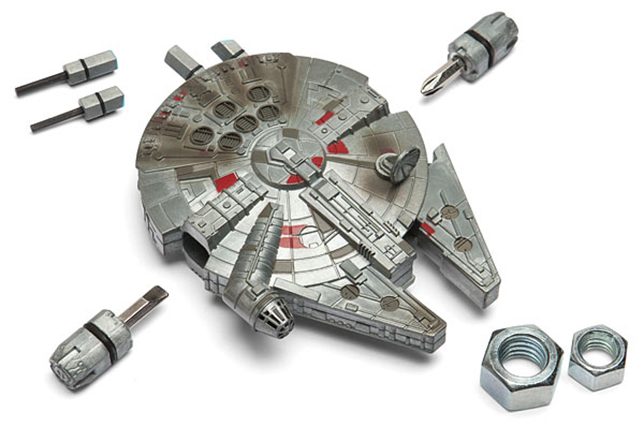
    It may not slip into your pocket with quite the ease of a Leatherman, but this Millennium Falcon multi-tool is a lot more fun to use when the hyperdrive breaks down and R2 isn’t around to fix it. Packed with four hex keys, two screwdrivers and a wrench, it features a magnetically sealed hatch and a built-in adjustment wheel built into the helm.

    star-wars-gift-multitool-1

    The handy implement is just one of dozens of Star Wars gifts available at ThinkGeek – which can still get to you in time for Christmas if you order by Wednesday the 21st.

    star-wars-gifts-death-star-waffles

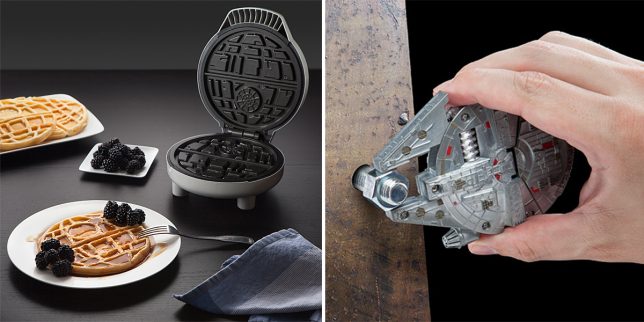
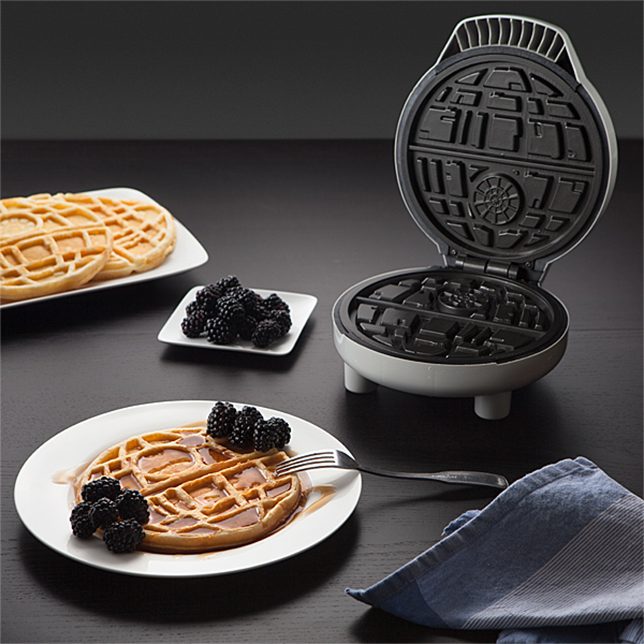
    If you’re going to own a waffle iron, it might as well imprint something cool onto your breakfast, right? The dark side has waffles, and they pop out in the shape of the Death Star. If one side doesn’t come out perfect, just flip it over – “there’s a concave dish composite beam suppresser indentation on both cooking plates, so you’re covered.”

    heat-change-mug

    star-wars-gifts-bb8-charger

    star-wars-gifts

    If a luxurious Wampa rug is more your style, they’ve got those, too, along with Rogue One Deathtrooper fleece robes, hooded scarves just like Rey’s in The Force Awakens, Chewbacca foot stockings, Tauntaun sleeping bags (bound to be better-smelling than the real thing!) and Darth Vader silicone oven mitts. Practically anything Star Wars-related you can think of is here. Check it all out at ThinkGeek.

    Share on Facebook


    [ By SA Rogers in Gadgets & Geekery & Technology. ]

    [ WebUrbanist | Archives | Galleries | Privacy | TOS ]


    WebUrbanist

  • 5 Tips for Shooting Glass to Enhance Your Street Photographs

    As any studio photographer will tell you, photographing translucent and reflective objects like glass for product work can be an ordeal. It’s not impossible, but it sure isn’t easy, with plenty of variables and tricky reflections to minimize and avoid.

    Naturally, you can imagine my foray into street photography was both a welcome change and a culture shock. Stepping out of the studio and into the realm of street photography, I went from an incredibly controlled environment to anything but! That’s when I began to view glass in a different light. Yes, the very bane of many a studio photographer’s existence can actually be a street photographer’s blessing.

    Shooting through glass

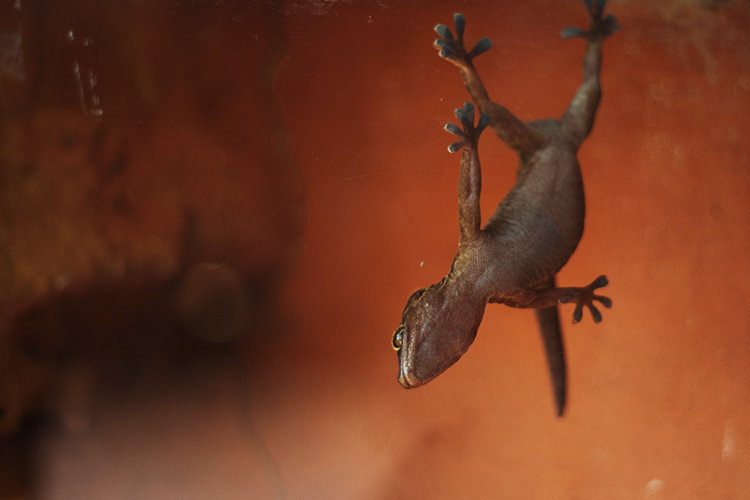
    Photographing through glass lends unique perspectives, like this photo of a gecko hanging upside down on a glass enclosure.

    There aren’t many fixed objects that pose opportunities as readily to a street photographer as glass. As photographers, we all (mostly) use glass in our lenses as its inherent properties focus light and correct optical aberrations, allowing us to record sharp images. Glass surfaces in the street, however, present a variable and volatile abundance of opportunity. It can soften, reflect, highlight, disguise, frame, and transpose. Glass constantly changes with the environment yet it behaves as a physical barrier between the photographer and subject, allowing for a degree of ease between the two.

    For the sake of this article, I’ve narrowed the benefits of glass to only the most obvious and dramatic – color, pattern and texture, reflections and depth, glass as a physical barrier, framing and finally, distortion and perspective. Okay, so I combined a few points, but you’ll soon see that glass isn’t just for selfies and reflections. Shooting through glass can actually change up your practice and give you a whole new perspective on street photography.

    1 – Color

    photography-through-glass05

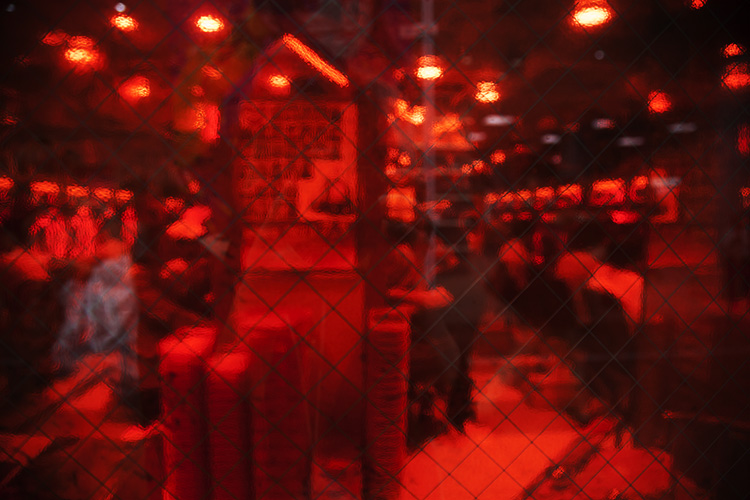
    The saturated red of the glass between the subject and I adds a sense of voyeurism.

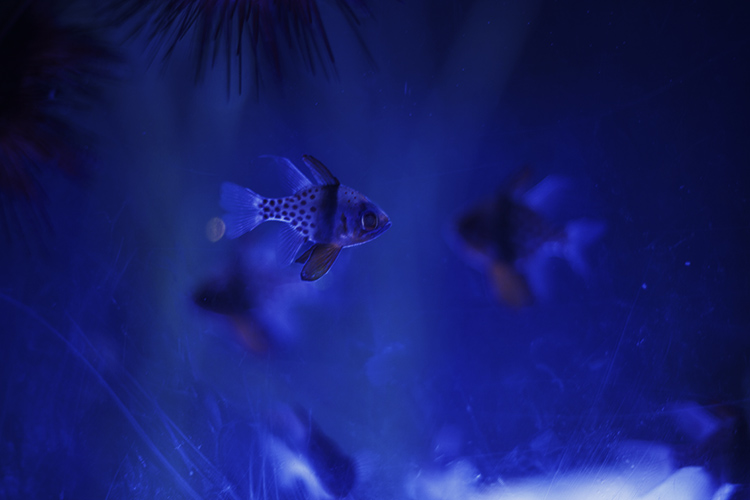
    Color greatly influences how a viewer reads an image. Shooting through colored glass is a great way of adding atmosphere to your photographs without post-production. Red glass, like that found on decals or nightclubs, suggests a sense of intimacy or passion, whereas blue could suggest an aquatic or daylight setting. Color eludes to the time of day a photograph was taken and a highly saturated image can also take on a surreal appearance, distancing the viewer from the photograph and creating a feeling of voyeurism. Try photographing subjects through tinted feature walls at late-night shopping malls or through the aged glass of old windows.

    photography-through-glass06

    2 – Pattern and texture

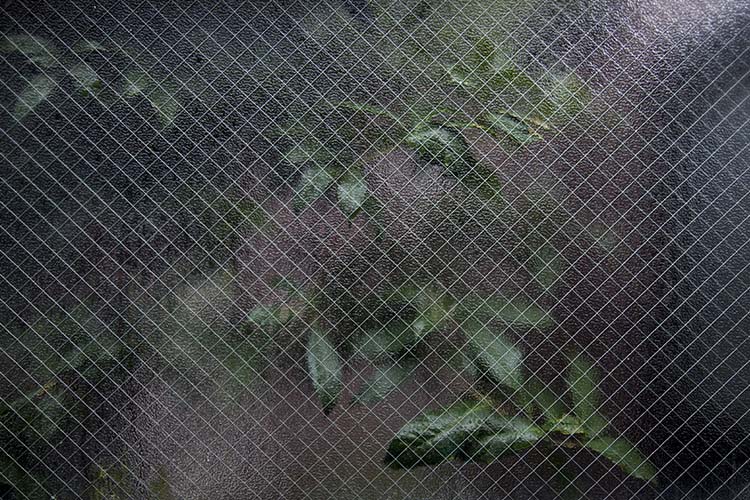
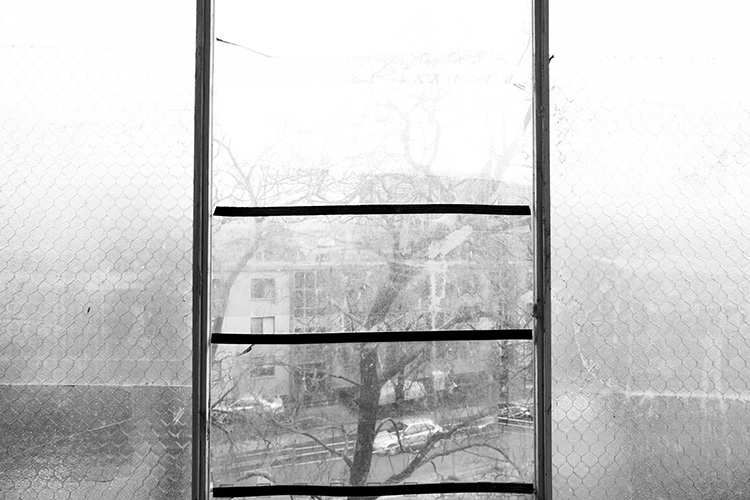
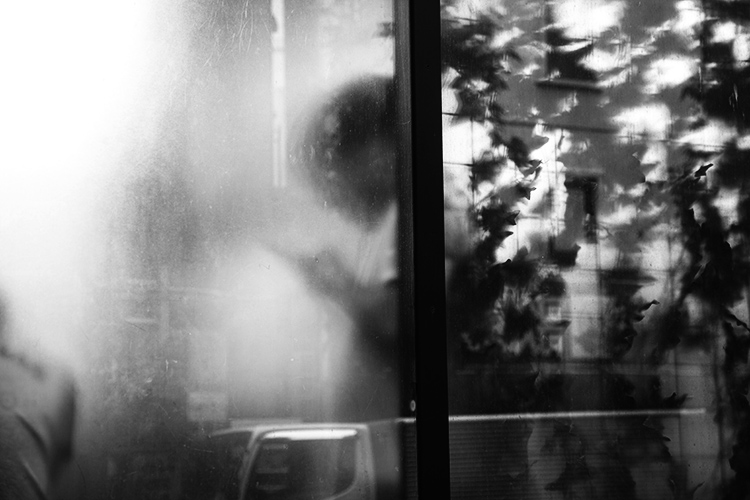
    Using pattern and texture in a photograph explores how an image feels as well as how it looks. Textural images appeal to our sense of touch and it allows photographers to form greater connections with an audience. Photographing textured, semi-opaque and reinforced glass divides an image into smaller sections. This prompts a viewer to dissect an image in pieces to gain a greater understanding of the whole.

    Different textures are great for images with organic and inorganic subject matter too. Creating juxtapositions that draw attention to subjects that are usually discounted creates engaging subject matter. Texture also affects the way light interacts with glass, softening the subject matter behind it and emphasizing form and shape over content.

    photography-through-glass04

    The rough, reinforced glass in the foreground of this image highlights the soft, organic form of the plant in the background.

    photography-through-glass07

    3 – Reflections and depth

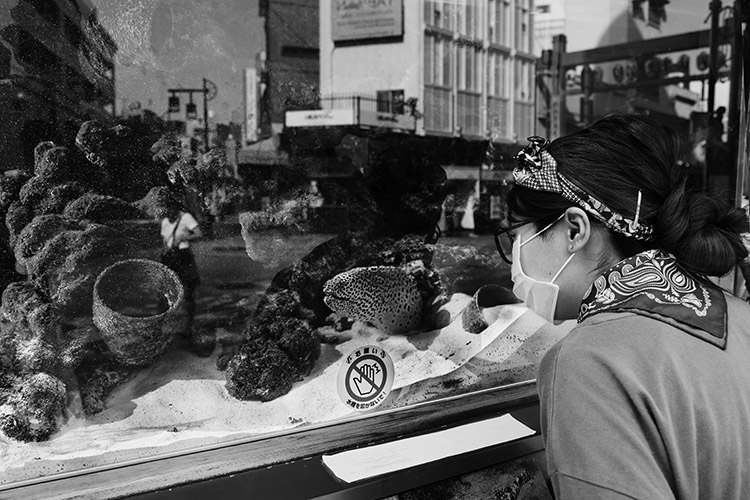
    Want to add context to a portrait but running low on legroom? Reflective glass windows are a great way to add depth to a photograph. Reflections in glass create a greater sense of atmosphere and give the viewer more information about an image. The characteristics of reflected light add tonal variety to a photograph, drawing a viewer in for a closer look. The closer you are to a glass surface, the less it will reflect, try stepping back or shifting the camera angle. Stepping back also has the added bonus of minimizing your chances of disturbing a potential subject.

    photography-through-glass02

    This photograph features a woman inspecting an eel in a shop window, but also includes a reflection of the street, adding depth and a greater sense of context.

    4 – The invisible wall

    In my time as a street photographer, I’ve noticed an interesting psychological phenomenon. When I’m photographing subjects through transparent panes of glass – people are much more at ease. Photographing people through a glass window or panel seems to add a degree of separation. My theory is that when there is a physical barrier between you and the subject, people subconsciously feel more comfortable. Glass reduces noise and light, creating a physical partition that lures people into a sense of security.

    I find that when separated by a pane glass people are more likely to look directly into the lens too, allowing their curiosity to run a little freer behind a physical partition. Some of the most natural street portraits I have taken have been through glass partitions and windows. Train rides offer an excellent opportunity for unencumbered street photography.

    photography-through-glass12

    Taken from a train window, the subject and I had a bit of a stare-off before I took this shot.

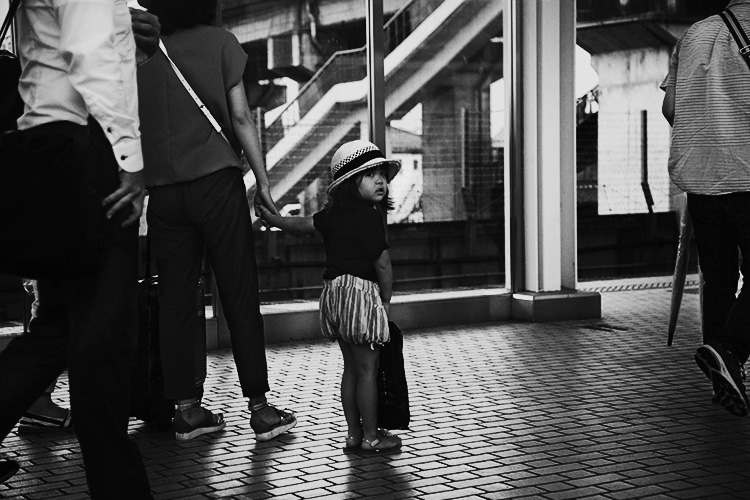
    Also taken from a train window, this child was watching my train leave the station. I was quick enough to place my camera against the glass to capture her looking back at me.

    5 – Framing and perspective

    Emphasizing the photographer’s point of view can lend a voyeuristic atmosphere to an image. Framing is the use of shapes in the environment to guide the viewer’s eye to a point in a photograph. Photographing through glass partitions or windows emphasizes that you have captured a moment without prompting a subject, like looking through a keyhole.

    Viewing a subject photographed from above feels different to viewing a photograph taken from below. One great way to take advantage of glass’s transparent nature is to focus on various animals’ attraction to transparent surfaces. Inhabitants of urban landscapes such as lizards, frogs, spiders, snails and insects all negotiate glass surfaces with ease.

    A photographer with a keen eye can exploit these opportunities to capture unique perspectives of our fellow city-dwellers. Like humans, animals seem more at ease with a wall of glass to separate them from potential predators, allowing you the chance to capture a more natural photograph.

    photography-through-glass13
    photography-through-glass11

    photography-through-glass03

    Distortion

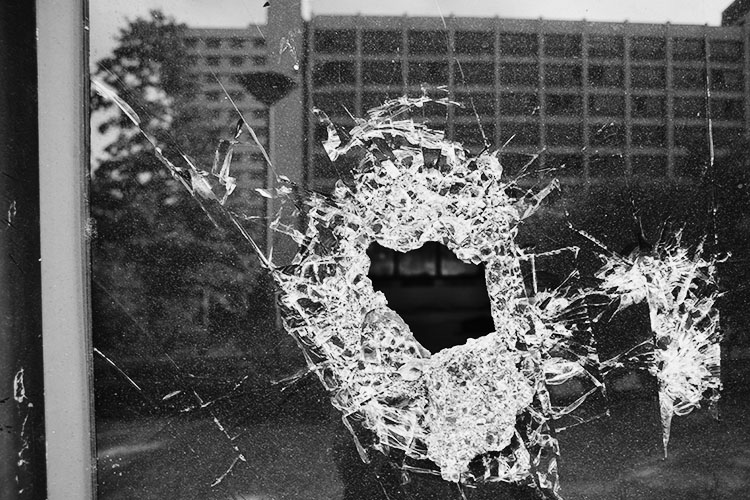
    Light traveling through glass often behaves in surprising and interesting ways. If light touches even the most minute curved surface it refracts, distorting anything viewed through it. Planning a shot in front of a pane of glass can yield fascinating and surrealistic photographs.

    Try experimenting with different thicknesses of glass at varying degrees of curvature. Aquariums and aquatic displays are good for honing this technique because the water inside the glass containers amplifies the distortion. Holding variously shaped prisms over the front of your lens can yield some surprisingly effective and interesting results too.

    photography-through-glass08

    Conclusion

    Transparent, opaque, tinted, laminated, textured, reinforced… there are endless varieties of glass and each presents a unique opportunity for you as a photographer. Although I’ve tried to list a few of the more dramatic ways to use glass in street photography, the potential is limitless and exciting.

    photography-through-glass14

    They key to taking great street photographs is to be open to opportunity and quick on the shutter button. With limited time to capitalize on the moments that are presented to you, focusing on surfaces like glass that can yield fascinating results quickly and is a fool-proof way of enhancing your craft.

    googletag.cmd.push(function() {
    tablet_slots.push( googletag.defineSlot( “/1005424/_dPSv4_tab-all-article-bottom_(300×250)”, [300, 250], “pb-ad-78623” ).addService( googletag.pubads() ) ); } );

    googletag.cmd.push(function() {
    mobile_slots.push( googletag.defineSlot( “/1005424/_dPSv4_mob-all-article-bottom_(300×250)”, [300, 250], “pb-ad-78158” ).addService( googletag.pubads() ) ); } );

    The post 5 Tips for Shooting Glass to Enhance Your Street Photographs by Megan Kennedy appeared first on Digital Photography School.


    Digital Photography School

  • Updating a classic: Canon EF 16-35mm F2.8L III USM lens review

    The Canon 16-35mm F2.8L II has been one of the most coveted lenses amongst landscape photographers for a fairly long time. The legendary sunstar was one of the major selling points of the lens and it was one of the major characteristics that really separated the Canon lens from the rest of the field.

    When we first heard that Canon was going to release an updated version of the lens we were pretty darn excited. The Mark II was a fantastic piece of glass, but struggled in terms of corner sharpness and control of chromatic aberration along the edges and in the corners of the frame. The upgraded version of the Canon lens promised to correct a number of those issues while still holding onto some of the characteristics of the previous version that made it so appealing to landscape shooters around the world.

    With that said, the real question is; how does the updated Canon lens compare to its predecessor? The previous iteration of this lens had a number of issues that we will discuss in this review while we compare and contrast the two versions. The fundamental questions that we will be addressing in this review is; if the upgrade warrants the price increase and if the performance from the new design is convincing enough to justify the upgrade.

    APS-C

    With an equivalent focal length of 25.6-56mm and an equivalent aperture of F4.5 there are better wide-angle APS-C options on the market such as the Tokina 11-16mm F2.8 AT-X116 Pro DX II Lens or the Sigma 18-35mm F1.8 Art DC HSM that can really take advantage of a fast aperture for a fraction of the price. For this reason we’re not going to consider this lens for use on the APS-C platform in this review.

    Canon 16-35mm F2.8L III USM Headline Features

    • Fully weather-sealed construction
    • F2.8 maximum aperture
    • 16-35mm focal range
    • Sub-wavelength Coatings (SWC) and Air Sphere Coatings (ASC) to eliminate lens flare and ghosting
    • Two large-diameter double-surface GMo lenses plus a ground aspherical lens to help decrease distortion, curvature of field and astigmatism
    • Two UD lenses help to reduce chromatic aberration

    Specifications Compared

      Canon 16-35mm F2.8L II USM Canon 16-35mm F.28L III USM
    MSRP $ 1599.00 $ 2199.00
    Lens Type Wide-Angle Zoom Wide-Angle Zoom
    Focal Length  16-35mm 16-35mm

    Filter Thread 

    82.0mm 82.0mm
    Image Stabilization  No No
    Lens Mount Canon EF Canon EF
    Aperture Ring No No
    Maximum Aperture  F2.8 F2.8
    Minimum Aperture F22 F22
    Minimum Focus  0.28m (11.02″) 0.28m (11.02?)
    Diaphragm Blades 7 (rounded)  9 (rounded)
    Elements  16 16
    Groups  12 11
    Special Elements/Coatings 2-Ultra-low dispersion glass lenses, 3 high-precision aspherical lens elements; ground, replica and GMo, Super Spectra lens coatings 2 large-diameter double-surface GMo lenses and a ground aspherical lens, Sub-wavelength Coatings (SWC) and Air Sphere Coatings (ASC)
    Autofocus  Yes Yes
    Motor Type Ring-type Ultrasonic Ring-type Ultrasonic
    Full Time Manual  Yes Yes
    Focus Method Internal Internal
    Distance Scale  Yes Yes 
    DoF Scale No No
    Full Weather Sealing Yes Yes
    Zoom method  Rotary (internal) Rotary (internal)
    Weight  635 g (1.4 lb) 790 g (1.74 lb)
    Dimensions

    111.6mm (4.39″) x 88.5mm (3.48″)

    128 mm (5.02?) x 89 mm (3.48?)
    Hood Included (EW-88D) Included (EW-88D)

    Articles: Digital Photography Review (dpreview.com)

  • New 20mm F2 4.5x macro lens released by Mitakon

    $ (document).ready(function() { SampleGalleryV2({“containerId”:”embeddedSampleGallery_8795135265″,”galleryId”:”8795135265″,”isEmbeddedWidget”:true,”standalone”:false,”selectedImageIndex”:0,”startInCommentsView”:false,”isMobile”:false}) });

    Chinese optical manufacturer Mitakon has announced a macro lens with a maximum magnification ratio of 4.5:1. The Zhongyi Mitakon 20mm F2 4.5x Super Macro offers the opportunity to fill the frame of a 35mm-sized camera with objects four and a half times smaller than the camera’s sensor and can focus as close as 20cm, according to the company’s specification sheet.

    The lens is manual focus, has apertures from F2 to F16, and uses a 3-bladed iris. The construction is of six elements in four groups with a metal barrel and a total length of only 60mm. The lens can’t be used for normal infinity focusing and the lowest magnification factor is 4x, so it is solely for macro use.

    $ (document).ready(function() { SampleGalleryV2({“containerId”:”embeddedSampleGallery_4872648991″,”galleryId”:”4872648991″,”isEmbeddedWidget”:true,”standalone”:false,”selectedImageIndex”:0,”startInCommentsView”:false,”isMobile”:false}) });

    Mitakon says the lens is available in mounts for Canon EF, Nikon F, Sony FE, Sony A, Pentax K, Sony E, Fujifilm X and Micro Four Thirds cameras, and costs $ 199. For more information visit the Mitakon website.

    Press release

    ZY Optics releases the Zhongyi Mitakon 20mm f/2 4.5X Super Macro Lens for high magnification shots

    Zhongyi Optics (ZY Optics) has released a new compact Super Macro Lens for full frame cameras, the Zhongyi Mitakon 20mm f/2 4.5x Super Macro Lens and it features a high reproduction ratio up to 4.5:1.

    Zhongyi Mitakon 20mm f/2 4.5X Super Macro Lens is very compact in its class which allows photographers to capture extremely fine details or patterns with ease. The lens is capable of creating unbelievable macro images ranging from 4x to 4.5x magnification. Users no longer need to DIY or use any extension tubes to reach high magnification shooting. It incorporates a 6pcs of elements in 4 groups structure which delivers impressive resolution from corners to corners. Weighing merely 0.5 lbs (230g) and 6cm long, it is a perfect companion for wildlife and outdoor shooting. The wide angle of view and close focusing distance allows you to compose creative images with more information included into the frame. Greater magnification (up to 13:1) can also be achieved by stacking extension tubes or bellows. The high magnification is also extremely useful for scientific purposes.

    The enclosure of the lens is made of metal to strengthen its durability. Canon EF, Nikon F, Sony FE, Sony Alpha, Pentax K, Sony E, Micro Four Thirds, Fuji X mounts are available.

    Pricing & Availability

    Zhongyi Mitakon 20mm f/2 4.5X Super Macro Lens is now available to ship and purchase at ZY Optics authorized resellers and at our official website (http://www.zyoptics.net/). The Recommended Retail price is USD 199.

    Articles: Digital Photography Review (dpreview.com)

  • Nokia brand rumored to return with camera-centric smartphone

    HMD Global, a Finnish company that has acquired patents and the rights to manufacture Nokia-branded smartphones from Microsoft for the next 10 years, is expected to launch a couple of high-end Android devices at the Mobile World Congress in February and one of them looks like a serious weapon for mobile photographers.

    The rumored Nokia C1 is expected to feature a dual camera with 16MP and 12MP modules, a triple-LED flash, laser-assisted AF and, like some famous Nokia smartphones from the past, a real xenon flash. With a Snapdragon 835 chipset, 4GB of RAM, a 3,210 mAh battery and 32, 64, and 128GB storage options, the non-camera-related part of the specification sounds pretty good as well.

    A second device is expected to also come with the Snapdragon 835 chipset, 6GB of RAM and a 23MP camera with Zeiss-branded lens, all wrapped up in a metal body. Both devices look appealing but from a photography point of view the C1 is arguably more interesting. 

    With the 808 and Lumia 1020, Nokia was responsible for two of the best camera smartphones ever made. If the rumors are true the new owners of the brand might be on a good path to making Nokia a favorite of the mobile photography community’s favorites again. We’ll keep our eyes open for the new devices at Mobile World Congress in February.

    Articles: Digital Photography Review (dpreview.com)

  • Updating a classic: Canon 16-35mm F2.8 III lens review

    The Canon 16-35mm F2.8L II has been one of the most coveted lenses amongst landscape photographers for a fairly long time. The infamous sunstar was one of the major selling points of the lens and it was one of the major characteristics that really separated the Canon lens from the rest of the field.

    When we first heard that Canon was going to release an updated version of the lens we were pretty darn excited. The Mark II was a fantastic piece of glass, but struggled in terms of corner sharpness and control of chromatic aberration along the edges and in the corners of the frame. The upgraded version of the Canon lens promised to correct a number of those issues while still holding onto some of the characteristics of the previous version that made it so appealing to landscape shooters around the world.

    With that said, the real question is; how does the updated Canon lens compare to its predecessor? The previous iteration of this lens had a number of issues that we will discuss in this review while we compare and contrast the two versions. The fundamental questions that we will be addressing in this review is; if the upgrade warrants the price increase and if the performance from the new design is convincing enough to justify the upgrade.

    APS-C

    With an equivalent focal length of 25.6-56mm and an equivalent aperture of F4.5 there are better wide-angle APS-C options on the market such as the Tokina 11-16mm F2.8 AT-X116 Pro DX II Lens or the Sigma 18-35mm F1.8 Art DC HSM that can really take advantage of a fast aperture for a fraction of the price. For this reason we’re not going to consider this lens for use on the APS-C platform in this review.

    Canon 16-35mm F2.8L III USM Headline Features

    • Fully weather-sealed construction
    • F2.8 maximum aperture
    • 16-35mm focal range
    • Sub-wavelength Coatings (SWC) and Air Sphere Coatings (ASC) to eliminate lens flare and ghosting
    • Two large-diameter double-surface GMo lenses plus a ground aspherical lens to help decrease distortion, curvature of field and astigmatism
    • Two UD lenses help to reduce chromatic aberration

    Specifications Compared

      Canon 16-35mm F2.8L II USM Canon 16-35mm F.28L III USM
    MSRP $ 1599.00 $ 2199.00
    Lens Type Wide-Angle Zoom Wide-Angle Zoom
    Focal Length  16-35mm 16-35mm

    Filter Thread 

    82.0mm 82.0mm
    Image Stabilization  No No
    Lens Mount Canon EF Canon EF
    Aperture Ring No No
    Maximum Aperture  F2.8 F2.8
    Minimum Aperture F22 F22
    Minimum Focus  0.28m (11.02″) 0.28m (11.02?)
    Diaphragm Blades 7 (rounded)  9 (rounded)
    Elements  16 16
    Groups  12 11
    Special Elements/Coatings 2-Ultra-low dispersion glass lenses, 3 high-precision aspherical lens elements; ground, replica and GMo, Super Spectra lens coatings 2 large-diameter double-surface GMo lenses and a ground aspherical lens, Sub-wavelength Coatings (SWC) and Air Sphere Coatings (ASC)
    Autofocus  Yes Yes
    Motor Type Ring-type Ultrasonic Ring-type Ultrasonic
    Full Time Manual  Yes Yes
    Focus Method Internal Internal
    Distance Scale  Yes Yes 
    DoF Scale No No
    Full Weather Sealing Yes Yes
    Zoom method  Rotary (internal) Rotary (internal)
    Weight  635 g (1.4 lb) 790 g (1.74 lb)
    Dimensions

    111.6mm (4.39″) x 88.5mm (3.48″)

    128 mm (5.02?) x 89 mm (3.48?)
    Hood Included (EW-88D) Included (EW-88D)

    Articles: Digital Photography Review (dpreview.com)

  • Gear of the Year 2016 – Barney’s choice: Nikon D500

    From almost the minute it was announced, somewhat incongruously, at the Consumer Electronics Show in January (well, it does have a touchscreen, I suppose), the Nikon D500 looked like it was going to be a hit with DPReview’s readers. After so many years we had almost lost hope that Nikon would replace the D300S, which soldiered on well into its dotage, and well beyond the point where it was able to keep up with the likes of Canon’s EOS 7D II. 

    But replace it Nikon did, and in impressive fashion. I won’t waste your time listing specifications (you can find all of that here) in this article, but suffice to say it’s unlikely that the D500 will look outdated any time soon.

    The D500 boasts a 153-point AF system, of which 55 can be manually selected. But it doesn’t just boast a lot of autofocus points, it also offers them across most of the width of the frame.

    Despite its obvious appeal, I was a little hesitant to make the D500 my choice for Gear of the Year because of all the people on the DPReview team, I’ve probably used it for the least amount of time. But my experience of shooting with it for our September Field Test, with National Geographic photographer, friend to the wolves and all-round man-crush Ronan Donovan was a definite highlight of 2016.

    Most of our video shoots are organized far in advance, and planned almost down to the last detail. Camera features are carefully aligned with shooting situations, locations are scouted ahead of time, and the shoot proceeds predictably, and more or less according to plan.

    Most Field Tests are like that, but some are not. The D500 shoot was not.

    A combination of factors including limited availability of D500 bodies, limited availability of Ronan, an already packed pre-Photokina schedule, the vicissitudes of rural Montana’s postal system some inconveniently-positioned wildfires meant that we weren’t able to plan the shoot quite as carefully as we might have liked.

    A Tight Timeframe

    In fact, we ended up with a mere 24-hour window of time in which to work with Ronan, filming at a remote wildlife reserve in Montana, more than 10 hours’ drive away from DPReview’s home base of Seattle. The cameras only showed up a couple of days before we were due to head to the reserve, so it was essential that D500s didn’t fail or present any major surprises on location. If that had happened, there wouldn’t have been enough time to troubleshoot.

    The broad width of the D500’s autofocus coverage, and its impressive 3D AF Tracking mode combine to offer unparalleled accuracy when it comes to tracking subjects around the frame. Even flying against a similarly-colored, cluttered background, the D500 had no trouble accurately tracking birds of prey on the Montana video shoot.

    For instance, had the D500 been susceptible to dust or high temperatures, or had it simply presented too steep a learning curve for Ronan and me to pick up and use more or less straight out of the box, we would have been in trouble. Similarly, if it had been incapable of focusing on the fast-moving birds we were pinning our hopes on capturing, or if its autofocus system gave out in low light, we might have been forced to scrub the shoot for lack of coverage.

    That’s the gear, but the concept itself also presented some risk. When you center a video shoot around wildlife photography, it’s a good idea to build some extra time into the schedule as insurance against the unexpected. With such a tight window, multiple extra shoot days weren’t an option. Things were further complicated by wildfire haze and a 30mph wind on the day of our shoot, which threatened to reduce both air quality and audio quality, as well as keep the birds we were hoping to photograph on the ground or tucked away in the branches of trees.

    Ominously, a frequent visitor to the reserve told me when we arrived that he had seen fewer birds during his vacation this year than any previous year he could remember. Gulp.

    This image is one of a sequence taken after dark. Even in such low light, the D500 accurately tracked these swans landing on a lake, and at ISO 258,032 the images are grainy, but after careful processing they still contain plenty of detail and natural color.

    Fortunately despite the wind and the haze, we did find some birds, and although the wind blew out a lot of our audio, we still managed to record plenty of usable sound. Ronan was great on camera and quickly got to grips with the D500, and the D500 itself shrugged off the dust and heat and did everything that we asked of it. And we asked a lot.

    In a 24-hour shoot we baked our three D500s in the sun, froze them overnight taking time-lapse shots of the stars, covered them in dust, and repeatedly asked them to focus track small, distant birds at long focal lengths. Even more challenging was shooting after dark, when we attempted 10 fps AF tracking bursts of trumpeter swans flying at night, and grabbed unplanned images of an owl, lit only by the headlamps of our truck. 

    Sharp Focus

    The reason we were able to get all of those images with relatively little trial and error is that the D500’s autofocus system seems to have been sent from the future by benevolent aliens, whose mission – apparently – is to help us take better photographs. 

    In 3D AF tracking mode, the camera managed to accurately follow our small, erratic subjects around the frame, even in very low light. When 3D AF tracking didn’t work so well, one of the several other autofocus modes invariably delivered the results we needed. Group Area AF, for instance, proved especially useful for the smaller birds.

    The D500’s 1.5X crop turns a 500mm lens into an effective 750mm. This is very handy when shooting skittish birds like this hawk. 

    Once we’d wrapped the shoot and Ronan had left, I spent a couple of hours the next day on my own, getting some additional images in the bag before we left the wildlife reserve. With the film crew otherwise occupied, I posted up near a fence where we’d seen hawks the previous day, and waited to see if they’d come back. They did, and I spent a pleasant couple of hours shooting them wheeling around the sky, with the D500 accurately tracking them around the frame even as they moved in front and behind of low trees and bushes.

    If you make the mistake of getting too close to one of these birds of prey, you might end up regretting it. This image is one of a sequence of shots which show a juvenile hawk diving at me, at a closing speed of roughly 100mph. This image shows the bird starting to open his wings to pull out of the dive a few feet above my head. 

    Less pleasant was a diving attack from one of the juveniles, which dropped on me from a hundred feet or so, folding its wings and coming straight for the camera, like a beaked dart. I fired off a few shots before losing my nerve but remarkably, despite the incredible closing speed of the bird and my shaking hands, the D500 nailed several sharp images of the hawk before it pulled out of the dive at close to 100mph, a few feet about my head. I took the hint and moved on.

    I headed to a small lake and shot an unbroken sequence of images of a pelican taking off and circling around the lake. With an XQD card installed, the D500 can maintain its 10 fps continuous shooting rate almost indefinitely, while maintaining accurate focus the entire time. I like pelicans. They’re very sedate. Less… attacky. 

    Although there are higher-resolution cameras on the market, 20MP is enough resolution for high-quality landscape imaging. Raw files from the D500 also offer a wide latitude for post-capture adjustment.

    With these sequences, plus Ronan’s shots from the previous day, we knew we had enough images to really show the D500 at its best. Despite the challenging shooting conditions, the D500 did everything we asked of it, and more. After more than ten years writing about digital cameras, I’m not easily seduced by impressive-sounding specifications or fancy new features. I knew the D500 was good before the Montana video shoot, but I didn’t know how good. That experience impressed me enough to make the Nikon D500 my pick for Gear of the Year 2016.

    Nikon D500 real-world samples

    Please do not reproduce any of these images on a website or any newsletter / magazine without prior permission (see our copyright page). We make the originals available for private users to download to their own machines for personal examination or printing (in conjunction with this review), we do so in good faith, please don’t abuse it.

    Unless otherwise noted images taken with no particular settings at full resolution. Because our review images are now hosted on the ‘galleries’ section of dpreview.com, you can enjoy all of the new galleries functionality when browsing these samples.

    $ (document).ready(function() { SampleGalleryGridV2({“galleryId”:”4137508448″,”isMobile”:false}) })

    Nikon D500 Sample Gallery

    109 images • Posted on Apr 29, 2016 • View album
    Sample photoSample photoSample photoSample photoSample photoSample photoSample photoSample photoSample photoSample photoSample photoSample photoSample photoSample photoSample photoSample photoSample photoSample photoSample photoSample photoSample photoSample photoSample photoSample photoSample photoSample photoSample photoSample photoSample photoSample photoSample photoSample photoSample photoSample photoSample photoSample photoSample photoSample photoSample photoSample photoSample photoSample photoSample photoSample photoSample photoSample photoSample photoSample photoSample photo

    Articles: Digital Photography Review (dpreview.com)

  • Filmmaker ScottDW trades his pro video gear for Canon EOS 80D: Watch the results

    What happens when you swap out a video pro’s cinema-grade gear with a Canon EOS 80D?

    Filmmaker ScottDW found out, when he put down his usual pro kit and picked up the 80D to shoot an installment of his High School Dance Off video series.

     ScottDW is a professional filmmaker with over 880,000 YouTube fans

    ScottDW put Canon’s Video Creator Kit to use filming the short. The bundle was introduced alongside the 80D and includes a Rode directional microphone along with a power zoom adapter for the camera’s 18-135mm F3.5-5.6 kit lens. Take a look at how it all came together in the video above.

    The Canon 80D offers a touch screen, handy for things like AF point selection

    Though you won’t find any choreographed dance routines, you can also check out the 80D’s performance in DPReview’s video feature Barney Builds a Boat.

    Articles: Digital Photography Review (dpreview.com)

  • The Architect: New Film with All-Star Cast Features Egotistical Starchitect

    [ By WebUrbanist in Architecture & Houses & Residential. ]

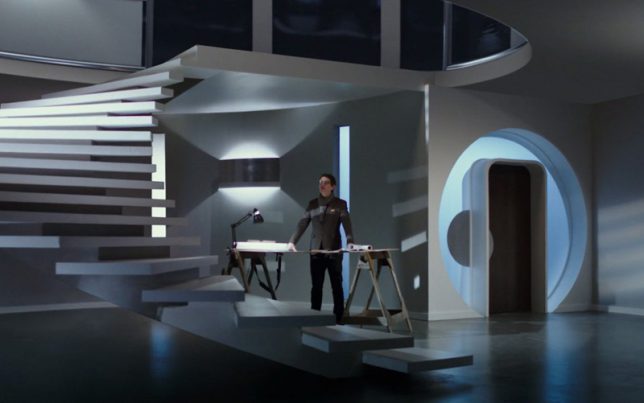
    the-architect-interior

    All of the stereotypes associated with the architectural profession and its stars, real and exaggerated, are about to be revealed in an hour-and-a-half movie starring Parker Posey (wife), Eric McCormack (husband), John Carroll Lynch (builder) and James Frain (architect).
    Directed by Jonathan Parker, the The Architect‘s trailer gives you a taste of what is to come: “Often the opinion of the client must be disregarded for his own good,” says starchitect Miles Moss (James Frain). “Less is only more when more is no good” (a satirical nod to Mies van der Rohe).

    house-plan

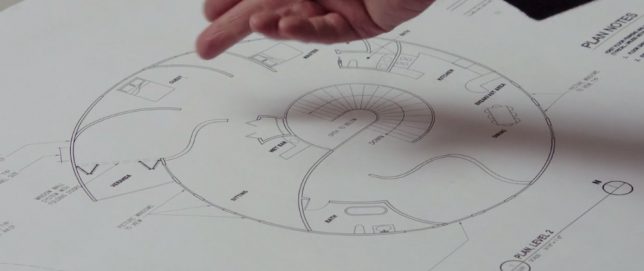
    The story revolves around a couple that buy a tear-down house and decide to build from scratch. They spot a house they like and hunt down the architect to design their dream home. It quickly becomes clear, however, that their dreams will be replaced by those of the architect, or at best: rendered in concrete, glass and steel. The wife (Parker Posey) may also be having second thoughts about her choice of partner. Architects and architecture often take a back seat to the main story (Sleepless in Seattle), but in this picture, for better or worse, they are the center of attention.

    the-architects

    His masterful creation meets resistance, probably in part because its semi-circular spaces are somewhat difficult to furnish. “I don’t know why people hire architects, and then tell them what to do,” Moss wonders aloud, frustrated with his clients. Like this one, many of his lines clearly refer to quotes from famous architects both contemporary (Frank Gehry) and historical (Le Corbusier).

    the-architect

    “These are the sleeping spaces” says the architect, pointing at the plan (“You mean bedrooms?” the husband replies) — “You could call them that” he admits, his voice dripping with superiority (architects are notorious for giving things fancy names). The movie hits on movements from Modernism through Deconstructivism, wrapping them in the comedic story of a troubled couple. Love it or hate it, this is a must-watch movie for fans as well as critics of the profession.

    Share on Facebook


    [ By WebUrbanist in Architecture & Houses & Residential. ]

    [ WebUrbanist | Archives | Galleries | Privacy | TOS ]


    WebUrbanist