Blog

  • Weekly Photography Challenge – Something Shiny

    Oooh shiny! Look at these images of shiny things and your eyes may glaze over.

    Jenny Downing

    By jenny downing

    Weekly photography challenge – something shiny

    What can you see near you that’s shiny? Look around, what do you see:

    • A crystal
    • Chrome
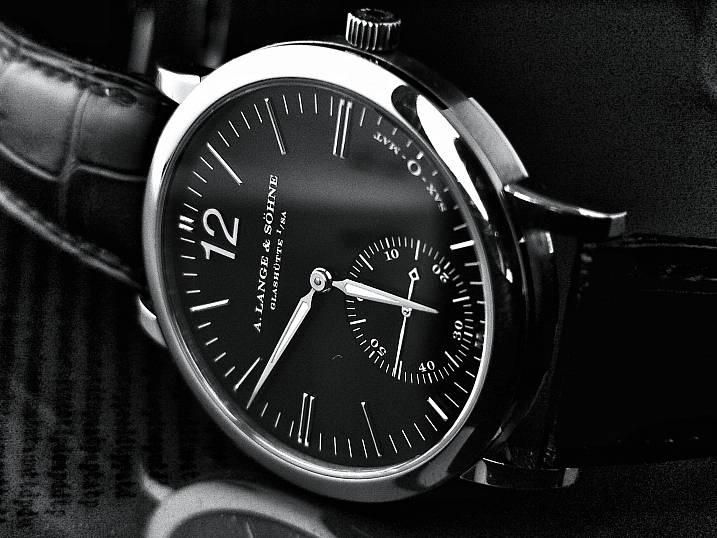
    • A watch
    • Jewelry
    • The sun

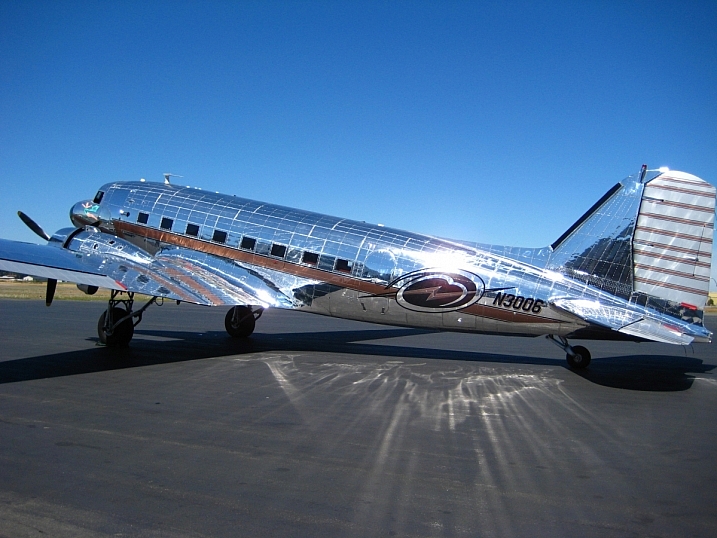
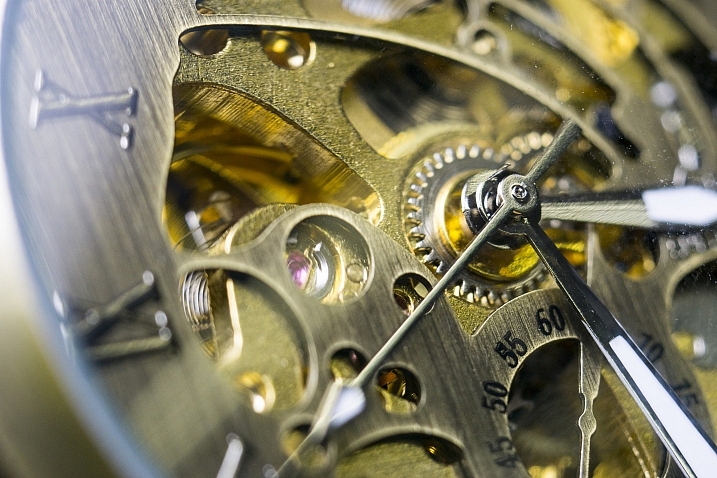
    Your job this week is to photograph something shiny, and make it stand out. Make sure it glistens and sparkles in your image. Lighting is key.

    Jennifer Donley

    By Jennifer Donley

    Marvin Chandra

    By Marvin Chandra

    William Warby

    By William Warby

    Jessica Merz

    By Jessica Merz

    Allie_Caulfield

    By Allie_Caulfield

    Share your images below:

    Simply upload your shot into the comment field (look for the little camera icon in the Disqus comments section) and they’ll get embedded for us all to see or if you’d prefer upload them to your favourite photo sharing site and leave the link to them. Show me your best images in this week’s challenge. Sometimes it takes a while for an image to appear so be patient and try not to post the same image twice.

    Darlene Hildebrandt

    By Darlene Hildebrandt

    Darlene Hildebrandt

    By Darlene Hildebrandt

    Darlene Hildebrandt

    By Darlene Hildebrandt

    Ville Miettinen

    By Ville Miettinen

    googletag.cmd.push(function() {
    tablet_slots.push( googletag.defineSlot( “/1005424/_dPSv4_tab-all-article-bottom_(300×250)”, [300, 250], “pb-ad-78623” ).addService( googletag.pubads() ) ); } );

    googletag.cmd.push(function() {
    mobile_slots.push( googletag.defineSlot( “/1005424/_dPSv4_mob-all-article-bottom_(300×250)”, [300, 250], “pb-ad-78158” ).addService( googletag.pubads() ) ); } );

    The post Weekly Photography Challenge – Something Shiny by Darlene Hildebrandt appeared first on Digital Photography School.


    Digital Photography School

  • Bloomframe: Window Morphs Into a Balcony in Seconds

    [ By Steph in Design & Fixtures & Interiors. ]

    bloomframe

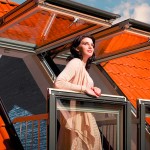
    Transforming from a flat window into a balcony at the push of a button, the Bloomframe design is not only available for purchase after years of design refinements, it’s also set to be the defining feature of an entire apartment building. Amsterdam-based architecture firm Hofman Dujardin won the Red Dot Design Award back in 2008 for the concept, which manages to be both innovative and attractive, eliminating some of the bulk seen in similar designs.

    bloomframe-gif

    bloomframe 2

    Think of it as the balcony version of a Murphy bed: you press a button and something useful pops out of the wall to offer you more space and functionality. Operated by remote control, the balcony looks like an ordinary window, except with an opaque metal panel where the lower pane of glass would normally be. Activate it, and an electric motor drive will extend out the top frame, pushing the lower one down into the balcony’s floor.

    bloomframe 3

    bloomframe 4

    bloomframe 6

    The whole process takes about fifteen seconds to complete, and the result is a real balcony with enough space for two people to sit down at a table and enjoy a meal. It was conceived specifically for spaces where traditional balconies aren’t logistically possible, like apartment renovations or warehouse conversions.

    bloomframe 8

    bloomframe

    When a dozens of them are installed in a single apartment building, like Hofman Dujardin’s proposed housing block, the result is a dynamic, constantly changing facade pattern. “In the winter the facade is closed, during spring the facades open like a flourishing flower,” say the designers.

    Share on Facebook


    [ By Steph in Design & Fixtures & Interiors. ]

    [ WebUrbanist | Archives | Galleries | Privacy | TOS ]


    WebUrbanist

  • 29 Polished Images of Shiny Things

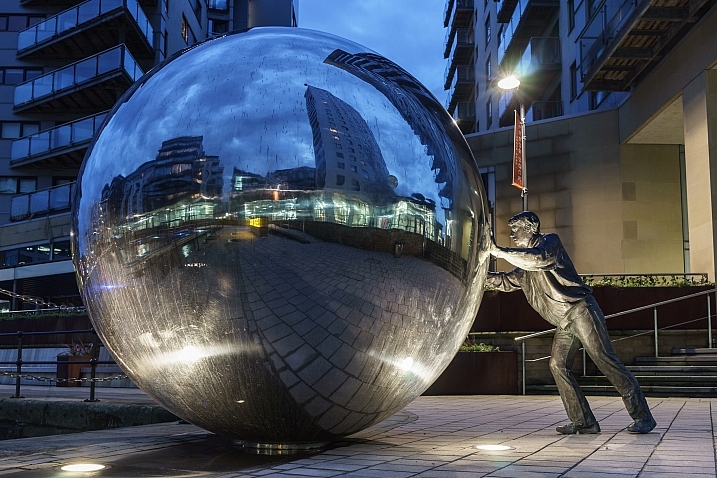
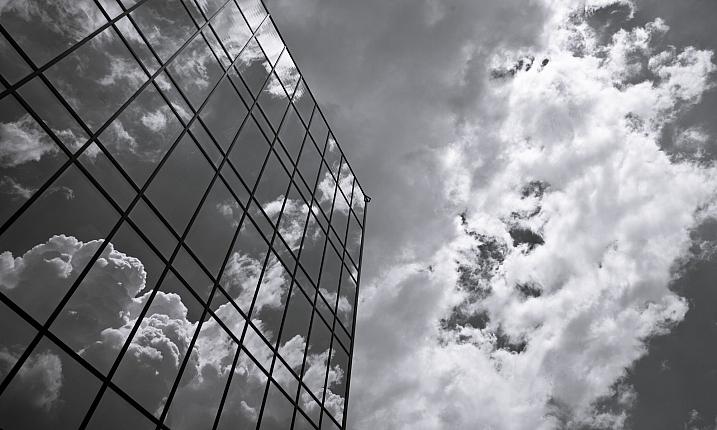
    I think as human beings we are all attracted to shiny things – oh look squirrel! Just kidding.

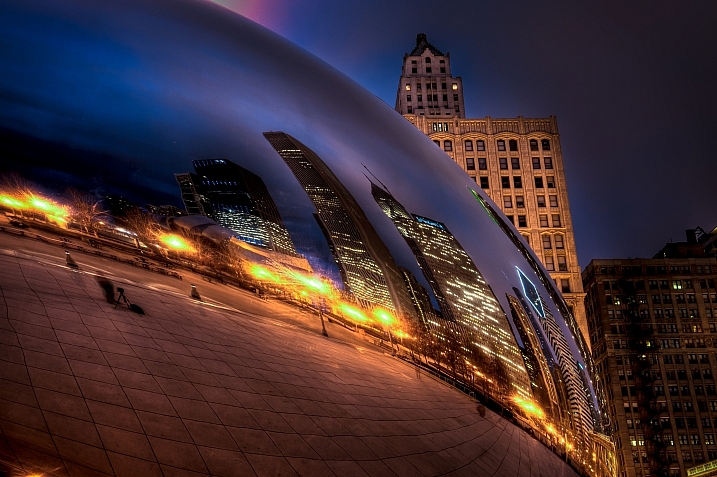
    But they go grab our eye. However, photographing them can be a bit trickier. You have to watch out for reflections, or maybe use them in your composition to your advantage. But you have to be intentional about it as a photographer.

    In these images I found of shiny things let’s see how some other photographers handled this tough subject:

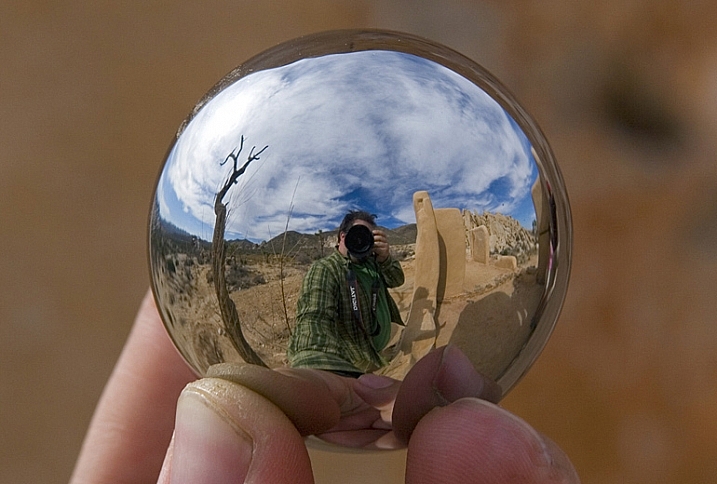
    Darlene Hildebrandt

    By Darlene Hildebrandt (a selfie of mine from 2009!)

    Brian Burger

    By Brian Burger

    Bill Gracey

    By Bill Gracey

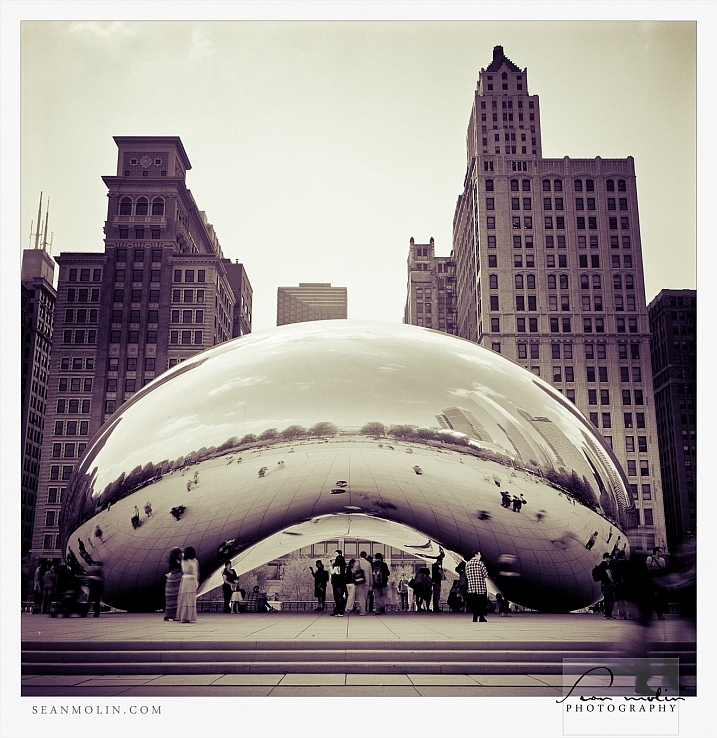
    Sean Molin

    By Sean Molin

    Lawrence OP

    By Lawrence OP

    Dave Wilson

    By Dave Wilson

    Kurt Bauschardt

    By Kurt Bauschardt

    Alan Newman - An1.uk

    By Alan Newman – an1.uk

    Neil  Kremer

    By Neil Kremer

    Kolby

    By Kolby

    Siggi Churchill

    By Siggi Churchill

    Cathy McCray

    By Cathy McCray

    Jon Matthies

    By Jon Matthies

    *Vintage Fairytale*

    By *Vintage Fairytale*

    Killerturnip

    By killerturnip

    Kolby

    By Kolby

    Tiago

    By Tiago

    Darlene Hildebrandt

    By Darlene Hildebrandt

    > Mr.D Photography

    By > Mr.D Photography

    Thomas Hawk

    By Thomas Hawk

    Mark

    By Mark

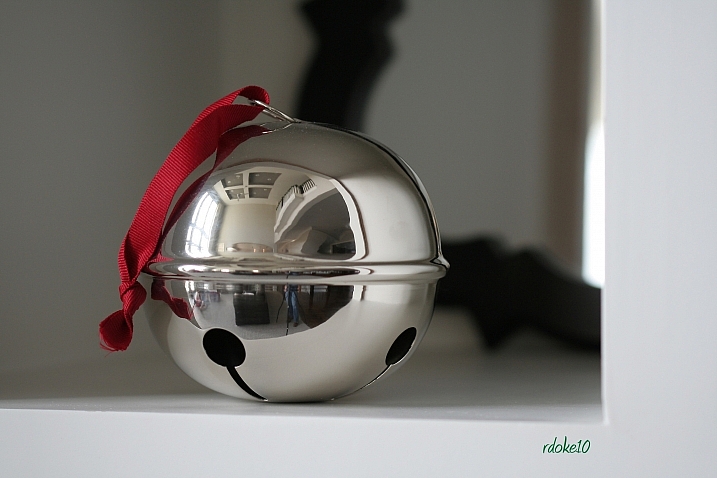
    Ron Doke

    By Ron Doke

    Nana B Agyei

    By Nana B Agyei

    Genna G

    By Genna G

    Philippa Willitts

    By Philippa Willitts

    Carlos

    By carlos

    Aleksey Gnilenkov

    By Aleksey Gnilenkov

    Fatima

    By Fatima

    Tobias S.

    By Tobias S.

    googletag.cmd.push(function() {
    tablet_slots.push( googletag.defineSlot( “/1005424/_dPSv4_tab-all-article-bottom_(300×250)”, [300, 250], “pb-ad-78623” ).addService( googletag.pubads() ) ); } );

    googletag.cmd.push(function() {
    mobile_slots.push( googletag.defineSlot( “/1005424/_dPSv4_mob-all-article-bottom_(300×250)”, [300, 250], “pb-ad-78158” ).addService( googletag.pubads() ) ); } );

    The post 29 Polished Images of Shiny Things by Darlene Hildebrandt appeared first on Digital Photography School.


    Digital Photography School

  • Smog-Sucking Tower Cleans 30,000 Cubic Meters of Air Per Hour

    [ By WebUrbanist in Architecture & Cities & Urbanism. ]

    smog sucking machine

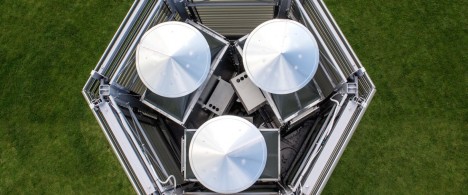
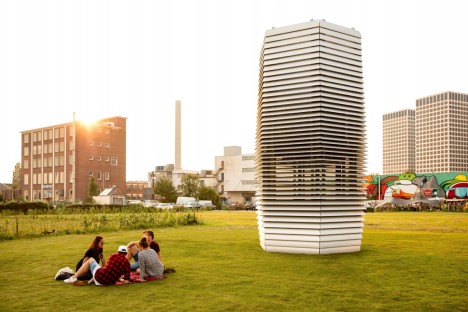
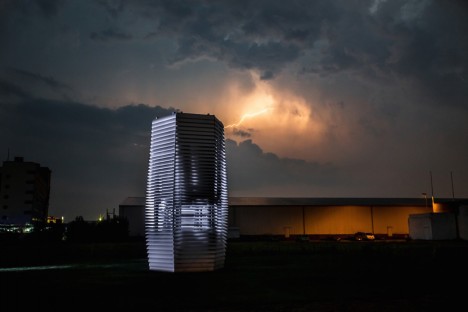
    Successfully crowdfunded last year, the Smog Free Tower has just gone from concept to reality; these machines are now using green energy to create zones of smog-free space in public places in Rotterdam.

    smog machine

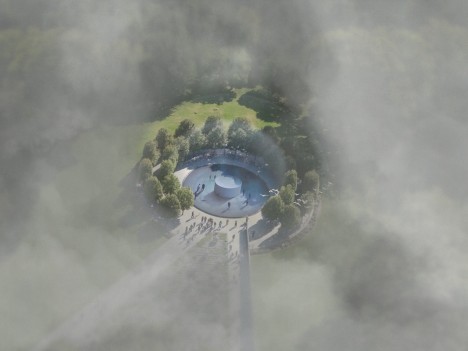
    Daan Roosegaarde’s Smog Free Project may not be a complete solution to urban air pollution, but it can at least carve out breathable spaces in key city spaces like downtown squares and public parks.

    smog device at night

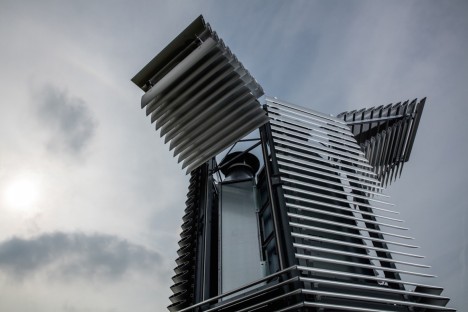
    Each 20-foot tower is lightweight and elegantly designed, running on about the same amount of electricity used by a water boiler (1,400 watts). Their low-energy ionization technology also powers LEDs that light the structures up at night.

    smog device detail

    The device sucks smog in from above then using a small positive current to charge ions, which in turn attach to fine dust particles.

    smog cufflink

    smog ring

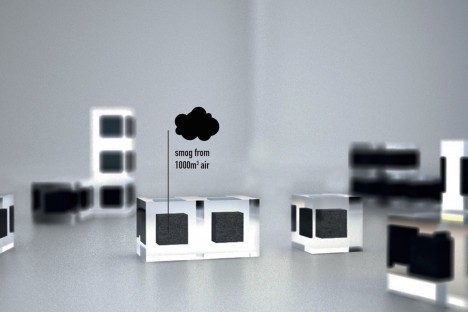
    The particulates processed by the tower are to be compressed and turned into jewelry including rings and cuff links, or packed into transparent cubes, available to crowdfunding backers and others who wish to support the project as it continues to expand and grow.

    smog jewelry

    smog free zone

    New towers are planned for cities in particularly urgent need around the world, including Beijing, Paris, Mexico City and Los Angeles. As a solution to environmental issues in cities, this may only be a first step, but at least it can provide some relief – a breath of fresh air for smog-weary citizens.

    Share on Facebook


    [ By WebUrbanist in Architecture & Cities & Urbanism. ]

    [ WebUrbanist | Archives | Galleries | Privacy | TOS ]


    WebUrbanist

  • Sigma 20mm F1.4 ‘Art’ lens real-world sample gallery

    The Sigma 20mm F1.4 DG HSM | A is the newest member of Sigma’s family of ‘Art’ lenses. It’s also the widest member of the Art lens family, and with a maximum aperture of F1.4 Sigma claims that it’s the fastest 20mm lens in the world. We shot this lens on both 5DS R and 7D Mark II bodies, and since we had an EOS mount smart adaptor we even tried it on the Sony A7R II as well.

    From what we’ve seen so far, this lens carries on the Art lineup’s tradition of stunning performance for the price, although this lens does have some characteristics that might not be ideal for all. For instance, it shows quite a bit of field curvature towards the brighter apertures when focused at nearer distances, and our rooftop shots show this particular copy performs better on the left side than the right side. As soon as an F-mount version of the Sigma is available, we plan on doing a shootout between this and the Nikon 20mm F1.8. In the meantime, enjoy a collection of images from the world’s widest F1.4 lens.

    Articles: Digital Photography Review (dpreview.com)

  • Nikon Japan announces price increases of up to 18% for lenses and flash units

    Nikon has released details of price increases it will implement in the Japanese market from the beginning of March this year. The changes will affect a total of 73 of its DX and FX lenses, as well as three teleconverters. In addition, 21 lenses for the Nikon 1 system will be included, the FT1 mount adapter and six Speedlite flash units along with the systems associated wireless remotes. Newer lenses, such as the recently announced AF-P 18-55mm F3.5-5.6G/VR, the 200-500mm F5.6E ED VR, the 24-70mm F2.8E ED VR and the 24mm F1.8G ED are not included in the list. 

    The degree of increase varies across the board, but some products, such as the SB-300 flashgun, will face a price hike of close to 18%. Others though will be increased by less than 5%. 

    The company cites pressures from increasing costs of raw materials for the price rises, and claims that it has done all it can to absorb the additional costs itself.

    As the information was intended only for the Japanese market there is no mention of the rises coming into force in other regions. We’ll update this story with more details as and when we receive them.  

    For more information see the notice posted on the Nikon Japan website. 

    Articles: Digital Photography Review (dpreview.com)

  • Apple patent describes use of curved image sensor to design small camera module

    A patent was recently granted to Apple describing how a spherical image sensor can be used to design a very compact camera module. The sensor is spherically curved and eliminates the need to correct for curvature of field, meaning a simpler, brighter and ultimately smaller lens design can be used. Read more

    Articles: Digital Photography Review (dpreview.com)

  • Pentax continues full frame DSLR tease with two sample photos

    In September 2015, Ricoh published a teaser website for a Pentax full-frame DSLR set to launch in spring 2016. Additional teasers have been released on occasion since the website went live, including a new one today. In this latest post, Ricoh has released a pair of sample photos alongside details about the HD PENTAX-D FA 24-70mm F2.8 ED SDM WR lens and how it functions with the upcoming full-frame camera.

    We got a look at an early mockup of the elusive Pentax full-frame DSLR at CP+ in February 2015. The post below is Ricoh’s latest update on the camera; the new sample photos can be viewed on the Pentax teaser website.

    D FA 24-70mm F2.8ED SDM WR: for well-depicted, fine-detailed images

    The HD PENTAX-D FA 24-70mm F2.8ED SDM WR lens has a 17-element, 12-group optical construction featuring three ED (Extra-low Dispersion) glass elements, one anomalous-dispersion glass element, and three aspherical elements. It delivers high-contrast, high-resolution images with extra-fine details across the image field — from the center to the edges — while effectively compensating for a variety of aberrations.

    When mounted on a PENTAX 35mm full-frame digital SLR camera body, this lens can be used as a standard zoom lens, with a zoom ratio of approximately 2.9-times, covering focal-length ranges from ultra-wide angle to standard. It captures unique, eye-catching images with an exaggerated perspective and a wide depth of field, making it ideal not only for sweeping landscapes, but also for confined indoor scenes with limited depth. Its weather-resistant structure prevents the intrusion of water into the interior. When coupled with a weather-resistant PENTAX 35mm full-frame digital SLR camera body, it creates a dependable, durable imaging system that performs superbly even in the rain or mist, or at locations prone to splashing water.

    Articles: Digital Photography Review (dpreview.com)

  • How to Find Good Locations for Family Portraits

    When you’re shooting a family portrait, about nine out of 10 times the client will ask, “Do you have a place you typically like to shoot?”

    We all do, of course, but if you take every portrait client to the same location, your portfolio will develop an undesirable, repetitive consistency. So, it’s important to thoroughly scout the area where you live and work, to build a list of go-to spots for any scenario, circumstance, and style.

    2015 12 26 0002

    Think about your city, and build a list of these places where you can shoot:

    • A field or shoreline with broad vistas to capture the aura and glow of twilight
    • A similar outdoor venue with features like tall grass or trees to provide backdrop
    • An outdoor area with full shade, appropriate for shooting midday
    • A covered outdoor space like a gazebo or covered porch, for shoots in inclement weather
    • An indoor space with high ceilings and lots of windows for natural light

    Because most family portrait sessions will include a variety of backdrops and poses, the perfect shooting location contains all of these elements. But that’s rare to find.

    Finally, make sure that you have the required permits, permissions, and licenses to shoot in your desired locations, whether they’re public or private (many municipalities require a business license to shoot in public places like parks and beaches).

    2015 12 26 0003

    Once you’ve built your list of go-to locations, you’re ready to schedule a session with a client. Here are the two scenarios that could play out:

    1 – The client has already chosen a location

    It’s surprisingly rare for a client to be dead set on a location, but sometimes there’s a family home, or a special place with memories where they’d like to be photographed. Or perhaps there’s extended family gathered together already, and they’d like to keep the photo shoot as easy as possible by having you come to them. If you’re shooting for next year’s holiday portrait or another special event, they may also choose a place that fits the theme, such as an evergreen forest or a snowy landscape.

    If you’re not familiar with the location, ask questions about it while confirming the shoot. You may discover that you need to bring extra equipment like lighting to fill in shadows, if they’re hoping for a family portrait underneath a moss-strewn oak tree at two o’clock in the afternoon.

    Likewise, indoor shots — such as people gathered around the fireplace or the Christmas tree, for example — may present difficulties with lighting that you’ll want to work out and be prepared for, prior to the actual shoot. When feasible, visit the site of any shoot before arriving for the actual job.

    2015 12 26 0005

    2 – The client is open to your location suggestions

    This is the more common scenario, where you pull out that list of locations you’ve already scouted.

    Start by getting a sense of the feeling the family wants to capture in their photos. If it’s a holiday family portrait, they may prefer a warm and rustic theme over something bright and urban, for example. Or they may want a look that’s relevant throughout the year.

    Timing will also have a lot of influence over your decision on where to shoot. When possible, schedule sessions for an hour, to an hour-and-a-half before sunset, giving you time to arrive and chat, get the family comfortable with your presence and style, and then be fully ready to capture beautiful, stunning portraits just when the changing light is at its peak.

    2015 12 26 0004

    Sunset (and sunrise) shoots

    For golden hour sessions, just after sunrise and before sunset, choose a location that ideally has both broad vistas, and objects of interest. For example, if you’re shooting on the beach, don’t just choose a spot with wide open beach (plus houses and passersby) – aim to find a section of beach with sand dunes, tall grass, driftwood, or even distant trees. These objects help frame the image and make it more interesting, without distracting from the subjects of the photograph. The same rules apply in a desert, lake, or city park scenario.

    Midday shoots on a sunny day

    The challenge with shooting at midday is shadows. You don’t want your subjects to squint in full sun, and you don’t want shadows from tree branches, or manmade obstructions, blocking portions of their faces. The key to shooting in midday on a sunny day is to put your subjects fully in the shade.

    2015 12 26 0006

    When a client wants to schedule midday, I often lean toward urban areas with architectural interest. If your city or town has a historic neighborhood, seek out alleyways, parks, cobblestone streets, or even sidewalks that are shaded at midday, but present a beautiful surrounding for subjects.

    Cloudy day shoots

    It’s a huge misconception that overcast days are bad for family portraits. Clients may be discouraged by the threat of rain, but encourage them with the news that even cloud coverage actually makes for beautiful outdoor shots — there’s no squinting and nice even light.

    But, if there’s no drama in the sky (dark clouds swirling on the horizon), an overcast day may be less exciting when shooting with broad vistas and open spaces. Turn to your surrounding objects (trees, historic buildings) to provide the intrigue in the photograph. Or bring in a pop of color with balloons or other props.

    2015 12 26 0007

    On an overcast day, a local mural can actually make a perfect backdrop — just make sure your subjects wear muted tones (black, white, gray, beige) rather than colorful attire that might clash with the art.

    2015 12 26 0001

    Final tips and tricks

    Start by putting together your list of places. Keep the same principles in mind that helped you choose those spots, when giving feedback to a client on their suggested locations. In addition, make sure that wherever you decide to shoot won’t be crowded at the time you’re there — the last thing you want is a bunch of strangers in the background.

    Finally, be flexible. Not every shoot will be perfect, but it’s your job as the photographer to ensure that your clients have an enjoyable experience. Have confidence in your skills, and work around obstacles as they arise. If you are engaged and the subjects are happy, it’s possible to create gorgeous family portraits that your clients can share on cards, calendars, and gifts throughout the year.

    Do you have any other location scouting tips? Please share in the comments below.

    googletag.cmd.push(function() {
    tablet_slots.push( googletag.defineSlot( “/1005424/_dPSv4_tab-all-article-bottom_(300×250)”, [300, 250], “pb-ad-78623” ).addService( googletag.pubads() ) ); } );

    googletag.cmd.push(function() {
    mobile_slots.push( googletag.defineSlot( “/1005424/_dPSv4_mob-all-article-bottom_(300×250)”, [300, 250], “pb-ad-78158” ).addService( googletag.pubads() ) ); } );

    The post How to Find Good Locations for Family Portraits by Hunter McRae appeared first on Digital Photography School.


    Digital Photography School

  • Magnetically Attractive Furniture & Decor: 14 Floating Designs

    [ By Steph in Design & Furniture & Decor. ]

    magnetic design main

    A billionaire who’s really into magnets could fill his entire home with levitating objects, from a bed platform that costs nearly two million dollars down to his clothes hangers, houseplants, lamps, computer mouse and even salt and pepper shakers. While some of these designs are utterly lacking in practicality, others make up for it in fun.

    Floating Bed
    floating bed 1

    floating bed 2

    floating bed 3

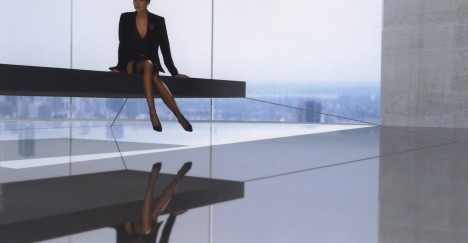
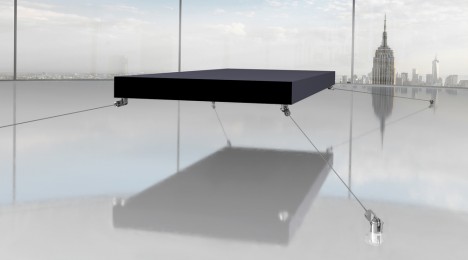
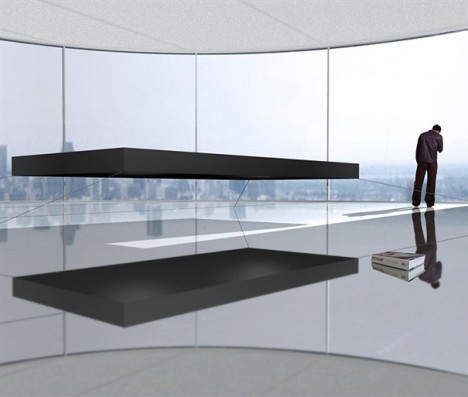
    Tethered to its base with steel cables, a heavy slab of wood levitates in midair, clearly unsupported. Sold as an ‘art piece,’ which appears to be an implicit acknowledgement that few people will ever actually have this thing in their homes, the Floating Bed fittingly debuted at the Belgium ‘Millionaire Fair.” It uses the power of permanent opposing industrial-strength magnets and can hold 900 kilograms (1984 pounds) of weight. A smaller fifth-scale version can be used as a table. Truly a toy for billionaires, the bed version will set you back $ 1.75 million.

    Air Bonsai
    air bonsai 2

    air bonsai 3

    air bonsai 4

    Everything about this little potted plant looks like an ordinary bonsai – except the fact that the tree is actually floating. Hidden inside the pot and moss ball are two powerful magnets that literally levitate the entire plant above the ‘energy base.’ No optical illusions here. Currently raising funds on Kickstarter, the project is called ‘Air Bonsai’ and comes in a range of pots, with plants to be procured locally.

    Hovering Computer Mouse

    magnetic design mouse

    magnetic design mouse 2

    mganetic design mouse 3

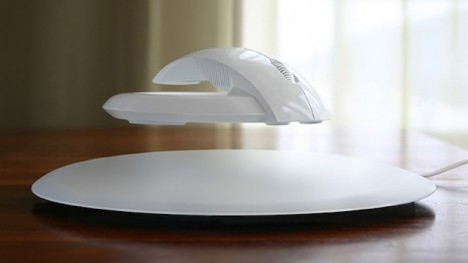
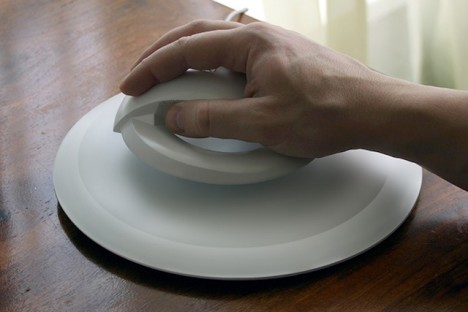
    Designed to relieve pressure on the median nerve of the wrist to prevent injuries like carpal tunnel, The Bat is a levitating computer mouse that hovers 40 millimeters above the pad when not in use, or 10 millimeters with the pressure of your hand. The design was supposed to be released a few years ago after a period of testing, and since that never happened, it seems unlikely it’ll ever be for sale, but it’s an interesting prototype.

    FLOAT Table
    float table 1

    float table 2

    float table 4

    float table 3
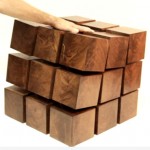
    Push on this Rubik’s cube-like arrangement of wooden blocks and it’ll give slightly and then bounce back, each individual cube separated from its neighbors by an inch or so of space. The tiny steel cables that can be seen between them aren’t holding them up – they’re keeping the whole thing together. The walnut blocks of the Float Table by RockPaper Robot are, of course, embedded with magnets to produce this cool-looking effect. “Each handcrafted table is precisely tuned to seem rigid and stable, yet a touch reveals the secret to Float’s dynamic character.”

    Cliq Magnetic Clothes Hangers
    magnetic hangers

    magnetic hangers 2

    magnetic hangers 3

    When you need a specific garment, just tug gently on the Cliq hanger by Flow Design, which is magnetically held to any metal clothes bar. Replacing the hooks with strong earth magnets, the hangers each support up to two kilograms of weight and can also be used underneath larger metal surfaces like shelves.

    Next Page – Click Below to Read More:
    Magnetically Attractive Furniture Decor 14 Floating Designs

    Share on Facebook


    [ By Steph in Design & Furniture & Decor. ]

    [ WebUrbanist | Archives | Galleries | Privacy | TOS ]


    WebUrbanist