It’s certainly a rare occasion when a photographer is forced to choose between carrying a bow and arrow or a camera, but that’s just the dilemma Kiliii Fish faced. He’s made a personal project of joining and photographing a growing movement of people learning primitive survival skills. Check out his PIX 2015 talk and see some of his work. Read more
Tag: Wild
-
30 Fastastic Wet and Wild Images of Water
Water . . .
It’s essential to life for all creatures on this planet. We drink it, we play in it, cook with it, and of course – we photograph it!
There are many forms of water and many way to photograph it. Let’s look at how these photographers chose to do it:
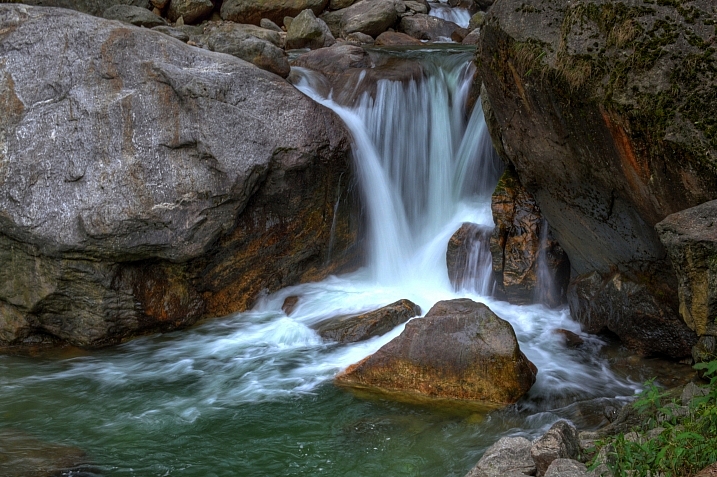
By Sudipto Sarkar
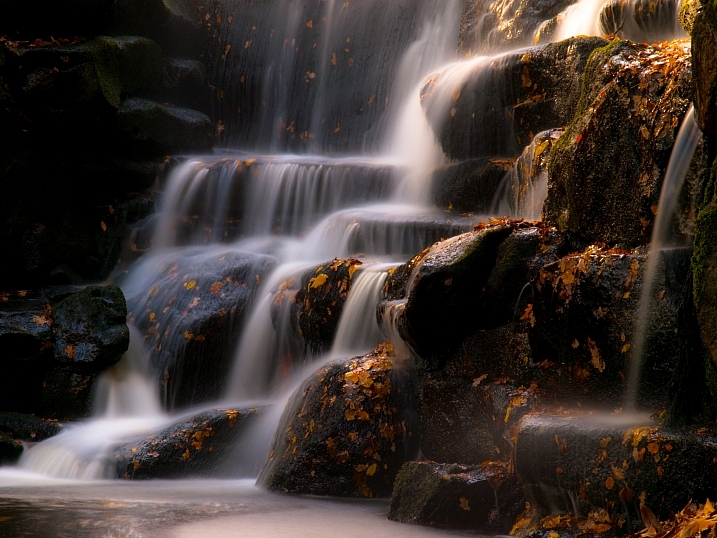
By William Warby
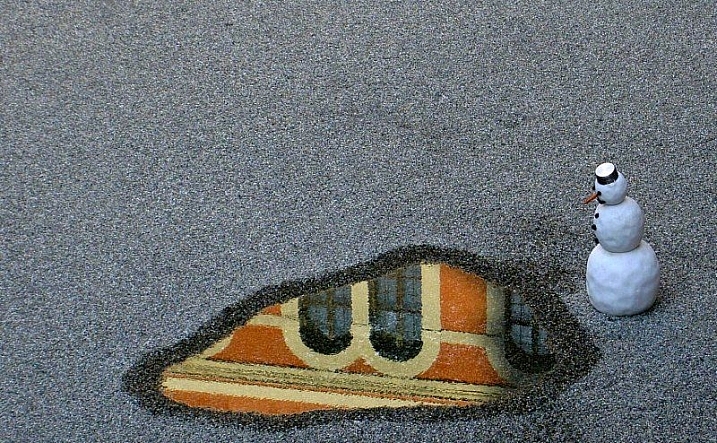
By southtyrolean
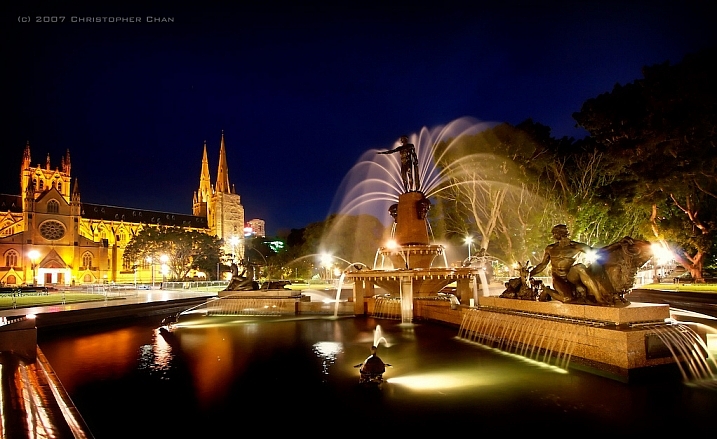
By Christopher Chan
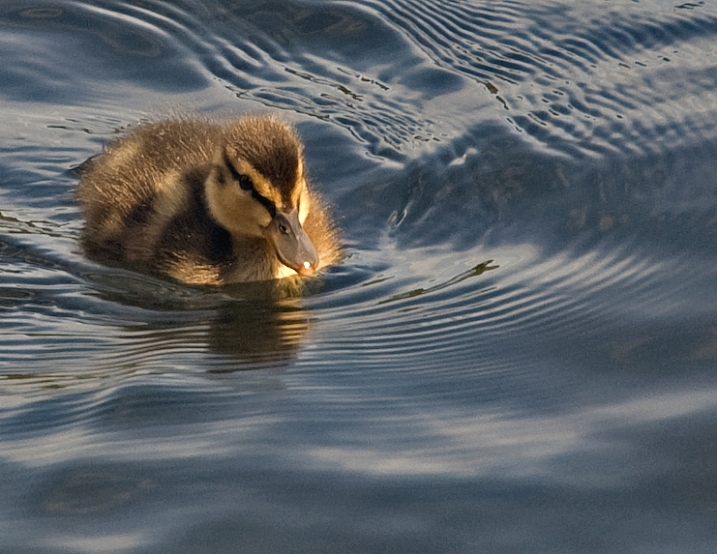
By Berit Watkin
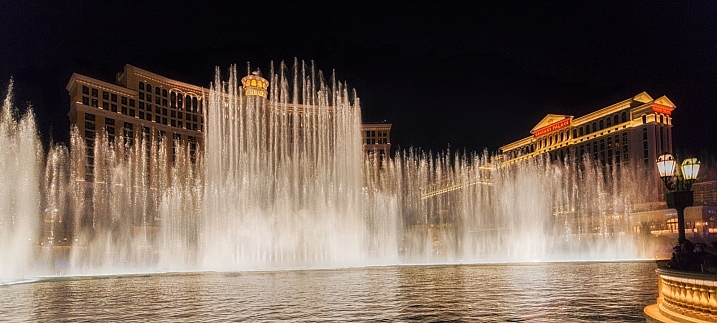
By Matthew Paulson
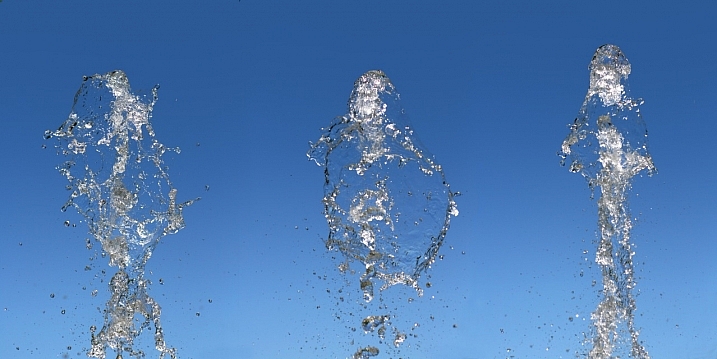
By CatDancing
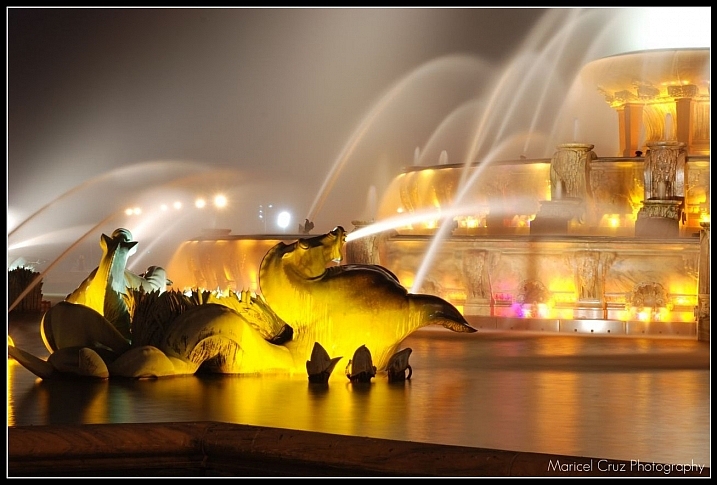
By Maricel
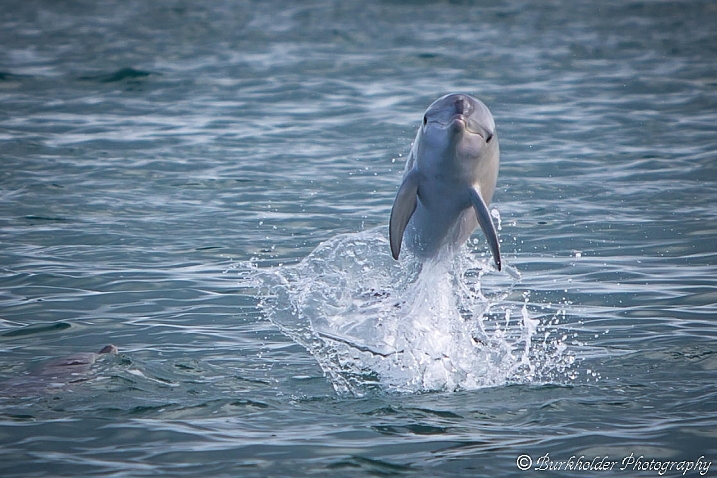
By Kyle Burkholder
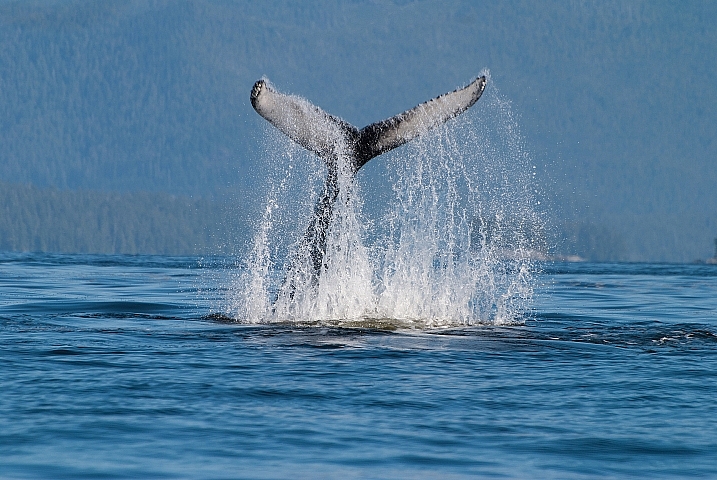
By Bram Cymet
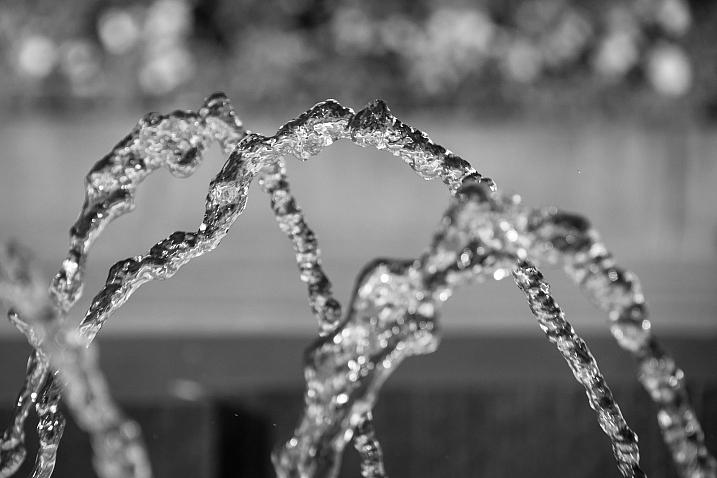
By Hege
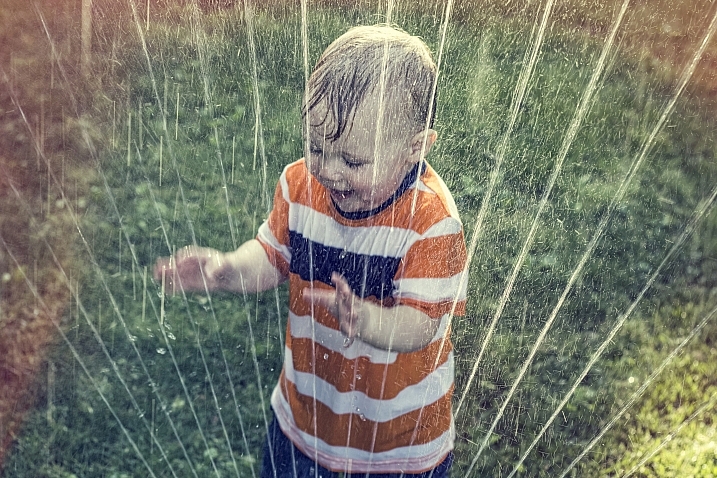
By Movement Six
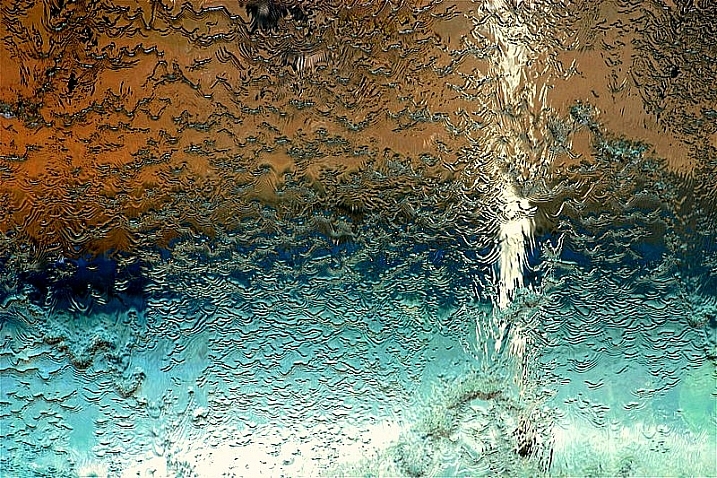
By Evelyn Berg
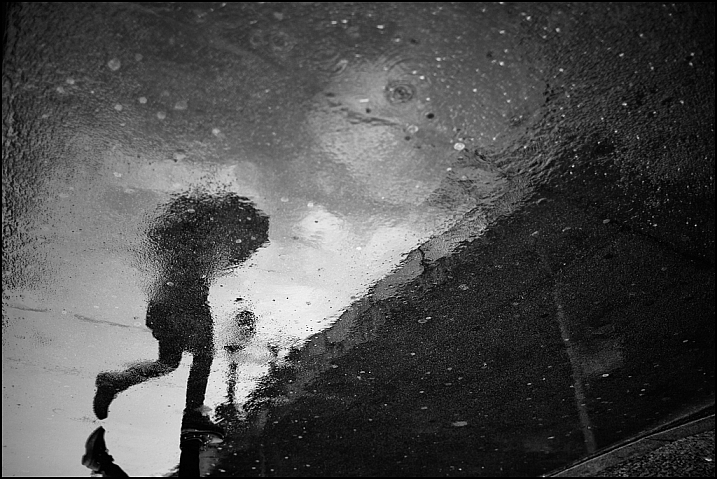
By Alexander Rentsch
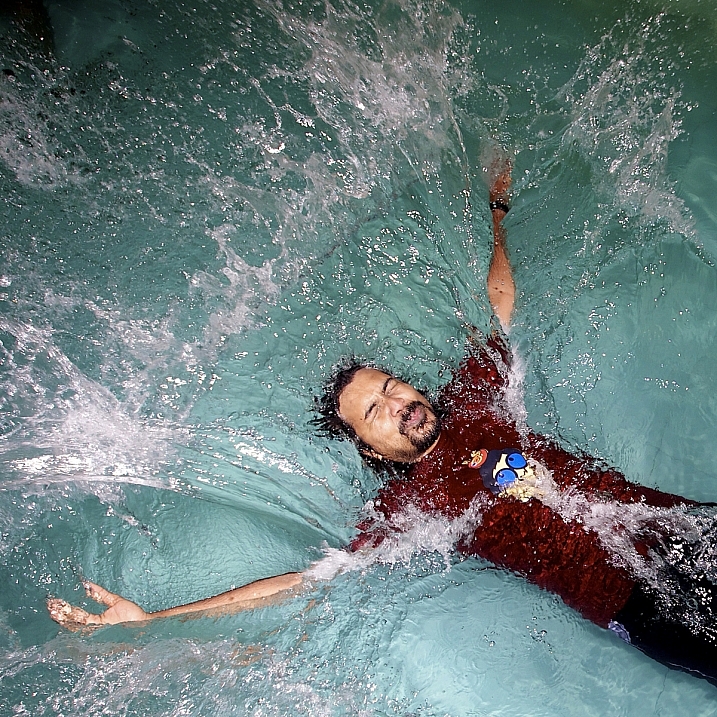
By Hasin Hayder
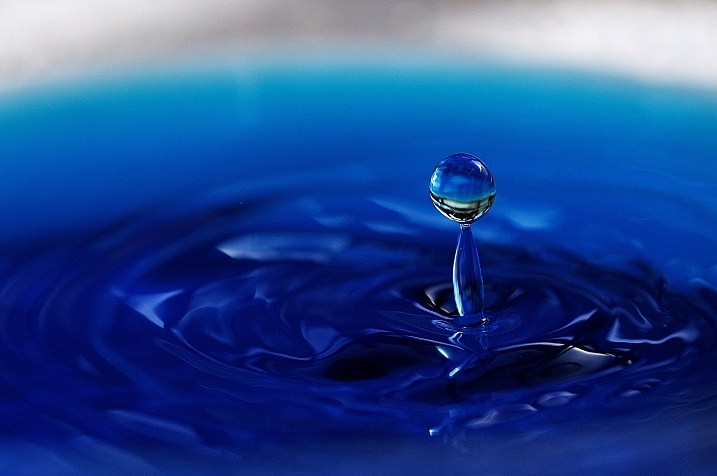
By Janet Ramsden
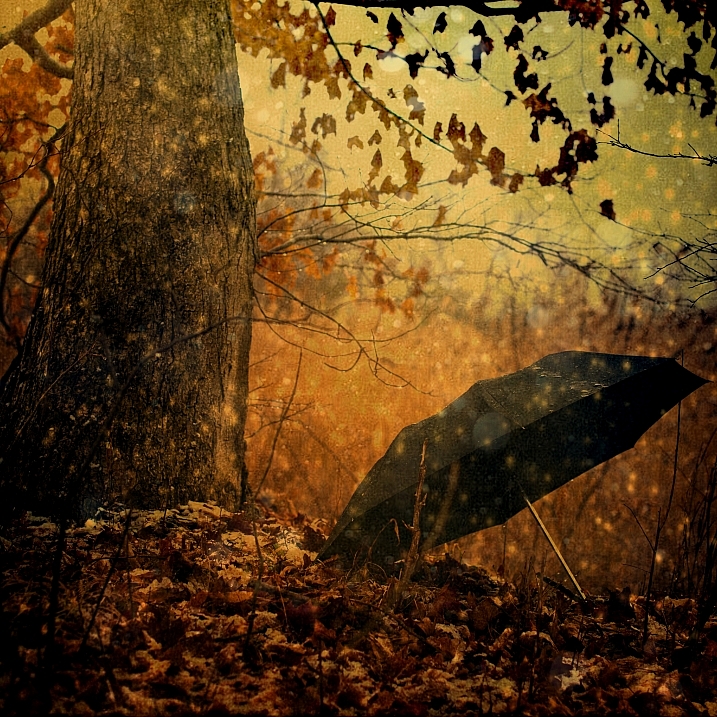
By jimmy brown
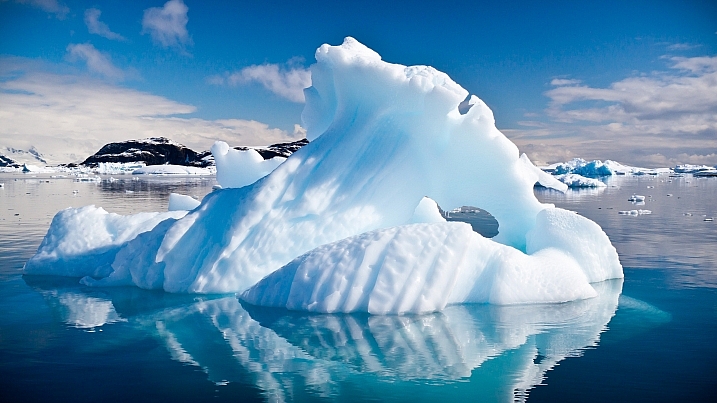
By ravas51
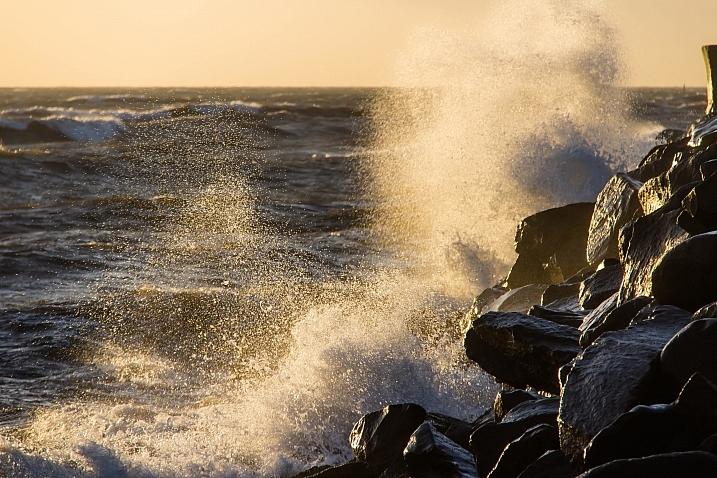
By Susanne Nilsson
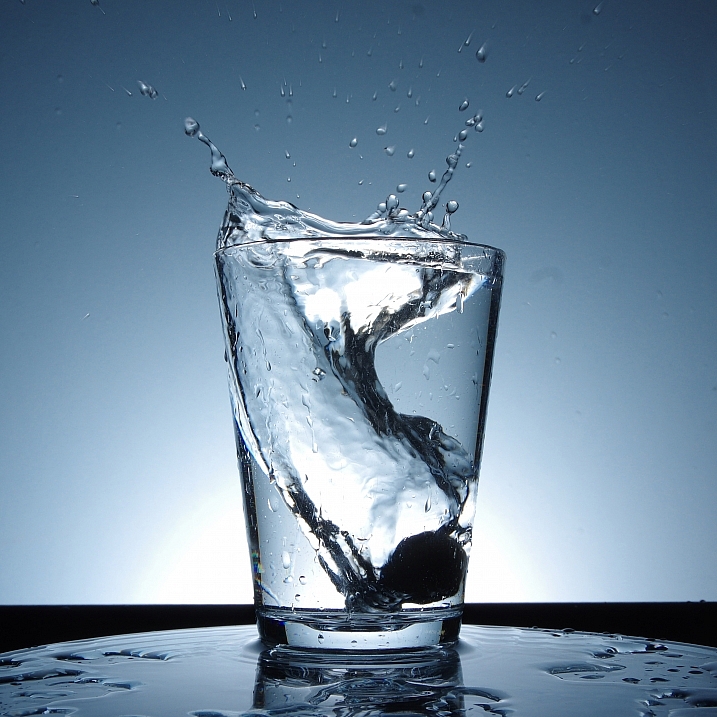
By Kurt:S
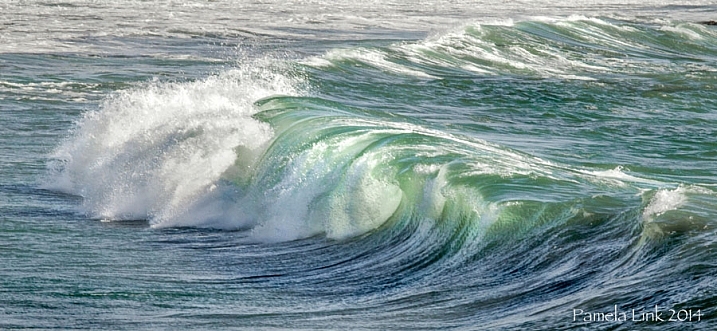
By Pam Link
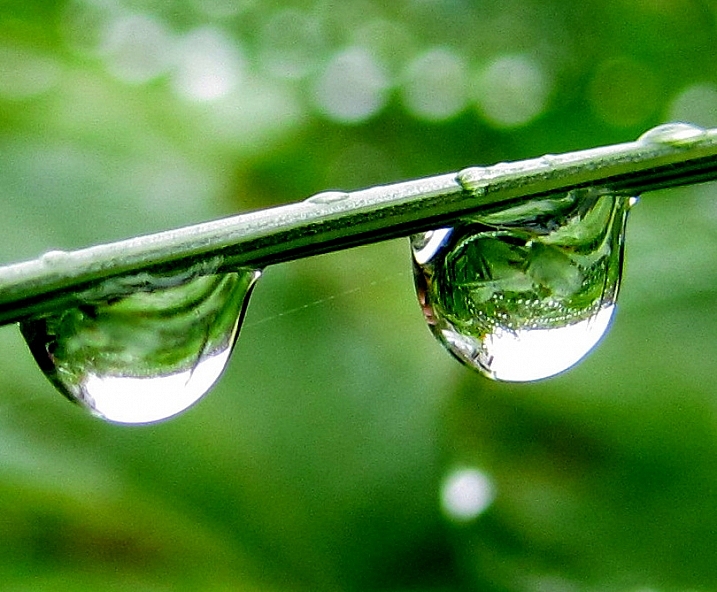
By Barbara Walsh
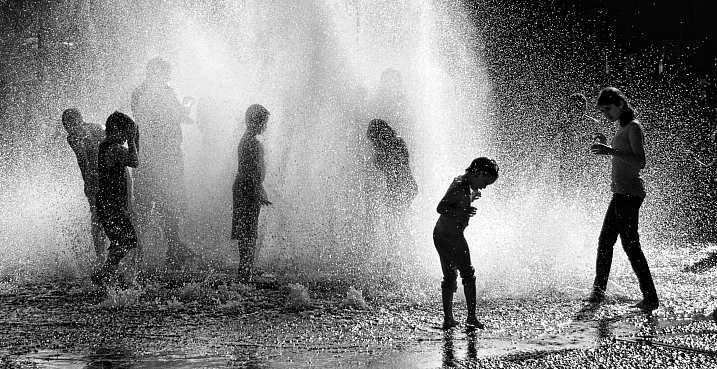
By Peter Roome
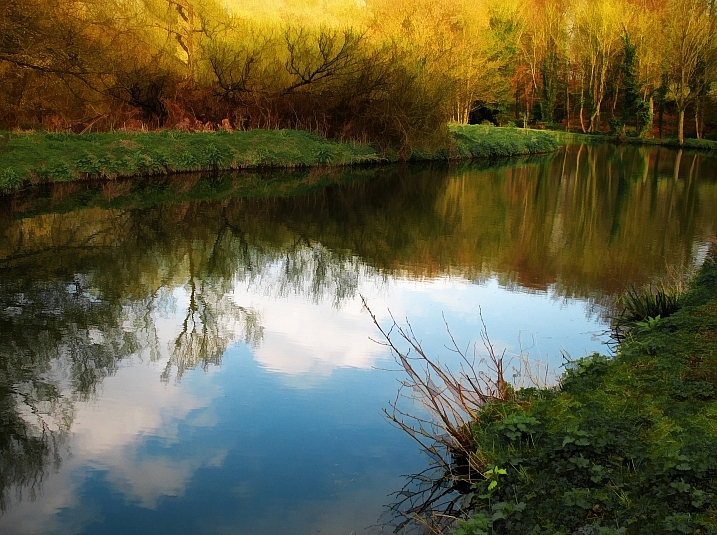
By Caroline
By -Reji
By sightmybyblinded
By Massmo Relsig
By Hege
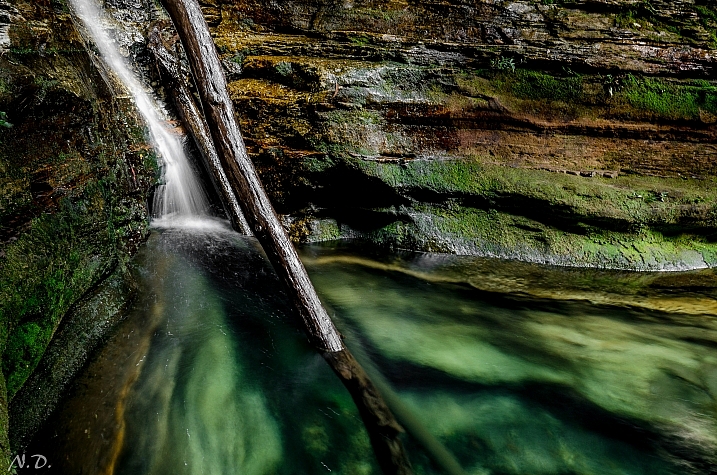
By Vern
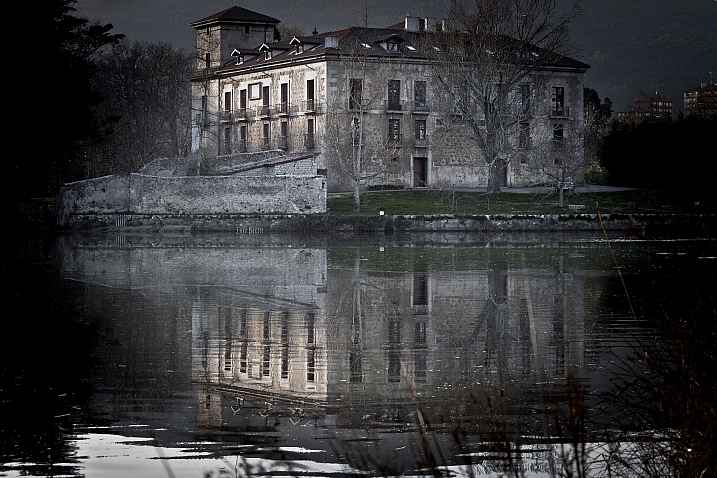
By Tate Kieto
googletag.cmd.push(function() {
tablet_slots.push( googletag.defineSlot( “/1005424/_dPSv4_tab-all-article-bottom_(300×250)”, [300, 250], “pb-ad-78623” ).addService( googletag.pubads() ) ); } );googletag.cmd.push(function() {
mobile_slots.push( googletag.defineSlot( “/1005424/_dPSv4_mob-all-article-bottom_(300×250)”, [300, 250], “pb-ad-78158” ).addService( googletag.pubads() ) ); } );The post 30 Fastastic Wet and Wild Images of Water by Darlene Hildebrandt appeared first on Digital Photography School.
-
On Assignment: Studio in the Wild
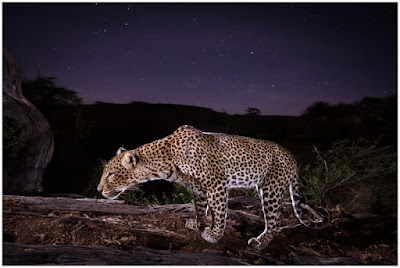 Photos ©Jonny Armstrong
Jonny Armstrong is a photographer who is used to the idea of being stood up. In fact, in his field of work it happens most of the time. A research scientist, his work includes photographing lit portraits of wild animals in their natural habitats.
Read more »
Strobist -
Jungle in the City: Wild Urban Biome Skyscraper Design
[ By Steph in Architecture & Cities & Urbanism. ]
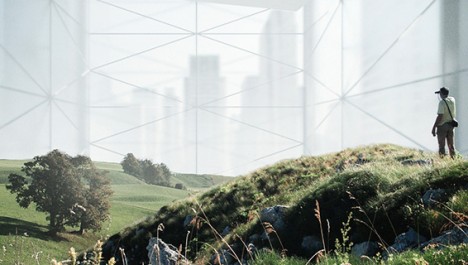
Suspended aquariums, snowy landscapes, jungles and caves can all be found in the heart of the city, steps away from dense urban housing, in the middle of this wild skyscraper concept. Winner of eVolo magazine’s 2015 skyscraper competition, ‘Essence’ by BOMP re-introduces nature to heavily developed areas with eleven diverse landscapes built right into its core.

The futuristic urban tower design aims to be a secret garden in the middle of the city, combining architecture and nature within an environment where wildlife and greenery are rarely found outside of parks. “The main goal of this project is to position non-architectural phenomena in an urban fabric,” say the designers.

The eleven natural landscapes overlap each other within the vertical structure, including a jungle, a cave, a waterfall and even an ‘ocean.’ The landscapes were chosen for their complex range of “visual, acoustic, thermal, olfactory and kinesthetic experiences.”

Open to the public, this series of natural spaces includes fish tanks lifted 30 meters above the floor and other natural features, with different paths offering different adventures. Each is positioned beside large glazed walls overlooking the city, offering a strange juxtaposition of environments. See the rest of the contest entries at eVolo.
Want More? Click for Great Related Content on WebUrbanist:
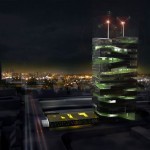
3D City Farms: 5 Urban Design Proposals for Green Towers
Here are five of these remarkable architectural designs for sustainable (and stylish) urban farm towers that may revolutionize agriculture as we know it.
Click Here to Read More »»
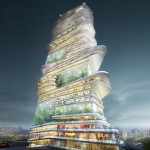
Endless City: Skyscraper Wraps Upward with Walkable Ramps
An urban pedestrian paradise, this conceptual design proposes to turn cities skyward with a system of flexible open spaces that gradually rise as floor plates …
Click Here to Read More »»
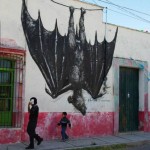
Wild Creatures in Urban Mexico: New Street Art by ROA
10-foot-tall wild animals spring to life in the streets of Mexico from the spray paint can of Belgian artist ROA, champion of the underdogs of nature.
Click Here to Read More »»


[ By Steph in Architecture & Cities & Urbanism. ]
[ WebUrbanist | Archives | Galleries | Privacy | TOS ]
-
The Wild Southwest: Jory Vander Galien’s landscapes
Like many fine-art-nature photographers, Jory Vander Galien says that his passion for landscapes was ignited at a young age through National Geographic and Ansel Adams. How, he often finds himself at a location before dawn, ready to fight lightning and dust storms in order to capture the vast and volatile Southwest landscape. See his work and find out more in our Q&A. See gallery
-
Wild Things: Marsel van Oosten’s landscape and wildlife photography
“Simplicity is the ultimate sophistication,” says wildlife and nature photographer Marsel van Oosten. A talented landscape and wildlife photographer, his imagery has been featured in a number of publications like National Geographic. Check out more of his work and peek inside his camera bag. See gallery
-
5 Beginner Tips for Photographing Animals in the Wild
As I traveled through Africa, I learned many things about photographing animals while on safari. At first I knew absolutely nothing about it, but then with time and experience shooting in different conditions, I noticed certain factors that helped improve my photos. If you’re new to photographing animals, here are fire tips for photographing animals in the wild.
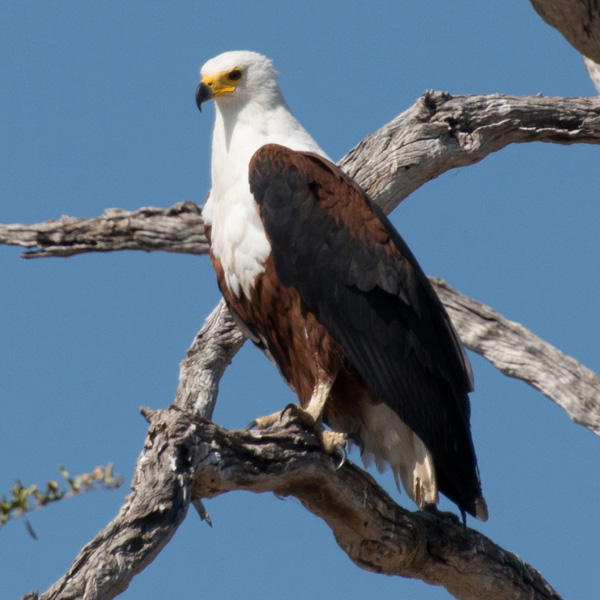
1 – Use a zoom lens
Many wild animals stay away from people. As soon as they notice you, they might immediately run off. This is truer with birds that tend to fly away if you get too close. The larger animals might stay put, but then you put yourself at great risk by getting too close to them. Elephants and rhinos can weigh a couple tons and could easily overturn your vehicle. Therefore, the easiest way for you to photograph animals is with a zoom lens.
The photo above shows what a zoom lens can do. There is no way I would have been able to get close enough to that bird with a wide angle lens. This particular photo was shot at 300 mm, using my 28-300 mm.
Some photographers will tell you that using a lens of this range will give you poor photos. But as a beginner, who was just starting to photograph animals, I found that it was adequate for my first few animal photo shoots. It was also easier on my wallet. A lens with this range will allow you to photograph birds in far away trees as well as larger animals which may be closer to you.
Another benefit of a zoom lens is that you will not need to change your lens as frequently which will allow you to easily adjust your focal length as needed and quickly get the shot. Less lens changing will also help you to prevent the forest or jungle dust from entering your camera body and possibly dirtying your sensor.
Therefore, if you are new to photographing wild animals, I recommend that you utilize a lens with a longer range. The zoom lens will help bridge the visual gap between you and the animal, while keeping you safe and the animal at ease.
2 – Employ a faster shutter speed
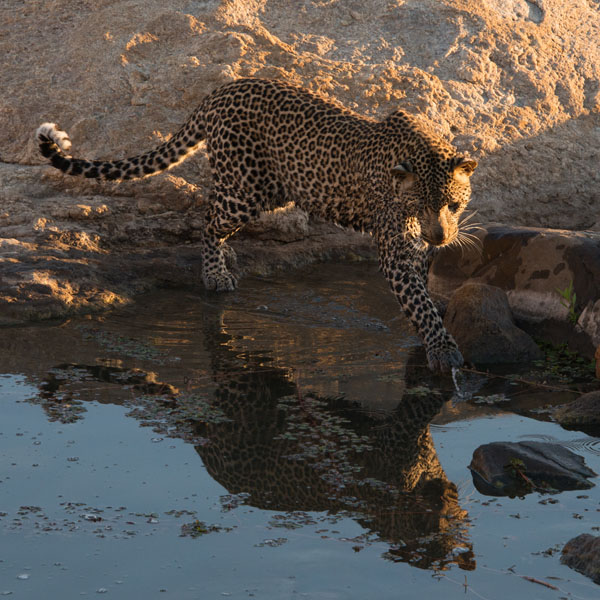
Because an animal may be constantly moving, you will want to use a faster shutter speed. Shutter speed is the amount of time your shutter is open. The faster or shorter this is, the less likely you are to blur the continuous movement of the animal in a single shot.
Notice the photo above where I used a shutter speed of 1/250th of a second. This was taken in the early morning. The leopard was especially active because he was hunting fish by the water. At no point did the cat ever stay completely still for more than a few seconds. Because it was always moving, at 1/250th of a second, parts of the leopard are still not as sharp as they could have been.
When photographing animals, you should try using a shutter speed of at least 1/500th of a second or faster, especially for more active or restless animals. This will help you freeze the animal’s motion and prevent parts of it from blurring.
3 – Don’t be afraid to increase your ISO
When you do use a faster shutter speed, you will notice that your exposure will darken since you are shortening the amount of time you let light onto your sensor. To balance this, you can increase your ISO. this is your camera sensor’s sensitivity to light. The more sensitive it is to light, the less exposure time you will need for light to hit your sensor.
As a caveat, when you increase your ISO, you amplify the image signal in your camera. This will in turn amplify and increase the amount of noise you capture in your photo. Fortunately, there are many methods that can help you reduce the noise in your image if you find it unbearable. Having a slightly noisier picture is small price to pay for a better-exposed photo with the details that you want.
Therefore, don’t be afraid to use a higher ISO. Play with the settings until you find that sweet spot. Yes, you may get a little noise, depending on your sensor, but that’s better than having an underexposed photo (or blurry), which may not capture all the detail.
4 – Shoot closer to golden hour
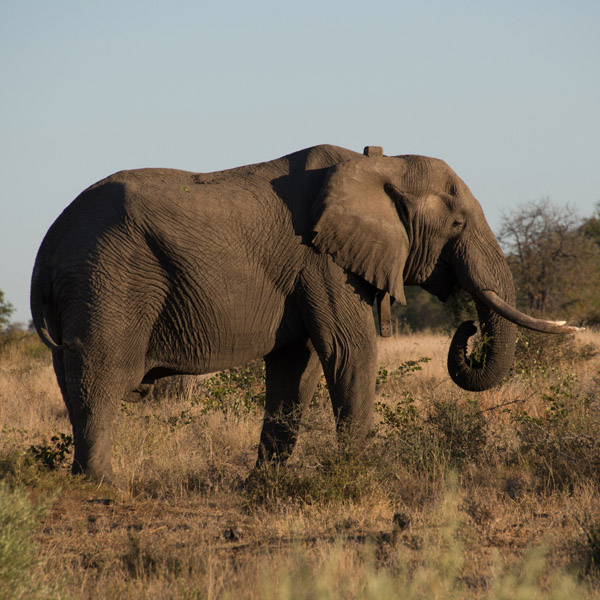
The best time to photograph animals is close to golden hour. If you shoot when the light is directly overhead you’ll end up with a very harsh, bright, light and consequently dark shadows in your photos. The closer you shoot to golden hour, the closer the sun is to the horizon. This will produce a much more diffused and better angle of light on your animal subject.
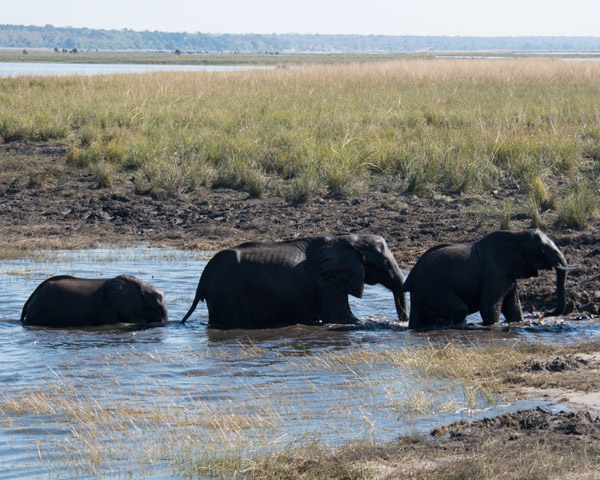
The photo above is an example of a photo shot closer to sunset. Notice how the shadows fall behind the elephant and less of its body is in shadow. You are able to see more of the elephant’s lines, wrinkles and texture. This photo has not been post processed using any filters, yet the light in the photo is warm and inviting. Compare this to the image below which was shot closer to noon. Notice how much harsher the shadows are on the elephants. Their bodies are almost covered entirely in shadows, and you are not able to see the texture of the elephants’ skin at all.
5 – Hire a capable tracker to easily identify animals
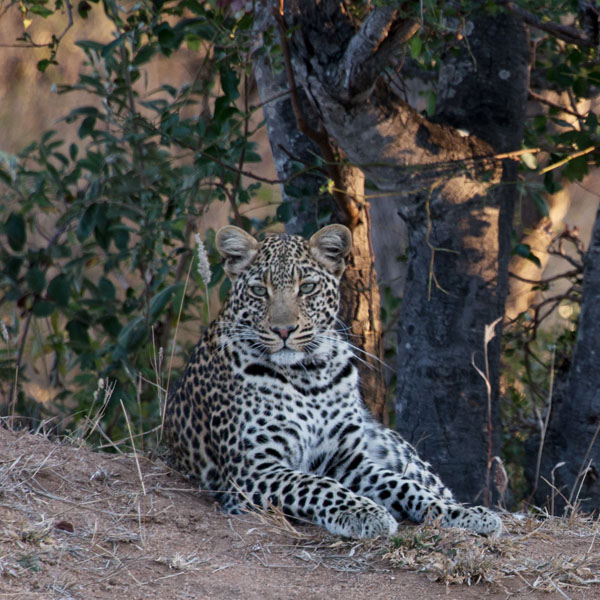
A good tracker will help you to see even the most camouflaged animals. As we were driving through the dense African jungle, our guide was able to spot this leopard, which to my eyes was hidden among the bushes. Without my guide I never would have photographed it.
You should hire a skilled tracker so that you don’t waste your time trying to find animals among the trees. Instead you can spend your time planning and improving your next shot. You can tell your tracker which specific animal you’d like to see. More than likely he will know where this animal prefers to roam. This will improve your chances of quickly finding your desired animal and getting your shot.
What other tips can you think of for photographing wild animals? Do you ever use a tripod to stabilize your shots? What’s your favorite animal photo you’ve ever shot and in what conditions? Share some examples with us and of course, if you have any other tips for better wild life photos that you think I’ve missed, please share those as well. Happy photo hunting!
The post 5 Beginner Tips for Photographing Animals in the Wild by Ry Sangalang appeared first on Digital Photography School.
-
Dress Down: Wild Women’s Dresses Made of Trash, Trees & More
[ By WebUrbanist in Art & Sculpture & Craft. ]

State of Dress is part fashion, part art and part personal mission, an attempt to capture the essence of all fifty States in the US through a series of site-specific dress designs tailored to each location. Robin Barcus Slonina is the multi-disciplinary artist behind this project and the star of an upcoming documentary of her travels and work.

Some, like the New York City garbage bag dress, are intentionally humorous, referencing absurd couture mixed as well as ubiquitous street-side trash bags. Others, like the Nevada casino chip gown, are plays on local pastimes – in this case: the gaming and gambling cultures for which the state is most well-known.


While artificial materials make up some of the dresses, others are constructed from local organic elements, like Iowa’s prairie dress and Minnesota’s corn dress, each set in (and seeming to spring up from) an apt natural landscape.


Other states with lots of nature likewise ended up with environmental materials, from willows in Wyoming to pine cones in Maine and pine trees in Wisconsin.

The creation of each piece of apparel comes with its own story. Here is a bit more from the artist about the making of the NYC trash bag dress: “The first time I ever visited New York as a young artist was during a massive garbage strike, and it left a lasting impression on me to see mountains of garbage piled so high on busy city sidewalks. To me, the sanitation workers that mange these tiny mountains every week are the true heroes of the city.”

“However, by no means did I mean any disrespect or want to create something ugly for this metropolis of art, beauty and fashion. I therefore strived to create a jet-black, fashionable New York dress, that just happened to be made from garbage bags. To me, this piece represents all the dramatic contrasts inherent to New York: wealth and poverty, art and homelessness – beauty and trash. To fill the bags, I used another New York icon – crumpled-up New York Times newspapers.”
Want More? Click for Great Related Content on WebUrbanist:
Towers of Trash: 5000-Foot Junk Skyscrapers to Fuel Cities
Instead of burying our legacy under the Earth’s surface, these structures showcase the impact of the millions of tons of trash major cities produce on an …
Click Here to Read More »»
Trash Can Art? 28 Garbage Cans That Belong In A Gallery
Dump that dirty old trash can into an even larger one, because it’s time to upgrade! Here are some fantastic artistic trash and garbage cans.
Click Here to Read More »»
Invisible Apparel: Material-Free Dresses Made of Light
Combining light art photography and high fashion, these show-stopping runway gowns are manufactured without physical material and composed purely of light.
Click Here to Read More »»
[ By WebUrbanist in Art & Sculpture & Craft. ]
[ WebUrbanist | Archives | Galleries | Privacy | TOS ]
-
A Walk on the Wild Side: A Collection of Wildlife Photography
Nature is an amazing thing. This week I share with you some images of wildlife, animals in nature. Some may have been taken on nature preserves or even in a zoo, but if the image is well done and we can’t tell kudos to the photographer.
If you do any wildlife photography you’ll appreciate how difficult it is to get the perfect shot. So enjoy these and be inspired.
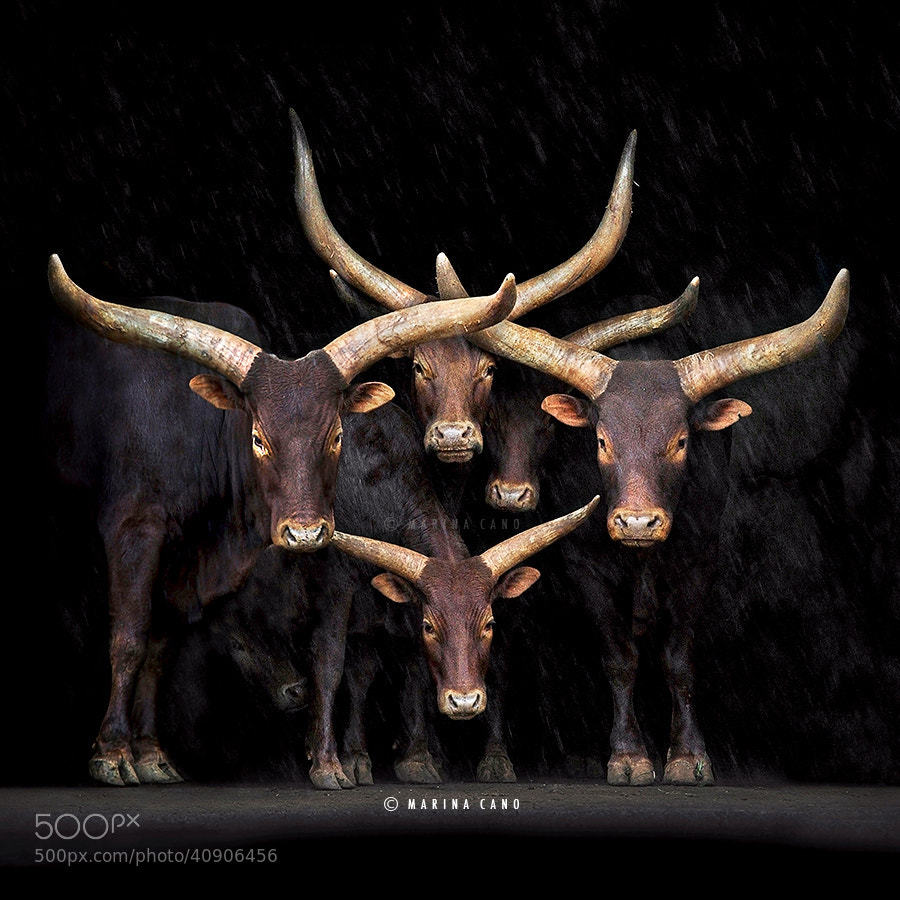
ONCE in a LIFETIME by Marina Cano on 500px
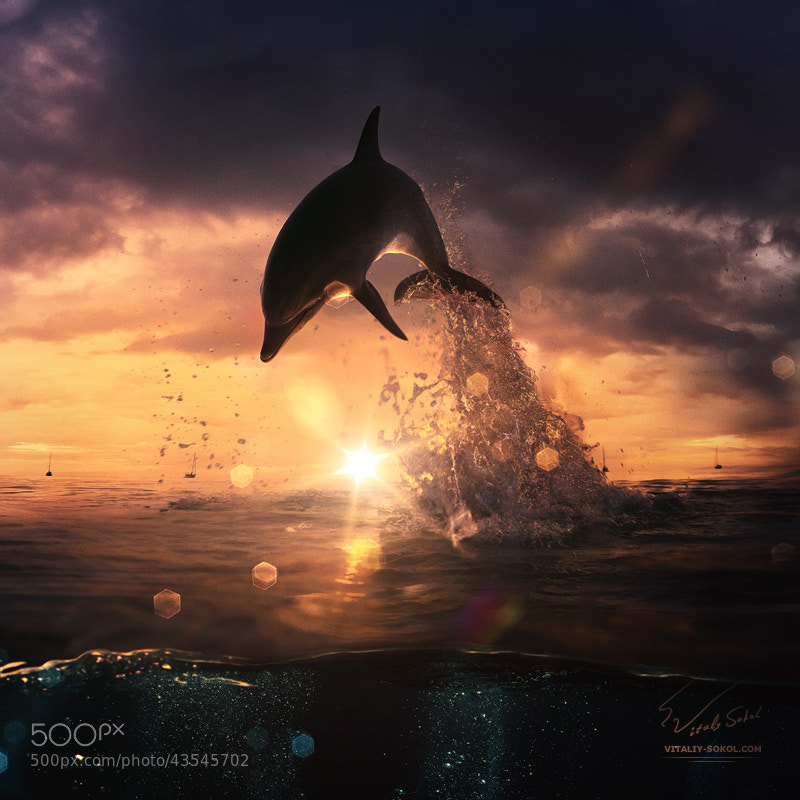
beautiful dolphin jumping from shining water by Vitaliy Sokol on 500px
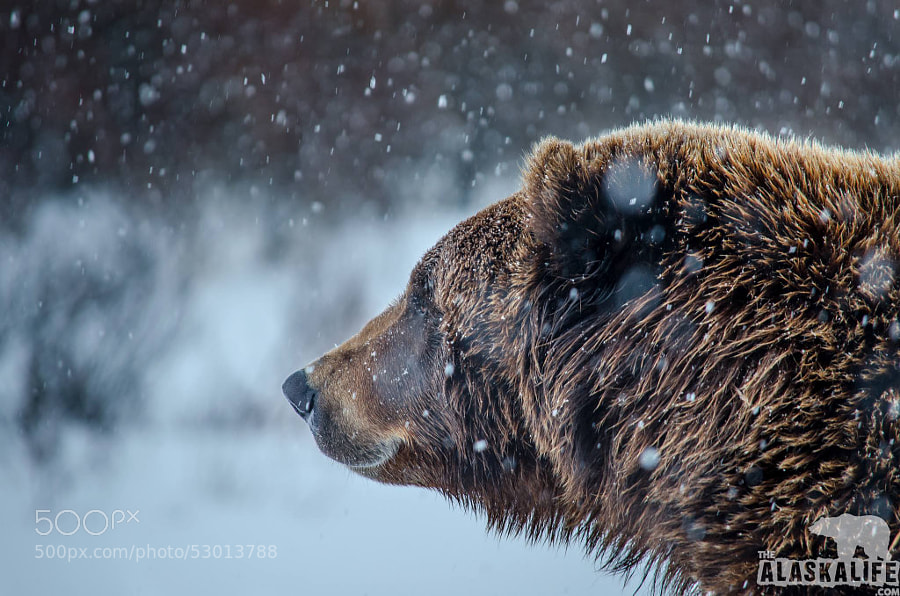
Winter Ponder by Kyle Moffat on 500px
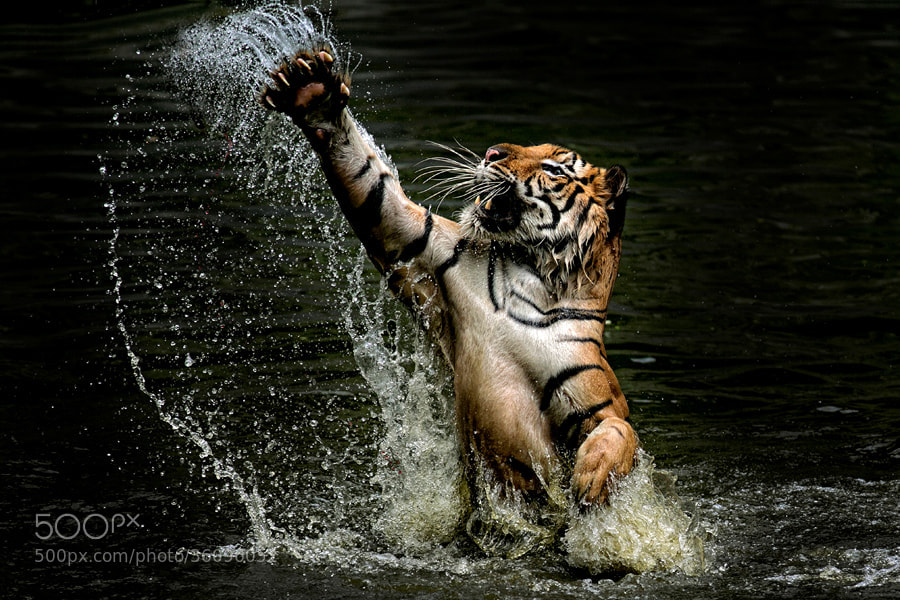
Tiger C L A W S by yudi lim on 500px
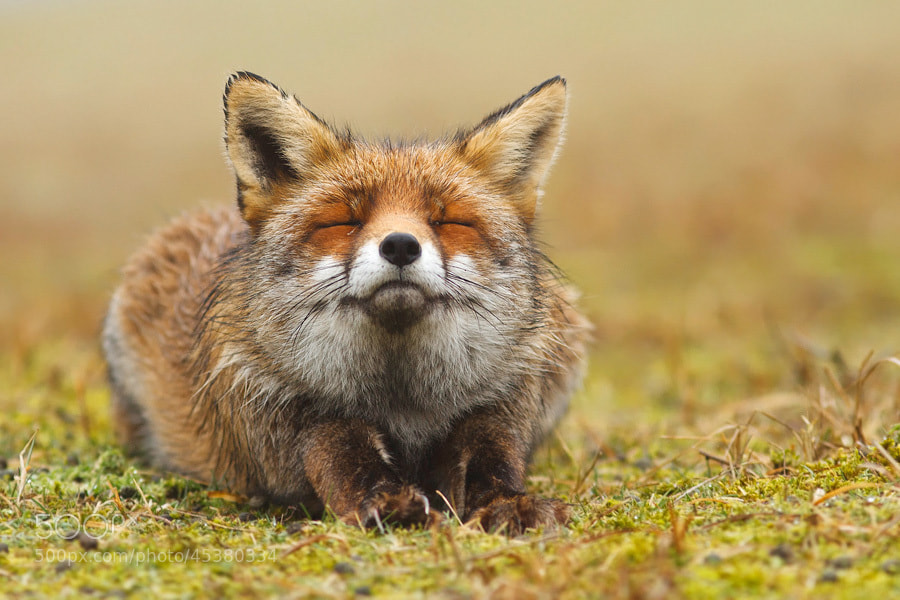
Happy Fox by Roeselien Raimond on 500px
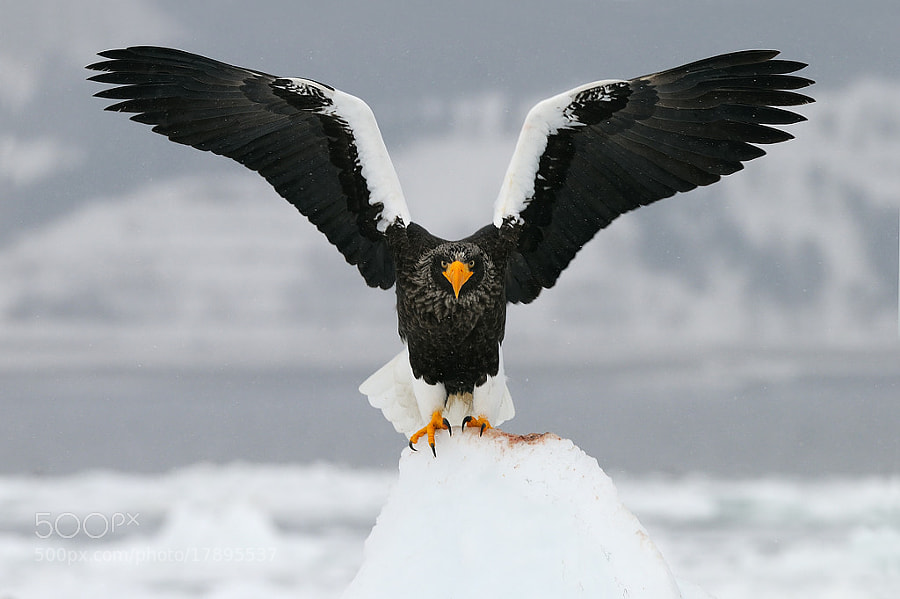
Evil Dark Angel by Harry Eggens on 500px
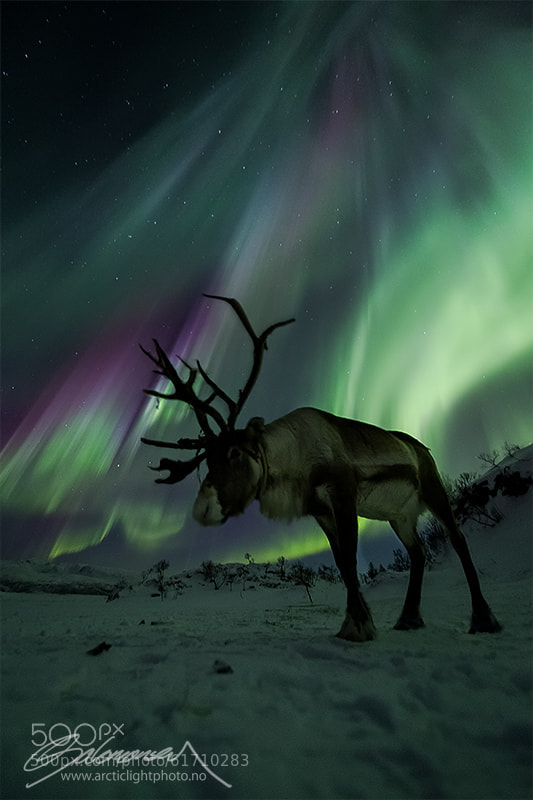
Norwegian Caribou by Ole C. Salomonsen on 500px
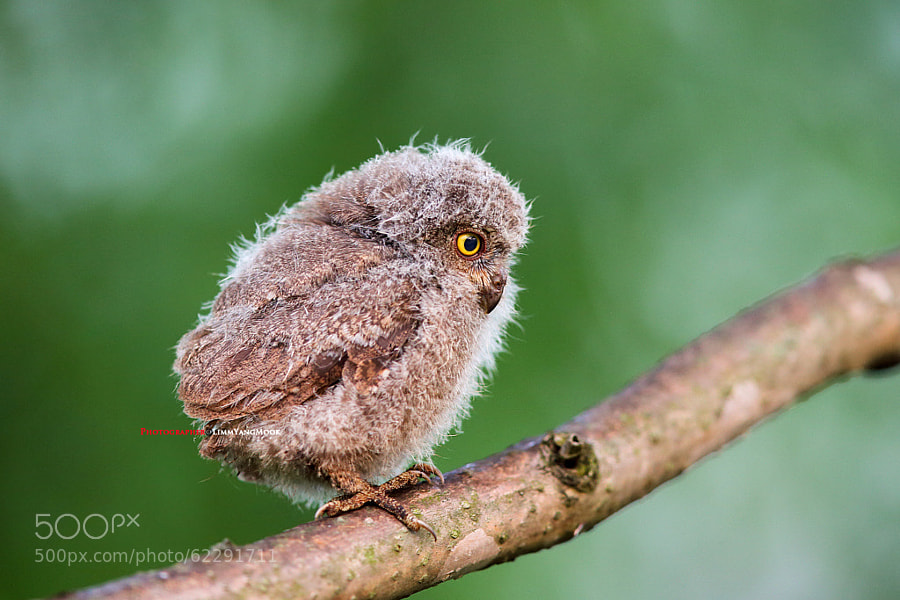
Baby owl by Limm yangmook on 500px
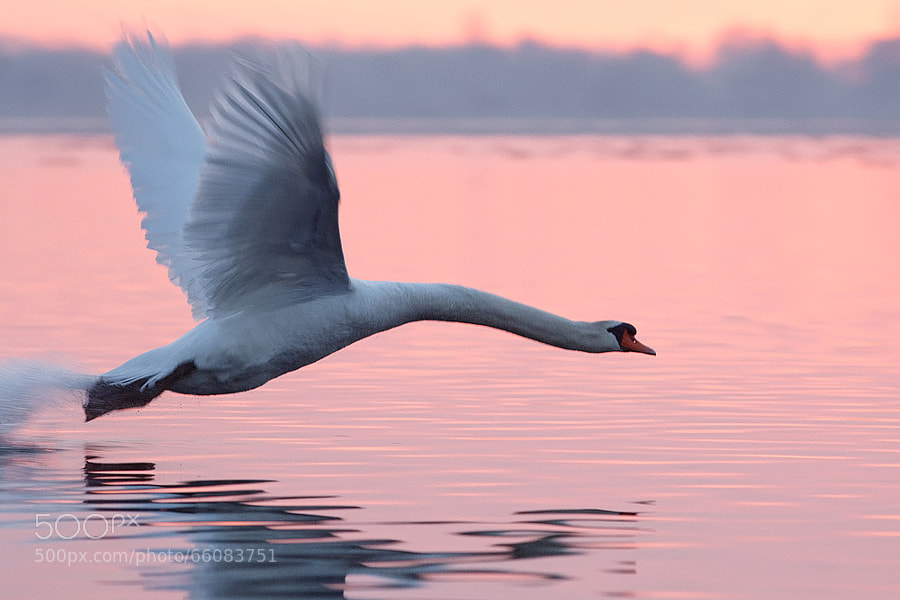
Swan on a Mission by Roeselien Raimond on 500px
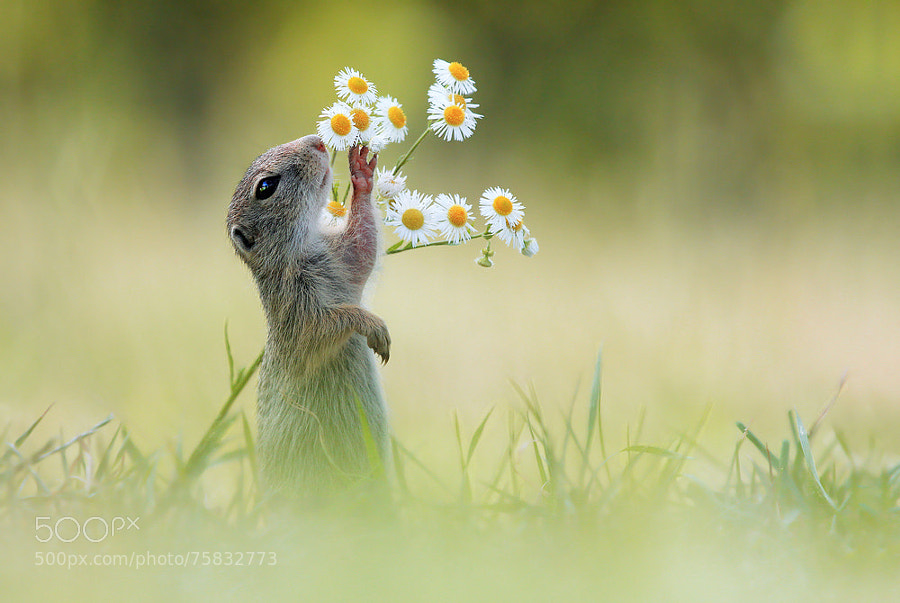
Let me have a Smell first by Julian Rad on 500px
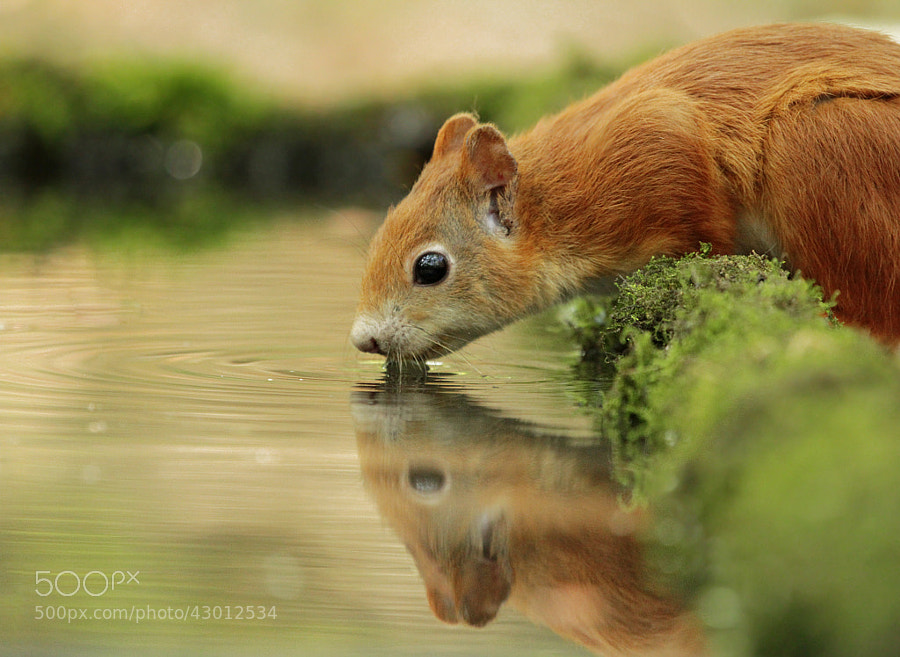
Thirsty Squirrel by Julian Rad on 500px

Surprise! by Simon Roy on 500px
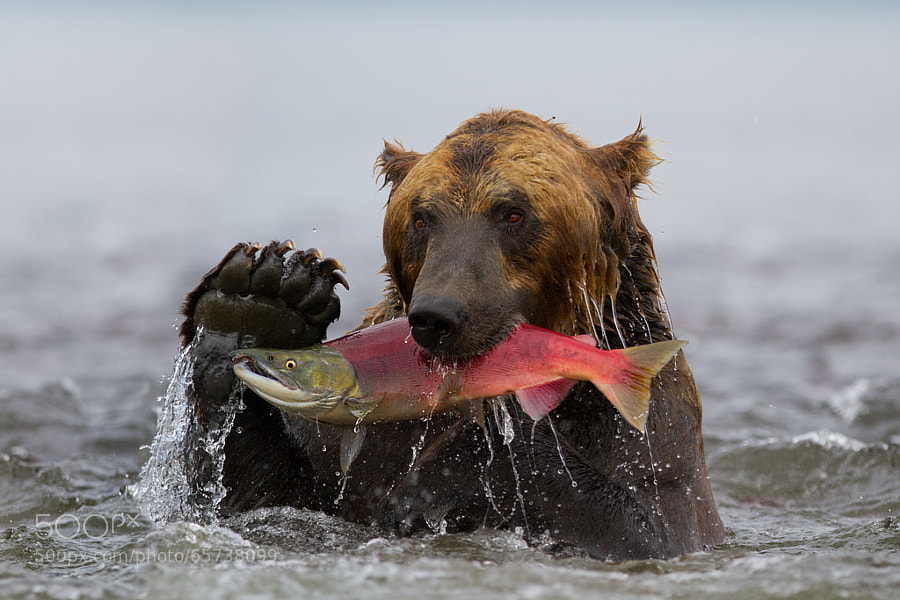
Bye Bye by Massimiliano Orpelli on 500px
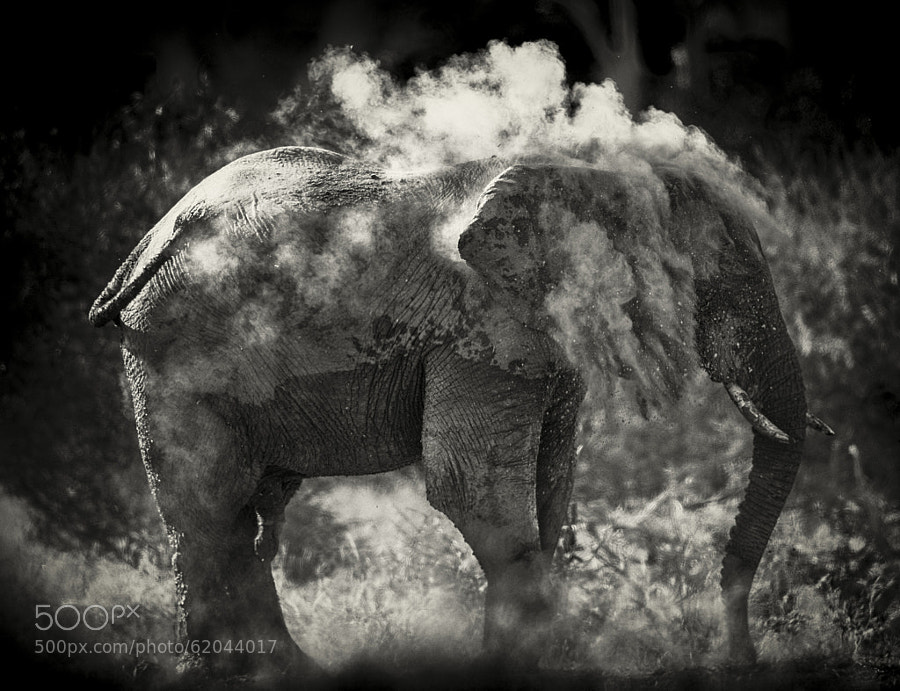
Dust by Chris Fischer on 500px
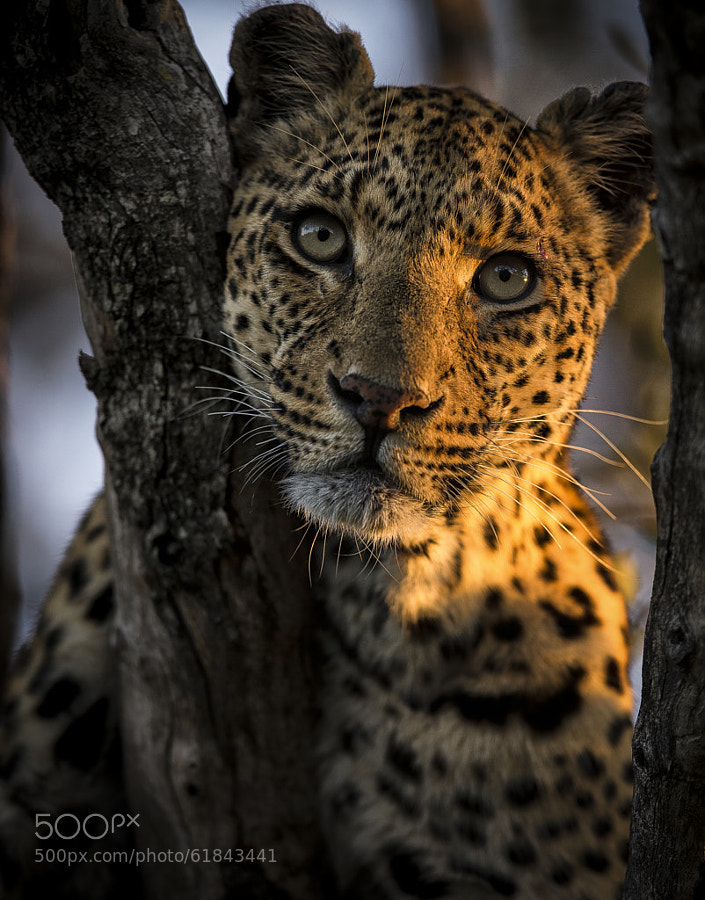
Beauty by Chris Fischer on 500px

Awful Close by Chris Fischer on 500px
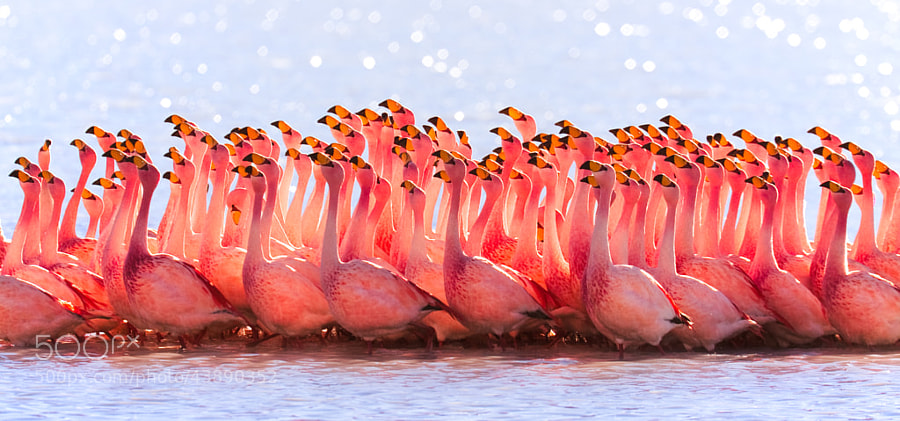
Bolivian Flamingos by Pedro Szekely on 500px
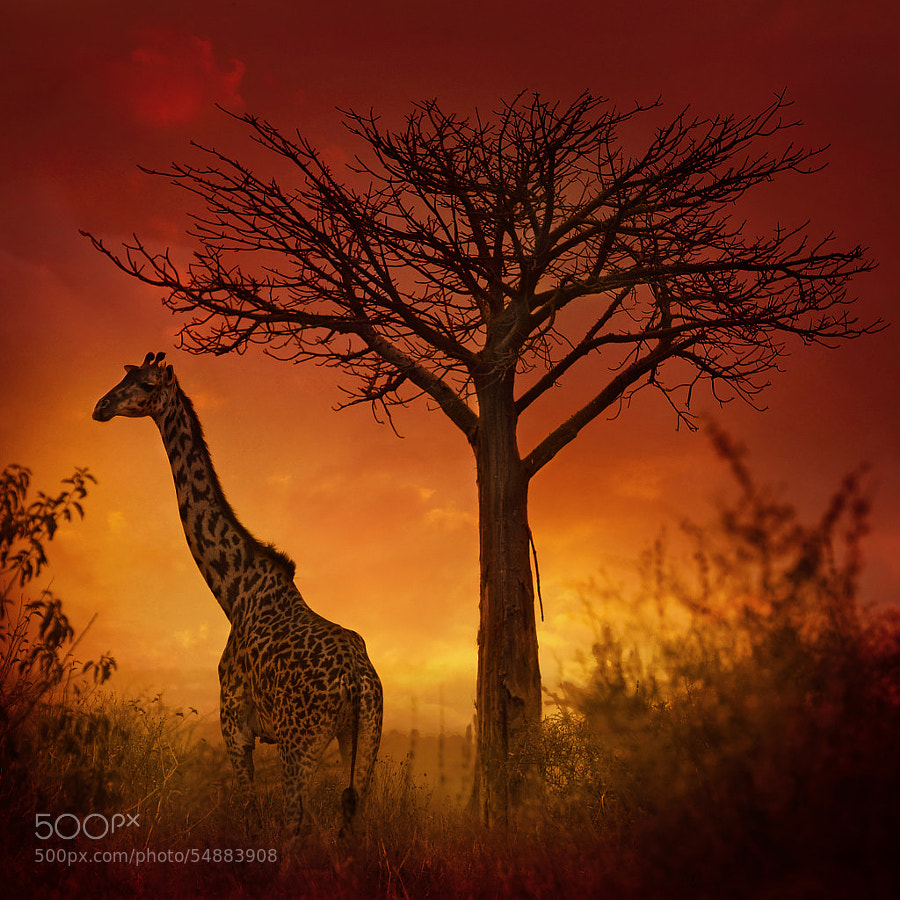
Wild sunset. by Patrick Galibert on 500px
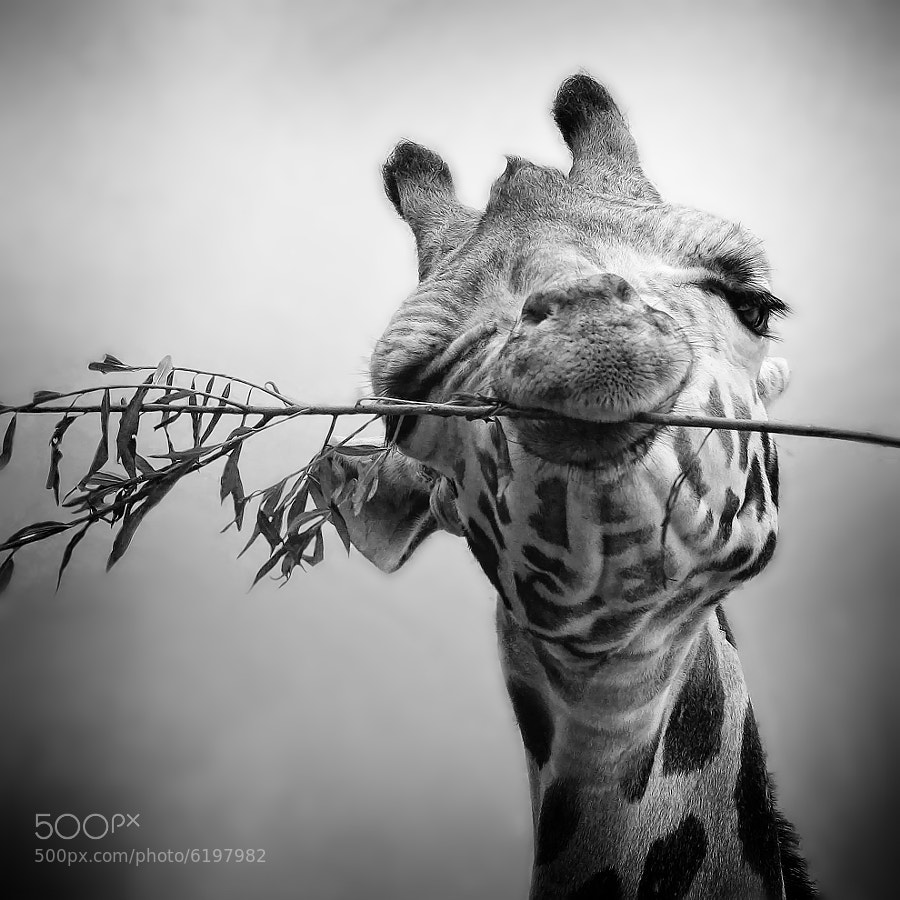
for you by Gabriele Tenhagen-Schmitz on 500px
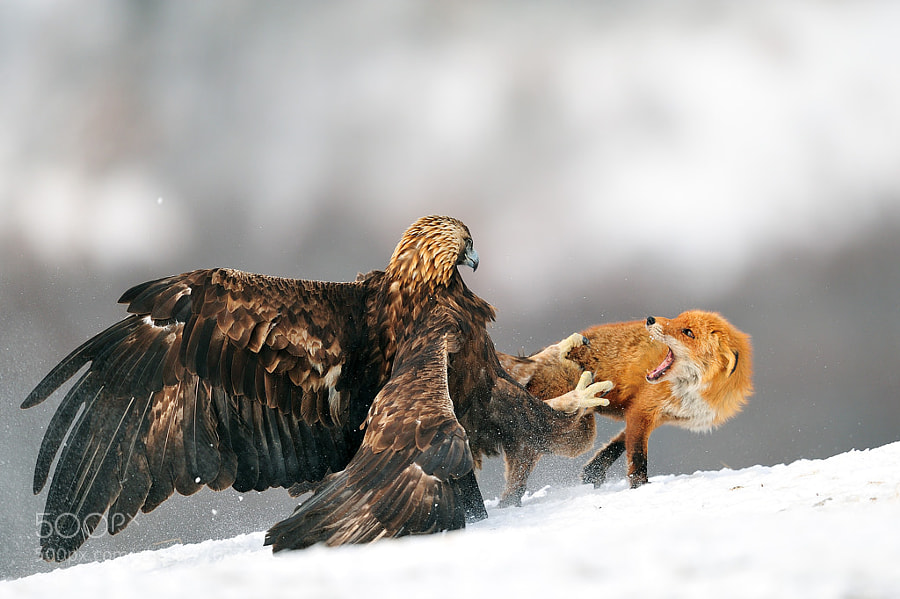
Golden eagle having a discussion with Red fox by Yves Adams on 500px
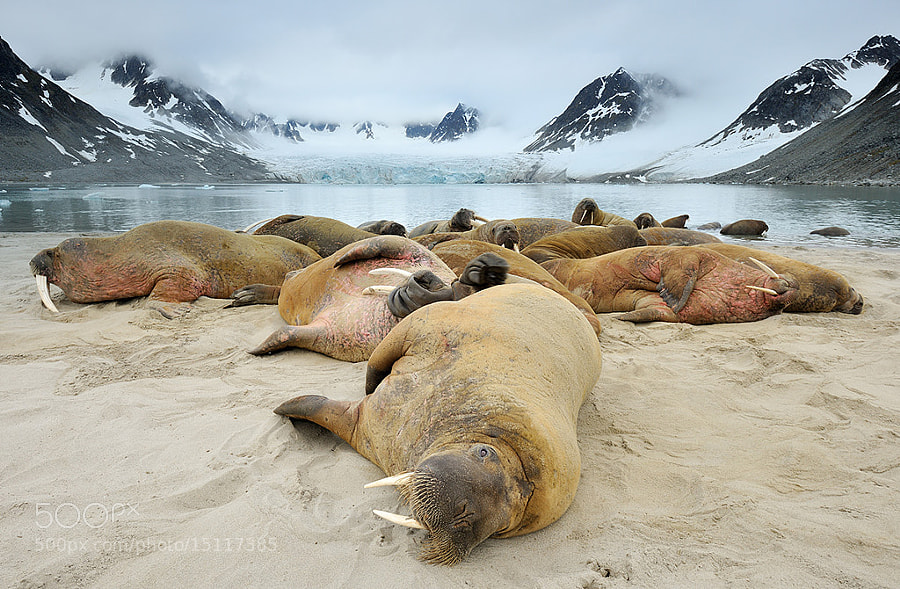
Midnight in Svalbard by Yves Adams on 500px
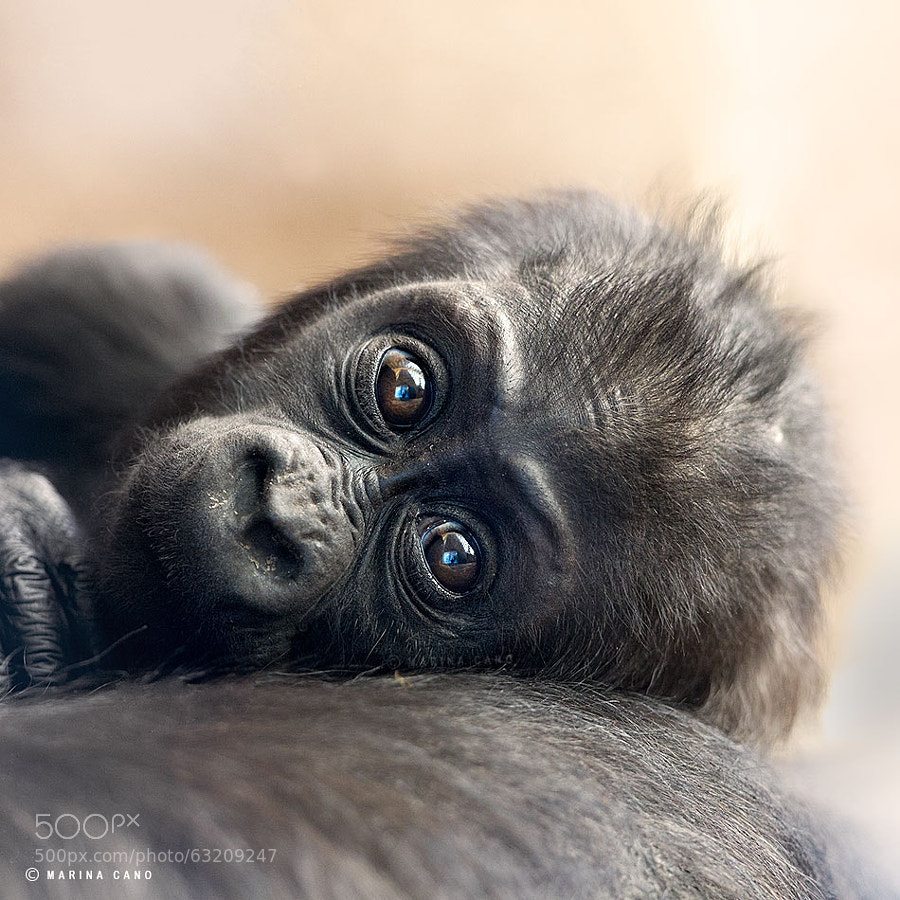
Vulnerable by Marina Cano on 500px
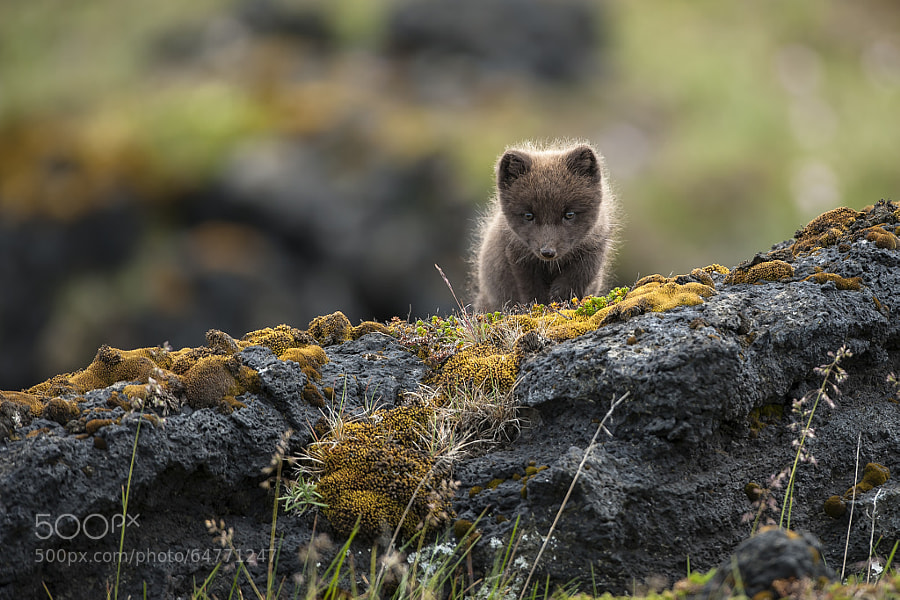
Arctic Fox (Vulpes lagopus fuliginosus) by Einar Gudmann on 500px
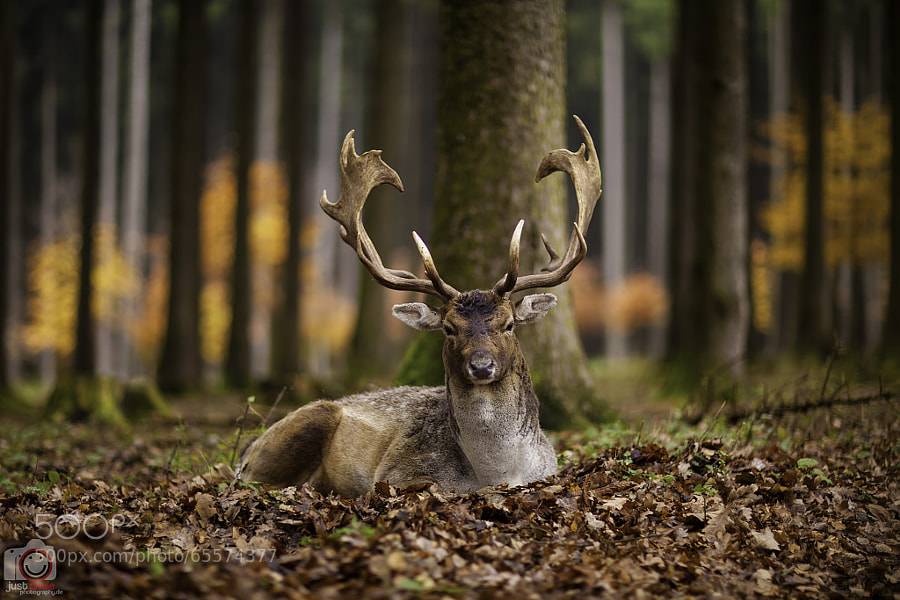
Csodaszarvas by Just Smile Photography on 500px
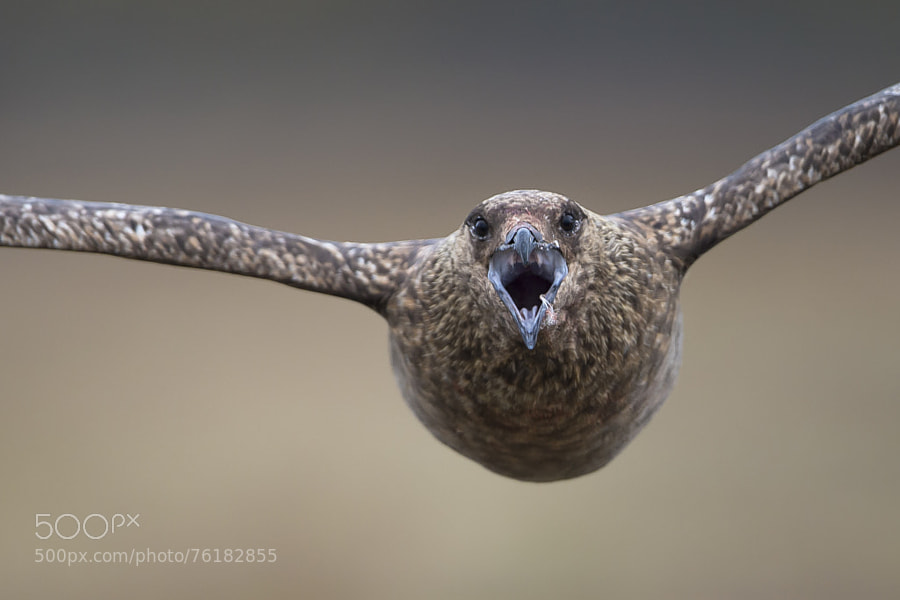
Skua by Einar Gudmann on 500px
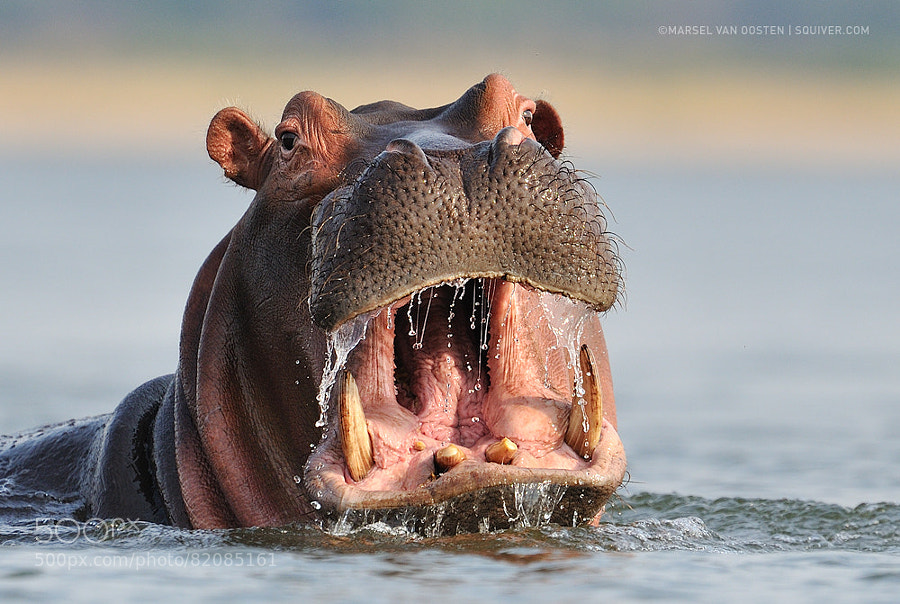
African Perforator by Marsel van Oosten on 500px
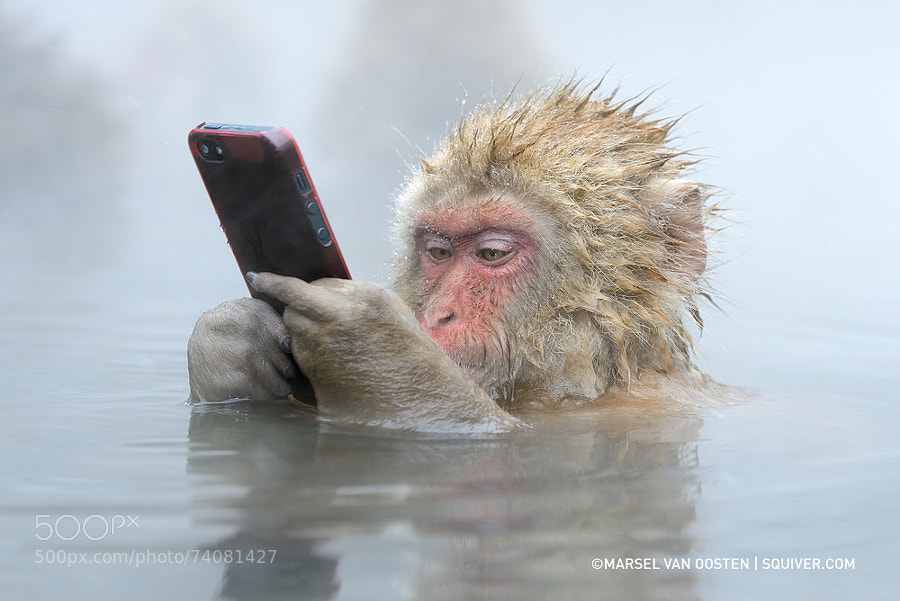
Facebook Update by Marsel van Oosten on 500px
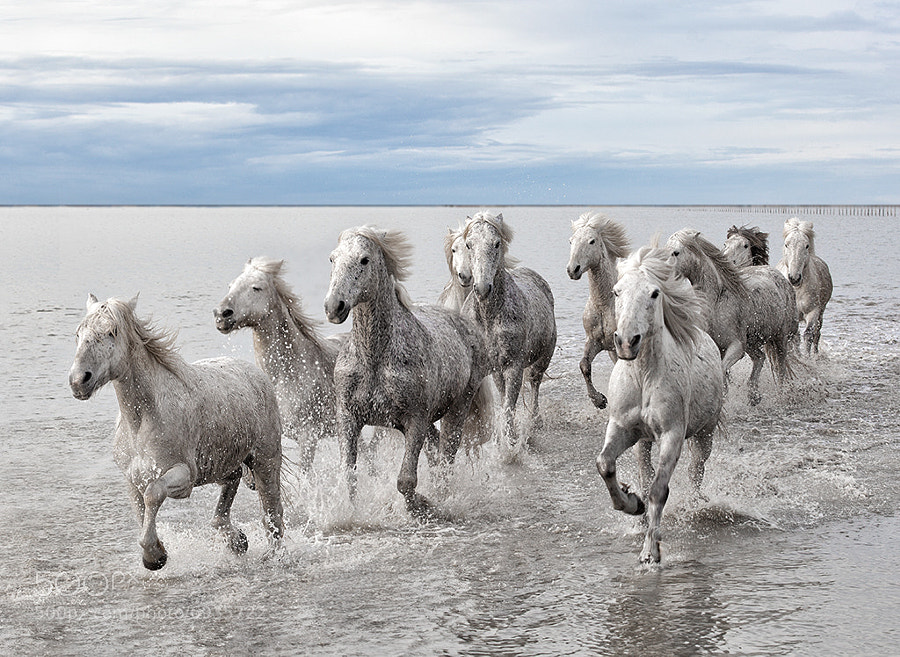
Run on the water by Marco Carmassi on 500px
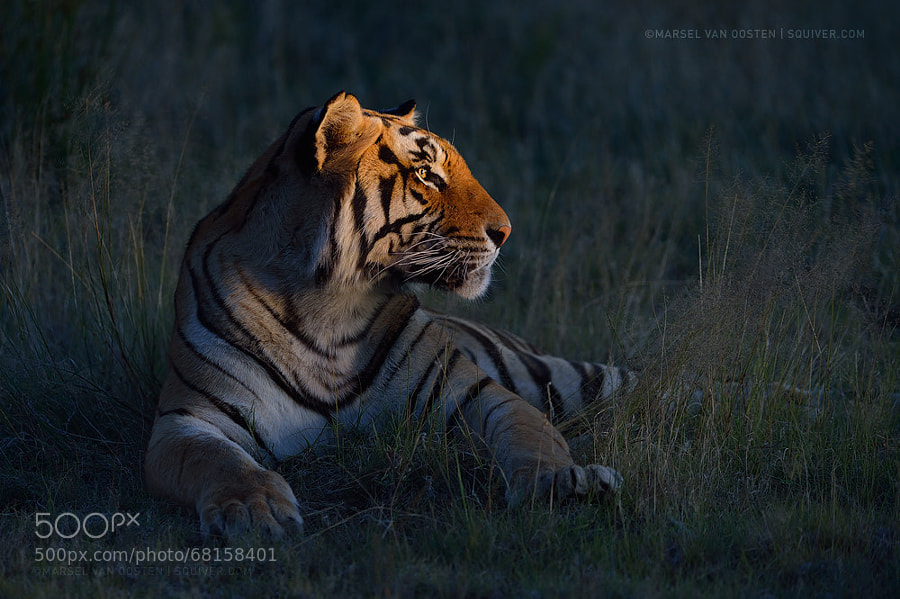
King Of The Night by Marsel van Oosten on 500px
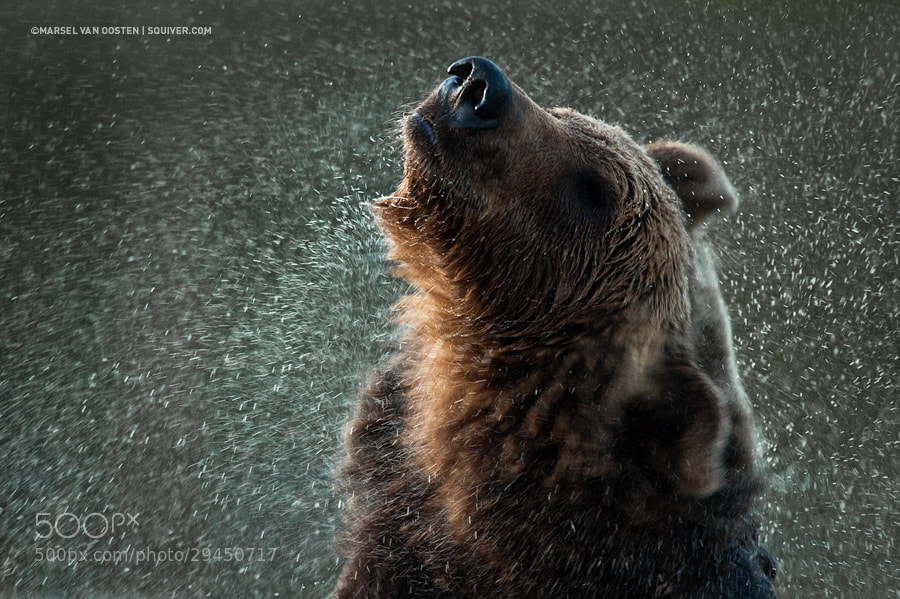
Midnight Shake by Marsel van Oosten on 500px

Lions, Masai mara by pekka Järventaus on 500px
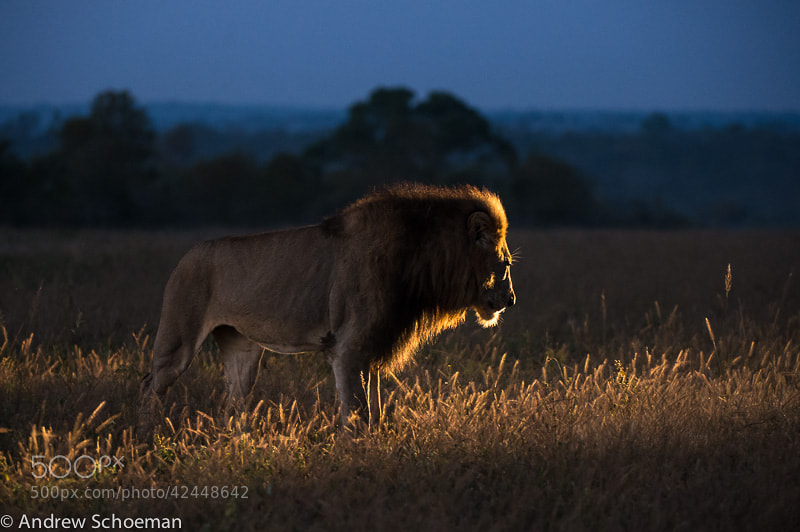
Morning Lion by Andrew Schoeman on 500px
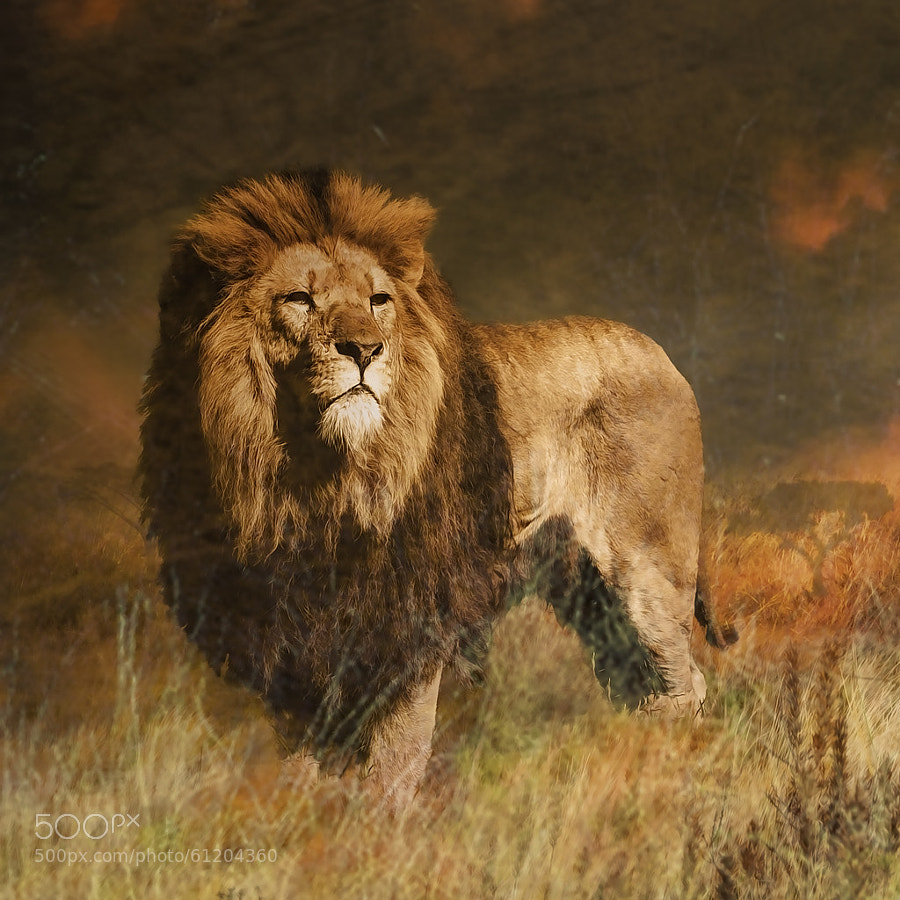
Serengeti Sunset by Brian Tarr on 500px
The post A Walk on the Wild Side: A Collection of Wildlife Photography by Darlene Hildebrandt appeared first on Digital Photography School.
-
Wild und frei
Jeff Lukers Bilder handeln von Abenteuern, der Liebe zur Natur und Freiheit. Campen im Wald, nachts im Meer baden und tagsüber die unbeschreibliche Natur der USA erkunden. Jeff fuhr mit Freunden quer durch die USA, seine Kamera mit im Gepäck, erzählen seine Fotos von diesem Roadtrip, der Lust macht, selbst auf Reisen zu gehen.
Jeff wuchs sehr ländlich in Neuengland auf und schlug sich bereits mit 14 Jahren mit diversen Halbtags-Jobs durchs Leben. Das Geld, das er bei Fastfoodketten, Supermärkten, Landwirtschaftsarbeiten auf den Cranberryfeldern und beim Häuserstreichen bekam, sparte er, um reisen und fotografieren zu können. Nach seinem Studium als Filmemacher suchte er Arbeit in New York und Portland, fand jedoch keine Stelle und lebte buchstäblich von der Hand in den Mund. Zur schlechtesten Zeit begann er, sein Kameraequipment zu verkaufen.
An diesem Punkt bekam er auf einmal Aufmersamkeit für seine Bilder. Leute fragten ihn nach Prints und auch Jobs wurden ihm angeboten. Einer davon der Durchbruch: Eine globale Kampagne für Levi’s. Über seinen Erfolg schreibt er:
Erfolg in der Kunst zu haben, hat viel mit Glück zu tun, aber Opfer bringen und Entschlossenheit sind ein weiterer Faktor. So viele Menschen wollen es, was es so viel schwerer macht. Ich denke, solange man glücklich ist mit dem, was man macht, ist alles gut. Es gibt keine geheime Formel für Erfolg.
Ein Teil von mir glaubt immer noch, diese Karriere wird irgendwann vorbei sein und ich werde in ein paar Jahren zurückkehren und Häuser streichen oder Trockenbau-Wände hochziehen… und das mag sein, aber jetzt in diesem Moment fühle ich mich nur noch sehr glücklich und gesegnet, dass ich ein Leben führen kann durch das, was ich liebe.


Mehr Abenteuer mit Jeff könnt Ihr auf seiner Webseite, Instagram oder Tumblr erleben. Viel Spaß dabei.
