Tag: Magical

  • From Mundane to Magical: Tips on Taking Your Photos to the Next Level

    You may be at a point with your photography where you are comfortable operating your camera and are capable of taking a good picture. You can work with exposure, you understand composition, and can even enhance your photos in post-processing. You should be pleased with this, as this puts you ahead of the vast majority of other photographers. But at the same time, perhaps you are not seeing the elevation in your results that you expect. You are beginning to wonder why you aren’t getting more stunning pictures. Are you doing something wrong? Is there some part of this you’re not getting?

    From Mundane to Magical: Tips on Taking Your Photos to the Next Level

    We all go through a phase where we feel like we know what we’re doing but are frustrated by a lack of great results. In fact, for some of us, it always feels like this. You’ll never go through a time where you’re hitting magical shot after magical shot. It just doesn’t work like that. You are after something extraordinary, and by definition that is rare.

    How do you maximize your chances of finding these great shots? The short version is, “through a lot of effort,” and – while true – that isn’t very helpful. So here are some areas where I focus my efforts and perhaps they will help you too.

    1. It Starts with Location

    We all seem to want to take our cameras down to the local park or take a stroll around a nearby lake and then come home with stunning pictures. For the most part, it just doesn’t work like that. You typically need a great location in order to end up with a great picture.

    You have likely heard that “you can take a great picture anywhere” – and that is true. But just because it is possible doesn’t mean it is probable. Magical lighting or sheer genius may allow some to get great shots in ordinary places, but it is extremely unlikely. To put the odds in your favor, you need to start with an extraordinary location.

    How to Scout Your Photography Locations

    From Mundane to Magical: Tips on Taking Your Photos to the Next Level

    Everyone from tourists to photographers, to the producers of the Game of Thrones use this location as the background for their shots. Dark Hedges, County Antrim, Northern Ireland.

    How do you find such a location? There are lots of ways. If you are going to a well-traveled place such as a large city or a national park, some enterprising photographer has likely done the work for you. They will have written a book on how to photograph that particular place. These guides are invaluable and often all you will ever need. Beyond that, there are a plethora of online resources. I personally start with the 500px World Map and look at where great shots have been taken. I also like to check out the work of photographers who specialize in whatever I am going.

    These resources will help you pick out good places to go. But they will also help you pinpoint specific spots to head to once you are in the area. None of this is to say you should slavishly copy any of these people, but rather that you should let their work inspire you and give you an idea of great locations that might serve as a backdrop for your upcoming stunning picture.

    2. Getting that Magical Lighting

    A great location alone will not result in a stunning picture. I’ve been to countless areas of great natural beauty or stunning urban environments only to walk away empty-handed. To create the stunning picture you are after, you are also going to need great lighting.

    Some of you will create your own lighting through the use of flash. In that case, you’ll be able to create your own stunning lighting – and the whole thing is up to you. But that doesn’t work for me since I am always out and about photographing scenes, which aren’t as conducive to using flash.

    Assuming you are like me and are relying on natural lighting, you just cannot guarantee great lighting. We all have to deal with bad weather and occasionally things don’t work out. That said, you can put the odds more in your favor.

    Photograph at Sunrise and Sunset

    From Mundane to Magical: Tips on Taking Your Photos to the Next Level

    When you are photographing the outdoors, the sky is often a big part of the picture. A great sunrise or sunset, therefore, goes a long way toward helping you create a great picture.

    The first thing to do is make sure you are photographing around sunrise or sunset. I cannot tell you the number of times people have asked me how to elevate their photography and when I look at their pictures I find that they were all taken in the middle of the day. Usually, that’s just not going to work.

    Photographing at sunrise or sunset has a myriad of advantages. The sky will often be very colorful. You will also not have to deal with the extreme contrast created by bright light and dark shadows. The diffuse rays of the sun are more pleasing as well. Think about it this way: there is a reason people sit outside and watch the sun come up or go down. Take advantage of that.

    Don’t Overlook Bad Weather

    Keep in mind that bad weather can often lead to the best shot. It is very much a risk/reward situation. Most of the time, cloudy hazy conditions result in failure. Sometimes, however, the sun might peek through or do something interesting such that you get magical rays in your photo. Typically, nice weather will result in nice pictures. Dramatic weather can result in dramatic pictures, and that is what you are going for.

    From Mundane to Magical: Tips on Taking Your Photos to the Next Level

    Even an average marina can become a great shot when there is a storm approaching.

    3. Creating the Composition

    A great scene does not necessarily make a great photo. You’re probably familiar with rules of composition such as the rule of thirds. That is great, but this alone won’t result in the stunning photos you are after. To get there, you need something more. Here are some ideas to think about.

    Start with a Center of Interest

    The first thing you need is a subject or center of interest. Again, simply capturing a scene in front of you might create a nice picture, but not the shot that will cause people to say “wow” that you are after. You need something to hold the picture together. I cannot tell you exactly what that is since there are so many different things to use in this world, just be on the lookout for that.

    Lead the Viewer’s Eye

    Another thing that will help you is if you think about leading the viewer’s eye. You might immediately leap to the concept of leading lines, but it goes further than that. Think about where you want the viewer’s eye to start in your picture and then the route you want them to travel around it. Many times this is done in the post-processing phase. Remember that the eye is attracted to areas of brightness and sharpness. You might darken areas where you don’t want the viewer to concentrate while sharpening areas where you do want their eyes to go.

    From Mundane to Magical: Tips on Taking Your Photos to the Next Level

    A nice view made more interesting by the path leading the viewer’s eye into the picture.

    Concentrate on the Foreground

    While you’re setting up your picture, be sure to think hard about the foreground. Think of your pictures as consisting of a background, subject, and foreground. The background is already largely set by your choice of location and lighting. The subject might be the thing that caused you to raise your camera to your eye in the first place (or in any event, you will already have thought about it). That leaves the foreground as the final variable. Don’t give it short shrift. Very often, getting low to the ground gives a sense that the viewer can walk into the picture and really enhances the image.

    Add Mood and Emotion

    Finally, be sure to think about the mood of your picture. A great picture stirs some emotion in your viewer. Therefore you’ll need to think about the emotion or mood as you are creating it. In the field, you might underexpose a bit to add some drama to your shot. Later, when you are on your computer, you will have time to consider this further and tweak your photo with an eye towards setting this mood.

    4. Enhancing the Shot with Post Processing

    There are photographers who shun the use of post-processing and devote all their time and energy to getting the shot right in the field. I’m not one of them. I have never taken a shot that I didn’t think could be improved with the use of post-processing.

    From Mundane to Magical: Tips on Taking Your Photos to the Next Level

    Of course, there are a million things you can do to enhance your photos in post-processing. It is not my intent to walk through them all here. Rather, I just want to stress the importance of taking your time and thinking about what you want to accomplish with your picture when you sit down with it at your computer. When you are sitting down in front of your computer, you have time to think it through and work on it. In the field, you may have been rushed – dealing with a moving subject or fleeting light. Now you have as much time as you want.

    Think about what your picture is about. If a part of your image does not support that idea, crop it out. Use some selective sharpening and brightening/darkening to lead the viewer’s eye. Set the mood of your picture using brightness values.

    The point is not to take a mundane picture and try to post-process it into some masterpiece. Rather, selectively take a few shots and enhance them with an eye towards both (a) what you were trying to accomplish and (b) what you want the viewer to think/feel when they are looking at your photo.

    From Mundane to Magical: Tips on Taking Your Photos to the Next Level

    5.  Have Realistic Expectations

    Finally, it is important to have realistic expectations. You aren’t going to go out and come home with a stunning picture every time. I fail all the time, and to avoid getting frustrated about it, I think about the words of Ansel Adams. He once said that he got about one great picture a month. Only one a month! If this master of photography was forced to settle for that kind of hit rate, then who am I to think I can do better? I ought to be happy with one shot a year.

    From Mundane to Magical: Tips on Taking Your Photos to the Next Level

    Creating the Magic

    This all takes time and effort. In a lot of ways, it is like waiting for the stars to come together. There is no magic formula for going out and getting a stunning picture every time. If there were, we would all do it. Again, the whole idea is that you are looking for the extraordinary – and that doesn’t happen all the time.

    Of course, these factors all work together somewhat. You can have magical lighting at a mundane location and end up with a stunning picture. Or the right post-processing can take a B+ picture and turn it into a winner.  The point is not to get you to wait around for perfect conditions. Rather just to keep moving forward with the mindset that it isn’t always going to work, but when it does it is magic.

    These are the things I look for in trying to create a great photo. But that’s not to say there aren’t other – even better – ways to go about it. What do you look for in trying to elevate your photos from the mundane into something magical? Please let us know in the comments below.

    The post From Mundane to Magical: Tips on Taking Your Photos to the Next Level by Jim Hamel appeared first on Digital Photography School.
    Digital Photography School

  • How to Photograph the Magical Microscopic World – Photomicroscopy

    What is photomicroscopy

    There is a whole world right under your eyes where everyday and unique objects take on a fascinating new appearance. This world is microscopic and even though it is right in front of you, the tiny scale makes it difficult to see the incredible detail.

    Photomicroscopy in its simplest form is high magnification photography, which in practice involves the use of a microscope to magnify images followed by using a camera for image capture. With the advent of eBay and other online auction style sites, photomicroscopy is becoming far more accessible to the wider population, allowing anyone to see the incredible detail.

    photomicroscopy photomicrograph micrograph

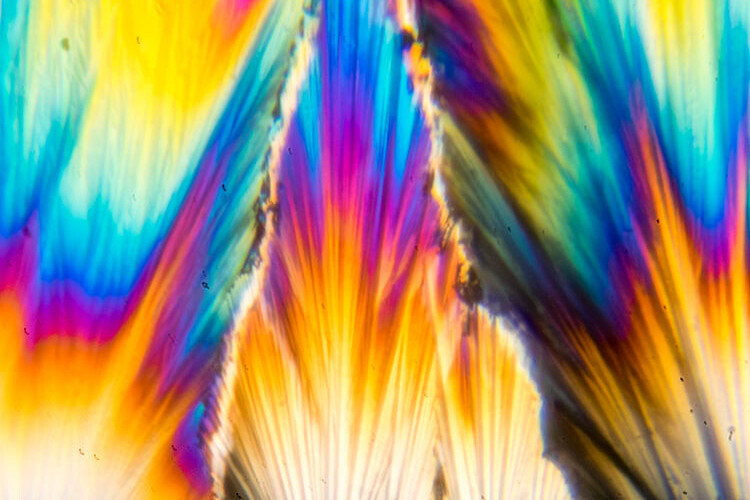
    Monosodium Glutamate (MSG) at high magnification by polarized light microscopy.

    My passion for photomicroscopy

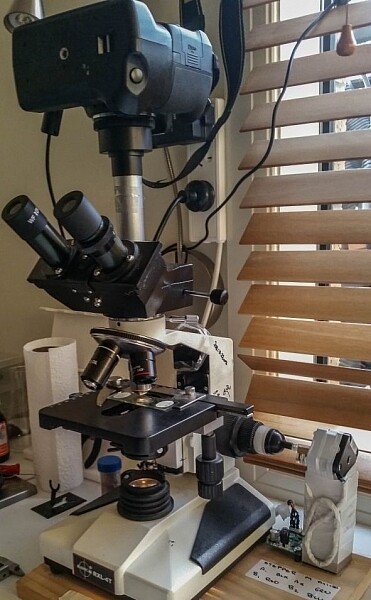
    As a scientist, I spend a significant part of my time conducting investigations which require me to use microscopes. It was this exposure (and my embedded love of science) that got me interested in microscopy. Once I caught the bug, I acquired a microscope from an online auction store and purchased the accessories needed to couple the microscope to my Nikon DSLR. It should be noted that you can easily find accessories to couple with most camera brands, so this is not limited to Nikon.

    My Nikon attached to the microscope.

    My Nikon attached to the microscope.

    Over time my setup expanded, to try and optimize the workflow through the addition of focus stacking software and hardware to counter the very shallow depth of field microscopes have.

    How to take photomicrographs

    photomicroscopy photomicrograph micrograph - toile paper

    Two-ply toilet paper by transmitted light microscopy.

    Photomicrographs are high magnification images which are captured using both a microscope and a camera, in my case a Nikon D5300 DSLR. First, you need to find an object that can be imaged and prepare it.

    Because the depth of field is so narrow, most item(s) need to be cut into thin slices or focus stacked to get an adequate depth of field. Once you have found the item you want to photograph, it is then a case of putting it under the microscope on a glass slide, setting the light to evenly illuminate the item and setting your camera to take the image.

    One point to note is that many entry level DSLR’s (including the Nikon D5300) do not meter with microscope adapters. As such, to capture an image you will need to have the camera in Manual mode and use trial and error to adjust your shutter speed to expose the image properly.

    photomicroscopy photomicrograph micrograph - chili

    Dried chili flake by transmitted light microscopy.

    What items look great under the microscope?

    A significant number of everyday objects look incredible under the microscope, some of these can be found in the kitchen, while others are more likely to be found outside. Here are a few ideas:

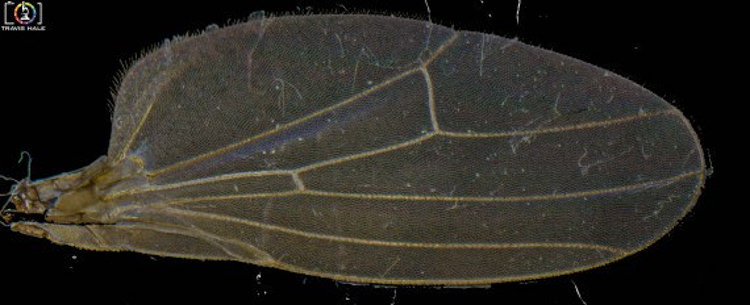
    • Insect wings
    • Pine needle cross-section
    • Lake water creatures (e.g. water fleas)
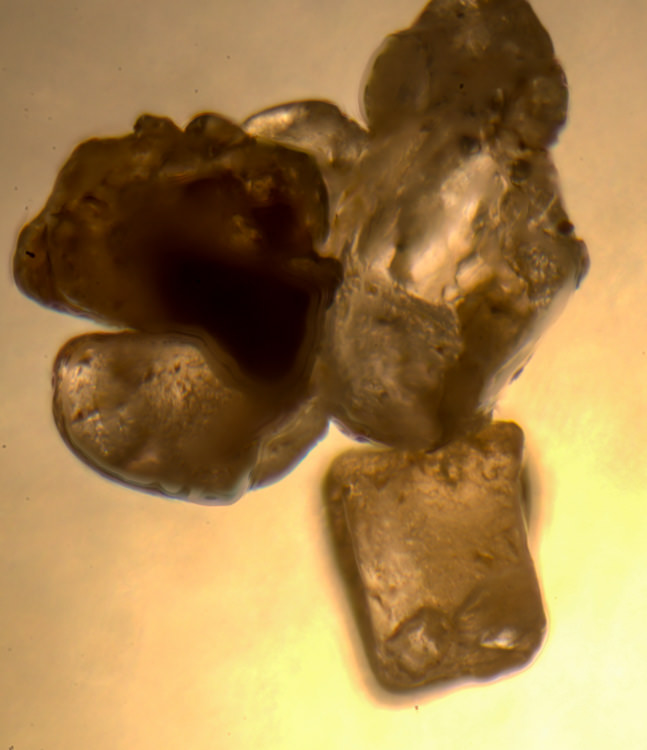
    • Granules of sand
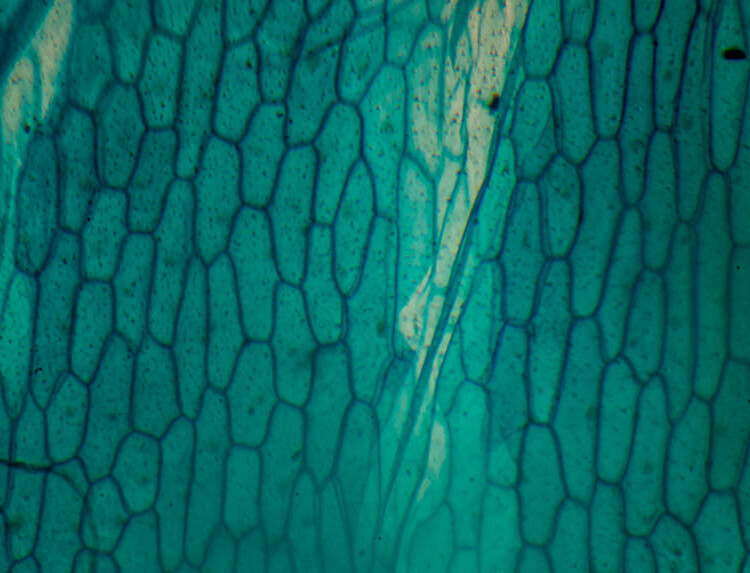
    • Onion skin
    photomicroscopy photomicrograph micrograph - sand grains

    Sand grains by transmitted light microscopy (and focus stacked).

    photomicroscopy photomicrograph micrograph - onion skin

    Onion skin by transmitted light microscopy (and focus stacked).

    When you start to add polarization to the mix, a number of chemicals take on a new life, some of these are every day, while others are more unique:

    • Caffeine
    • Menthol
    • Nicotinic Acid
    • Benzoic Acid
    • Stearic Acid
    photomicroscopy photomicrograph micrograph - benzoic acid

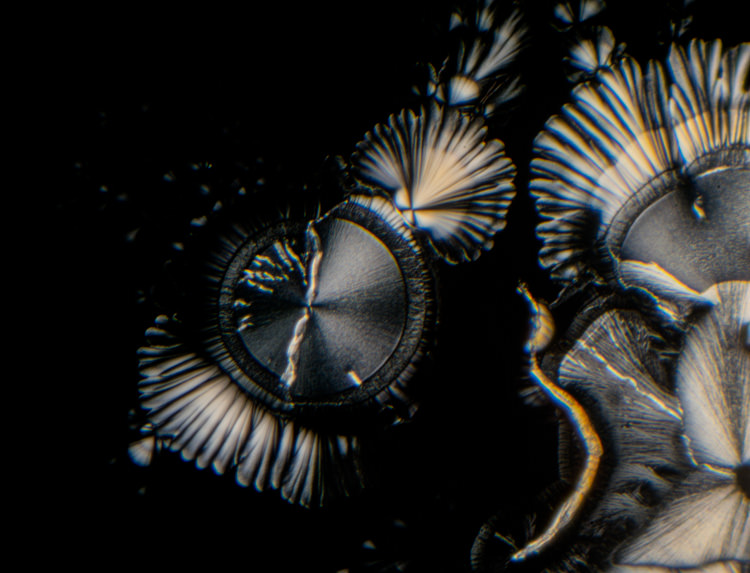
    Benzoic acid by polarized light microscopy.

    photomicroscopy photomicrograph micrograph - caffeine

    Caffeine by polarized light microscopy.

    Tips and tricks for photomicroscopy

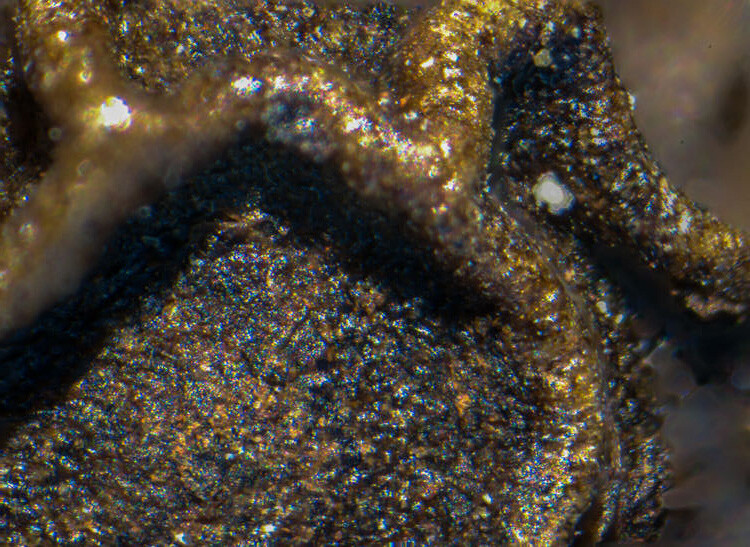
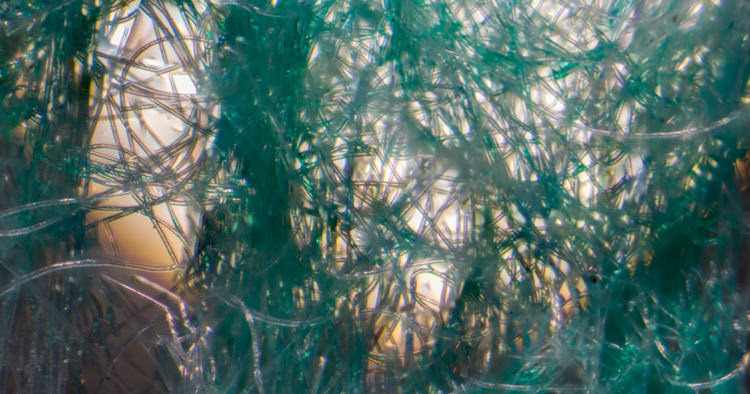
    As with photography, lighting is essential for photomicroscopy. Microscopes essentially have two types of lighting. One is transmitted lighting which is where the light is shone up through the item. The second type of lighting is where light is shone on the item which is known as reflected lighting. Transmitted lighting is best for transparent samples, while reflected lighting is best for opaque samples.

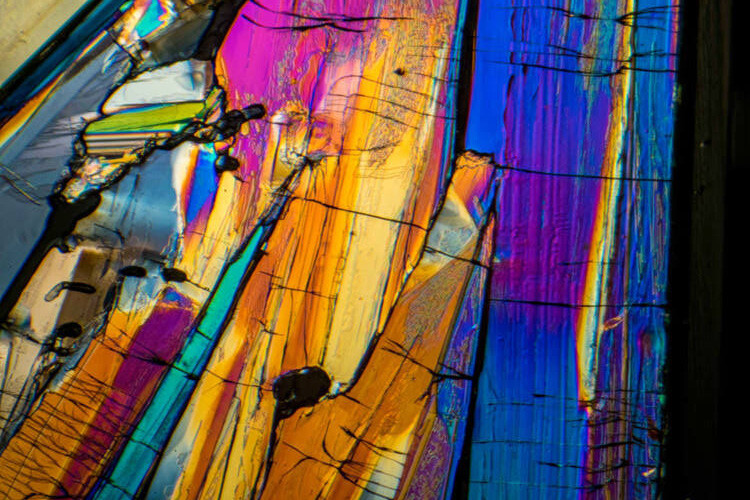
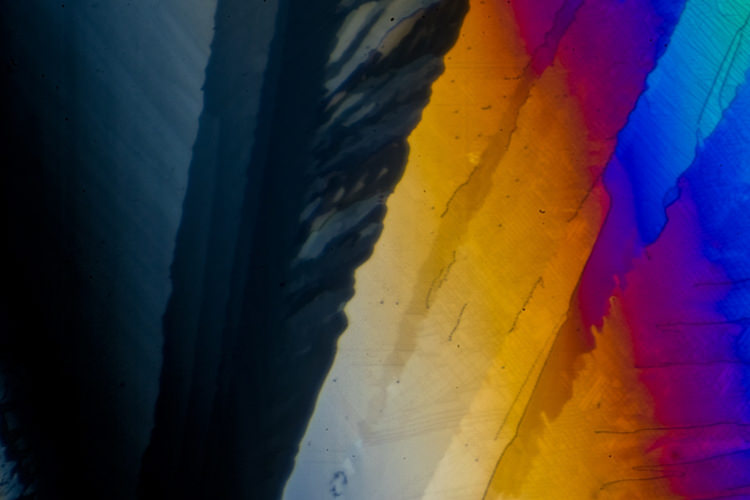
    Using a polarizing filter retrofit will make many chemicals under the microscope come to life due to a property called birefringence. This property is where the refractive index of a material changes based on the degree of polarization and light, leading to many different colors within chemical crystals.

    The depth of field in photomicroscopy is VERY shallow, as such you may need to either use thin slices of a material or do focus stacking to achieve a suitable depth of field. There is a range of software packages which can help with focus stacking, these include; Helicon Focus, Zerene Stacker and Photoshop.

    photomicroscopy photomicrograph micrograph Peppercorn by reflected light microscopy.

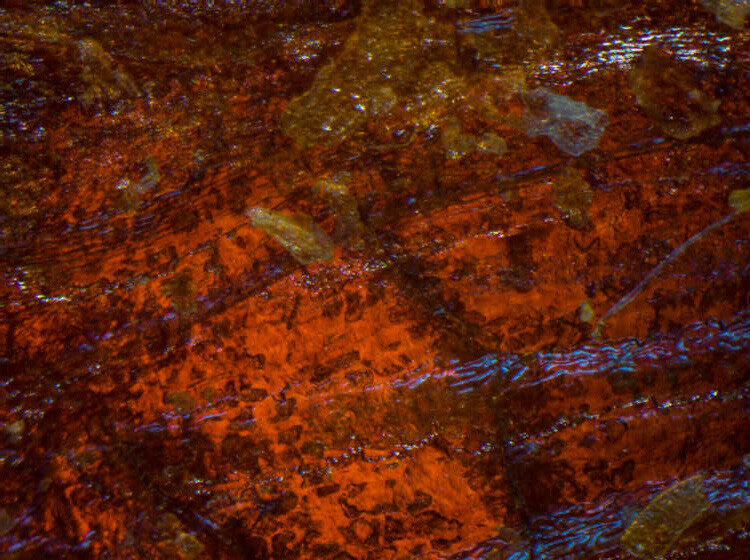
    Peppercorn by reflected light microscopy.

    A few more images

    Here are a couple more example images.

    photomicroscopy photomicrograph micrograph

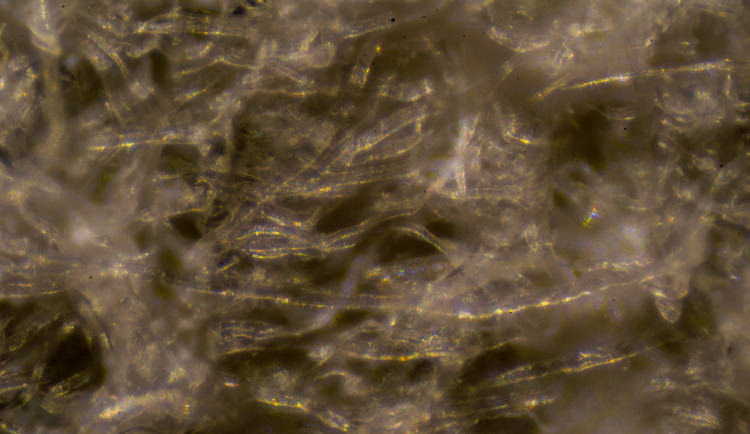
    Absorbent Wipe by reflected light microscopy.

    photomicroscopy photomicrograph micrograph

    Butterfly wing by dark field microscopy.

    photomicroscopy photomicrograph micrograph

    Glutamaic Acid

    photomicroscopy photomicrograph micrograph

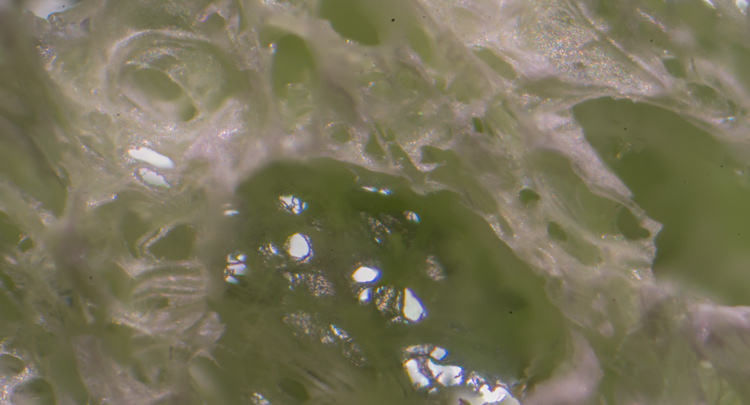
    Sponge

    Have any idea(s) on what might look great under the microscope? Let us know in the comments below, please.

    googletag.cmd.push(function() {
    tablet_slots.push( googletag.defineSlot( “/1005424/_dPSv4_tab-all-article-bottom_(300×250)”, [300, 250], “pb-ad-78623” ).addService( googletag.pubads() ) ); } );

    googletag.cmd.push(function() {
    mobile_slots.push( googletag.defineSlot( “/1005424/_dPSv4_mob-all-article-bottom_(300×250)”, [300, 250], “pb-ad-78158” ).addService( googletag.pubads() ) ); } );

    The post How to Photograph the Magical Microscopic World – Photomicroscopy by Travis Hale appeared first on Digital Photography School.

    Digital Photography School

  • Unnatural Wonders: Magical Surrealist Artwork Worthy of Dalí & Escher

    [ By WebUrbanist in Art & Drawing & Digital. ]

    roof-bricks

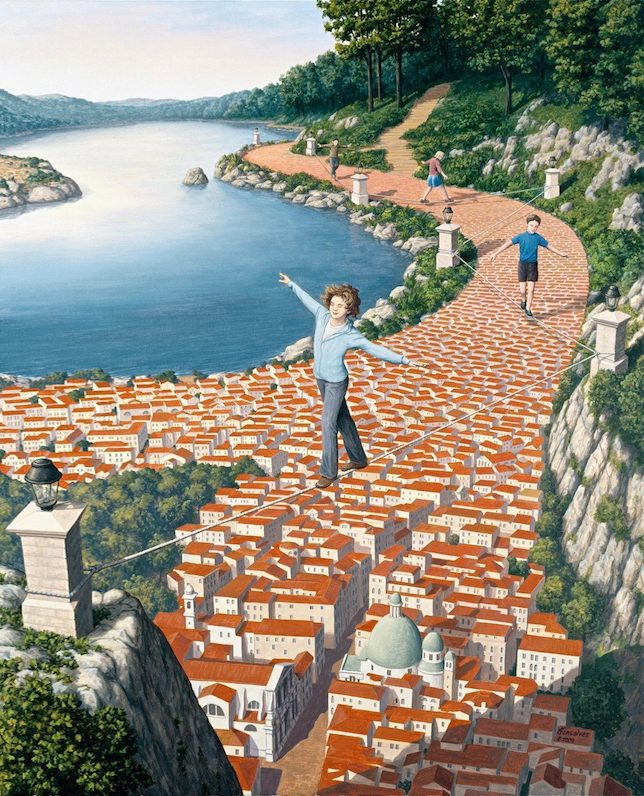
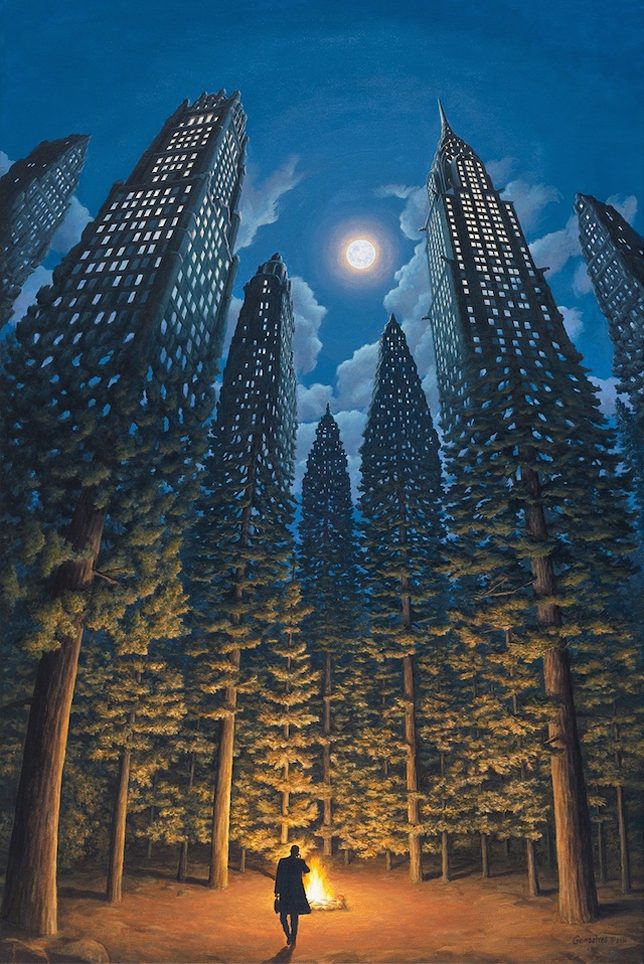
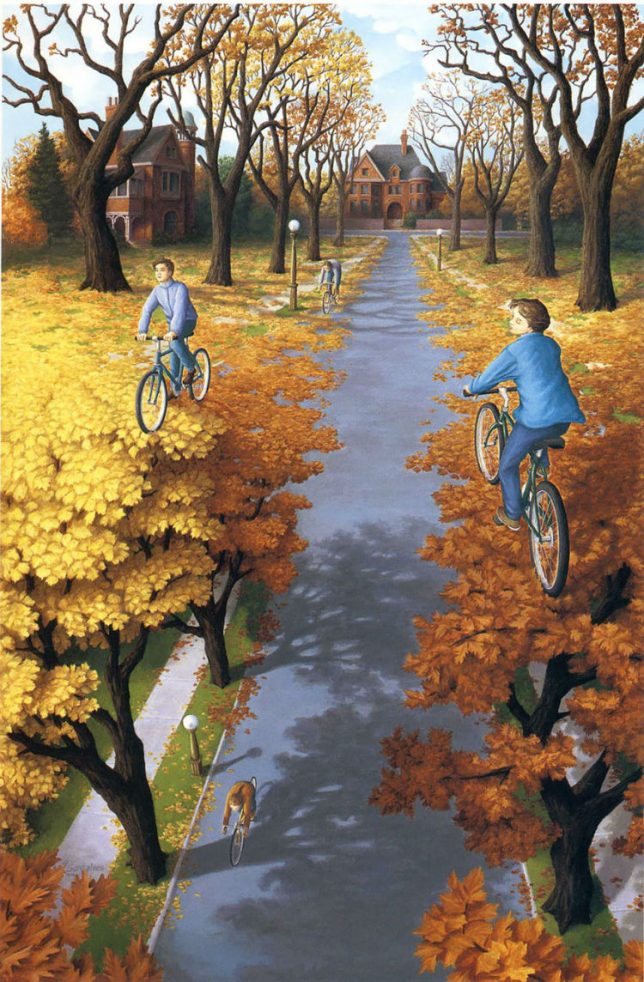
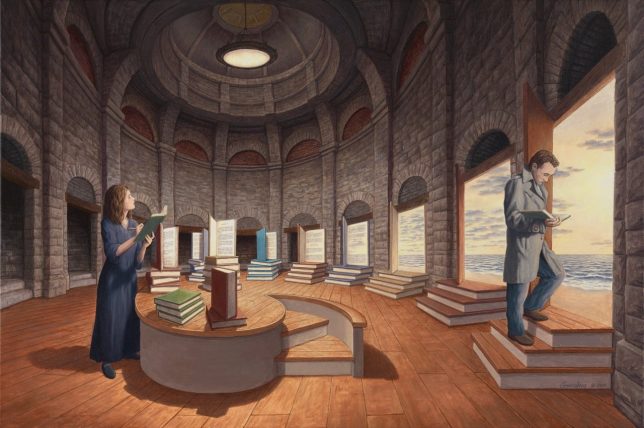
    In the same magic-realist vein as artistic giants like Salvador Dalí, M.C. Escher and Renê Margritte, Rob Gonsalves crafts elaborate and interconnected scenes that shift subtly to form remarkable illusions of dizzying depth and scale.

    magical-realism

    The 55-year-old Canadian of Portuguese descent takes settings that look ordinary at first glance, then layers and intersects them to form fantastic fictional realities. Many of his pieces tackle overlap, blurring the boundaries of natural and built environments, man-made and organic phenomena.

    night-skyscraper-trees

    Trees falling from the tree on a street form a canopy for a second, semi-secret world below. Books slowly turn into steps as they make their way around a domed library. Bricks become rooftops as children walk along a path. Skyscrapers morph into trees, blending nature and cities.

    trees-biking

    After college, Gonsalves worked as an architect and painted trompe-l’œil murals and theater sets on the side. As the popularity of his artistic works grew, he turned to painting as a profession.

    library-morph

    ocean-sky

    “Although Gonsalves’ work is often categorized as surrealistic, it differs because the images are deliberately planned and result from conscious thought. Ideas are largely generated by the external world and involve recognizable human activities, using carefully planned illusionist devices. Gonsalves injects a sense of magic into realistic scenes. As a result, the term “Magic Realism” describes his work accurately. His work is an attempt to represent human beings’ desire to believe the impossible, to be open to possibility.”

    Share on Facebook


    [ By WebUrbanist in Art & Drawing & Digital. ]

    [ WebUrbanist | Archives | Galleries | Privacy | TOS ]


    WebUrbanist

  • Spellbinding Visuals: Magical Book Artwork Tells Surrealist Stories

    [ By WebUrbanist in Art & Drawing & Digital. ]

    book cover art

    A series of book-centric illustrations (now collected into one big ‘book of books’) by Seoul artist Jungho Lee explores realms of impossibility through the deconstruction and re-imagining of bound volumes. Each surrealistic piece pushes the limits of plausibility in different ways, challenging the viewer to read complex stories into deceptively simple-looking drawings.

    book architecture

    book bending warped

    book fishing

    Winner of the World Illustration Awards for 2016, Lee is a Korean artist whose dreamlike work is often featured both on the covers of and within books for children or adults. The illustrations shown here are some of the 21 submitted for the competition and also included in the book Promenade, a collection published by Sang Publishing early this year.

    book door

    book image

    book memory

    Lee’s mixed-media approach includes “charcoal, water colour, gouache, hot-pressed papers and computer” graphics. He cites surrealist René Magritte and German artist Quint Buchholz as sources of inspiration for composition, messaging, lighting and angle of observation choices.

    book plane wing

    book pie

    book surrealism

    Lee starts with a basic image or rough sketch on large-format paper, usually using graphite or charcoal. Then he scans in the work and begins digital manipulations. Sometimes he goes back and forth, printing to paper to add more layers manually.

    book lighthouse

    book hike

    book deconstructed

    While his pictures span a variety of types, styles and subjects, much of his recent work specifically revolves around the manipulation of book-related imagery, expressing the contents of volumes without any use of text. If the series continues, he may create a followup volume to Promenade featuring further works of bookish art.

    Share on Facebook


    [ By WebUrbanist in Art & Drawing & Digital. ]

    [ WebUrbanist | Archives | Galleries | Privacy | TOS ]


    WebUrbanist

  • Magical Monsters & Kid-Size Castles: 12 Epically Imaginative Playgrounds

    [ By SA Rogers in Destinations & Sights & Travel. ]

    playgrounds bounce below
    It’s true that as we get older, we lose most of the rich imagination that had us drawing monsters and telling strange stories as kids, the world seeming less magical with each year that passes. But sometimes, we grown-ups still manage to cling to some of that creativity, allowing us to design and build stuff that’s just as cool through the eyes of adults as it is to kids. These epic playgrounds around the world are a tribute to that wonder, curiosity and adventurous spirit, whether they’re exclusively for little ones or open for us to enjoy, too.

    The City Museum Outdoor Playground, St. Louis, Missouri

    playgrounds city museum

    playgrounds city museum 2

    playgrounds city museum 3

    playgrounds city museum 4

    Mesh tunnels arch into the sky, airplanes are elevated on bright blue steel beams, and other metal parts criss-cross each other across a large open courtyard at what was once the 10-story International Shoe company in St. Louis. The 600,000-square-foot City Museum, designed by artist Bob Cassilly in 1997 and has been continually updated and improved by a group of 20 artists known as the Cassilly Crew since his death in 2011. Those two repurposed planes are just the beginning of a chaotic arrangement of play equipment including slides, caves, tunnels, ball pits, a rooftop Ferris wheel and a school bus that juts out from a ledge. It’s delightfully weird, and there’s nothing else quite like it in the world.

    The Crooked Houses by Monstrum, Denmark

    playgrounds brumbleby 1

    playgrounds brumbleby 2

    playgrounds brumbleby 3

    There’s a lot more to this weird little collection of crooked houses than meets the eye, as the design is actually inspired by local slaughterhouses. According to Monstrum, a creative firm building playgrounds all over the world, the area was once home to dairies and slaughterhouses before it became urbanized, and their design reflects that history. Use climbing grips to scale the sides of the houses, or attempt to balance on beams leading from one window to the next.

    Crocheted Alligator Playground by Olek, Sao Paulo
    playgrounds olek alligator

    playgrounds olek alligator 2

    playgrounds olek alligator 3

    This gigantic alligator-shaped playground in Brazil was already cool enough before crochet-bombing artist Olek brought her signature colorful encasing to give it a new look in 2012. It took the artist several weeks to cover the alligator in Brazilian ribbons and acrylic yarn. The internet is so enamored with Olek’s embellishment that it’s hard to find a photo of what the playground usually looks like.

    Woods of Net at the Hakone Open Air Museum, Japan

    playgrounds woods of the net 1

    playgroudns woods of the net 2

    playgrounds woods of the net 3

    Another artist integrates woven fibers to playgrounds in a different way, making her hand-knitted creations interactive elements for kids to play on. “Woods of Net” at the Hakone Open Air Museum in Japan is a beautiful example of Toshiko Horiuchi MacAdam’s work, and took her an entire year to finish. The playground features trampoline-like knitted nets with pendulous growths on the underside functioning as swings.

    Next Page – Click Below to Read More:
    Magical Monsters Kid Size Castles 12 Epically Imaginative Playgrounds

    Share on Facebook


    [ By SA Rogers in Destinations & Sights & Travel. ]

    [ WebUrbanist | Archives | Galleries | Privacy | TOS ]


    WebUrbanist

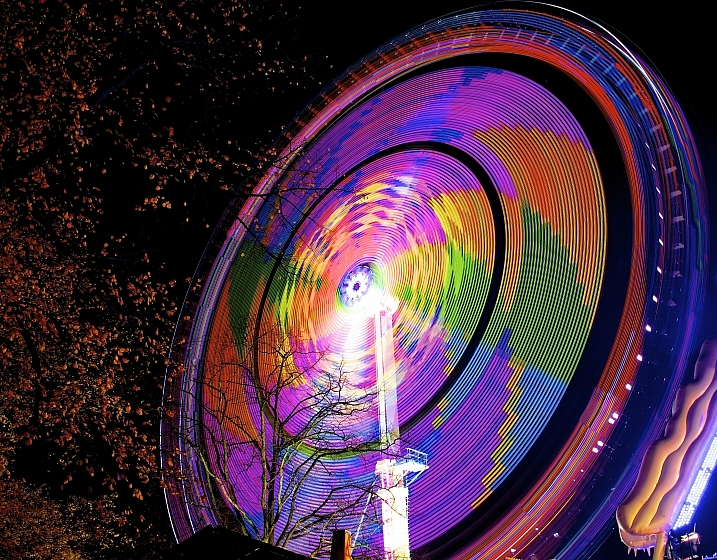
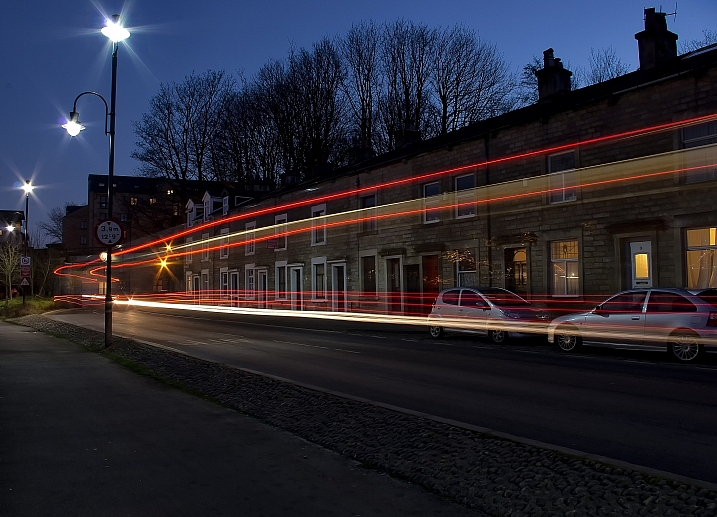
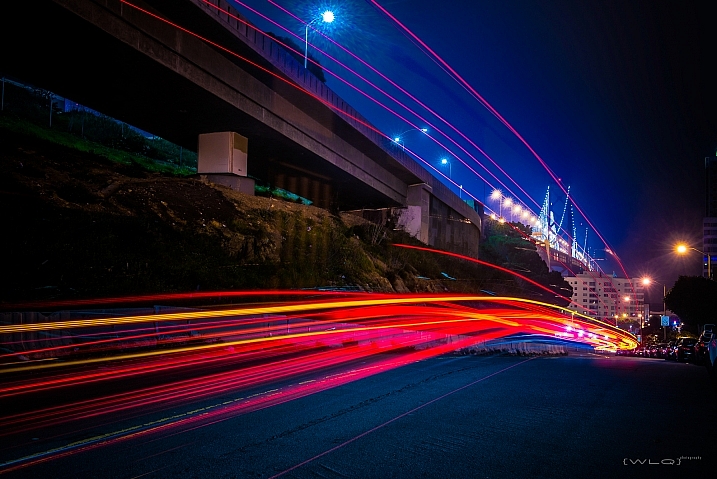
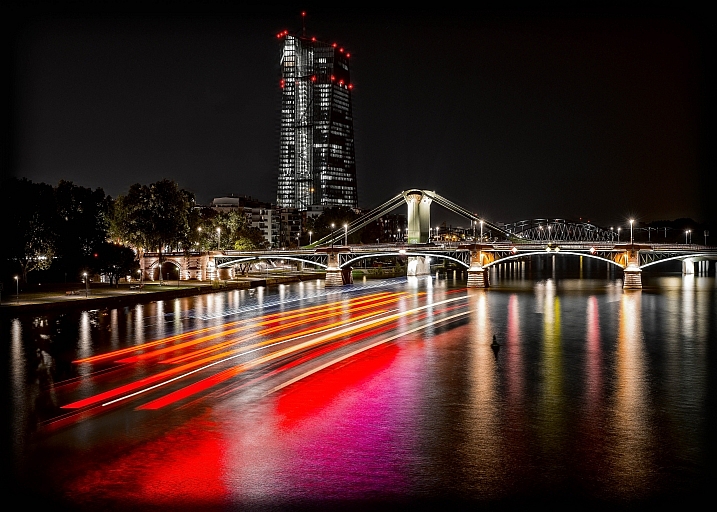
  • 24 Magical Images of Light Trails

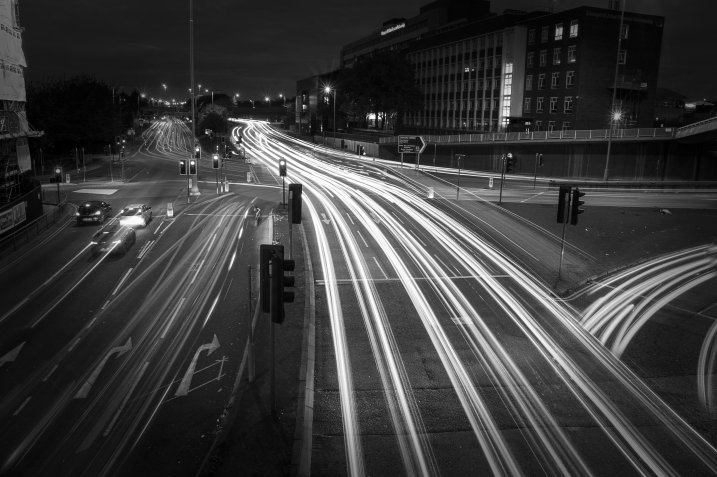
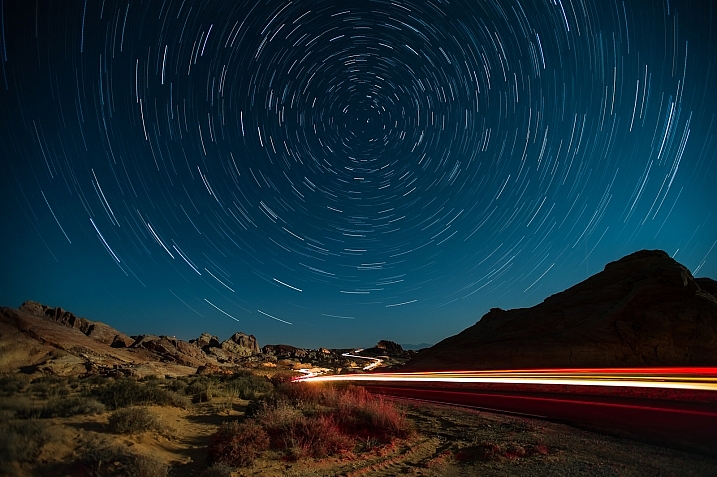
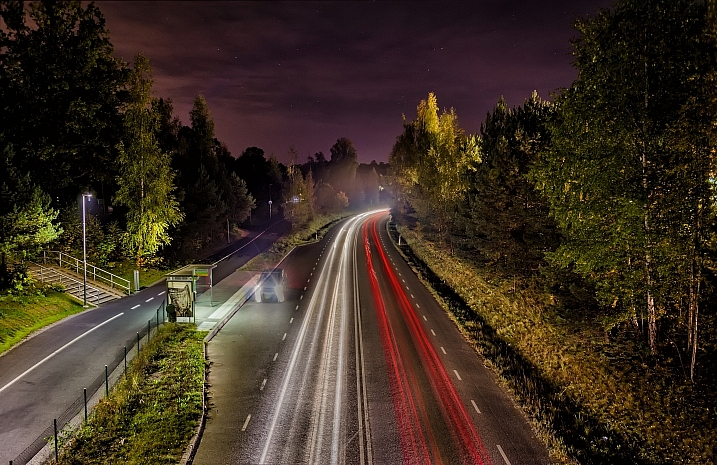
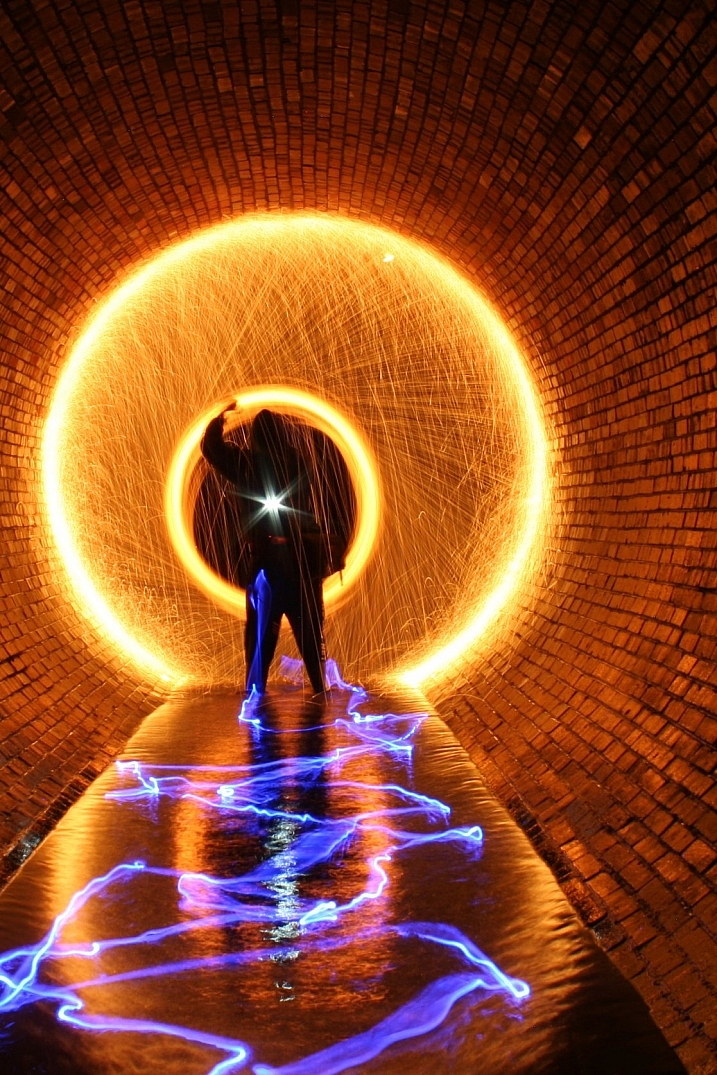
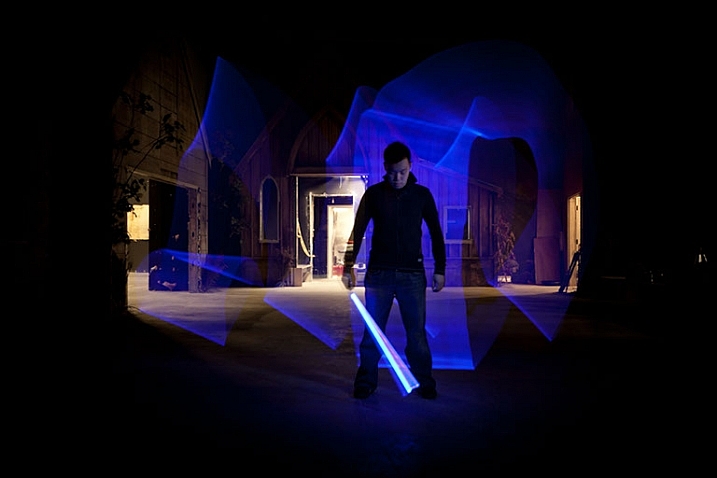
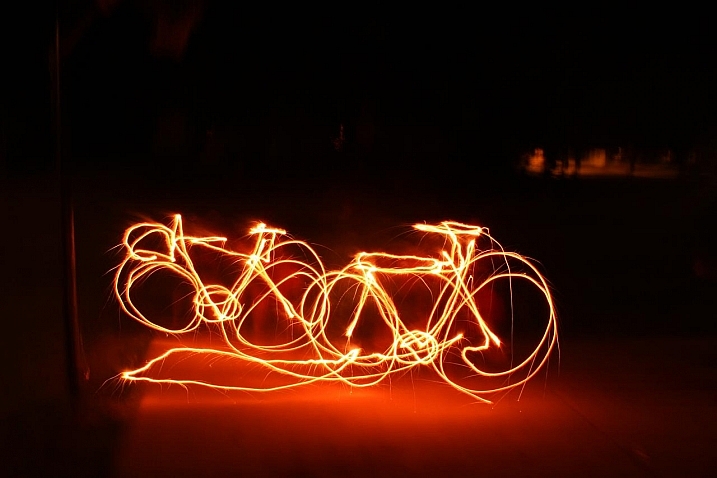
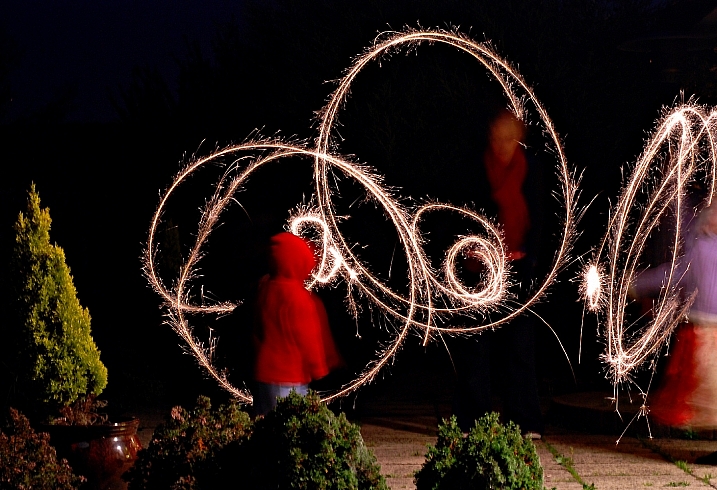
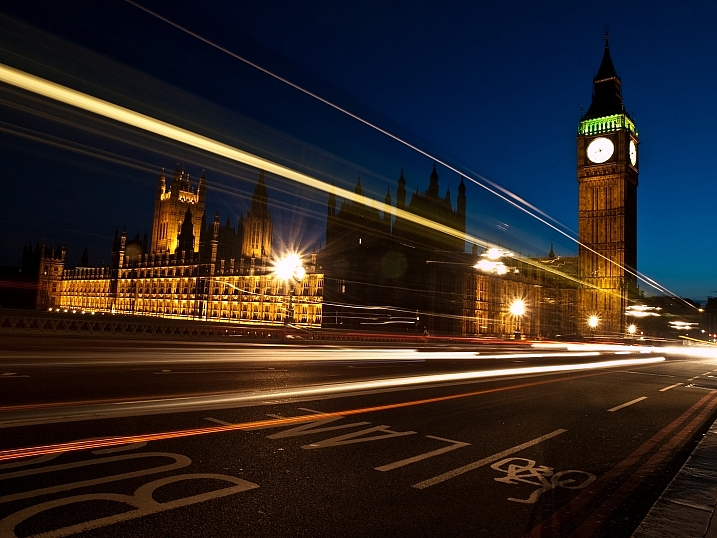
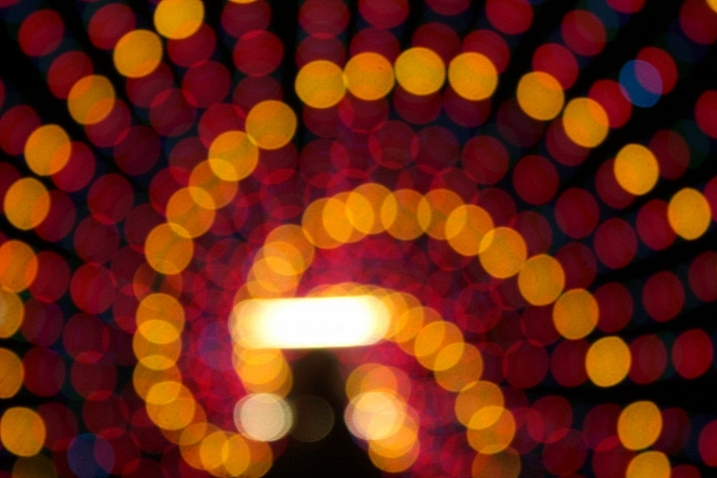
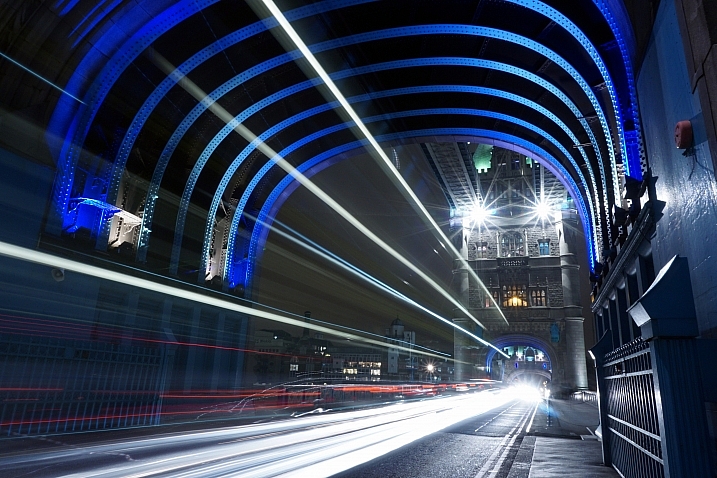
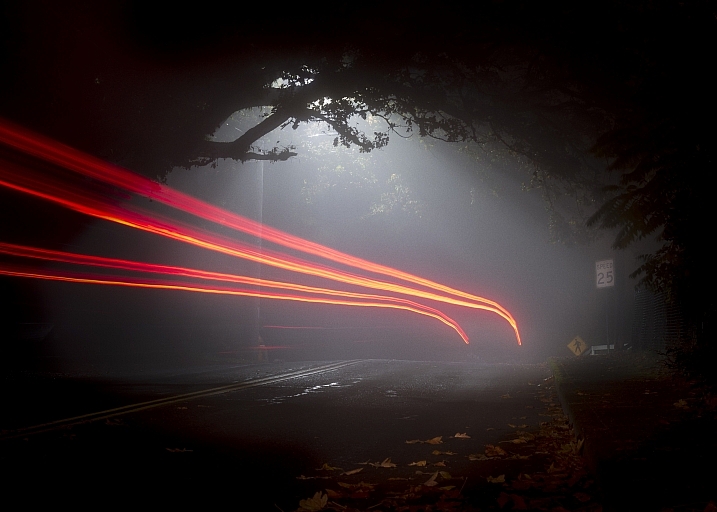
    Capturing light trails of something moving, often a vehicle, is somewhat magical because it’s something you cannot see with the naked eye. So only through the use of a camera and the right exposure techniques can this be possible.

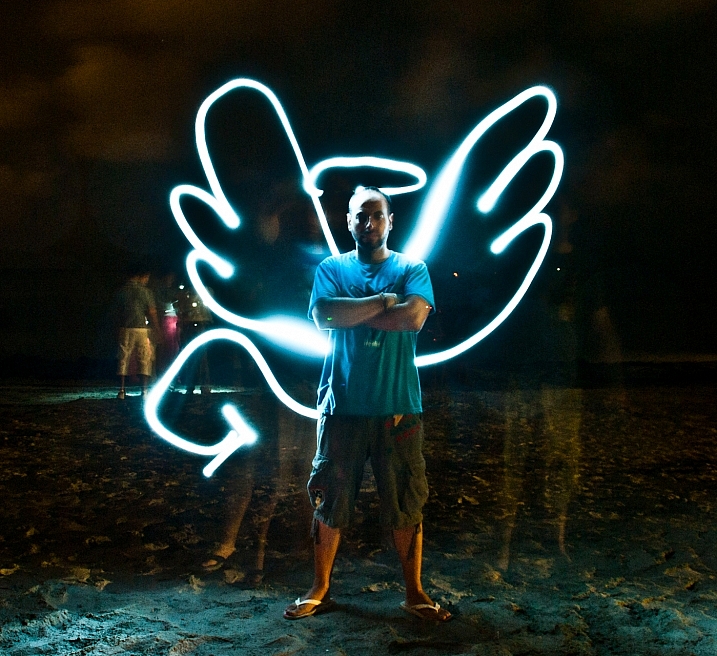
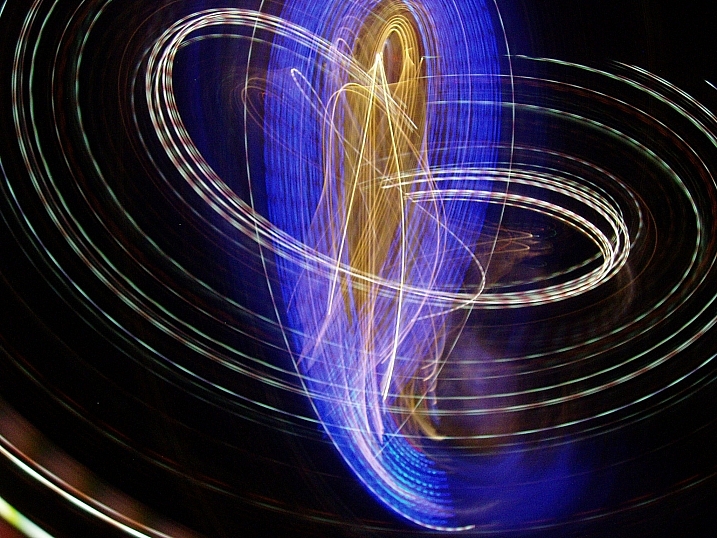
    Remember that light painting is just that if you show the light source – capturing the light trail.

    Let’s look at a few images of light trails and see how these photographers captured the magic:

    X_tine

    By x_tine

    JamesHarrison_

    By JamesHarrison_

    Howard Ignatius

    By Howard Ignatius

    Paulius Malinovskis

    By Paulius Malinovskis

    Cabrera Photo

    By Cabrera Photo

    Sam DeLong

    By Sam DeLong

    Todd Blaisdell

    By Todd Blaisdell

    VFS Digital Design

    By VFS Digital Design

    Katie Inglis

    By Katie Inglis

    Keith

    By Keith

    Jthornett

    By jthornett

    Jamie McCaffrey

    By Jamie McCaffrey

    Tom Roeleveld

    By Tom Roeleveld

    Alex Lin

    By Alex Lin

    Mike Boening Photography

    By Mike Boening Photography

    These * Are * My * Photons

    By These * Are * My * Photons

    Altug Karakoc

    By Altug Karakoc

    Wilson Lam

    By Wilson Lam

    Thomas Renken

    By Thomas Renken

    William Warby

    By William Warby

    Luc Mercelis

    By Luc Mercelis

    Aaronisnotcool

    By aaronisnotcool

    Alan Newman - An1.uk

    By Alan Newman – an1.uk

    Scott Griggs

    By Scott Griggs

    googletag.cmd.push(function() {
    tablet_slots.push( googletag.defineSlot( “/1005424/_dPSv4_tab-all-article-bottom_(300×250)”, [300, 250], “pb-ad-78623” ).addService( googletag.pubads() ) ); } );

    googletag.cmd.push(function() {
    mobile_slots.push( googletag.defineSlot( “/1005424/_dPSv4_mob-all-article-bottom_(300×250)”, [300, 250], “pb-ad-78158” ).addService( googletag.pubads() ) ); } );

    The post 24 Magical Images of Light Trails by Darlene Hildebrandt appeared first on Digital Photography School.

    Digital Photography School

  • Make Magical Photo Special FX (no spells required)

    Ta-da! We’re about to reveal our best tricks for creating magical photo effects.

    With a little collection of ordinary objects you can make your photos extraordinary.

    Turn the whole world into a whole rainbow party, transform a handful of flour into a majestic cloud, paint the night sky with light and more.

    Read on and you too can put the special in special effect photography.

    Photojojo’s Guide to Special FX Photography

    (…)
    Read the rest of Make Magical Photo Special FX (no spells required) (575 words)


    © laurel for Photojojo, 2015. |
    Permalink |
    No comment |
    Add to
    del.icio.us

    Post tags:


    Photojojo

  • 35 Magical Musical Images to Make Your Heart Sing

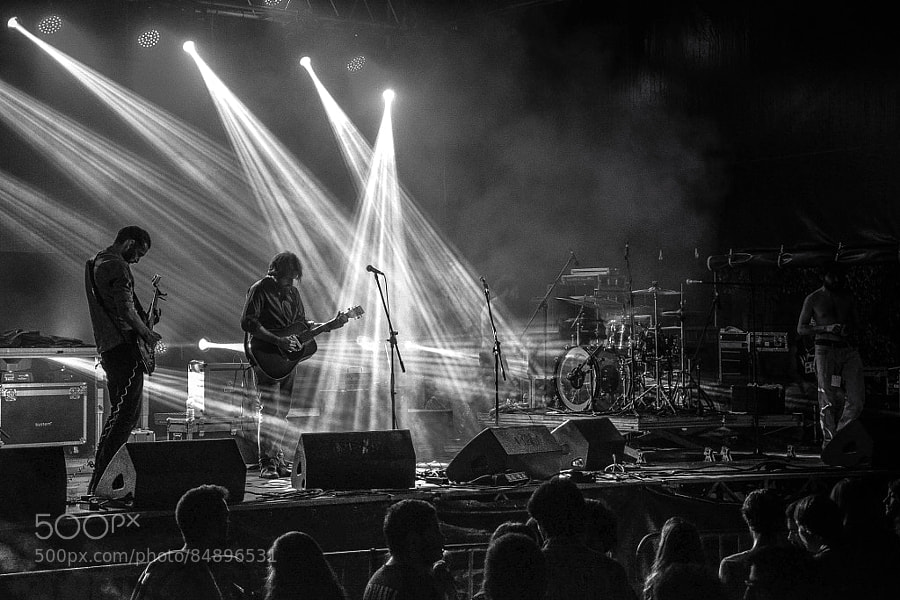
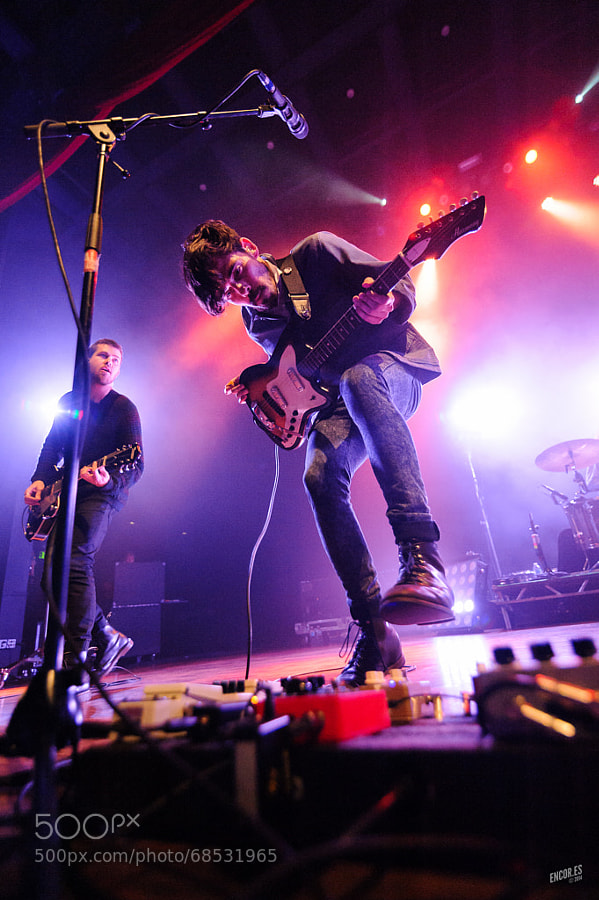
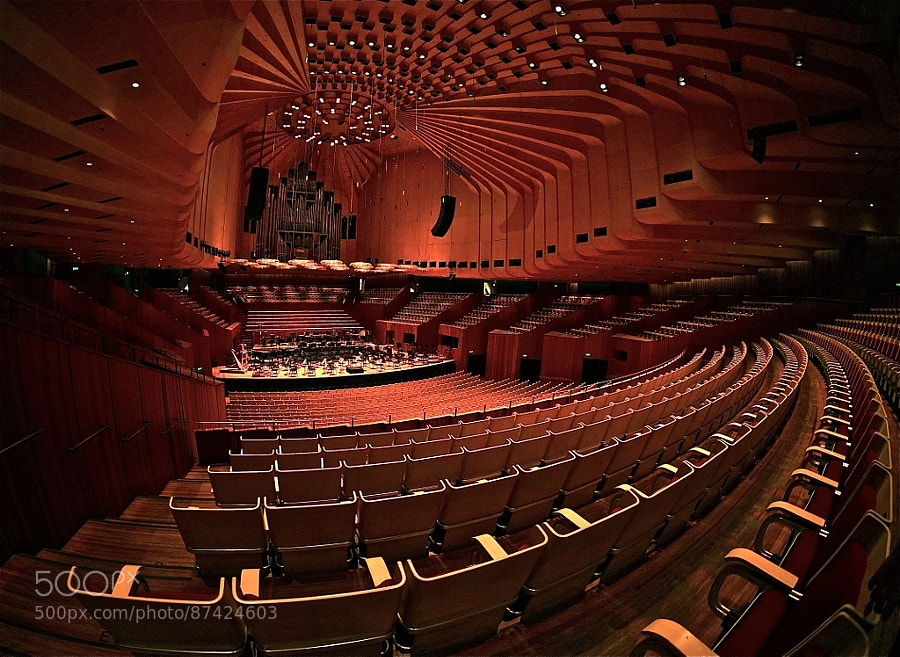
    Music is something universal. You don’t have to understand the words or the lyrics to enjoy music. You just know what speaks to you and what makes you feel good. Today’s image collection is all about how to capture that in an image.

    Which of these images do you connect with? Can you hear the music? Can you feel the passion of the artists?

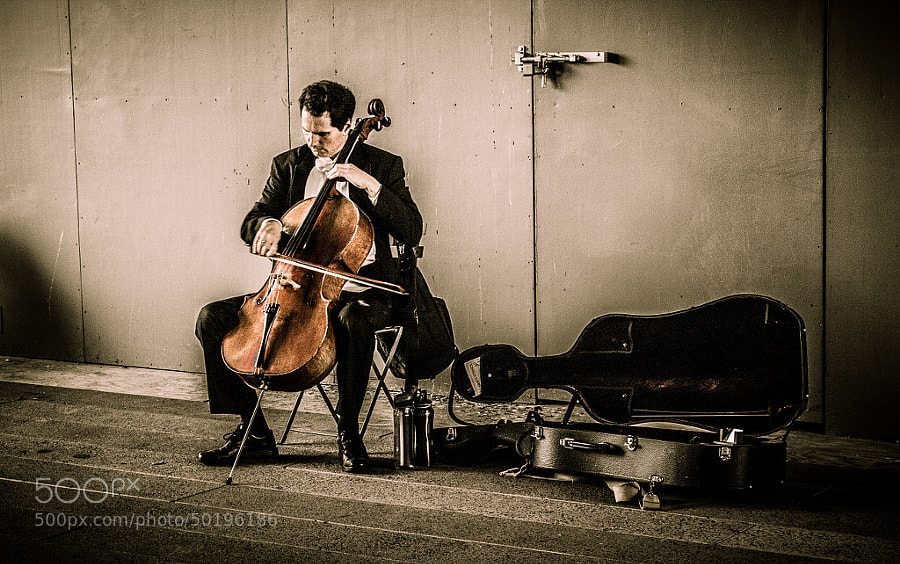
    Photograph Classical Street Performer by Marcus Anthony on 500px

    Classical Street Performer by Marcus Anthony on 500px

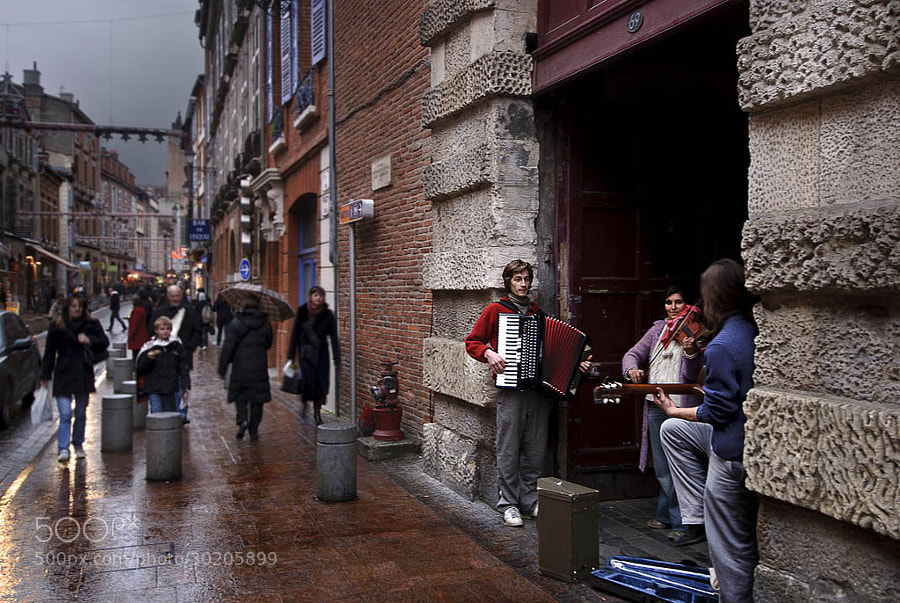
    Photograph Music in the rain by Giuliana & Antonio Corradetti on 500px

    Music in the rain by Giuliana & Antonio Corradetti on 500px

    Photograph Perspective view of spinning old fashioned turntable by Cristi Kerekes (Eyestocker) on 500px

    Perspective view of spinning old fashioned turntable by Cristi Kerekes (Eyestocker) on 500px

    Photograph George, we need to talk. by kerbla edzerdla on 500px

    George, we need to talk. by kerbla edzerdla on 500px

    Photograph The Day The Music Died by Niki Feijen on 500px

    The Day The Music Died by Niki Feijen on 500px

    Photograph Angels  rhythm by Bassem Elyoussef on 500px

    Angels rhythm by Bassem Elyoussef on 500px

    Photograph Papa Fleigh Company by Jojo Samek on 500px

    Papa Fleigh Company by Jojo Samek on 500px

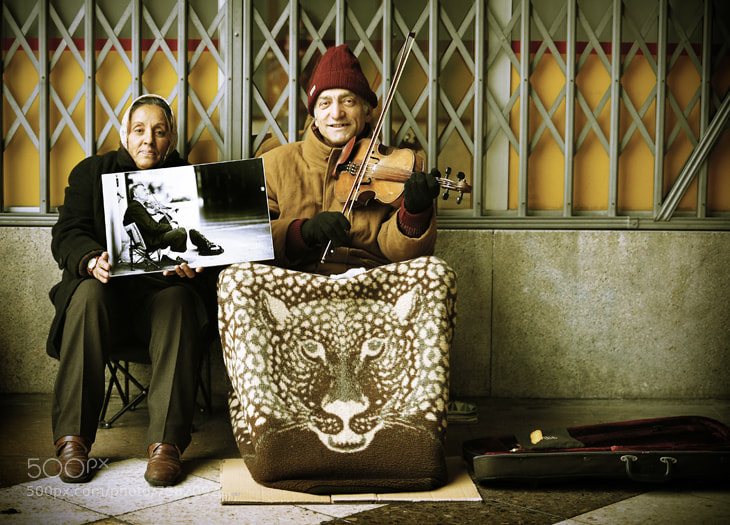
    Photograph popular musician in Prague by Martín Pérez on 500px

    popular musician in Prague by Martín Pérez on 500px

    Photograph Metamorphosis by Laura Ferreira on 500px

    Metamorphosis by Laura Ferreira on 500px

    Photograph Sunset melody..! by Adithetos ????????? on 500px

    Sunset melody..! by Adithetos ????????? on 500px

    Photograph Quid pro quo by Manuel Orero on 500px

    Quid pro quo by Manuel Orero on 500px

    Photograph Bedouin Musician by Jasmin Sajna on 500px

    Bedouin Musician by Jasmin Sajna on 500px

    Photograph Light Play by Gabriel Doty on 500px

    Light Play by Gabriel Doty on 500px

    Photograph Schlagzeug by Lisa Bajda on 500px

    Schlagzeug by Lisa Bajda on 500px

    Photograph Long live Rock&Roll by Adrià Vidal on 500px

    Long live Rock&Roll by Adrià Vidal on 500px

    Photograph Harmonista by Carmen Gonzalez on 500px

    Harmonista by Carmen Gonzalez on 500px

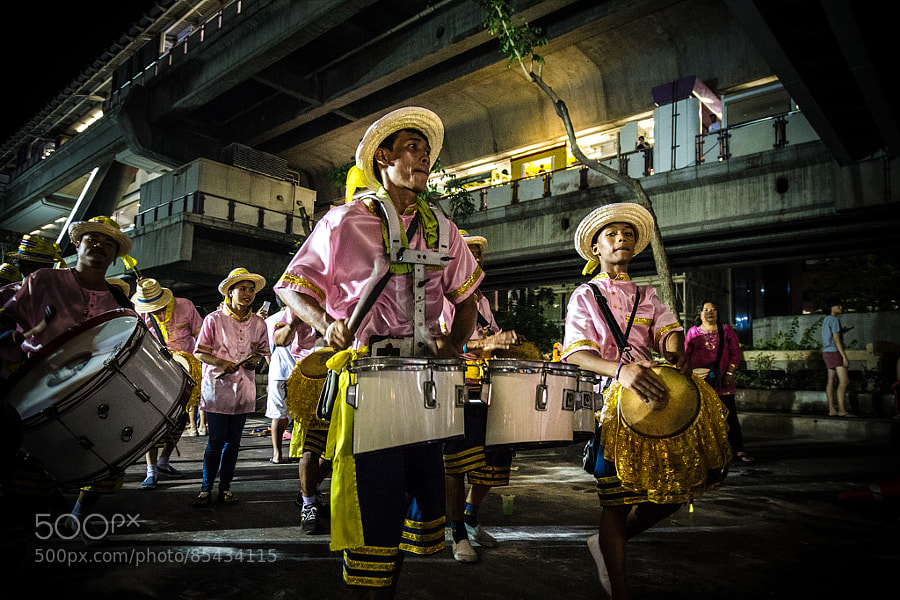
    Photograph Musician Village by Alamsyah Rauf on 500px

    Musician Village by Alamsyah Rauf on 500px

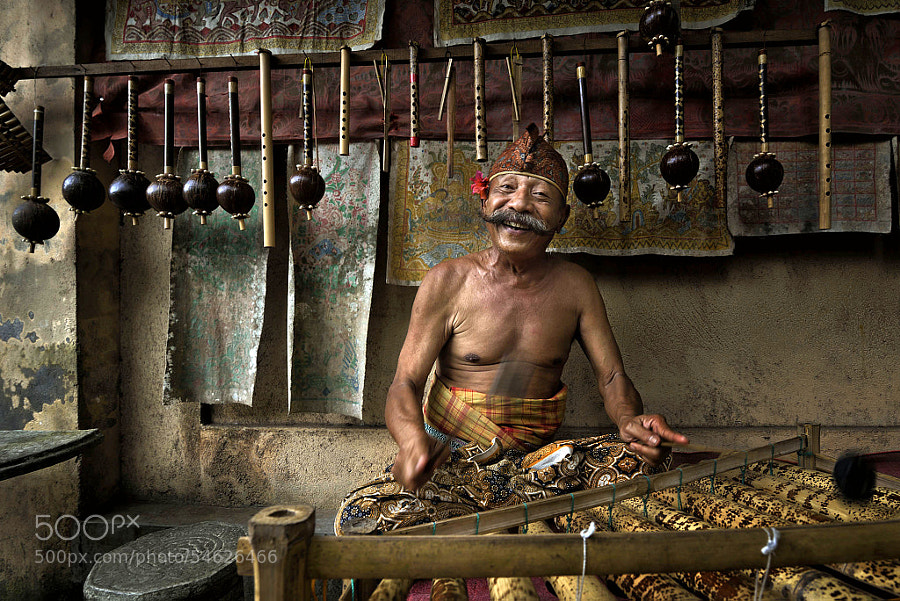
    Photograph Old Musician in Bali by toonman blchin on 500px

    Old Musician in Bali by toonman blchin on 500px

    Photograph musicians child by Osman Maasoglu on 500px

    musicians child by Osman Maasoglu on 500px

    Photograph Renaissance by Serge van Schie on 500px

    Renaissance by Serge van Schie on 500px

    Photograph Les Babettes - Turbo Swing Trio by Cosimo Barletta on 500px

    Les Babettes – Turbo Swing Trio by Cosimo Barletta on 500px

    Photograph NeoBash by Marco Heyda on 500px

    NeoBash by Marco Heyda on 500px

    Photograph Koh Mr.Saxman by Peteris Lehtla on 500px

    Koh Mr.Saxman by Peteris Lehtla on 500px

    Photograph Lights by João Venâncio on 500px

    Lights by João Venâncio on 500px

    Photograph Local Natives at The Pageant 4.24.14 by Jason Stoff on 500px

    Local Natives at The Pageant 4.24.14 by Jason Stoff on 500px

    Photograph Hitting The High Note by Andy Catlin on 500px

    Hitting The High Note by Andy Catlin on 500px

    Photograph Piano dimension by Simone Campioni on 500px

    Piano dimension by Simone Campioni on 500px

    Photograph Acoustic Jewel by Sim  Kim Seong on 500px

    Acoustic Jewel by Sim Kim Seong on 500px

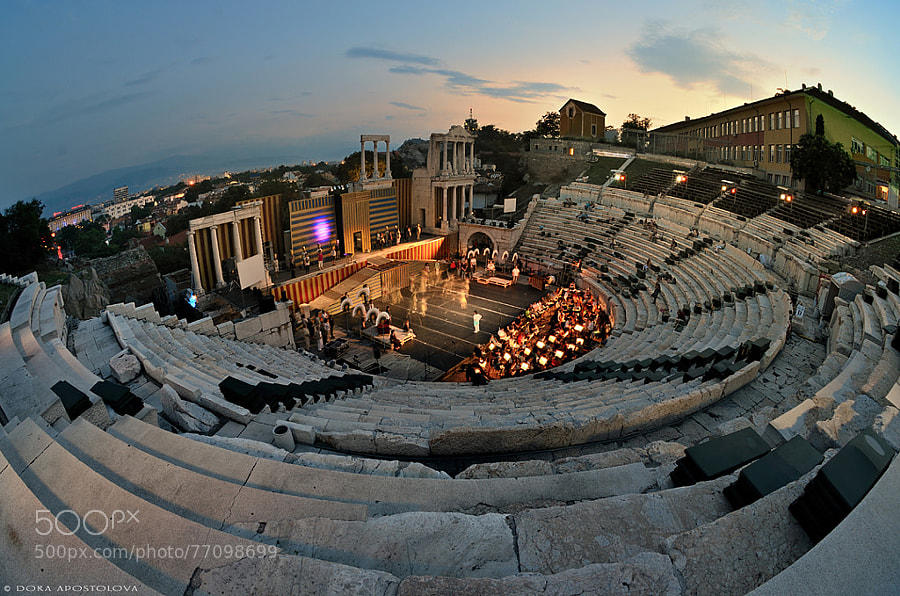
    Photograph Opera Evenings by Dora Apostolova on 500px

    Opera Evenings by Dora Apostolova on 500px

    Photograph Mantova inside a tuba by Maya Lynne on 500px

    Mantova inside a tuba by Maya Lynne on 500px

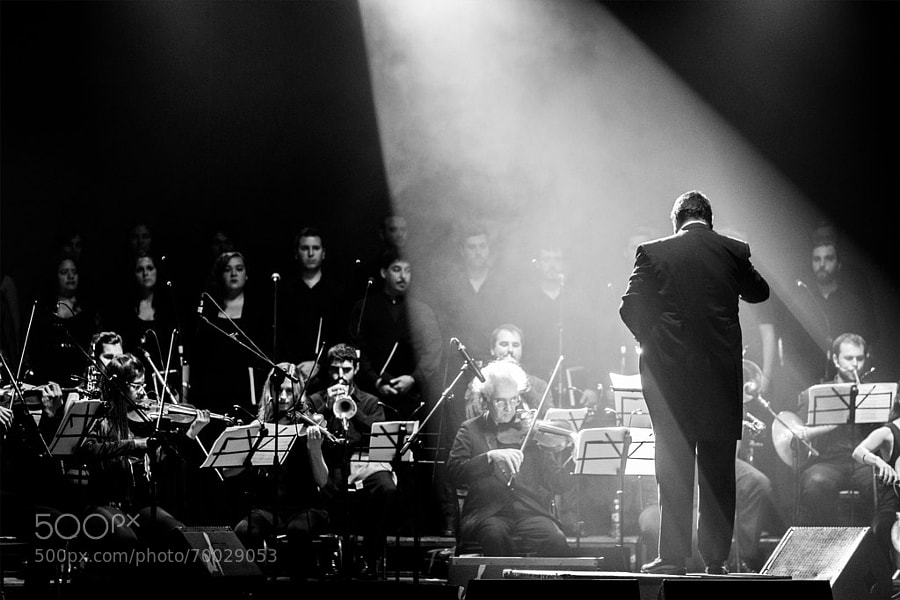
    Photograph Symphonic Tribute to Queen by German Lopez on 500px

    Symphonic Tribute to Queen by German Lopez on 500px

    Photograph Marching Band by Gerrit Phil  Baumann on 500px

    Marching Band by Gerrit Phil Baumann on 500px

    Photograph Marine Band Houston Rodeo by DogStarPics  on 500px

    Marine Band Houston Rodeo by DogStarPics on 500px

    Photograph Mariachi band walking in street by Gable Denims on 500px

    Mariachi band walking in street by Gable Denims on 500px

    Photograph Subway Rhythms by Ian Weissman on 500px

    Subway Rhythms by Ian Weissman on 500px

    googletag.cmd.push(function() {
    tablet_slots.push( googletag.defineSlot( “/1005424/_dPSv4_tab-all-article-bottom_(300×250)”, [300, 250], “pb-ad-78623” ).addService( googletag.pubads() ) ); } );

    googletag.cmd.push(function() {
    mobile_slots.push( googletag.defineSlot( “/1005424/_dPSv4_mob-all-article-bottom_(300×250)”, [300, 250], “pb-ad-78158” ).addService( googletag.pubads() ) ); } );

    The post 35 Magical Musical Images to Make Your Heart Sing by Darlene Hildebrandt appeared first on Digital Photography School.

    Digital Photography School

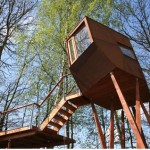
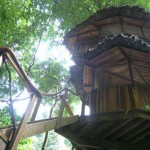
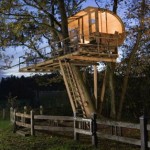
  • Fairytale Retreats: 15 Magical BlueForest Tree Houses

    [ By Steph in Architecture & Houses & Residential. ]

    Blueforest Treehouses Main

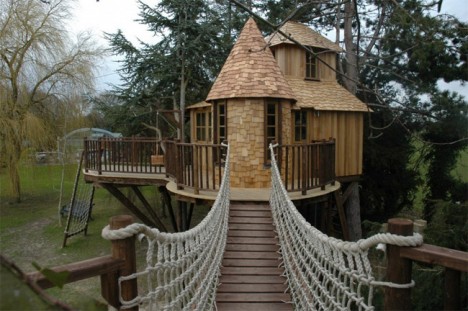
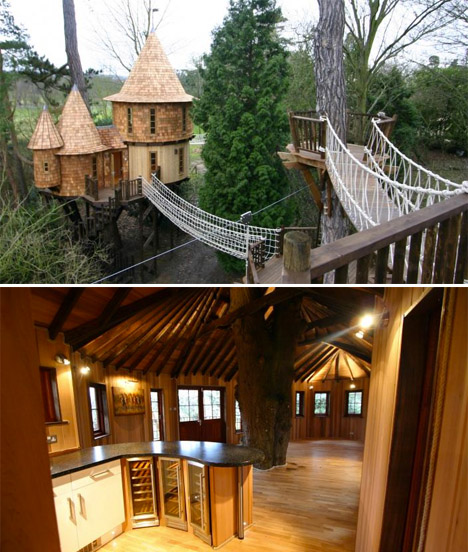
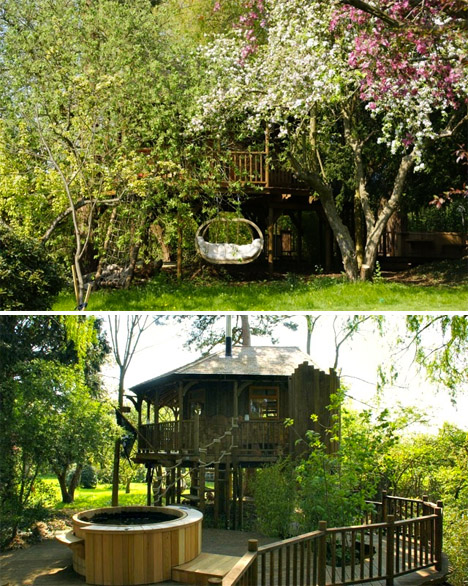
    Daydream about an ideal fairytale retreat in the forest, and what you envision will likely look a lot like these 14 amazing arboreal creations. There’s simply no other word for them but ‘magical,’ and UK-based builder Blueforest has that style down pat with conical towers, Gothic windows, quirky cedar shingles and swaying rope bridges.

    Living the Highlife Tree House

    Blueforest Highlife Treehouse

    Two separate retreats, one for kids and one for adults, are lofted high into the sky and connected by a canopy walkway at the ‘Living the Highlife’ treehouse. The adult section features a castle-style conical thatched roof, while the kids’ has three medieval towers, one of which contains a games room accessed by secret trap door.

    Willow Nook Tree House
    Blueforest Willow Nook Tree House

    How much relaxation can you even handle? The Willow Nook Tree House is not only a tranquil getaway set among flowering greenery, it’s got a wood stove, a cedar hot tub on its deck, and a beautiful handmade swing.

    Alice in Wonderland Tree House
    Blueforest Alice in Wonderland Treehouse

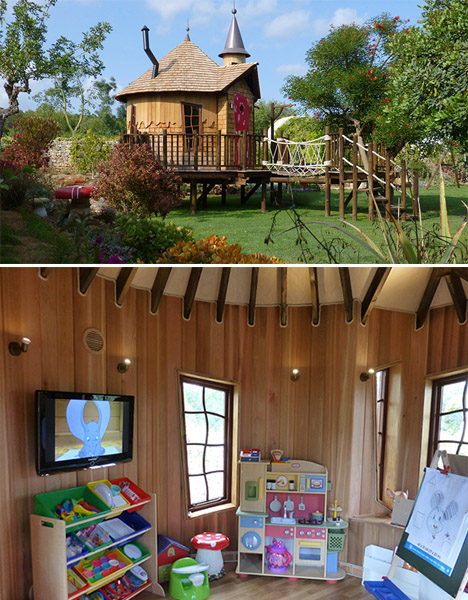
    Inspired by the off-kilter architecture seen in the classic story Alice in Wonderland, this treehouse in Spain includes “handmade wonky windows,” a copper turret and cedar lining that was cut to look like melting chocolate. The air-conditioned interior room has a TV and storage for toys.

    Alton Towers
    Blueforest Alton Towers Treehouse

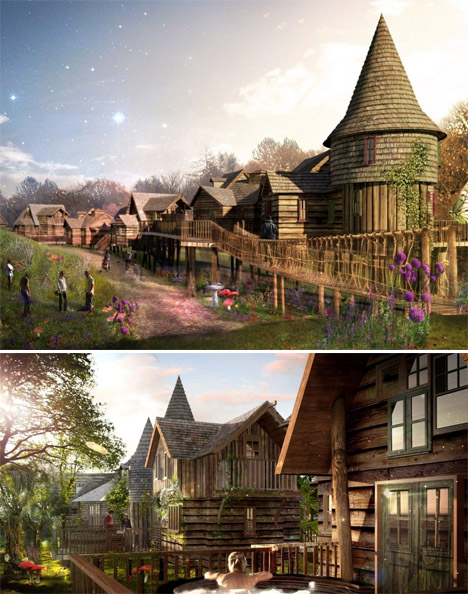
    Looking like something out of a fantasy movie, the Alton Towers Treehouse village is a series of 5 luxury treehouses for the Alton Towers Resort, the UK’s leading theme park. Each sleeps up to 8 people and contains its own open-plan living space and en-suite bathrooms.

    Quiet Tree House
    Blueforest Quiet Treehouse

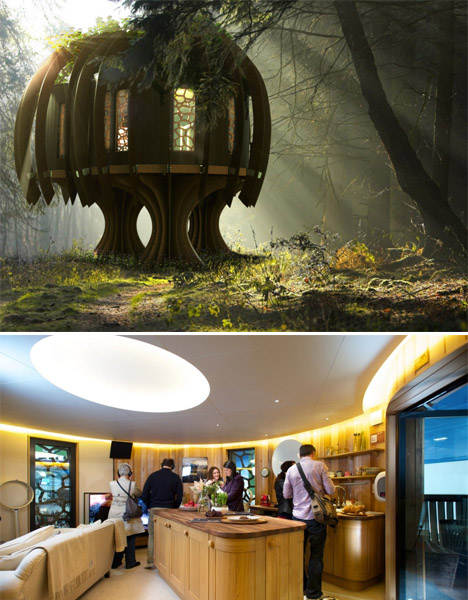
    Don’t be fooled by the rustic feel of the Quiet Treehouse, which Blueforest calls “an entirely new concept in arboreal living.” While it’s made to resemble a tree, it comes complete with next-generation sound engineering to be equally at home in a natural woodland environment or modern urban setting, and it’s sound-proofed. It’s also full of the latest ‘quiet’ gadgets from companies like Bose, Smeg, Samsung and Dyson.

    Next Page – Click Below to Read More:
    Fairytale Retreats 15 Magical Blueforest Tree Houses

    Share on Facebook


    [ By Steph in Architecture & Houses & Residential. ]

    [ WebUrbanist | Archives | Galleries | Privacy | TOS ]


    WebUrbanist

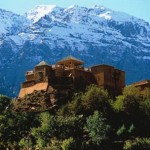
  • Fairytale Hotels: 15 of the World’s Most Magical Lodgings

    [ By Steph in Boutique & Art Hotels & Travel. ]

    Magical Hotels Main
    Waterfalls stream down the sides of mountain-shaped, moss-covered structures, while white horses gallivant in front of castles that look like they were ripped right out of a book of fairytales. These 15 hotels are among the most magical places to stay anywhere in the world, from ancient palaces in India to gleaming ice hotels in Quebec. While some are a peek at how the 1% live, others are surprisingly affordable.

    Magic Mountain Hotel, Chile

    Magical Hotels Magic Mountain 2
    Magical Hotels Magic Mountain Lodge Chile

    If elves took up residence in Hobbiton, this is what their homes would look like. The mountain-shaped structure is dotted with arched windows and obscured with lush greenery. Waterfalls stream down the sides to drench the moss, ferns and flowers. Located within the remote Huilo-Huilo Biological Reserve, the hotel requires an adventurous spirit to even access, but it’s well worth the effort. Nearly everything is constructed from locally, sustainably sourced wood.

    Neemrana Fort Palace, India

    Magical Hotels Neemrana

    A 15th-century palace built into the hillside in India is now a five-star, 55-bedroom hotel with kingly views over the nearby village. Neemrana Fort Palace is full of authentic decor from periods throughout India’s history and contains displays that educate guests about the palace’s fascinating past. Though rooms here start at just £50 per night, guests are given the royal treatment, with options including poolside spa treatments and hot balloon rides over the valley.

    Fairytale Hotel in Belgium

    Magical Hotels Balade Gnomes 1
    Magical Hotels Balade Gnomes 2

    Sleep in a surreal medieval-style chamber within a massive wooden Trojan Horse at Belgium’s La Balade des Gnomes Hotel. This bizarre retreat boasts ten unique rooms sculpted with the natural earthen building material known as cob to create all sorts of curved custom surfaces. The horse is just one of the hotel’s suites – others include a troll’s lair and a Macquarie Island room with a boat-shaped bed.

    Crazy House Hotel, Dalat, Vietnam

    Weirdest Hotels Crazy House 1
    Weirdest Hotels Crazy House 2

    The aptly named Crazy House Hotel in Vietnam began as the private residence of architect Hang Viet Nga, who clearly let her imagination run wild in creating an organically shaped structure reminiscent of the Barcelona ouvre of Antoni Gaudi. Made from the base of a dead tree, the house is full of ladders leading into hidden nooks and through tight tunnels. Rooms cost as little as $ 22 USD per night.

    Thorngrove Manor Hotel, Adelaide, Australia

    Magical Hotels Thorngrove

    The Thorngrove Manor Hotel could easily double as a princess castle at Disneyland, it’s so picturesque. Located in Adelaide, Australia, the castle-like structure looks centuries-old but was actually built in 1994 as part of a vineyard. Though all the rooms are together in one building, there are no common spaces, and couples staying there never need to see other guests.

    Next Page – Click Below to Read More:
    Fairytale Inn 15 Of The Worlds Most Magical Hotels

    Share on Facebook


    [ By Steph in Boutique & Art Hotels & Travel. ]

    [ WebUrbanist | Archives | Galleries | Privacy | TOS ]


    WebUrbanist