The Canon EOS M10 makes its debut with a new collapsible 15-45mm F3.5-6.3 IS kit lens, taking up residence below the more advanced EOS M3 in that company’s mirrorless lineup. A replacement for the M2, the M10 offers an 18MP CMOS sensor, 3″ 1.04M dot tilting touch screen LCD, built-in Wi-Fi with NFC and 1080/30p video recording. Read more
Tag: F3.56.3
-
Long and short of it: Tamron 16-300mm F3.5-6.3 Di II VC PZD Macro review
Tamron’s 16-300mm F3.5-6.3 takes the superzoom concept it made famous a few steps forward. It offers a significant increase in telephoto range, and also goes wider to bring real wide-angle capability to the superzoom category for the first time. It’s also earned a ‘Macro’ designation with its close focusing ability. Is it truly a super zoom? Take a look at our analysis. Read more
-
Updated Tamron 18-200mm F3.5-6.3 lens gains stabilization, sheds weight
Tamron has updated its 18-200mm all-in-one lens. The 18-200mm F3.5-6.3 Di II VC introduces image stabilization and is the lightest lens in its high-zoom class. Designed for Canon, Nikon, and Sony APS-C camera bodies, it covers a 28-310mm equivalent range. Read more
-
Sony FE 24-240mm f/3.5-6.3 OSS real-world samples posted
In theory, Sony’s FE 24-240mm f/3.5-6.3 OSS all-in-one zoom is an ideal candidate for travel photography with one of the company’s a7-series. The stabilized lens provides Sony’s full frame mirrorless cameras with a 10x zoom range, designed with five aspherical elements and one ED glass element. We put it to the test on landscapes, portraits, and lots of things in between. See gallery
-
Sony brings big zoom power to FE-mount with 24-240mm F3.5-6.3 lens
Another full-frame lens from Sony’s roadmap that hit the market today is a consumer-friendly super zoom. This 24-240mm F3.5-6.3 FE lens features optical image stabilization, five aspherical elements and one ED element, and is sealed against dust and moisture. The lens will ship this month for around $ 1000.
-
Review of the Tamron 16-300mm F/3.5-6.3 Macro Lens
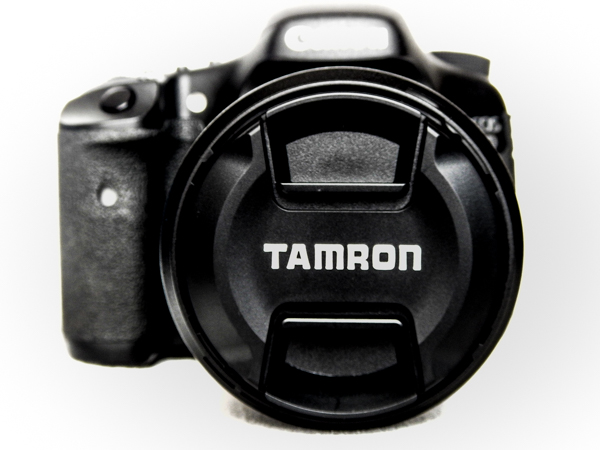
 All test images are presented with no alteration in color, sharpness, contrast, or clarity except where indicated. Only small adjustments in exposure were made to test images. Gear used for this review and tests – Canon 7D and a Manfrotto 190 tripod.
There is no denying that any lens capable of shooting in a wide range of conditions will always be in high demand and very popular. So called “all-in-one lenses” are most definitely a great way to be flexible in more situations without lugging around a lot of gear.
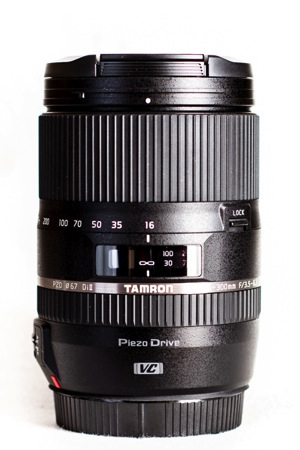
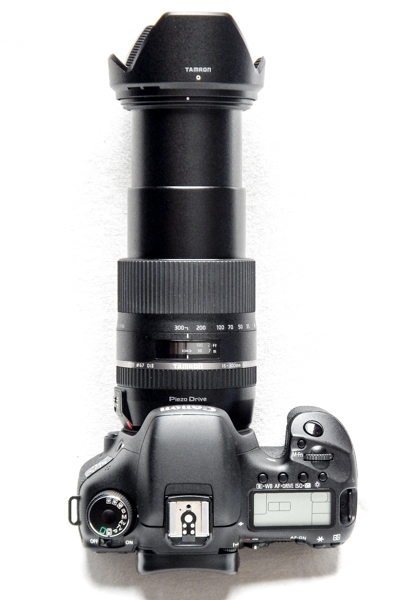
One of Tamron’s latest additions to this category is the 16-300mm F/3.5-6.3 Di II VC PZD Macro. Don’t worry, all of those letters will meet with explanations shortly. It is a lens that is marketed as a go-to option for shooting wide angle scenes, as well as zooming in very tight for those dramatic close-ups. It is intended for those who want to pack as little gear as possible, but still keep consistent quality through a huge range of focal lengths.
Lens Specifications
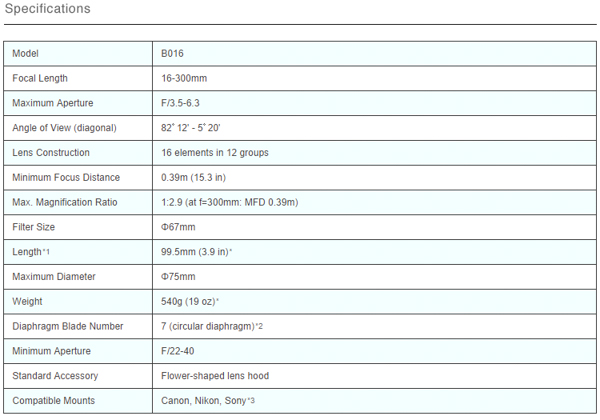
Here is the nitty gritty for this lens. The specifications are taken directly from the Tamron USA website. Please note that the lens I worked with was a Canon mount and these specifications are for Nikon mounts, but the numbers should be very similar.
Let’s talk about all those letters on the side of the lens that were mentioned earlier and go over their meanings. The “Di-II” designation simply means that the lens is intended for use with digital SLR cameras. The “VC” means that the lens is equipped with a vibration compensation (image stabilizer) feature and the “PZD” indicates the lens has Tamron’s proprietary Piezo Drive autofocus mechanism.
Fit and Finish
The lens shipped from Tamron USA, included a nice hood, and of course front and end caps. Taking the lens in hand, you really get a feel for the weight. My first impression was that it felt somewhat heavy but after further handling I prefer to call the weight of the lens substantial rather than heavy. Tamron lists the lens as weighing 19 ounces (540g) which is actually lighter than some other lenses of similar zoom range and aperture.
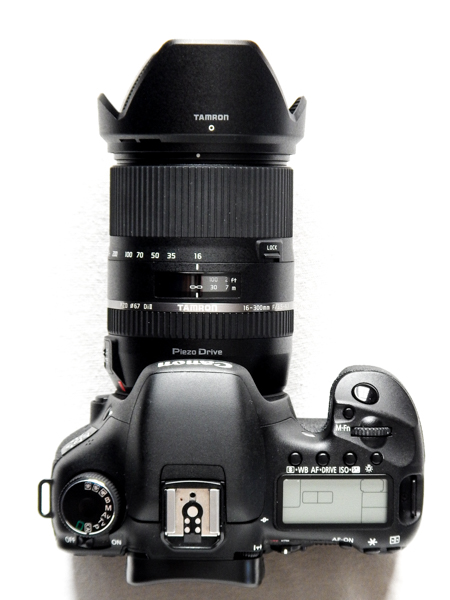
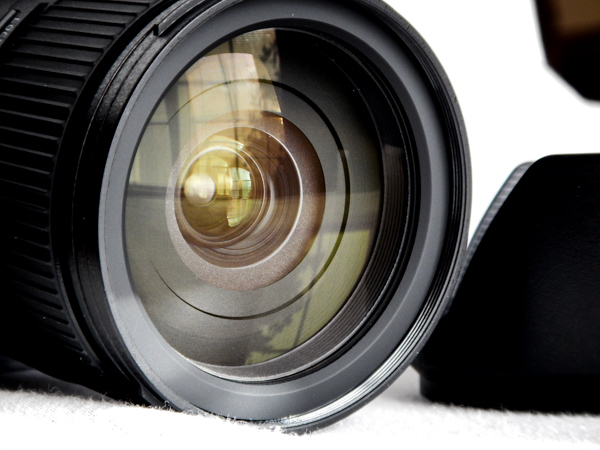
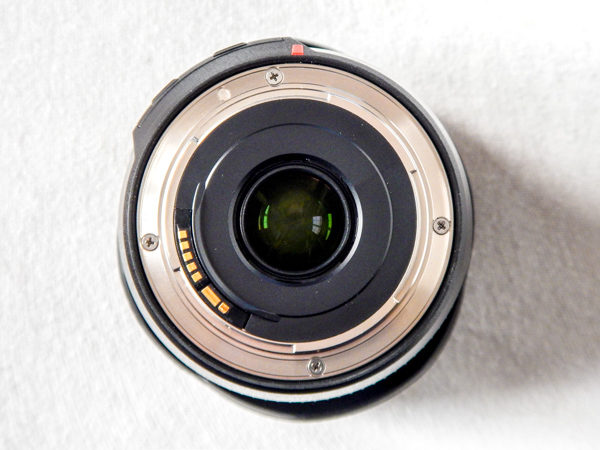
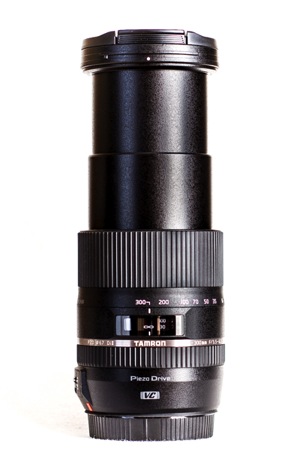
For the amount of zoom power that has been packed inside, I was very surprised at the shear compactness of this lens. Tamron’s 16-300mm is just under four inches in length at 3.9 inches (9.9cm). Here is a side-by-side comparison with my trusty Canon 28-135mm.
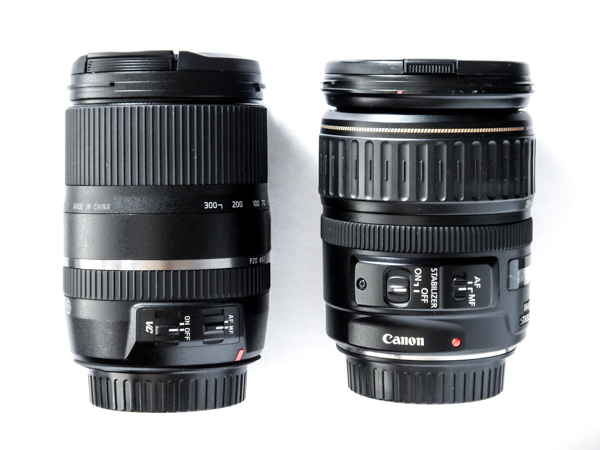
The lens feels very solid in hand and fits securely to the camera with no rattles or gaps. All of the on-lens controls are very crisp in their function and are well placed for easy no-look operation.
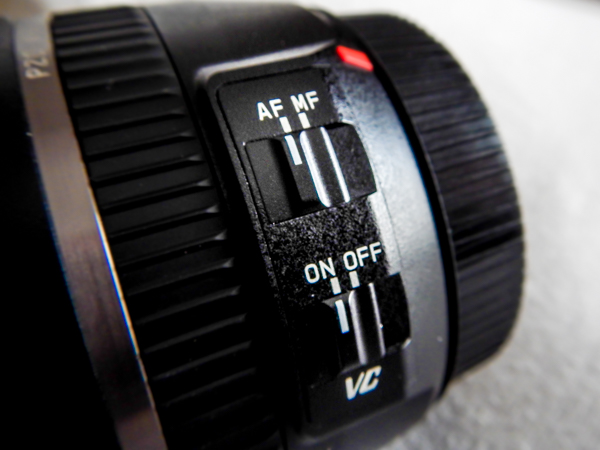
The rubber used for the zoom and focusing ring has just enough bite to securely adjust the lens, without the overly rubberized and sticky feel of some manufacturer’s lenses. Straight out of the box I did notice the the zoom was very tight – and I do mean tight. However, over the course of using the lens for a few weeks the tightness quickly lessened, and the zoom remained very responsive and firm for the duration of use.
Balance and Weight
The balance on the lens is acceptable even when fully extended to 300mm. I attribute this to the relatively slender profile that keeps most of the weight close to the camera and makes this lens very nimble. That being said, you will still definitely know it is attached to your camera. Always practice good camera holding mechanics when using this and other larger lenses in the field for long periods of time.
Performance and Image Quality
Now, on to the good stuff. I was quite impressed with the overall image performance of the Tamron 16-300mm lens. The sharpness was much better than I had expected for such a wide range variable zoom lens, even when shooting at the maximum f/3.5. Color reproduction was very good bordering on superb, and the bokeh was surprisingly creamy.


This roll of tape was shot wide at 16mm and then again at 300mm.


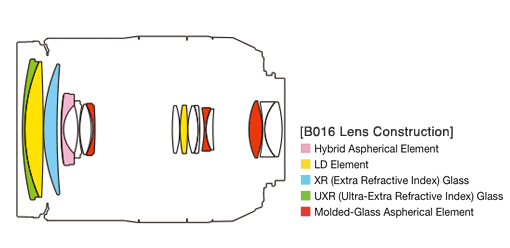
There was very little vignetting around the edges of photos and little discernible chromatic aberration. The lack of this aberration is possibly due to the choice by Tamron to include three aspherical lens elements within the internal glass array. Though debated, aspherical lenses are known to produce less optical distortion and aberrations than conventional round lens elements. Still, at the widest angle of 16mm, there is some small but noticeable barrel distortion and edge darkening of images taken at or near the minimum focusing distance of 15.3 inches (38.9cm).

Also, at wider apertures, again there is a small but still discernible edge softening of images. Here are five images shot over varying apertures. Notice the increasing edge softness as the size of the aperture increases.
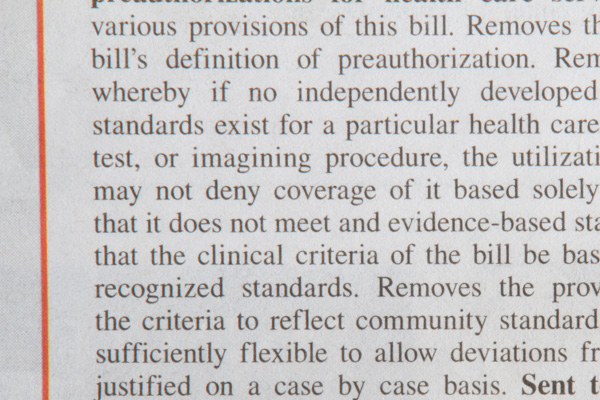
f/44
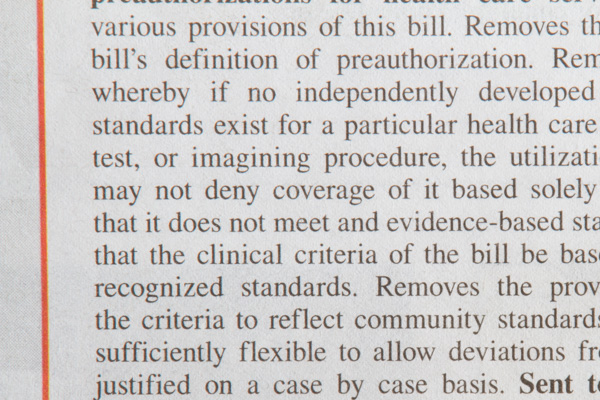
f/22
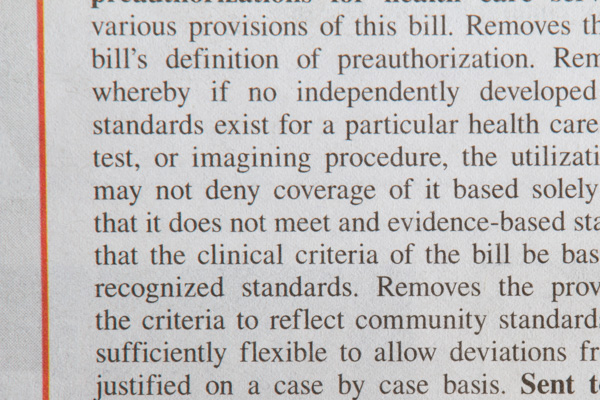
f/16
f/10

f/6.3
The proprietary Piezo Drive autofocus seems to live up to the manufacturer’s acclaim. Autofocus is very fast and accurate. The focusing mechanism itself is very quiet but there is a somewhat audible clicking sound that is present when operating in AF-Servo (continuous AF) mode but it is not loud enough to cause panic for wildlife and nature photographers.
Tamron has possibly hit a home run with the image stabilization system on this lens. Referred to as Vibration Control by Tamron, the image stabilization on this lens is outstanding.
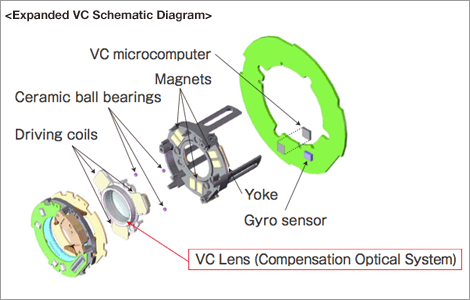
When looking through the viewfinder while engaging and disengaging the VC, you can truly see an immediate and substantial smoothing out of camera shake. Though definitely not a replacement for a good tripod and steady hands, the VC made a noticeable difference in the sharpness of images taken at slower shutter speeds in low light.
Small Details
As with most gear, people place varying degrees of importance on minute details. Here are a few small points that impressed me about the Tamron 16-300mm.
- Tips for better shooting included – Tamron has chosen to include tips for better shooting with the paperwork that ships with the lens. Although these tips are very basic I found it be a positive gesture from the company to educate the people who purchase their product.

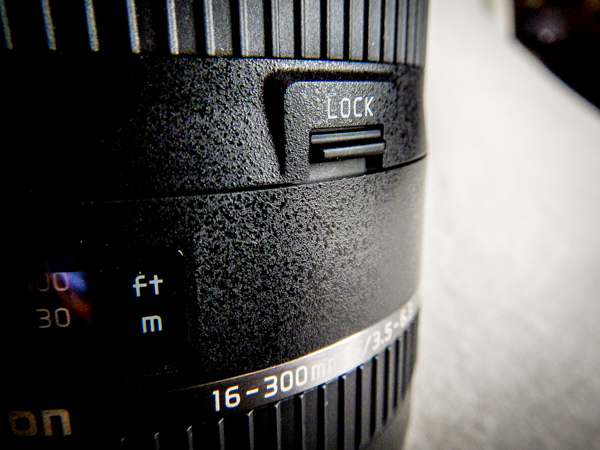
- Zoom-lock function – A lockable zoom is very useful when you find yourself hiking or walking with a larger lens fixed to your camera. Gravity and vibration will slowly extend a downward pointing lens. The lock eliminates the constant pulling in of the lens barrel. I do, however, wish the lock could be used throughout the entire zoom range and not only at 16mm.
- Deeper finger grips on the lens cap – I know, this is an extremely small and neurotic detail. In any case, it seems that Tamron has improved their lens caps with more pinchable clips making them easier to attach and remove from the lens. This feature also reduces the chance of fumbling a cap removal.
- Aspherical lens elements – The pros and cons of aspherical lenses is delightfully arguable among photographers. Still, the aspherical lens elements in the Tamron 16-300mm do seem to reduce some distortions.
- Manual override autofocus – This is a handy feature. It allows you to micro adjust focus manually while still in autofocus mode. This saves you a little time and also makes it easier to maintain your mental focus while composing.
Bottom Line
All in one lenses are loved, hated, and everything in between. Regardless of your inclination, the Tamron 16-300mm F/3.5-6.3 Di II VC PZD Macro seems to be a strong candidate for those looking to have one lens to cover most everything they will be shooting. It is a well constructed, reasonably compact, zoom lens that can shoot landscapes and high zoom with good image sharpness and color. Wildlife and street photographers will find this lens to be outstanding for long range subjects where camera shake can make or break a photograph. Overall, this is a lens that I would be happy to have in my bag.
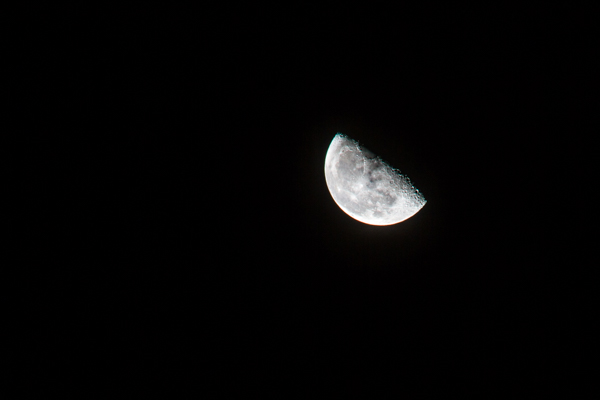
These are some sample images taken with the Tamron 16-300mm F/3.5-6.3 Di II VC PZD Macro and processed in Adobe Lightroom 5.



The post Review of the Tamron 16-300mm F/3.5-6.3 Macro Lens by Adam Welch appeared first on Digital Photography School.
- Tips for better shooting included – Tamron has chosen to include tips for better shooting with the paperwork that ships with the lens. Although these tips are very basic I found it be a positive gesture from the company to educate the people who purchase their product.
-
Sigma announces 18-300mm F/3.5-6.3 DC Macro OS HSM ‘C’
Sigma has announced a new superzoom lens for APS-C format DSLRs. The 18-300mm F/3.5-6.3 DC Macro OS HSM takes its place in the company’s ‘Contemporary’ linep, offering a focal range equivalent to 27-450mm. The new lens will be available next month for $ 579 in Sigma, Nikon, Canon Pentax and Sony mounts – the latter two will not feature OS optical image stabilization. Read more
-
Tamron makes 18-200mm F/3.5-6.3 Di III VC for Canon EOS M

Tamron has revealed that it will be making its 18-200mm F/3.5-6.3 Di III VC superzoom in Canon EF-M mount. In a week of unparalleled excitement for EOS M owners, it becomes the fifth autofocus lens for the two year old system, and the first from a third-party manufacturer. With a 29-320mm equivalent range, it features a stepping motor for silent autofocus, and optical image stabilization. Sales will start in the USA on June 26, at $ 499.
-
Tamron officially launches 28-300mm F3.5-6.3 full frame superzoom

Tamron has officially launched its 28-300mm F/3.5-6.3 Di VC PZD superzoom lens (Model A010) for full frame SLRs. A near-twin of the 16-300mm F3.5-6.3 for APS-C, it’s distinguished from the previous model by featuring an ultrasonic-type ‘Piezo Drive’ autofocus motor, splashproof construction and more-compact design with a 67mm filter thread. It’ll be available in Canon and Nikon mounts on June 26th for $ 849.
-
Tamron gives pricing and availability for 16-300mm F3.5-6.3 superzoom

Tamron has announced pricing and availability for its 16-300mm F3.5-6.3 Di II VC PZD Macro 18.8x superzoom for APS-C SLRs. The lens, which was announced in February, will go on sale in mid-May at a street price of $ 629. The 16-300mm F3.5-6.3 Di II VC PZD Macro will offer an unusually wide angle view for its class (24-450mm equivalent), while also allowing close-up shooting with 0.34x magnification. It has an ultrasonic-type autofocus motor, splashproof construction and optical image stabilization. Learn more