Blog

  • ‘The Darkroom’ bar for photographers to offer a photo studio, functional darkroom… and booze

    via Google Street View

    A new bar called ‘The Darkroom’ is planned for construction on Florida Ave. in Washington D.C., according to a local news report, and it’ll cater specifically to photographers. The bar’s nature was revealed in a liquor license application submitted to the Alcoholic Beverage Administration in D.C.

    According to the application, ‘The Darkroom’ will include a functional darkroom, photo studio, bar, and art gallery. The application also indicates the bar would be used to host classes, lectures, screenings and art shows. Those classes would be ‘designed to preserve the history and explore the future of the medium.’ The individual who filed the application, however, hasn’t issued any comments on the plan.

    Via: PetaPixel

    Articles: Digital Photography Review (dpreview.com)

  • ‘Ansel made photographs, he didn’t take them’: Jeanne Adams interview

    Ansel Adams’ name is synonymous with landscape photography, but a new interview with Adams’ daughter-in-law Jeanne reveals more about a lesser known side of his work. The long-time CEO of the Ansel Adams Gallery talks with Advancing Your Photography’s Marc Silber, discussing the legendary photographer’s portraiture and architectural imagery, and shares some stories of Adams’ interactions with his workshop participants. 

    Articles: Digital Photography Review (dpreview.com)

  • Spatial Bodies: Warped Architecture Bends & Twists Osaka Skyline

    [ By WebUrbanist in Art & Photography & Video. ]

    twisted skyline

    Imagine a world in which an abandoned city goes to seed, but rather than plants reclaiming buildings, the buildings grow and morph like unkempt weeds, twisting the skyline into impossible new patterns.

    In their project Spatial Bodies, AUJIK envisions architecture as something organic, skyscrapers like trees and vines that curve, wrap and interlock to create fresh and unpredictable formations.

    spatial bodie

    impossible architecture

    The team compiled aerial drone footage, manipulating it in Autodesk 3D studio and combining it with Google Maps images. The resulting urban landscapes are both real and surreal, vaguely recognizable and semi-coherent but contorted and distorted. Buildings grow from familiar foundations, but wiggle and wind in unnatural and unexpected ways.

    sideways skyscraper

    wrapped city plants

    From the artists: “Spatial Bodies depicts the urban landscape and architectural bodies as an autonomous living and self replicating organism. Domesticated and cultivated only by its own nature. A vast concrete vegetation, oscillating between order and chaos.”

    crazy city

    buildings in motion

    curved cityscape

    Many of the shots in the film are largely static, but in a way that helps make them comprehensible to viewers: it is almost impossible to take in the scenes as they pass by even in still format. Limiting the realtime motion of structures in the video also reflects their plant-like nature, implying that these transformations will take time, just like growing organic material in the wild.

    Share on Facebook


    [ By WebUrbanist in Art & Photography & Video. ]

    [ WebUrbanist | Archives | Galleries | Privacy | TOS ]


    WebUrbanist

  • LEGO Shadow Show: Masses of Toy Bricks Reveal Surprising Silhouettes

    [ By SA Rogers in Art & Sculpture & Craft. ]

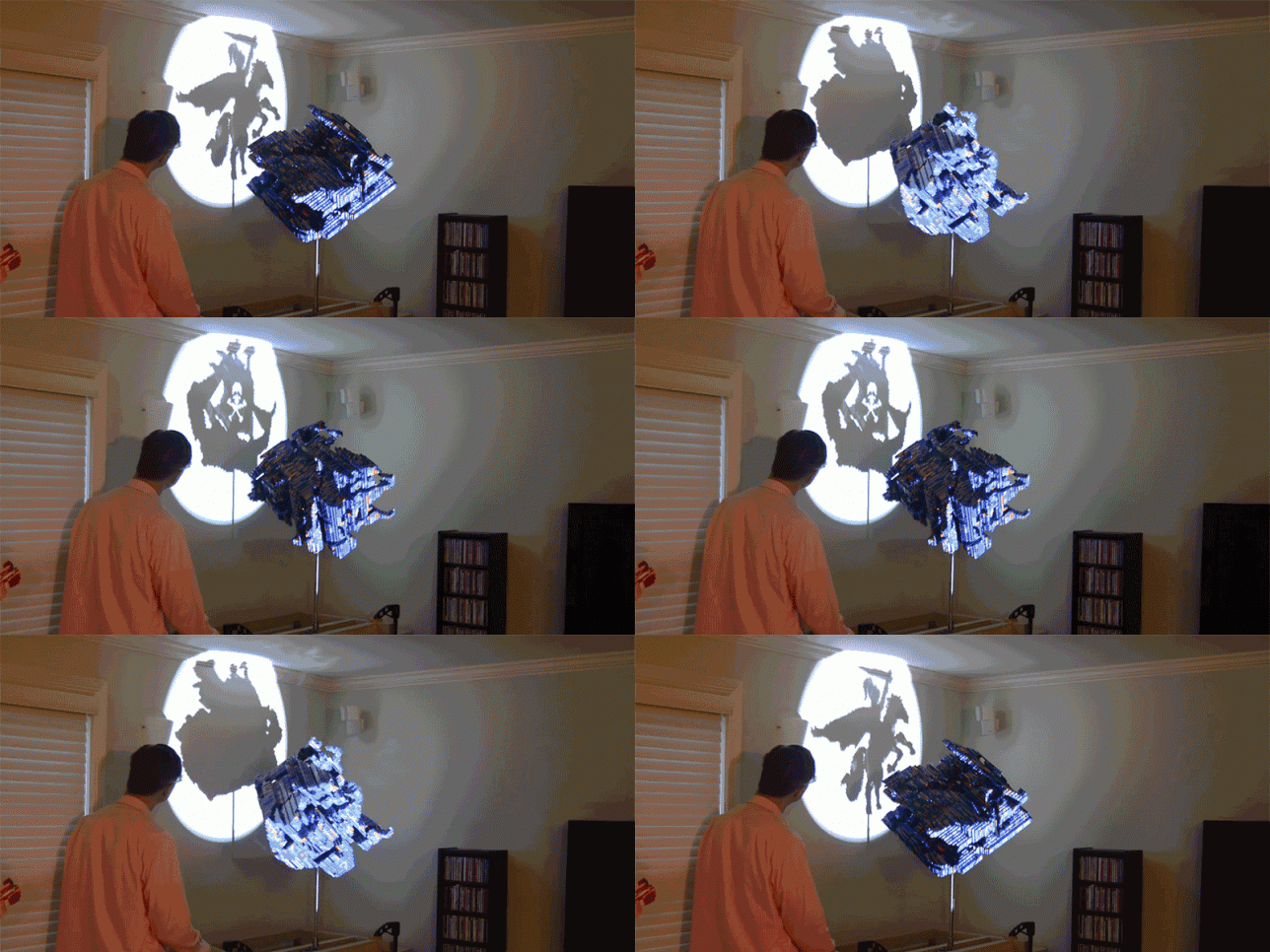
    LEGO GIF

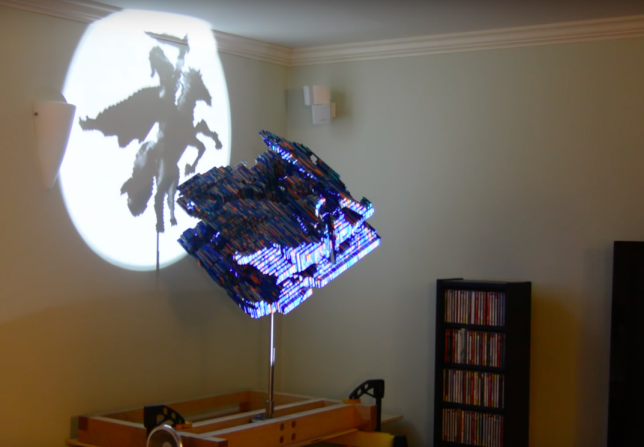
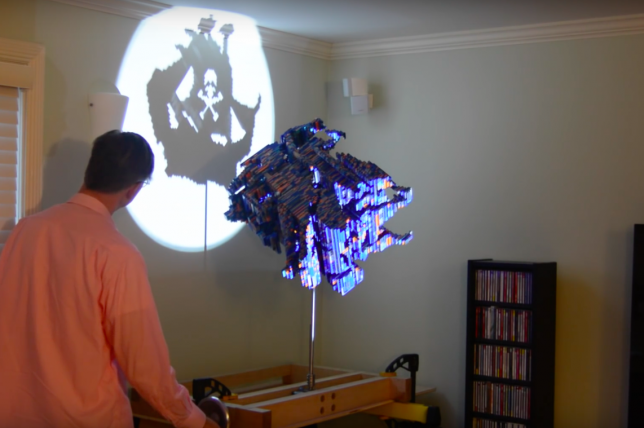
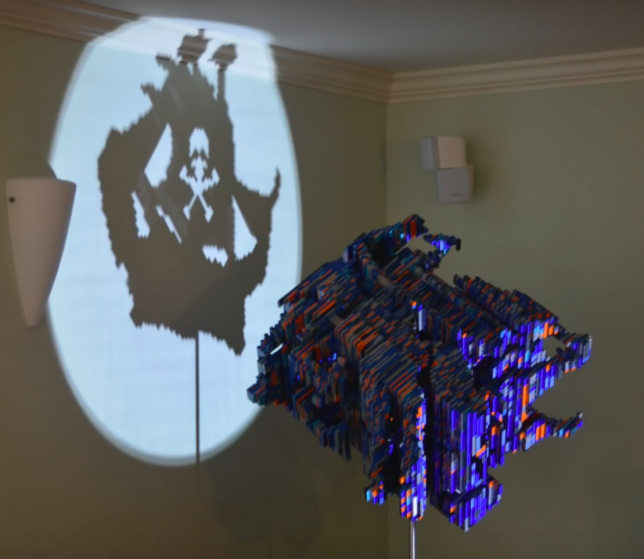
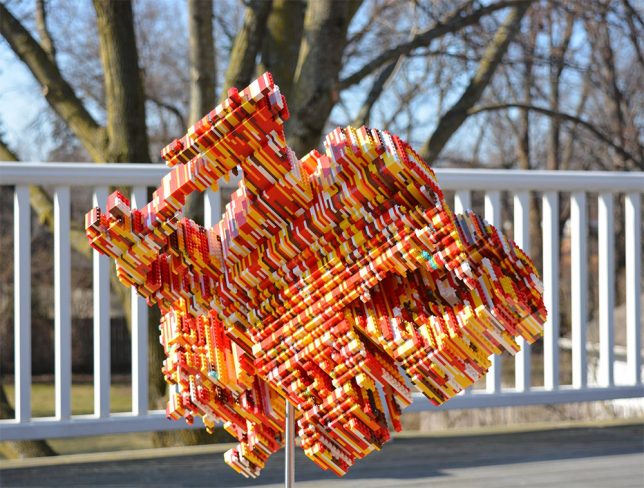
    What looks like no more than an unweildy mass of Lego bricks stuck together into an abstract shape reveals itself to be not just one but two separate intricate shadow-casting designs. Artist John V. Muntean mounts his unusual sculptures on a special table to rotate them into just the right position in front of a spotlight so we can see what’s hidden within the positive and negative spaces created by the bricks.

    LEGO Shadows 6

    LEGO Shadows 1

    The artist calls it a ‘magic angle sculpture,’ and it’s just the latest of an impressive collection he’s created over the past couple decades. This appears to be the first time he’s worked with Lego bricks, though – the rest are sculpted wood.

    LEGO Shadows 5

    lego sculpture 2

    lego sculpture

    “As a scientist and artist, I am interested in how perception influences our theory of the universe,” says Muntean in his artist statement. “A Magic Angle Sculpture appears to be nothing more than an abstract wooden carving, skewered with a rod and mounted on a base. however, when lit from above and rotated at the magic angle (54.74 degrees) it will cast three alternating shadows. Every 120 degrees of rotation, the amorphous shadows evolve into independent forms. Our scientific interpretation of nature often depends upon our point of view. Perspective matters.”

    Share on Facebook


    [ By SA Rogers in Art & Sculpture & Craft. ]

    [ WebUrbanist | Archives | Galleries | Privacy | TOS ]


    WebUrbanist

  • Canon offers SD card-shaped Wi-Fi adapter, EOS 7D II bundle

    Canon has introduced a Wi-Fi adapter shaped remarkably like an SD card, designed to bring wireless connectivity to dual card slot cameras like the EOS 7D II and 5DS/R. The W-E1 adapter will be sold bundled with the EOS 7D II as well as separately, and will work with previously purchased 7D II and 5DS/R models once a firmware updated is applied.

    Though it looks like an SD card, the W-E1 doesn’t include any storage, so the camera’s available CF card slot will need to be used. When used with the EOS 7D II the card can transfer stills and MP4 video files; with the EOS 5DS/R only still images can be transferred. 

    The W-E1 will be available in early September for $ 50. A new Canon EOS 7D II kit with the W-E1 and the EF-S 18-135mm F3.5-5.6 IS USM lens will go on sale in October for $ 2,449; a body-only kit with the adapter will cost $ 1,849. Firmware to enable use of the card with previously purchased 7D II units will be available in early September, followed by one for 5DS/R owners will in November.

    Press release:

    CANON ANNOUNCES NEW CANON EOS 7D MARK II KIT FEATURING NEW WI-FI® ADAPTER FOR THE EASY SHARING OF IMAGES AND VIDEOS

    New Bundle Also Includes Canon EF-S 18-135mm f/3.5-5.6 IS USM Lens

    MELVILLE, N.Y., August 25, 2016 – Canon U.S.A., Inc., a leader in digital imaging solutions, announced today the new Canon EOS 7D Mark II Kit, featuring the new SD card-sized Wi-Fi® Adapter W-E1. This new Wi-Fi adapter, when placed in the camera’s SD slot, provides the EOS 7D Mark II with Wi-Fi capabilitiesi like easy transferring of images and MP4 videos as well as use of the Canon Camera Connect App for remote capture of still images via a compatible smartphone or tablet.ii

    The Wi-Fi Adapter W-E1 will be sold with the EOS 7D Mark II body as well as sold separately, and can also be used with the EOS 5DS and 5DS R as well as previously purchased EOS 7D Mark II camerasiii. When used with EOS 5DS and 5DS R cameras, the Wi-Fi Adapter W-E1 functionality is limited to the transfer of still images only. The W-E1 will support 802.11 b, g and n using the 2.4 GHz band.

    Additionally, for the first time the EOS 7D Mark II camera will be conveniently bundled with the Canon EF-S 18-135mm f/3.5-5.6 IS USM lens. This lens has been optimized for high-speed autofocusing when shooting stills and quiet and smooth zoom when shooting video. This is the first Canon lens equipped with Nano USM technology providing high-speed autofocus for shooting stills and silent, smooth autofocus when shooting video. The Canon EF-S 18-135mm f/3.5-5.6 IS USM Lens also provides up to four stops of optical image stabilization.

    The new Canon EOS 7D Mark II Lens Kit is currently scheduled to be available in October 2016 for an estimated retail price of $ 2,449.00*, with the body-only version also currently scheduled to be available in October 2016 for an estimated retail price of $ 1,849*. The Wi-Fi Adapter W-E1 is scheduled to be available in early September 2016 for an estimated retail price of $ 50.00*. A firmware update to enable compatibility with the W-E1 for previously purchased cameras is currently scheduled to be available in early September 2016 for the EOS 7D Mark II camera and November 2016 for the EOS 5DS and 5DS R cameras.

    For more information: http://www.usa.canon.com/

    i The Wi-Fi Adapter W-E1 must be inserted into the available SD card slot. The W-E1 does not have storage and is not designed to record images. To record and store images, a CompactFlash card must be used in the dedicated CF card slot.

    ii Compatible with iOS® versions 8.0/8.1/8.2/8.3/8.4/9.0/9.1/9.2/9.3, Android™ smartphone and tablet versions 4.1/4.2/4.3/4.4/5.0/5.1/6.0. Data charges may apply with the download of the free Canon Camera Connect app. This app helps enable you to upload images to social media services. Please note that image files may contain personally identifiable information that may implicate privacy laws. Canon disclaims and has no responsibility for your use of such images. Canon does not obtain, collect or use such images or any information included in such images through this app.

    iii EOS 7D Mark II, EOS 5DS and EOS 5DS R cameras that have already been purchased separately require a firmware update to utilize the Wi-Fi Adapter W-E1.

    * Availability, prices and specifications are subject to change without notice. Actual prices are set by individual dealers and may vary.


    Articles: Digital Photography Review (dpreview.com)

  • Canon introduces EF 16-35mm F2.8L III USM and EF 24-105mm F4L IS II USM L-series glass

    $ (document).ready(function() { SampleGalleryV2({“containerId”:”embeddedSampleGallery_0777777920″,”galleryId”:”0777777920″,”isEmbeddedWidget”:true,”standalone”:false,”selectedImageIndex”:0,”startInCommentsView”:false,”isMobile”:false}) });

    Coinciding with the announcement of the 5D Mark IV, Canon has introduced updates to two L-series lenses: the EF 16-35mm F2.8L III USM and EF 24-105mm F4L IS II USM. The 24-105mm F4L II offers improved image stabilization, claiming four stops to its predecessor’s three, and adds air sphere coating for better resistance to ghosting and flare. Two aperture blades have been added, totaling 10 now – arguably one more than it should have for pleasing sunstar rendition.

    The third iteration of Canon’s 16-35mm F2.8L uses a large diameter GMO (glass-molded) dual surface aspherical lens. Like its predecessors the lens is water- and dust-resistant, and Canon claims the new lens boasts improved durability. We’ve seen some initial comparisons vs. the Mark II, and the Mark III clearly addresses one of its predecessors largest shortcomings – poor off-center performance – while arguably improving upon one of its most revered qualities: beautiful sunstars, now with 18 rays.

    The EF 16-35mm F2.8L III USM will cost $ 2,199 and the EF 24-105mm F4L IS II USM will sell for $ 1099. Both lenses are scheduled for October availability.

    From the press release:

    New Canon EF Lenses and EOS Accessories
    In addition to the new EOS 5D Mark IV DSLR, Canon is also introducing two EF-Series L-series lenses as well as a variety of EOS accessories. The new EF 16-35mm f/2.8L III USM Ultra-Wide Zoom Lens features a large diameter GMO dual surface aspherical lens and ground aspherical lens, f/2.8 aperture throughout the entire zoom range, fluorine coating, improved durability and is dust and water resistant. The new EF 24-105mm f/4L IS II USM Standard Zoom lens features an improved four-stop image stabilization as well as ghosting and flare reduction with air sphere coating. The Canon EF 16-35mm f/2.8L III USM Ultra-Wide Zoom Lens is scheduled to be available late in October for an estimated retail price of $ 2,199.00†† and the EF 24-105mm f/4L IS II USM Standard Zoom Lens is scheduled to be available in late October for an estimated retail price of $ 1,099.00††.

    Additional EOS accessories include the Canon Battery Grip BG-E20, Canon Rain Cover ERC-E5S/E5M/E5L and Canon Protecting Cloth PC-E1. For more information about all these products and accessories, please visit: https://www.usa.canon.com/5D4Legend

    ††Availability, prices and specifications are subject to change without notice. Actual prices are set by individual dealers and may vary.

    EF 16-35mm F2.8L III USM / EF 24-105mm F4L II USM specifications

      Canon EF 16-35mm F2.8L III USM Canon EF 24-105mm F4L IS II USM
    Principal specifications
    Lens type Zoom lens
    Max Format size 35mm FF
    Focal length 16–35 mm 24–105 mm
    Image stabilization No Yes (4 stops)
    Lens mount Canon EF
    Aperture
    Maximum aperture F2.8 F4
    Minimum aperture F22
    Aperture ring No
    Number of diaphragm blades 9 10
    Optics
    Elements 16 17
    Groups 11 12
    Special elements / coatings 1 dual-surface aspherical, 1 aspherical + fluorine, Air Sphere, Sub-wavelength Structure coatings Fluorine and Air Sphere Coatings
    Focus
    Minimum focus 0.28 m (11.02) 0.45 m (17.72)
    Maximum magnification 0.25× 0.24×
    Autofocus Yes
    Motor type Ring-type ultrasonic
    Full time manual Yes
    Focus method Internal
    Distance scale Yes
    DoF scale No
    Physical
    Weight 790 g (1.74 lb) 795 g (1.75 lb)
    Diameter 89 mm (3.48) 84 mm (3.29)
    Length 128 mm (5.02) 118 mm (4.65)
    Sealing Yes
    Colour Black
    Zoom method Rotary (internal) Rotary (extending)
    Power zoom No
    Zoom lock No
    Filter thread 82.0 mm 77.0 mm
    Hood supplied Yes
    Hood product code EW-88D EW-83M
    Tripod collar No

    Articles: Digital Photography Review (dpreview.com)

  • Win One Hundo Photojojo Bux

    Everyone knows that our warehouse has a tiny dino infestation problem.

    It’s adorable.

    Those little critters have a habit of crawling into boxes before we ship them out and we love to see where they end up.

    This week, post a photo of your #photojojodino and we’ll pick our favorite to win a $ 100 Photojojo Gift Card and three $ 50 runners-up. Winner’s chosen 8/31.

    (…)
    Read the rest of Win One Hundo Photojojo Bux (42 words)


    © laurel for Photojojo, 2016. |
    Permalink |
    No comment |
    Add to
    del.icio.us

    Post tags:


    Photojojo

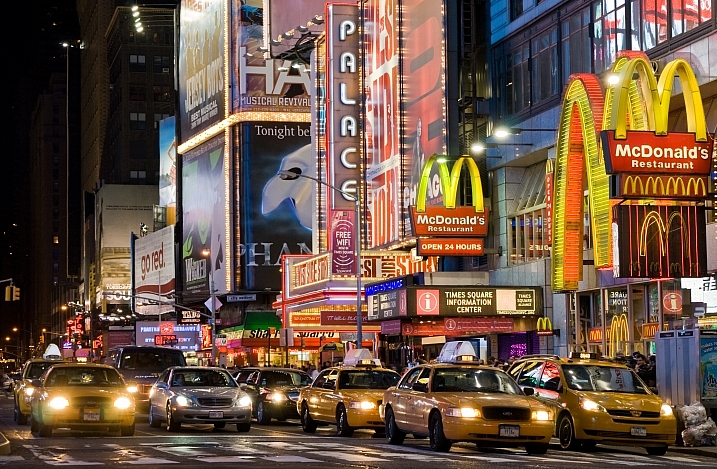
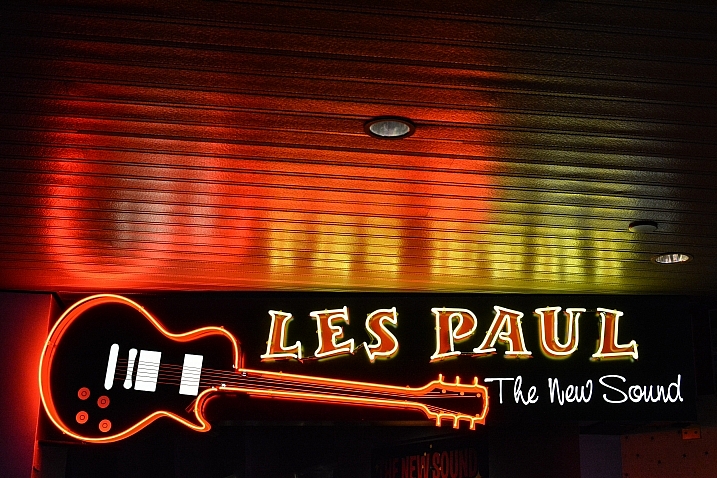
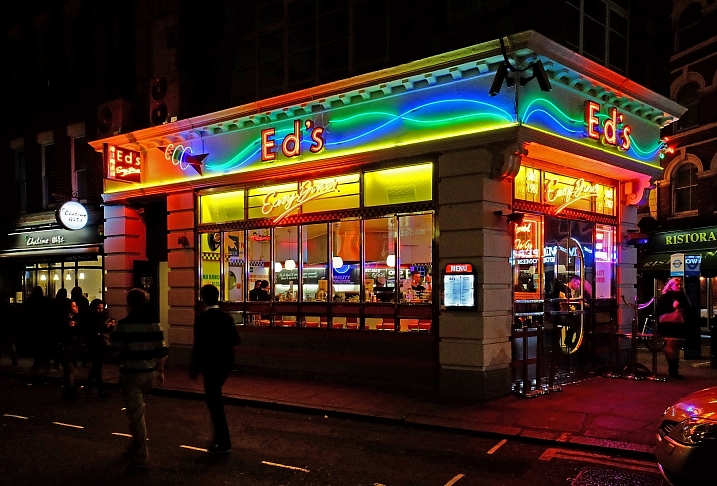
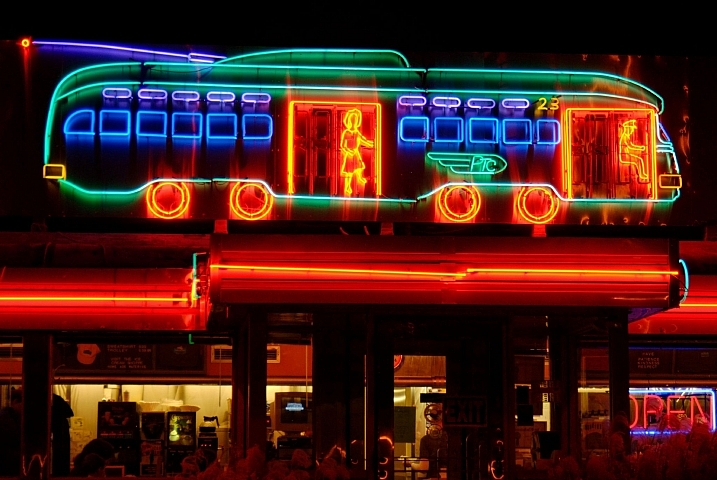
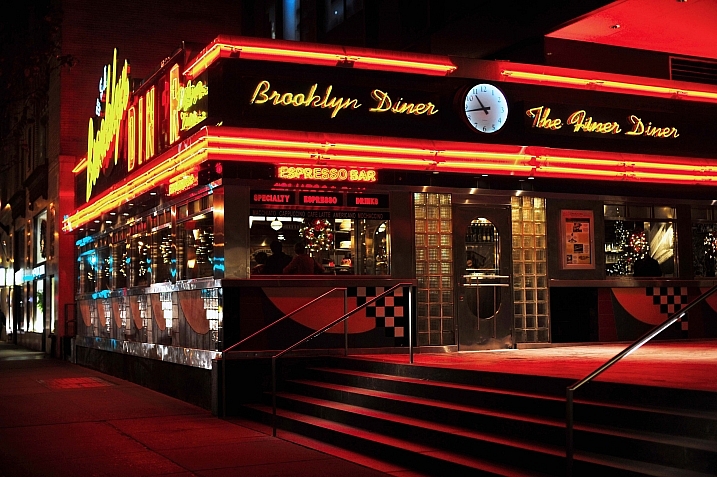
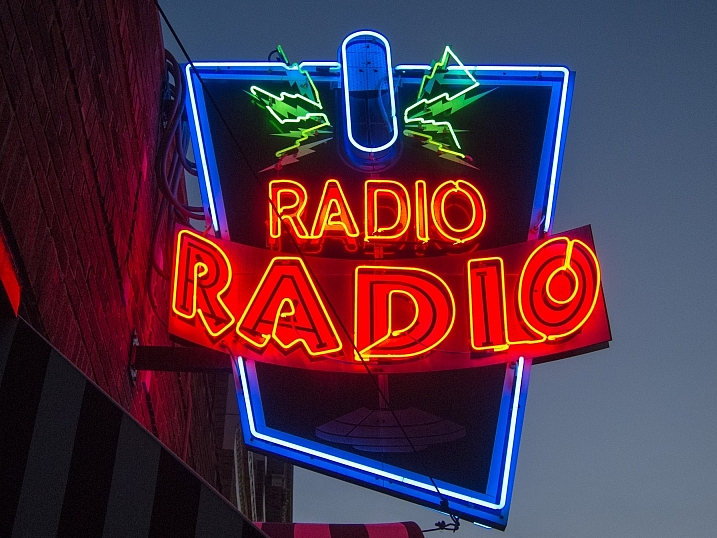
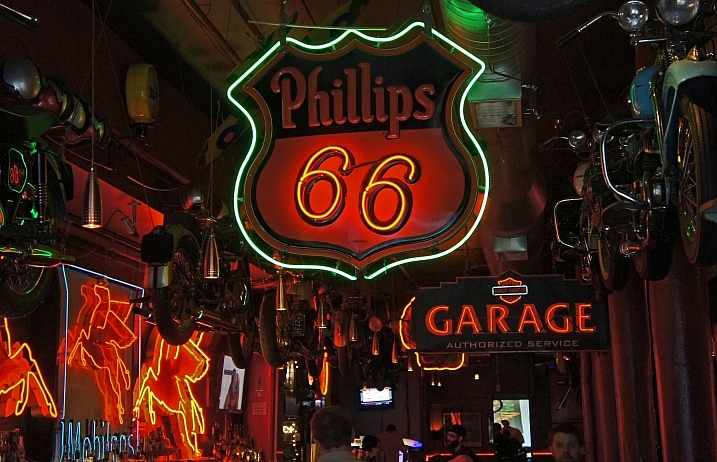
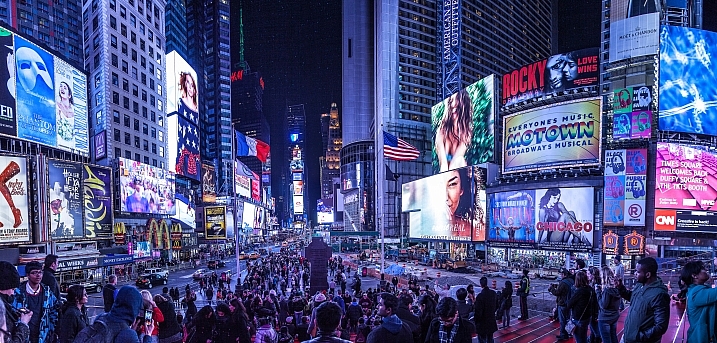
  • Sign Sign Everywhere a Sign – 21 Glowing Images of Neon

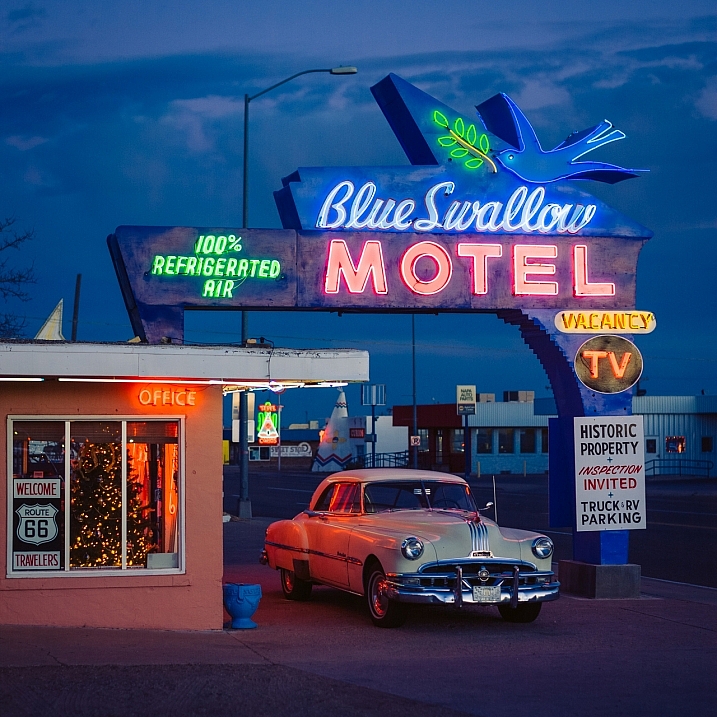
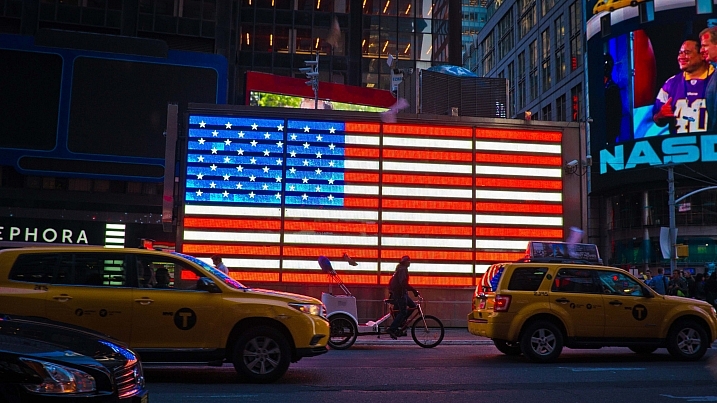
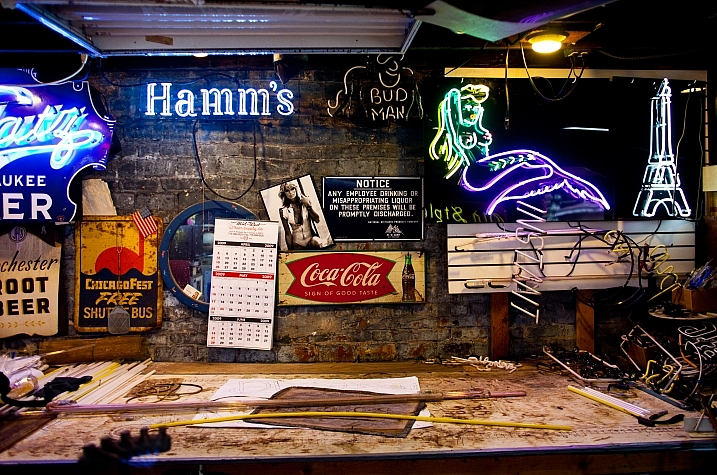
    As the song goes, we are bombarded by signs on a daily basis. Traffic signs, store signs, window signs, it’s never ending. But what if those signs are extremely photogenic like neon ones?

    See what these photographers have created by shooting some neon signs (some lit up, some not).

    James Marvin Phelps

    By James Marvin Phelps

    Joel Bedford

    By Joel Bedford

    Pete Zarria

    By Pete Zarria

    Anthony Citrano

    By Anthony Citrano

    Jim Maurer

    By Jim Maurer

    Thomas Hawk

    By Thomas Hawk

    Cgc76

    By cgc76

    Thomas Hawk

    By Thomas Hawk

    Franck Michel

    By Franck Michel

    Thomas Hawk

    By Thomas Hawk

    Peter Miller

    By Peter Miller

    Gilda

    By Gilda

    Pete Zarria

    By Pete Zarria

    Adrian Snood

    By Adrian Snood

    Jim Maurer

    By Jim Maurer

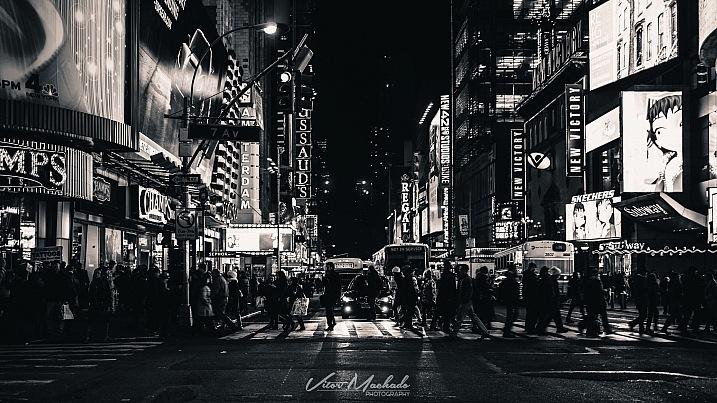
    Vitor Machado

    By Vitor Machado

    Thomas Hawk

    By Thomas Hawk

    Kamal Hamid

    By Kamal Hamid

    Jim Grey

    By Jim Grey

    Roger

    By Roger

    Andrés Nieto Porras

    By Andrés Nieto Porras

    googletag.cmd.push(function() {
    tablet_slots.push( googletag.defineSlot( “/1005424/_dPSv4_tab-all-article-bottom_(300×250)”, [300, 250], “pb-ad-78623” ).addService( googletag.pubads() ) ); } );

    googletag.cmd.push(function() {
    mobile_slots.push( googletag.defineSlot( “/1005424/_dPSv4_mob-all-article-bottom_(300×250)”, [300, 250], “pb-ad-78158” ).addService( googletag.pubads() ) ); } );

    The post Sign Sign Everywhere a Sign – 21 Glowing Images of Neon by Darlene Hildebrandt appeared first on Digital Photography School.


    Digital Photography School

  • Canon announces full-frame EOS 5D Mark IV with 30MP sensor and Dual Pixel AF

    $ (document).ready(function() { SampleGalleryV2({“containerId”:”embeddedSampleGallery_5442532975″,”galleryId”:”5442532975″,”isEmbeddedWidget”:true,”standalone”:false,”selectedImageIndex”:0,”startInCommentsView”:false,”isMobile”:false}) });

    Canon has officially announced the EOS 5D Mark IV, the fourth generation of its full-frame DSLR for enthusiast and professional photographers. Built around a 30MP Dual Pixel AF sensor, it significantly extends the still and video capabilities the series has become known for.

    The 30MP Dual Pixel CMOS sensor allows for fast phase-detection autofocus in video and—for the first time in a Canon full-frame body—continuous focus for stills shooting in live view. Video can be captured in the DCI (4096 x 2160) 4K format at up to 30p (and up to 60p in 1080, and 120p in 720). 4K video is captured in the high quality but inefficient Motion JPEG format.

    The camera’s AF coverage, sensitivity and lens compatibility has been expanded in-line with the EOS-1D X Mark II and the maximum frame rate boosted to seven frames per second. The 5D IV also becomes the first model to capture separate data from the dual photodiodes that make up each pixel, enabling some innovative post-processing options to correct for minor focus errors or remove lens ghosting.

    The EOS 5D Mark IV will go on sale in early September with an MSRP of $ 3499. Kits with the 24-70mm F4L IS will ship at around the same time for $ 4399, while a 24-105mm F4L IS II USM kit follows in late October for $ 4599.


    Press Release

    It’s Finally here: Canon u.s.a. announces the highly anticipated EOS 5D Mark IV DSLR camera and new L-Series Lenses

    Developed for Professional Wedding, Portrait, and Nature/Wildlife Photographers as well as Filmmakers, the EOS 5D Mark IV Delivers Excellent Image Quality and 4K Video Recording

    MELVILLE, N.Y., August 25, 2016 – Canon U.S.A., Inc., a leader in digital imaging solutions, is proud to announce the EOS 5D Mark IV DSLR camera, the next generation of the popular and versatile 5D series of Canon professional DSLR cameras. Building on this legendary legacy, the EOS 5D Mark IV propels the series forward with a fusion of features and enhancements targeted to please even the most discerning creative eyes. The camera’s 30.4 megapixel 35mm Full Frame Canon CMOS sensor offers stunning image quality while the DIGIC 6+ Image Processor delivers 4K 30P video and up to and seven frames per second (fps) continuous shooting. To make video shooting even easier, the camera also features Canon’s propriety Dual Pixel CMOS AF, even when shooting 4K to help ensure sharp focus and subject tracking.

    In addition, Canon is also introducing two new L-series EF lenses – the Canon EF 16-35mm f/2.8L III USM Ultra-Wide Zoom Lens and EF 24-105mm f/4L IS II USM Standard Zoom Lens– offering fantastic edge-to-edge sharpness across the imaging plane, as well as improved durability and performance.

    “Canon’s EOS 5D series of DSLR cameras has a history of being at the forefront of still and video innovation. And today, we add to this family of cameras the EOS 5D Mark IV– the first in our 5D series to offer 4K video and built-in Wi-Fi and NFC connectivity,” said Yuichi Ishizuka, president and COO, Canon U.S.A., Inc. “In developing this new DSLR camera, we listened to the requests of current EOS users to create for them a modern, versatile camera designed to help them create and share beautiful still and video imagery.”

    “Outdoor photographers will really appreciate the new EOS 5D Mark IV, as it offers more resolution, better detail in the shadows, and improved speeds in autofocus and frame rate,” reported acclaimed nature photographer and Canon Explorer of Light George Lepp. “With the fabulous resolution of 4K video and the ability to make beautiful prints from a frame of that video as an added bonus, this camera sets a new mid-range standard for nature photography.”

    EOS 5D Mark IV DSLR Camera Specifications:

    • New 30.4 Megapixel full-frame CMOS sensor for versatile shooting in nearly any light, with ISO range 100–32,000; expandable up to 50–102,400.
    • 4K Motion JPEG video (DCI cinema-type 4096 x 2160) at 30p or 24p; in-camera still frame grab* of 4K 8.8-Megapixel images; multiple video options include Full HD up to 60p, and HD up to 120p.
    • Superb Dual Pixel CMOS AF for responsive and smooth AF during video or Live View shooting; LCD monitor has full touch-screen interface, including selection of AF area.
    • Excellent performance — up to 7.0 fps** continuous shooting speed with high performance DIGIC 6+ Image Processor for improved speed and excellent image quality.
    • 61 AF points with expanded vertical coverage with 41 cross-points, and AF possible at all 61 AF points with many lens + extender combinations effective at f/8.
    • 150,000-pixel RGB+IR metering sensor helps provide precise exposure metering, helps detect flickering lights and allows for enhanced scene recognition and face detection capabilities.
    • Dual Pixel RAW***, in-camera Digital Lens Optimizer during JPEG shooting and Diffraction Correction technologies.
    • Built-in Wi-Fi®1 and NFC2 connectivity provide easy sharing to compatible smart devices, select social media sites and the Canon Connect Station CS100 device.
    • Built-in GPS3 provides geotag information including auto time syncing with Universal Time Code (UTC) via satellites.

    “I have owned every camera in the 5D line, so the new EOS 5D Mark IV feels like an old friend in my hands, only better” exclaimed renowned wedding photographer and Canon Explorer of Light Clay Blackmore. “It has everything a professional photographer needs to create outstanding, quality images every time. Between its ability with still images and video capture, it is the complete package and—in my opinion—the best wedding camera on the planet.”

    “When working with macro beauty photography, I need fast and precise autofocus. With each breath of the subject I need to be able to check the exact placement of focus, whether on the tips of the eyelashes, the pupils or other detail of her face. The EOS 5D Mark IV gave me exactly the speed and precision required to capture the detail and stunning color that is a signature of my beauty work,” remarked celebrated fashion and beauty photographer and Canon Explorer of Light Lindsay Adler. “I’m always looking for ways to create visuals that help me stand out from the competition. Cinemagraphs, also known as ‘living images,’ allow me to combine still frames and video to create captivating images. Because of the EOS 5D Mark IV’s 4K and slow motion capabilities, I now have the ability to create high quality and visually compelling cinemagraphs without having to invest in an expensive cinema camera!”

    The Next Generation of EOS 5D Cameras

    In addition to the new Full Frame sensor, the new EOS 5D Mark IV includes a 61-point High-Density Reticular AF II system, similar to the one found in the flagship EOS-1D X Mark II, with all AF points selectable by the user (and up to 41 cross-type points depending on the lens in use). The AF system, improved over previous Canon 5D series models, includes expanded coverage across the frame that supports AF at maximum apertures up to f/8 with all 61 points for high-precision autofocus even when using EF super-telephoto lenses with an EF extender. Standard ISO range for the EOS 5D Mark IV is ISO 100-32,000 and is expandable to 50-102,400.

    The EOS 5D Mark IV also introduces a new 150,000 pixel RGB+IR metering sensor with enhanced precision and performance compared to its predecessor, improving upon facial recognition and tracking as well as nature and sports scenes with fast-moving action. AF sensitivity in low light is EV-3 and EV-4 when in Live View mode. The EOS Scene Detection System can detect and compensate for flickering light sources that are often used in gymnasiums and swimming pools. When enabled, this anti-flicker system automatically adjusts shutter release timing to help reduce disparities in exposure and color especially during continuous burst shooting.

    Following the groundbreaking video recording capabilities introduced in the EOS 5D Mark II and EOS 5D Mark III, the EOS 5D Mark IV takes the next leap forward offering DCI 4K video recording. Adding to the versatility of capturing 4K video, is Canon’s Dual Pixel CMOS AF. This proven autofocus system allows for continuous focus tracking of subjects, and can be customized by the user for optimal performance. Dual Pixel CMOS AF technology not only enhances 4K video recording, but also helps create crisp focus for 4K Frame Grab extraction of 8.8 megapixel still JPEG images, all done in camera.

    Mobile Connectivity

    For the first time in an EOS 5D series DSLR camera, the EOS 5D Mark IV features built-in Wi-Fi®1 and Near-Field Communication (NFC)™1 providing for the easy transfer of images and MP4 movies to compatible mobile devices, as well remote shooting when using the Canon Camera Connect App2. The EOS 5D Mark IV also includes a built-in GPS3 receiver with compass for precise geo-tagged information of latitude, longitude, and elevation. This is especially valuable to wildlife photographers and photojournalists who need to track their locations, as well as providing sports and wedding photographers the ability to sync a multiple-camera setup with extreme accuracy and precision. The camera’s built-in GPS can also be used to sync the camera’s time to the atomic clock, an invaluable feature when multiple photographers are covering the same event.

    Pricing and Availability

    The Canon EOS 5D Mark IV DSLR is currently scheduled to be available in early September 2016 for an estimated retail price of $ 3,499.00 for the body only††. It will also be sold as part of body-and-lens kits with the EF24-70mm f/4L lens ($ 4,399.00, scheduled to be available early September)†† and the EF24-105mm f/4L IS II USM lens ($ 4599.00, scheduled to be available late October)††.

    For an exclusive, hands-on preview, the camera will be available at the customer support centers shown below. Visitors can experience the camera firsthand while Canon technical experts demonstrate new product features, answer questions, and spotlight the benefits of Canon products and service.

    Footnotes

    1Compatible with iOS® versions 7.1/8.4/9.0, AndroidTM smartphone and tablet versions 4.0/4.1/4.2/4.3/4.4/5.0/5.1. Data charges may apply with the download of the free Canon Camera Connect app. This app helps enable you to upload images to social media services. Please note that image files may contain personally identifiable information that may implicate privacy laws. Canon disclaims and has no responsibility for your use of such images. Canon does not obtain, collect or use such images or any information included in such images through this app.

    2Data charges may apply with the download of the free Canon Camera Connect app. This app helps enable you to upload images to social media services. Please note that image files may contain personally identifiable information that may implicate privacy laws. Canon disclaims and has no responsibility for your use of such images. Canon does not obtain, collect or use such images or any information included in such images through this app.

    3In certain countries and regions, the use of GPS may be restricted. Therefore be sure to use GPS in accordance with the laws and regulations of your country or region. Be particularly careful when traveling outside your home country. As a signal is received from GPS satellites, take sufficient measures when using in locations where the use of electronics is regulated.

    * Saving a still image from a single movie frame does not result in the same image quality as a normal still image.

    ** Continuous shooting speed may vary depending on the shutter speed, the aperture, the lens being used, the battery charge and various camera settings.

    *** When lens diaphragm setting is fully open, adjustment volume and compensation effect are emphasized. Sufficient adjustment volume and compensation effect may not be achieved, depending on lens in use and shooting conditions. Adjustment volume and compensation effect vary depending on camera position (landscape or portrait). Sufficient adjustment volume and compensation effect may not be achieved depending on the shooting conditions.

    ††Availability, prices and specifications are subject to change without notice. Actual prices are set by individual dealers and may vary.

    Canon EOS 5D Mark IV specifications

    Price
    MSRP $ 3499 (body only), $ 4399 (w/24-70 F4L lens), $ 4599 (w/24-105 F4L IS USM lens)
    Body type
    Body type Mid-size SLR
    Body material Magnesium alloy
    Sensor
    Max resolution 6720 x 4480
    Image ratio w:h 1:1, 4:3, 3:2, 16:9
    Effective pixels 30 megapixels
    Sensor photo detectors 32 megapixels
    Sensor size Full frame (36 x 24 mm)
    Sensor size notes sRaw suppoorted in all aspect ratio. Size between 5 and 7.5 megapixel.
    Sensor type CMOS
    Processor Digic 6+
    Color space sRGB, AdobeRGB
    Color filter array Primary color filter
    Image
    ISO Auto, 100-32000 (expands to 50-102400)
    Boosted ISO (minimum) 50
    Boosted ISO (maximum) 102400
    White balance presets 6
    Custom white balance Yes
    Image stabilization No
    Uncompressed format RAW
    JPEG quality levels Fine, normal
    File format
    • JPEG (Exif v.2.3)
    • Raw (Canon CRW, 14-bit)
    Optics & Focus
    Autofocus
    • Contrast Detect (sensor)
    • Phase Detect
    • Multi-area
    • Center
    • Selective single-point
    • Tracking
    • Single
    • Continuous
    • Touch
    • Face Detection
    • Live View
    Autofocus assist lamp Yes
    Manual focus Yes
    Number of focus points 61
    Lens mount Canon EF
    Focal length multiplier 1×
    Screen / viewfinder
    Articulated LCD Fixed
    Screen size 3.2
    Screen dots 1,620,000
    Touch screen Yes
    Screen type TFT LCD
    Live view Yes
    Viewfinder type Optical (pentaprism)
    Viewfinder coverage 100%
    Viewfinder magnification 0.71×
    Photography features
    Minimum shutter speed 30 sec
    Maximum shutter speed 1/8000 sec
    Exposure modes
    • Program
    • Shutter priority
    • Aperture priority
    • Manual
    • Bulb
    • Scene Intelligent Auto
    Built-in flash No
    External flash Yes (via hot shoe or flash sync port)
    Flash X sync speed 1/200 sec
    Drive modes
    • Single shooting
    • Continuous hi/lo
    • Silent single shooting
    • Silent continuous
    • 2/10 sec self-timer / remote control
    Continuous drive 7.0 fps
    Self-timer Yes (2 or 10 secs, custom)
    Metering modes
    • Multi
    • Center-weighted
    • Spot
    • Partial
    Exposure compensation ±5 (at 1/3 EV, 1/2 EV steps)
    AE Bracketing ±3 (2, 3, 5, 7 frames at 1/3 EV, 1/2 EV steps)
    WB Bracketing Yes
    Videography features
    Resolutions 4096 x 2160 (29.97p, 24p, 23.98p), 1920 x 1080 (59.94p, 29.97p, 24p, 23.98p), 1280 x 720 (119.9p)
    Format MPEG-4, Motion JPEG
    Videography notes 8.8MP stills can be grabbed from 4K video; camera supports ALL-I, IPB and IPB Light compression.
    Microphone Mono
    Speaker Mono
    Storage
    Storage types CompactFlash + SD/SDHC/SDXC card (UHS-I enabled)
    Connectivity
    USB USB 3.0 (5 GBit/sec)
    HDMI Yes (mini-HDMI)
    Microphone port Yes
    Headphone port Yes
    Wireless Built-In
    Wireless notes 802.11b/g/n + NFC
    Remote control Yes (wired, wireless, or smartphone)
    Physical
    Environmentally sealed Yes
    Battery Battery Pack
    Battery description LP-E6N lithium-ion battery & charger
    Battery Life (CIPA) 900
    Weight (inc. batteries) 890 g (1.96 lb / 31.39 oz)
    Dimensions 151 x 116 x 76 mm (5.94 x 4.57 x 2.99)
    Other features
    Orientation sensor Yes
    GPS Built-in

    Articles: Digital Photography Review (dpreview.com)

  • Canon EOS 5D Mark IV First Impressions Review

    The Canon EOS 5D series is arguably one of the most recognizable camera lines of the digital age and the Mark IV is designed to appeal to the same wide range of enthusiasts and professionals. Nearly identical-looking to its predecessor, it receives substantial upgrades under the hood, including: a higher-resolution sensor with Dual Pixel autofocus, 4K video capture, an upgraded AF system, a touchscreen, improved weather-sealing, built-in Wi-Fi/NFC and GPS. All this adds up to a camera that fits into Canon’s product line nicely as the all-around full-frame option.

    It is built around a new 30.4MP CMOS sensor and uses the Digic 6+ processor. The AF system is from the flagship 1D X Mark II and contains 61 AF points (41 of which are cross-type) with up to 24% expanded vertical coverage compared with the system in the Mark III. The center point is sensitive to -3EV in One Shot (AF-S) mode (in Live View the sensor is sensitive to -4EV with a fast lens).

    4K video capture is a welcome addition to this camera and users can record in either 24 or 30p, albeit with a 1.64x crop. All footage is captured as Motion JPEG. Additionally, the camera allows for 4K Frame Grabs, effectively giving users 30 fps stills shooting with (Dual Pixel) AF. The usefulness of this may depend on how well-controlled the camera’s rolling shutter is, and how acceptable 8.8MP, ~17:9 JPEGs are to you, but we’ve been impressed by how effective 4K/60p video capture on the 1D X II has been for capturing the decisive moment still.

    While developing the IV, Canon says it sought feedback from 5D-series users and found that dynamic range, resolution, AF precision and AF speed were the four most important areas improvements were requested. On paper, the Mark IV seems to address these aspects nicely:

    Canon 5D Mark IV Key Specifications

    • New 30.4MP CMOS full-frame sensor with Dual Pixel AF
    • DCI 4K 30/24p video using Motion JPEG + 4K Frame Grab
    • 61-point AF system with 41 cross-type sensors (center point sensitive to -3 EV)
    • Dual Pixel AF (sensitive to -4EV) for continuous Servo AF in stills (first for a full-frame Canon camera) and video
    • ISO 100-32000 (expandable to 102400)
    • 7 fps continuous shooting
    • Dual Pixel Raw (image microadjustment, bokeh shift, ghosting reduction)
    • 150,000-pixel RGB+IR metering sensor
    • 1.62M-dot 3.2″ full-time touchscreen
    • Wi-Fi w/ NFC + GPS
    • Built-in bulb timer interval timers
    • Improved weather-sealing

    The 30.4MP chip offers a decent jump in resolution over the 22.3MP chip in 5D III. And judging from the improved dynamic range in Canon’s other recent DSLRs (the 80D and 1D X II), we expect Raw dynamic range in the IV to be much improved over its predecessor, which had some of the worst shadow noise and banding we’d seen in a modern full-frame digital camera. The improvement is thanks to the recent move to a design that uses on-chip analog to-digital-conversion, resulting in lower downstream read noise and therefore less shadow noise and better overall dynamic range at lower ISOs.

    In terms of AF, the increased coverage area is definitely a big deal: after all, it’s the exact same AF system found in the company’s flagship sports camera. The 150,000-pixel RGB-IR metering sensor, which feeds scene information to the AF system, is borrowed from the original 1D X, bringing enhanced subject identification (including faces) and tracking (‘iTR’), as well as improved metering and flicker detection. Unfortunately, we’ve found iTR to be too situation dependent to be generally relied upon, and our initial impressions from our brief time with the Mark IV leave us similarly unimpressed at the camera’s ability to automatically shift AF points to stick to your specified subject.

    Our impressions of Dual Pixel AF in live view are exactly the opposite though, with the Mark IV being incredibly good at sticking to the original subject (or face) you initiated focus on. What’s more, it’s incredibly easy to specify your subject: just tap on it on the touchscreen in ‘Face Detect+Tracking’ mode, and the camera will stick to it like glue, no matter where it moves to in the frame. The 5D Mark IV is Canon’s first full-framer that can continuously focus in Live View during stills capture, and because of the way Dual Pixel AF works, focus is incredibly accurate, even with fast lenses.

    The 5D Mark IV also has some new tricks up its sleeve including Dual Pixel Raw, a nifty option that can prove useful in specific shooting scenarios. It works by recording two 30MP images, one from each of the ‘left-looking’ and ‘right-looking’ photodiodes at each pixel. Previous Canons have combined these two signals at each pixel, but Dual Pixel Raw gives you the option of keeping them separate. This results in a file that’s twice as large, but one that allows for ‘image micro-adjustment,’ ‘bokeh shift’ and ghosting reduction (more on this on our Features page) in Canon’s supplied Digital Photo Professional software.

    Compared to its peers

    Canon now offers a range of full-frame models. On the high end you have the Canon’s sports and action-oriented 1D X Mark II, with its 20.2MP sensor and 14 fps continuous shooting (with AF). The 5DS (and ‘R’ variant), with their 50.6MP sensors, are the company’s high resolution options. The 5D Mark IV splits the difference in terms of resolution and is positioned as Canon’s all-rounder. For those on a budget, the compact EOS 6D soldiers on, four years after its introduction.

    So how does the 5D Mark IV stack up against its closest sibling and predecessor? Take a look for yourself:

      Canon EOS 5D IV
    Canon EOS 5D III
    Canon EOS 5DS
    MSRP $ 3499 $ 3499 $ 3699
    Sensor 30.4MP 22.3MP 50.6MP
    ISO range
    (expanded)
    100 – 32000
    (expandable 50-102400)
    100 – 25600
    (expandable 50-102400)
    100 – 6400
    (expandable 50-12800)
    AF points 61 (41 cross-type)
    over expanded region
    61 (41 cross-type) 61 (41 cross-type)

    Live view/video AF ‘Dual Pixel’ phase detection Contrast detection Contrast detection
    RGB metering sensor resolution 150k pixels 63-zone dual-layer 150k pixels
    LCD 3.2″ 1.62M-dot touchscreen 3.2″ 1.04M-dot 3.2″ 1.04M-dot
    Burst rate 7 fps 6 fps 5 fps

    Video DCI 4K/30/24p 1080/30p 1080/30p
    Headphone socket Yes Yes No
    Card format 1x Compact Flash
    1x SD

    1x Compact Flash
    1x SD

    1x Compact Flash
    1x SD
    Built-in Wi-Fi/NFC Yes No No
     GPS Yes No No

    Obviously if you need the resolution, the Canon EOS 5DS is the more sensible choice. But in just about every other regard, the Canon EOS 5D Mark IV is the far more versatile camera and a worthy upgrade from the 5D Mark III.

    Pricing and availability

    The Canon EOS 5D Mark IV ships this September and will cost $ 3499 body only, $ 4399 with the 24-70mm F4L IS USM lens and $ 4599 with the 24-105mm F4L IS II USM lens.

    Articles: Digital Photography Review (dpreview.com)