Tag: Soviet

  • Russia Hour Traffic: Andrey Tkachenko’s Soviet Car Concepts

    [ By Steve in Art & Drawing & Digital. ]
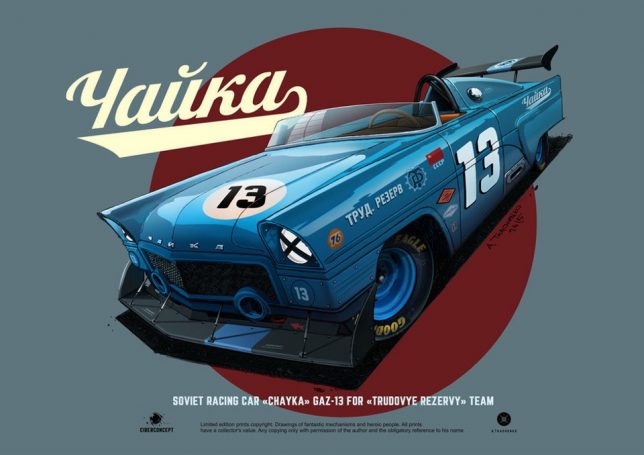
    Russian freelance artist Andrey Tkachenko reveals the figurative swans hidden deep within the notoriously ugly ducklings of the Soviet automobile industry.
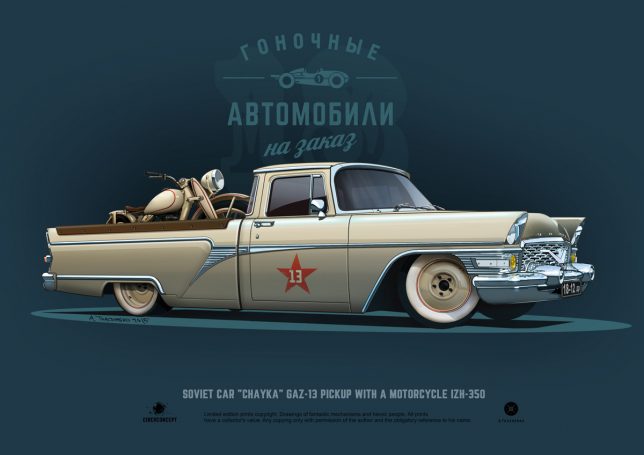
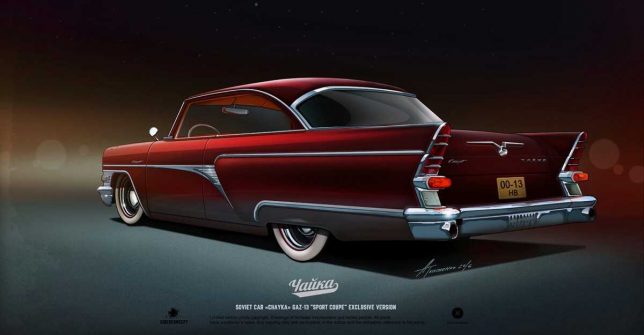
    “General Motors is not in the business of making cars. It is in the business of making money.” So stated the late Thomas Murphy, Chairman of General Motors from 1974 thorough 1980. That mantra was turned on its head back in the USSR where state-run automotive “businesses” cranked out an astonishing variety of unappealing utilitarian conveyances that wouldn’t make their manufacturers money unless they were melted down and minted into kopeks.
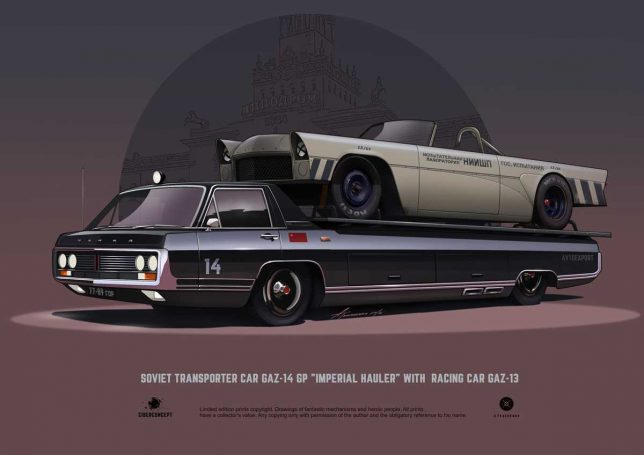
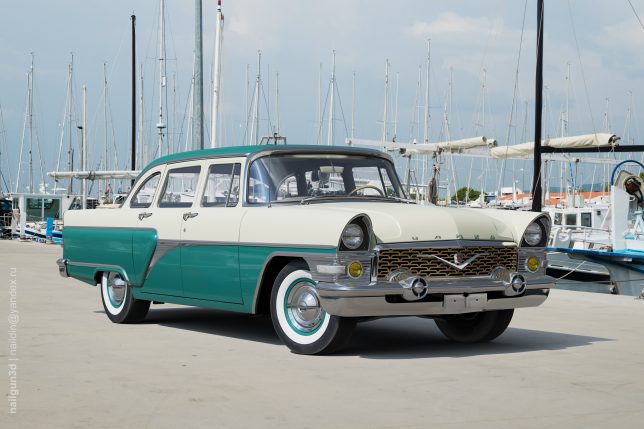
    That said, Soviet designers managed to express their creativity in very limited ways though such expressions always took a back seat to utilitarianism. Andrey Tkachenko, a young freelance artist and graphic designer based in the northwestern Russian Federation city of Nizhny Novgorod, looks beyond the limits of those stodgy soviet auto designs and extrapolates their modest aesthetics to heights the original designers feared to even imagine. Case in point: the GAZ-13 M13 “Chaika”, a soviet luxury car produced between 1958 and 1981 that falls stylistically between a Packard Caribbean and a Checker cab. Most Chaikas were painted black; the two-toned example above being a rare exception.

    Putin Approved
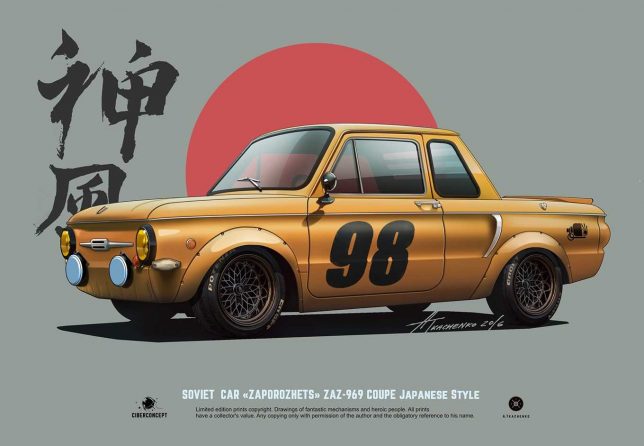
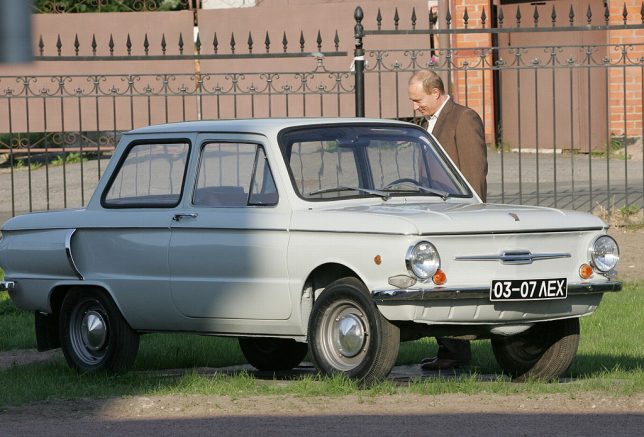
    We’re showcasing some of Tkachenko’s graphic renderings – “ciberconcepts”, as he calls them – along with images of their real-world inspirations. It’s an endeavor made possible though the artist’s trademark of captioning most of his works with the vehicle’s model designations. However, we must take issue with the “ZAZ-969 Coupe Japanese Style” above; it’s actually a ZAZ-968 similar to Vladimir Putin’s first car, a 1972 model. Being a judo aficionado holding a black belt, Vlad would likely approve of Tkachenko’s subtly Japanesque makeover.

    Zuk On This
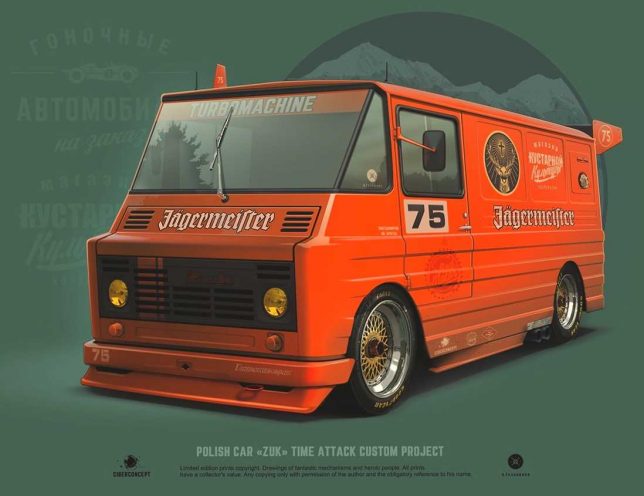
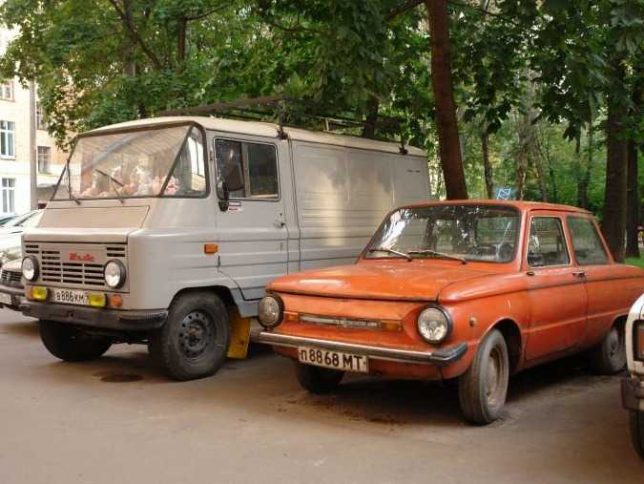
    The Zuk (Polish for “Beetle”) was manufactured by the FSC Lublin Automotive Factory in Poland for a mind-boggling 40 years – from 1958 through 1998 – with few changes over the production run. Panel van versions were exported to the Soviet Union which is how Andrey Tkachenko knows of them. Tkachenko’s take on the alarmingly slab-sided Zuk transforms the rough & ready van into a Jagermeister-spewing “Time Attack Custom Project”. Can’t say it doesn’t look too shabby, with or without the aid of Jagermeister shots. Just below it is a real-world Zuk parked beside a late-production (between 1979 and 1994) ZAZ-968M.

    Step On The GAZ
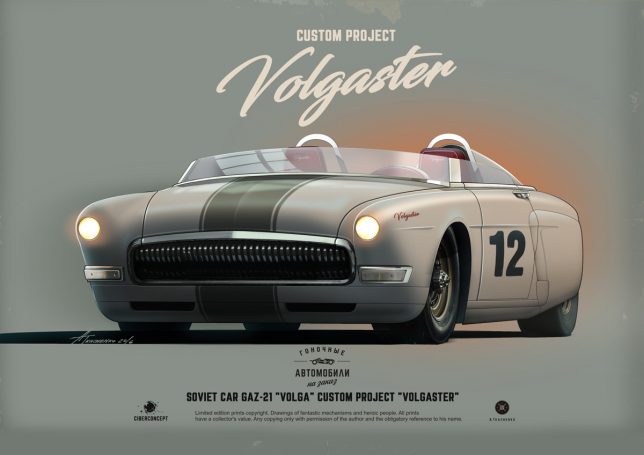
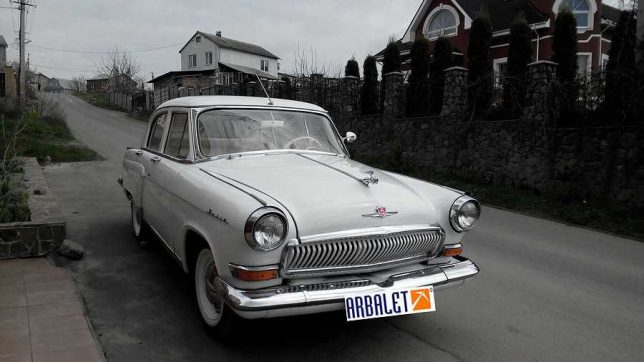
    The GAZ-21 “Volga” was a so-called “executive car” manufactured by GAZ (“Gorky automobile factory” in English) from 1956 through 1970. Volga’s were desirable cars in their day, though one had to be in the KGB to order the hot V8-powered version with an automatic transmission. Exuding a 1952 Ford-ish vibe, the third series (1962-70) displayed a toothy chromed grill that features prominently in Tkachenko’s chop-topped, two-seater “Volgaster”.

    Next Page – Click Below to Read More:
    Russia Hour Traffic Andrey Tkachenkos Soviet Car Concepts

    Share on Facebook


    [ By Steve in Art & Drawing & Digital. ]

    [ WebUrbanist | Archives | Galleries | Privacy | TOS ]

    WebUrbanist

  • Makeup Not War: Soviet Army Monument’s Many Makeovers

    [ By Steve in Art & Street Art & Graffiti. ]

    soviet-army-monument-1a

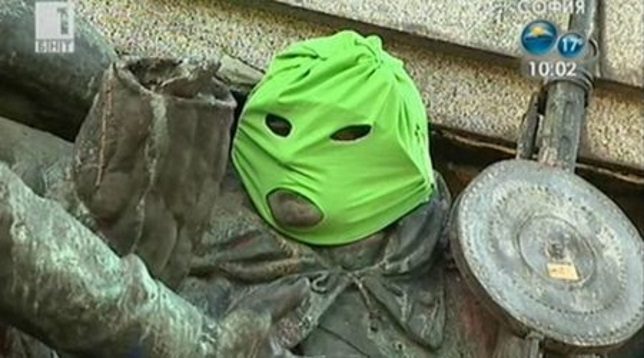
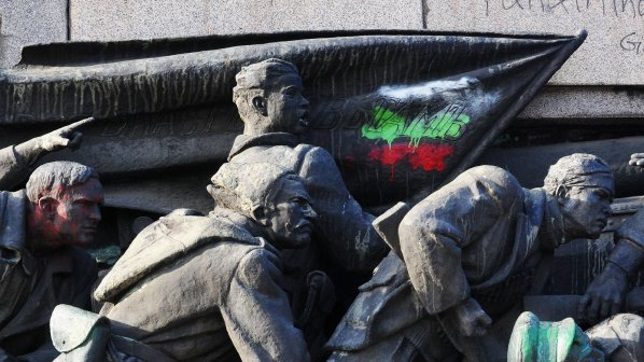
    In recent years the Monument to the Soviet Army in Sofia, Bulgaria has become a colorful canvas for protesters, much to the chagrin of Russian politicians.

    soviet-army-monument-1d

    soviet-army-monument-1b

    soviet-army-monument-1q

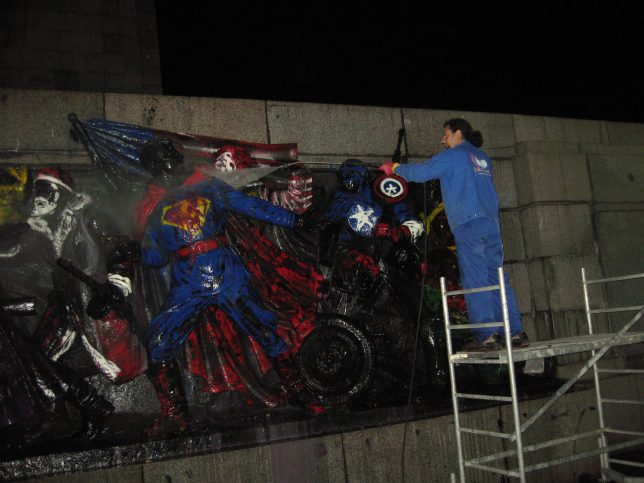
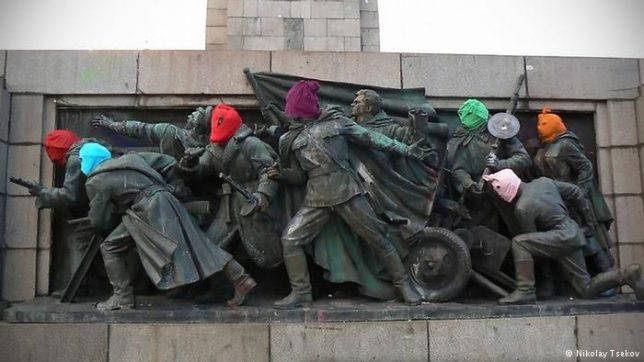
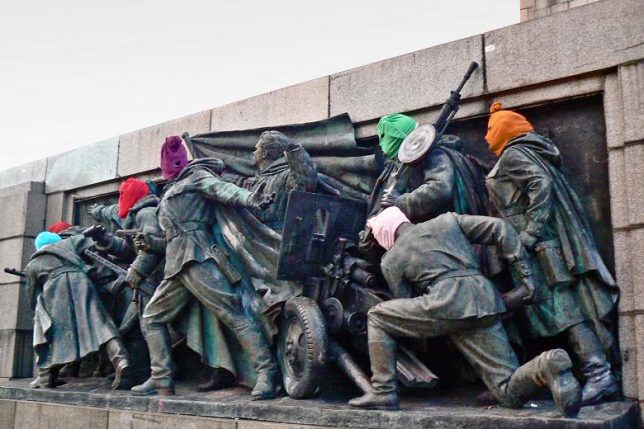
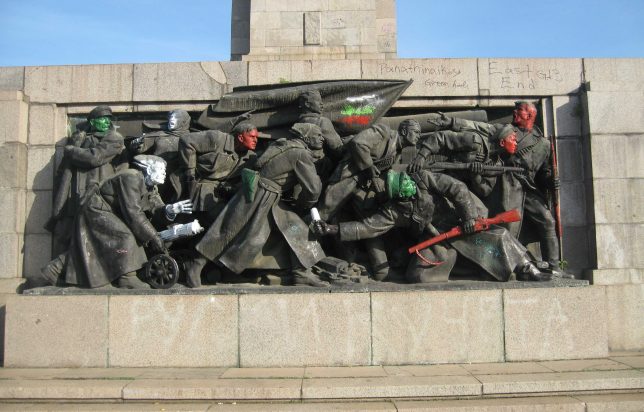
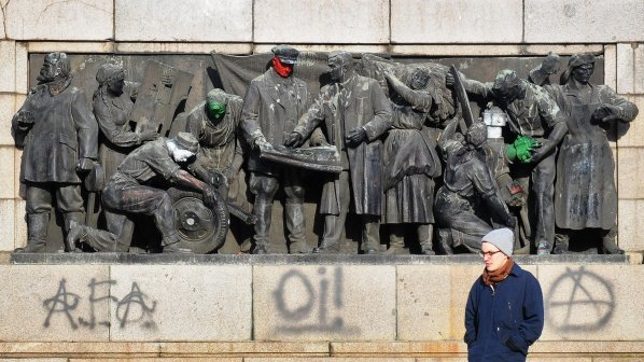
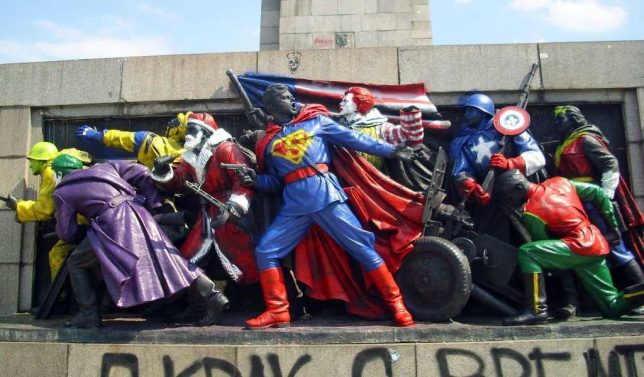
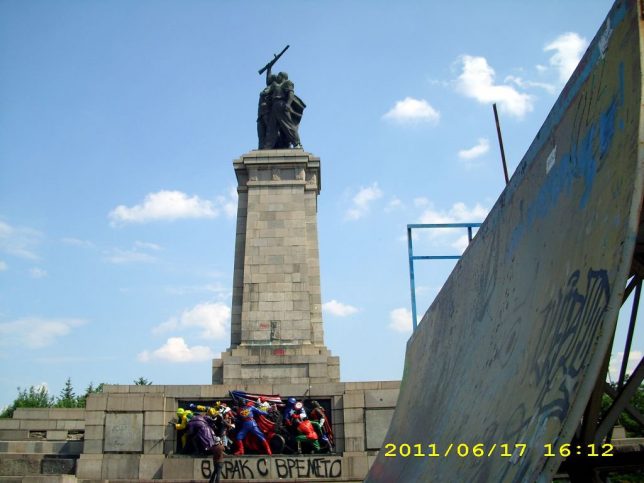
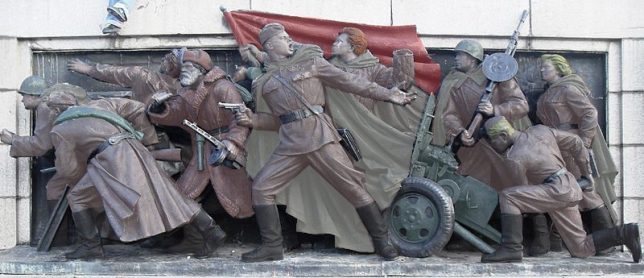
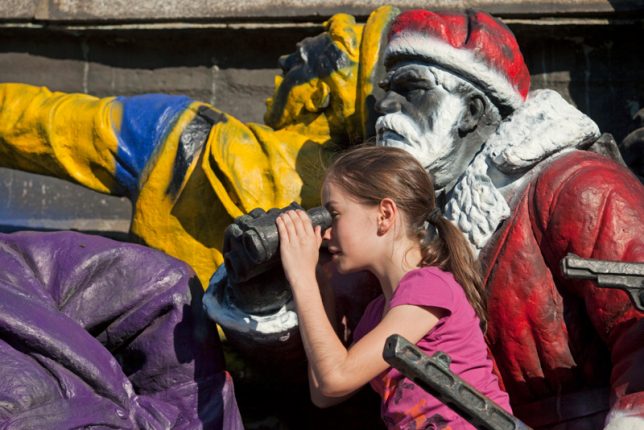
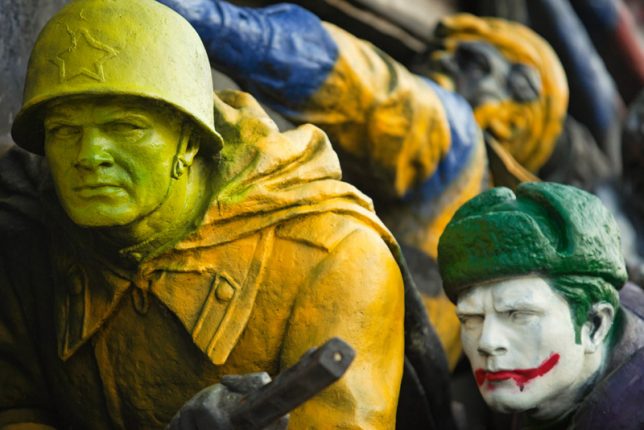
    The Monument to the Soviet Army is quite large as military memorials go. Built in 1954, the monument is centered by a 120-ft-tall stone plinth supporting a statue of a Soviet soldier surrounded by admiring Bulgarian women. The monument also features large bronze sculptural compositions on all four sides at ground level. One of these secondary compositions was “artistically vandalized” on June 17th of 2011 by Destructive Creation, a group of street artists who for a variety of reasons have chosen to remain anonymous.

    soviet-army-monument-original

    soviet-army-monument-1o

    soviet-army-monument-1p

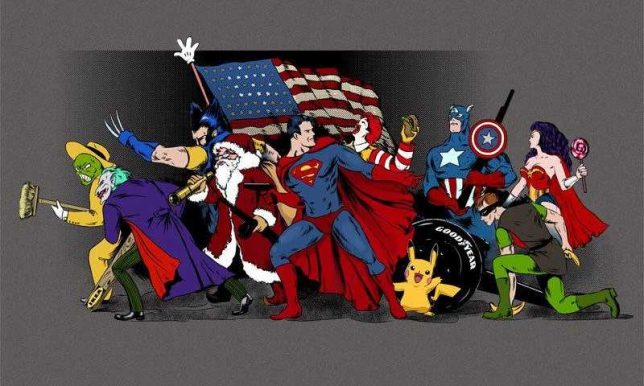
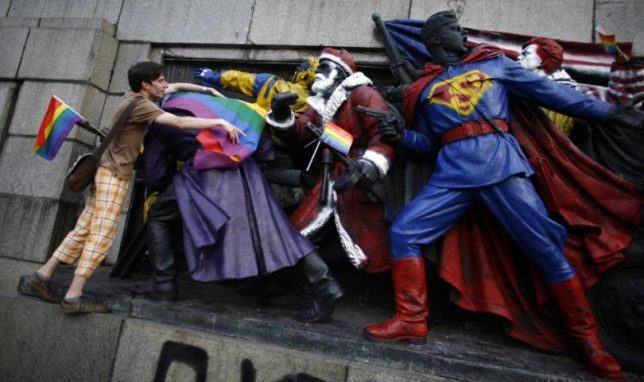
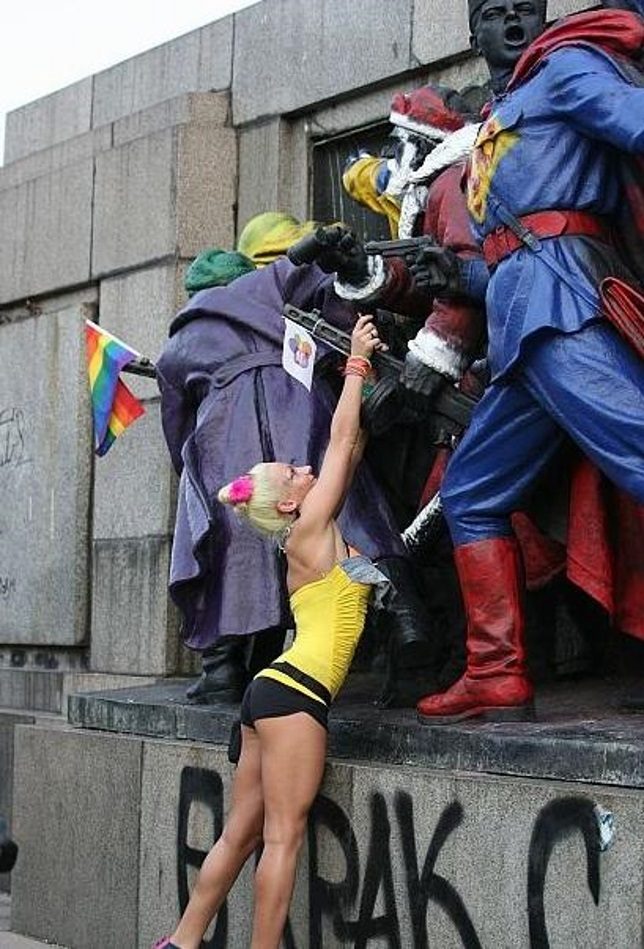
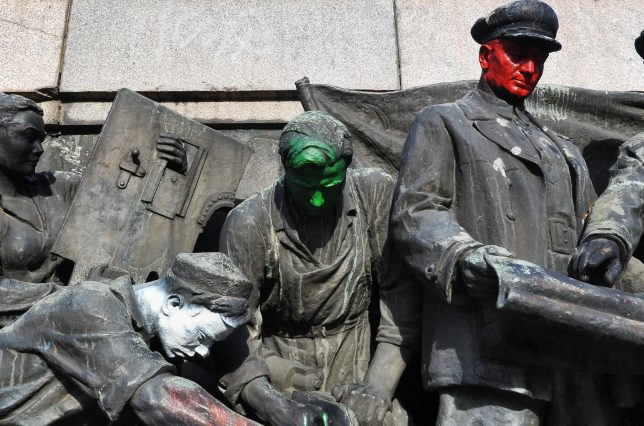
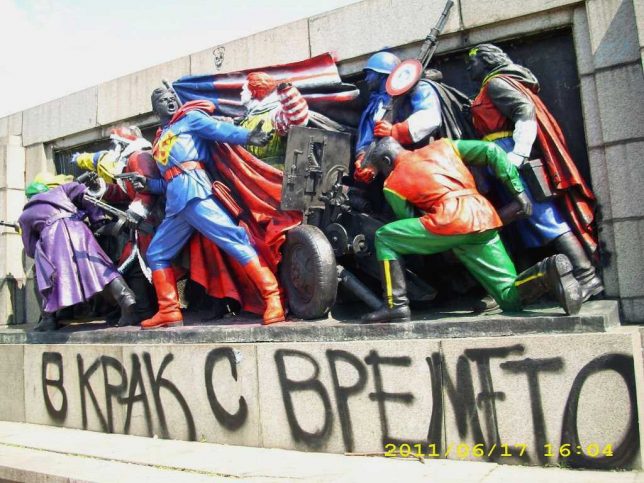
    Destructive Creation descended on the monument at night and were able to paint every figure in the pantheon of attacking soldiers without interruption. The result was breathtaking no matter what one’s political bent, as the onrushing platoon of Soviet troops was transformed into a bizarre version of the Justice League: from left to right there’s The Mask, The Joker, Wolverine, Santa Claus, Superman, Ronald McDonald, Captain America, Robin, and Wonder Woman.

    soviet-army-monument-1k

    soviet-army-monument-1g

    soviet-army-monument-1h

    soviet-army-monument-1n

    Spray-painted black text below the figures translates to “In Step With The Times”. Activists embellished the monument the next day, during the Fourth Annual Sofia Pride Parade, before city workers power-washed the monument.

    Mask Communications

    soviet-army-monument-2a

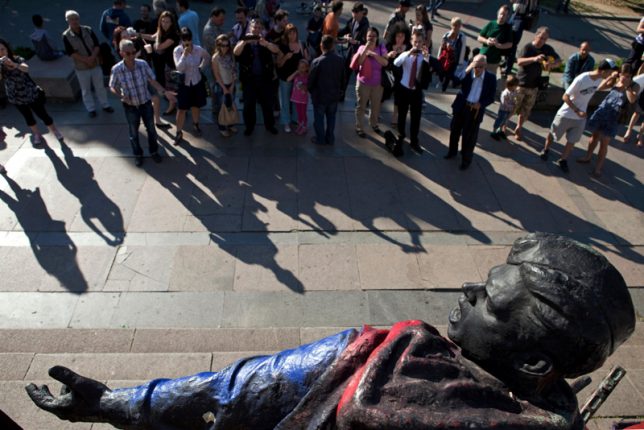
    The initial vandalizing of the Monument to the Soviet Army resulted in an explosion of international publicity, mainly due to the skill and content of the artwork. In general the reaction was one of bemused admiration, especially from the global geek community, but Russia’s Foreign Ministry was of a different mind. Not only did Russia vocally condemn the vandalism, they pressed the Bulgarian government to find, arrest and punish the artists. This only served to embolden a host of copycat graffiti artists and make the monument the focus of repeated street art protests.

    soviet-army-monument-2b

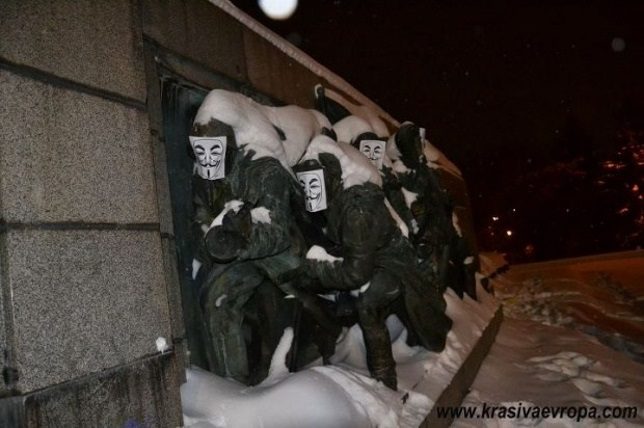
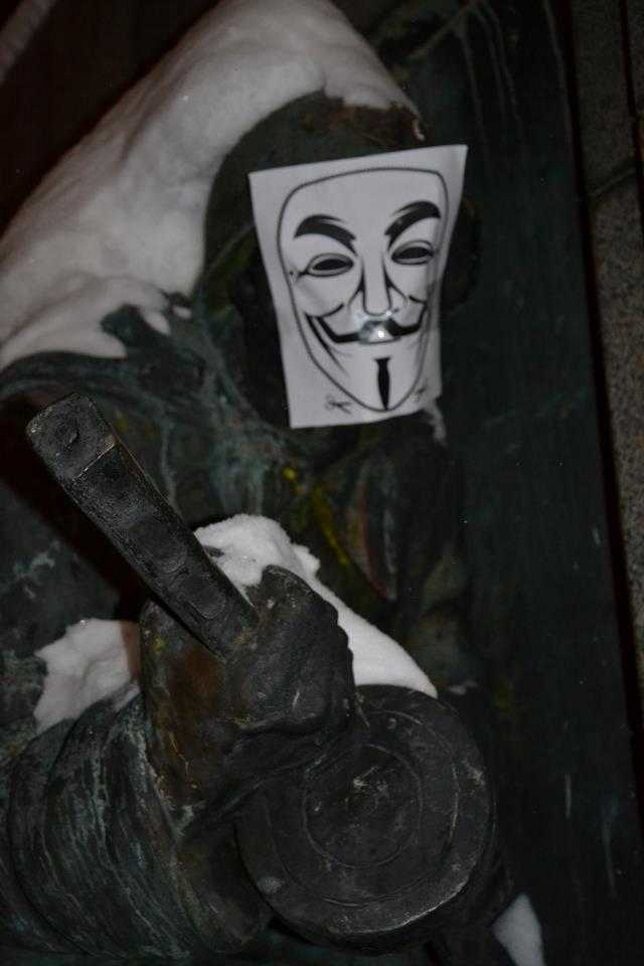
    The next such incident occurred on February 10th, 2012 when the monument’s soldiers were fitted with Anonymous masks of Guy Fawkes in conjunction with anti-ACTA (Anti-Counterfeiting Trade Agreement) protests being held all over Europe. Not certain if the perpetrators were anonymous or Anonymous.

    Pussy Riot Act

    soviet-army-monument-3c

    soviet-army-monument-3a

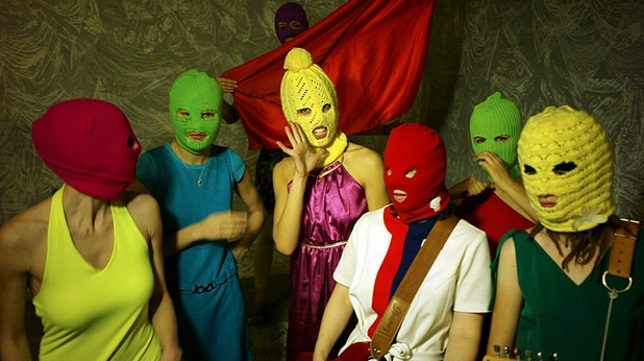
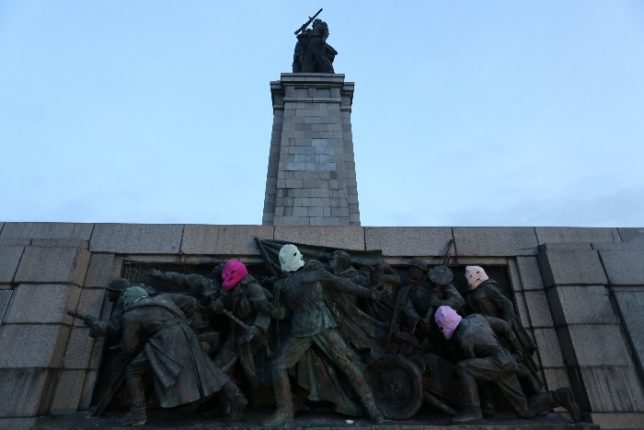
    On August 17th of 2012, three previously arrested members of Russian feminist protest punk rock band Pussy Riot were convicted by a Russian court of “hooliganism motivated by religious hatred” and were sentenced to two years’ imprisonment each.

    soviet-army-monument-3f

    soviet-army-monument-3b

    The sentencing was widely criticized outside Russia and on the same day of the conviction, activists placed colorful knit balaclavas (Pussy Riot members’ trademark costume) over the heads of figures at the Monument to the Soviet Army in Sofia.

    soviet-army-monument-3d

    soviet-army-monument-3e

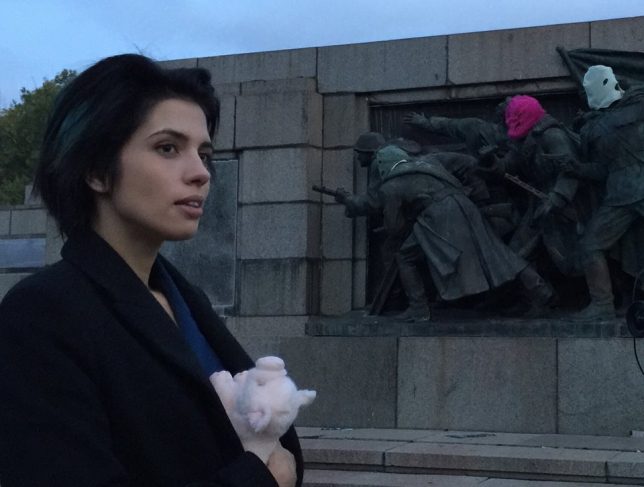
    On October 15th of 2015, Pussy Riot member Nadezhda Tolokonnikova visited the monument and participated in a reenactment of the original masking event.

    Bulgar Not Vulgar

    soviet-army-monument-4c

    soviet-army-monument-4d

    Observed initially in 2010, the first day of February is officially the Day of Remembrance and Respect to Victims of the Communist Regime in Bulgaria. Approximately 20,000 to 30,000 Bulgarians lost their lives due to state-ordered repression between 1946 and 1990.

    soviet-army-monument-4e

    soviet-army-monument-4a

    On February 1st of 2013, areas on several sides of the Monument to the Soviet Army were daubed with red, green and white paint – the colors of the Bulgarian flag.

    Next Page – Click Below to Read More:
    Makeup Not War Soviet Army Monuments Many Makeovers

    Share on Facebook


    [ By Steve in Art & Street Art & Graffiti. ]

    [ WebUrbanist | Archives | Galleries | Privacy | TOS ]

    WebUrbanist

  • Out Of Limits: 15 Retro-Futuristic Soviet Town Welcome Signs

    [ By Steve in Design & Graphics & Branding. ]

    soviet-town-signs-1a

    In Soviet Russia, town welcome you… with retro-futuristic city limits signs that promised more than the blustery, blustering Cold War-era USSR could deliver.

    soviet-town-signs-1b

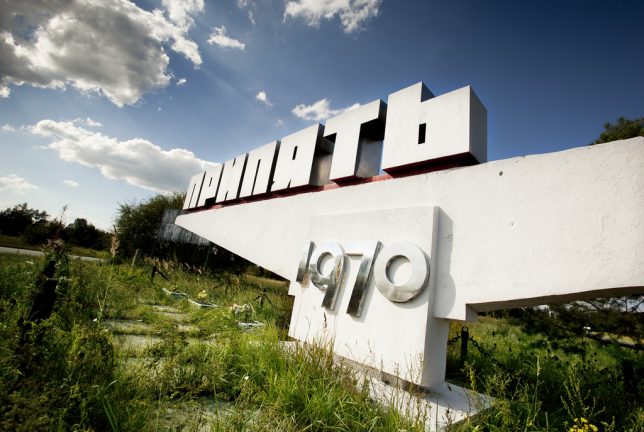
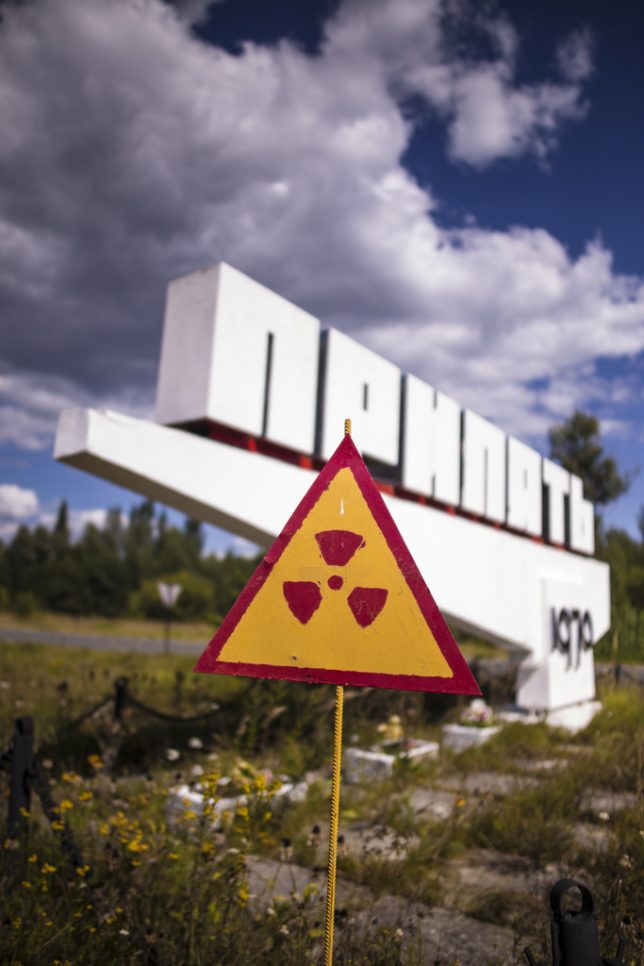
    The welcome is, er, radiant in Pripyat, the now-abandoned city established in 1970 to house support staff and workers at the nearby Chernobyl Nuclear Power Plant. Pripyat’s population grew to almost 50,000 by 1986, plummeting to zero when the town was evacuated the day after the plant’s No.4 reactor exploded. Flickr user jesper karstensen snapped our lead image of Pripyat’s forward-looking sign on August 12th of 2013. Flickr user Stanislav (LieErr) captured a view of the sign from a disturbingly different angle five days later on August 17th.

    Brave Nuked World

    soviet-town-signs-1h

    soviet-town-signs-1c

    soviet-town-signs-1d

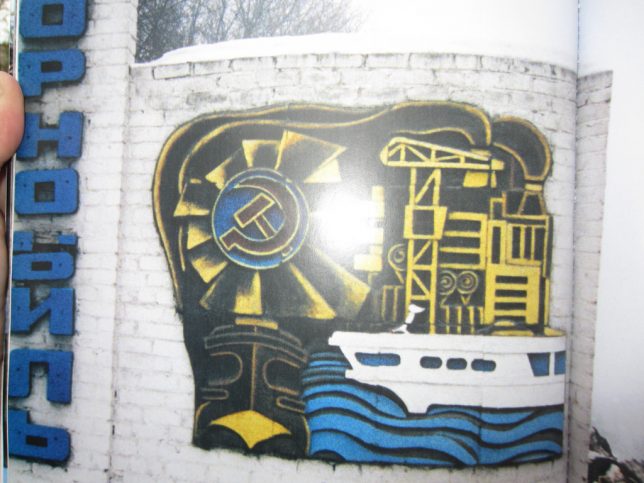
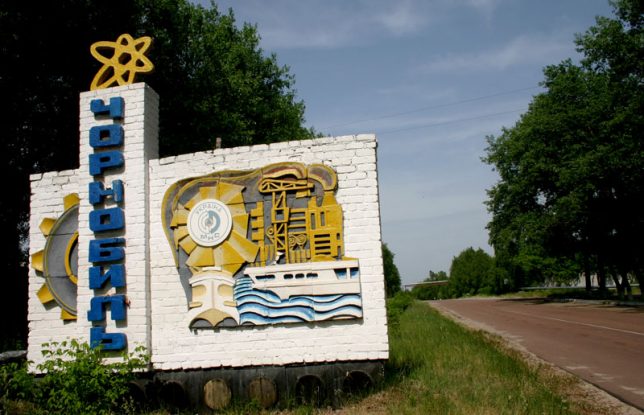
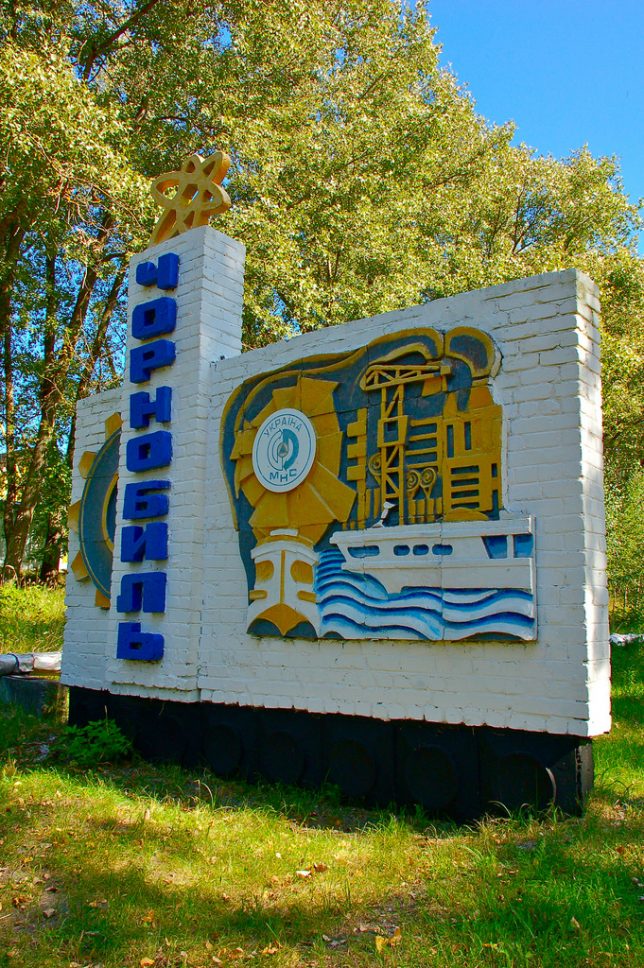
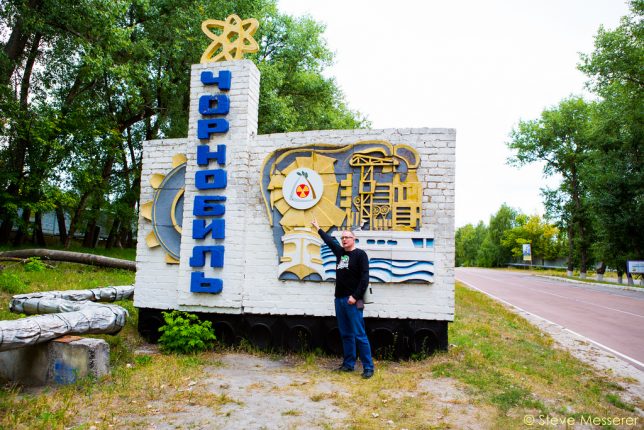
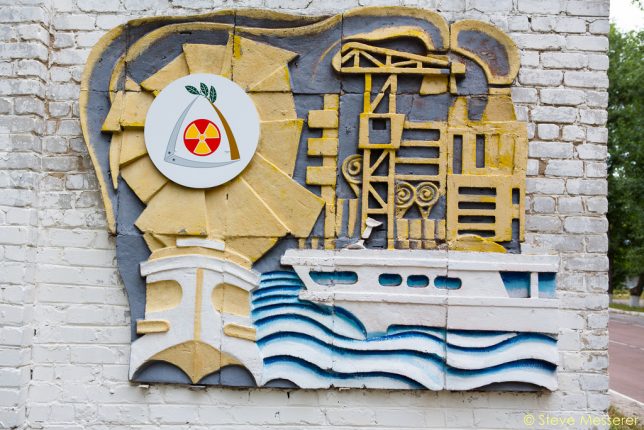
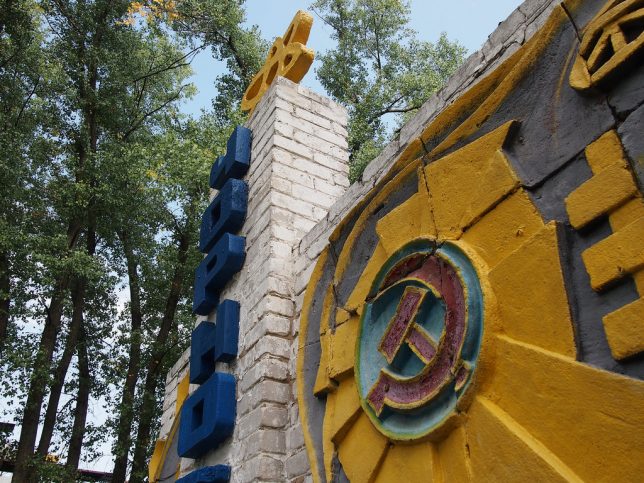
    The city of Chernobyl is often confused with Pripyat though the former’s history dates back to the year 1193. Situated just 9 miles from the nuclear power plant whose name it shares, the city was home to about 14,000 people before its evacuation in 1986 – only 704 live there today. The city’s sign was erected in the Soviet era and originally featured a prominent hammer-and-sickle logo as seen in the guide book image at top. Sometime after the fall of the USSR, the logo was covered by a roundel displaying the symbol of the MHC – the Ukrainian Ministry of Emergency Situations.

    soviet-town-signs-1e

    soviet-town-signs-1f

    soviet-town-signs-1g

    Photographs taken after 2010-11 show a modified radioactivity symbol fitted in place of the MHC roundel, as seen in Flickr user Steve Messerer‘s images above. Several years later, perhaps due to the current Russia-Ukraine conflict, the radioactivity logo was removed revealing the original embossed soviet logo. The more things change, the more they stay the same, eh comrades?

    Welcome to Exclusion Zone

    soviet-town-signs-2a

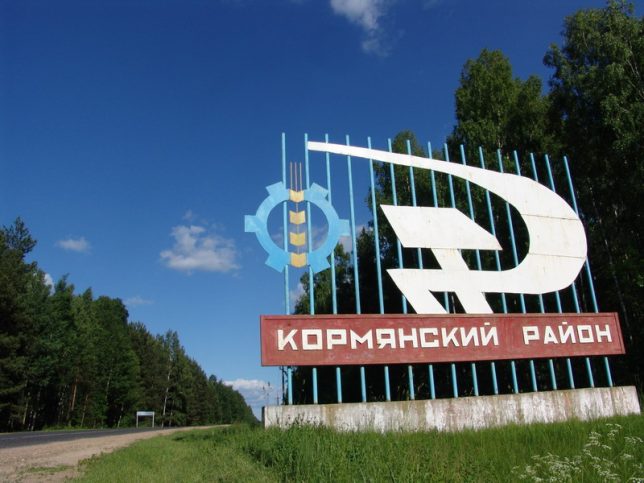
    The so-called Chernobyl Disaster spewed radioactive fallout over a wide swath of central Europe and led to the establishment of an Exclusion Zone that spread across the Ukraine’s northern border into neighboring Belarus. Flickr user Ilya Kuzniatsou (belarusian) snapped the above photo of a city sign welcoming visitors to an evacuated town. Call it passive-aggression, post-Soviet style.

    You Are My Density

    soviet-town-signs-3a

    soviet-town-signs-3b

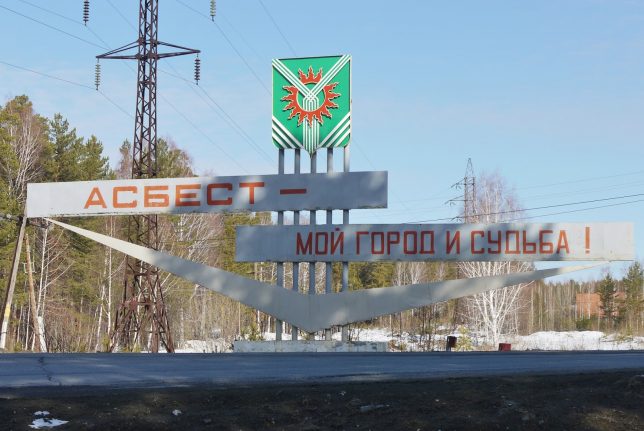
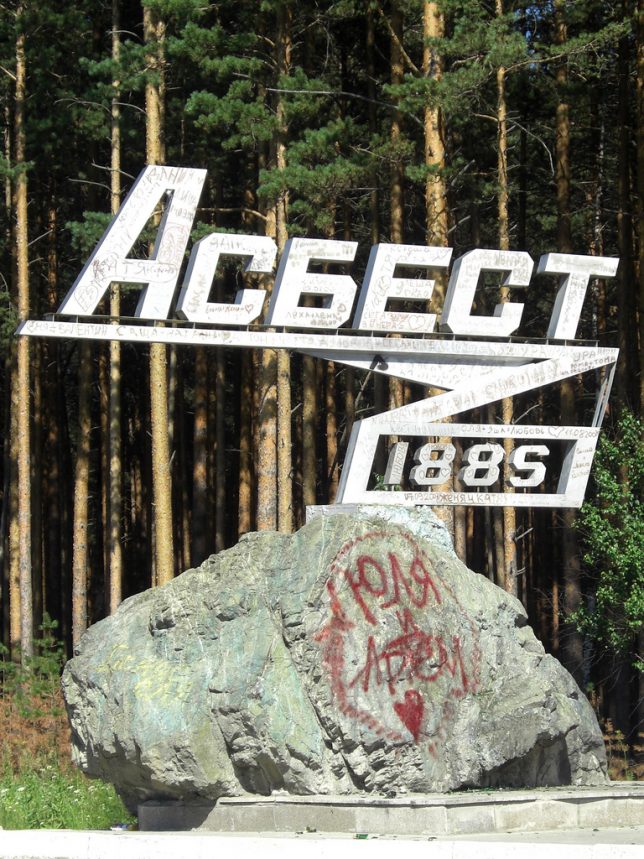
    “Asbest is my town and destiny”, proclaims the ominously prophetic welcome sign for the mining town of Asbest, founded in 1885. If you haven’t guessed yet, they extract asbestos there from a mine half the size of Manhattan and 1,000 feet deep – how about that, Todd Hoffman? Asbest‘s population has dropped from over 84,000 in 1989 to about 69,000 in 2010… we’re not sure why *cough*.

    Next Page – Click Below to Read More:
    Out Of Limits 15 Retro Futuristic Soviet Town Welcome Signs

    Share on Facebook


    [ By Steve in Design & Graphics & Branding. ]

    [ WebUrbanist | Archives | Galleries | Privacy | TOS ]

    WebUrbanist

  • Staggering Statues: 7 Monumental Wonders of the Former Soviet Union

    [ By SA Rogers in 7 Wonders Series & Travel. ]

    motherland calls statue

    Nobody could ever accuse the Soviets of being too modest in the scale of their monuments and colossal sculptures, and they left no shortage of absolutely bonkers concrete and stone creations all over their former territories. In addition to their strange yet beautiful sculptural rural bus stops and all of abstract alien-like monuments they constructed in what was once Yugoslavia, the Soviets took pride in erecting colossal figurative statues that range from awe-inspiring to downright scary.

    The Motherland Calls, Volgograd, Russia

    motherland calls statue 2

    motherland calls statue 3
    The tallest statue of a woman in the world when pedestals aren’t counted in total height, The Motherland Calls stands 279 feet from the top of its plinth to the tip of its sword, positioned on a hill near Mamayev Kurgan, Volgograd. In 1967, when it was dedicated, it was the tallest statue in the world, period. Built to commemorate the Battle of Stalingrad, one of the bloodiest clashes in human history, the statue is quite beautiful, but that elegant pose and the jaunty angle of the sword have proven to be a structural concern thanks to shifts in groundwater beneath it. Conservation work began in 2010 to ensure that the 7,900-ton creation remains upright despite not being fixed to its plinth.

    Monument of the Bulgarian-Soviet Friendship, Turna Hill, Bulgaria

    monument bulgarian friendship

    monument bulgarian friendship 2
    The blocky, cubist style of the figures on The Monument of the Bulgarian-Soviet Friendship is certainly distinctive, shared by a number of other Bulgarian monuments built in the same era (including the strikingly beautiful and bizarrely Transformer-like Shumen Monument). Unsurprisingly, the Russian soldiers on the right half of the monument stand taller than those of Bulgaria. Erected on Turna Hill, a historic battleground and the mass grave of soldiers lost to the Russian-Ottoman War, the monument was once covered in bronze elements that were quickly stripped and scrapped when the Soviet Union disbanded, and it’s been abandoned ever since. It’s made of over 10,000 tons of concrete and 1,000 tons of armature wire and was intended to be the end of a grand Communist boulevard that was never built.

    Colossal Courage, Belarus

    belarus courage

    belarus courage 2
    A stern stone soldier seemingly pops his colossal head out of a mound of stone to frown down at passersby visiting the ruins of Brest Fortress in Belarus, where the Red Army stubbornly held for days against a surprise Nazi attack in 1941 despite being dramatically outnumbered. A writer at CNN called the statue ugly and said it looked constipated back in 2010, and the nation of Belarus responded with outrage, noting that ‘Courage’ is a memorial to those who died. While most monuments in former Soviet territories are disused and sometimes disowned at this point, ‘Courage’ and Brest Fortress are a major point of pride for Belarus and remain a significant tourist attraction.

    Superhero-Style Astronaut Sculpture, Moscow, Russia

    yuri gagarin statue

    yuri gagarin statue 2

    Yuri Gagarin, Soviet cosmonaut and the first man in space, gets a superhero-style commemoration in the form of a 40-foot-tall titanium statue seemingly ready to shoot off into the sky. Erected on Moscow’s Leninsky Avenue in 1980, not far from Lenin’s own mausoleum, the statue features a 90-foot granite pedestal. Gagarin’s first-ever trip to outer space lasted only 108 minutes, and though he escaped death as a backup cosmonaut for the ill-fated Soyuz-1 in 1967, he ultimately died during a routine training flight in 1968. His ashes are embedded into the wall of the Kremlin of Red Square in Moscow.

    Next Page – Click Below to Read More:
    Staggering Statues 7 Monumental Wonders Of The Former Soviet Union

    Share on Facebook


    [ By SA Rogers in 7 Wonders Series & Travel. ]

    [ WebUrbanist | Archives | Galleries | Privacy | TOS ]

    WebUrbanist

  • Unfree Wheeling: Amusingly Surreal Vintage Soviet Auto Ads

    [ By Steve in Culture & History & Travel. ]

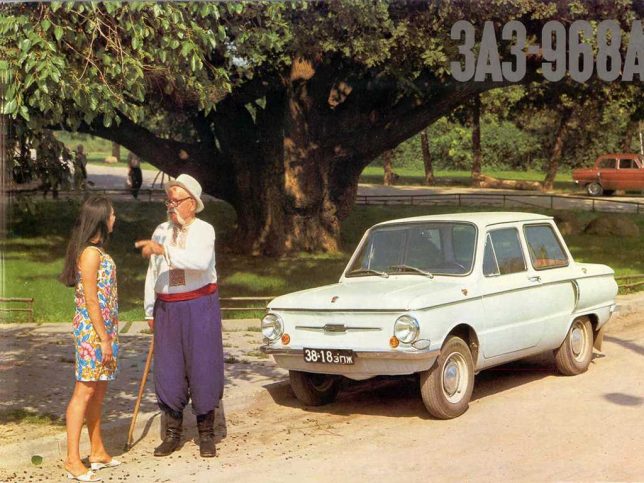
    soviet-auto-ad-zaz968-2

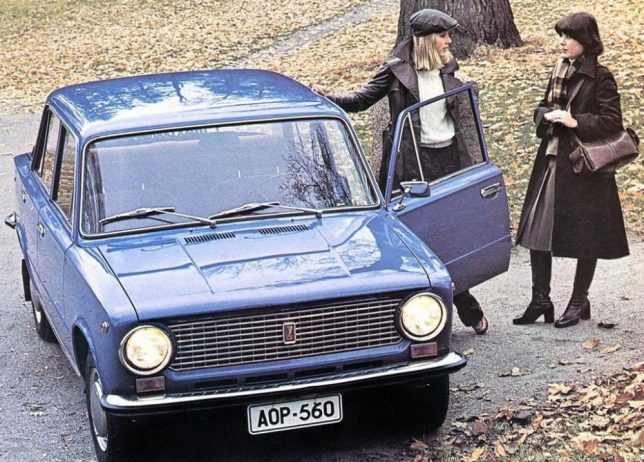
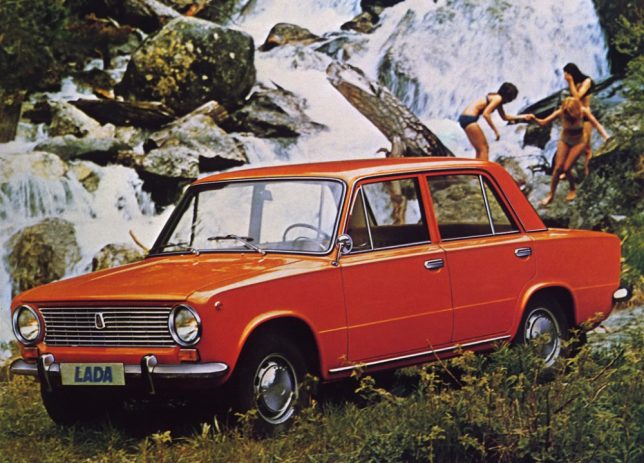
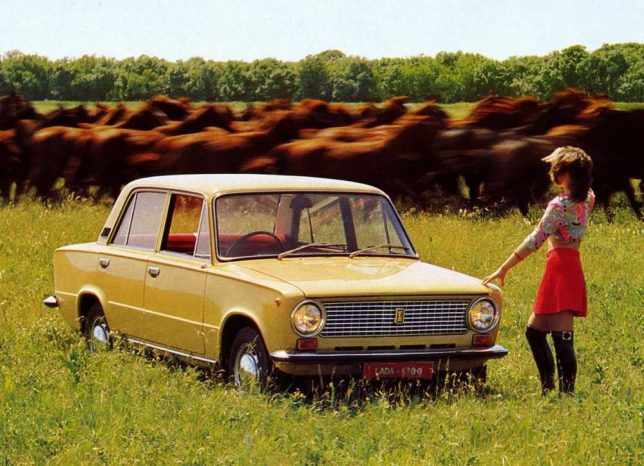
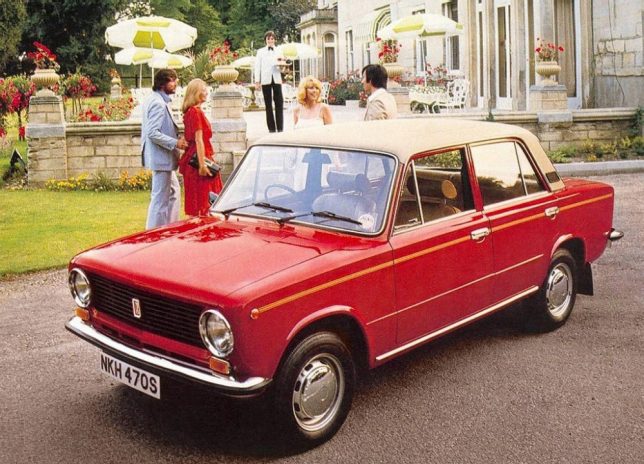
    The Soviet Union not only manufactured cars, they exported them to buyers charmed (or duped) by some amusingly and bemusingly photographed advertisements.

    soviet-auto-ad-zaz968-4

    soviet-auto-ad-zaz968-1

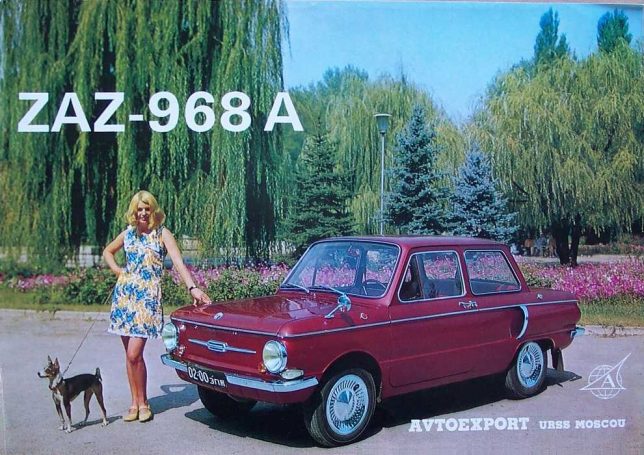
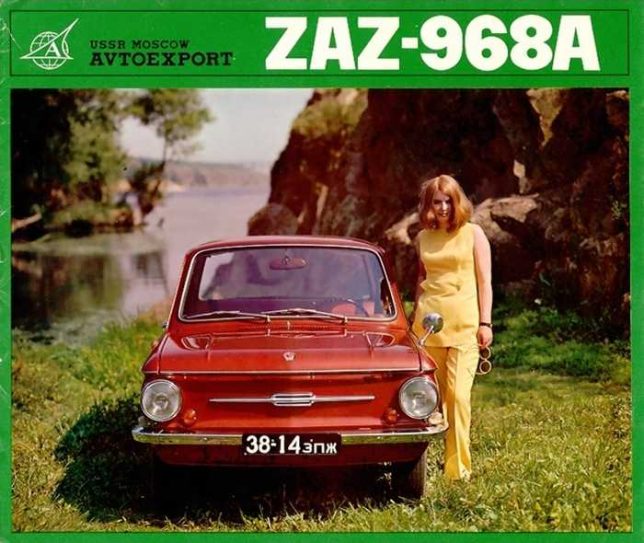
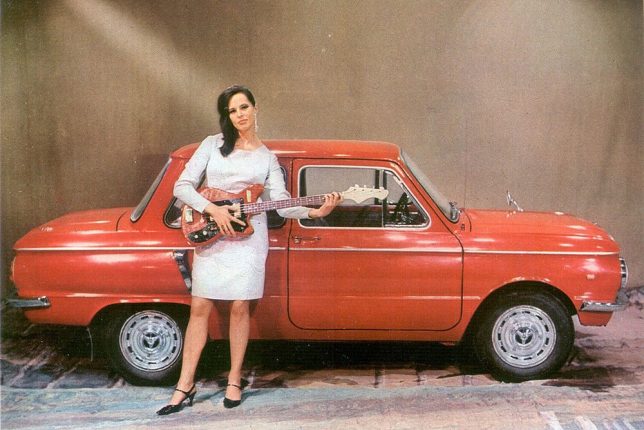
    Putin the pedal to the metal lately? Don’t let the jet-fighter-like rear fender air intakes fool you, the ZAZ-968 “Zaporozhets” wasn’t exactly a muscle car even by Soviet standards. Built at the Zaporizhian Automobile Factory in Melitopol, Ukrainian SSR from 1971 through 1980, the ZAZ-968 was propelled by a 40hp air-cooled V4 engine mounted in the rear. Export versions were upgraded with international-spec headlights, a safety glass windscreen and an anti-theft steering lock which was rarely, if ever, tested.

    soviet-auto-ad-zaz968-3

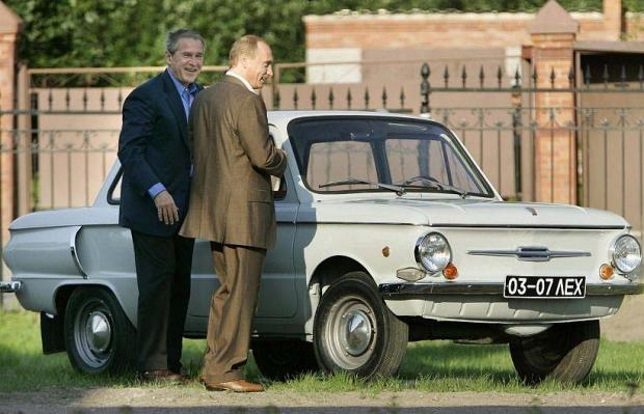
    soviet-auto-ad-zaz968-putin

    Wonder if that guitar-playing model knows “Back In The USSR”. Designed to be a “people’s car” that was sturdy yet affordable, the Zaporozhets is fondly recalled by Russians of a certain age… including some guy named Vladimir Putin. According to the Russian President’s official website, Putin’s mother won a ZAZ-968 in a lottery when young Vlad was a third year university student. His parents then gave the car to Putin – no word if he frequently drove it shirtless.

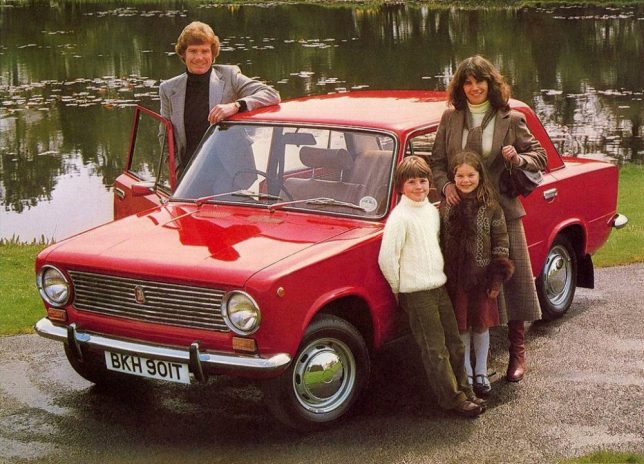
    Whole LADA Love

    soviet-auto-ad-lada-2

    soviet-auto-ad-lada-1

    soviet-auto-ad-lada-3

    soviet-auto-ad-lada-4

    soviet-auto-ad-lada-5

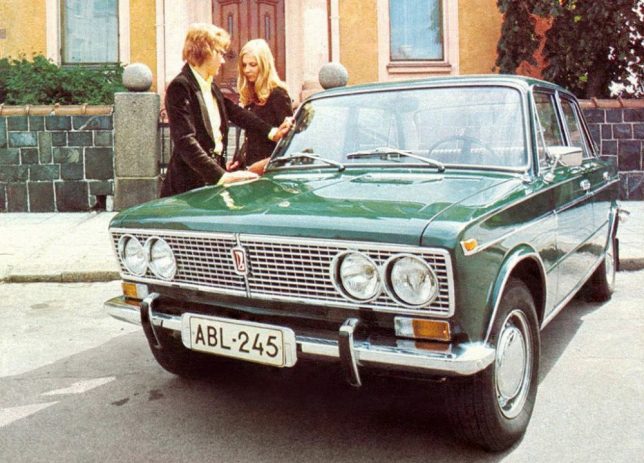
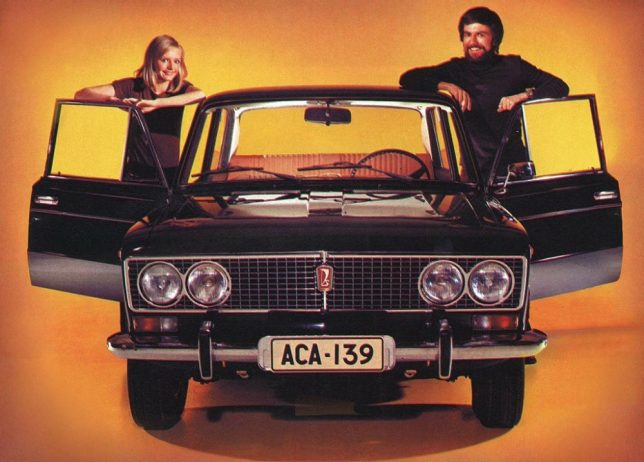
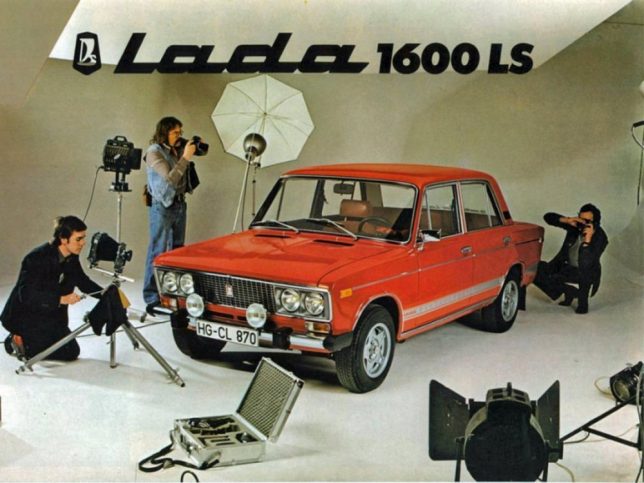
    Russian car manufacturer AvtoVAZ, based in Tolyatti, Samara Oblast based their boxy Lada Classic on the mid-sixties Fiat 124 sedan. Between 1966 and 2012, over 20 million Classic sedans and station wagons had been sold without the vehicle undergoing a major design change. Dig that groovy vinyl roof on the last ad above; it kinda breaks up the Red Square look.

    soviet-auto-ad-lada-4headlights-1

    soviet-auto-ad-lada-4headlights-2

    soviet-auto-ad-lada-4headlights-3

    About 60% of all Lada Classics were exported to both East Bloc and West Bloc nations – the USA being a notable exception; Americans had to wait for the Yugo to “enjoy” owning a workers-paradise-made copy of a Fiat. Note what appears to be (at first glance) a Soviet laptop computer in the faux photoshoot ad above.

    soviet-auto-ad-lada-samara

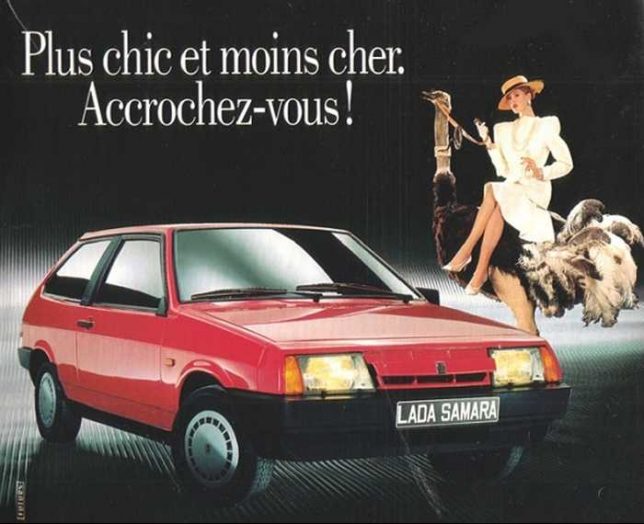
    AvtoVAZ introduced the VAZ-2108 in 1984 with export versions named Samara and domestic market cars labeled Sputnik – hey, Plymouth had a Satellite so why not? The French copy on the ad above translates to “More stylish and less expensive. Hold on! Yeah, hold on to your wallet.

    Next Page – Click Below to Read More:
    Unfree Wheeling Amusingly Surreal Vintage Soviet Auto Ads

    Share on Facebook


    [ By Steve in Culture & History & Travel. ]

    [ WebUrbanist | Archives | Galleries | Privacy | TOS ]

    WebUrbanist

  • Blood Red: 30 Vintage Soviet Accident Prevention Posters

    [ By Steve in Design & Graphics & Branding. ]

    soviet-accident-prevention-poster-0
    In Soviet Russia, accident prevent you! That’s the message rendered in classic commie-propaganda style via these thirty soviet accident prevention posters.

    soviet-accident-prevention-poster-1

    soviet-accident-prevention-poster-3

    Graphic workplace accident prevention posters are nothing new, neither are they the purview of any one nation. That said, this selection of vintage Soviet accident prevention posters reflects a period in Russian history that was drenched in blood, sorrow, violence and loss – and not only on the factory floor.

    soviet-accident-prevention-poster-2

    soviet-accident-prevention-poster-4

    soviet-accident-prevention-poster-5

    Oleg Atbashian, a former citizen of the Soviet Union who moved to the United States in 1994, doesn’t recall ever seeing these horrifying-to-the-point-of-being-comical posters. Atbashian worked as a metal worker apprentice at a large Ukrainian factory when he was a teenager and later, as a visual agitprop (agitation and propaganda) artist specializing in posters directed at construction workers. Atbashian was in the right place; just at the wrong time.

    soviet-accident-prevention-poster-6

    soviet-accident-prevention-poster-7

    soviet-accident-prevention-poster-8

    Indeed, Atbashian’s USSR of the 1970s was quite a different place from the fledgling “communist paradise” of Lenin and Stalin. “They (the posters) reflect the zeitgeist of a completely different, less sensitive generation of Soviet citizens,” explains Atbashian, “who were so used to being disciplined, humiliated, and terrorized by the authorities that the least of their concerns would be to question some silly presumptive posters that described them as a herd of bumbling idiots being gored by machinery.” Geez Oleg, tell us what you really think!

    soviet-accident-prevention-poster-30

    soviet-accident-prevention-poster-13

    Just as the communist system of government represented a clean break from the Czarist regimes which preceded it, graphic art in the nascent Soviet Union aspired to blaze a new trail in lockstep with the policies and philosophies of the Red Revolution.

    Next Page – Click Below to Read More:
    Blood Red 30 Vintage Soviet Accident Prevention Posters

    Share on Facebook


    [ By Steve in Design & Graphics & Branding. ]

    [ WebUrbanist | Archives | Galleries | Privacy | TOS ]

    WebUrbanist

  • Brutalist but Beautiful: 12 Spacey Sci-Fi Soviet Structures

    [ By Steph in Abandoned Places & Architecture. ]

    bulgaria-communist-monument

    The single most divisive architectural movement, Brutalism is harsh, jagged and geometric, calling to mind massive concrete spaceships – and nobody did it better (or stranger) than the Soviets. Some people say that these stark structures, which were most popular in communist countries, are too cold to be beautiful, but they often manage to be both sculptural and unapologetically utilitarian at once.

    Abandoned Circus, Chisinau, Moldova

    brutalist circus

    brutalist circus 2

    brutalist circus 3

    (images: abandoned journey)

    This incredible abandoned circus in Moldova’s capital city remains surprisingly intact inside, decades after a revolution and political upheaval destroyed the small nation’s economy and rendered such structures unusable. Hank Snaffler of Abandoned Journey traveled to Chisinau and got inside, taking a striking series of photographs that give us an idea of just how magnificent the building must have been at its prime.

    Palace of Ceremonies, Tbilisi, Georgia

    brutalist palace of ceremonies

    (images: frederic chaubin)

    Crowning a hilltop in Tbilisi, Georgia, the Palace of Ceremonies could easily stand in for a mythical castle in a futuristic fantasy movie made in the 1970s. It was built as a secular wedding venue by the Soviets, and still performs that function today. The Palace of Ceremonies is one of dozens of stunning Soviet Brutalist buildings captured on film by French photographer Frédéric Chain for his book ‘CCCP: Cosmic Communist Constructions Photographed.’ Chaubin began traveling throughout the former Soviet Union in 2003, ultimately photographing 90 buildings in fourteen former Soviet Republics.

    Druzhba Holiday Center Hal, Yalta

    brutalist druzhba

    CIT38 ARCHI SOV 18

    CIT38 ARCHI SOV 18

    (image: frederic chaubin)

    When this joint creation of the Russians and the Czechs was built in 1984 to pay tribute to space exploration, Czechoslovakia was the only nation that had sent a man to space with a Russian launcher. Rising from the ground on pillars, the circular Druzhba Holiday Center was so strange, the United States Department of Defense was worried it was some kind of functioning rocket launcher. In reality, it was just a summer camp.

    Georgia Ministry of Highways, Tbilisi

    brutalist georgian ministry

    (image: frederic chaubin)

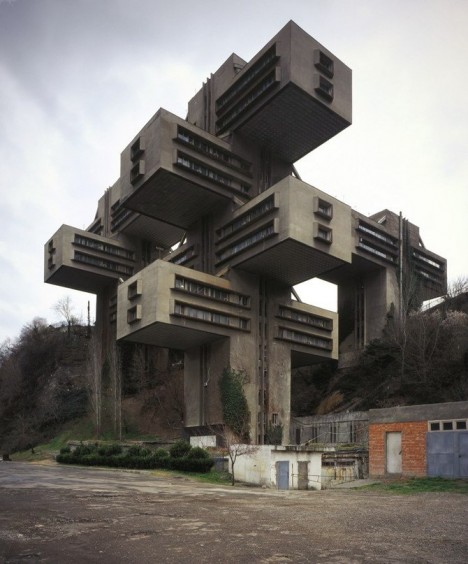
    A Jenga-like stack of concrete rectangles looms rather ominously on the outskirts of Tbilisi in Georgia, bringing together Brutalism and Russian constructivism into one strange structure. The 18-story building is lifted off the ground to enable nature to proliferate below it. Built as the headquarters for the Georgian Ministry of Highways, it was abandoned for a while before being renovated by the Bank of Georgia in 2007.

    Shumen Monument, Bulgaria

    brutalist shumen

    brutalist shumen 2

    shumen monument 3

    (images: yomadic)

    The sheer scale of the Monument to 1300 Years of Bulgaria, especially with all of the harsh lines on those statues embedded into the walls, arguably makes it one of the most impressive Soviet structures and one that will likely still stand as imposing as it looks today many centuries into the future. Towering 230 feet into the air, it’s officially the heaviest Communist monument and has been well maintained. It’s captured here by the blog Yomadic.

    Het Poplakov Cafe, Ukraine

    brutalist het poplakov cafe

    (image: frederic chaubin)

    Built in 1976, the Het Ppoplakov Cafe in Ukraine seems to hover above the surface of the water, perfectly doubled in its reflection, looking like nothing more than a flying saucer that has remained stationary and earthbound for decades.

    Polytechnic Institute of Minsk, Belarus

    brutalist polytechnic

    (image: frederic chaubin)

    A series of stacked lecture theaters call to mind the decks of a cruise ship in the long and narrow Polytechnic Institute of Minsk in Belarus, built in 1983.

    Monument of the Bulgarian-Soviet Friendship, Varna, Bulgaria

    brutalist bulgarian monument

    brutalist bulgarian monument 2

    brutalist bulgarian monument 3

    (images: yomadic, bohemian blog)

    The Monument of the Bulgarian-Soviet Friendship in Varna is actually a nuclear bunker and is made of over 10,000 tons of concrete and 1000 tons of armature wire. Standing atop a mass grave of soldiers lost to the Russian-Ottoman War, it was built at the end of a grand boulevard designed to run through the city for Communist parades and other celebrations, though this boulevard was never completed. The Bohemian Blog has a haunting series of images of this structure in its abandoned and vandalized state.

    (more…)

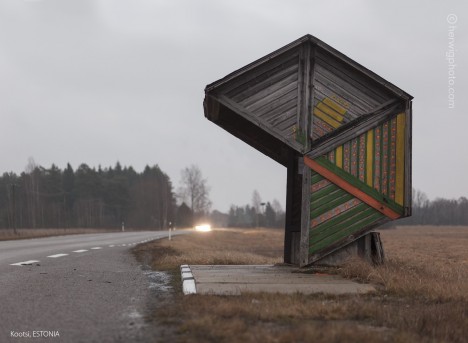
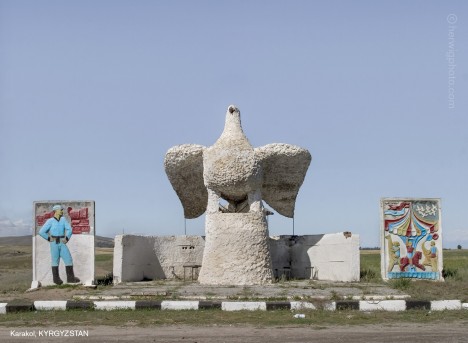
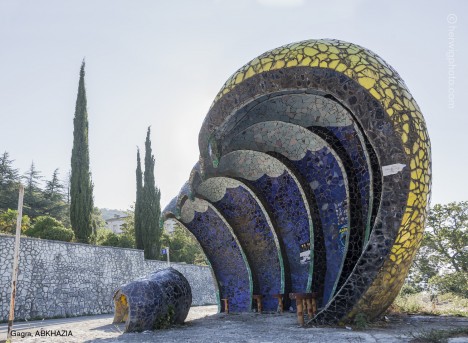
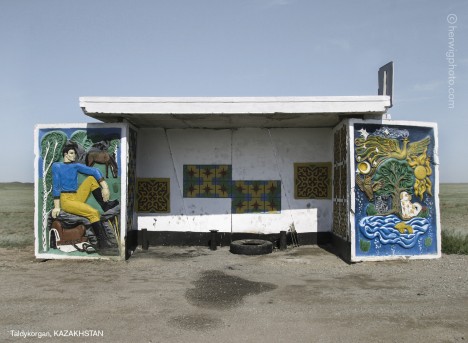
  • Soviet Bus Stops: Surreal Architectural Roadside Wonders

    [ By Steph in Destinations & Sights & Travel. ]

    soviet bus stops 1

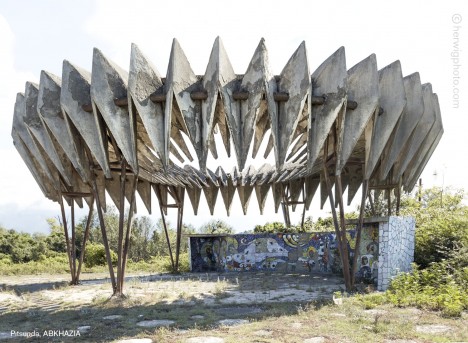
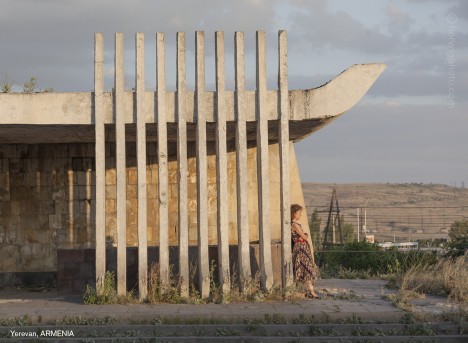
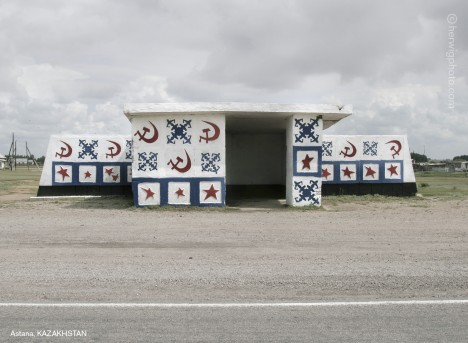
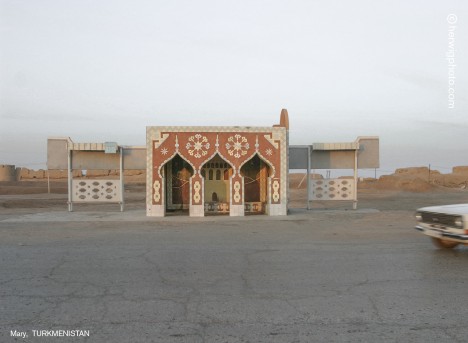
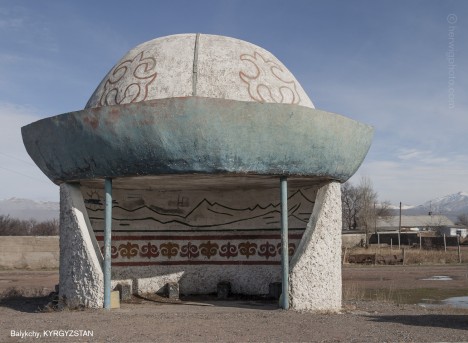
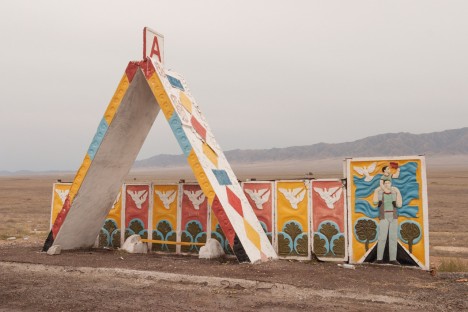
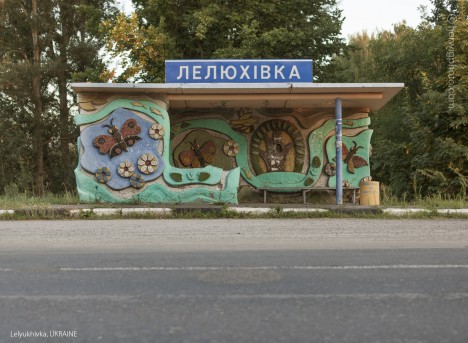
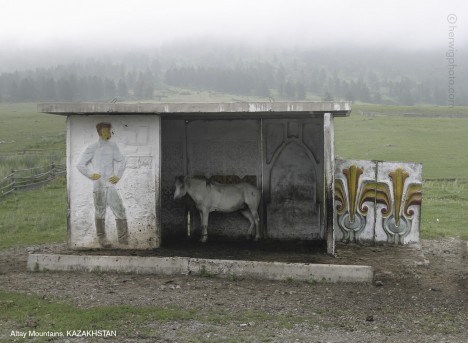
    Standing stark against silent desert backdrops like sculptures made for Burning Man, these leftover Soviet structures are actually bus stops scattered throughout one of the most sparsely populated regions on Earth. Photographer Christopher Herwig followed bus routes from Estonia to Armenia to photograph odd little roadside shelters in former Soviet satellite states for a new book.

    soviet bus stops 8

    soviet bus stops 12

    ‘SOVIET BUS STOPS’ chronicles dozens of these entirely unique and surprisingly artistic structures in 157 color photographs, exploring the bus pavilion as its own architectural form. “There is a certain amount of [utilitarianism] here,” reads the foreword by Jonathan Meades. “But it is atypical. The norm is wild going on savage. Just as follies were, in the 18th century, often try-outs for new architectural styles, so may some of these wayward roadside punctuation marks have been structural or aesthetic experiments; they certainly don’t lack grandeur and audacity.”

    soviet bus stops 5

    soviet bus stops 4

    soviet bus stops 3

    Herwig first discovered the strange beauty of these huts on a long-distance bike ride from London to St. Petersburg in 2002. Designed by local artists, seemingly without any restrictions from the government providing the money, each one displays a bit of the character of the town in which it stands.

    soviet bus stops 11

    soviet bus stops 10

    soviet bus stops 9

    Throughout his journey, which took him to 13 countries and through territories that are rarely traversed by tourists, Herwig reports that he was occasionally accused of being a spy. The photographer scoured maps, Google Earth and traveler’s blogs for clues to find many of the shelters, which appear to be in exceptionally good shape for their age.

    soviet bus stops 2

    soviet bus stops 6

    soviet bus stops 7

    Twelve years in the making, the photos were originally published in a limited-edition, sold-out version of the book, which is now available in an expanded, smaller-format trade edition. 


    Share on Facebook


    [ By Steph in Destinations & Sights & Travel. ]

    [ WebUrbanist | Archives | Galleries | Privacy | TOS ]

    WebUrbanist

  • Soviet animation: The Tree and the Cat (+ Eng. subtitles)

    Made at Kievnauchfilm, 1983. A trully great studio which no longer exists. animator.ru How I miss films like this! I highly recommend buying the DVD shown at the bottom of the above link; it is full of such great films (though without subtitles, unfortunately). The DVD is called “????????? ???????”, though I am not sure if any stores which sell it ship internationally. If anyone needs the subtitles for this one separately, please send me a message.
    Video Rating: 4 / 5

    Check out more at www.aniboom.com . Have you ever had a mirage? And has this ever happened to you? Animation by Kris K www.aniboom.com Follow Aniboom: Facebook: www.facebook.com Twitter: www.twitter.com MySpace: www.myspace.com Aniboom Blog: www.aniboom.com Ifyou liked this animation, don’t forget to subscribe, you know you want to . The Aniboom Contests: Vote now for the Aniboom’s Marvel Motion Comics Competition www.aniboom.com Aniboom-Fox Holiday Animation Challenge www.aniboom.com and The People Speak Competition Presented by Aniboom and HISTORY. www.aniboom.com
    Video Rating: 4 / 5