Tag: Soil

  • Desert Farm Grows Food Without Soil, Groundwater, Fuel or Pesticides

    [ By WebUrbanist in Architecture & Offices & Commercial. ]
    sundrop-farm-aerial-view

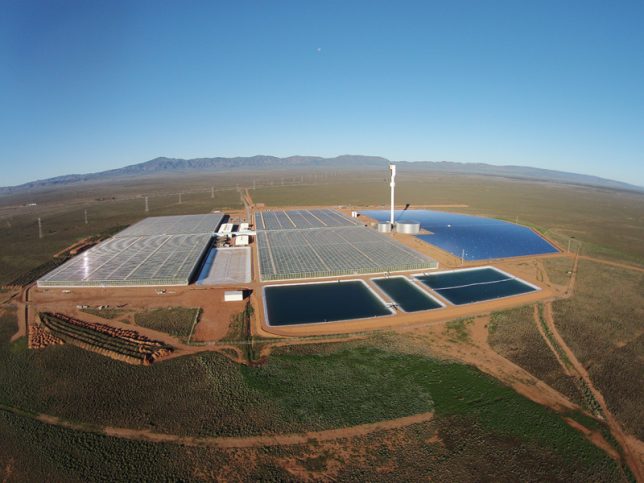
    Using the sun and the sea, renewable sources of energy and water, a desert farming operation in Australia show how organic food in a fresh new and sustainable way.

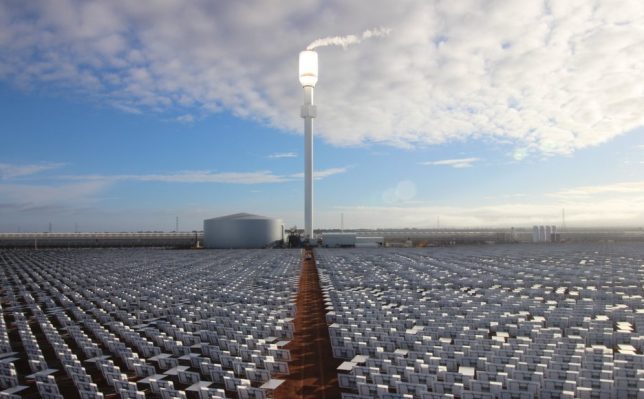
    The soil-free hydroponic systems of Sundrop Farms use solar energy to filter brackish water for use on crops, growing 17,000 metric tons of food annually. The sun’s energy also powers, heats and cools the greenhouses as needed, reflected via a series of 23,000 mirrors. In contrast, a “conventional greenhouse uses groundwater for irrigation, gas for heating, and electricity for cooling.”
    sundrop-farm-tomato-row

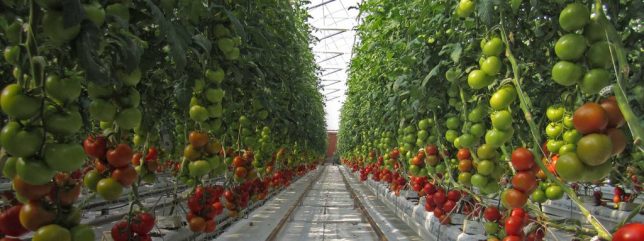
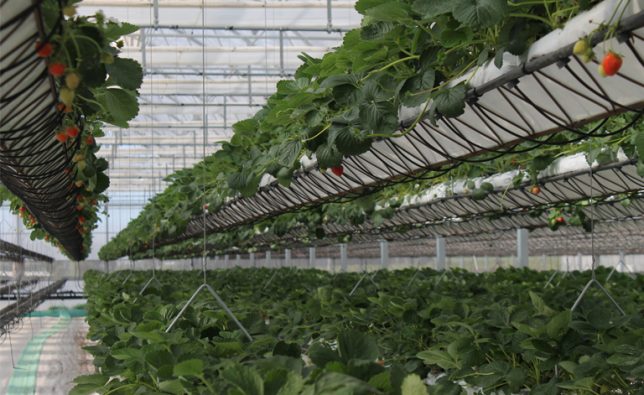
    The “plants are grown hydroponically, which is the technical way of saying we don’t use soil. Our plants flourish on nutrient-rich coconut husks instead.” Additional climate and irrigation controls allow the farm to maximize outputs with minimized inputs.
    sundrop-farm-solar-tower

    The desert location as well as natural control strategies allow Sundrop to accomplish their goals without harmful, expensive or polluting inputs as well. “Unlike traditional agriculture we use no fertilizers and no weed killers. We control plant eating bugs with carnivorous ones, just the way nature intended.”
    sundrop-farms-hydroponics

    Sundrop’s success illustrates the possibilities of working in a world where water, land and energy are all scarce and valuable. Moreover, the farm shows that fruits and vegetables can be produced year-round in any conditions thanks to hydroponics and green energy, from rural wastelands to urban food deserts.

    “Because we do everything in a controlled environment, we know what our input costs are, and we’re doing everything on a renewable basis, we can provide real consistency of supply and a higher quality product at a better price year ’round,” said Philipp Saumweber, chairman and CEO of Sundrop Farms.
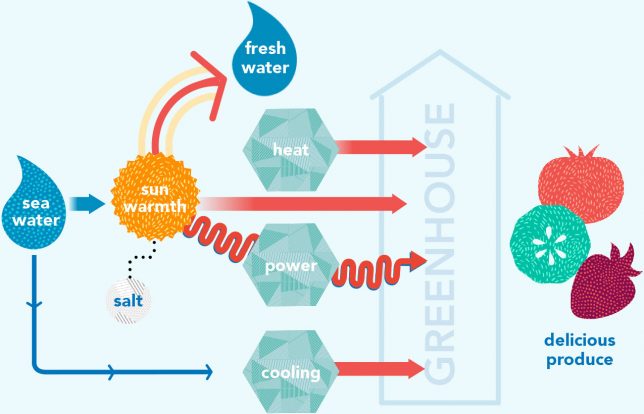
    sundrop-farm-systems

    “Existing farming practices are unsustainable,” explains Sundrop. They generally use fossil fuels, excessive groundwater and require appropriate soil and weather conditions. “Yet by 2050 rising populations will see a 50% increase in food demand. Climate change is increasing the number and the severity of catastrophic weather events. And water scarcity is becoming more acute in arid regions. We need to look at alternative ways to create energy and to produce food. That’s no longer a preferred option but a necessity. Fortunately however, things are starting to change.”

    Share on Facebook


    [ By WebUrbanist in Architecture & Offices & Commercial. ]

    [ WebUrbanist | Archives | Galleries | Privacy | TOS ]


    WebUrbanist

  • Lunar Soil Structures: 3D-Printing Dwellings on the Moon

    [ By WebUrbanist in Conceptual & Futuristic & Technology. ]

    3d printed space base

    One of the biggest challenges of settlements in space is the cost of transporting materials and technologies for construction, a problem addressed beautifully via 3D printing technology in this architectural proposal (currently being prototyped on Earth).

    3d robot space printer

    The design by Foster + Partners (in conjunction with the European Space Agency) uses a minimum of imported materials – mainly: an inflatable core, pumped up into domes and tunnels on site.

    3d base concept prototype

    Yet despite its simplicity, the project addresses everything from extreme temperature fluctuations to gamma radiation in this ingenious multi-person dwelling, effectively allowing humans to bypass the need to burrow below the surface while still using it effectively as a shield.

    3d space home model

    The man-made domes at the center of the concept are augmented by 3D-printed material derived from locally-sourced soil – a concrete-style foam substance providing stability, safety and structural support.

    Share on Facebook


    [ By WebUrbanist in Conceptual & Futuristic & Technology. ]

    [ WebUrbanist | Archives | Galleries | Privacy | TOS ]


    WebUrbanist

  • Lunar Soil Structures: 3D-Printing Dwellings on the Moon

    [ By WebUrbanist in Conceptual & Futuristic & Technology. ]

    3d printed space base

    One of the biggest challenges of settlements in space is the cost of transporting materials and technologies for construction, a problem addressed beautifully via 3D printing technology in this architectural proposal (currently being prototyped on Earth).

    3d robot space printer

    The design by Foster + Partners (in conjunction with the European Space Agency) uses a minimum of imported materials – mainly: an inflatable core, pumped up into domes and tunnels on site.

    3d base concept prototype

    Yet despite its simplicity, the project addresses everything from extreme temperature fluctuations to gamma radiation in this ingenious multi-person dwelling, effectively allowing humans to bypass the need to burrow below the surface while still using it effectively as a shield.

    3d space home model

    The man-made domes at the center of the concept are augmented by 3D-printed material derived from locally-sourced soil – a concrete-style foam substance providing stability, safety and structural support.

    Share on Facebook


    [ By WebUrbanist in Conceptual & Futuristic & Technology. ]

    [ WebUrbanist | Archives | Galleries | Privacy | TOS ]


    WebUrbanist

  • Lunar Soil Structures: 3D-Printing Dwellings on the Moon

    [ By WebUrbanist in Conceptual & Futuristic & Technology. ]

    3d printed space base

    One of the biggest challenges of settlements in space is the cost of transporting materials and technologies for construction, a problem addressed beautifully via 3D printing technology in this architectural proposal (currently being prototyped on Earth).

    3d robot space printer

    The design by Foster + Partners (in conjunction with the European Space Agency) uses a minimum of imported materials – mainly: an inflatable core, pumped up into domes and tunnels on site.

    3d base concept prototype

    Yet despite its simplicity, the project addresses everything from extreme temperature fluctuations to gamma radiation in this ingenious multi-person dwelling, effectively allowing humans to bypass the need to burrow below the surface while still using it effectively as a shield.

    3d space home model

    The man-made domes at the center of the concept are augmented by 3D-printed material derived from locally-sourced soil – a concrete-style foam substance providing stability, safety and structural support.

    Share on Facebook


    [ By WebUrbanist in Conceptual & Futuristic & Technology. ]

    [ WebUrbanist | Archives | Galleries | Privacy | TOS ]


    WebUrbanist

  • Lecture – 10 Soil Mechanics

    Lecture Series on Soil Mechanics by Prof.BVS Viswanadham and Prof. G. Venkatachalam, Department of Civil Engineering, IIT Bombay. For more details on NPTEL visit nptel.iitm.ac.in.

    Lecture Series on Soil Mechanics by Prof.BVS Viswanadham and Prof. G. Venkatachalam, Department of Civil Engineering, IIT Bombay. For more details on NPTEL visit nptel.iitm.ac.in.
    Video Rating: 5 / 5