Tag: sign

  • Is the Olympus Sale a Sign of Things to Come for Other Camera Companies?

    The post Is the Olympus Sale a Sign of Things to Come for Other Camera Companies? appeared first on Digital Photography School. It was authored by Carl Spring.

    A long time ago (in a galaxy far, far away, or 2014, as most would call it), when I first started writing about photography, I created an article on my photography predictions for 2015.

    In that article, I wrote about how one or more manufacturers would stop producing cameras. I specifically named Olympus (and Pentax) as companies I could see not surviving long-term. My prediction has unfortunately come true with the recent Olympus sale (six years later, but I was still right!).

    This history lesson shows two things:

    1. Talk of camera manufacturers not surviving has been around forever.
    2. Eventually, some camera companies will fall victim to the ever-shrinking photography market. 

    After years of rumors and denials, June 2020 saw the sale of Olympus to Japan Industrial Partners (JIP). This is the same firm that acquired Sony’s VAIO PC business back in 2014. It now seems (although it’s yet to be confirmed) that JIP will most likely be dropping the name “Olympus.”

    The sad loss of Olympus shows that digital cameras are an ever-decreasing market and begs the question:

    Is Olympus a one-off? Or is the Olympus sale a sign of things to come?

    A lifestyle shot of an Olympus OMD camera Olympus sale
    Unfortunately, it will not be long before we no longer see the name Olympus on a camera.

    A small caveat

    For this article, I will simply concern myself with digital camera divisions. I know that companies such as Nikon and Canon have huge businesses outside of cameras, but that doesn’t mean they won’t close their digital camera divisions if they become financially unviable.

    What is happening to digital camera sales?

    Digital camera sales are still in decline.

    To give you a sobering statistic, over 98% of all digital cameras sold are smartphones. As cameras in phones continue to improve, the small percentage of compact digital camera sales will more than likely continue to shrink to zero.

    But there will always be a market for more serious digital cameras. Such cameras are aimed at those of us who enjoy photography beyond a snapshot. For those who photograph either for a hobby or an income, there will always be the need for a larger camera with more advanced features. 

    That said, figures are continuing to trend downward and are not looking good. There are Japanese analysts who are saying that, unless the industry rapidly changes, it will begin to collapse. How true this is depends on several factors, but one thing is for sure:

    We are heading toward rock bottom.

    Samsung Smartphone camera
    The quality of phone cameras means the compact camera market is shrinking rapidly.

    The Corona effect

    A recent report by Slackline showed that the camera industry has been hit incredibly hard by COVID-19. The camera market came in at number three on a list of the top 100 fastest-declining e-commerce categories in 2020 (only beaten by luggage and briefcases).

    The reason for this is obvious:

    People are not traveling or attending events for which they could justify the purchase of a new camera. Add to this many professionals who are simply not upgrading due to a major drop in income, and you are seeing a perfect storm for any camera company that may be struggling financially.

    An Olympus camera held by a woman wearing a Miami T Shirt
    The perfect holiday camera, if only we could go on holiday.

    We are about to hit rock bottom

    Back in 2019, Canon president Fujio Mitarai talked about the continuing drop in sales and the expectation that, in two years, the market would drop by around 50%.

    Canon estimates that the total market will be about six to eight million prosumer and professional cameras. In 2019, when Mitarai made his statement, the sales of interchangeable lens cameras were estimated to be around 10 million.

    When you see figures like that, it is hard to imagine every camera brand still being able to compete.

    But who will dominate? And who will be left to follow the route of Olympus?

    King Canon

    A while back, I said that Nikon & Canon could go the way of Kodak.

    But right now, it definitely doesn’t look like Canon is going anywhere. Figures published by Nikkei show that, in 2020, Canon owns 45.4% of the market.

    Canon was late to mirrorless technology, and many (myself included) thought the EOS R and EOS RP were subpar compared to what Sony was putting out. However, Canon had huge success with the 5D line, as well as cameras such as the 7D. This meant that many were still happy with their bodies and would only be purchasing lenses, flashes, etc.

    It was a misstep by Canon to underestimate mirrorless, but honestly, it didn’t hurt them too much. The sales of the EOS R and RP showed that Canon has a loyal and longstanding fanbase. 

    Add to this the release of the EOS R5 and EOS R6, as well as their success (overheating aside), I cannot see Canon losing its market share in the next 12-24 months. So if Canon is safe, who is most at risk?

    The Canon EOS R5 camera
    Canon’s hottest release, the R5, sees the company continuing to dominate the market.

    We need to talk about Pentax

    Pentax’s stubborn refusal to move away from the DSLR is a potential sign that they may be heading for significant trouble in the very near future.

    In 2020, the company’s statement of “Pentax believes in the future of DSLR photography” seems crazy. The sale of DSLR cameras has dropped massively since 2017.

    Reading that first statement, you may think I am bashing Pentax’s managerial decisions, but I feel the problem may lurk a little deeper.

    You see, I don’t think Pentax currently has the budget to develop a mirrorless camera from scratch. They have reached a point where they would need significant time and effort to do this, which comes at a significant cost.

    Also, part of their recent brand statement was this line:

    “When you take a picture with a single-lens reflex (SLR) camera, the light passes through the lens and, in turn, the optical viewfinder. You view the image directly with your eyes, and feel it with your heart.”

    This reminded me of Fuji’s “Pure Photography” vision at the launch of the X-Pro3. Could this mean that Pentax is aiming for a niche of customers who will want to continue to use DSLRs? It certainly could be a strategy, but I am not sure how this will work in practice. I don’t think there will be enough DSLR sales to allow this to work. Even if it does, it will seemingly lead to tiny R&D budgets.

    Whether it is down to budget or that Pentax truly believes in their vision and wants to create a niche, who knows? One thing that we do know is that the market has moved to mirrorless. By refusing to move with it, Pentax looks too far behind to come back, which is sad to see. 

    I truly feel that, as a company, Pentax will slowly fade into obscurity and then close its camera division.

     A Pentax camera in rugged conditions
    Will the decision to stick to DSLRs hurt Pentax?

    Could one of the big companies follow?

    The obvious point this leads to is whether one of the bigger companies will eventually fall. I think it is a case of, “While that is unlikely, nobody is too big to fail.”

    The way Nikon has been overtaken in camera sales by Sony signifies a shift in the market. Nikon is set to release a new flagship mirrorless camera very soon, which will likely keep them comfortable for a while.

    Here’s the longer-term question, though:

    Will the market sustain three major players?

    If the answer is “No,” then you would have to say, simply based on recent performance, Nikon looks to be the most likely to fade away. 

    I feel the Fab Five of Canon, Sony, Nikon, Fujifilm, and Panasonic are here to stay. All of them are releasing amazing cameras and pushing things forward.

    However, I feel that, over time, the market will be dominated by Canon and Sony, with Nikon starting to compete with brands such as Panasonic instead of the new Big Two.

    That said, if the leaks about the upcoming Nikon releases are true, I may have to eat my words. 

    The high-end specialists

    The decline in sales to professionals due to COVID may be posing big issues for brands such as Hasselblad and Phase One. These companies’ main market is almost exclusively professionals who need the very best quality images. Again, the coronavirus issues will be having an effect on sales.

    Could this be enough to topple one of these companies? I honestly don’t know, as they play their cards very close to their chests. But there was something I found during my research for this piece that did make me think that all may not be perfect in Hasselblad land.

    In a 2019 interview, Hasselblad’s head of sales for Europe, Uwe Moebus, said: “There are fewer professional photographers and it is getting harder and harder for professionals to make decent money.” He then spoke of the desire for amateurs to start using Hasselblad.

    These comments hint at a shrinking market for Hasselblad and its need to diversify. With COVID, we will have to assume that this will not have gone as well as hoped and could be the sign of problems to come. 

    Hasselblad might struggle after the Olympus sale
    Does Hasselblad really need the amateur market?

    Video is key if you want to keep up

    While photography seemingly continues to decline, the video market is continuously buoyant in comparison.

    This is due to YouTube being the new TV and the large number of YouTube channels popping up everywhere. There is also a market for crash cams in major film production. The idea of destroying a brand new camera is heartbreaking for most of us. However, when on a Hollywood budget, a relatively cheap camera that can be used with little regard to its survival (except for the memory card) is perfect for the job. This is a growing market for camera manufacturers.   

    The fact that Netflix has approved the use of the Panasonic S1H as a production camera creates a market that goes way beyond photographers and YouTube creators. 

    Sony has always been great with video; it is a huge reason for their success. The release of the 12-megapixel a7S III shows Sony releasing mirrorless cameras for video first (if not almost entirely). Obviously, this has become a hot topic (bad pun intended) with the Canon EOS R5. As a stills camera, everyone agrees it is a masterpiece. However, Canon marketed it almost solely based on its video features. All of the complaints, problems, and potential boycotts are based on this.

    When shooting in 8K, you can extract a 35-megapixel still frame from the footage. In a field such as headshot photography, where you are looking for the perfect expression, you can now capture 30 shots per second, continuously. Shoot a minute of video, skim through until you find the perfect expression, then export the frame as a large megapixel file. This may well become the future for certain types of photography.

    An a7SIII video rig ready to use on set
    Sony’s video-first stance is clear to see.

    How a decreasing market will be bad for consumers

    Those of you reading this are probably part of the shrinking market segment that will continue to buy interchangeable lens cameras.

    However, while the market and consumer needs will dictate which companies survive and which fall, the fact is that the Olympus sale will impact the whole industry. 

    While I feel that technological developments will continue, budgets for research and development will be cut. Fewer camera sales mean less ability for the engineering departments to push new technology. This may lead to a future with new models having smaller, more incremental updates rather than exciting, huge leaps forward in camera technology.

    Again, I feel the future will be driven by video and the developments will come from Sony’s and Canon’s high-end cinema lines.

    The thing is, though:

    In purely photographic terms, what more do we actually need?

    Is it really that bad?

    Well, this has all been doom and gloom. Is there any silver lining?

    The fact that, even when the market hits the predicted bottom, there will be enough money for several manufacturers to continue working with still gives us hope. The camera launches in 2020 have been spectacular and show no signs of stopping despite the Olympus sale. 

    In terms of photography, I really feel we are in a position where technology can no longer give us huge improvements. Maybe a stop more dynamic range here, a little less noise there.

    But as a photographer, what else do you need right now? Autofocus systems are amazing. Noise at high ISOs is fantastic. Frames per second are almost video-like. We don’t need new technology; we need more creativity, and that is still solely down to the one who pushes the button.

    The post Is the Olympus Sale a Sign of Things to Come for Other Camera Companies? appeared first on Digital Photography School. It was authored by Carl Spring.



    Digital Photography School

  • Oppo and Corephotonics sign strategic agreement around dual-cameras

    OPPO, one of China’s largest mobile phone manufacturers, has signed a strategic licensing agreement with Corephotonics, a developer of dual-camera technologies based in Israel. Under the agreement, the two companies will work together on the development on Oppo’s smartphone camera roadmap, covering optical zoom, depth mapping for bokeh simulation and related features, as well as other areas involving smartphone camera optics optics, mechanics, computational imaging and deep learning among others.

    Mobile photography is a key focus of OPPO, and we have always been eager to forge strong partnerships with leading suppliers like Corephotonics,” said Dr. King, OPPO’s Hardware Director. “Corephotonics’ dual cameras with wide-angled and telephoto lenses, along with the periscope-style construction, optical image stabilization and image fusion technology, edge mobile photography even closer to what digital cameras are capable of doing.
    Oppo and Corephotonics have worked together in the past, including on a 5x optical zoom module that was implemented in an Oppo prototype device and displayed at last year’s MWC. We’re looking forward to seeing the results from this now more formalized relationship.

    Articles: Digital Photography Review (dpreview.com)

  • Flashing a peace sign in a photo could lead to identity theft

    The National Institute of Informatics (NII) in Japan claims that taking and publishing photos of subjects who are flashing the popular two-fingered ‘V’ or peace sign could lead to identify theft. It warns that fingerprint recognition technology is now so advanced that even casual snapshots can be used to retrieve fingerprint information. The report also says the technology is widely available and easy to use.

    According to the NII, the danger lies in a combination of widely available smartphones with high-resolution cameras and the rising popularity of posting images on social websites. In an experiment the researchers were able to copy fingerprints from photos that were captured 3 meters (9 feet) away from the subject. That said, the fingers in question have to be in focus and the scene has to be well illuminated as presumably noise reduction at higher ISOs would destroy the fine low-contrast fingerprint lines. We would also assume that the experiment only works with high-resolution out-of-camera images. Many social media websites reduce the size and increase compression of posted images which should, with current technology, make it pretty much impossible to extract any fingerprint information. 

    However, if you frequently flash a peace sign in photos and are worried about the possibility of identity theft, the NII also has a solution to the problem: it has developed a transparent film that can be attached to your fingers. It contains titanium oxide and makes it impossible to scan your fingerprints from a photo but doesn’t interfere with identity verification. Unfortunately, the technology won’t be ready for another two years. For now, think twice about showing your fingertips in a photograph.

    (Photo: ‘Comic Fiesta 2014’ by Vernon Chan / Wikimedia Commons. Used under CC license)

    Articles: Digital Photography Review (dpreview.com)

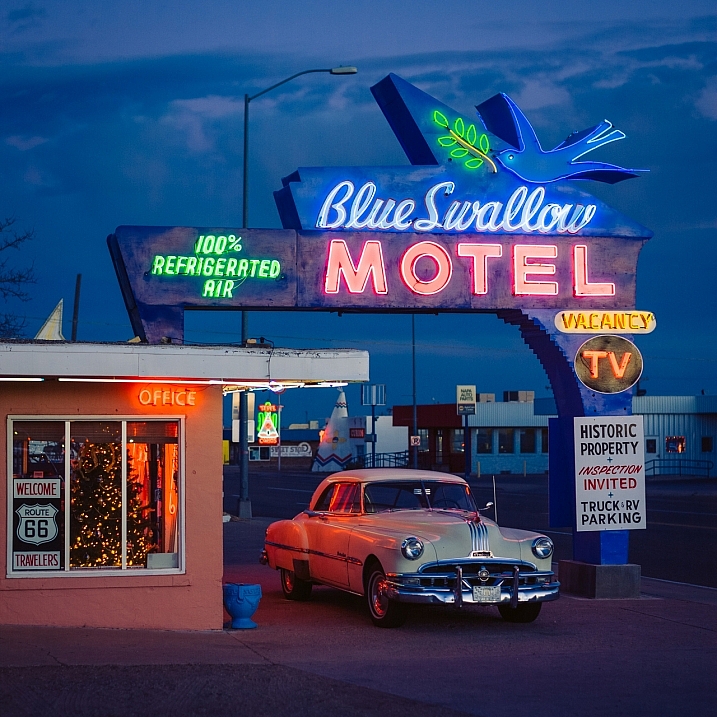
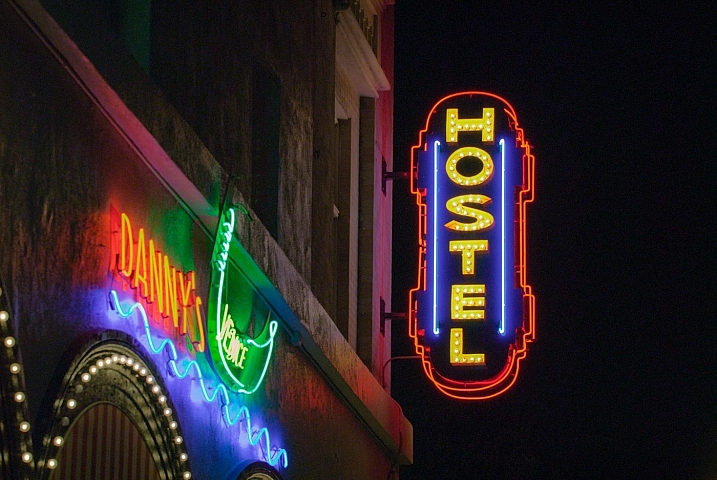
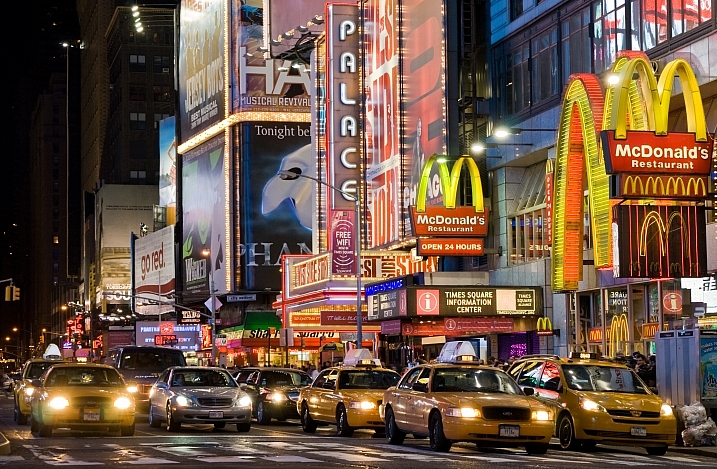
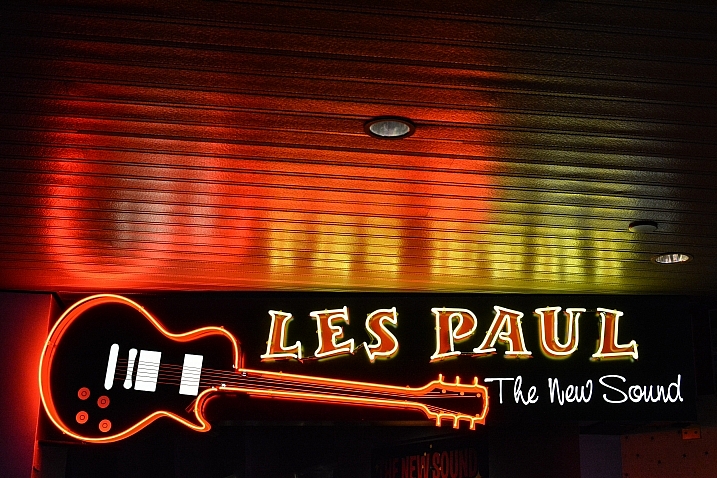
  • Sign Sign Everywhere a Sign – 21 Glowing Images of Neon

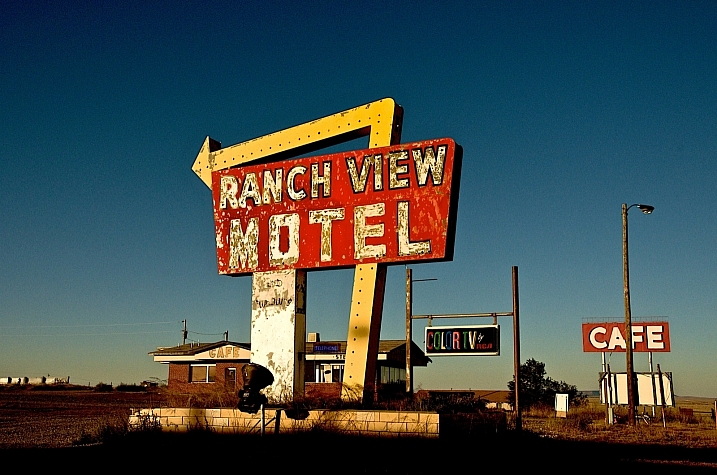
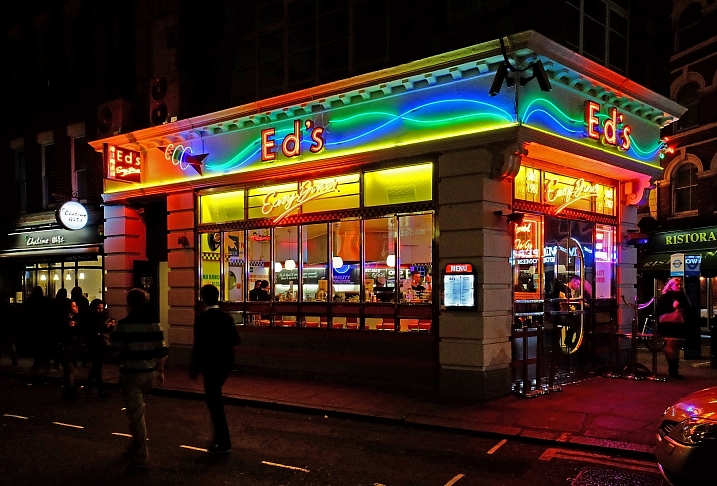
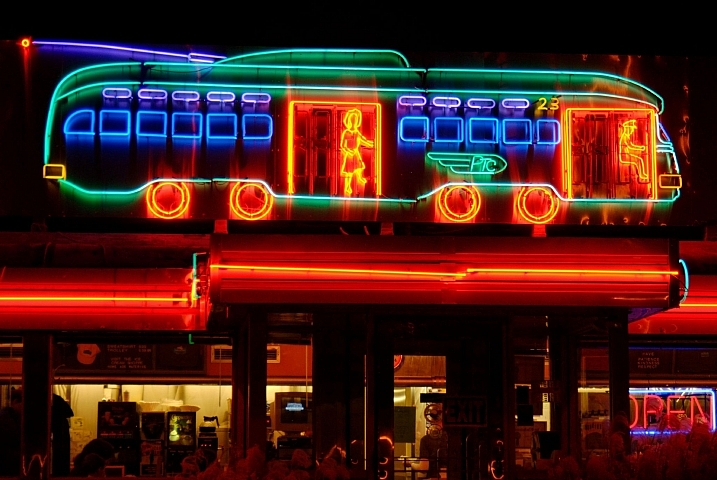
    As the song goes, we are bombarded by signs on a daily basis. Traffic signs, store signs, window signs, it’s never ending. But what if those signs are extremely photogenic like neon ones?
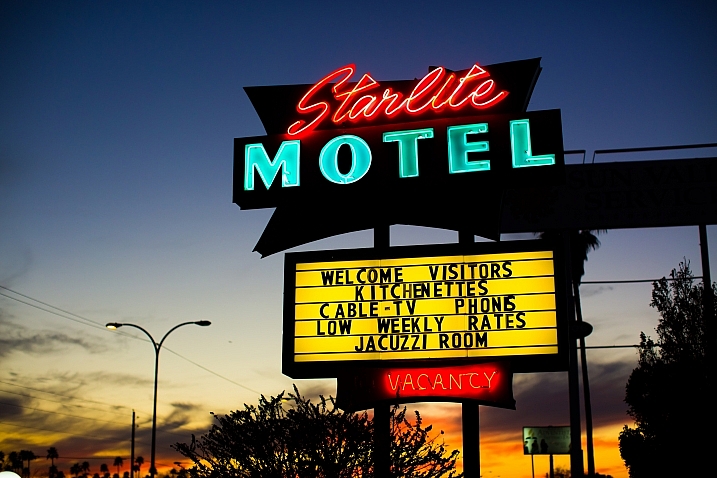
    See what these photographers have created by shooting some neon signs (some lit up, some not).

    James Marvin Phelps

    By James Marvin Phelps

    Joel Bedford

    By Joel Bedford

    Pete Zarria

    By Pete Zarria

    Anthony Citrano

    By Anthony Citrano

    Jim Maurer

    By Jim Maurer

    Thomas Hawk

    By Thomas Hawk

    Cgc76

    By cgc76

    Thomas Hawk

    By Thomas Hawk

    Franck Michel

    By Franck Michel

    Thomas Hawk

    By Thomas Hawk

    Peter Miller

    By Peter Miller

    Gilda

    By Gilda

    Pete Zarria

    By Pete Zarria

    Adrian Snood

    By Adrian Snood

    Jim Maurer

    By Jim Maurer

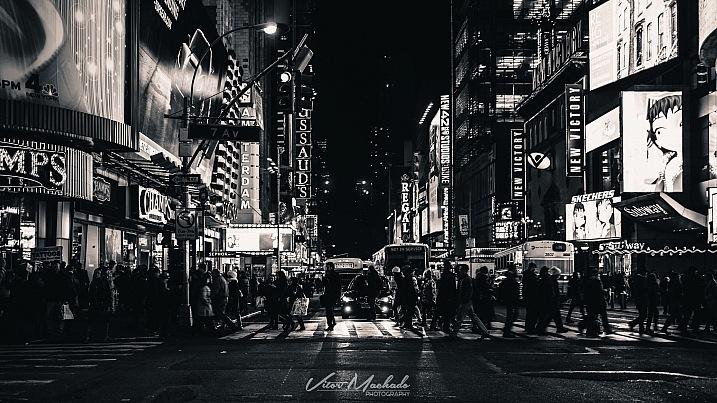
    Vitor Machado

    By Vitor Machado

    Thomas Hawk

    By Thomas Hawk

    Kamal Hamid

    By Kamal Hamid

    Jim Grey

    By Jim Grey

    Roger

    By Roger

    Andrés Nieto Porras

    By Andrés Nieto Porras

    googletag.cmd.push(function() {
    tablet_slots.push( googletag.defineSlot( “/1005424/_dPSv4_tab-all-article-bottom_(300×250)”, [300, 250], “pb-ad-78623” ).addService( googletag.pubads() ) ); } );

    googletag.cmd.push(function() {
    mobile_slots.push( googletag.defineSlot( “/1005424/_dPSv4_mob-all-article-bottom_(300×250)”, [300, 250], “pb-ad-78158” ).addService( googletag.pubads() ) ); } );

    The post Sign Sign Everywhere a Sign – 21 Glowing Images of Neon by Darlene Hildebrandt appeared first on Digital Photography School.


    Digital Photography School

  • Sign of the Times – 27 Significant Images of Signage

    Images of signs can help date a photograph and give viewers clues about the location, culture, even the period of history. Street photography often incorporates signage.

    What other ways can we use signs? Literal or more subtle? Let’s see how these photographers use signs:

    Andrea Koerner

    By Andrea Koerner

    Scott Smith

    By Scott Smith

    Vicki  DeLoach

    By Vicki DeLoach

    Bob Jagendorf

    By Bob Jagendorf

    These * Are * My * Photons

    By These * Are * My * Photons

    Darlene Hildebrandt

    By Darlene Hildebrandt

    Howard Ignatius

    By Howard Ignatius

    Sancho McCann

    By Sancho McCann

    Carol Von Canon

    By Carol Von Canon

    Pete Zarria

    By Pete Zarria

    Hernan Seoane

    By Hernan Seoane

    Mark Nye

    By Mark Nye

    Tim Green

    By Tim Green

    Thomas Hawk

    By Thomas Hawk

    Thomas Hawk

    By Thomas Hawk

    Brent Disney

    By Brent Disney

    Bluedeviation

    By bluedeviation

    Yiannis Chatzitheodorou

    By Yiannis Chatzitheodorou

    Steve Parkinson

    By Steve Parkinson

    Wendy Berry

    By Wendy Berry

    TJ Gehling

    By TJ Gehling

    Gilda

    By Gilda

    Jeremy Brooks

    By Jeremy Brooks

    Davidag

    By Davidag

    Jeremy Brooks

    By Jeremy Brooks

    Chuddlesworth

    By chuddlesworth

    A McLin

    By A McLin

    googletag.cmd.push(function() {
    tablet_slots.push( googletag.defineSlot( “/1005424/_dPSv4_tab-all-article-bottom_(300×250)”, [300, 250], “pb-ad-78623” ).addService( googletag.pubads() ) ); } );

    googletag.cmd.push(function() {
    mobile_slots.push( googletag.defineSlot( “/1005424/_dPSv4_mob-all-article-bottom_(300×250)”, [300, 250], “pb-ad-78158” ).addService( googletag.pubads() ) ); } );

    The post Sign of the Times – 27 Significant Images of Signage by Darlene Hildebrandt appeared first on Digital Photography School.


    Digital Photography School

  • Welcome to Yosemite: The Man Behind The Sign

    yosemite-sign2-edit-800c

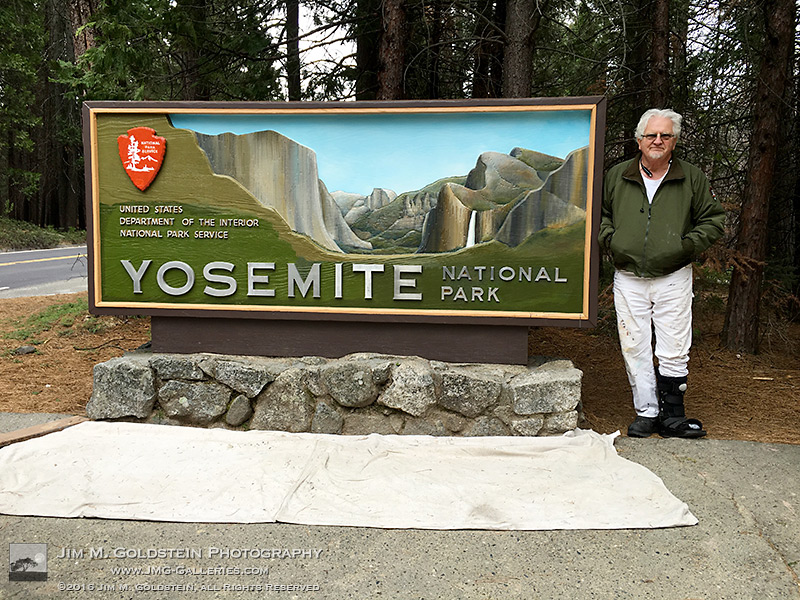
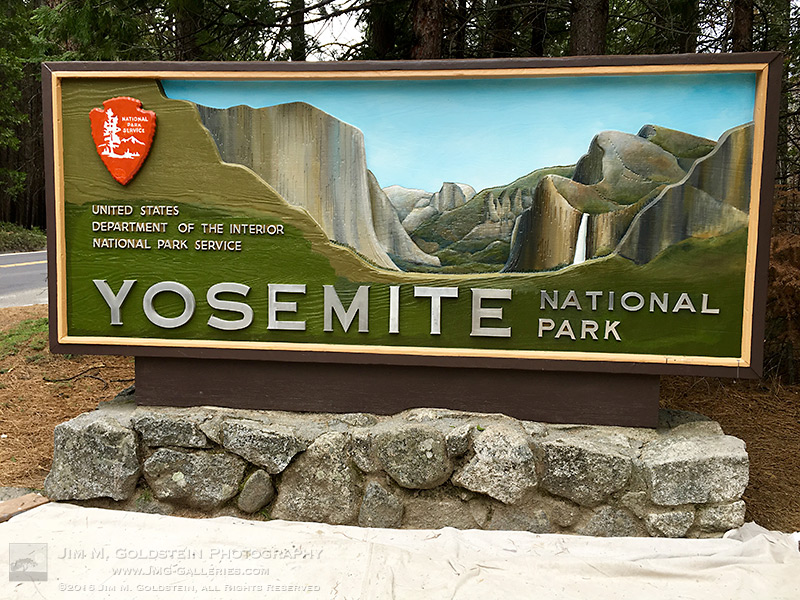
    If and when you enter Yosemite National Park you’re likely to see an iconic painted sign welcoming you to the park. I’ve passed by this particular sign at the northwest entrance numerous time. The difference on my last trip was that it was getting a fresh coat of paint and being restored by artist Mark Switlik. I should clarify, while technically it was being restored, it was also being transformed to have a much warmer, more realistic and colorful look. You can see how the sign used to look at the end of this post.

    I consider myself quite lucky to have met Mark and had the opportunity to talk with him albeit quickly. He had been working on the sign for sometime before my trip and I had seen early photos from others of its transformation. I wasn’t sure if it’d be done by the time I made it to the park back in April. I don’t know about you but I like Mark’s take on the sign versus the old. It’s a bit more welcoming. What do you think?
    yosemite-sign1-edit-800c

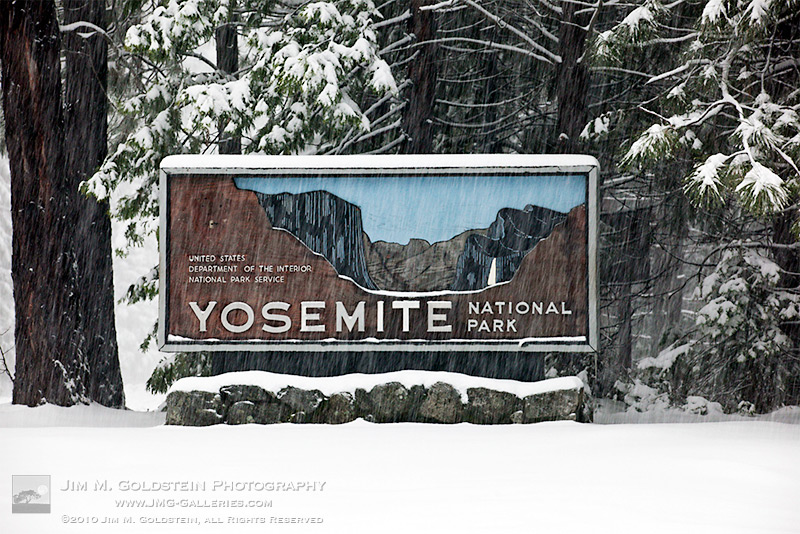
    If you don’t remember what the old sign used to look like here is a photo I took of it in a snow storm several years ago. It has a much more stark appearance.

    yosemite-sign3-edit-800c

    The post Welcome to Yosemite: The Man Behind The Sign appeared first on JMG-Galleries – Landscape, Nature & Travel Photography.


    JMG-Galleries – Landscape, Nature & Travel Photography

  • Liquid Stop Sign: Emergency Laser Projection on Sheet of Water

    [ By WebUrbanist in Design & Graphics & Branding. ]

    stopcropped

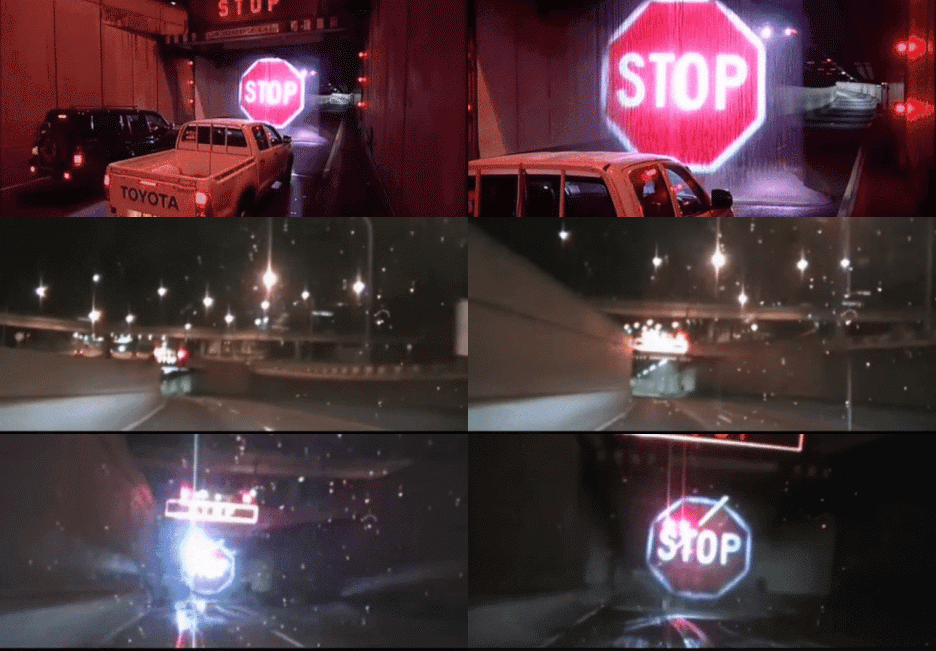
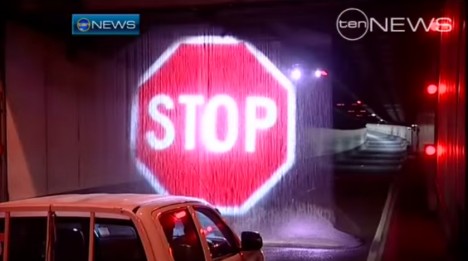
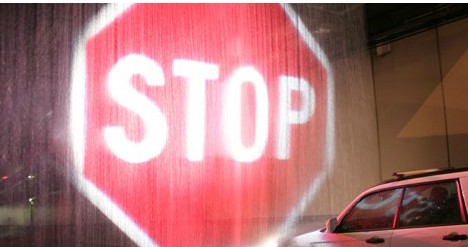
    Serving as a bright and bold last-chance warning for vehicles about to enter tunnels, this wall of water painted turns into a kind of hovering hologram designed to STOP impending drivers from creating or compounding tunnel disaster situations.

    emergency stop lighting

    Dubbed Softstop and deployed first in Australia, the liquid signage does no damage should a car or truck pass through, but still provides an impossible-to-ignore signal for drivers. It is used to warn off too-tall trucks and deter Sydney Harbor Tunnel entry in cases of fires or crashes going on inside the tunnel.

    stop sign photo

    liquid stop sign

    This solution came about after conventional signage failed to warn off drivers in an emergency. “We had a fire in the tunnel,” explains Harbor Tunnel GM Bob Allen, “motorists ignored the warning lights and signs and continued driving towards the fire. These drivers exposed themselves to smoke and toxic fumes from the fire and then to compound the situation they turned around (in a one way tunnel) and drove back out of the tunnel against incoming traffic.”

    floating stop sign

    stop signage

    The wall-of-water solution came about as a collaboration between Laservision, a creative technology firm that designs architectural lighting, and a pump manufacturer: Grundfos.

    Share on Facebook


    [ By WebUrbanist in Design & Graphics & Branding. ]

    [ WebUrbanist | Archives | Galleries | Privacy | TOS ]


    WebUrbanist

  • Guerrilla Signage: Designer Fixes Street Parking Sign Stacks

    [ By WebUrbanist in Design & Guerilla Ads & Marketing. ]

    signage evolution deciphering

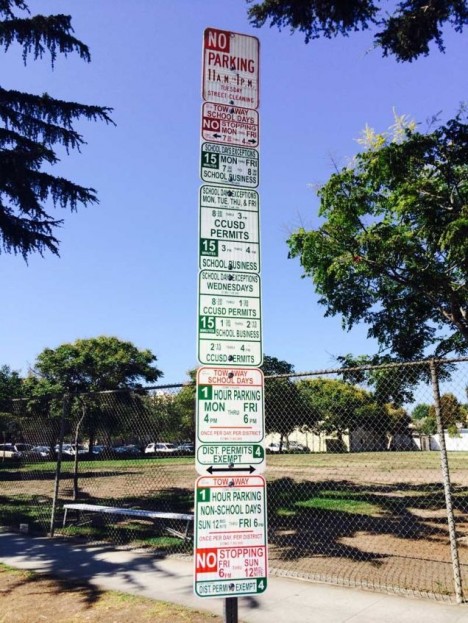
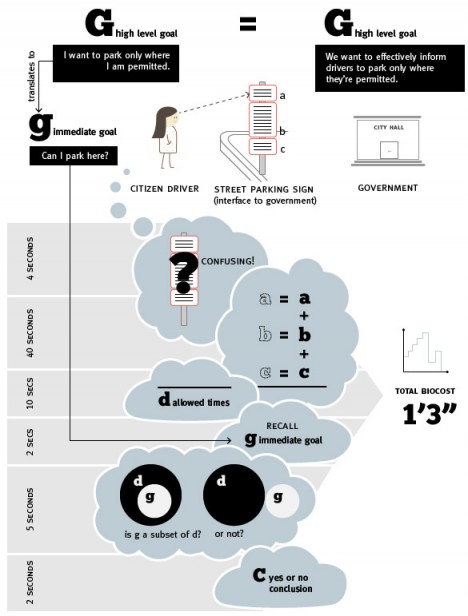
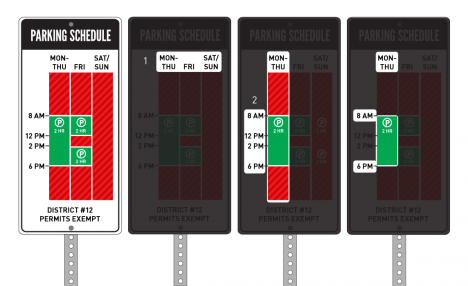
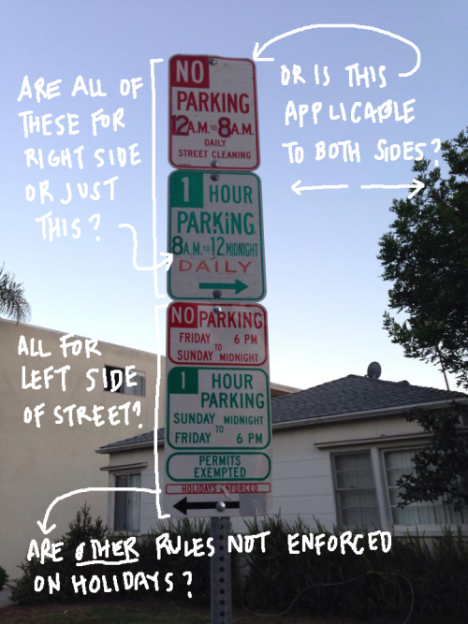
    Anyone who has parked in a major metropolitan area has seen something like this: a vertical array of signs that provide a confusing (sometimes even self-contradictory) instructions about when you can park based on time of day or year, type of permit and other conditions.

    crazy sign stack

    sign hack test run

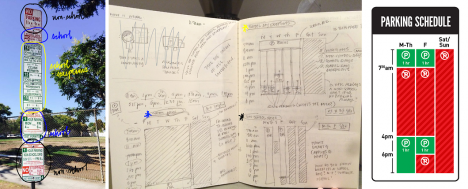
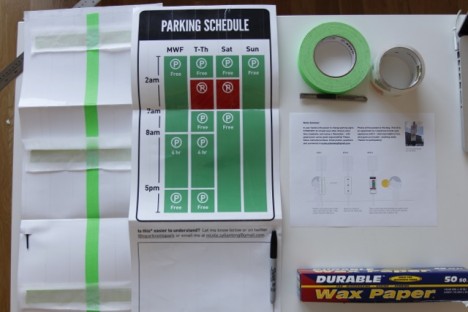
    Nikki Sylianteng, having gotten one too many parking tickets, decided to do something about the problem, developing, refining and ultimately deploying a solution on the streets to get actual feedback.

    signage process analysis

    parking schedule test

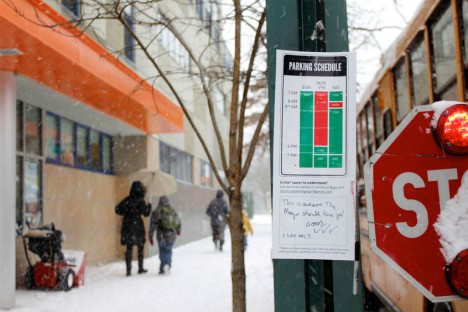
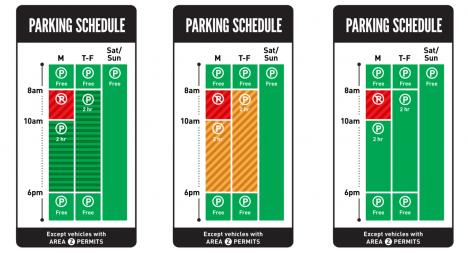
    Titled To Park or Not to Park, this ongoing project started as an independent and informal attempt to see if there were better options out there but has since progressed to a council motion in Los Angeles to test such signs in a more official capacity.

    street sign test copies

    street sign send out

    For additional feedback, Nikki has sent copies of the modified signage to people in other parts of California and Minnesota to see how they fare in different cities and settings.

    sign schedule progression

    signage section process

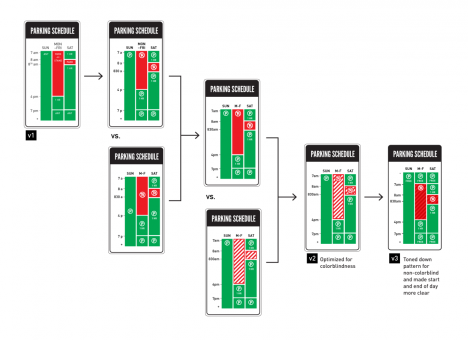
    Combining various signs into one, the time is presented along the y-axis and the date on the x-axis. Green bars indicate acceptable times to park and red bars are used to indicate otherwise. Sometimes additional complexity needs to be addressed when permits come into play or the school year is factored in the mix (not always corresponding just to days of the week).

    sign stack analysis

    From the project’s creator: “My strategy was to visualize the blocks of time when parking is allowed and not allowed. Everything else was kept the same, the colors, the form. My intention was to show how a small but thoughtful change can make a big difference by save drivers a lot of time, stress, and money. I tried to stay mindful of the constraints that a large organization like the Department of Transportation might face for this seemingly small change.”

    Share on Facebook


    [ By WebUrbanist in Design & Guerilla Ads & Marketing. ]

    [ WebUrbanist | Archives | Galleries | Privacy | TOS ]


    WebUrbanist

  • Street Sign Sports: Urban Alterations for Physical Fitness

    [ By Steph in Art & Street Art & Graffiti. ]

    Street Sports 1

    Street signs and lamp posts turn into soccer goals, basketball hoops and mini golf courses with the addition of just a few pieces of plug-in sports equipment. The year-long installation by Florian Brillet and Nicolas Lelievre in collaboration with ad firm JCDecaux, which will be up until June 2015, turns the city of Paris into one big playing field.

    Street Sports 2

    This urban hack is entitled ‘Mens Sana in Corpore Sano,’ a Latin aphorism that translates to ‘A Sound Mind in a Sound Body.’ The route that leads from one of these installations to the next has become a fitness trail, encouraging passersby to engage with their environment in a new, more active way.

    Street Sports 3

    Street Sports 4

    Take a moment to let out a little bit of stress boxing, try your hand at hoops or kick a ball around. The creators call it “an appeal to the imagination,” saying “each post can be seen as a small chimera hybridizing existing forms to play in the same object sport, the image of the sport and the idea of traveling around the city” [translated from French.]

    Street Sports 5

    While this project was (presumably) officially sanctioned by the city of Paris, it’s another cool example of DIY urbanism, hacking the city environment to make it more efficient, useful and fun for the people who live there.

    Share on Facebook


    [ By Steph in Art & Street Art & Graffiti. ]

    [ WebUrbanist | Archives | Galleries | Privacy | TOS ]


    WebUrbanist

  • WTF Is Street Art? Poster Boy Hacks NYC Sign by High Line

    [ By WebUrbanist in Drawing & Digital. ]

    wtf is street art

    If you have spent any time along the High Line Park in Chelsea, you will recognize this extremely prominent billboard that one artist had the audacity to climb and hack.

    wtf street art dynamic

    The original message (WTF is alternate side of the street parking anyway?) was selectively deleted to make way for a replacement question.

    wtf street art gif

    Working at night, Poster Boy risked discovery by people parking and picking up their cars in the directly adjacent lot, not to mention being highly visible from the street.

    high line amphitheater view

    During the day, visitors sitting in the over-street theater seats within the elevated park have a direct view of this huge black-on-yellow poster. It is doubtful the change will survive long, so check it out while it lasts!

    halloween pumpkin carved cone

    wolverine movie subway ad

    movie poster ad hack

    Known for his creative edits of local signage and hacked infrastructure, Poster Boy has a huge collection of photos you can browse of his work, ranging from small stickers added in unusual contexts to whole-billboard transformations.

    Share on Facebook


    [ By WebUrbanist in Drawing & Digital. ]

    [ WebUrbanist | Archives | Galleries | Privacy | TOS ]


    WebUrbanist