Tag: Restaurant

  • What You Need to Know to do Successful Restaurant Photography

    The post What You Need to Know to do Successful Restaurant Photography appeared first on Digital Photography School. It was authored by Darina Kopcok.

    successful-restaurant-photography

    If you want to be a food photographer, you’ll likely start your career shooting restaurant photography. This is how most food photographers get their start. Restaurants have smaller budgets, so they’re open to working with new photographers.

    However, photographing for restaurants isn’t that easy. Not only do you have to be skilled at shooting food, but you also need to be able to shoot interiors and portraits of the chef and other staff.

    Restaurant photography can be a lot of work, and there are a lot of ins-and-outs you should know to make sure you don’t end up getting burned by this very specific type of shoot.

    What You Need to Know to do Successful Restaurant Photography

    Ask for a shot list

    Before you can give a potential client an estimate, you need to know what you’ll be photographing in order to estimate how long the shoot will take you. For example, beverages can take longer to photograph than a plate of food, as managing reflections in glass can take time and be challenging.

    You should base your estimates on the project scope. If you can’t estimate how long the shoot will take you, you can’t price your services accordingly. Get a breakdown of how many food images will be required, how many drinks etc.

    Some restaurants want you to bring in your own surfaces, dishes, linens etc. for a more magazine editorial feel. In this case, note that it will take longer to shoot this type of scene than it will shooting their own dishes on the restaurant tables.

    Scout for the location and light

    Check out the location beforehand so you know what you’ll be up against in terms of lighting. You’ll also need to figure out where to set up your equipment and workspace. This should be done with agreement from the manager or proprietor.

    It’s important that if the restaurant is open when you shoot, that you’re as unobtrusive to the patrons as possible. See if the client can close off a section of the restaurant where you can work without bothering anyone, and vice versa. 

    successful-restaurant-photography

    Discuss styling the food

    When shooting for restaurants, you should make clear on the outset that you’re not a food stylist and therefore are not responsible for how the food looks.

    Food styling is a different occupation. It requires a separate skill set from photography. Your job is the lighting and image capture, not the plating of the food.

    Of course, you should always be aware of garnishes and stray crumbs, and generally, make sure the food looks its best for the camera. I’ve been known to send back a sloppy looking burger or two.

    The point is that clients need to make sure their chef is up to the task. Otherwise, they should hire a food stylist to guide them. A food stylist can be pricey and not feasible for an already tight budget. In the case that a client refuses to hire one, they should know that the look of the food on the plate ultimately falls on them.

    Make sure you state this in your contract. You have a contract, right?

    What You Need to Know to do Successful Restaurant Photography

    Bring a food styling kit and some basic props

    While you won’t be plating and styling the food, you should still bring along a basic food styling kit that includes items such as tweezers, cotton swabs, and small brushes to tame errant garnishes or clean unwanted crumbs and drips from the plate. You want to do the best job you can with what you’re given.

    It’s a good idea to come prepared with some props as back up. Bring a stack of linens in various shapes, sizes, and colors, and maybe some cutlery. Sometimes clients want their own tables, flatware, and dishes shot as they are experienced by the patrons, but many have a branding direction in mind that requires a specific look or ambiance. 

    For example, when clients wanted me to create dark and moody images for them, I bring in small, dark dishes and vintage cutlery – the opposite of the large, white dishes you see in most restaurants. 

    successful-restaurant-photography

    Use a tripod

    If you shoot only in natural light, be aware that most restaurants are too dark for food photography.

    You’ll need to shoot by a window and use a tripod so you can decrease your shutter speed and make a longer exposure. This won’t work for photographing people, however, as they will be blurry with a slow shutter speed.

    If the images will only appear on the web or in social media, you can crank up the ISO and fix the noise in your images later in post-production.

    When I scout the location, I try to take a few test shots and see how they look in Lightroom before making my lighting decisions.

    successful-restaurant-photography

    Shoot horizontally

    Have a conversation with the client about how they would like the images shot. Most restaurants only need images for their website. Interactive web design often requires that images be shot in landscape orientation.

    If the client will be printing some of the images on a menu, this may require a vertical format (and a higher resolution). Make sure to discuss the best picture orientation with the client. Make note that if they want both, it can take you up to twice as long to shoot the images, as not only will you have to adjust the camera, but you’ll have to recompose each image.

    Shoot tethered 

    I always hook up my camera to a laptop so the client can view the images captured by my camera. Shooting tethered allows you to see a larger, more accurate rendition of your shot than you can get from the screen on the back of your camera. You can use Lightroom or Capture One Pro for tethering. Make sure you have a high-quality tethering cord. 

    What You Need to Know to do Successful Restaurant Photography

    Work with the client

    Ultimately, you want to produce good work that makes the client happy. For this, the client needs to be involved in the process. They must be present at the shoot to provide creative direction and approve the images that are captured. That way, they can’t come back and tell you they don’t like them, or that they don’t align with the branding or aesthetic they had in mind.

    I have a clause in my contract stating that I will not begin a shoot without someone representing the restaurant present. Also that the client will forfeit the deposit if I need to pack up my things and leave. Believe me, you don’t want to get into this situation. 

    Collaborate with the chef

    Involve the chef in the process as much as possible. When you make an appointment to scout the location, ask if you could meet the chef.

    Making the chef feel like an important part of the process can make a big difference in the outcome of your shoot. The shoots that end up being the most easy and fun are the ones where the chef is enthusiastic about working with you and making the food look its best for its moment in the spotlight.

    What You Need to Know to do Successful Restaurant Photography

    In conclusion

    One more thing. Before you set foot in the restaurant with your camera, make sure you have liability insurance. Many restaurants won’t always think about this, but bigger clients will often ask for proof of liability insurance. If someone trips over an extension or tethering cord and decides to sue the restaurant, you can be included in that lawsuit. 

    Shop around for the best insurance for you, and read the fine print carefully. You need insurance that is specific to the photography industry so you can make sure you’re covered in the types of situations you will be faced with.

    You should also insure your equipment against theft, loss, and damage, including that from fire or flood.

    Restaurant photography can be a great way to start building up your professional portfolio. Just make sure to do it right to avoid any headaches along the way, and to get your clients to hire you as their preferred photographer whenever they update their menu.

    Do you have any other tips or experiences you’d like to share with us about Restaurant Photography? Do so in the comments!

    The post What You Need to Know to do Successful Restaurant Photography appeared first on Digital Photography School. It was authored by Darina Kopcok.
    Digital Photography School

  • A Taste of Japan: Immersive Animated Restaurant Shifts with the Seasons

    [ By SA Rogers in Art & Installation & Sound. ]

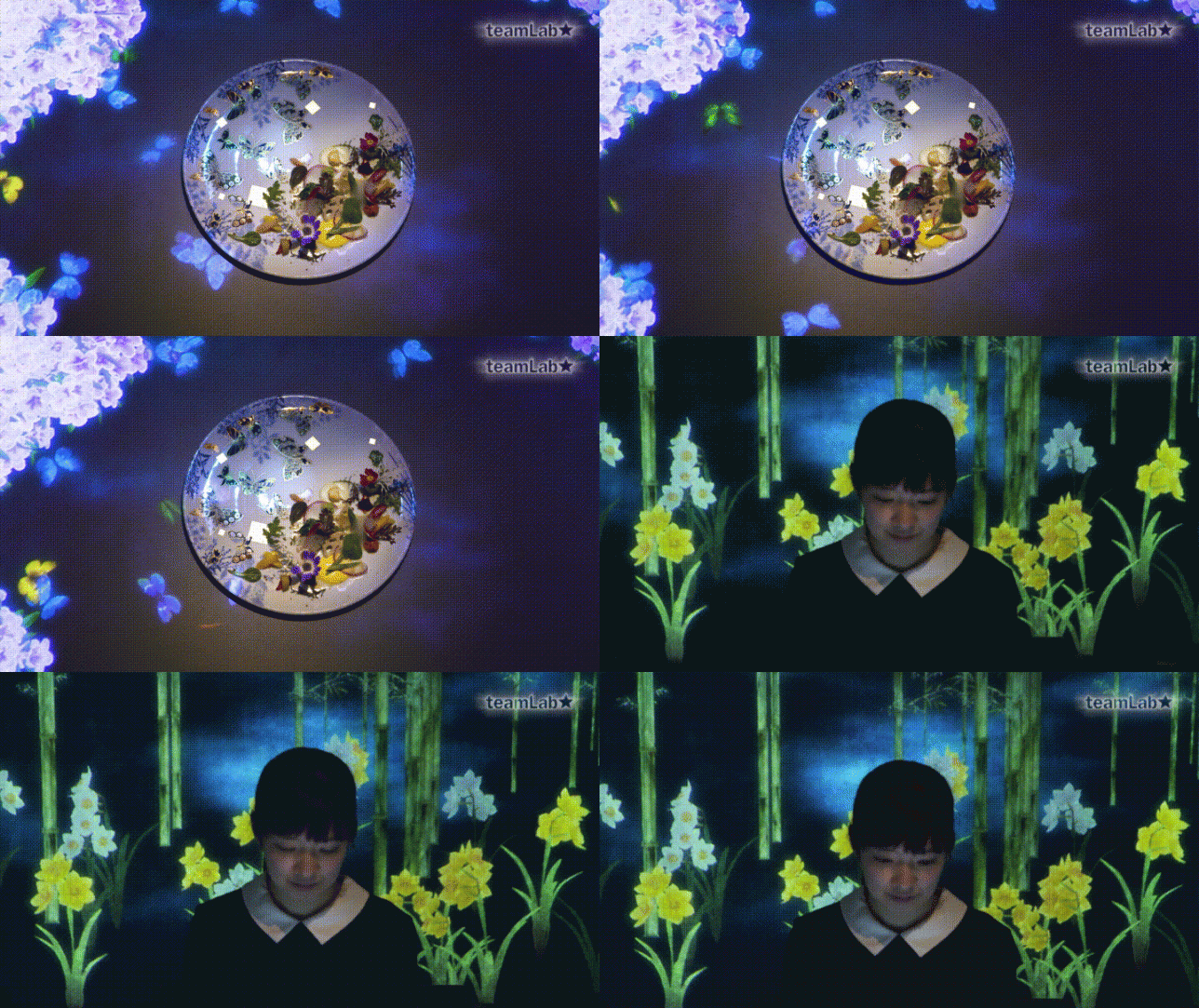
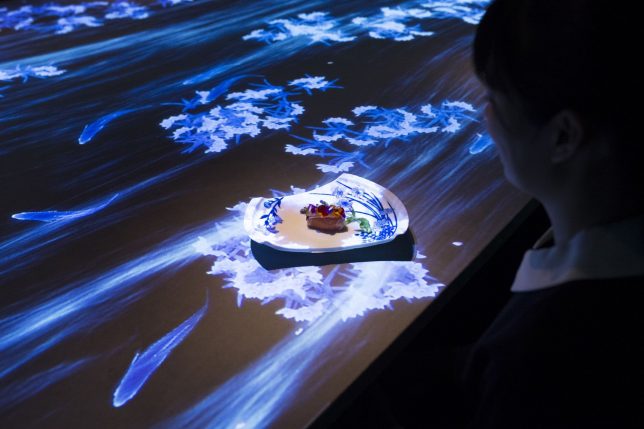
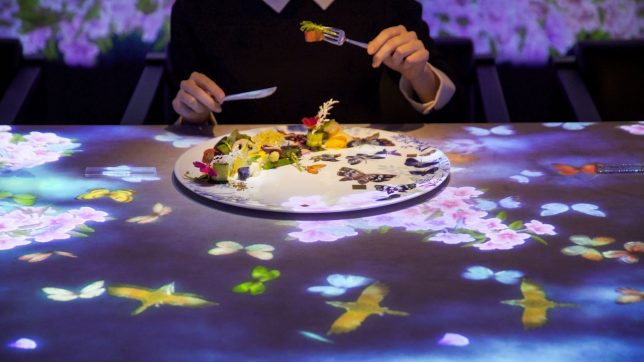
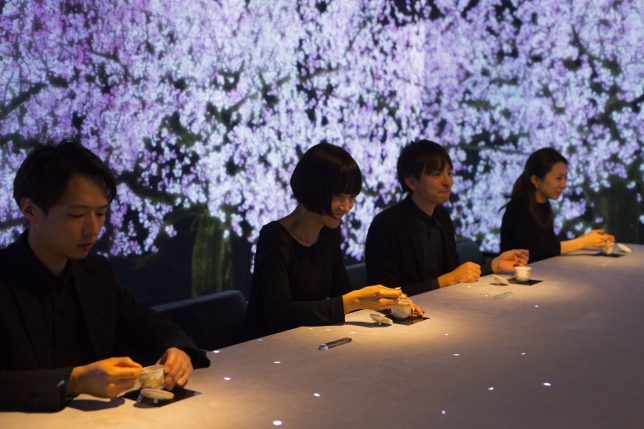
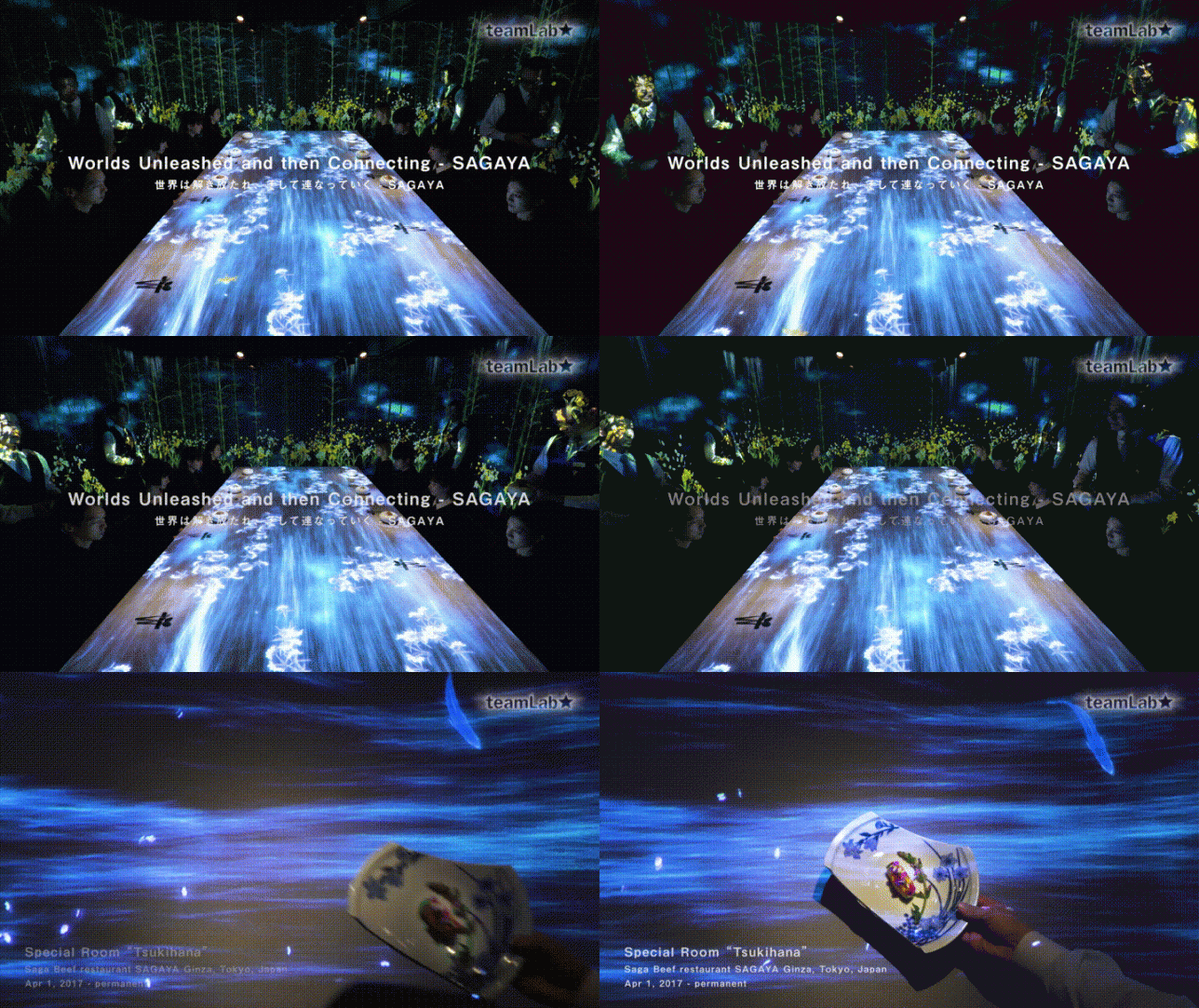
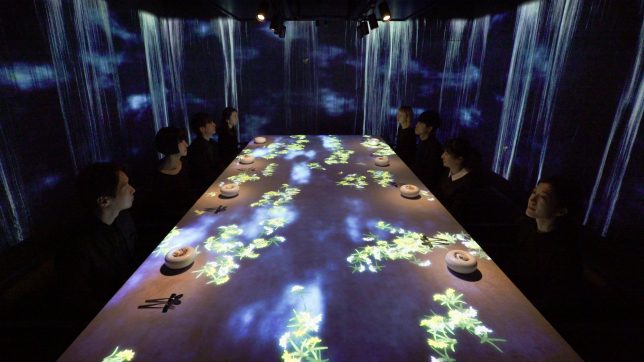
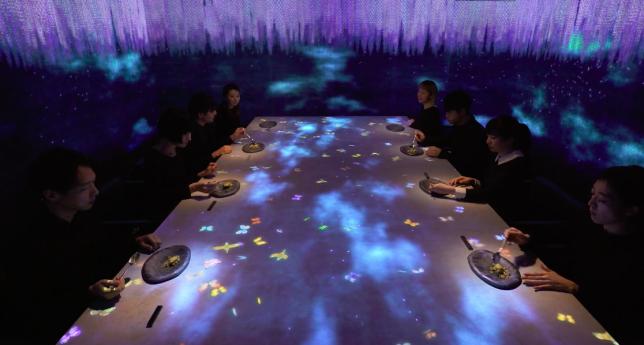
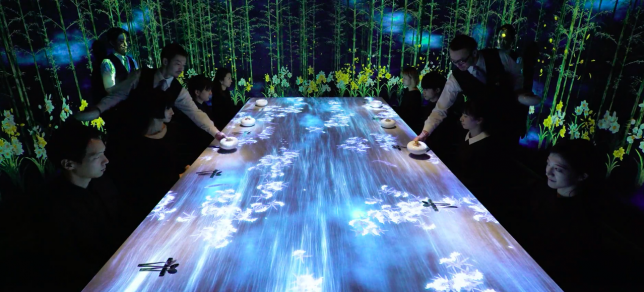
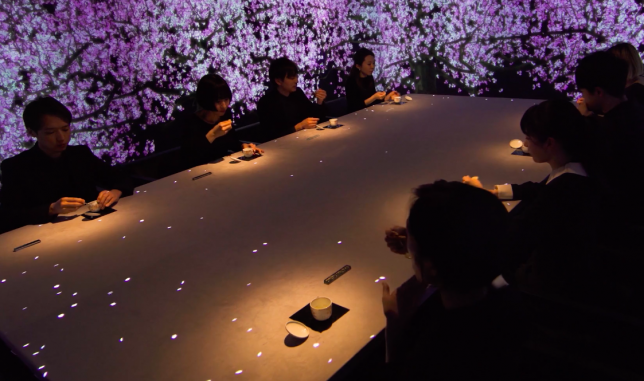
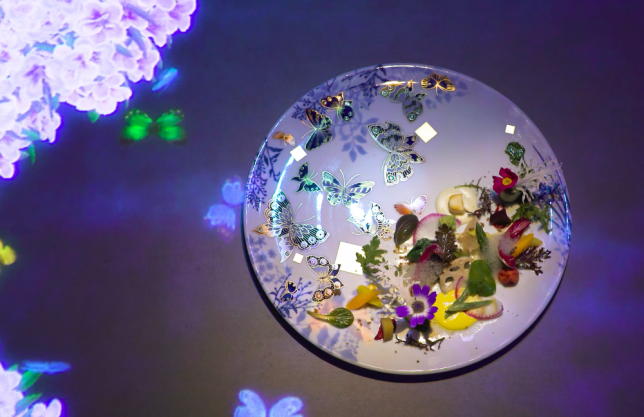
    The exclusive experience of dining at this Tokyo restaurant, which serves just eight patrons a day, is not really about the food – though Saga Beef restaurant Sagaya-Ginza is not necessarily lacking in quality. It’s just that watching nature spring to life all around you, cycling through the seasons to represent some of Japan’s most striking natural beauty, tends to eclipse whatever’s on your plate. Art collective teamLab, known for their creative projection-based installations, created a multi-sensory immersive experience with ‘Worlds Unleashed and Then Connecting.’

    In classic teamLab form, this projection is not just immersive, but also interactive, responding to the dishes as they’re placed on the table as well as movements of the diners and servers. While other well-known works by the collective tend to unfold within a larger space, like a warehouse or gallery, this installation is private and intimate.

    “When a dish is placed on the table, the world contained within the dish is unleashed, unfolding onto the table and into the surrounding space,” the artists explain. “The worlds unleashed from each dish connect in the external space creating a new larger world. The worlds unleashed are affected by the other dishes on the table.”

    “For example, a bird unleashed from one dish can perch on the branch of a tree unleashed from another. The trees that grow from each dish are not identical; their sizes and shapes are affected by the worlds unleashed by the other dishes on the table. These unleashed worlds are also affected by your behavior. If you stand still, a tiny bird might alight on your hand; if you move suddenly, it might fly away. The worlds unleashed from the dishes on the table influence each other, react to the actions of the visitors, and combine to create one single continuous world. The world is constantly changing from moment to moment and no two moments are alike.”

    Share on Facebook


    [ By SA Rogers in Art & Installation & Sound. ]

    [ WebUrbanist | Archives | Galleries | Privacy | TOS ]


    WebUrbanist

  • Abandoned McBarge: Floating Fast Food Restaurant in Ruins

    [ By Steph in Abandoned Places & Architecture. ]

    abandoned mcdonalds 1

    Built in 1986 in the hopes of enticing diners who were gravitating toward more high-end fare, this now-abandoned floating McDonalds might just be the saddest-looking fast food ruin around. Known as the ‘McBarge,’ it’s been anchored in Burrad Inlet near Vancouver, Canada since its debut and served its last Big Mac in 1991.

    abandoned mcdonalds 4

    The idea was to show off the future of technology and architecture while also attempting to regain some of the market share it lost during an ‘80s trend toward bistros and boutiques.

    Abandoned Mcdonalds 3

    How, exactly, McDonald’s aimed to do that with a clunky-looking barge serving the same old menu is unclear. The chain dropped $ 12 million on the floating fast food joint and four other locations built just for Expo ’86 in Vancouver, thinking they could simply move the barge elsewhere if it didn’t catch on.

    Abandoned Mcdonalds 2

    For whatever reason, it was never reopened, and hasn’t budged from its apparently permanent spot in the inlet. Owner Howard Meaking proposed renovating it into the showpiece of a new waterfront development along the Fraser River in 2009, but the city council still hasn’t approved the idea.

    A group called ‘Vancouver’s Worst Ghost Hunters’ took a tour of the abandoned barge, using a legal loophole to get aboard and filming the experience. Check out the (surprisingly vermin-free) interior in the video (Images via Wikimedia Commons, Ashley Fisher/Flickr Creative Commons).

    Share on Facebook


    [ By Steph in Abandoned Places & Architecture. ]

    [ WebUrbanist | Archives | Galleries | Privacy | TOS ]


    WebUrbanist

  • Assembled in 3 Days: Biggest Cargo Container Restaurant in US

    [ By WebUrbanist in Architecture & Offices & Commercial. ]

    cargo container riverside building

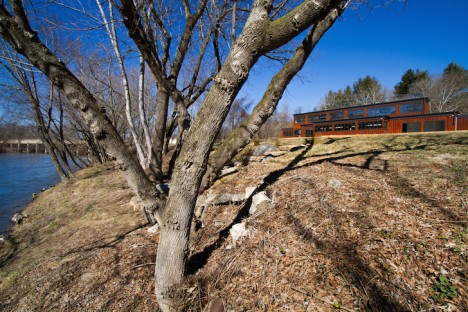
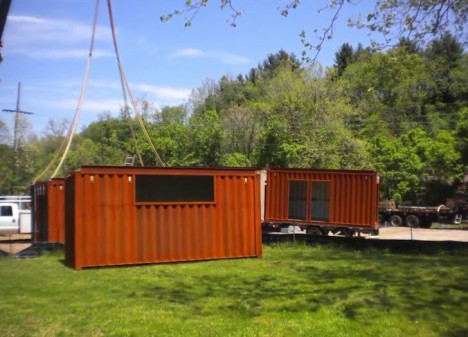
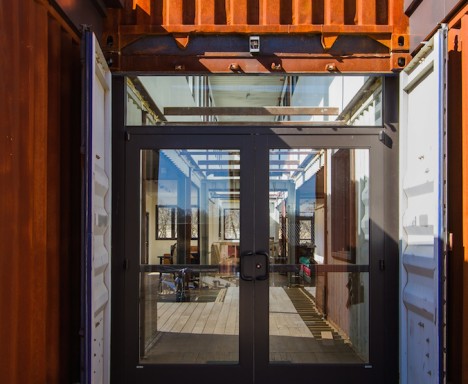
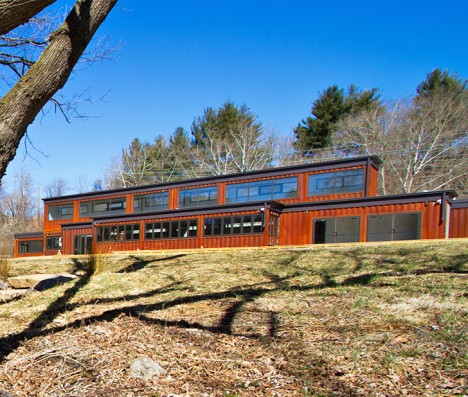
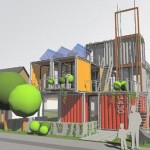
    Comprised of 19 shipping containers, this record-breaking restaurant has reclaimed a riverside wasteland in the River Arts District of Asheville, North Carolina, turning a brownfield site into an eatery accessible by boats, buses, bikes, pedestrians and, of course, cars.

    cargo container assembly process

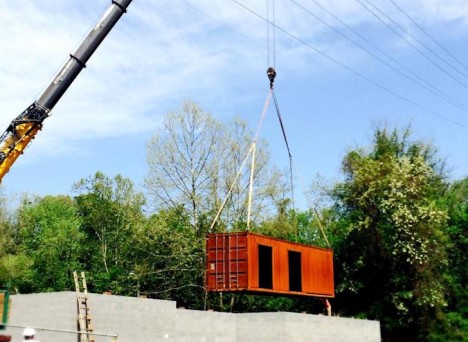
    The Smoky Park Supper Club was put together in just a few days, its various modules modified offsite then shipped in by truck for assembly. The project’s architects boast that energy cost of melting down used containers is close to 20 times what it takes to simply adapt them for reuse.

    cargo container module assembly

    cargo container space enterance

    Aside from the cost and power savings, using cargo containers as building blocks makes them easy to transport and obviates the need for construction workers, material trucks and other traffic that can cause consternation in the neighborhoods through which the building pieces pass.

    grilling riverfront

    shipping container restaurant design

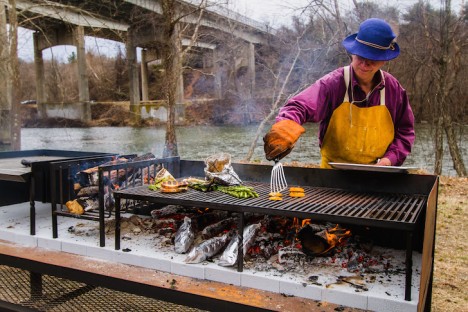
    The restaurant itself features a “local farm-to-table menu built around wood-fired based cooking and classic American fare that chef Rosenstein describes as simple, direct, and live-fired.” It will also showcase local art.

    Share on Facebook


    [ By WebUrbanist in Architecture & Offices & Commercial. ]

    [ WebUrbanist | Archives | Galleries | Privacy | TOS ]


    WebUrbanist

  • Restaurant Menu Food Photography Using Natural Light

    There are many ways to approach food and drink photography, from big budget shoots with food stylists and complicated lighting setups, to low budget natural lighting setups. For a formal restaurant photo shoot, which setup would you choose? I’ve had successes doing both types of photo shoots, but in this particular example, I’ll show you super low budget ways to pull off professional, tasty-looking food photos appropriate for a menu.

    restaurant photography tutorial natural lighting

    Client Brief

    Based in Seattle, this client is an American restaurant going in a new direction with the hiring of a new chef and his decision to revamp the menu into one with distinctive Southern and Creole flavor.  This client reached out in need of 10-20 menu photos for use in their press release announcing the rebranding efforts. I had photographed their interiors previously and knew that the multi-room restaurant and bar was vintage themed with diverse backgrounds, patterns, and lighting schemes throughout the restaurant. Based on the budgeted resources for this shoot, I decided against making it a big production with a food stylist and opted for a low budget approach.

    Planned Setup

    Initially, I planned a simple lighting setup using a Canon 580 EX-II Speedlite, a shoot-through umbrella, Pocket Wizards, and a compact Manfrotto 5001B Nano light stand. This is my favorite relatively compact and affordable lighting setup for everything from quick portraits to food and drink photography. However, I realized when I got onsite that I was missing a crucial piece of my setup: the flash and umbrella mounting adapter, meaning I had no way of connecting my flash and umbrella to the lighting stand. Oops…time to improvise!

    Actual Setup

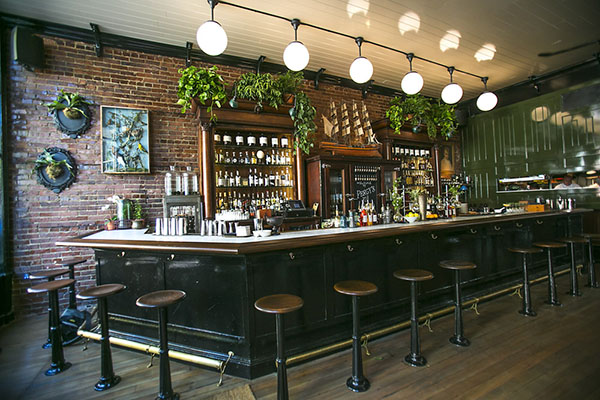
    Since I had photographed the interiors of the venue before and knew that there were two areas that had copious natural lighting: the bar area near the front entrance with huge floor to ceiling windows, and a large room with glass panels for a ceiling. Luckily, it was a typical cloudy day in Seattle, so there was nice diffused natural light flowing through the ceiling, making these two areas the perfect spot for food and drink photography without any flash or external lighting.

    In terms of gear, I shot all of these photos with a Canon 6D camera and a 24-70mm f/2.8 lens. I also used the 580 EXII Speedlite on occasion when I needed some fill light.

    Composing and Shooting

    I photograph a lot of restaurant interiors and as a result I’ve learned that there is a lot of thought and strategy that goes into the design of the space. As a result, I like to find distinct elements of the restaurant to fuse into the food photos that I create. This does two things: 1) it highlights unique features that a designer or architect spent a lot of time working on, and 2) incorporating aspects unique to the restaurant places the dishes in different atmospheres, thus creating more diverse imagery.

    Photos at the Bar

    Cocktail photography

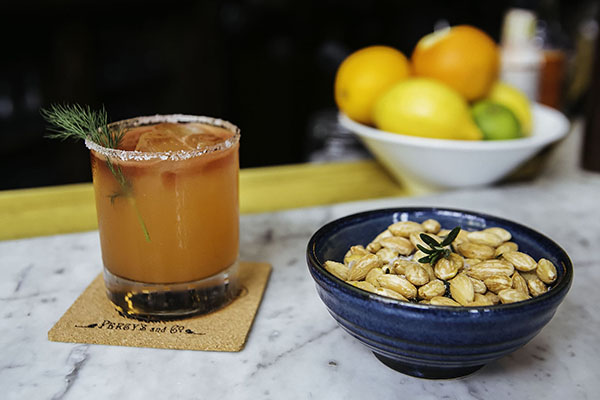
    I started off with two appetizer and cocktail dishes, photographing them at the bar that was naturally lit by the huge floor to ceiling window. The white granite bar top was a nice contrast to the warm colors of the food and drinks. I shot this first image at f/4 to keep the main elements of the glass and bowl of nuts mostly in focus. The first few shots looked like they were missing some depth, so on a whim I moved the pairing in front of a bowl of citrus fruits placed at the bar. The color and placement of the fruits ended up being nice complimenting elements, contributing to the image below.

    restaurant photography tutorial natural lighting

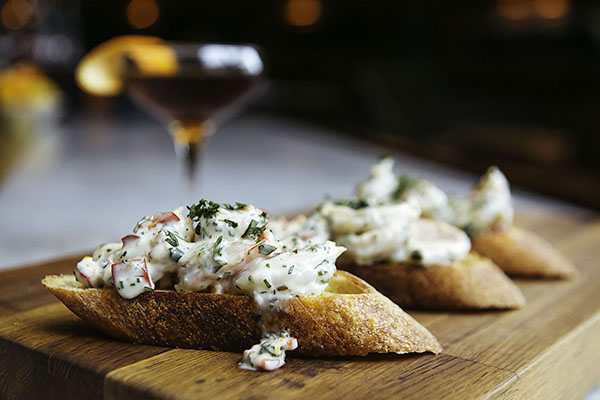
    This second dish that was shot at the bar was presented on a super long wooden cutting board. It was actually too long for such a small appetizer, and I solved this problem by zooming in to the image and shooting at f/3.2 to keep the focus on the main element: the chunky shrimp remoulade topping the bread!

    remoulade photography

    Photos in the Dining Area

    Percy's in Ballard, Seattle, WA

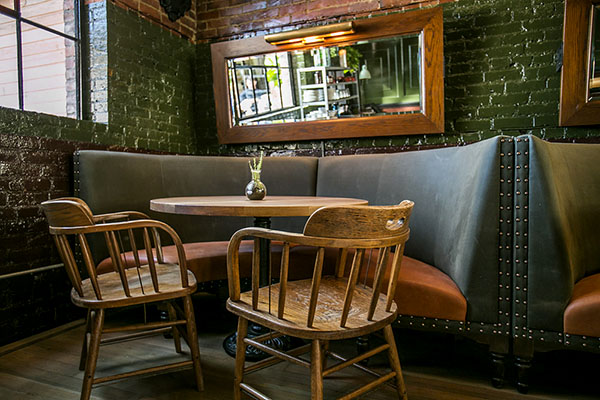
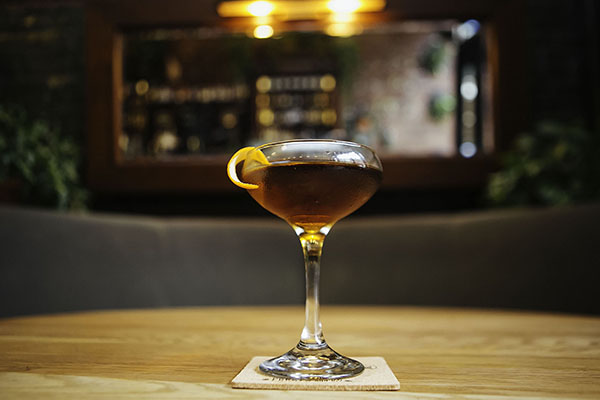
    Another intriguing section of the restaurant that offered nice, albeit darker, lighting was the dining area. Featuring an illuminated mirror behind circular booth seats and a light colored wooden table, this was a great space to utilize for cocktail shots. This particular beverage was shot at f/2.8 to keep the glass and its elements in focus and give a nice blur of the mirror background.

    FINAL-Cocktail

    Photos on the Patio

    FINAL-Percys 01

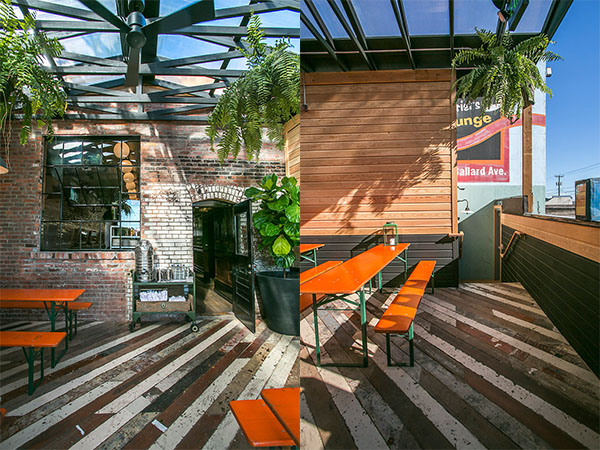
    Finally, the bulk of the food and drink photos I shot were taken in the aforementioned covered patio area in the back. As you can see from the images below, the space has a huge glass ceiling, brick walls, long colored picnic tables, and a nicely textured wooden floor panels. All of these elements made for great textures and backgrounds for shooting each dish in a variety of settings.
    Final-Kale

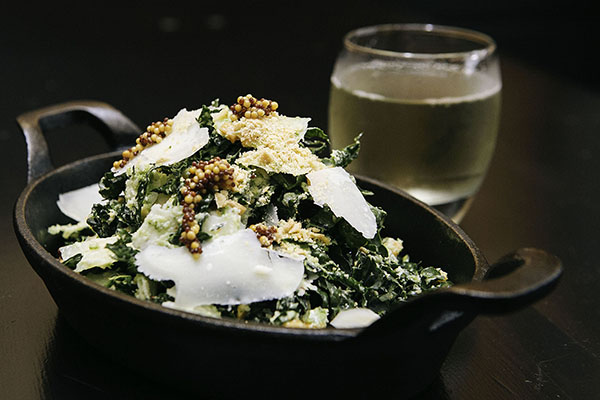
    Salads can be a bit tricky to shoot because there can be so many competing elements to focus on. In the case of this kale salad, I chose an aperture of f/5.6 to make sure more parts of the salad were in focus other than the shredded cheese and mustard seeds.

    Final-Chicken

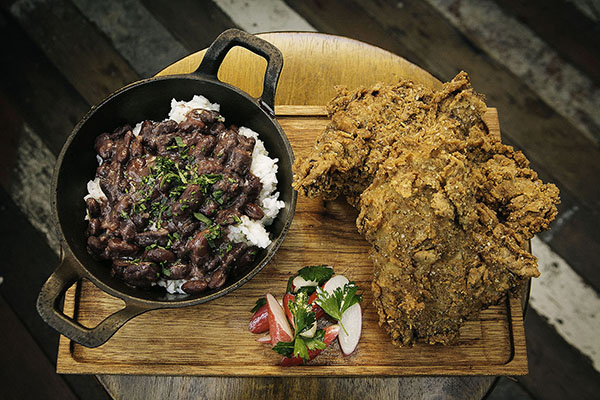
    The winning dish of them all was this epic made-from-scratch fried chicken entree with rice and beans. Again, lots of different parts of this dish competing for attention, so I used an aperture of f/8 to make sure the most important parts were clearly in focus.

    Wrap Up

    Overall, this photo shoot of 10 dishes, each paired with cocktails took me about two hours to photograph. I had a bit of a challenge by forgetting one key piece of my lighting kit, but was able to improvise thanks to copious natural lighting and using my handy 580 EXII Speedlite. All photos received light post-processing treatment and were turned over the next day for the client.

    What do you think? Is a lighting kit essential for professional food photography, or is natural lighting the way to go?

    googletag.cmd.push(function() {
    tablet_slots.push( googletag.defineSlot( “/1005424/_dPSv4_tab-all-article-bottom_(300×250)”, [300, 250], “pb-ad-78623” ).addService( googletag.pubads() ) ); } );

    googletag.cmd.push(function() {
    mobile_slots.push( googletag.defineSlot( “/1005424/_dPSv4_mob-all-article-bottom_(300×250)”, [300, 250], “pb-ad-78158” ).addService( googletag.pubads() ) ); } );

    The post Restaurant Menu Food Photography Using Natural Light by Suzi Pratt appeared first on Digital Photography School.


    Digital Photography School

  • Homestead Restaurant, Oakland, California

    Homestead Restaurant
    Address: 4029, Piedmont Ave, Oakland, CA 94611
    Phone:(510) 420-6962
    Menu: homesteadoakland.com

    Tried Homestead Restaurant on Piedmont Avenue last night with @mrsth. Highly recommended. :)

    The restaurant has great light with an open air kitchen where you can watch the chefs work.

    The menu changes daily. The squid, duck and horchata ice cream were my favorites. Here’s what we had:

    date night.

    Great open air kitchen where you can watch the chefs work.

    First course, spicy pepperoni and meat plate.

    First course, little gems, avocado, fried onions, buttermilk dressing

    Second course, local squid, grilled summer beans, almond & sherry vinaigrette

    Third course, grilled duck breast, fried farro, fava beans, apricots, wild arugula

    Third course, poached egg, porcini mushrooms, sweet corn, thyme, watercress

    Dessert, horchata ice cream, strawberries, churros

    Dessert, brown sugar chocolate cake, toasted meringue

    I’ve never had madeira on ice before. It was really nice and refreshing with a twist of lemon.

    Homestead seasonal spritzer

    Fresh garden vegetables used by the chef.

    Wood fire grill in the open kitchen.

    Welcome to Homestead.

    We brought our own bottle of wine, a wonderful 1997 Altesino Brunello di Montalcino. Corkage was $ 20.

    Loved the colors of the kitchen.


    Thomas Hawk Digital Connection

  • Mr Bean Animation: Restaurant

    Mr Bean Animated Series Volume 01
    Video Rating: 4 / 5

    Bill Gates and Steve Jobs square off in the clean white virtual world of the iconic Mac ads. SUPERNEWS NOMINATED FOR WEBBY AWARDS!! SuperNews was nominated in two categories for the 2006 Webbys. Please help us out by voting for SuperNews and The Immigration Debate in the viewer’s voice awards here: pv.webbyawards.com After registering go to the ‘online film and video’ section and we’ll be in the two categories on top ‘animation’ and ‘comedy long form or series’. Watch more SuperNews! www.current.com www.facebook.com VIEW more SuperNews! clips & SUBSCRIBE to the YouTube Playlist here… www.youtube.com