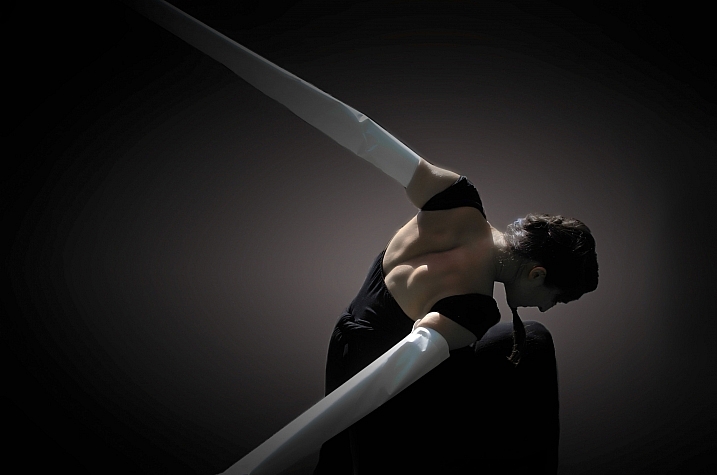
Tag: Minimalism

  • Weekly Photography Challenge – Minimalism

    The post Weekly Photography Challenge – Minimalism appeared first on Digital Photography School. It was authored by Sime.

    From a recent dPS article by one of our authors, Simon Bond, we’re going to revisit ‘Photographic Minimalism’ (Don’t worry, it’s easy and fun!)

    What is minimalism?

    Minimalism, as the name suggests, is about keeping things simple. It means avoiding clutter, which in photography equates to removing unwanted elements from your photos.

    You do want a main subject, though; this is needed for the minimalist parts of your photos to have something to contrast with. Make sure you tag your photo #dPSMinimalism wherever you choose to share it!

    photographic minimalism fisherman example
    Shooting upward toward the fisherman helped produce a minimalist photo.

    Or maybe a ship on the horizon? Whatever your photograph might be, do your best to show us that photographic minimalism! (Bit confused, check out this article)

    Weekly Photography Challenge - Minimalism

    Great! Where do I upload my photos?

    Simply upload your shot into the comments field (look for the little camera icon in the Disqus comments section) and they’ll get embedded for us all to see. Or, if you’d prefer, upload them to your favourite photo-sharing site and leave the link to them.

    Weekly Photography Challenge – Looking Up

    Share in the dPS Facebook Group

    You can also share your images in the dPS Facebook group as the challenge is posted there each week as well.

    If you tag your photos on Flickr, Instagram, Twitter or other sites – tag them as #DPSMinimalism to help others find them. Linking back to this page might also help others know what you’re doing so that they can share in the fun.

    Follow us on Instagram?

    The post Weekly Photography Challenge – Minimalism appeared first on Digital Photography School. It was authored by Sime.


    Digital Photography School

  • Tips for Using Photographic Minimalism to Great Effect

    The post Tips for Using Photographic Minimalism to Great Effect appeared first on Digital Photography School. It was authored by Simon Bond.

    In today’s article, you’ll learn a key tip for improving your photography. After all, when you understand that photography is the art of subtraction, it makes sense that minimalism works so well for photography.

    This means that employing photographic minimalism in your work will immediately improve your results. Let’s take a look at what minimalism is, where you’ll find it, and how to use it in your own photos.

    photographic minimalism fisherman example
    Shooting upward toward the fisherman helped produce a minimalist photo.

    What is minimalism?

    Minimalism, as the name suggests, is about keeping things simple. It means avoiding clutter, which in photography equates to removing unwanted elements from your photos.

    You do want a main subject, though; this is needed for the minimalist parts of your photos to have something to contrast with.

    Key elements of photographic minimalism

    The great thing about minimalism is that it can be applied to almost every genre of photography, including portrait, landscape, and still life. The only area where minimalism doesn’t always work well is street photography, where you often want to show more of the scene.

    Therefore, the key aspects of photographic minimalism are the following:

    • Negative space: This refers to an area of empty space in your photo. The negative space still needs to work compositionally, but that space is what will give your photo its minimalism.
    • Small main subject: The main subject should not fill the frame. It needs to be present, but have enough space around it for the photo to breathe.
    • Avoid clutter: When you compose a photo, do so in such a way that you include the main subject and the background with little else.
    photographic minimalism ice cream cone
    This photo uses a wall similar in color to the ice cream.

    The best location for photographic minimalism

    It’s possible to produce photographic minimalism in almost any location.

    The important factors are the angle you photograph at and the focal length of your lens. Here are a few possible ideas you can use:

    • Minimal locations: Places like coastlines and deserts offer minimalism pretty much wherever you point the camera.
    • Urban settings: Look for a plain wall and use this as a background for a minimalist portrait.
    • A shard of light: Go for low-key minimalism by locating a shard of sunlight, or by putting a snoot on a flash and aiming it at a person. Then expose for the light on that person, while leaving the background underexposed and dark.
    • Product photos: Use a lightbox to produce high-key product photos that are surrounded by white (or by the background color that you choose).
    photographic minimalism boat on ocean
    The ocean is minimal by nature. The ripples on the water add interest to the negative space.

    Which lens works best?

    The lens that works best for minimalism will depend a lot on the location you’re photographing. It may be hard to produce minimalism with a wide-angle lens in an urban setting, but take the same lens to a desert and it’ll do a great job. The following is a guide to help you choose the correct lens:

    • Wide-angle: Use a wide-angle lens in a location where you can fill the frame with one particular background. That background will often be the sky, but could equally be rolling green hills. This works best in rural areas.
    • Telephoto: It’s easier to produce minimalism when you use a telephoto lens. This is because you can zoom in on a specific area to avoid elements that clutter the frame. When using a long focal length, ensure there is enough negative space around your main subject.
    street photo photographic minimalism
    It’s possible to take minimal street photos, as well. Simply find a wall with a strong color to photograph against.

    Change the angle

    A simple change of angle can have a big impact on your photos and help you produce photographic minimalism. Stepping to the side or crouching down to the ground can be all it takes to remove a distracting element from your composition.

    Here are some options that will turn a cluttered scene into a minimalist one:

    • A bird’s-eye view: This works best where you have fields or a coastline, so the location is already minimalist.
    • Crouching below a wall: Use a wall as the horizon line and aim up towards the sky. The wall blocks out the usually busy horizon, and you can add a person as a silhouette against the sky.
    • Compression: I already talked about this in the section about lenses and focal length, but zooming in to remove distracting elements from the edge of the frame works well.
    • Move to the side: A single step can be all it takes to change the background from cluttered to minimal.
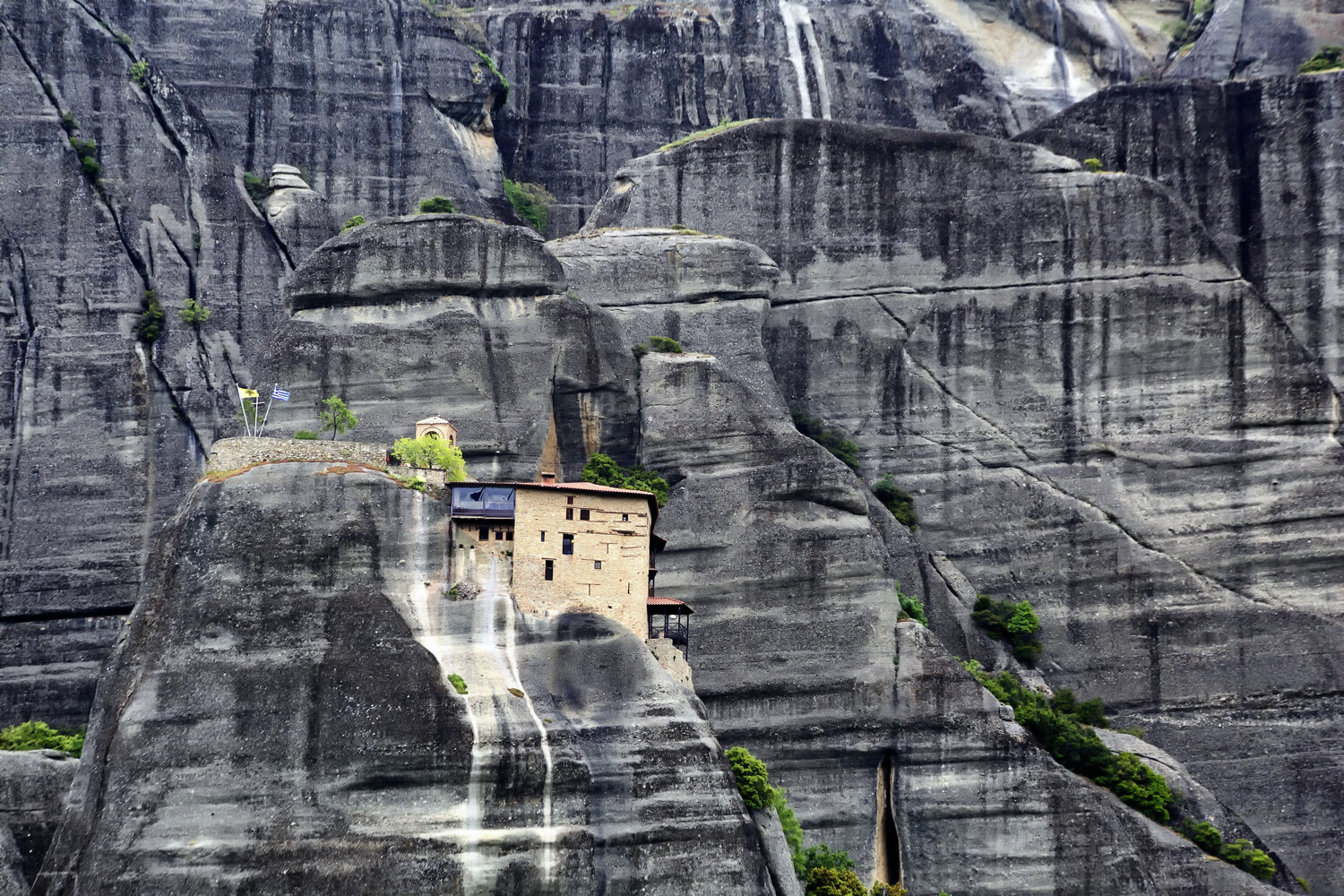
    photographic minimalism Greek monastery
    This photo shows a monastery at Meteora in Greece. A long focal length is used and the rocks create a minimal, textured background.

    Post processing can help

    Now, it’s best to get your photo right from the start and simply change your position so that you can compose a minimalist photo.

    That said, there are times that creating a minimalist composition in-camera isn’t possible, yet the photo is still very much there to be taken. There could be a lamppost or an electric pylon that comes into your frame.

    Fortunately, it’s increasingly easy to clone out unwanted elements from your photo. And once you’ve done that, you’ll have created minimalism.

    photographic minimalism farmworker in Laos
    This farmworker in Laos works as a great main subject to add interest to the composition.

    Maximize your photos with minimalism!

    A lot of successful photos use minimalism to great effect. Are you a minimalist with your photography? If so, how do you go about taking photos in the minimalistic style? If you have ideas and photos you’d like to share, please do so in the comments section below.

    Now it’s time to maximize your creativity with photographic minimalism!

    The post Tips for Using Photographic Minimalism to Great Effect appeared first on Digital Photography School. It was authored by Simon Bond.


    Digital Photography School

  • How to Embrace MINIMALISM for IMPROVED Landscape Photos [video]

    The post How to Embrace MINIMALISM for IMPROVED Landscape Photos appeared first on Digital Photography School. It was authored by Caz Nowaczyk.

    In this video from Mark Denney, he looks at how embracing Minimalism can improve your Landscape Photography.

    ?

    Mark uses some of his photos to illustrate some of the following points:

    5 tips for achieving minimalist landscape photography

    1. Include an obvious subject

    Use an obvious subject without filling the frame with it. It draws the viewer’s eye in.

    2. Expansive Composition

    Use a lot of negative space around your subject to make your subject stand out further.

    3. Minimizing color

    Color can be distracting (if there are many colors) in a minimalist composition. Many minimalist photos are black and white, quite monotone or only make use of a few colors so that the composition is not busy.

    4. Use of light and shadows

    Consider using dappled light, striped light, or spots of light so that light is the main subject in the scene. This can work well for minimalist photography.

    5. Keep it simple

    Think differently and outside the box, but keep it simple. Look for a distraction-free palette to work with. Often it is more about what you don’t have in the frame rather than what you do.

    So shake up your focus with your landscape photography, and give Minimalism a try. If you are interested in learning more about Landscape Photography, check out our Landscape and Nature Course!


    You may also be interested in:

    • Tips for Achieving Minimalism in Photography
    • Minimalism: Using Negative Space In Your Photographs
    • Tips for Using Negative Space in Photography to Create Stunning Images
    • How to Photograph a Minimalist Landscape
    • The Minimalist Landscape Photographer: What do you really need?
    • 5 Guidelines of Minimalist Photography to Help Improve Your Work
    • Tips for Minimalist Photography in an Urban Environment

    The post How to Embrace MINIMALISM for IMPROVED Landscape Photos appeared first on Digital Photography School. It was authored by Caz Nowaczyk.


    Digital Photography School

  • Tips for Achieving Minimalism in Photography

    The post Tips for Achieving Minimalism in Photography appeared first on Digital Photography School. It was authored by Karthika Gupta.

    Minimalism seems to be a hot topic of discussion these days in almost every facet of life. It has made its way into a lifestyle that is often associated with a particular way of living, of creating and even a certain way of traveling. Even though the interpretation is subjective, the Webster dictionary defines it as a “style or technique that is characterized by extreme sparseness and simplicity.”

    Karthika Gupta CulturallyOurs Minimalism in photography Jaipur Fort India

    Many of us are drawn to the ‘less is more’ concept, with simple lines, geometric patterns, clear shadows, colors, and isolated subjects. Sometimes these elements occur automatically in our surroundings and at other times requires some manipulation in terms of decluttering and removing elements from the frame.

    The key is to train your eye to assess what is required to create a strong story. Here are a few tips and examples to get you started in your quest for minimalist imagery.

    Tips for achieving minimalist imagery

    1. Composition techniques

    One of the key elements of minimalism is the concept of less is more. Keep it simple, light – concise.

    However, keeping it simple does not mean keeping it boring.

    Contrary to popular belief, a minimalist approach requires a lot of creativity. Well-placed subjects and key elements that help communicate a story are all challenging to get right all the time. These concepts often require much practice until it becomes the way you see.

    Start asking yourself these questions even before you bring the camera to your face to take the shot. Take your time in composing and don’t be in a rush to click and move on. Put some thought into it. Sometimes if it is not obvious, look through the viewfinder and see the shot instead of cropping unwanted distractions in post-processing.

    Karthika Gupta CulturallyOurs Minimalism in photography Portugal

    I did not have room to move back and take a wide-angle shot. So in post, I just added a few layers and made the scene appear further than it actually was, and added negative space.

    In situations where it is not possible to remove distracting objects from the frame, use depth of field to isolate your subject from the background by shooting with an aperture as wide (smallest number) as your lens allows. This, in effect, blurs the background, distracting elements and gives a sense of minimalism. You will need a lens that can effectively give that bokeh effect.

    2. Colors and textures

    Bright colors or even contrasting colors help with the minimalistic approach by adding the right amount of contrast. The key is not to go extreme but to pick one or maybe two colors that work well with each other and use them prominently in the image. Sometimes even adding a little texture in the image can assist in improving the visual appeal like the lines of sand in the image below.

    Karthika Gupta CulturallyOurs Minimalism in photography

    Initially look at the color wheel and familiarize yourself with contrasting colors. But don’t just focus on that. Trust your eye to catch situations like this one to practice minimalism – even if its on your phone (like this shot).

    3. Leading Lines and Patterns

    Lines and patterns, if done correctly, can also assist in the minimalistic approach. However, aim to keep it simple. Leading lines and other geometric shapes can make great backdrops for minimalist pictures.

    But if there are too many elements in the frame, it can make the image appear chaotic and busy, which is not the minimalistic clean way.

    Sometimes all it takes is to find a creative angle to photograph. Experiment with different angles – straight on, high up, or low down until you get a shot that showcases your vision for the image.

    Karthika Gupta CulturallyOurs Minimalism in photography Portugal

    A typical leading line lead the eye and the camera to this lady drying her rugs (which add a pop of color in an otherwise monotone scene).

    4. Negative Space

    Learning to use negative space is a huge advantage when embracing the minimalistic movement. Negative space allows the main subject matter to breathe freely. It conveys a sense of lightness in both place and space. Negative space is a great way to isolate your subject so that the viewer can easily interpret the story you are trying to convey.

    Remember negative space does not always mean a single subject and nor does it mean always photographing in the rule of thirds. It means allowing less clutter in the frame. Negative space, along with the posing, can add a lot of drama to an otherwise simple portrait.

    Karthika Gupta CulturallyOurs Minimalism in photography

    Karthika Gupta CulturallyOurs Minimalism in photography Horses in shadow

    5. Concise Storytelling

    One of the best ways to practice and perfect minimalistic photography is to tell a story. Ask yourself if the elements in the frame help move the story forward or are hindering the story. Sometimes a human element is needed to tell the story, and other times, it is not needed. Symmetry, lines, patterns, and shadows take on the role of telling the story.

    Karthika Gupta CulturallyOurs Minimalism in photography Utah

    In the above image, the lack of a human subject is overcome by using the yellow median as well as the curve in the road to communicate the feeling of going off the beaten path. There really was not a single car for miles, and we had this magnificent landscape all to ourselves.

    Sometimes the story and the environment come together spontaneously, and it’s the photographer’s job to see it and respond quickly. Other times it requires a bit of patience for the right subject to walk through the frame.

    The good thing is that a minimalist approach to photography can be applied in nature as well as in an urban environment. You can practice anywhere, so get out there and open yourself to a different way of seeing with your camera – no matter the genre.

    6. Post-Processing

    Minimalistic photography doesn’t end once you take the shot. You can extend this concept into post-processing as well. The easiest way to approach minimalistic photography in post-processing is to keep the image treatment simple. Avoid highly saturated images, a lot of contrast, and intense color corrections.

    With portraits, don’t correct all the skin and tone imperfections. Let the subject’s natural beauty show without too much retouching.

    The image below uses grain and emulates a film look. This adds to the minamalism.

    Karthika Gupta CulturallyOurs Minimalism in photography Lifestyle Editorial

    A simple lifestyle editorial that focused on solitude and idleness was the epitome of minimalism. The post-processing here supported the story with a very light and airy look and feel.

    Conclusion

    In photography, minimalism is a visual statement where the story of the photograph is simplified, elements reduced, and clean space added. Not only has minimalist photography become its own genre, but photographers specializing in the discipline have come into their own. They have created an attractive space of art and creativity for us all to enjoy. As industry professionals, it behooves us to pay attention to this trend and see how we can apply this in our own body of work.

    Feel free to share some of your minimalist images with us in the comments below.


    The post Tips for Achieving Minimalism in Photography appeared first on Digital Photography School. It was authored by Karthika Gupta.


    Digital Photography School

  • Weekly Photography Challenge – Minimalism

    The post Weekly Photography Challenge – Minimalism appeared first on Digital Photography School. It was authored by Caz Nowaczyk.

    This week’s photography challenge topic is MINIMALISM!

    Katie Treadway

    Your photos can include anything that is minimalist. It can be landscape, street, abstract, objects or anything really! They can be color, black and white, moody or bright. You get the picture! Have fun, and I look forward to seeing what you come up with!

    Raychan

    Some Inst-piration from some Instagrammers:


    View this post on Instagram


    A post shared by Hello!! (@esraatayel) on


    View this post on Instagram


    A post shared by Glaycheong Matt (@glaycheong_visual_diary) on


    View this post on Instagram


    A post shared by ????? ???????? (@ceritanyapanjang_) on


    View this post on Instagram


    A post shared by Alex Neaga (@alex_neaga) on


    View this post on Instagram


    A post shared by hüseyinopruklu (@huseyinopruklu) on


    Check out some of the articles below that give you tips on this week’s challenge.

    Tips for Shooting MINIMALISM

    The Minimalist Landscape Photographer: What do you really need?

    Tips for Minimalist Photography in an Urban Environment

    5 Guidelines of Minimalist Photography to Help Improve Your Work

    Minimalism: Using Negative Space In Your Photographs

    Minimalist Photography ~ 4 Tips To Keep It Simple With A Maximum Impact

    Minimalism in Photography


    Weekly Photography Challenge – MINIMALISM

    Simply upload your shot into the comment field (look for the little camera icon in the Disqus comments section) and they’ll get embedded for us all to see or if you’d prefer, upload them to your favorite photo-sharing site and leave the link to them. Show me your best images in this week’s challenge.

    Share in the dPS Facebook Group

    You can also share your images in the dPS Facebook group as the challenge is posted there each week as well.

    If you tag your photos on Flickr, Instagram, Twitter or other sites – tag them as #DPSminimalism to help others find them. Linking back to this page might also help others know what you’re doing so that they can share in the fun.

    The post Weekly Photography Challenge – Minimalism appeared first on Digital Photography School. It was authored by Caz Nowaczyk.


    Digital Photography School

  • Now with More Minimalism: Brandless Brand Trademarks Bland White Boxes

    [ By WebUrbanist in Design & Products & Packaging. ]

    Viral Silicon Valley controversies like those revolving around Juicero (a device that squeezed out juice) and Lyft (which seems to be reinventing the bus) are often held us as examples of how innovators are out of touch, which leads us to Brandless, a brand that is apparently reinventing minimalist packaging — the kind of thing that companies like Target have been doing for ages.

    To be fair, the Brandless boxes don’t look all that bad, and color-coding products make some sense. Plus, the idea of making everything the same price (three dollars) is fascinating if a bit difficult to scale. They are trying to take things a step further, too, by putting more information on the box (including the Brandless name) and less on the product, which could in theory be a nice way to visually declutter one’s home.

    But of course, reality and regulations don’t always play nice with packaging design — for starters, the smooth look is interrupted by a black-printed net weight stamp toward the bottom and other essential labels of that sort. And, really strangely, a white trademark stands out from the colored portion of the product. Naturally, if one wants to order the flat-priced products, a shipping charge also interrupts the otherwise consistent pricing scheme.

    None of this is meant to knock the conceptual underpinnings or commercial viability too much — entrepreneurs Tina Sharkey and Ido Leffler are clearly tapping into the West Coast demographic that has money and craves simplicity. But their claim to be making something “completely fresh and new” is a bit much — grocery and convenience store chains have been selling products in simplified and distinctive brand-free packages for a long time, with the same mission in mind (to reduce the “brand tax” people pay to get a name-branded version of something).

    For now, the company is rolling out around 200 initial products. And, at least for the time being, they are all at the same price point. But one has to wonder: does that flat rate idea really make sense for a growing consumer brand? Surely some things are best bought in bulk to save money, or simply too expensive to sell for a few dollars. And consumers who want one-stop shopping may find their offerings a bit thin. In the struggle for minimalist simplicity, Brandless just may be making things harder on themselves than they have to.

    Share on Facebook


    [ By WebUrbanist in Design & Products & Packaging. ]

    [ WebUrbanist | Archives | Galleries | Privacy | TOS ]


    WebUrbanist

  • Maximum Discomfort: Furniture-Free House Takes Minimalism to Extremes

    [ By WebUrbanist in Architecture & Houses & Residential. ]

    kitchen

    A renovated and expanded home in Maryland features no furniture, begging the question: what does it mean to be minimal and when does the philosophy go too far? Decorative clutter is one thing, but beds, tables and chairs are quite another.

    minimal house addition

    A new tower and extension expand the current cabin, and as photos of the project show: it is a very open space. Often furniture is removed for architectural photography, but in this case it is not a trick of staging just to get nice and clean shots.

    living room

    The place is a relatively spacious 1,200 square feet, maybe more than it needs considering its only furnishings are a movable dining table (diners sit on the floor) and a pair of roll-out sleeping mats. Where other furniture is required, islands and built-ins have been designed to serve the needs of the place. Sitting around the fire, apparently, involves sitting on the hardwood floors.

    minimalist

    McInturff Architects remade the space at the request of the client, providing a staircase to access the newly expanded upper level and adhering to their request for maximum minimalism. White, black and wood form the material and color palette of the place, likewise minimalist.

    exterior

    The architects argue that by leaving uses undefined the program retains flexibility, but he results look rather bare without decor (or furniture). Of course, at the end of the day, it is always up to the client, but one has to wonder if they will find it all sufficient or seek to add more over time.

    Share on Facebook


    [ By WebUrbanist in Architecture & Houses & Residential. ]

    [ WebUrbanist | Archives | Galleries | Privacy | TOS ]


    WebUrbanist

  • 21 Simple Images That Exemplify Minimalism

    Sometimes less is more. When that comes to photography that is often true. Beginner photographers frequently try to put too much into their photos. That causes the image to be cluttered and the subject to be less clear. Let’s see some examples.

    21 super simple compositions that show how you can use minimalism to create stunning and effective images.

    Namelas Frade

    By Namelas Frade

    Andreas

    By Andreas

    Iñaki Bolumburu

    By Iñaki Bolumburu

    Nebojsa Mladjenovic

    By nebojsa mladjenovic

    Daniel Sjöström

    By Daniel Sjöström

    Aarthi Narayanan

    By Aarthi Narayanan

    ELKayPics / Lutz Koch

    By eLKayPics / Lutz Koch

    Chetiya Sahabandu

    By Chetiya Sahabandu

    Etienne

    By Etienne

    Serzhile

    By serzhile

    THE ZEN DIARY — David Gabriel Fischer

    By THE ZEN DIARY — David Gabriel Fischer

    Danscape.co

    By danscape.co

    Alexcoitus

    By alexcoitus

    Toni Verdú Carbó

    By Toni Verdú Carbó

    Neil Tackaberry

    By Neil Tackaberry

    Patrick Marioné - Thanks For > 2M

    By Patrick Marioné – thanks for > 2M

    Bernard Spragg. NZ

    By Bernard Spragg. NZ

    John Twohig

    By John Twohig

    Katheirne Hitt

    By Katheirne Hitt

    Daoan

    By Daoan

    Martin Brigden

    By Martin Brigden

    googletag.cmd.push(function() {
    tablet_slots.push( googletag.defineSlot( “/1005424/_dPSv4_tab-all-article-bottom_(300×250)”, [300, 250], “pb-ad-78623” ).addService( googletag.pubads() ) ); } );

    googletag.cmd.push(function() {
    mobile_slots.push( googletag.defineSlot( “/1005424/_dPSv4_mob-all-article-bottom_(300×250)”, [300, 250], “pb-ad-78158” ).addService( googletag.pubads() ) ); } );

    The post 21 Simple Images That Exemplify Minimalism by Darlene Hildebrandt appeared first on Digital Photography School.


    Digital Photography School

  • Weekly Photography Challenge – Minimalism

    Viewing some images that are good examples for minimalism is the first step. Then it’s your turn.

    Weekly Photography Challenge – Minimalism

    This one should be fairly simple (pun intended). Find something and shoot it in the most minimalistic way possible. Put less into your image. Get closer and crop tight. Another way to think about it is to simplify. Like these:

    Kim Seng

    By Kim Seng

    A_Peach

    By A_Peach

    Andy Smith

    By Andy Smith

    Put on a long lens, use a wide aperture, maybe even try a close-up or macro lens. Watch the edges of your image. Remove anything that doesn’t add to the photo. Keep it simple.

    Share your images below:

    Simply upload your shot into the comment field (look for the little camera icon in the Disqus comments section) and they’ll get embedded for us all to see or if you’d prefer, upload them to your favorite photo-sharing site and leave the link to them. Show me your best images in this week’s challenge. Sometimes it takes a while for an image to appear so be patient and try not to post the same image twice.

    Share in the dPS Facebook Group

    You can also share your images on the dPS Facebook group as the challenge is posted there each week as well.

    Gafa Kassim

    By gafa kassim

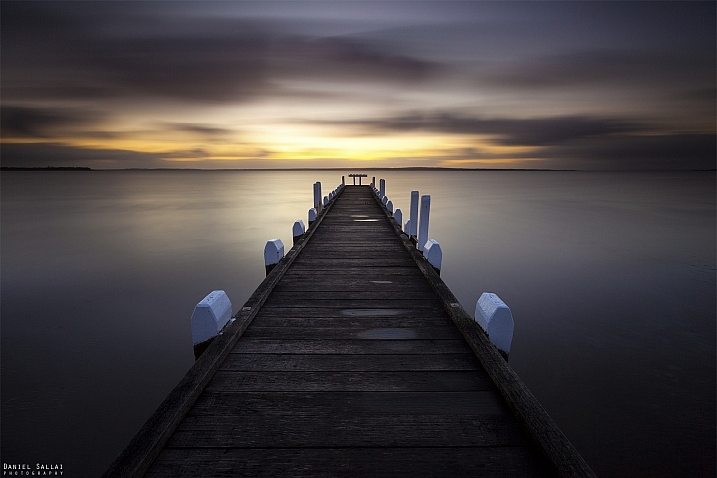
    Daniel Sallai

    By Daniel Sallai

    Bertram Nudelbach

    By Bertram Nudelbach

    googletag.cmd.push(function() {
    tablet_slots.push( googletag.defineSlot( “/1005424/_dPSv4_tab-all-article-bottom_(300×250)”, [300, 250], “pb-ad-78623” ).addService( googletag.pubads() ) ); } );

    googletag.cmd.push(function() {
    mobile_slots.push( googletag.defineSlot( “/1005424/_dPSv4_mob-all-article-bottom_(300×250)”, [300, 250], “pb-ad-78158” ).addService( googletag.pubads() ) ); } );

    The post Weekly Photography Challenge – Minimalism by Darlene Hildebrandt appeared first on Digital Photography School.


    Digital Photography School

  • 25 Stunning Images that Show Next to Nothing – Minimalism

    Just like the TV show Seinfeld that was a show about nothing, putting next to nothing in your images can produce some good results.

    min·i·mal·ism – a style or technique (as in music, literature, or design) that is characterized by extreme spareness and simplicity

    Sometimes in an image less is more, and many beginners try to put too much into their images which makes them busy and unfocused. Look at these images that use minimalism well:

    Patrick Marioné - Thanks For > 2M

    By Patrick Marioné – thanks for > 2M

    Darwin Bell
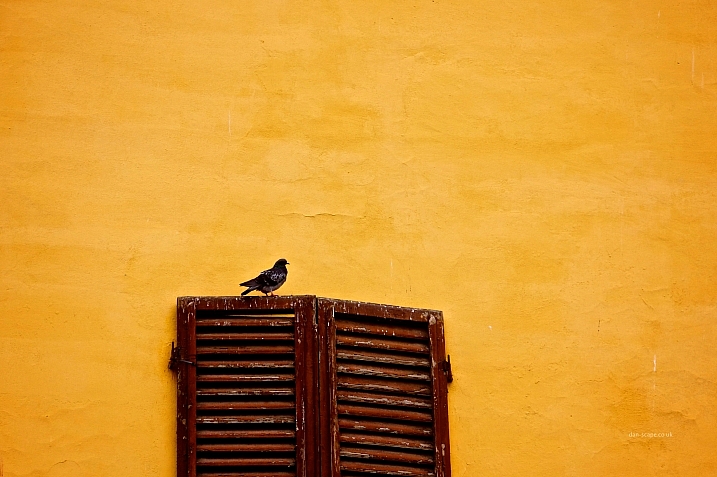
    By darwin Bell

    Iñaki Bolumburu

    By Iñaki Bolumburu

    Kai C. Schwarzer

    By Kai C. Schwarzer

    Susanne Nilsson

    By Susanne Nilsson

    Maf04

    By maf04

    Craig Sunter

    By Craig Sunter

    LadyDragonflyCC - >;

    By LadyDragonflyCC – >;<

    Kai C. Schwarzer

    By Kai C. Schwarzer

    Daniel Sjöström

    By Daniel Sjöström

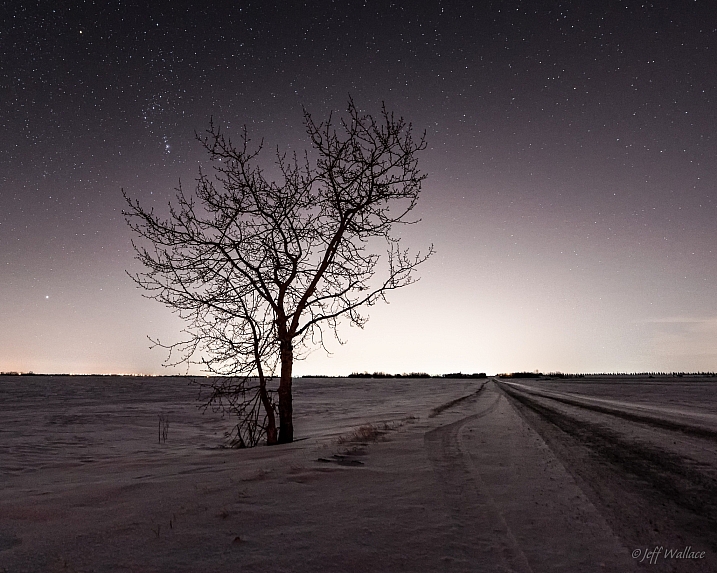
    Jeff Wallace

    By Jeff Wallace

    Takashi .M

    By Takashi .M

    Kai C. Schwarzer

    By Kai C. Schwarzer

    Stewart Ayrey

    By Stewart Ayrey

    Daniel Sallai

    By Daniel Sallai

    Michael Taggart Photography

    By Michael Taggart Photography

    Jonathan Kos-Read

    By Jonathan Kos-Read

    Marilylle Soveran

    By Marilylle Soveran

    Soumyadeep Paul

    By Soumyadeep Paul

    Danipuntocom

    By Danipuntocom

    Georgie Pauwels

    By Georgie Pauwels

    Howard Ignatius

    By Howard Ignatius

    Md. Al Amin

    By Md. Al Amin

    Steve Corey

    By Steve Corey

    Kristina Alexanderson

    By Kristina Alexanderson

    googletag.cmd.push(function() {
    tablet_slots.push( googletag.defineSlot( “/1005424/_dPSv4_tab-all-article-bottom_(300×250)”, [300, 250], “pb-ad-78623” ).addService( googletag.pubads() ) ); } );

    googletag.cmd.push(function() {
    mobile_slots.push( googletag.defineSlot( “/1005424/_dPSv4_mob-all-article-bottom_(300×250)”, [300, 250], “pb-ad-78158” ).addService( googletag.pubads() ) ); } );

    The post 25 Stunning Images that Show Next to Nothing – Minimalism by Darlene Hildebrandt appeared first on Digital Photography School.


    Digital Photography School