Tag: Decay

  • Evolution of Decay: Watch American Buildings Fall Into Ruin Over 40+ Years

    [ By SA Rogers in Abandoned Places & Architecture. ]
    detroit-time-lapse-2

    Architecture that was at its prime in the 1970s has slowly fallen into decline and often ruin thanks to decades of neglect, especially in America’s poorest and most racially segregated communities, including Gary, Detroit, Camden and Harlem. Many of these structures were historically significant, built between the late 1880s and the 1920s, but when no budget exists to care for them and entire cities are left behind by economic progress, the forces of nature and decay take over.
    screen-shot-2016-11-18-at-10-01-16-am

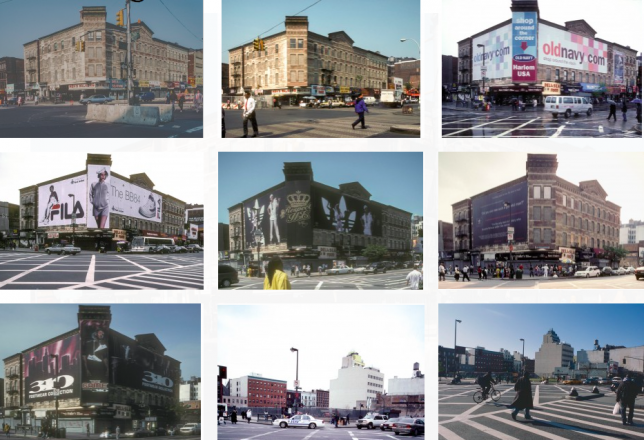
    In a potent visual representation of poverty in America’s urban centers and the loss of historic architectural character via demolition, Chilean-born photographer Camilo José Vergara has spent the last 40+ years documenting the downfall of dozens of structures and city streets. The resulting series, ‘Tracking Time,’ is a time-lapse in slow motion, photographing the same buildings once every few years.
    screen-shot-2016-11-18-at-10-01-52-am

    screen-shot-2016-11-18-at-10-02-16-am

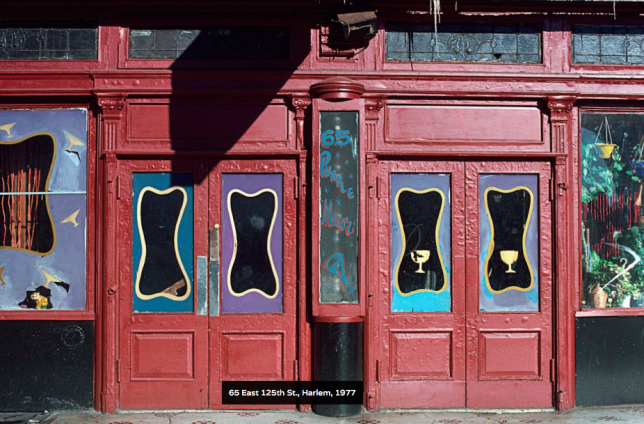
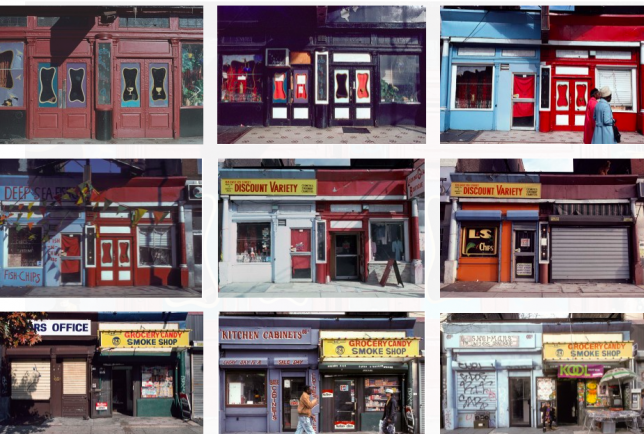
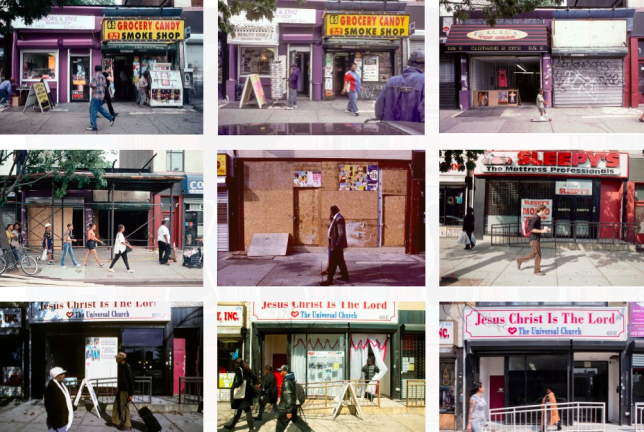
    One old shop in Harlem gets painted several times over, has its stained glass windows knocked out, loses a facade to an ugly garage door and is split up into multiple smaller businesses before finally being boarded over and transformed into a mini-mall-style church in 2014.
    screen-shot-2016-11-18-at-10-21-00-am

    screen-shot-2016-11-18-at-10-21-08-am \

    screen-shot-2016-11-18-at-10-21-22-am

    screen-shot-2016-11-18-at-10-21-30-am

    screen-shot-2016-11-18-at-10-21-38-am

    screen-shot-2016-11-18-at-10-21-50-am

    screen-shot-2016-11-18-at-10-22-01-am

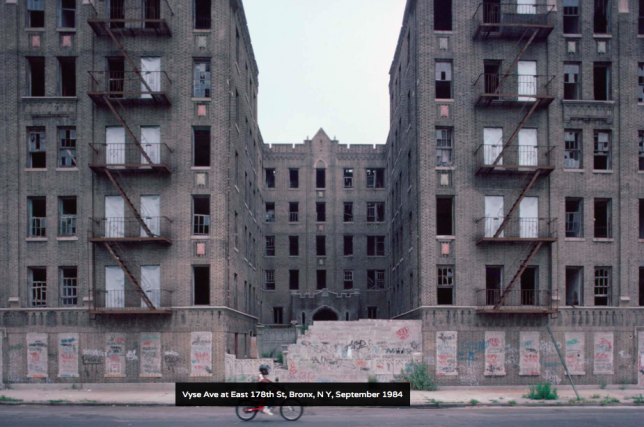
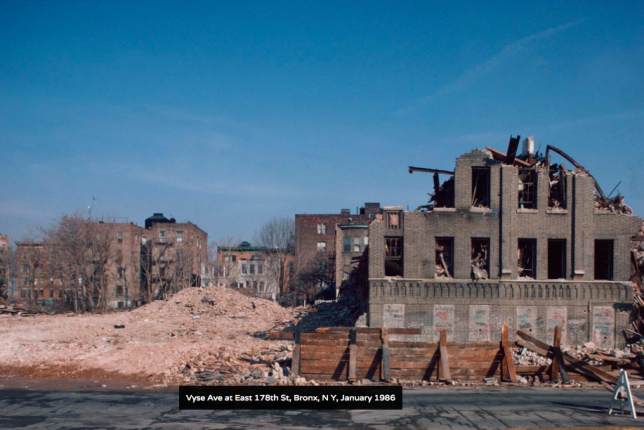
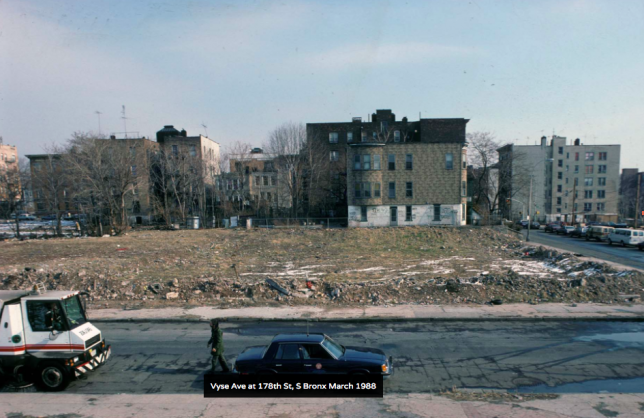
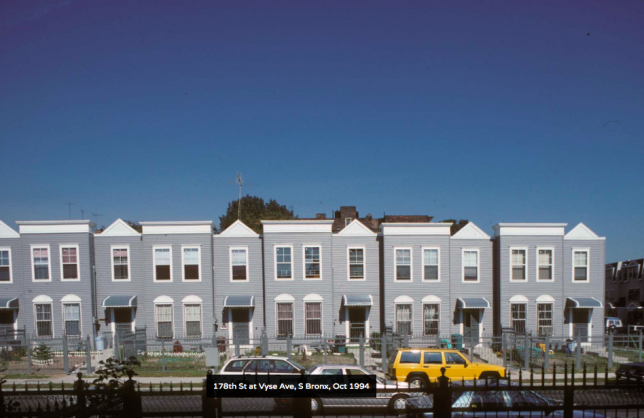
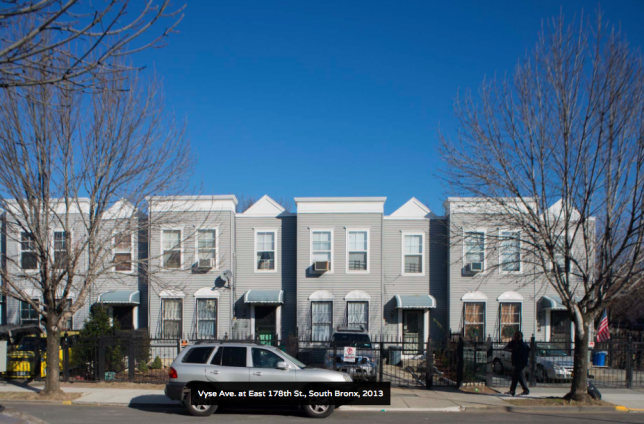
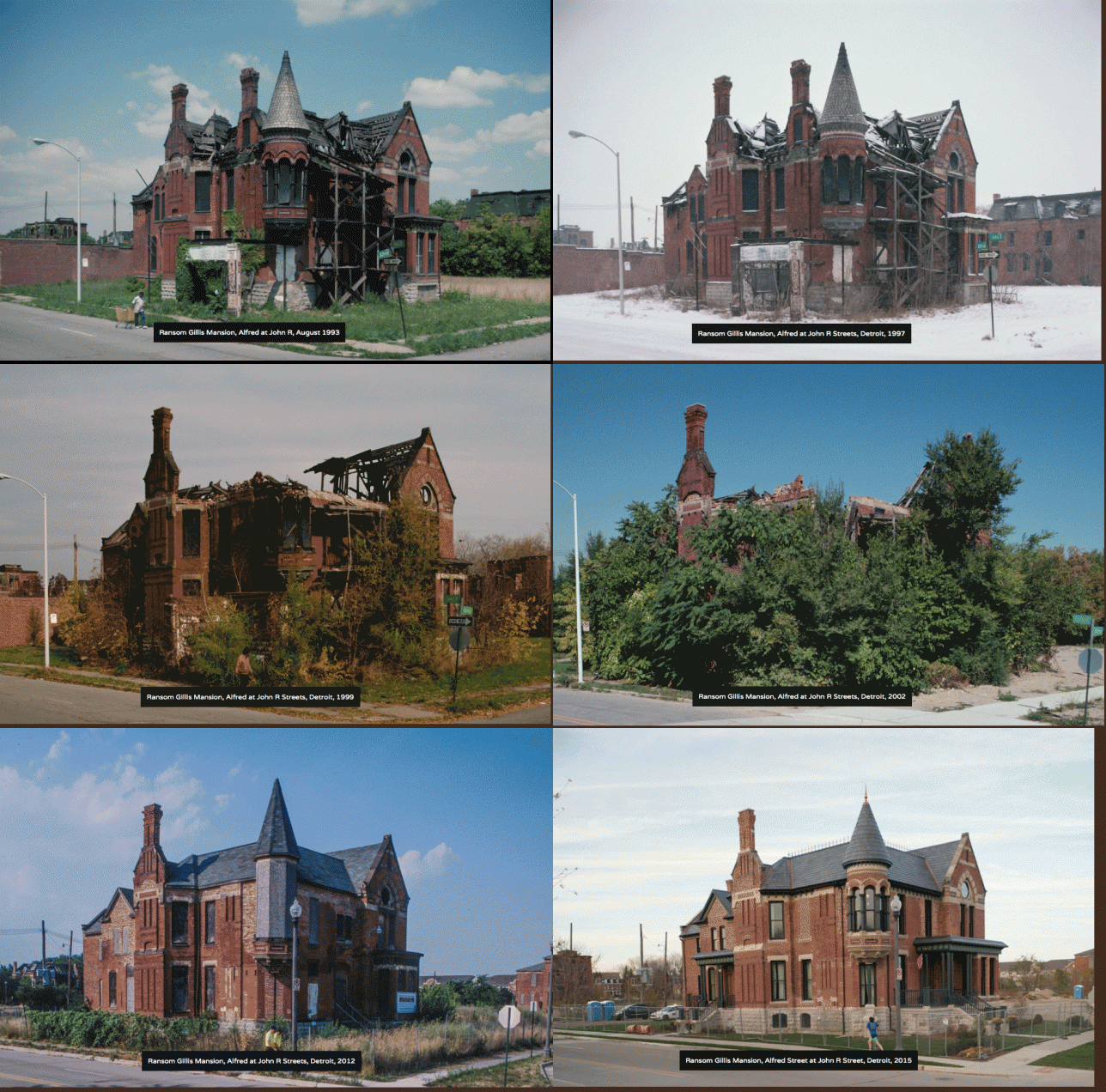
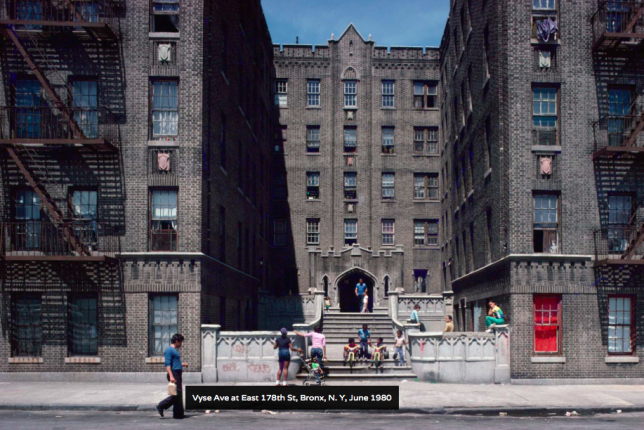
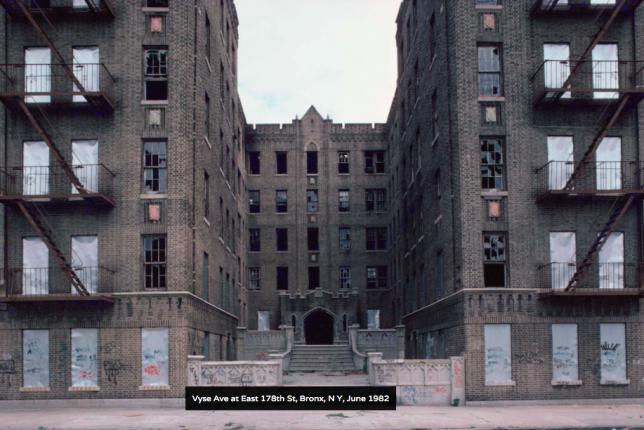
    A massive brick building in South Bronx becomes modest row houses, while The Ransom Gillis House in Detroit (top) sinks into the ground, its bricks falling in clumps, the roof caving in, ivy and trees taking over. It’s almost completely obscured by greenery before a restoration brings it back to its former glory.
    screen-shot-2016-11-18-at-10-00-54-am

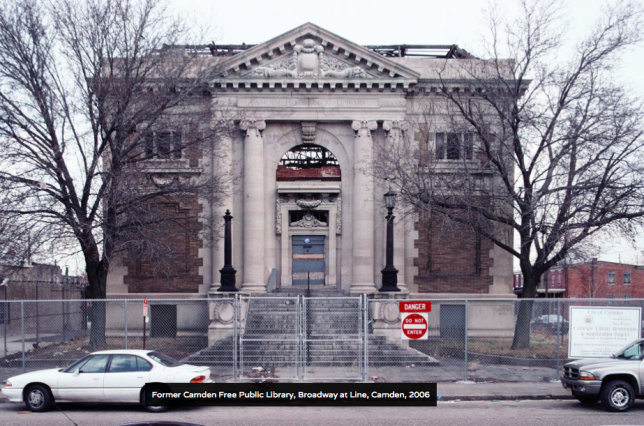
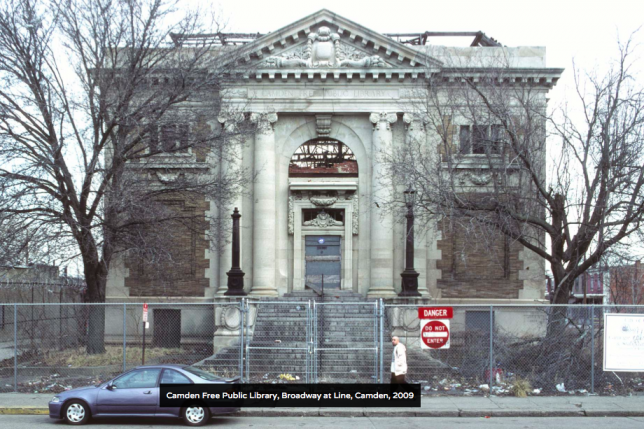
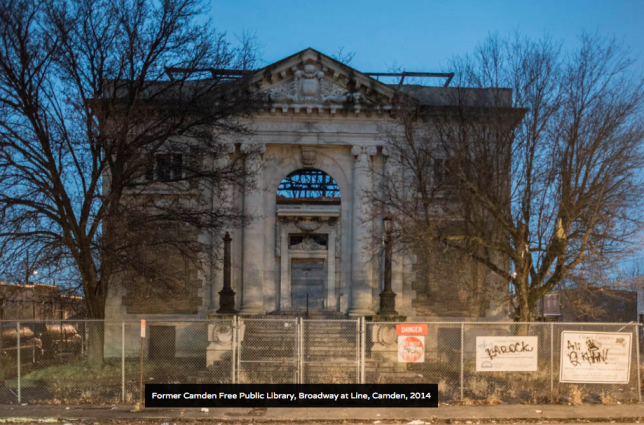
    But other stories aren’t so positive, since people care more about mansions than they do about public housing projects, row houses, and modest residential neighborhoods. Occasionally, Vergara ventures inside to show us that even though the facades still look beautiful, like that of the former Camden Free Public Library, the interiors are utterly destroyed.

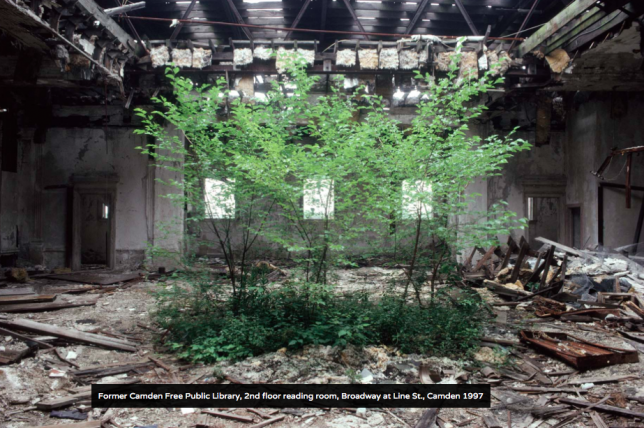
    screen-shot-2016-11-18-at-10-10-30-am

    screen-shot-2016-11-18-at-10-10-40-am

    screen-shot-2016-11-18-at-10-11-08-am

    screen-shot-2016-11-18-at-10-11-24-am

    screen-shot-2016-11-18-at-10-11-54-am

    It can be a heartbreaking journey but also a fascinating one, watching some of these structures remain the same for many years while the world changes around them before transforming into something new. And some do manage to endure.

    Share on Facebook


    [ By SA Rogers in Abandoned Places & Architecture. ]

    [ WebUrbanist | Archives | Galleries | Privacy | TOS ]

    WebUrbanist

  • Beauty in Decay: Moody Murals Bring Human Faces Back to Abandoned Places

    [ By SA Rogers in Art & Installation & Sound. ]

    rone-murals-abandoned-places-1

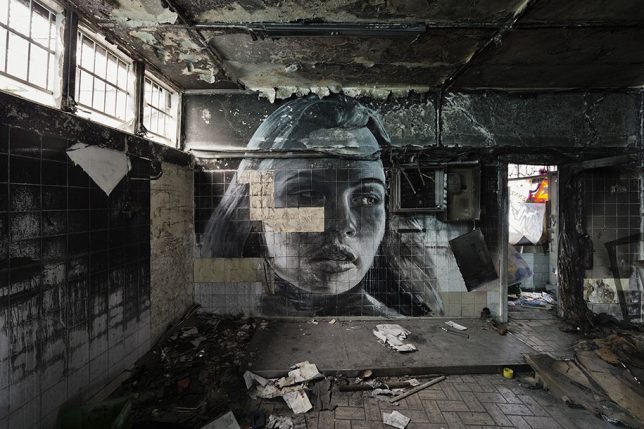
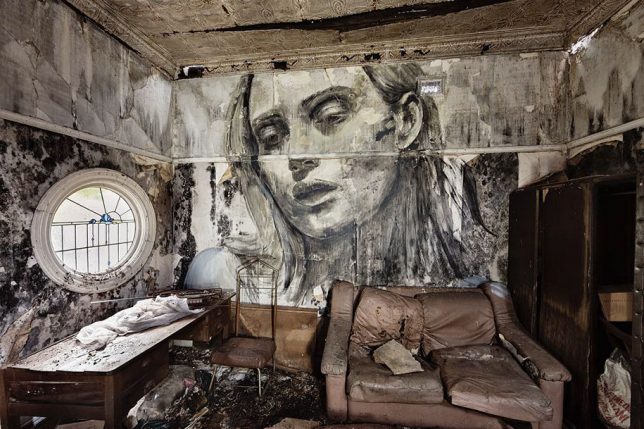
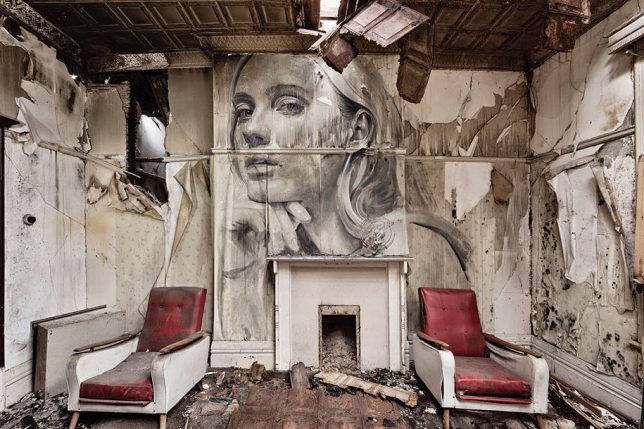
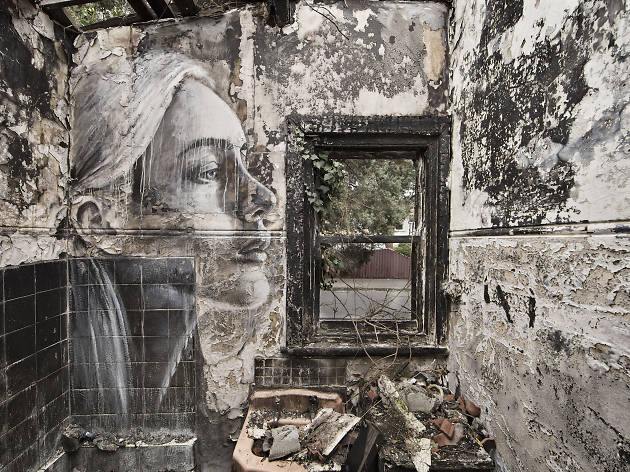
    Abandoned places are often steeped in a mixture of emotional impressions, commingling a sense of loss and a confrontation of our own mortality with slivers of hopefulness for a new future, as nature begins to take over what we’ve left behind. As we move through these deteriorating spaces, strewn with the belongings of former inhabitants who seem to have simply disappeared, we wonder who they were and why the spaces that once sheltered them as they went about their lives have come to this. It’s these emotional qualities that make a new series of murals by Australian street artist Rone all the more poignant and powerful.

    rone-murals-abandoned-places-2

    rone

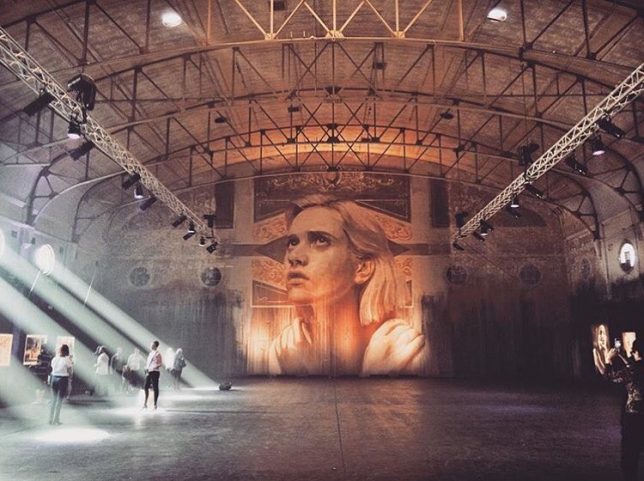
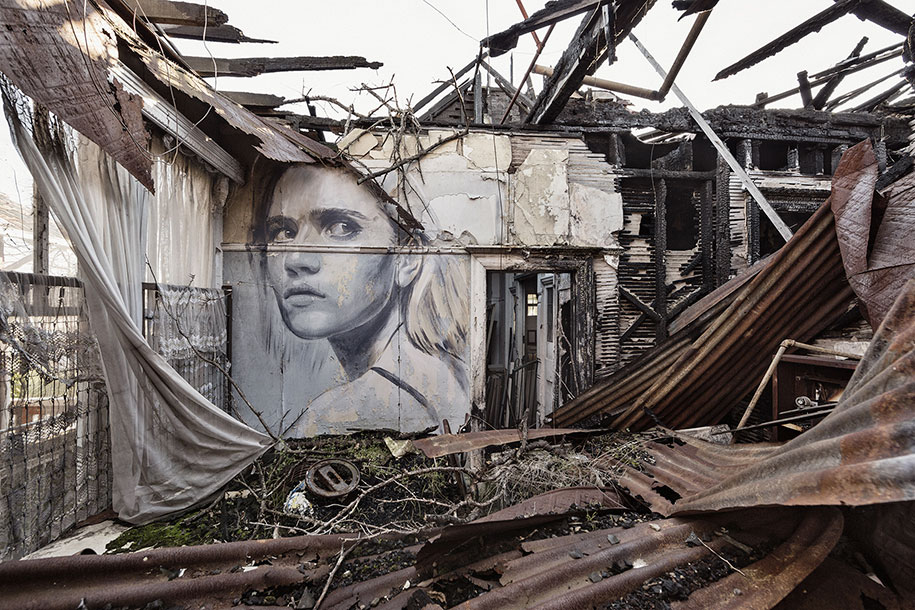
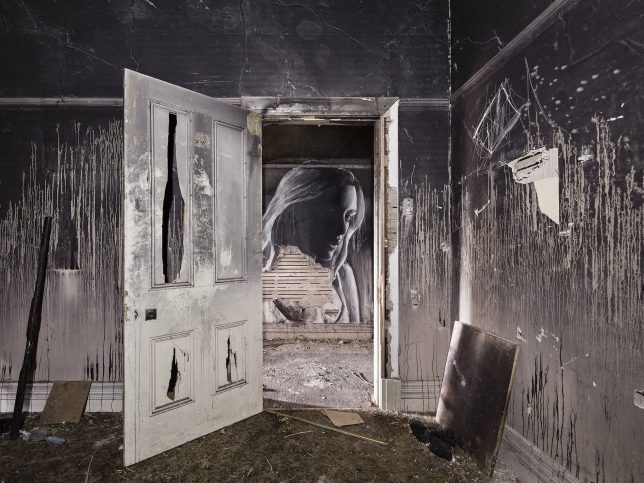
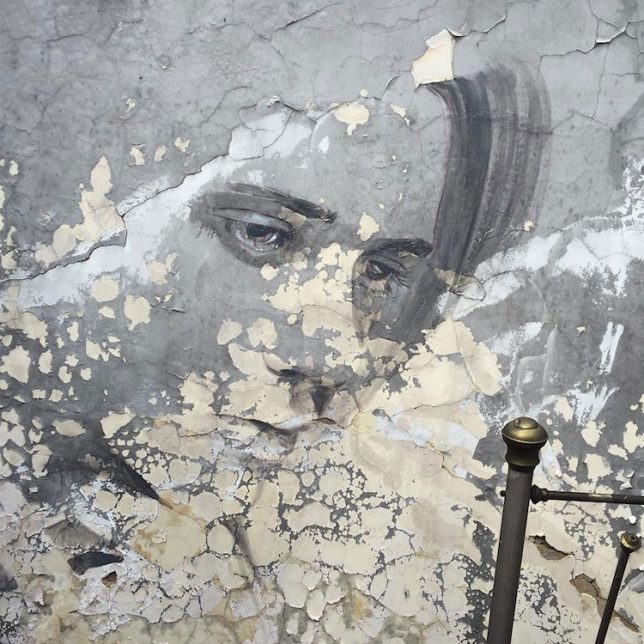
    Entitled ‘Empty,’ the series places the artist’s signature portraits of women on the walls of abandoned interiors, deepening their emotional weight. Much of the subjects’ glamour is stripped away as their skin takes on the texture of peeling paint, the lines of their faces are interrupted by fallen tiles and their gazes are pointed down at the destruction of their environments.

    rone-murals-abandoned-places-3

    rone-murals-abandoned-places-4

    For the Melbourne-based artist, this series represents a shift from the smooth, clean surfaces of his canvases and even the more clear-cut exterior walls upon which his murals are typically painted. But Rone has always found meaning in the temporary nature of these installations, as the artworks are gradually worn away by the elements or painted over by vandals and other artists.

    rone-murals-abandoned-places-5

    rone-murals-abandoned-places-6

    rone-murals-abandoned-places-7

    Rone exhibited ‘Empty’ at the soon-to-be-demolished Star Lyric Theatre building in Melbourne, presenting photographs of the murals in situ along with works on canvas and paper. The artist also painted a new mural directly onto the back wall of the theater, stretching nearly 33 feet from floor to ceiling. It’s a fitting way for the decaying Art Nouveau building to go out, with Rone’s canvases lining its blackened and stained surfaces. See more photos of the installation at Street Art News.

    Share on Facebook


    [ By SA Rogers in Art & Installation & Sound. ]

    [ WebUrbanist | Archives | Galleries | Privacy | TOS ]

    WebUrbanist

  • Weekly Photography Challenge – Urban Decay

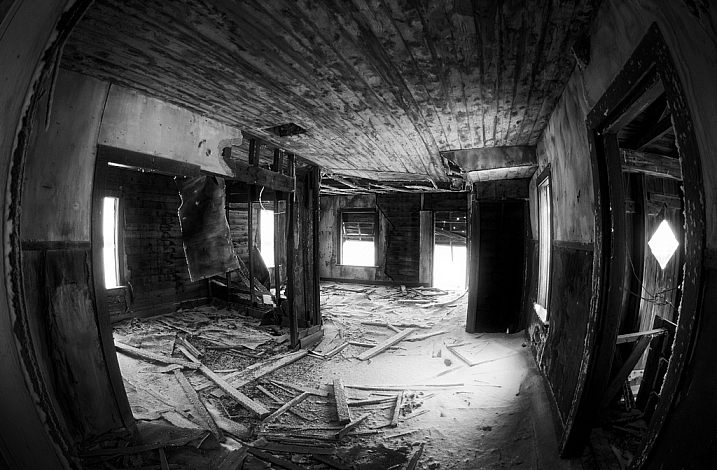
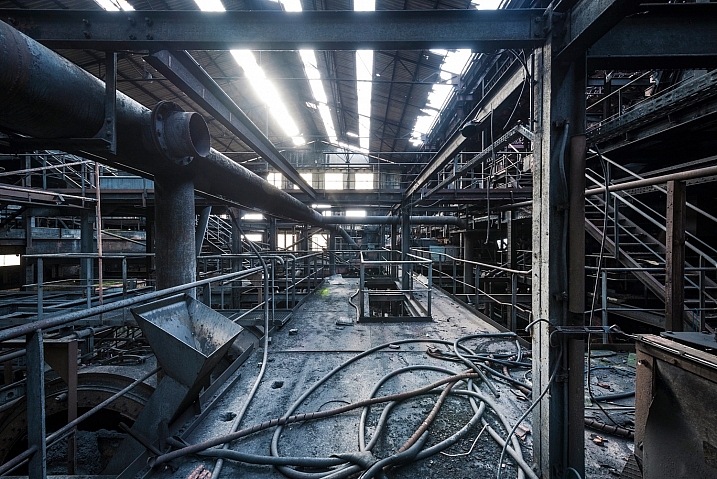
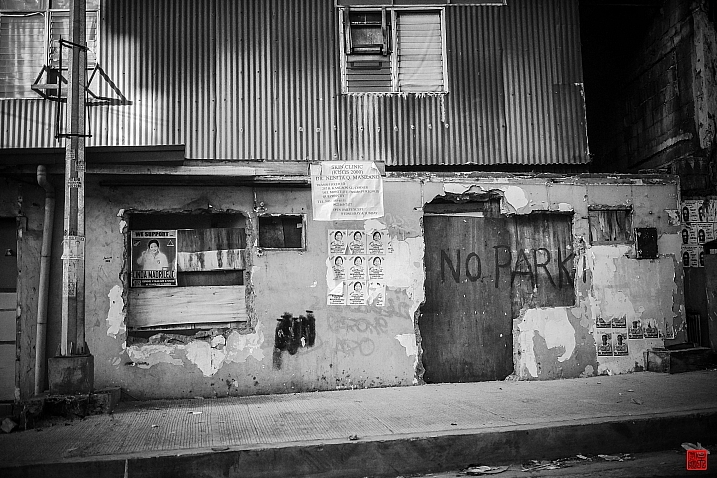
    If you live in a city now is your chance to get out and hunt for some run down, dilapidated, crumbling buildings that say urban decay to you.

    Thomas Hawk

    By Thomas Hawk

    Weekly Photography Challenge – Urban Decay

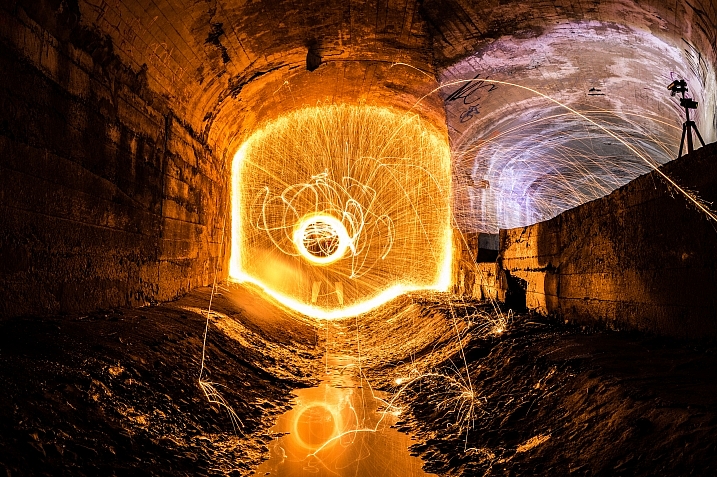
    You can handle this challenge and subject however you wish to approach it. Shoot or convert to black and white, try some HDR, how about doing some light painting at night? The choice is yours. Go find a good subject, take a friend along too, and shoot away!

    NOTE: As always though – please put your safety and taking the proper precautions to ensure you aren’t trespassing on private property or endangering yourself or anyone else in the process of getting your photos. Safety and getting proper permissions come first!

    Pelle Sten

    By Pelle Sten

    Louis Du Mont

    By Louis du Mont

    Babak Fakhamzadeh

    By Babak Fakhamzadeh

    Toby Bradbury

    By Toby Bradbury

    Neal Wellons

    By Neal Wellons

    David Barnas

    By David Barnas

    Share your images below:

    Simply upload your shot into the comment field (look for the little camera icon in the Disqus comments section) and they’ll get embedded for us all to see or if you’d prefer upload them to your favourite photo sharing site and leave the link to them. Show me your best images in this week’s challenge. Sometimes it takes a while for an image to appear so be patient and try not to post the same image twice.

    Julian Lennon

    By Julian Lennon

    Freaktography

    By Freaktography

    David Barnas

    By David Barnas

    Darkday

    By darkday

    googletag.cmd.push(function() {
    tablet_slots.push( googletag.defineSlot( “/1005424/_dPSv4_tab-all-article-bottom_(300×250)”, [300, 250], “pb-ad-78623” ).addService( googletag.pubads() ) ); } );

    googletag.cmd.push(function() {
    mobile_slots.push( googletag.defineSlot( “/1005424/_dPSv4_mob-all-article-bottom_(300×250)”, [300, 250], “pb-ad-78158” ).addService( googletag.pubads() ) ); } );

    The post Weekly Photography Challenge – Urban Decay by Darlene Hildebrandt appeared first on Digital Photography School.


    Digital Photography School

  • 25 Dilapidated Images of Urban Decay and Grunge

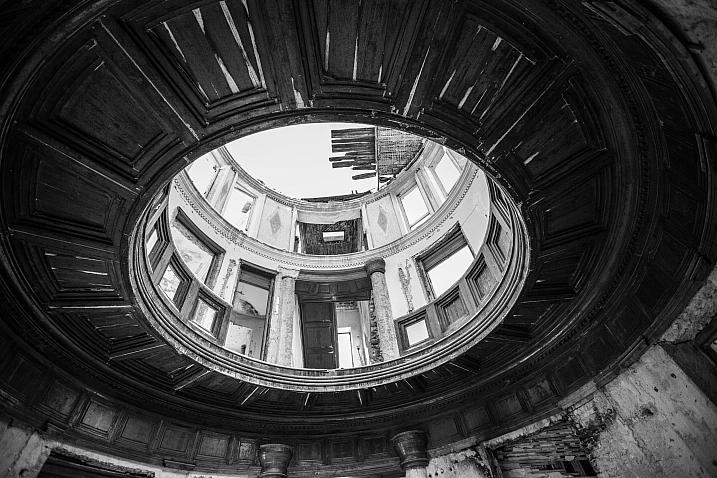
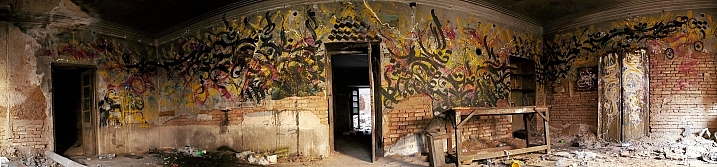
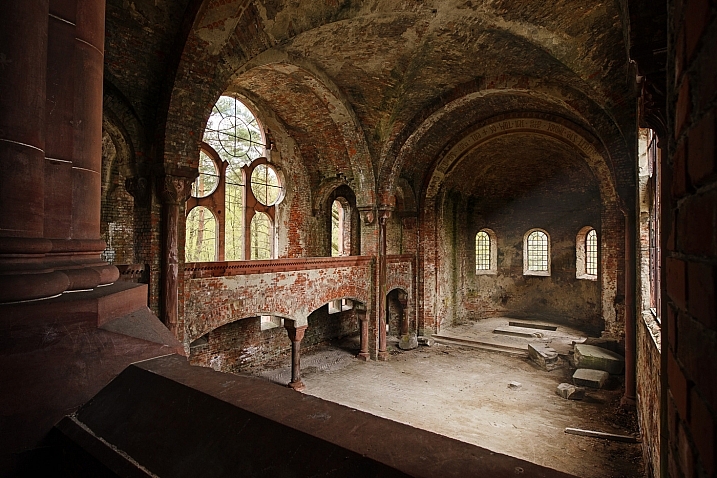
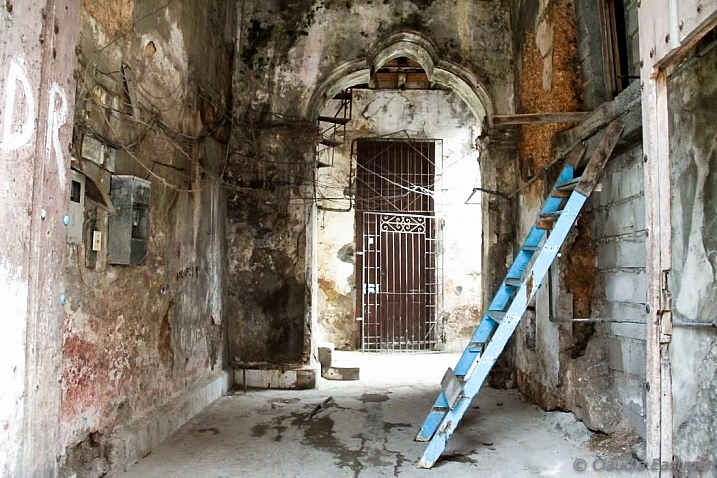
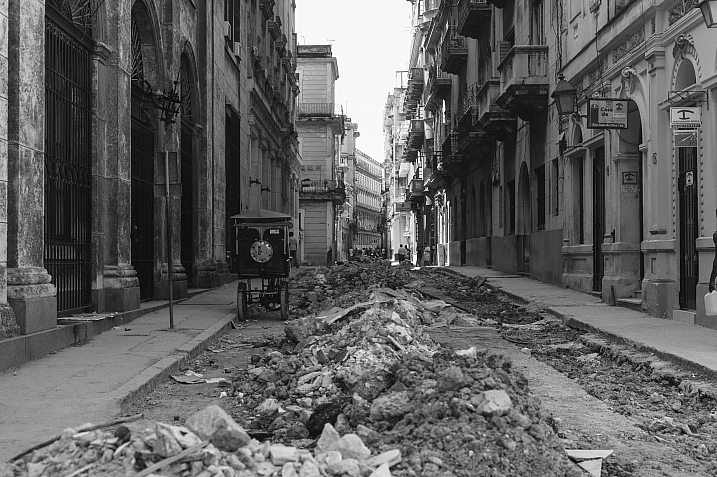
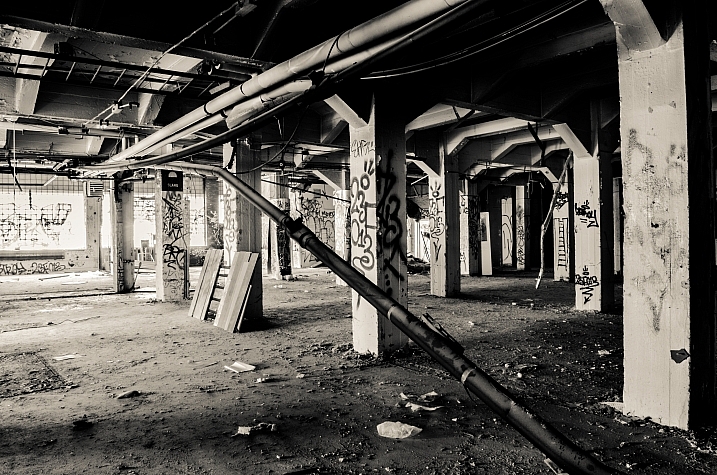
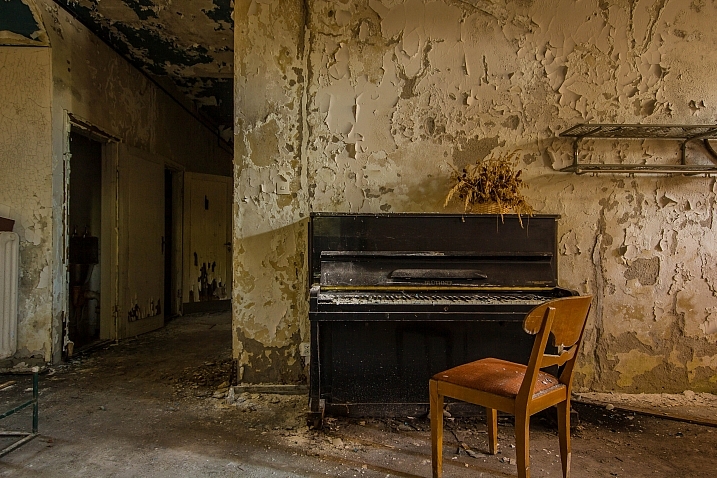
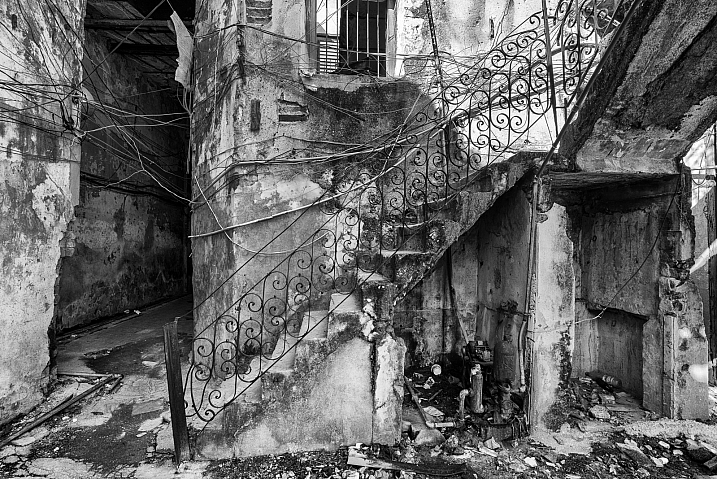
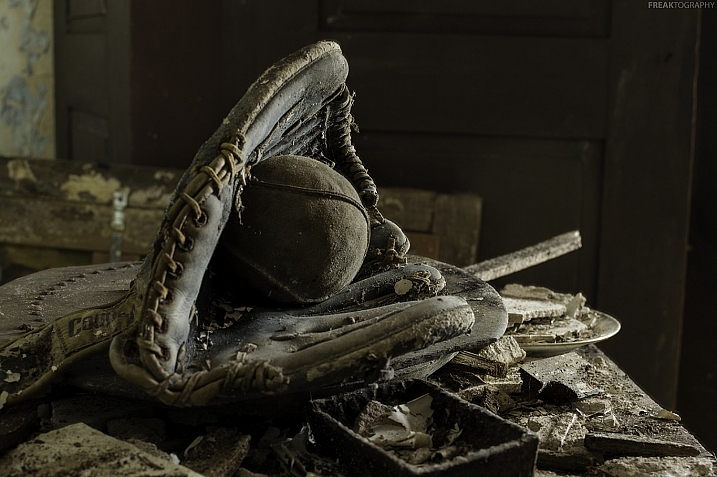
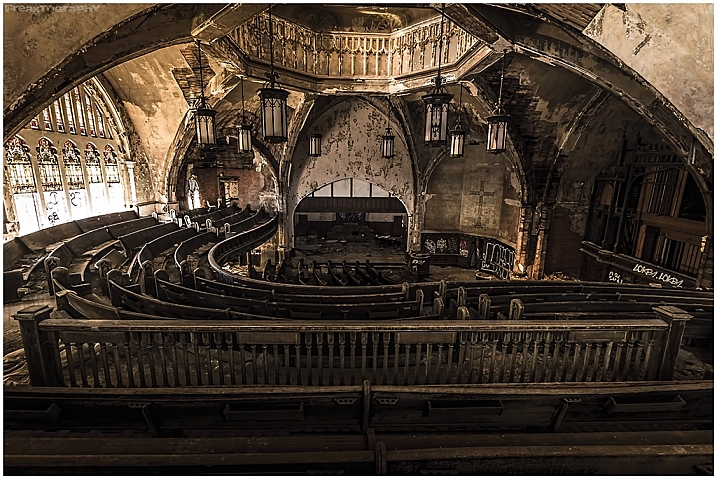
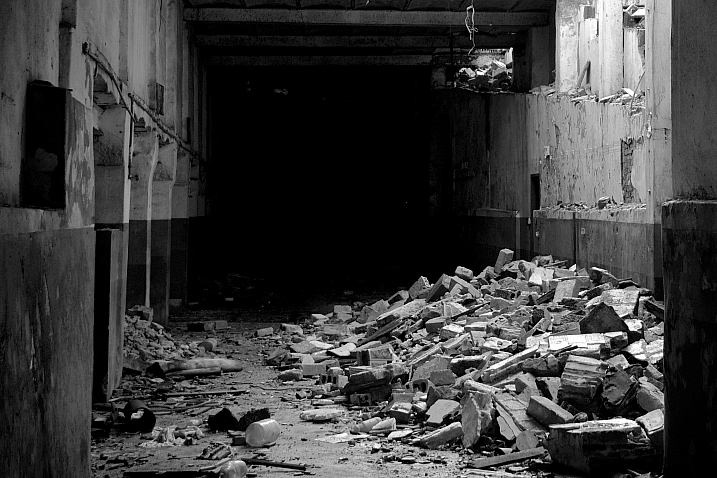
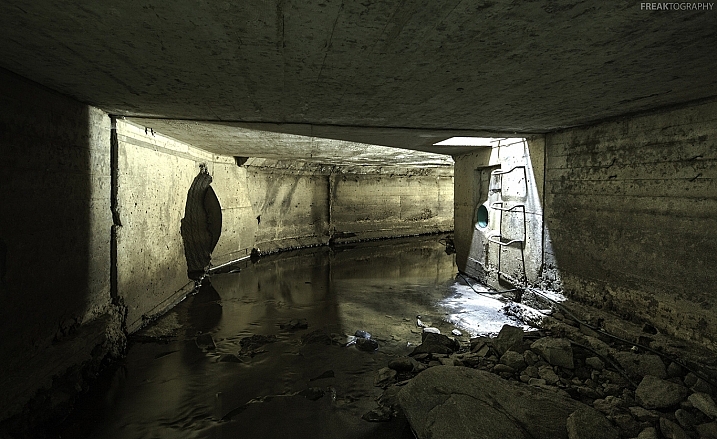
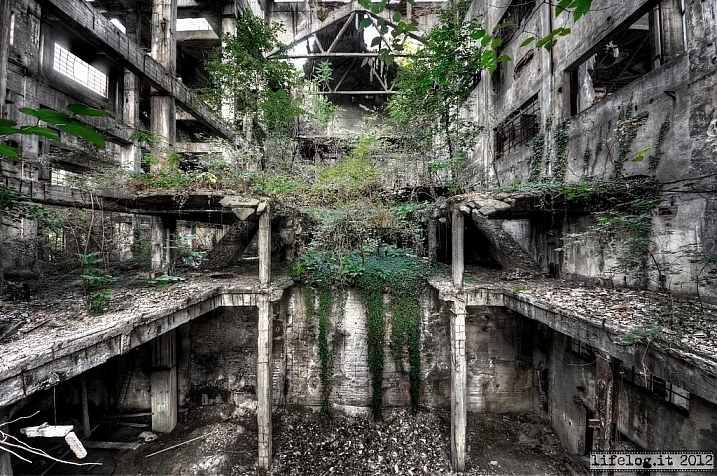
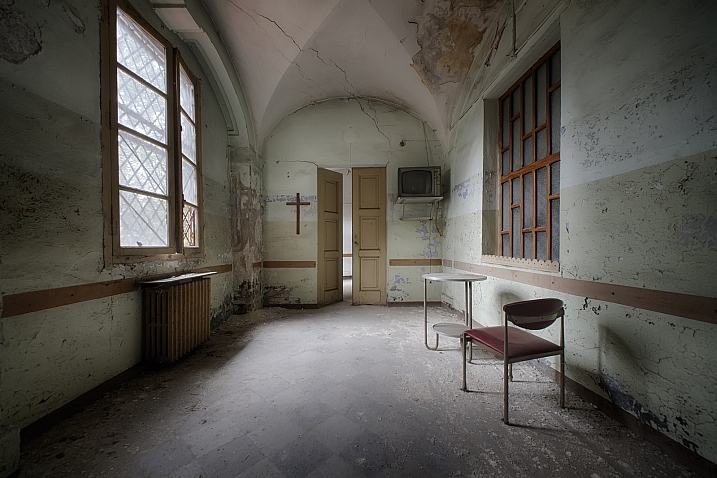
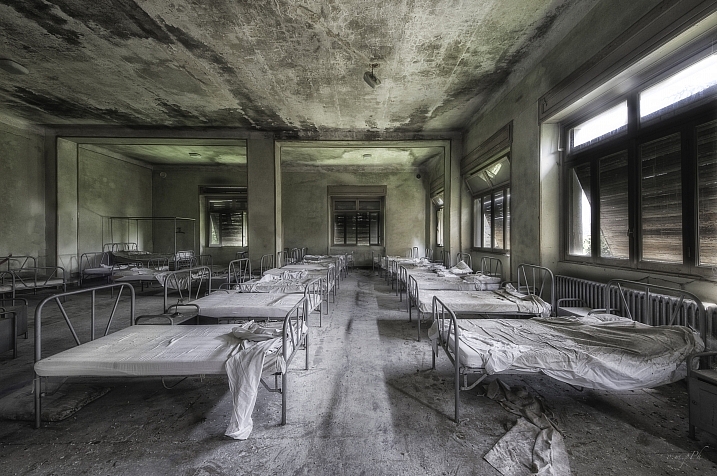
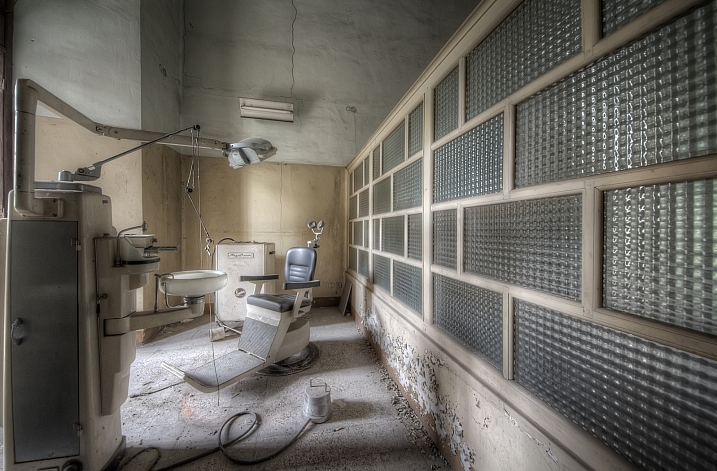
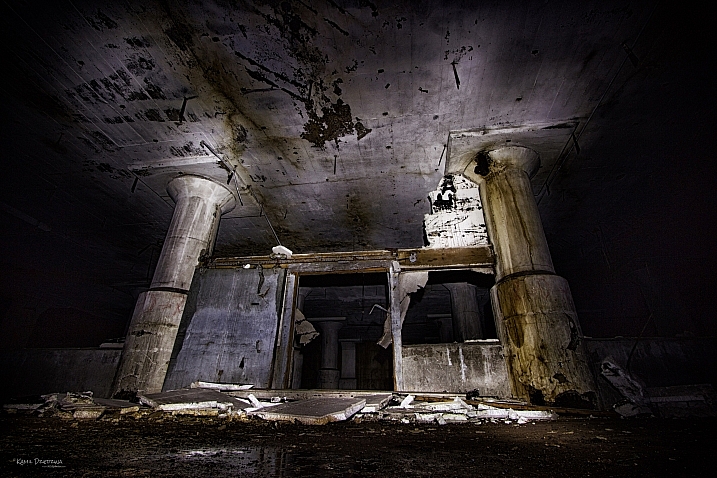
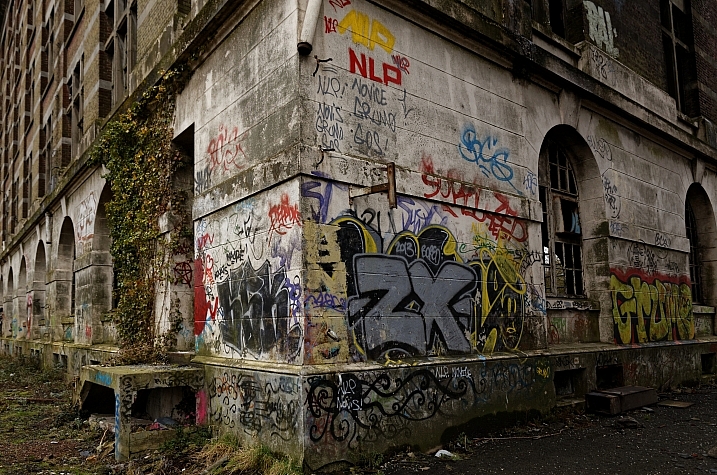
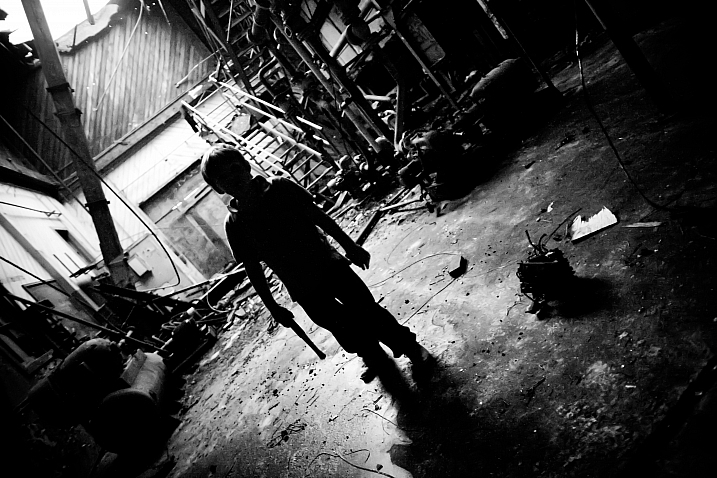
    Many photographers are fascinated with old things, the more decayed and falling apart the better. Urban decay and grunge is a popular subject for photographers in cities. Some go out of their way to find abandoned buildings and little known spots.

    Perhaps like these images:

    Wayne Stadler

    By Wayne Stadler

    Vincent Ferron

    By Vincent Ferron

    RAFFI YOUREDJIAN

    By RAFFI YOUREDJIAN

    Ghalam_DAR

    By ghalam_DAR

    Anna S.

    By Anna S.

    Claudia M Eastman

    By Claudia M Eastman

    Nano Anderson

    By Nano Anderson

    Simon Samuelsson

    By Simon Samuelsson

    OlavXO

    By olavXO

    Howard Ignatius

    By Howard Ignatius

    Freaktography

    By Freaktography

    Freaktography

    By Freaktography

    Andre Valente

    By Andre Valente

    Freaktography

    By Freaktography

    Pietromassimo Pasqui

    By Pietromassimo Pasqui

    Maurizio

    By Maurizio

    Oreste Messina

    By Oreste Messina

    Maurizio

    By Maurizio

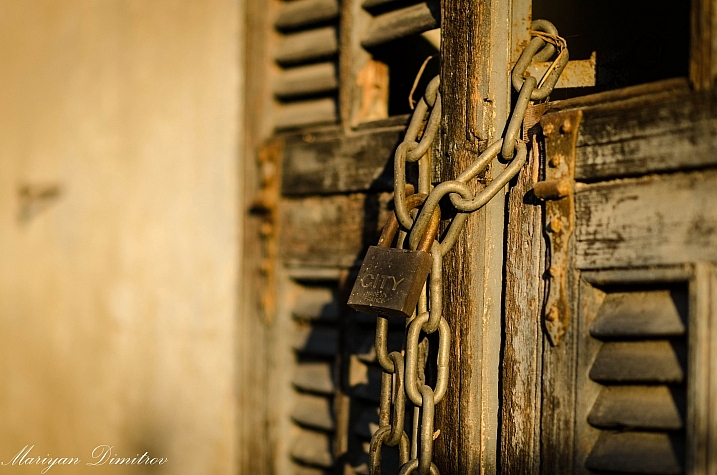
    Mariyan Dimitrov

    By Mariyan Dimitrov

    Daniel Go

    By Daniel Go

    Kamil Dziedzina

    By Kamil Dziedzina

    Darkday

    By darkday

    Darkday

    By darkday

    Guillaume DELEBARRE (Guigui-Lille)

    By Guillaume DELEBARRE (Guigui-Lille)

    Thomas Hawk

    By Thomas Hawk


    googletag.cmd.push(function() {
    tablet_slots.push( googletag.defineSlot( “/1005424/_dPSv4_tab-all-article-bottom_(300×250)”, [300, 250], “pb-ad-78623” ).addService( googletag.pubads() ) ); } );

    googletag.cmd.push(function() {
    mobile_slots.push( googletag.defineSlot( “/1005424/_dPSv4_mob-all-article-bottom_(300×250)”, [300, 250], “pb-ad-78158” ).addService( googletag.pubads() ) ); } );

    The post 25 Dilapidated Images of Urban Decay and Grunge by Darlene Hildebrandt appeared first on Digital Photography School.


    Digital Photography School

  • Beware of Colour: Activists Highlight Decay with Pink Paint

    [ By WebUrbanist in Art & Street Art & Graffiti. ]

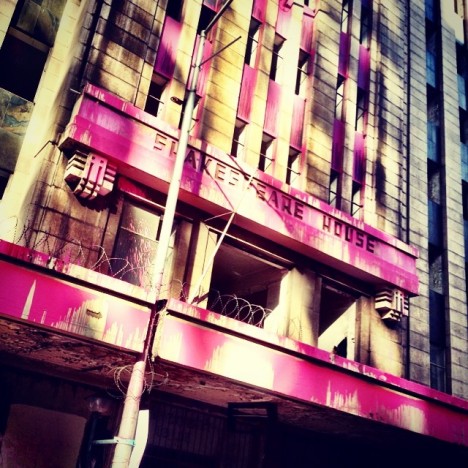
    pink abandoned building photo

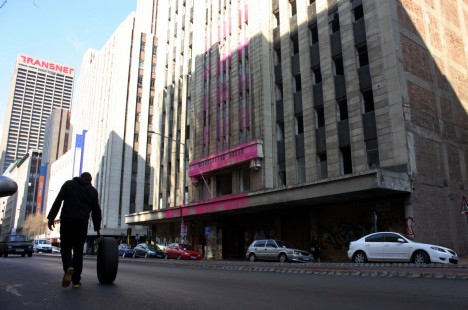
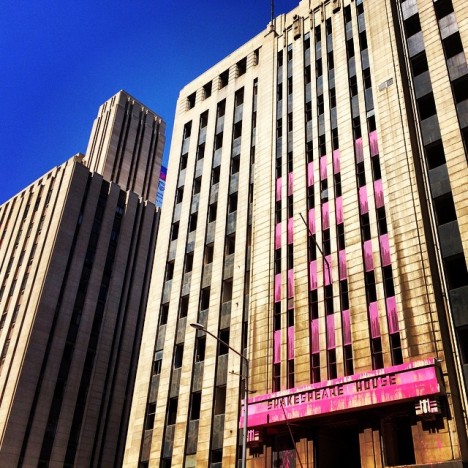
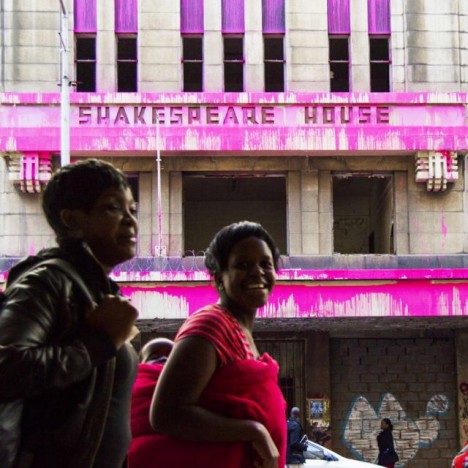
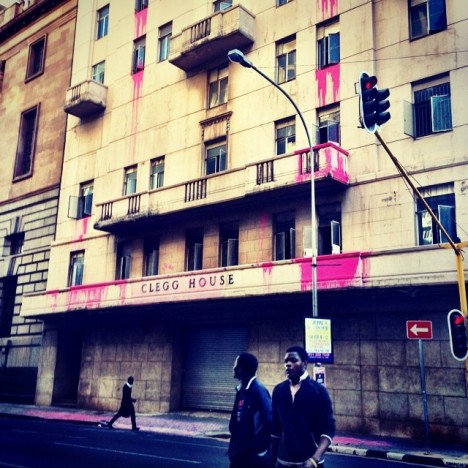
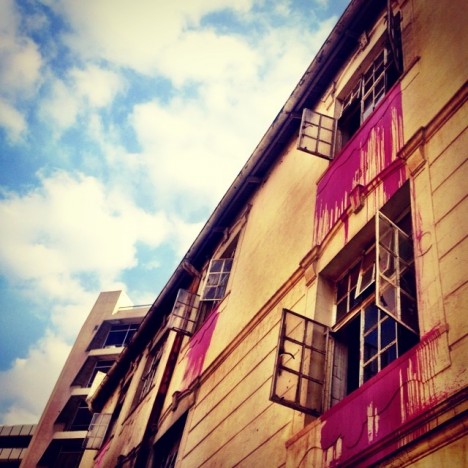
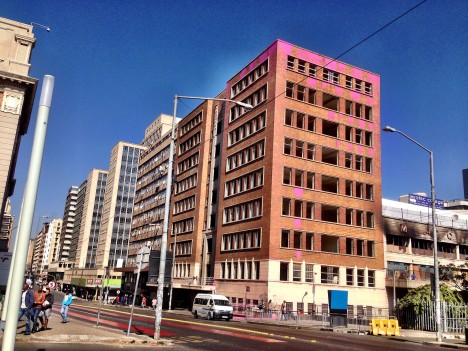
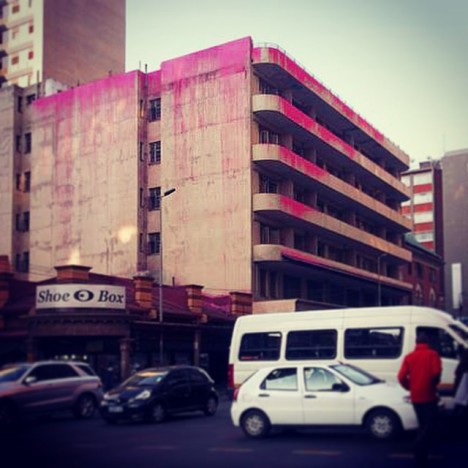
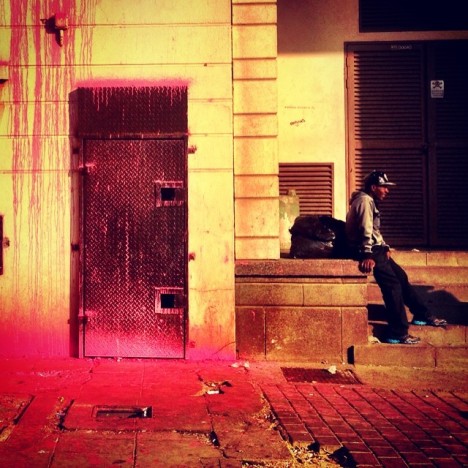
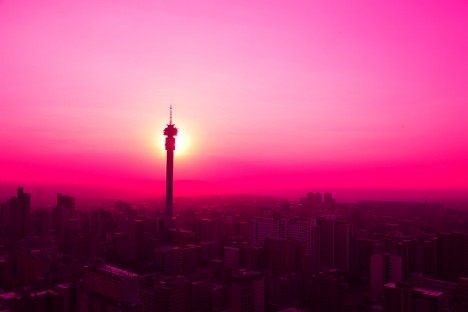
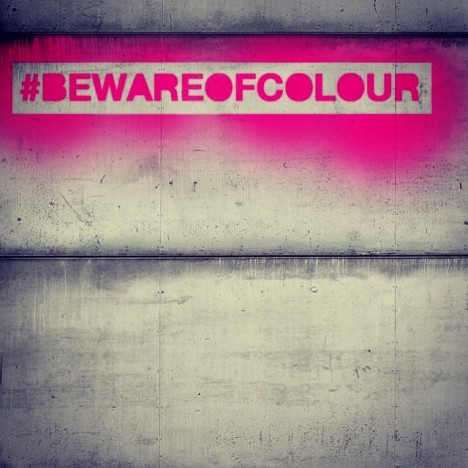
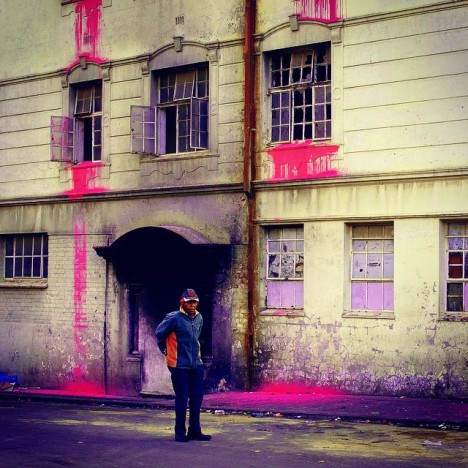
    Splashed with bright buckets of paint from roofs and windows, the colorfully defaced buildings of downtown Johannesburg have evoked different reactions from supports and detractors who variously see this work as an act of protest or crime of vandalism. Before we delve too deep into the sides represented, keep in mind that Beware of Colour employed water-soluble paint in these interventions.

    pink painted historic building

    beware of color logo

    pink buildings people foreground

    pinked architecture

    Colombian-American Yazmany Arboleda and the other artists behind the work note that all of the buildings targeted have been abandoned for decades despite a housing crisis – a fifth of the region’s population needs a place to live, currently dwelling in shanties or on the streets. Historic preservationists, meanwhile, decry the defacement and suggest that other methods could be used to raise public awareness of civic problems.

    pink window splashes

    pinked out building protest

    pink abandoned structure balconies

    pink beware of color

    The case is more complicated, though, than either single viewpoint might suggest and the case for preservation is nuanced. As CityLab’s Ryan Lenora Brown points out, “appealing to history in contemporary South Africa is hardly a straightforward matter. Buildings like Shakespeare House were originally built for the exclusive use of whites, back when Johannesburg’s inner city was the center of one of the modern world’s most infamous projects of racial segregation …. The slumped and broken building has become a symbol for a different Johannesburg, one blighted by decades of white flight and municipal neglect.”

    pink city artist statement

    pink hashtag logo

    pink derelict structure splashed

    pink architectural urban intervention

    Arborleda was eventually caught with a crew of people and arrested for “malicious destruction of property” after being spotted entering one of the buildings on their list. This has, for now, put an end to this particular vintage of urban activism in South Africa.

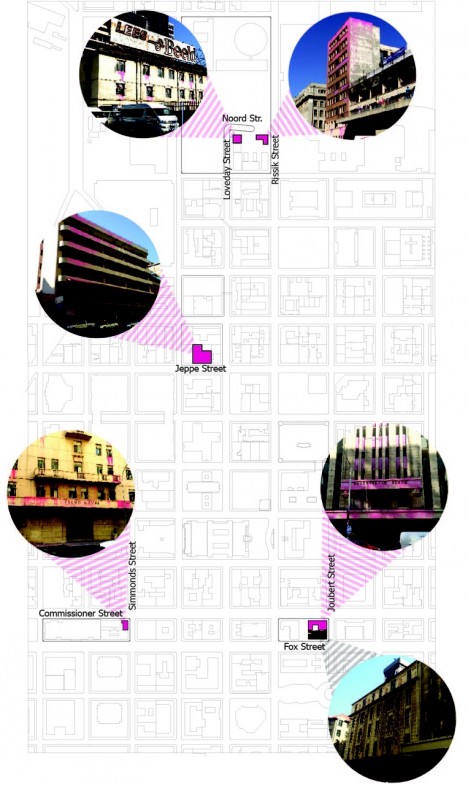
    pink architecture site plan

    pink south africa press

    Most of the structures the 30-some artists threw paint upon are either owned by the city or by Urban Ocean, a development group with a significant number of centrally-located and historical holdings. It remains to be seen whether this project will make a difference in the course of the city’s development, or become just another piece in the area’s persistently puzzling blight.

    Share on Facebook


    [ By WebUrbanist in Art & Street Art & Graffiti. ]

    [ WebUrbanist | Archives | Galleries | Privacy | TOS ]

    WebUrbanist

  • Dirty Camp 30: Canadian POW Camp Battles Neglect & Decay

    [ By Steve in Abandoned Places & Architecture. ]

    abandoned camp 30 barracks
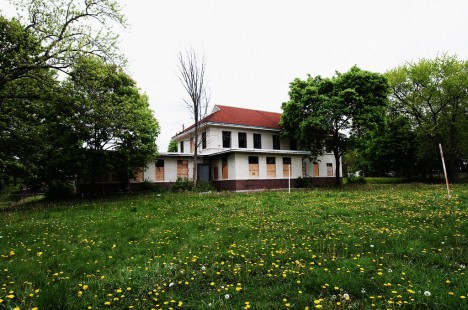
    Camp 30, located east of Toronto, was one of Canada’s main World War II POW camps and although named a National Historic Site, continues to be neglected.

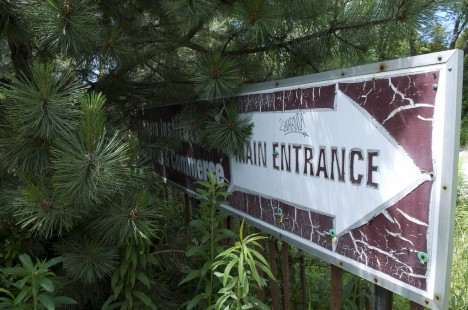
    abandoned camp 30 entrance sign

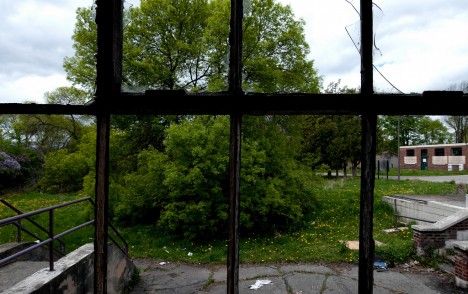
    abandoned camp 30 windows

    The community of Bowmanville, Ontario, is home to just over 40,000 people, many of whom work in Toronto and commute daily via Highway 401. Only a tenth as many made Bowmanville their home in 1941, however, when the Canadian government ordered the Bowmanville Boys Training School (a “school for unadjusted boys who were not inherently delinquent”) to vacate the site. By the end of the year, the former school and its environs had been converted into Camp 30 and the first German prisoners of war arrived. (credit AlexLuyckx with the above images)

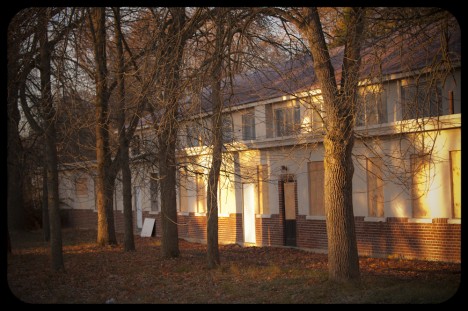
    abandoned camp 30 sunset

    abandoned camp 30 cafeteria red door

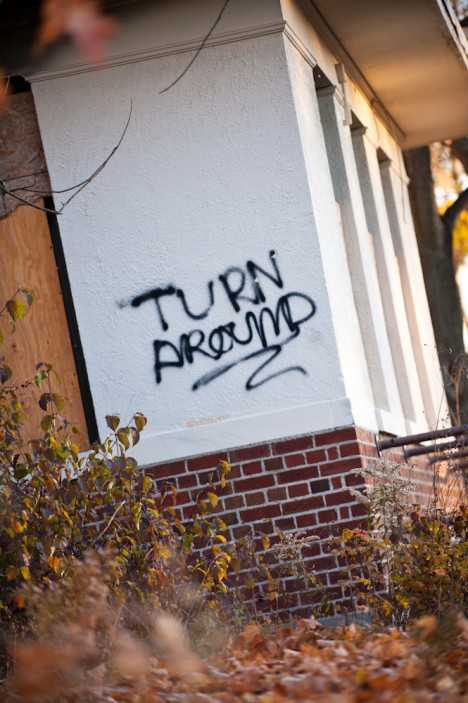
    abandoned camp 30 turn around graffiti

    Many of these prisoners were considered “high profile” – the reasoning being, the farther they were from Nazi Germany, the less chance of them returning there after a successful escape. Among the more notable Camp 30 prisoners were U-boat commanders Wolfgang Heyda and Otto Kretschmer, the latter credited with sinking 47 ships (totaling 274,333 tons) between the start of the war and his capture in March of 1941. (credit Courtney McIntosh with the above images)

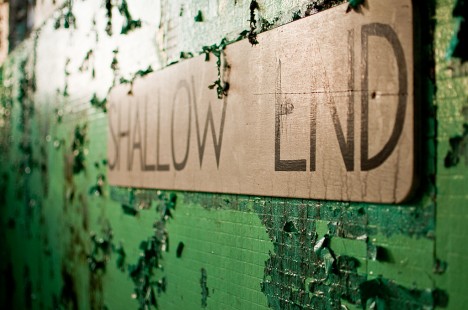
    Shallow End

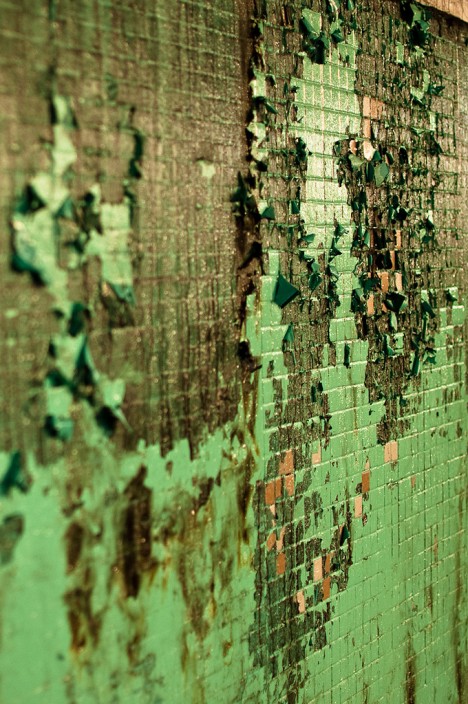
    Paint Chips

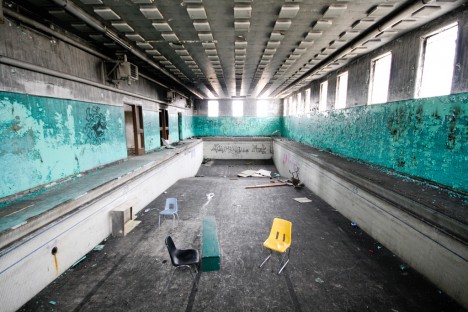
    In stark contrast to the treatment doled out to Allied POWs in German prison camps, those prisoners sent to Camp 30 enjoyed a wealth of freedoms and amenities. As Camp 30 was a former boy’s school, prisoners were allowed to use the indoor pool as well as the soccer and football fields. If that wasn’t enough, authorities approved requests to build a tennis court and a mini zoo! (credit ckocur with the above images)

    abandoned camp 30 pool blue

    abandoned camp 30 electric

    abandoned camp 30 pool graffiti

    These perks and much more (read about Camp 30 in detail at the unofficial Camp 30 website) didn’t stop the prisoners from carrying out their duty to escape, and at least a half dozen attempts – some quite elaborate and well-planned – were foiled by guards. (credit Rick Harris with the above images)

    Next Page – Click Below to Read More:
    Dirty Camp 30 Canadian Pow Camp Battles Neglect Decay

    Share on Facebook


    [ By Steve in Abandoned Places & Architecture. ]

    [ WebUrbanist | Archives | Galleries | Privacy | TOS ]

    WebUrbanist

  • Decay Down Under: 7 Abandoned Wonders of Australia

    [ By Steph in 7 Wonders Series & Global. ]

    Abandoned Australia Main

    Whether covered in colorful graffiti or slowly disappearing under a profusion of moss and vines, Australia’s most intriguing abandoned places share the same sense of mournful decay as landmarks that are nearly lost to the ravages of time. These 7 wonders of abandoned Australia include historic tram stations, theme parks, asylums and factories.

    Atlantis Marine Park, Yanchep, Western Australia

    Abandoned Australia Atlantis Marine Park

    (images via: tor lindstrand)

    A massive statue of King Neptune still looks out over a marine park that’s been closed for nearly 25 years. Atlantis Marine Park opened in Yanchep, Western Australia in 1981 and hosted the typical array of aquarium wildlife like dolphins, sea lions, penguins and seals. But in the late 1980s, regulations about the size of enclosures for dolphins changed, and accommodating them proved too costly for the owners. All nine dolphins were rehabilitated and released back into the wild, but when three of them failed to thrive, they were relocated to another marine park.

    Since then, the property has been in limbo, with much of the ruins retaken by nature. No fences keep out members of the public, so anyone can get in to take photos and enjoy the views of the ocean. Members of the community have petitioned to restore the park, but the property owners plan to develop the space for residential and commercial use.

    Aradale Mental Hospital, Ararat, Victoria

    Abandoned Australia Aradale Hospital 1

    Abandoned Australia Aradale Mental Hospital 2

    (images via: aradale ghost tours)

    Built in 1863, Aradale Mental Hospital was an Australian psychiatric hospital built to accommodate the burgeoning population of ‘lunatics’ in Victoria. Designed as a town within a town, it had its own gardens, markets, orchard, vineyards, pig farm and other livestock along with hundreds of staff. The Victorian complex was built high on a hill and held thousands of patients in 18 wards until 1993. It held female prisoners until 2001 during the renovation of a nearby facility, and then closed for good. Companies like Aradale Ghost Tours now take curious visitors through the complex, including the morgue.

    And how was it that Victoria was home to so many so-called lunatics? It was common during that time, all over the world, for people with conditions like Down Syndrome, epilepsy or autism to be declared insane. Sometimes, all it took was postpartum depression, homosexuality or ‘promiscuous behavior’ to be institutionalized for life.

    Helensburgh Train Station, New South Wales

    Abandoned Australia Helensburgh Train Station

    (image via: robert montgomery)

    Sometimes the most striking abandonments are those that are so overgrown, they’re almost entirely hidden. Such is the case with the Helensburgh train station in New South Wales. Left to decay since 1915, when a new station was built about 200 meters to the north, this stone-walled relic is all rust and rotting wood, lush with ferns, moss and ivy. Unsurprisingly, it’s an irresistible attraction for photographers – check out some stunning photos by Tom Jarman at Urban Ghosts Media.

    Rozelle Tram Depot, Glebe, New South Wales

    Abandoned Australia Rozelle Tram Depot 1

    Abandoned Australia Rozelle Tram Depot 2

    (images via: wikimedia commons)

    Once the second-largest tram depot servicing Sydney and among the most sophisticated public tramway systems in the world, the Rozelle station in Glebe was open from 1918 until 1958. Six 1930s trams, mostly gutted on the inside, still sit inside the station so many decades later. Though they may have been abandoned inside this massive concrete and steel facility, they’re now practically works of modern urban art, brightly colored and covered in layer upon layer of graffiti. The trams were in near-mint condition prior to 2000, and could have been beautiful historical artifacts if not for the vandalism that began around that time. The whole property has been purchased by a developer, who plans to turn the site into medium density housing.

    Next Page – Click Below to Read More:
    Decay Down Under 7 Abandoned Wonders Of Australia

    Share on Facebook


    [ By Steph in 7 Wonders Series & Global. ]

    [ WebUrbanist | Archives | Galleries | Privacy | TOS ]

    WebUrbanist

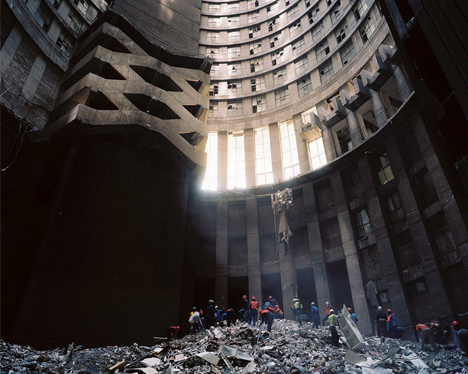
  • Dark Tower: Decay Inside Africa’s Tallest Apartment Complex

    [ By WebUrbanist in Architecture & Cities & Urbanism. ]

    ponte apartment context

    Before a long descent into darkness, the cylindrical Ponte City Apartments began life as a luxurious tribute to growth and wealth in Johannesburg , filled with envy-worthy units looking out in all directions. But after years of decline and false restarts, what direction is next for the highest residential skyscraper on the continent?

    dark tower spire detail

    ponte apartment trash

    As remarked in the film above by Philip Bloom, the transformation of this iconic 54-story, mixed-use tower in South Africa has been astonishing. “It really was icon of decadence … wealth and exuberance” with three-story units and Jacuzzi tubs – a “premier location in the city” for people “making a lot of cash.” As part of an exodus from the city center, rapid changes took place.

    dark tower up down

    The center of the circular plan looked excellent in theory – a way for light to enter the back side of apartments looking into the core. There were even plans for an indoor ski slope to accompany the various shops and eateries on the lower levels.

    dark interior core views

    In practice, it slowly became a kind of black hole filled with three stories of detritus at the bottom and marked by unwashed walls all the way up. It also developed a reputation for defenestrations – accidents, suicides and otherwise.

    dark building exterior view

    Investors just before the global financial crisis began to re-envision and rehabilitate the structure, but the renovations stopped as abruptly as the market crashed, leaving an ambiguous future for this iconic structure.

    Next Page:
    Dark Tower Decay Inside Africas Tallest Apartment Complex

    Share on Facebook


    [ By WebUrbanist in Architecture & Cities & Urbanism. ]

    [ WebUrbanist | Archives | Galleries | Privacy | TOS ]


    WebUrbanist

  • Abandoned Intervention: Sliding Facade Reveals Decay

    [ By Steph in Abandoned Places & Architecture. ]

    Sliding Facade Abandoned Building 1

    A brand new brick facade slides off the front of a building in Kent, UK to reveal the derelict mess just beyond. Abandoned for 11 years, the four-story structure that stood as an eyesore along a residential street of this seaside town is now an intriguing work of art that makes a statement about what may lie behind the superficiality of seemingly perfect appearances.

    Sliding Facade Abandoned Building 3

    The crumbling top story remains exposed, giving a glimpse of what is inside only to those who can get high enough to see it. The Cliftonville district of the city, where the installation is located, was once affluent, but struggled as the whims of vacationers turned to other places. With increased crime and poverty came the decay of once-grand architecture.

    Sliding Facade Abandoned Building 4

    The Thanet District Council of Kent gave artist Alex Chinneck permission to create the installation, entitled ‘From The Knees of My Nose To The Belly Of My Toes’, which will stand for a year before the building is brought back into public use.

    Sliding Facade Abandoned Building 5

    Ten companies donated materials, manufacturing labor and professional surfaces to get the project off (or rather, on) the ground. “I was aware of this idea that people have a choice whether or not they go through the doors of an art gallery, and often they don’t because they feel intimidated, so I think public art is important,” Chinneck told The Daily Mail.

    Share on Facebook


    [ By Steph in Abandoned Places & Architecture. ]

    [ WebUrbanist | Archives | Galleries | Privacy | TOS ]


    WebUrbanist