Tag: backdrops

  • DIY Photography Backdrops for Still Life and Product Photography

    The post DIY Photography Backdrops for Still Life and Product Photography appeared first on Digital Photography School. It was authored by Darina Kopcok.

    Your choice of backdrop can have a big impact on the final look of your photos.

    You may have purchased expensive professional photography backdrops because you know this. 

    But whether you’re a hobbyist or pro, you probably already spend enough on your photography that you don’t want to shell out the big bucks for your props. Luckily, with a bit of creativity, you don’t have to.

    Here are some of the best ways to create beautiful DIY photography backdrops for still life and product photography.

    diy-photography-backdrops

    Painted canvas backdrop

    For a magazine-quality look, my top pick for a still life photography backdrop is painted canvas.

    Professional canvas backdrops are expensive, but you can make your own for a fraction of the retail price.

    Go to your local hardware store and buy a canvas painter’s drop cloth.  These are pieces of canvas you use to protect the floor when painting interiors.

    Canvas drop cloths are usually large, so you can cut them into four pieces to get four backgrounds out of one stretch of fabric. Make that eight if you go double-sided. 

    While you’re at the hardware store, purchase two or three paint samples in a similar tone for each backdrop. Note that the canvas soaks up a lot of the paint, so you may need to purchase primer as well, or use more paint than you thought. 

    Layer the paint onto the canvas with a small, good-quality roller, moving the roller in different directions.

    To add more texture, scrunch up a rag or use a large sea sponge and dip it into the paints. Randomly press the rag onto the canvas.

    Your backdrops will have a natural texture that enhances but doesn’t compete with your subject. The canvas also has a great subtle texture, too. 

    diy-photography-backdrops

    Ceramic flooring tile

    Another beautiful yet simple background is porcelain or ceramic tiles. You can get them from your local home improvement store. These are inexpensive and look great. They’re easily wipeable, which is a bonus if you’re dealing with food or liquid products.

    Just make sure that any tiles you pick aren’t shiny, so you don’t get glare.  Good colors to choose are grey, black, white, or cool brown tones like taupe. These neutrals will enhance and complement a wide variety of products or still life subjects. They are better for smaller subjects because they tend to not be very large.

    diy-photography-backdrops

    Painted wooden backdrops

    These days, there are a lot of suppliers selling painted custom backdrops for still life photography, but painting some yourself can be a lot less costly, and you don’t need any special skills. 

    To make your own, buy thin plywood sheets at the home improvement store. Pieces that are at least 2×3 feet should accommodate most of your set-ups. The bigger stores like Home Depot can also cut larger pieces into smaller ones for you, so you can get more mileage out them.

    You can purchase paint samples from the hardware store as well, or use craft paints. Just make sure that any paints or varnishes you use are matte. Even some of the satin types can cause unwanted shine in your images. 

    Choose three or four colors in a similar color family and pour them together in the middle of the board. Take a large sea sponge and dab the paint all over the board to create a blended and subtle, mottled effect.

    Finish with a thin coat of matte, water-resistant sealer. 

    DIY Photography Backdrops for Still Life and Product Photography

    Linens

    Having a variety of linens on hand will make your life a lot easier as a still life photographer. 

    Depending on what you shoot, these can run the gamut from natural fabric like linen to lightly patterned damask tablecloths.

    You can use the fabric as the entire backdrop, as shown in the image below, or just to cover a portion of another backdrop.

    When covering your entire surface with a piece of linen or tablecloth, place another layer of fabric underneath. This will plump it up and make it look more attractive.

    Again, when choosing your colors, stick to neutrals. Shades of blue also look good, especially in dark and moody images. You can choose a pastel or brighter color depending on what you’re shooting and your desired result.

    The key is that you don’t want your photography backgrounds competing with and drawing the eye away from your main subjects.

    DIY Photography Backdrops for Still Life and Product Photography

    Vintage Tray

    Don’t get rid of any old or vintage trays you may have kicking around. They also make great photography backgrounds for still life. 

    Depending on the metal, they will often have a lovely patina that will add something special to your shots. They look great close up or at a distance, or can be used as an element in telling your story.

    You can often find vintage trays for an affordable price at secondhand or antique stores.

    As with any backdrop, it should not be reflective. 

    Note that in the images below, the tray doesn’t look overly shiny, even though I backlit my subjects. It has a nice and subtle texture. 

    diy-photography-backdrops


    Colored papers

    Colored or textured craft or construction paper can make pretty and inexpensive photography backdrops that are light and easy to store.

    Source large pieces of craft paper or construction paper at your local craft supply store, or check out sites like Amazon for packages of paper offering a variety of colors.

    In the image below, I used a large piece of yellow construction paper as my background. To recreate this look, distance your paper a fair bit away from your set. This will help you get a blurred out horizon line and so your subject doesn’t look “stuck” to your background.

    diy-photography-backdrops

    Wooden cutting boards

    Depending on the size, a wooden cutting board can function as a nice backdrop or be used as a layering piece in some types of still life shoots, like food photography.

    Be careful about purchasing boards with a warm, orange, or yellowish tinge. Since most food is quite warm in tone, an image that is warm throughout can end up looking dated.

    Also, the camera tends to exaggerate this orange tone. I find that I have to decrease the orange saturation in all of my images to start with.

    Look for light boards like pine, or boards in deep espresso for darker shots. You can also paint these in whatever color you want. In the image below, I painted mine white and distressed it with fine sandpaper.

    Be sure to keep painted boards for photography purposes only, because they won’t be food safe.

    DIY Photography Backdrops for Still Life and Product Photography

    To sum up

    There are so many different ways to create stunning still life and product photography backdrops without the expense of buying and shipping wooden backdrops from specialist suppliers.

    These are just a few ideas, but also look at contact paper, wallpaper, burlap, and old pieces of wood.

    Experiment with the items you already own before spending a lot of money on costly photography backdrops. 

    Do you have other tips for DIY photography backdrops? Share with us in the comments section!


    DIY-photography-backdrops


    The post DIY Photography Backdrops for Still Life and Product Photography appeared first on Digital Photography School. It was authored by Darina Kopcok.
    Digital Photography School

  • Replica Surfaces are rigid, lightweight photo backdrops that imitate popular surfaces

    A pair of crowdfunding campaigns are raising funds for Replica Surfaces, a series of photography backdrops that imitate various surfaces, including wood, concrete and marble. Unlike the real materials, Replica Surfaces backdrops are lightweight at 907g (2lbs), highly portable with a 3mm (0.12in) thickness, and can be assembled upright using small plastic stands.

    Replica Surfaces are described as “hyper-realistic” backdrops featuring glare-free, stain-proof surfaces made with three-layer construction. Each backdrop measures 58cm x 58cm (23in x 23in) and is designed to slot into small 3D-printed plastic stands in an L-configuration. The end result is a flat surface and upright backdrop for product photography.

    The product’s crowdfunding campaigns are offering six initial designs: white marble, ship-lap, concrete, rose marble, weathered wood, and cement. Replica Surfaces was funded on Kickstarter and Indiegogo; interested buyers can pre-order the boards and stands in various bundles from CrowdOx starting at $ 20.


    Disclaimer: Remember to do your research with any crowdfunding project. DPReview does its best to share only the projects that look legitimate and come from reliable creators, but as with any crowdfunded campaign, there’s always the risk of the product or service never coming to fruition.

    Articles: Digital Photography Review (dpreview.com)

  • How to Make Easy and Affordable DIY Food Photography Backdrops

    In this helpful video by Joanie Simon of The Bite Shot, she explains how to do DIY Food Photography Backdrops that are both affordable and easy. Costing you less than US$ 30 per backdrop!

    ??

    Before beginning, please be sure to use your spray paints outdoors and always paint in a well-ventilated area.

    Things you will need:

    1. Laminated plywood
    2. Paint scraper/palette knife
    3. Joint Compound (used for drywalling)
    4. Oil-based spray paint
    5. Chalky finish acrylic paint
    6. Acrylic or oil-based metallic spray paint.

    When you pick out your paint, ensure that you choose paint that has a matte finish to stop glare and reflection.

    Stick to colors that are subtle so that your food is the star. For example, browns, topes, cool greys, mossy green, and robins blue.

    Step 1:

    Use the scraper/palette knife to apply the Joint Compound to the board. Allow it to be organic and textural. Explore cross-hatching and mixed textures for different boards.

    Let it sit for a few minutes and drag the palette knife across the applied compound to flatten it a bit while still leaving interesting grooves and patterns.

    Let it dry overnight (24hrs).

    Step 2:

    Apply your darker peak-through color first (oil based spray paint). There is no need to apply full coverage as the other colors will be overlayed.

    Step 3:

    Next, brush on your chalky finish paint. You can use a short blending brush. Brush, stipple, use circular motions to blend over the previous color so that the peak through color still shows through.

    If you put too much on, you can use a damp cloth to wipe the acrylic paint back off.

    Step 4:

    Take your colored spray paint and just spray sections from a distance to give light coverage for extra tone and texture.

    Step 5:

    Spray a little water onto your board and spray your oil-based metallic paint over it. The paint won’t adhere to the areas of water. Wait ten minutes for the paint to dry and once it is dry, wipe the water off. You are let with a really cool effect.

    Step 6:

    Take your other boards and play around with these techniques using your different tones and textures.

    Step 7:

    Apply a matte finish spray to your boards to protect the surface. 2-3 coats will do the trick.

    Please share with us any of your DIY food photography backdrops in the comments below.


    You may also find the following helpful for your food photography:

    Food Photography – An Introduction

    5 Tips to Seriously Improve Your Food Photography Techniques

    Are You Making These Five Food Photography Mistakes?

    Household Items to Bring to Your Next Food Photography Shoot

    The Secret to Finding the Hero Angle in Food Photography

    The post How to Make Easy and Affordable DIY Food Photography Backdrops appeared first on Digital Photography School.


    Digital Photography School

  • Buildings as Backdrops: Playful Photography Humanizes Built Environments

    [ By WebUrbanist in Art & Photography & Video. ]

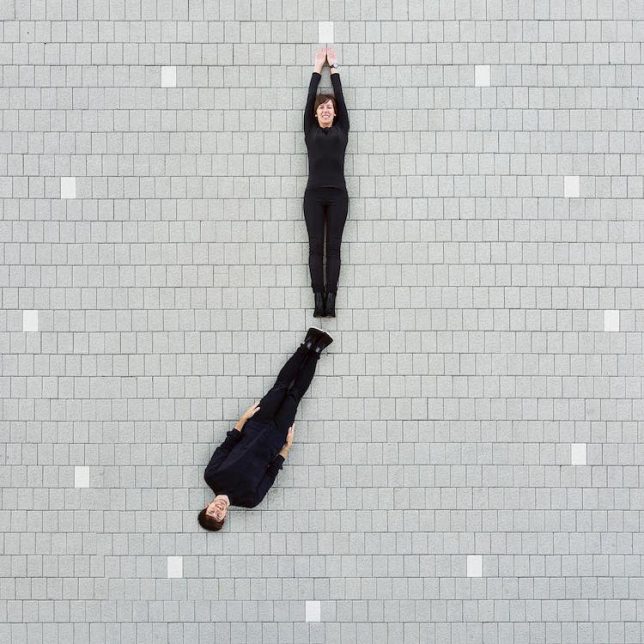
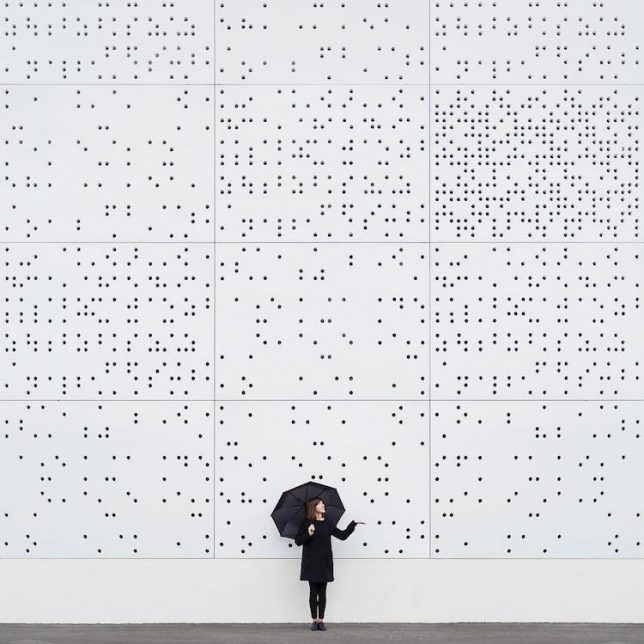
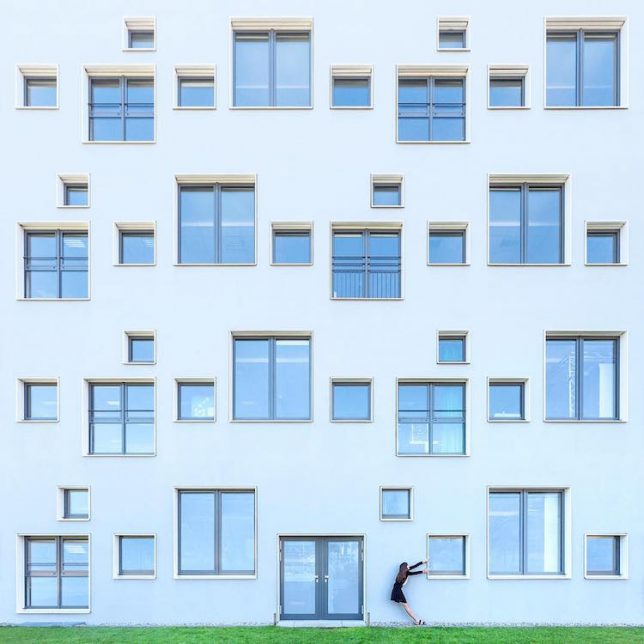
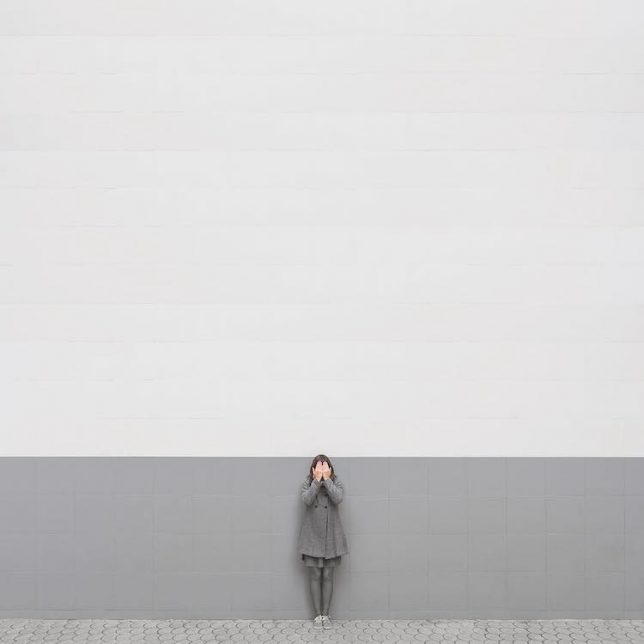
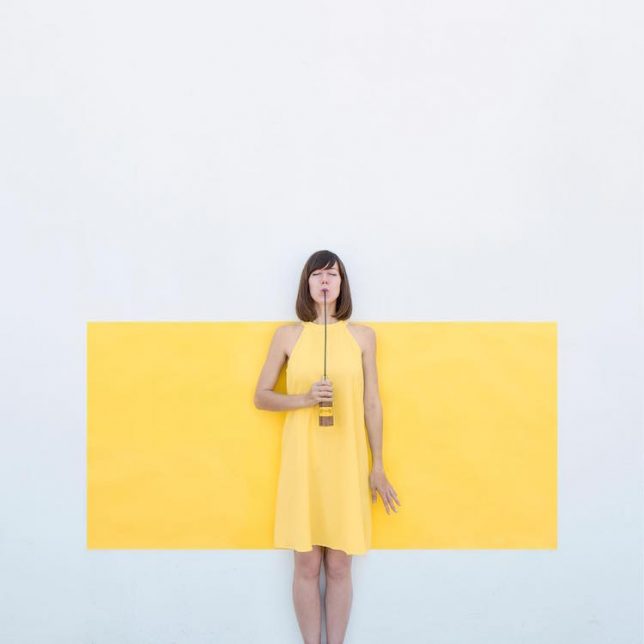
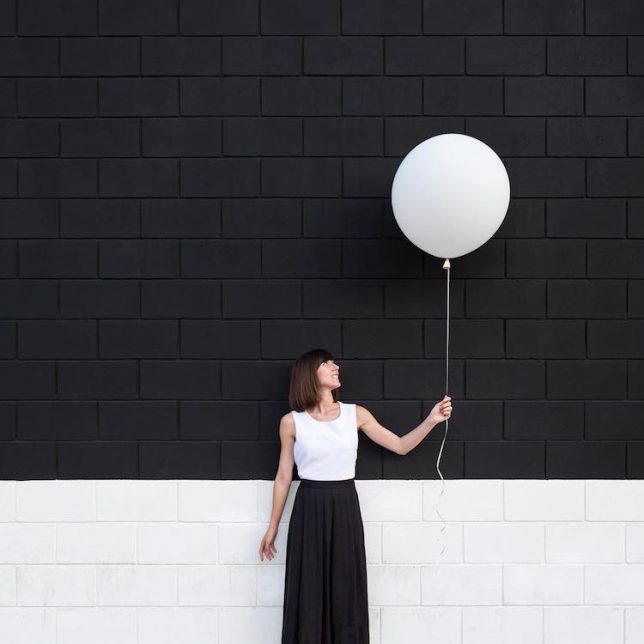
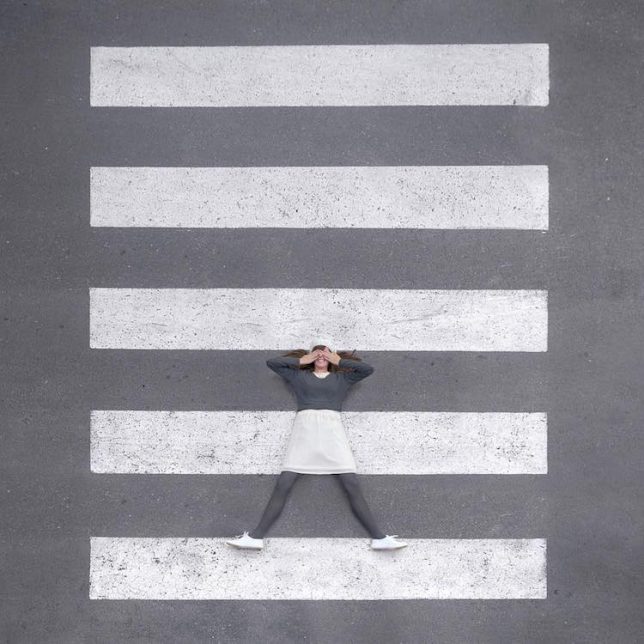
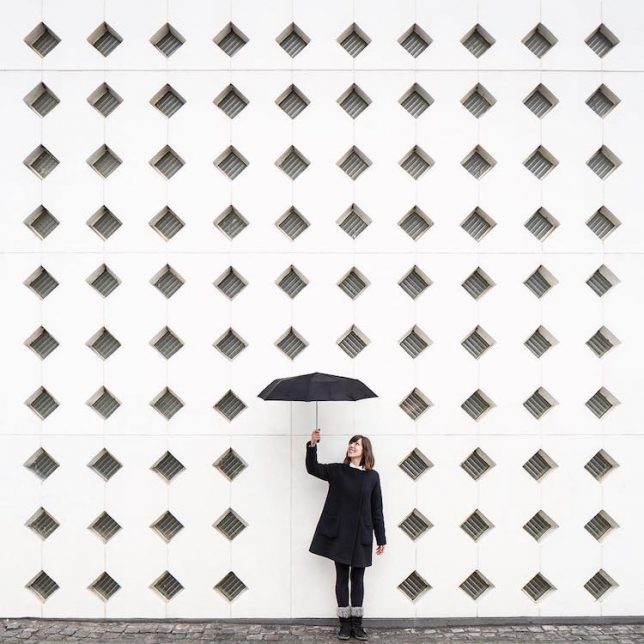
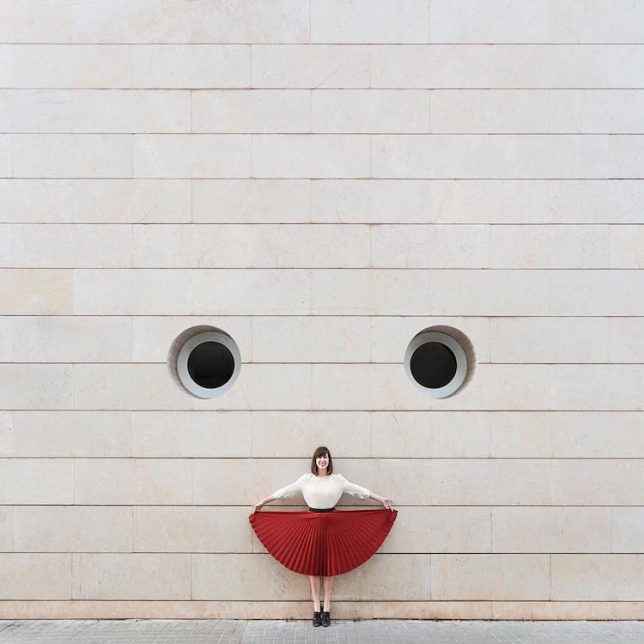
    People often play a small part in architectural photography and renderings – not so in this series of travel photographs, which would lovely but otherwise unremarkable without clever human inclusions.

    Anna Devis and Daniel Rueda are a design-minded couple, one an illustrator and the other an architect. And they have taken their creative sensibilities on the road, filling in the implicit gaps in built environments across Europe.

    The settings represent a range of architectural styles, often bold yet minimalist except for that added element of interactivity, sometimes using props or costumes to turn facades into theatrical sets.

    In Denmark, Spain, Italy and other countries they visit, Devis and Rueda take that old idea of a person seeming to ‘tip’ the Leaning Tower of Pisa to new heights. Pixelated surface suddenly become other things, like clocks or canvasses, apparently manipulated by the duo.

    That critical personal element that animates each scene also serves as a foil for showing off the patterns and colors of each context, subverting but also highlighting design details. In some cases, added manipulations warp their surroundings as well. For more on their work, follow the pair’s journeys via their Instagram accounts.

    Share on Facebook


    [ By WebUrbanist in Art & Photography & Video. ]

    [ WebUrbanist | Archives | Galleries | Privacy | TOS ]


    WebUrbanist

  • Uninterrupted Views: Billboards Blended Into Their Natural Backdrops

    [ By SA Rogers in Art & Installation & Sound. ]

    desert X billboards 1

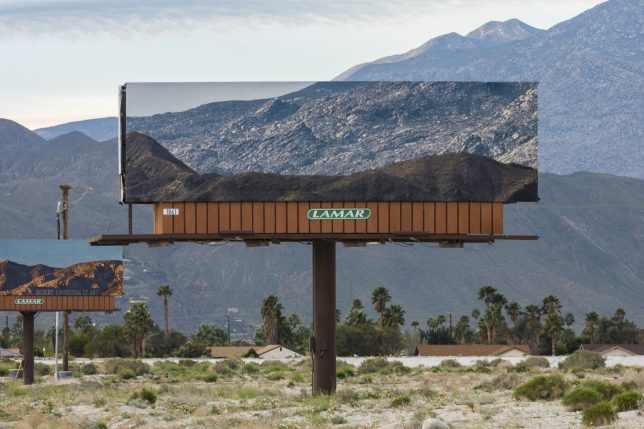
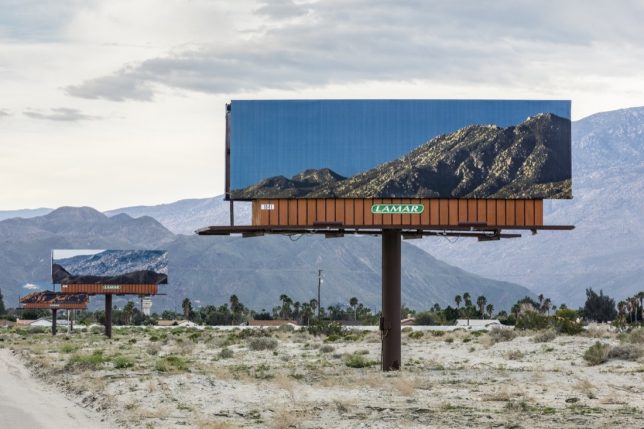
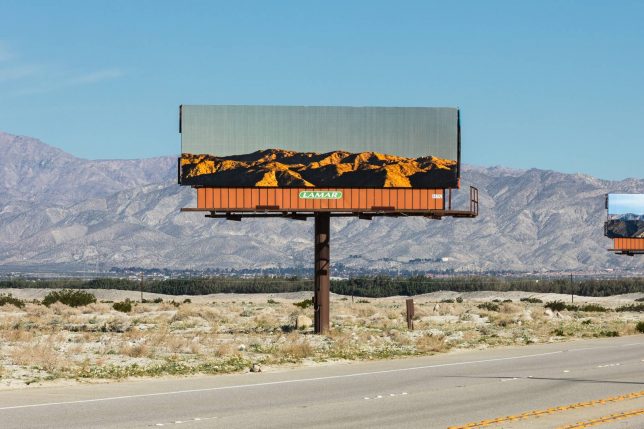
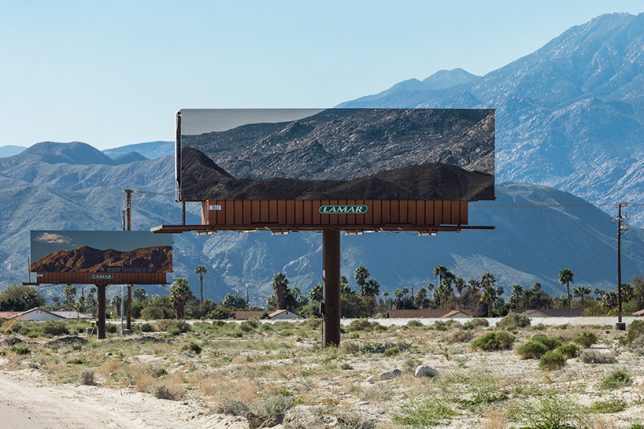
    For just a split-second as you zoom by in your vehicle, you’ll catch the perfect alignment of 2D imagery on a billboard and the real, three-dimensional mountains in the background, eliminating advertising to refocus your attention on what’s really important. Set along Gene Autry Trail in California as part of Desert X, an outdoor exhibition of site-specific art installed across the Coachella Valley, the billboard series by Jennifer Bolande demonstrates an unusual form of camouflage.

    desert X main

    desert X billboards 2

    The installation is particularly effective for the close placement of the billboards, which are glimpsed in quick succession. Real and artificial environments blend together in an illusion that’s particularly effective on a bright, sunny afternoon when the sky is at its bluest. The work is specifically made to be experienced from a passing car, drawing inspiration from an old Burma Shave ad that used sequential placement to create a message that could only be read from a moving vehicle.

    desert x

    ‘Visible Distance/Second Sight’ is particularly effective in this desert environment, where most structures are low-lying and there are no towering trees. This setting ordinarily makes billboards pop out from the landscape even more than they would in a city.

    circle of land and sky philip k smith

    curves and zigzags

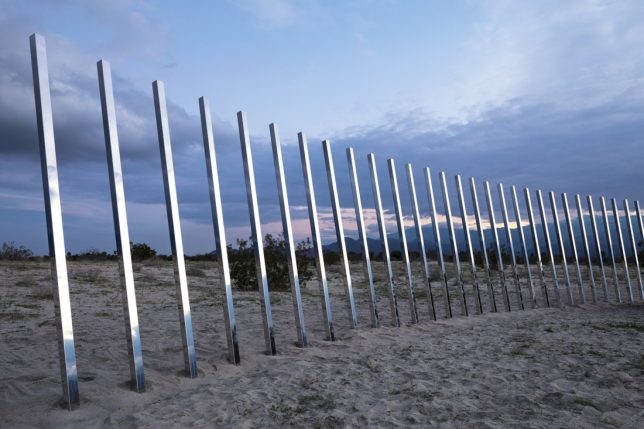
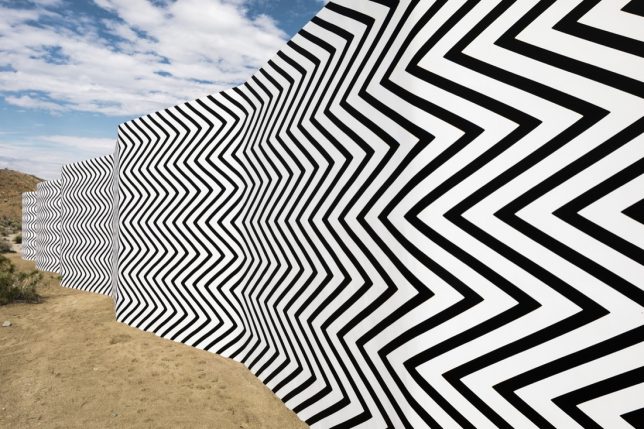
    Other striking installations in the Desert X series include ‘The Circle of Land and Sky’ by Phillip K. Smith III, a composition of 300 geometric reflectors angled at 10 degrees to engage with the surrounding Sonoran Desert, and ‘Curves and Zigzags’ by Claudia Comte, a series of scuptural freestanding walls.

    All photos by Lance Gerber Studio

    Share on Facebook


    [ By SA Rogers in Art & Installation & Sound. ]

    [ WebUrbanist | Archives | Galleries | Privacy | TOS ]


    WebUrbanist

  • 7 Ways Custom Photo Backdrops Can Promote Your Business

    How could you photograph a love story in Paris having less than $ 50 at your disposal? Or make local moms stand in line at your photo studio without running an expensive marketing campaign? That’s totally possible if you pay attention to one single element of your studio setup – background. Read on to find out how other photographers are successfully Continue Reading

    The post 7 Ways Custom Photo Backdrops Can Promote Your Business appeared first on Photodoto.


    Photodoto

  • Fifth Wall: Artist Uses Aerial Urban Voids as Blank Backdrops

    [ By WebUrbanist in Art & Street Art & Graffiti. ]

    dky art new york'

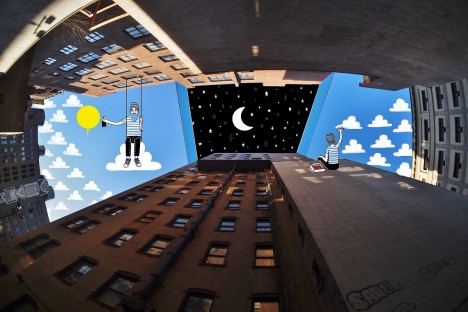
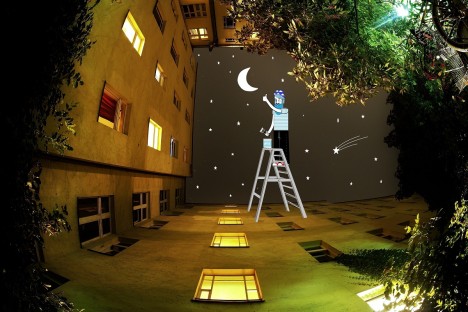
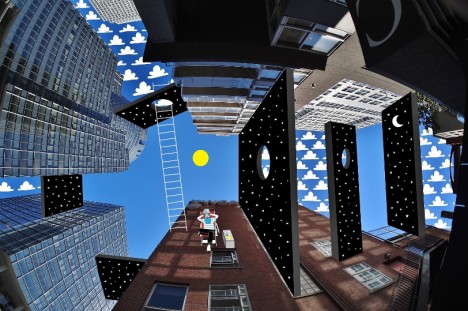
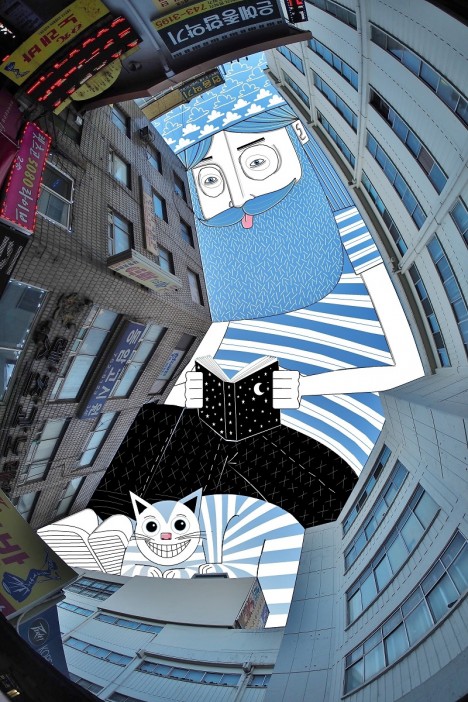
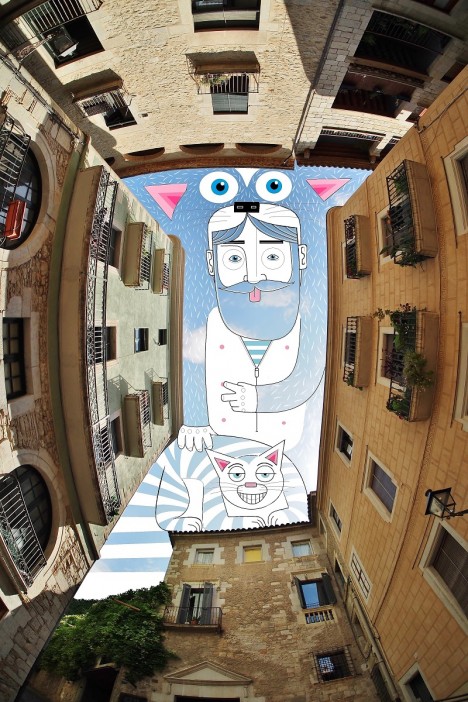
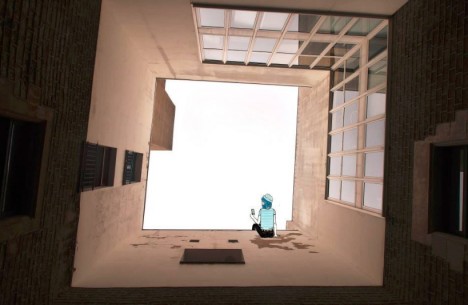
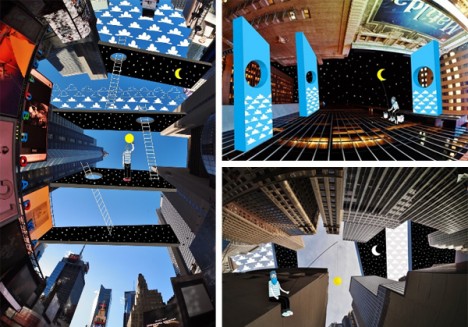
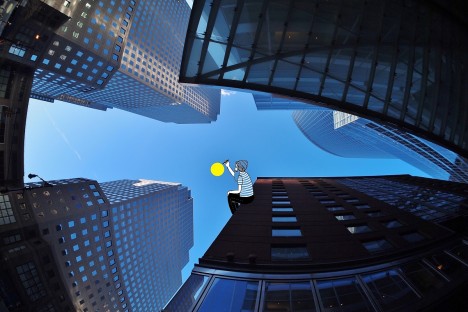
    In theater, the ‘fourth wall’ refers to the imaginary barrier between performers and their audience – the work of this illustrator evokes a kind of ‘fifth wall’, treating the sky above as invisible canvass for drawing upon.

    sky ladder at night

    skydesign

    sky people frame sun

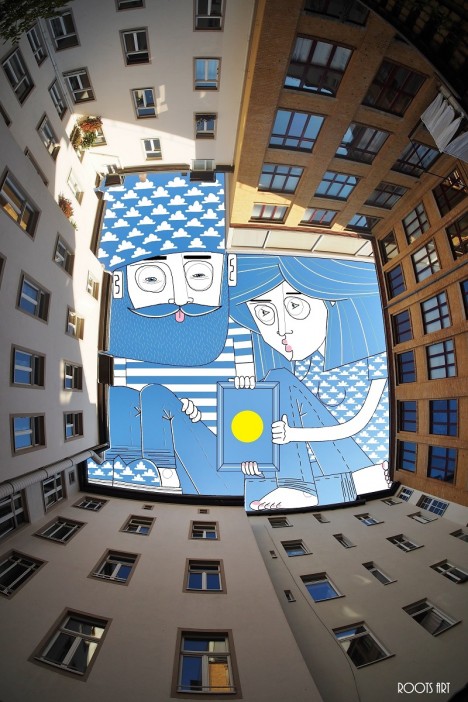
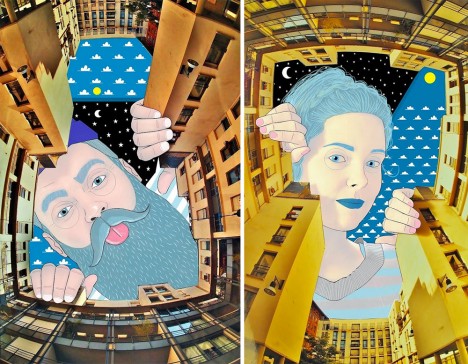
    Featured previously, French artist Thomas Lamadieu is back with new sets (SkyDesign and SkyFace) as well as fresh work in his SkyArt series from around the world, with illustrated shots taken and drawn from South Asia and Europe to the United States.

    sky art cat cartoon

    sky art man cat

    His recognizable style is pushed in new directions as he explores difference spaces and ways of filling them in, including some cartoons that breach the sky barrier and start interacting with infrastructure and spatial elements beyond the central area of focus.

    sky faces art pair

    skydesign edge sitting

    spacespace design series

    sky art drawing sun

    In SkyFace, his portraits seem to push out from their frames, filling up their allotted space and then some, pulling back buildings to be revealed. In SkyDesign, his creations begin building out their own aerial infrastructure, crafting fanciful structures in the sky and manipulating the sun, moon, stars and other celestial elements seemingly at their fingertips.

    Share on Facebook


    [ By WebUrbanist in Art & Street Art & Graffiti. ]

    [ WebUrbanist | Archives | Galleries | Privacy | TOS ]


    WebUrbanist

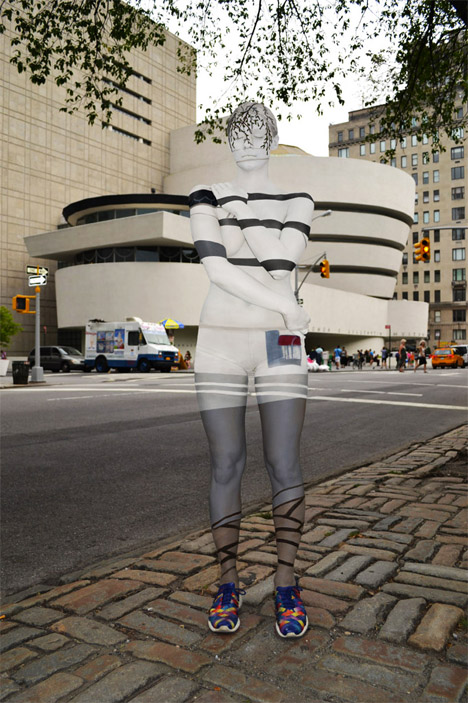
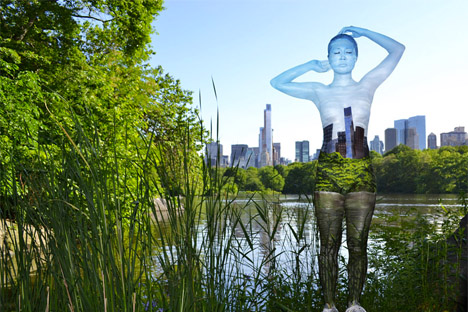
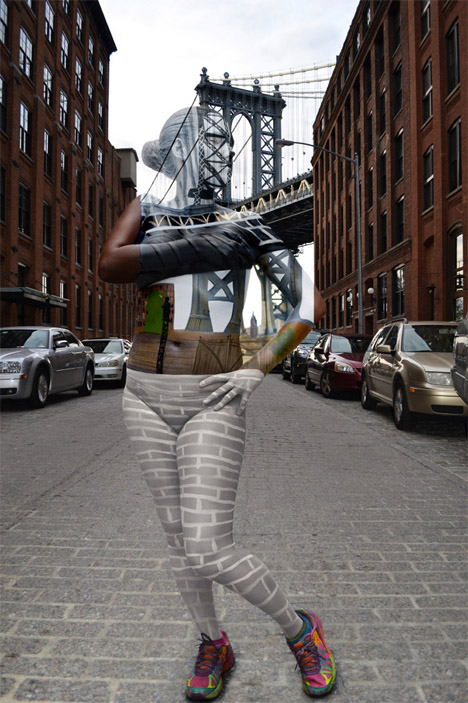
  • Urban Camo: Body Paint Blends Humans into City Backdrops

    [ By Steph in Art & Drawing & Digital. ]

    Urban Body Paint Camo 1

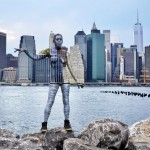
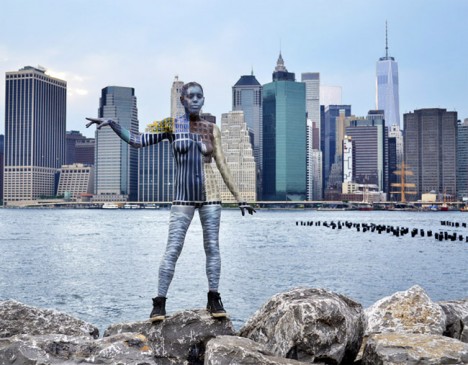
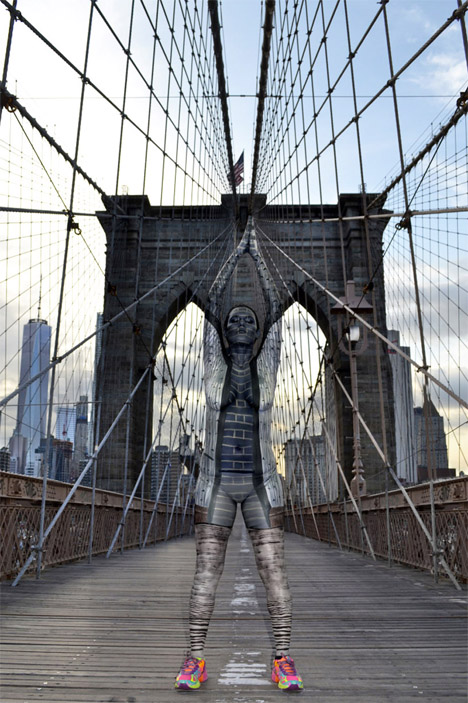
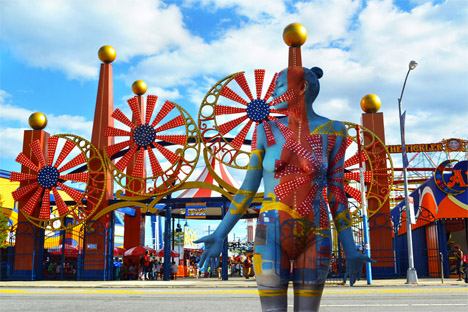
    Human figures blend into iconic New York City scenes, from the Brooklyn Bridge to the Guggenheim Museum, in artist Trina Merry‘s tromp l’eoil urban camouflage works. Each subject is carefully posed against a backdrop and painted in place to virtually disappear.

    Urban Body Paint Camo 2

    Urban Body Paint Camo 3

    The work is reminiscent of that of Liu Bolin, the Beijing-based artist known as the ‘Invisible Man,’ who spends hours studying his chosen locations and painting himself and other subjects. It’s also another amazing example of surreal and sometimes mind-bending works of art that use human bodies as canvas.

    Urban Body Paint 4

    Urban Body Paint 5

    “My surface is living, breathing human beings making this a highly relevant & immediate medium,” says Merry. “The painting is temporary, like a Tibetan sand painting, beginning to change into another work as soon as I stop painting, changing texture & color.”

    Urban Body Paint 6

    “For this reason highly intentional photography has become an important part of documenting my work… likewise, I work with y human canvases on poses, creating new opportunities for line & Form. My work is sometimes experienced live as an installation, for example, at museums, or preserved through photographs as limited edition fine art prints.”

    Share on Facebook


    [ By Steph in Art & Drawing & Digital. ]

    [ WebUrbanist | Archives | Galleries | Privacy | TOS ]


    WebUrbanist

  • Nostalgic images combine miniatures and real-life backdrops

    8.jpg

    Michael Paul Smith’s photos look like snapshots of classic cars. In reality, they’re clever creations that use forced perspective to combine miniatures and real-world backdrops in an utterly convincing final product. His miniatures live in a fictional U.S. town called Elgin Park, a place populated with vintage cars and the trappings of everyday life in the 1950’s and 1960’s. See gallery

    News: Digital Photography Review (dpreview.com)

  • Guide to DIY Photo Booth Backdrops


    Extra photos for bloggers: 1, 2, 3

    Party time! Excellent!

    ‘Tis the season for some serious partying and these days no party is complete without a photo booth.

    Setting up a photo booth is as simple as providing a backdrop and encouraging your pals to point their smartphones toward it.

    We’re here to help you with that first part (you herd your own friends in front it).

    We’ll teach you three easy-peasy ways to craft a party poppin’ backdrop.

    Give your party photos that extra schwing and have your friends chanting “we’re not worthy! we’re not worthy!”

    Learn to Make 3 Simple Festive DIY Backdrops

    (…)
    Read the rest of Guide to DIY Photo Booth Backdrops (490 words)


    © Karla for Photojojo, 2013. |
    Permalink |
    No comment |
    Add to
    del.icio.us

    Post tags:


    Photojojo