A Guest Post by Rebecca Lily
A trend commonly has two definitions. The first is a “fashion, style or vogue”. In photography, we see certain cyclical trends that are alike to the fashion industry, for example. What was stylish 25 years ago becomes chic again at some point, a retro revival is born and introduces the cycle all over again. It usually takes a few daring individuals – namely, early adopters or trendsetters – to re-introduce what’s deemed “retro” to the modern world. They become the benchmark that the masses will follow.
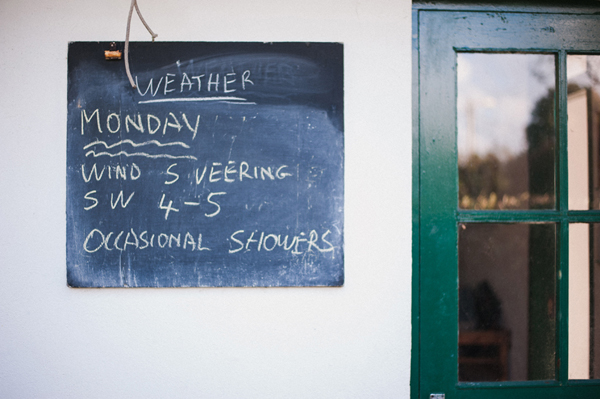
Nikon D700 + Nikkor 50mm 1.8G. Edit: Rebecca Lily Pro Lightroom 4 preset Nautica
A good example of this “fashion trend” in photography is the revival of retro film cameras. Film is “hip” again, and so are cameras like the Diana, Polaroid and Holga. This trend seems to be especially embraced by Generation Y (the generation beginning in the early 1980‘s) who have grown up in a digital age – and mainly due to heavy social online activity, take twice as many pictures as the average U.S. household.
For many of these trend adopters, it’s about rejecting modern (and ordinary-looking) digital equipment, opting instead for an old analog film camera that’s unfussy, not to mention unique and eye-catching. For others, it’s about the resultant retro look of the photographs, which is in style at the moment. One evidence of this are the massively popular smartphone apps like Hipstamatic and Instagram, which emulate a retro film camera effect for modern phone snapshots.
There is a second definition for the word trend, which is described as “a general course or direction”. This is what I refer to when I talk about the trend towards authenticity, which I have observed taking place gradually over the last few years. I believe there is a general movement in photography away from overdone, fake, glossy, polished and plastic, and towards natural, simple, unpretentious, relatable and real.
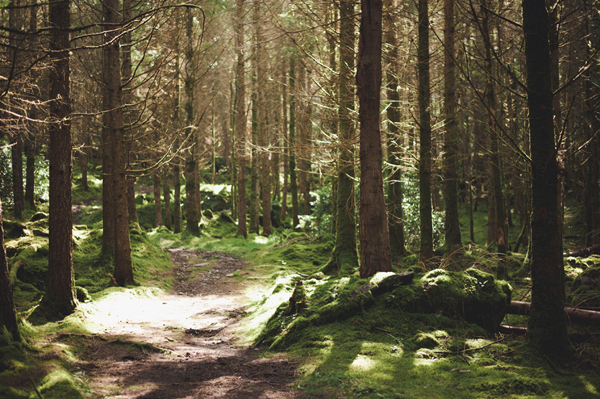
Nikon D700 + Nikkor 50mm 1.8G. Edit: Rebecca Lily Pro Lightroom 4 preset Color Me Dramatic
It’s not the same as retro-hype. It’s not like the film revival. It’s different because it goes deeper than what equipment or medium you’re shooting with; it’s about mindset. Its implications are much further-reaching because it is shaping society’s values, expectations and norms.
How has this trend towards authenticity affected the world of photography?
1. People look less fake
There is a current movement against the extreme Photoshopping techniques of the fashion industry. What used to be commonly acceptable practice of “retouching” is now being termed “fake”, “over-enthused” or “plastic”, where models’ physiques are so altered that they are not at all realistic anymore.
A very public media backlash has occurred, especially in the last year, where the public begins to verbalize their discomfort over excessive Photoshop alterations and demand change. An example of this: in early July 2012, ‘Seventeen’ Magazine pledged not to digitally alter body sizes or face shapes of young women in their editorial pages – because of eighth-grade Julia Bluhm’s campaign which went viral and resulted in more than 80,000 signatures from around the world.
Like Julia, many people are realizing the importance of natural, authentic role models for men and women alike. Coinciding with the public’s growing awareness in this regard, many celebrities have supported this movement and started appearing in photo shoots without makeup, and some are requiring published photographs of themselves to be un-Photoshopped. It’s all part of the trend towards natural – towards real – towards authenticity. Plastic over-smoothed skin and unattainable Barbie-like physiques are going out of style. Real photographs of real people start to be embraced.
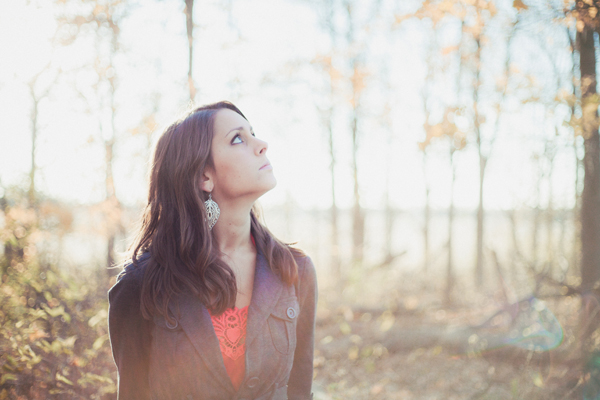
Canon 5D + Canon 50mm 1.8. Edit: Rebecca Lily Pro Lightroom 4 preset Luminous.
2. Subject matter looks more organic
If you pick up a copy of Kinfolk Magazine, you’ll find a style of photography has emerged which celebrates the rudimentary, the casual and unpretentious. Despite the fact that most of Kinfolk’s images are set up (like the majority of images of interiors and tablescapes), the overall style that is presented as aesthetic in their photographs is something much different than what we used to see in House Beautiful magazine. Mismatched table linens and wildflowers in a rusty tin can are now a hip look, rather than gleaming china, polished silver and elaborate flower arrangements. Popular blogs like 3191 Miles also embody this simplistic, organic homey style, where interiors look lived-in and familiar rather than like elegant, stuffy museums. A stained tea towel next to a morning coffee invokes a cozy feel of home, as does fingerprints on a window or wine glass, or flour scattered over a worn kitchen counter. At one time we might have cloned these things out and made them “perfect”. Now, “perfect” becomes unnecessary, and the everyday – from the common to the rustic – is beautiful and comforting. We love to see relatable images, and to be inspired to find beauty in our own homes, no matter how simply they are furnished.

Nikon D700 + Nikkor 50mm 1.8G. Edit: Rebecca Lily Pro Lightroom 4 preset Midsummer
3. Colors look more Natural
As the the trend towards authenticity continues to grow, so does the trend towards softer, more natural colors and delicate highlights and shadows – much more like what we actually see with our eyes. Many of us begin to notice over-saturated colors, fake skin tones, blown-out highlights and harsh contrasts in post work – where it simply doesn’t look at all real anymore. It’s typical now to see comments like “Over-Photoshopped” or “over-processed” simply because people are now more aware of what overdone post-processing looks like. After awhile some of us grow in our awareness that what we were doing before in our post work was simply too much.
Of course there will be those who argue with this and say that photography is art and post-processing is artistic expression. Regardless of how individual photographers choose to express their style, the predominant trend is moving away from these more extreme looks and towards something more true-to-life.
Here’s an example with my own work:
Original image (SOOC):
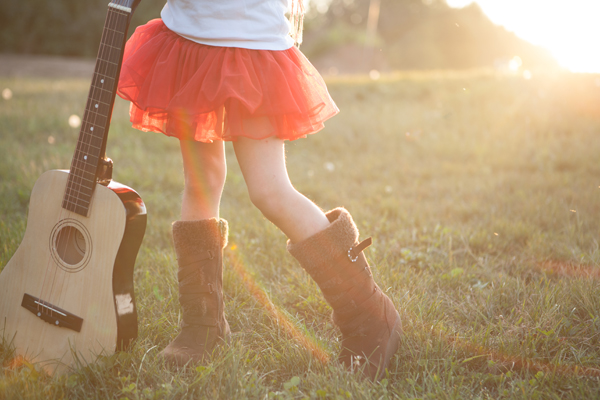
Canon 5D + Canon 24-70mm 2.8L
My post-processing 2.5 years ago:
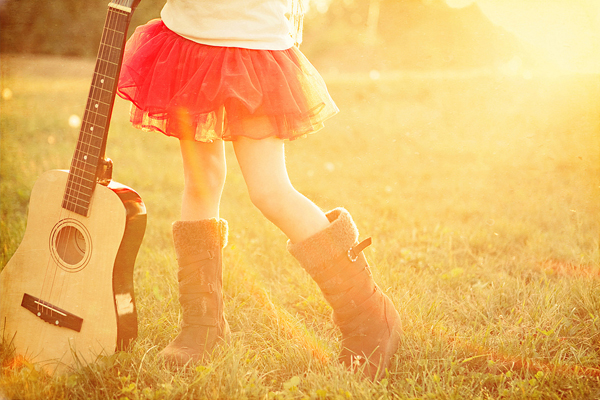
Canon 5D + Canon 24-70mm 2.8L
My current post-processing:
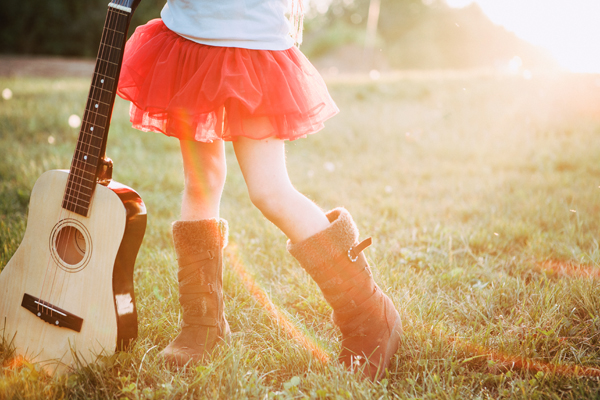
Canon 5D + Canon 24-70mm 2.8L. Edit: Rebecca Lily Pro Lightroom 4 preset California
As you can see, my own personal editing has undergone a big change. The current post-process is still bright and whimsical, but the colors look nevertheless very natural when compared to the SOOC. One thing that is important to keep in mind is that SOOC does not necessarily equal “natural colors”. Camera manufacturers have their own color palettes, and many times these colors are simply not true to life. Case in point: my Nikon, as much as I love it, gives me too much yellow. Yes, it is possible to get close to true-to-life colors if you calibrate your camera (which many pro photographers do), but my personal goal in post-processing is not to get SOOC’s with realistic colors. It’s to recreate the look and feel of what I originally saw, in an aesthetic, natural-looking and pleasing way.
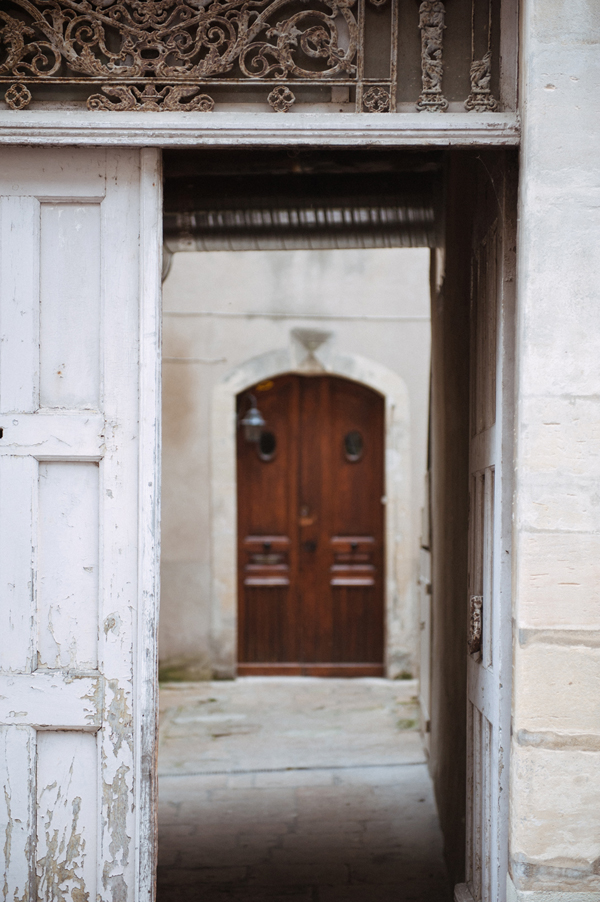
Nikon D700 + Nikkor 24-70mm 2.8G. Edit: Rebecca Lily Pro Lightroom 4 preset Elixir
If you incorporate tools like Photoshop actions, Lightroom presets or ACR presets for editing, there are a few products out there that are designed for natural, timeless, aesthetic colors. But they are difficult to find. Most vendors have not caught up with the times yet and are still offering products that are simply outdated.
The majority of professional photographers do not want drastic effects, loss of detail or heavy alteration of original tones. They aren’t interested in a cotton candy color palette. They want subtle and versatile products that enhance their colors, produce delicate, detailed highlights and shadows and naturally beautify skin tones, but in a way that looks authentic and aesthetic – not fake. This is especially important for wedding and portrait work.
As a designer of post processing tools such as Lightroom presets and Photoshop actions, I work with the continuous feedback of many professional clients and pay special attention to the growing requirements for this type of product. Especially among fine art wedding and portrait photographers, there is a strong demand for subtle and natural looking, film inspired colors – and the ability to cohesively apply a consistent look to an entire photography session. This reflects the growing movement towards authenticity.
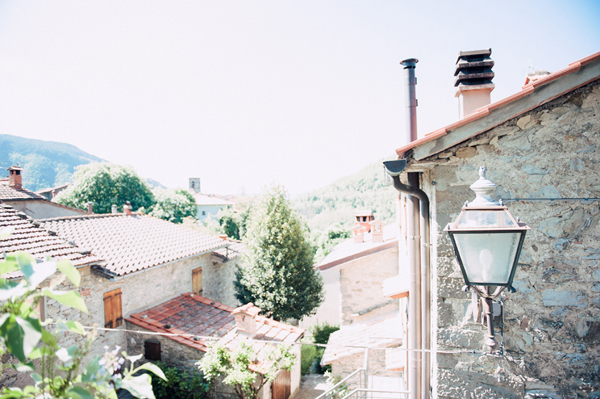
Nikon D700 + Nikkor 24-70mm 2.8G. Edit: Rebecca Lily Pro Lightroom 4 preset California
So where does this trend lead us in the world of photography? Someplace better, I believe. As the trend towards authenticity evolves, it inevitably changes the mindset of society for the better. This is part of the influence that we have as photographers, and part of our responsibility. I am always delighted to see wedding and portrait photographers that spend more time learning how to capture a person’s real, natural beauty with good light and a flattering angle – rather than liquifying and plasticizing them in Photoshop. How we as photographers approach our subjects tells a story to the world – and to ourselves – about what we perceive as beautiful and acceptable, and sets a standard to those who are watching us.
I am hopeful when I stand on my tiptoes and look ahead to where the photography industry is going. I see this trend developing into a new and better way of thinking, of seeing. Publications begin to celebrate the everyday and the common in favor of the glossy. Models begin to look like real people. Homes begin to look lived-in rather than like museums. Nature begins to look like nature and not like Super Mario-world. Authenticity begins to shine.
And it’s about time.
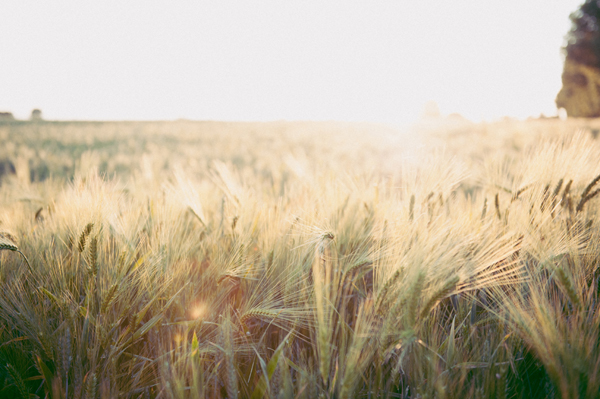
Nikon D700 + Nikkor 24-70mm 2.8G. Edit: Rebecca Lily Pro Lightroom 4 preset Retro Curve
Rebecca Lily is a professional destination wedding and commercial photographer under Bondshots, which she founded with her husband, Johnny Patience. She is also a designer of professional post processing tools such as Lightroom presets and Photoshop actions. Rebecca’s work and products have been featured both online and in print.
Post originally from: Digital Photography Tips.
Check out our more Photography Tips at Photography Tips for Beginners, Portrait Photography Tips and Wedding Photography Tips.
The Trend Towards Authenticity


Digital Photography School